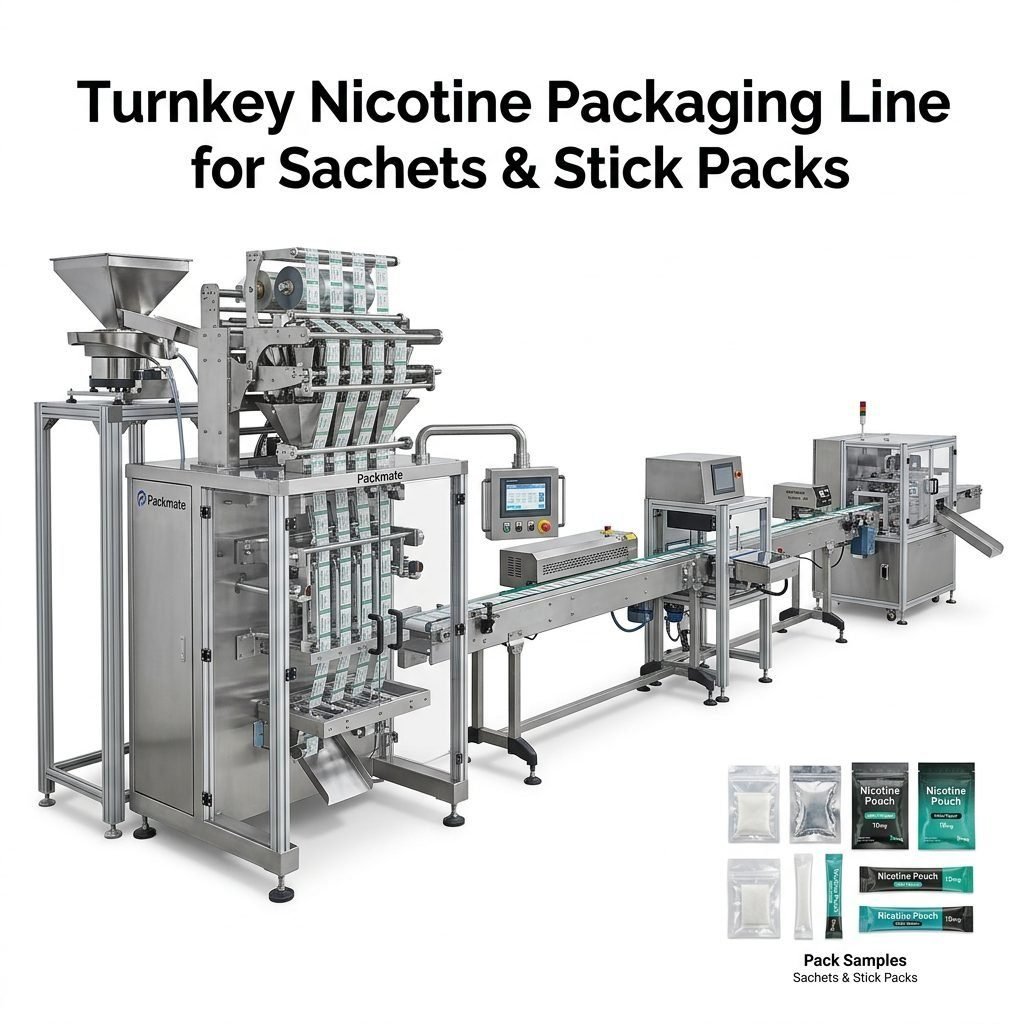
Choosing the right snus packaging machine supplier in Costa Rica is a strategic decision that affects product quality, regulatory compliance, and long-term profitability. Whether you are launching a new nicotine pouch brand or scaling an existing operation, the packaging equipment you select must match Costa Rica’s market expectations, climate conditions, and distribution channels. This guide walks you through practical, business-focused steps to evaluate suppliers, compare machines, and secure a partner who will support your growth locally and internationally.
Understand Local Context: Why Costa Rica Is Unique
Costa Rica has a welcoming business environment and a consumer market that values quality, responsible manufacturing, and clear labeling. For tobacco and nicotine-related products, many companies operate with high regard for compliance, and importers/exporters pay attention to packaging integrity due to the country’s tropical climate. When selecting a snus packaging machine supplier, take the following local factors into account:
📌 Climate and storage: High humidity and temperature variations in Costa Rica mean packaging machines and materials must protect product stability. Seek machines with precise sealing, humidity-resistant materials handling, and options for modified atmosphere packaging.
📌 Regulatory awareness: Costa Rican import/export standards and labeling rules can impact package design and production. A supplier who understands international standards (CE, ISO) and can provide compliant documentation will save you time and risk.
📌 Business culture: Personal relationships matter. Costa Rican buyers often value responsive communication, transparent pricing, and trustworthy after-sales service. Consider suppliers offering local support or clear global service plans.
Key Supplier Evaluation Criteria
Use a standardized checklist when comparing suppliers. Focus on technology, reliability, certifications, and the supplier’s track record with snus or nicotine pouch products.
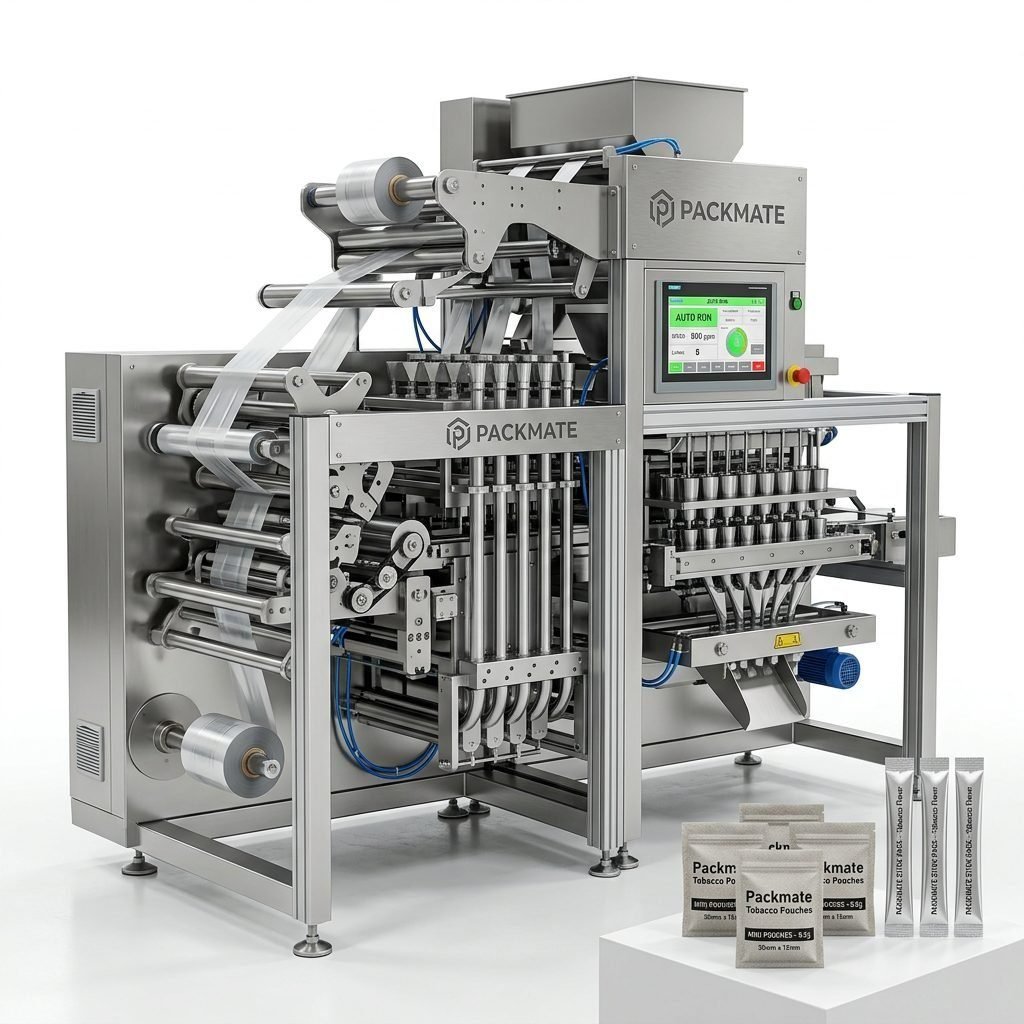
✅ Experience & Specialization: Does the supplier specialize in snus/nicotine packaging machines or provide more generic equipment? Prioritize vendors with proven multi-lane pouch systems and stick/sachet solutions tailored for low-dose nicotine pouches.
✅ Certifications & Quality Control: Look for CE, ISO, and documented factory testing. These certifications reduce compliance risk and indicate reliable manufacturing processes.
✅ Machine Variety & Customization: Suppliers with a wide model range (stick pack, sachet, multi-lane, sachet stick combos) let you scale and diversify without switching vendors.
For fast review of machine families and system types, explore specialized product pages such as
Snus & Nicotine Packaging Machines,
Sachet & Stick Pack Machines, and
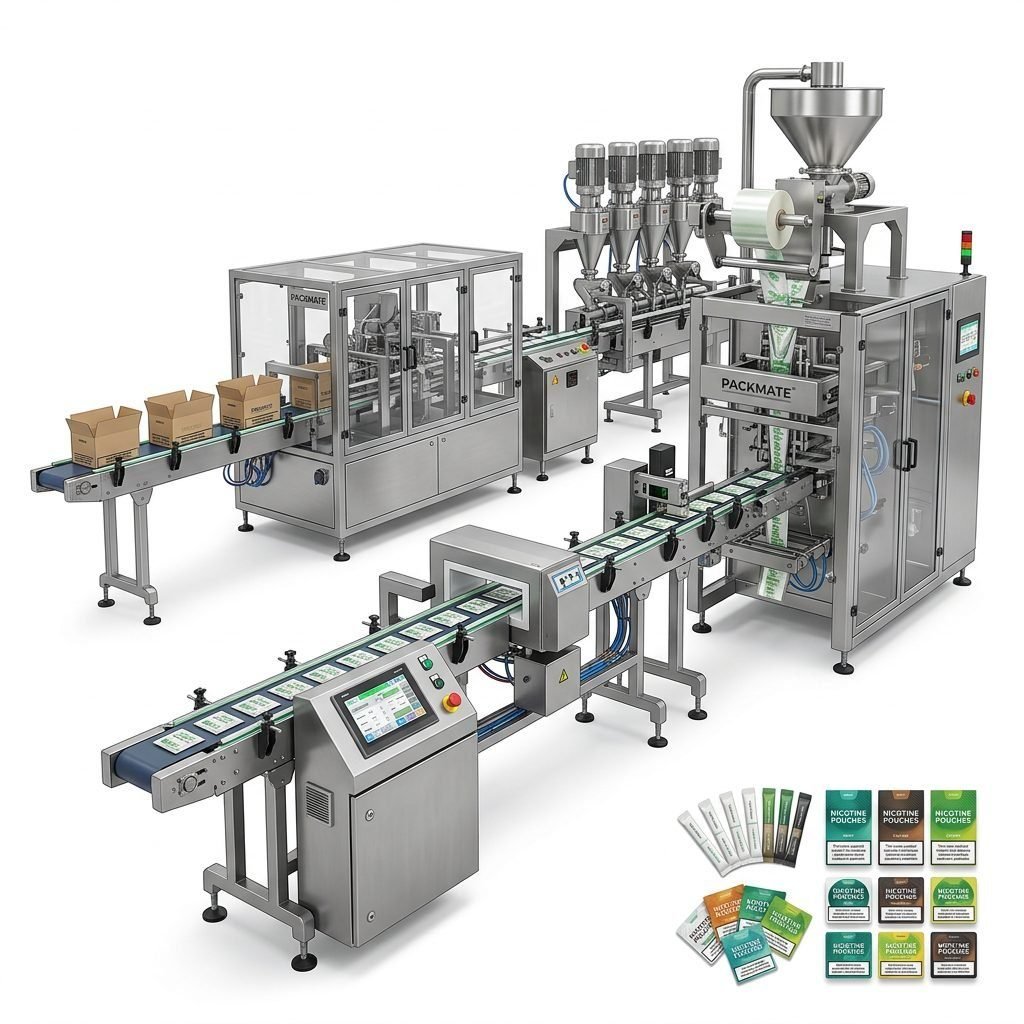
Filling & Packaging Lines.
Questions to Ask Prospective Suppliers
When you contact suppliers, prepare clear technical and business questions to reveal capability and transparency.
🔍 What are your standard production capacities and uptime metrics? Ask for OEE (overall equipment effectiveness) figures and examples from existing lines.
🔍 Can you provide references or case studies? Request real-world examples, ideally from similar climates or markets. A supplier that shares case studies demonstrates confidence in performance — see examples on their Case page.
🔍 What certifications and test protocols do you use? Make sure they can supply CE/ISO certificates and documented factory acceptance tests. Refer to their Certificate information.
🔍 Do you offer local support or international after-sales service? Clarify spare parts logistics and remote troubleshooting processes. Reliable suppliers list service programs on their Service page.
Assessing Technical Features and Scalability
Match machine features with your product specs and growth plans. Key technical considerations include:
⚙️ Filling accuracy — essential for consistent nicotine dosing and regulatory compliance.
⚙️ Sealing strength & material adaptability — ensures shelf life in humid conditions and compatibility with barrier films or pouches.
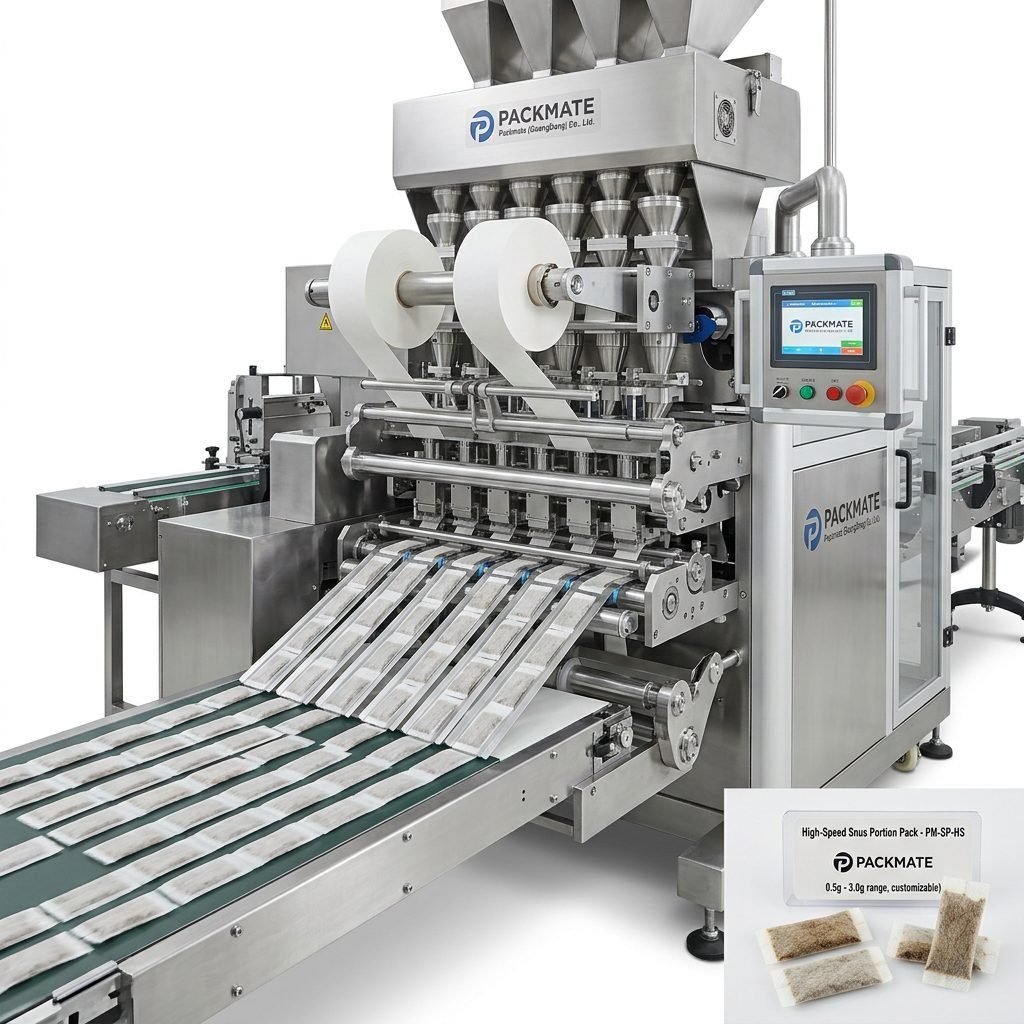
⚙️ Multi-lane capability — amplifies output without doubling footprint. Ideal for brands that need high throughput while maintaining compact factory layout.
⚙️ Easy cleaning & maintenance — reduces downtime and helps meet hygiene standards when handling consumable products.
📈 Tip: Request a Performance Specification Sheet and FAT (Factory Acceptance Test) videos. A reputable supplier will provide machine demos, detailed specs, and on-site commissioning support.
Pricing, ROI & Total Cost of Ownership
Price is only part of the equation. Evaluate total cost of ownership (TCO) including installation, training, spare parts, energy consumption, and downtime.
⚠️ Don’t focus solely on lowest upfront cost. Cheaper machines may lack precision, be harder to maintain, or have longer lead times for parts.
Calculate expected ROI by estimating throughput, yield rates, packaging material costs, and labor. A higher-quality multi-lane system may pay back faster through reduced waste and higher output.
Factory Visits, Trials, and Quality Assurance
Whenever possible, visit the supplier’s factory or request a live remote demonstration. A factory visit provides insight into manufacturing capability, assembly standards, and quality control processes.
📌 What to inspect: CNC machining accuracy, assembly cleanliness, test benches, spare parts inventory, and final QA procedures. Ask to see machining centers and assembly lines — these indicate consistent build quality.
If a physical visit is not possible, ask for a full FAT checklist, high-resolution demonstration videos, and references from clients in similar industries or climates.
After-Sales Service: A Business-Critical Factor
After-sales service is crucial in Costa Rica where timely response can prevent costly production stoppages. Confirm the supplier’s support network, spare parts lead times, training programs, and warranty terms.
📦 Spare parts & training: Ensure essential spare parts are available locally or shipped quickly. Ask whether operator training is provided on-site or remotely and whether technical manuals are in Spanish or English.
Logistics, Installation & Local Support
Plan logistics carefully: shipping route, customs clearance, installation space, and electrical specifications. Suppliers with global export experience understand packaging for sea freight and can advise on customs paperwork.
🔧 Installation checklist: Site power, floor load capacity, compressed air quality, and access for cranes or forklifts. A reliable supplier will provide pre-installation guidance and a layout drawing.
Why Packmate Snus Machine Is a Strong Option
If you are evaluating global suppliers, Packmate Snus Machine offers features particularly relevant to Costa Rican operators:
📌 Three decades of experience: With over 30 years in packaging machine R&D and an extensive portfolio, Packmate focuses on high-performance snus and nicotine pouch systems.
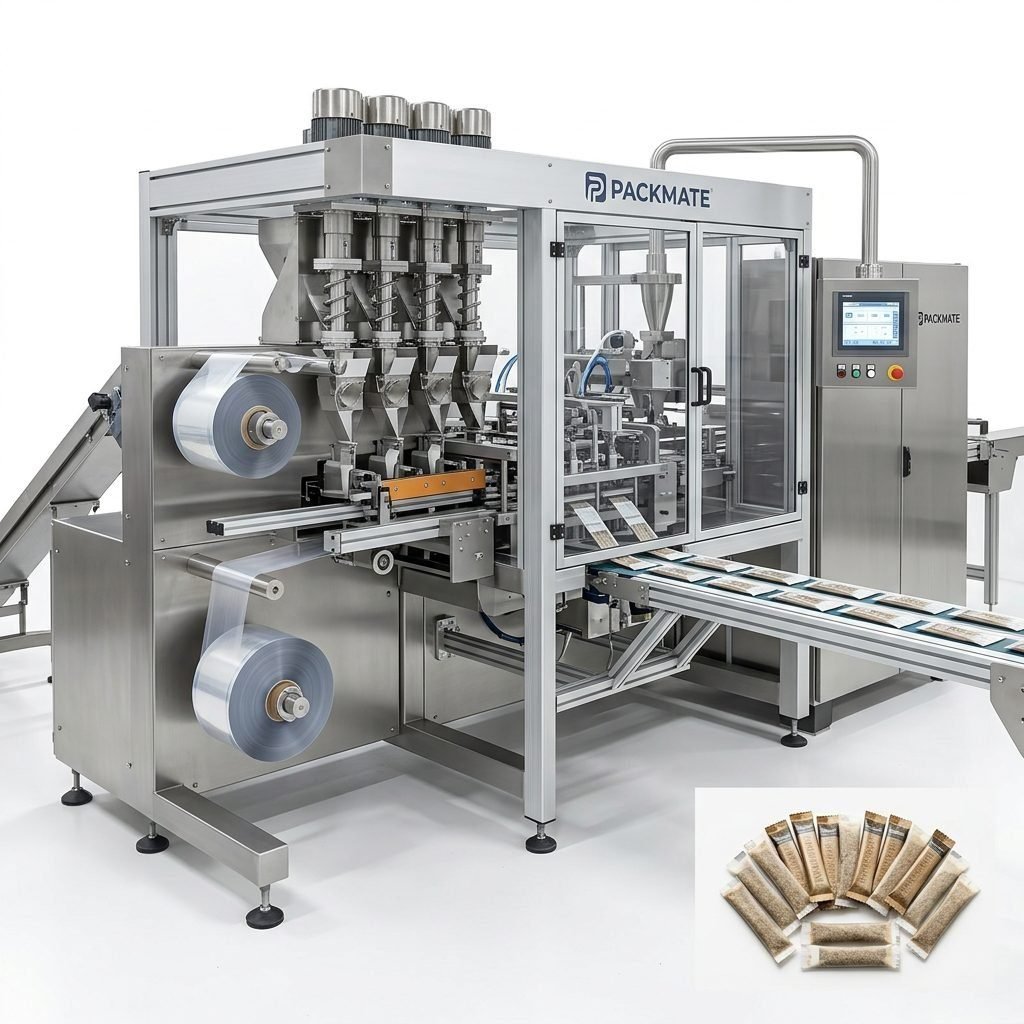
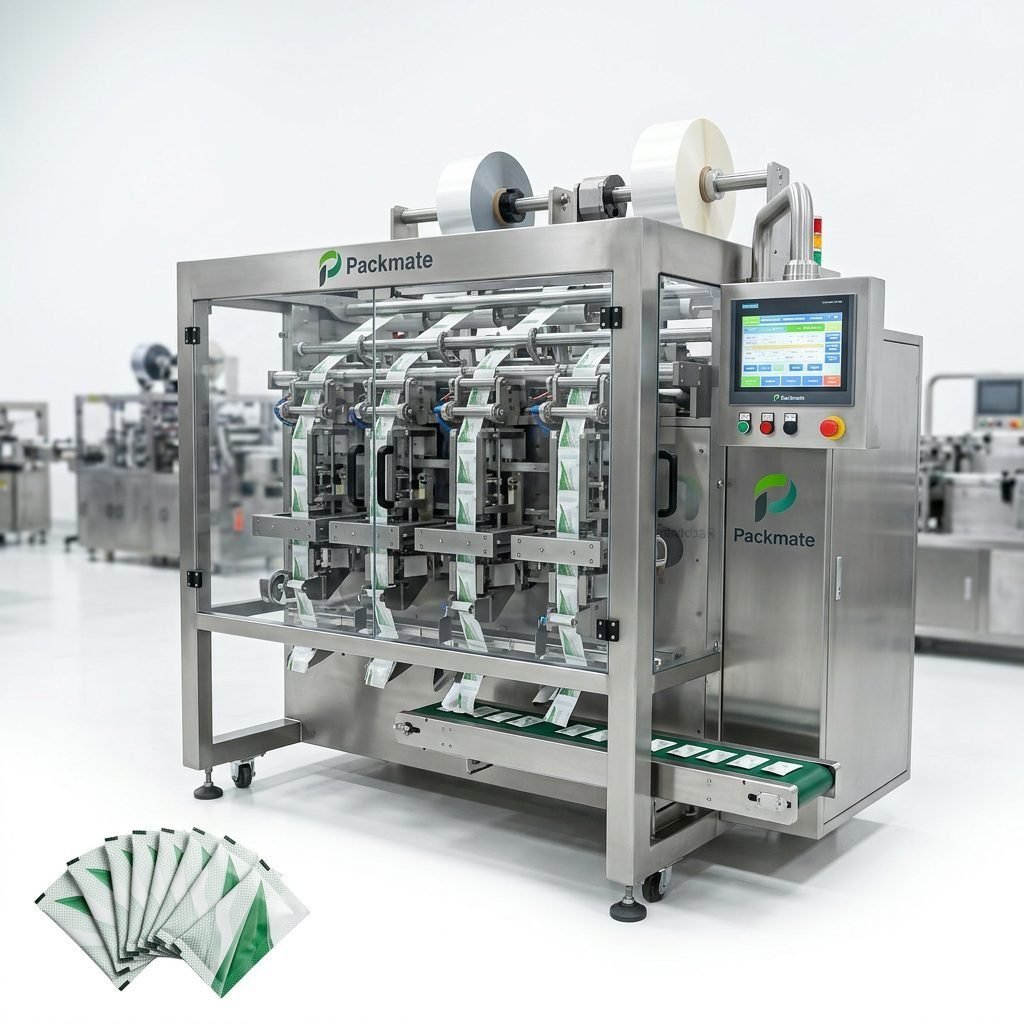
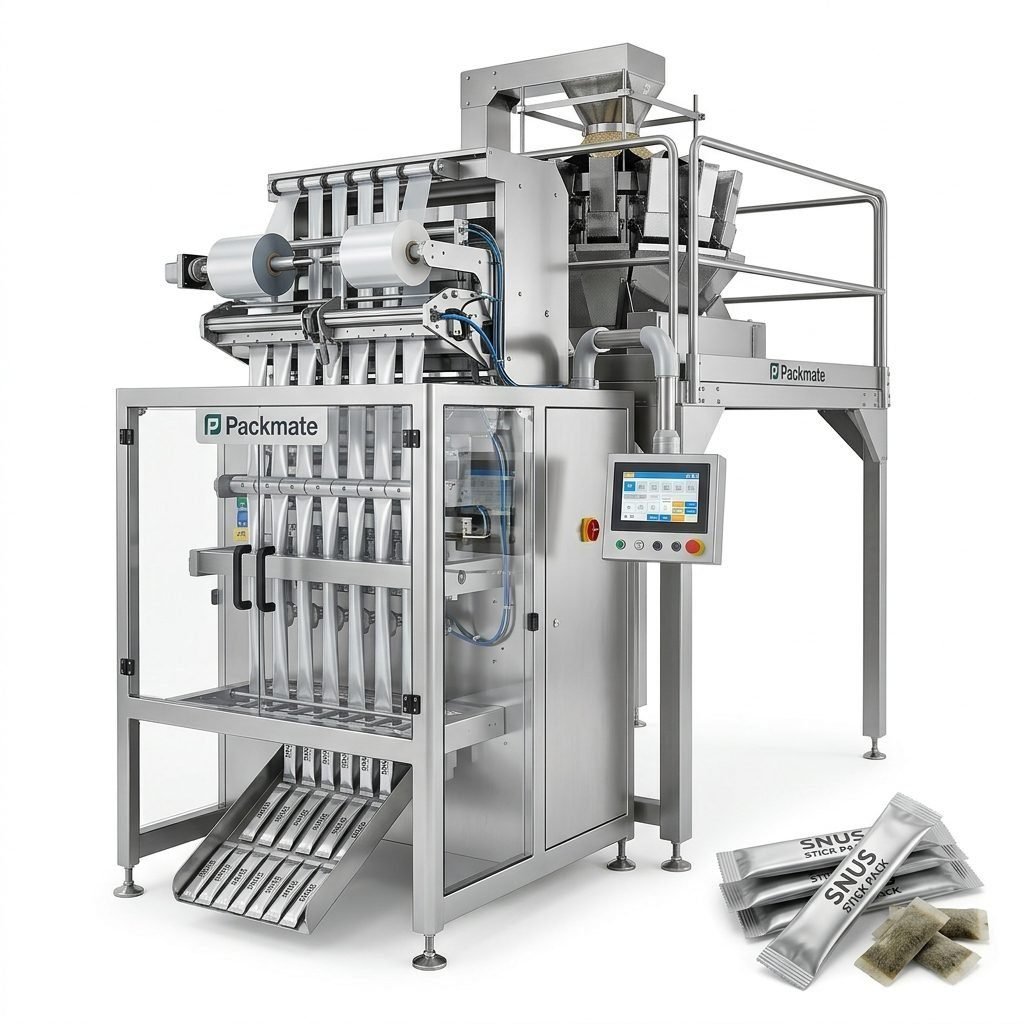
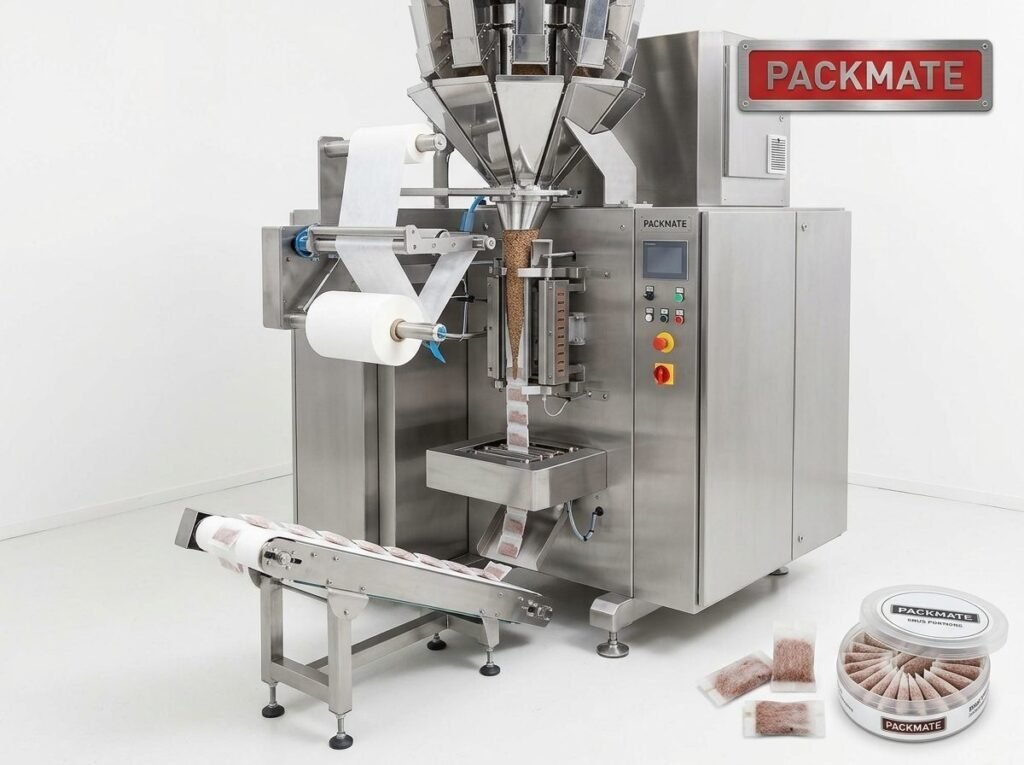
📌 Comprehensive product range: From stick packs and sachets to multi-lane pouch systems, their 50+ models and turnkey solutions let you scale production efficiently. Explore specific models at their Snus & Nicotine Packaging Machines page.
📌 Factory strength: A 20,000㎡ facility with advanced CNC and precision assembly lines supports consistent quality and the capacity to customize lines for different packaging formats.
For more company background and global presence, see About Packmate and their Our Exhibition highlights.
Negotiation & Contract Tips
Negotiate beyond price: include clear acceptance criteria, FAT sign-off, delivery milestones, spare parts lists, and post-installation training obligations in the contract. Define warranty scope and response times for technical support to avoid ambiguity.
💡 Pro tip: Request a clause for remote diagnostics and software updates. Remote support minimizes downtime and allows quick troubleshooting across time zones.
Common Pitfalls and How to Avoid Them
Many buyers rush to order machines without validating production results or long-term support. Avoid these common mistakes:
⚠️ Signing without factory testing: Always require a FAT and acceptance criteria before shipment.
⚠️ Ignoring spare parts availability: Confirm part numbers, stock levels, and shipping timelines.
⚠️ Overlooking local compliance: Verify labeling and packaging requirements for Costa Rican import/export rules, and ensure machine documentation supports your regulatory filings.
📣 Remember: The best supplier becomes a long-term partner. Prioritize transparency, documented performance, and a clear service plan to protect your operations and reputation in Costa Rica.
Action Plan: How to Move Forward
Follow this step-by-step approach to select a supplier and get your snus packaging line running:
1. Define production targets, packaging formats, and quality specs.
2. Shortlist suppliers with snus experience and request model specs, FAT procedures, and case studies.
3. Review certifications, visit the factory or request live demos, and verify spare parts logistics.
4. Negotiate a contract with clear acceptance criteria, training, and after-sales commitments.
5. Plan installation: site preparation, utilities, and operator training. Confirm commissioning and ramp-up support.
Useful Resources & Next Steps
If you need reliable references to explore machine options and services, check the manufacturer’s product lines and support pages:
– Product overview: Snus & Nicotine Packaging Machines
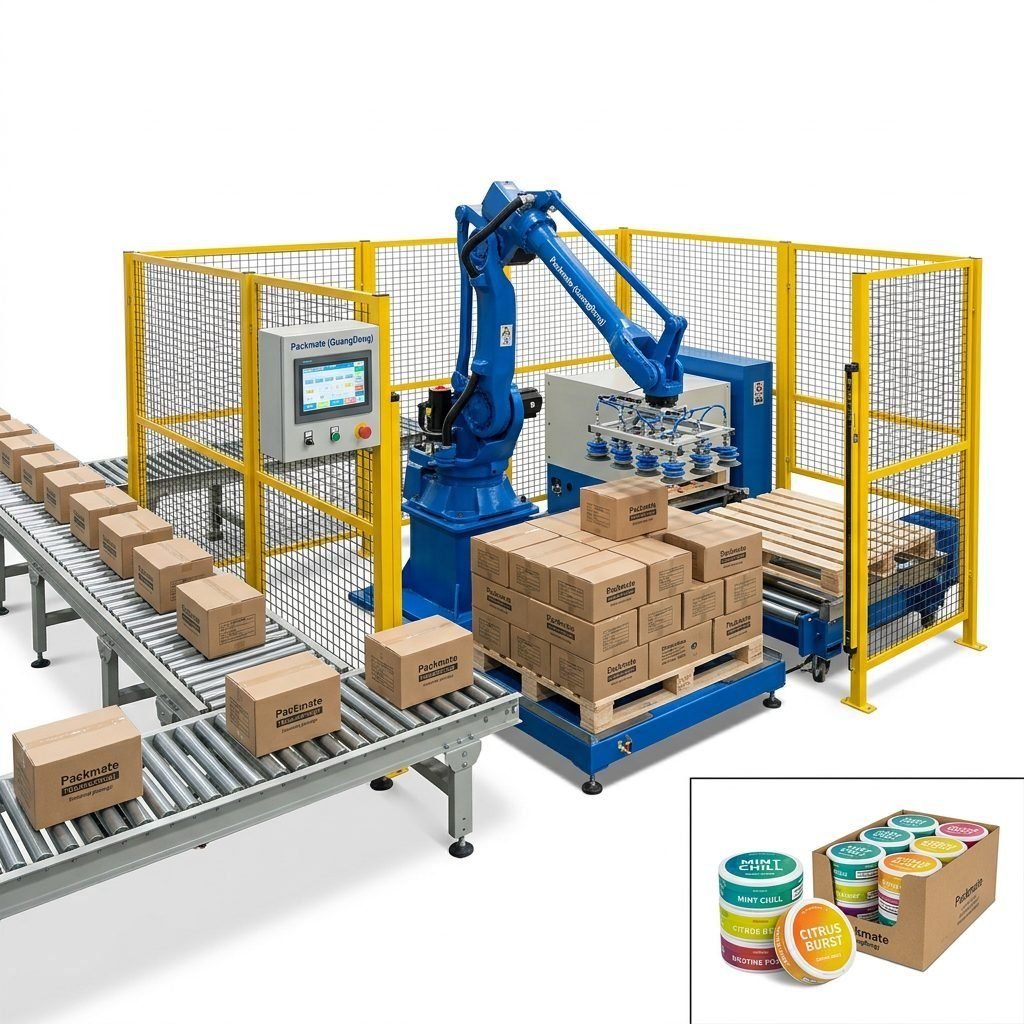
– Auxiliary systems and line integration: Auxiliary Packaging Equipment
– Contact for quotes and technical discussions: Contact Us
Final Thoughts
Selecting the best snus packaging machine supplier for your Costa Rican business requires blending technical rigor with cultural and logistical understanding. Focus on suppliers with proven snus packaging expertise, clear certifications, strong QA processes, and responsive after-sales support. Thorough due diligence — including FATs, references, and a well-structured contract — reduces risk and positions your product for consistent quality and market success.
FAQs
Q1: How important are CE and ISO certifications when buying packaging machines?
A1: Certifications like CE and ISO demonstrate adherence to international safety and quality standards, simplifying compliance and reducing operational risk. They are a key factor in supplier evaluation.
Q2: Can I expect local spare parts stock for international suppliers?
A2: Some global suppliers maintain regional warehouses; others ship from the factory. Always confirm lead times and negotiate minimum spare parts kits with your purchase to ensure fast repairs.
Q3: Should I prioritize multi-lane machines for scaling production in Costa Rica?
A3: Multi-lane machines increase throughput while maintaining a smaller footprint, making them a smart choice if you plan to scale. Evaluate your growth projections and floor space to decide.
Q4: How can I verify a supplier’s performance before purchase?
A4: Request FAT videos, client references, factory visits, and a performance guarantee in the contract. Verified case studies in similar climates or industries are particularly helpful.
Q5: What documentation should be included with the machine shipment?
A5: Include machine manuals, spare parts lists, wiring schematics, FAT reports, CE/ISO certificates, and commissioning guidelines. Ensure some documentation is available in Spanish if needed.