The nicotine pouch market is evolving quickly—driven by regulatory changes, shifting consumer preferences, and a demand for premium convenience. For manufacturers and brand owners, packaging is no longer just a vessel: it communicates safety, quality, and brand identity while improving shelf-impact and conversion. This guide covers the top nicotine pouch packaging trends in design, materials, and branding strategies that help increase sales and customer loyalty.
Design Trends That Drive Purchase Decisions
Modern nicotine pouch packages must balance visual appeal with information clarity. Consumers look for packaging that feels premium, trustworthy, and easy to use. Key design trends include:
✓
Minimalist front panels with a clear hierarchy: brand logo, strength, flavor icon, and a prominent batch/expiry area.
Visual icons (flavor, strength, and nicotine level) and color-coded variants make it faster for repeat buyers to pick favorites. Another winning tactic is tactile finishes—soft-touch matte laminates or spot UV for logos add perceived value, especially on compact tins and resealable pouches.
Compact Formats & Convenience
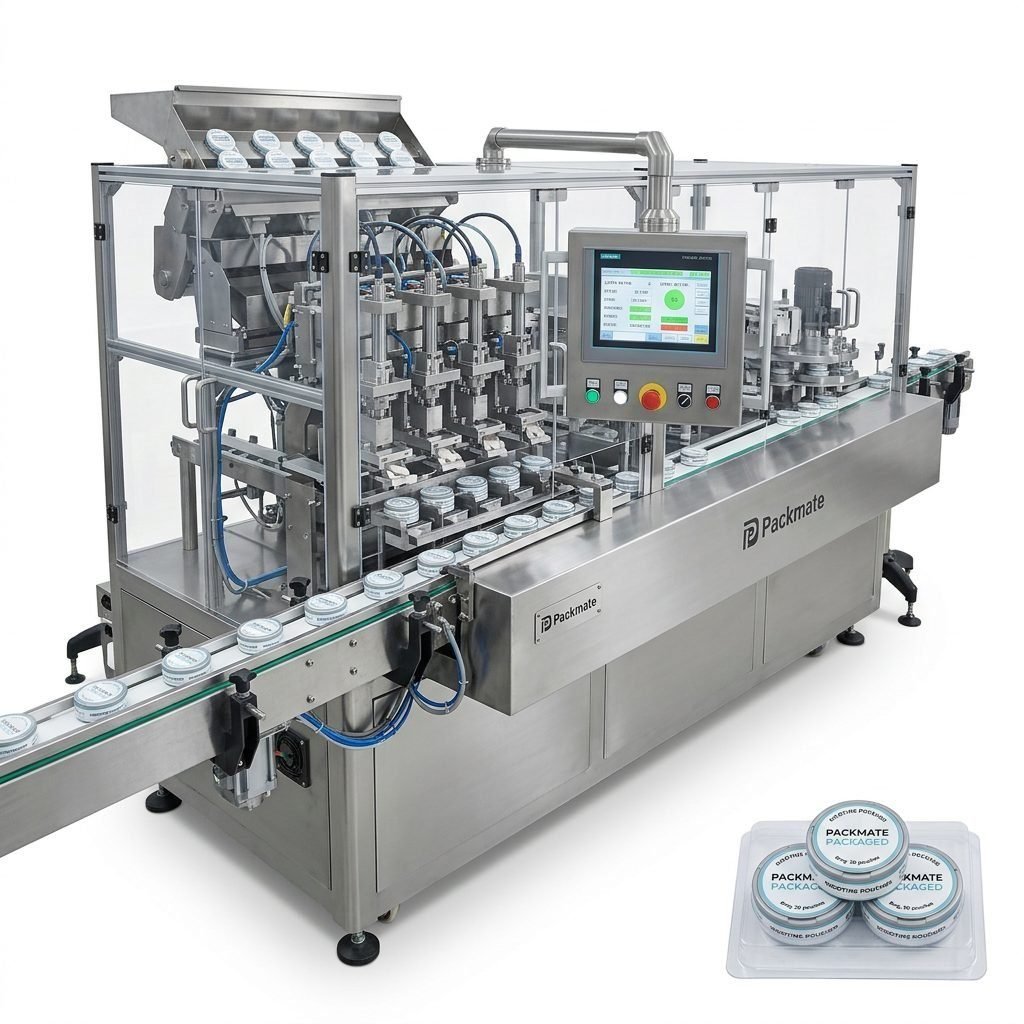
Convenience continues to dominate: slim tins, resealable sachets, and travel-friendly stick packs give consumers options for on-the-go use. Packaging engineers are optimizing form factors for:
- Resealability to maintain freshness and hygiene
- Low-profile tins that fit pocket and purse
- Multi-pouch carriers and variety packs for sampling
Materials & Sustainability: The New Purchase Drivers
Sustainability is no longer optional. Brands that demonstrate responsible material choices and clear recycling instructions gain trust. Popular material directions include:
🔍
Mono-material pouches that simplify recycling and reduce multi-layer complexity.
FSC-certified paperboard tins, biodegradable inner films, and PCR (post-consumer resin) plastics are rising choices. From a manufacturing perspective, selecting materials that are compatible with high-speed machines is crucial—this reduces downtime and trim waste.
Barrier Performance Without Waste
Nicotine pouches require moisture and oxygen protection. Emerging trends prefer high-barrier mono-materials or recyclable composite solutions that maintain shelf life while improving end-of-life handling.
Packaging Formats & Production Lines
Packaging formats influence the choice of automation. For brands scaling up production, investing in the right equipment reduces per-unit costs and improves consistency. Consider:
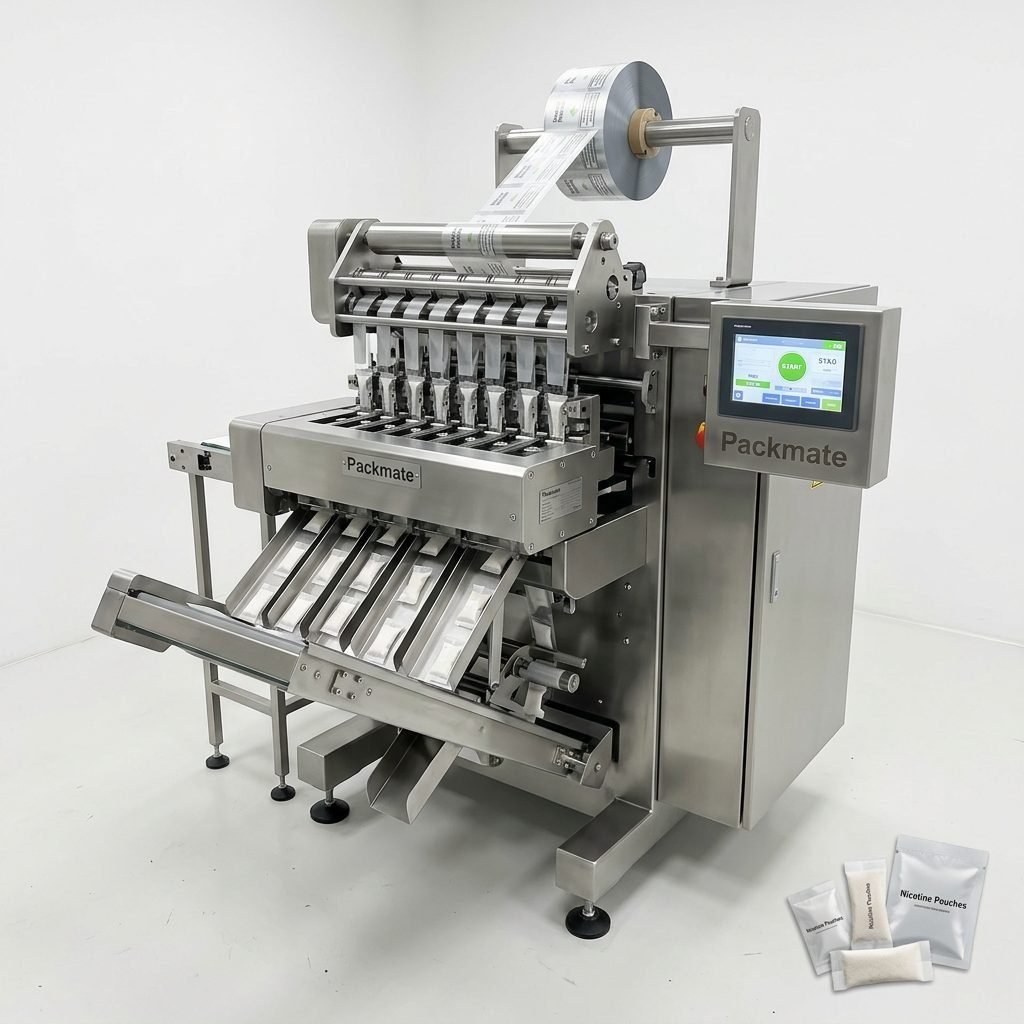
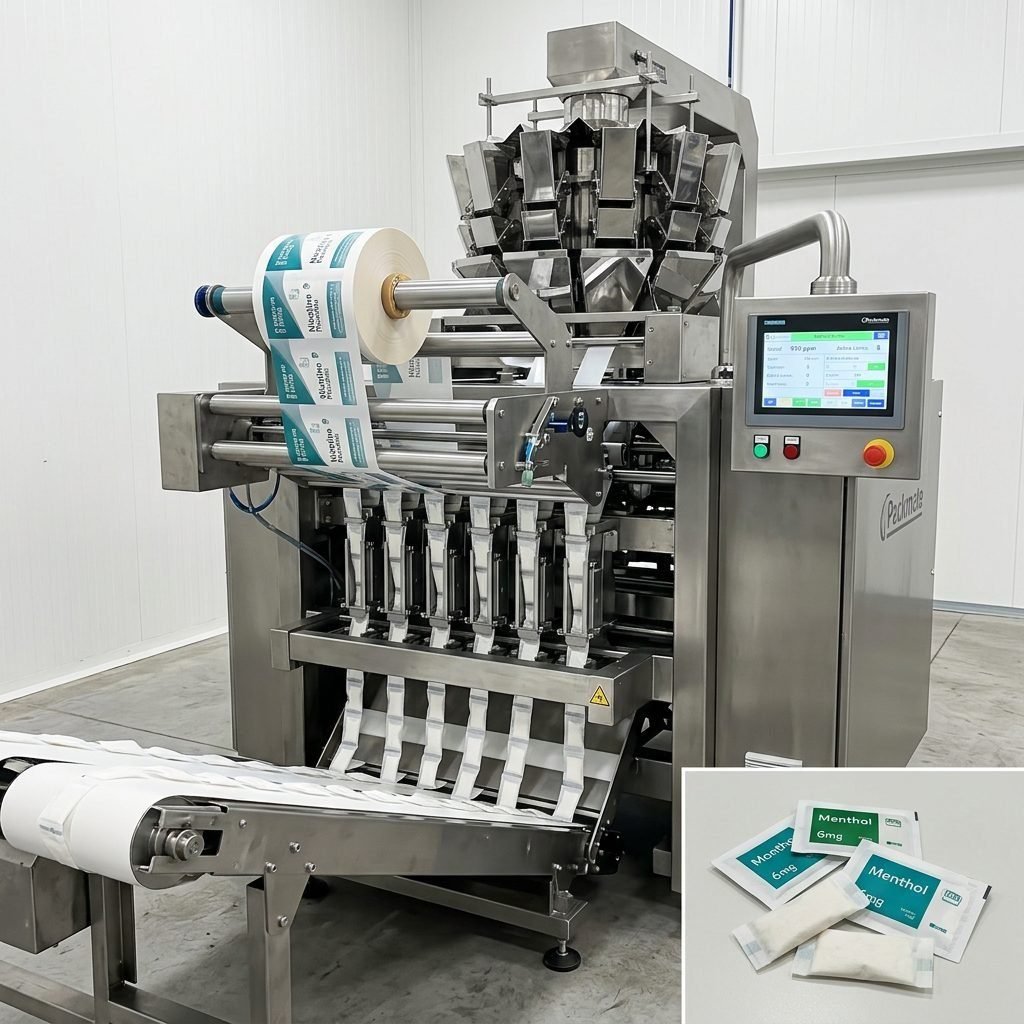
- Multi-lane pouch machines for high throughput
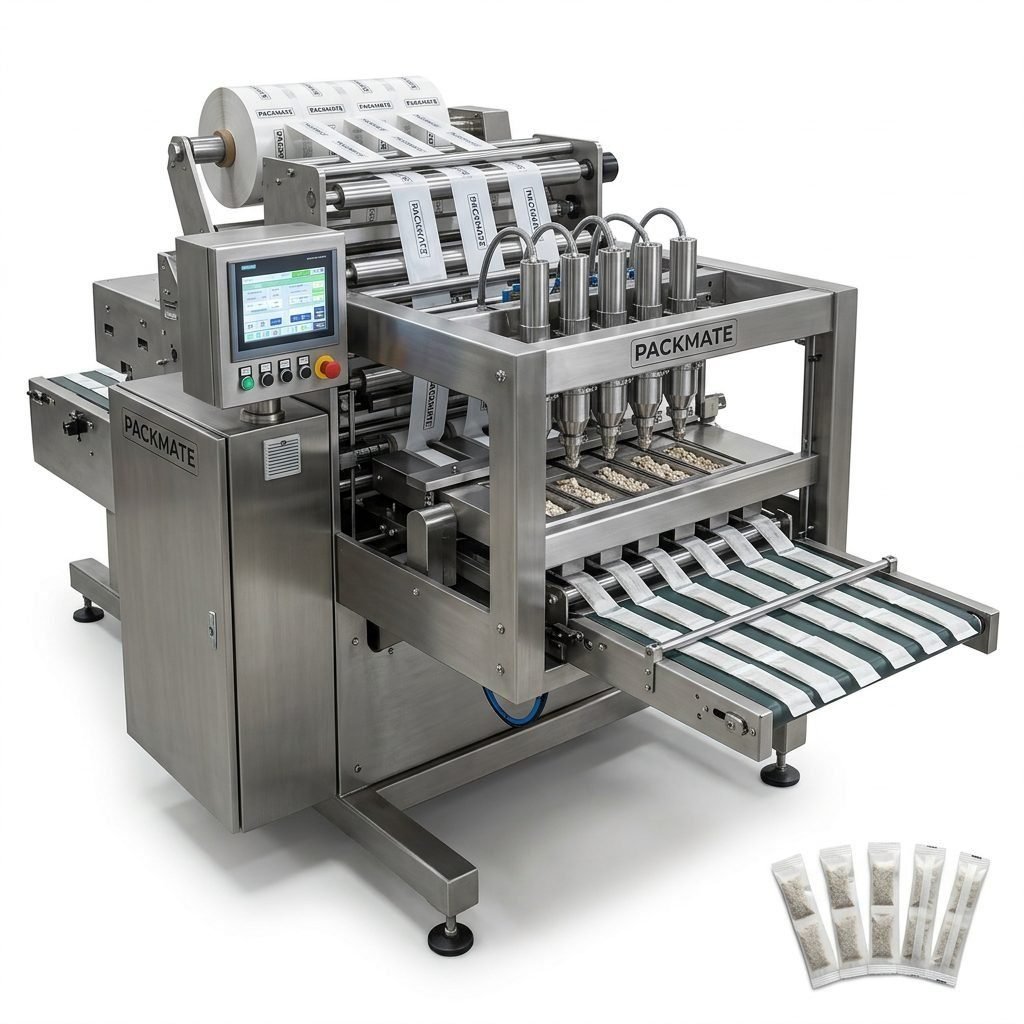
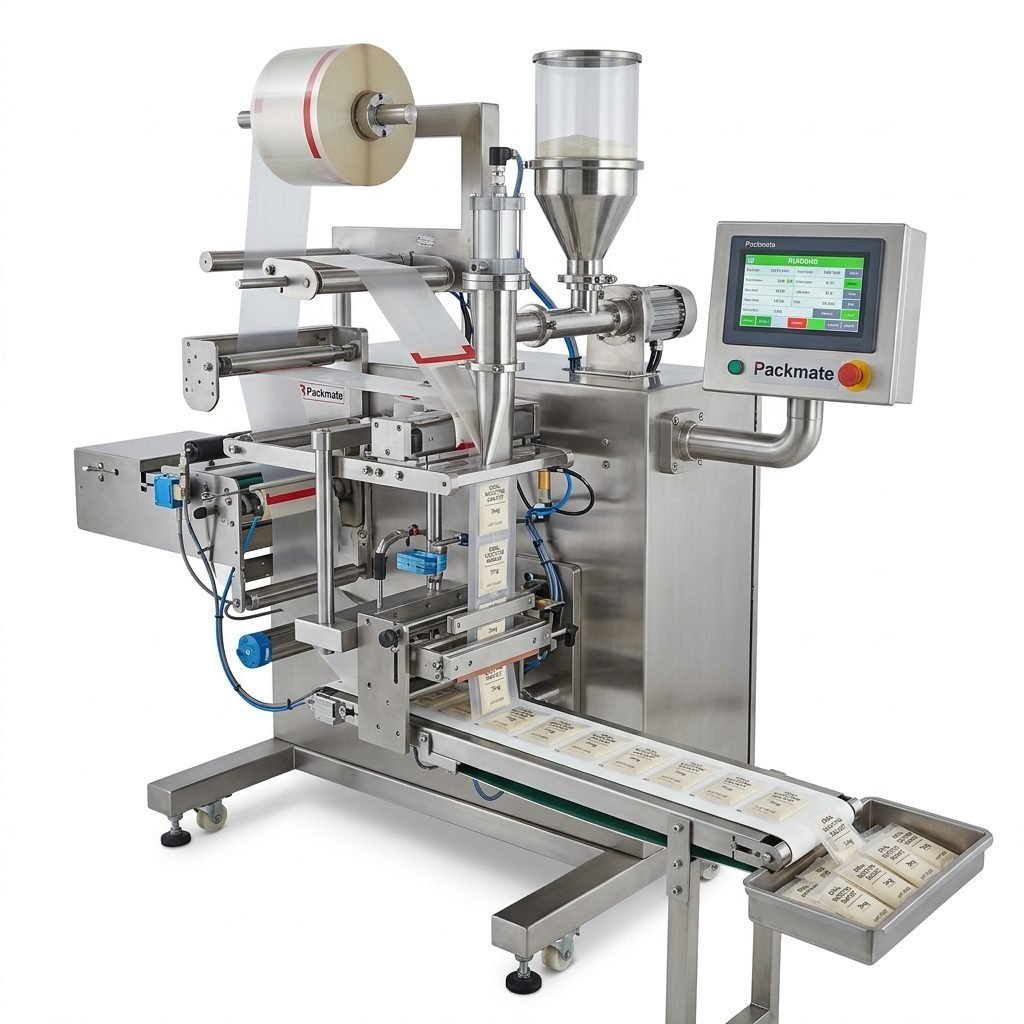
- Stick pack lines for single-dose nicotine sticks
- Sachet & tuck-top formats for sample kits
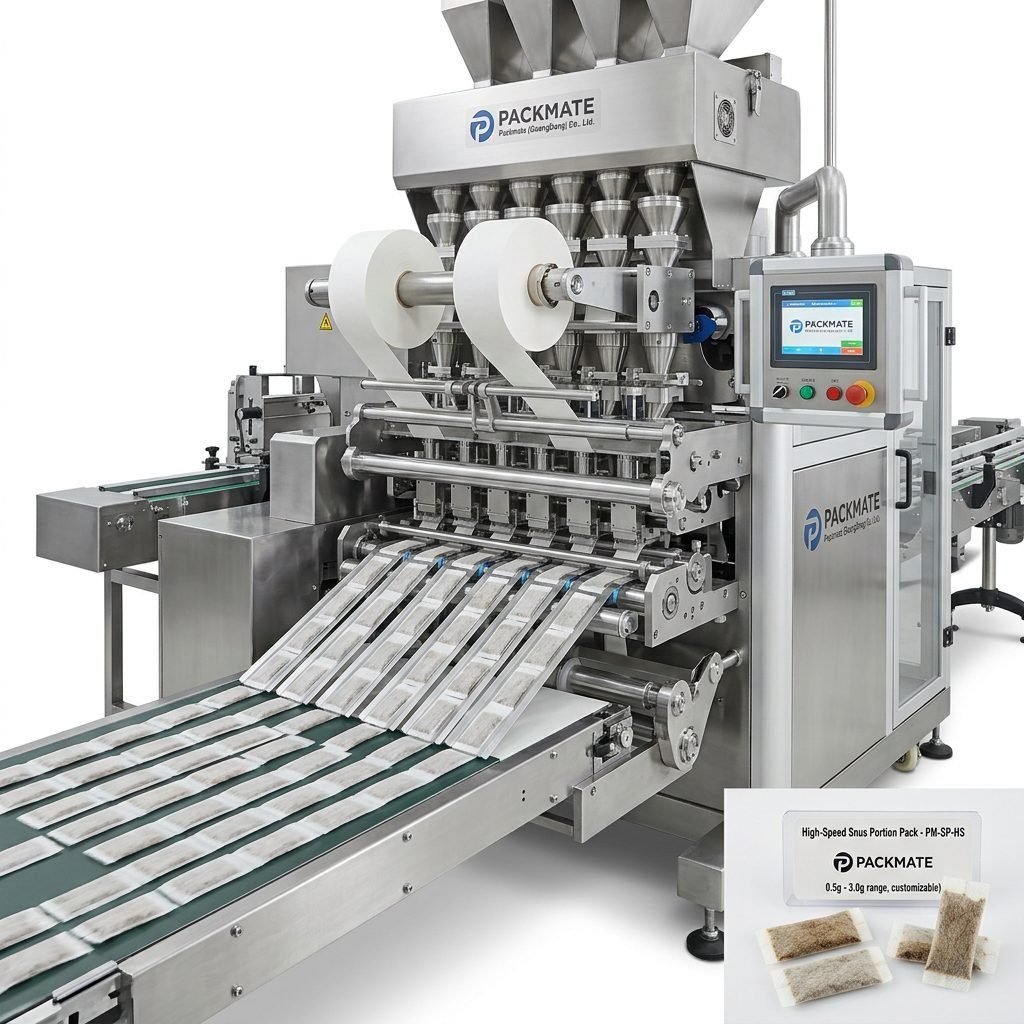
If you are evaluating equipment, look at solutions designed specifically for snus and nicotine pouches—these machines accommodate small-dose filling, gentle product handling, and precise sealing. Packmate offers a range of specialized machines that fit these needs, including Snus & Nicotine Packaging Machines and Sachet & Stick Pack Machines.
Integration With Filling & Secondary Equipment
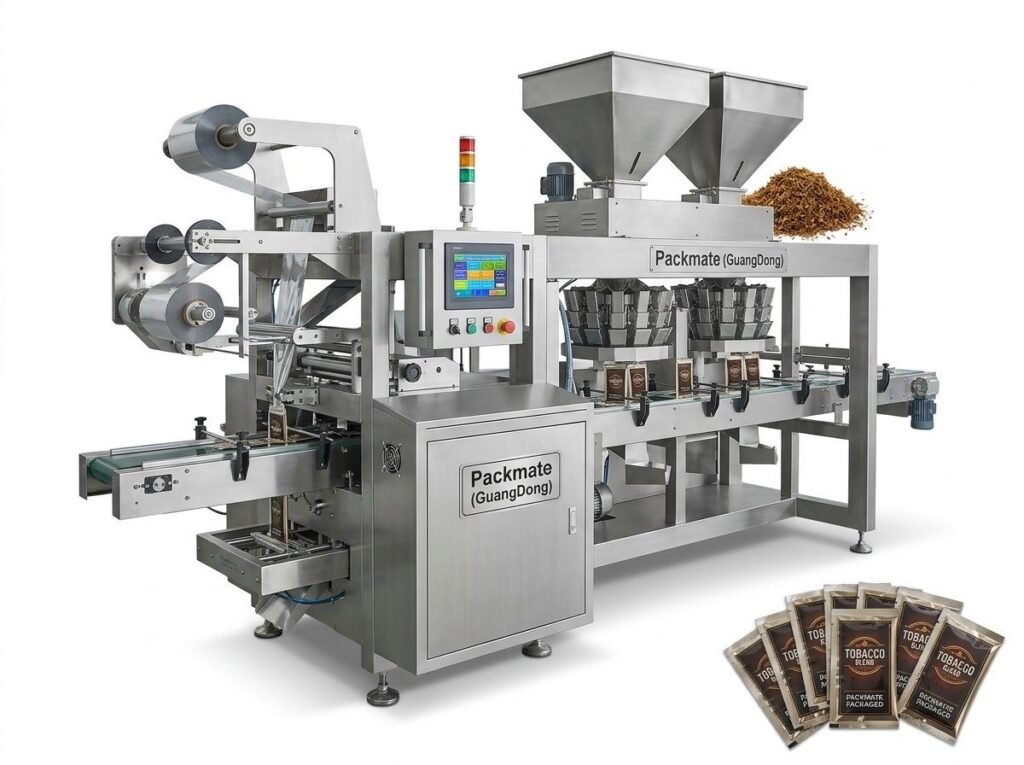
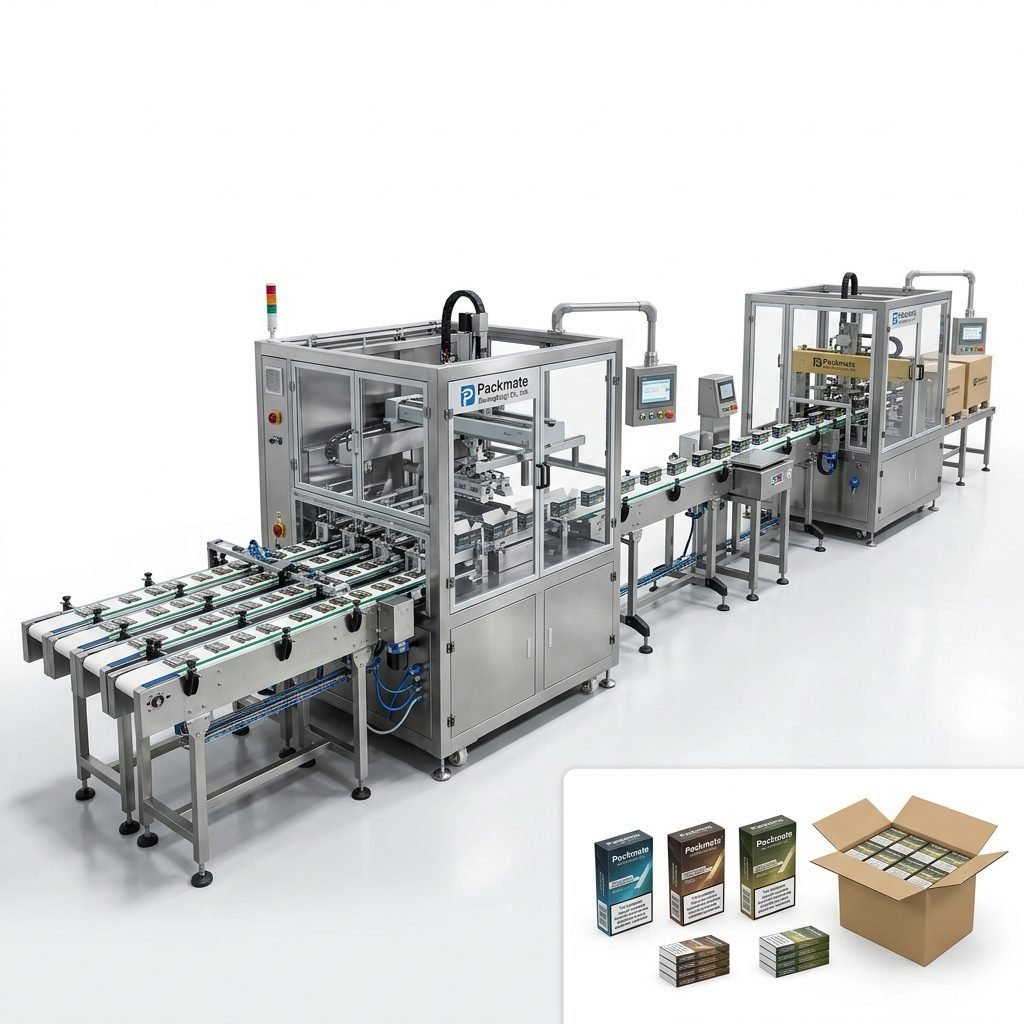
Seamless integration between fillers, weighers, and packaging lines reduces labor and variability. When planning a production line, consider modular systems that allow quick changeovers and future upgrades—key for seasonal SKUs and limited editions. Explore turnkey options like Filling & Packaging Lines for end-to-end automation.
Labeling, Compliance & Consumer Safety
Regulatory labeling is non-negotiable. Clear nicotine content, origin, batch number and health warnings must be displayed based on region-specific laws. Best practices:
- Use legible fonts and contrast for mandatory warnings
- Embed QR codes that link to third-party lab reports or ingredient breakdowns
- Include batch and traceability data in a discrete but accessible area
⚠️
Always validate label placement against automated labelers and check read rates with sample runs to avoid regulatory rework.
Branding & Shelf Impact: Small Footprint, Big Message
In a crowded market, distinct branding wins. Packaging must communicate brand story and product benefits in seconds. Consider these creative directions:
- Signature color palettes and icons for quick SKU recognition
- Limited-edition artwork to create conversion spikes and collectability
- Clear flavor cues (illustrations or embossed symbols) for an intuitive unboxing
Successful brands pair on-package messaging with micro-experiences—like a soft inner lining or scent barrier that conveys freshness. These tactile elements often justify premium pricing and increase repeat purchase rates.
Digital & Retail Synergy
Packaging should be optimized for both e-commerce photography and retail shelving. High-contrast front art helps digital thumbnails convert, while spine-oriented branding improves recognition on crowded store shelves.
Finishing Touches That Convert
Smart finishing techniques increase perceived value without significant cost increases. Consider:
- Soft-touch matte laminate for premium feel
- Spot UV on logo areas for contrast
- Embossing for tactile brand cues
✨
Use targeted finishing (logo, flavor icon) rather than covering the whole pack—this saves cost and enhances focus.
Manufacturing Considerations & Machine Selection
Choosing the right equipment is critical for consistent quality and margin optimization. Leading suppliers deliver machines tailored to nicotine pouch sizes, dosing precision, and multi-lane capacity. When evaluating partners, assess:
- Throughput and scalability
- Compatibility with targeted materials and pouch types
- After-sales support and spare parts availability
Companies like Packmate provide specialized lines for nicotine pouches—covering snus machines, sachet & stick pack options, and integrated filling systems. For more on machine options and turnkey services, see their About Packmate and product pages like Bag & Pouch Packaging Machines.
Quality Control & Line Testing
Implement in-line vision systems to verify seal integrity, print quality, and correct orientation. Routine acceptance tests and labelling audits reduce recalls and wasted inventory.
Cost Optimization Without Compromising Perception
To improve margins, optimize material yield, reduce weight, and minimize secondary packaging. However, cost-cutting should never undermine perceived quality—consumers equate flimsy packaging with inferior formulations.
🔧
Work with equipment suppliers to tune sealing temperatures, reduce reject rates, and optimize film widths—small adjustments yield significant savings.
Customization, Limited Editions & Market Tests
Limited-run designs and seasonal flavors are excellent for testing new concepts without large inventory commitment. Use short-run digital printing and flexible packaging lines to react quickly to demand and harvest consumer data.
Data-Driven Package Iteration
Track SKU-level sell-through and return rates post-launch. Use QR-driven surveys on the pack to collect feedback directly from buyers—this data informs design cycles and SKU rationalization.
Final Thoughts: Positioning Packaging as a Growth Lever
Packaging is a strategic asset in the nicotine pouch category. By combining clear compliance, sustainable materials, tactile finishes, and machine-optimized formats, brands can differentiate themselves and improve conversion. Collaboration between brand teams, material suppliers, and equipment manufacturers ensures packaging performs well both on shelf and on the line.
📌
If you are scaling production or testing new pack formats, consult suppliers that offer both packaging machines and line integration to reduce startup friction and guarantee consistent quality.
Useful Resources
For equipment and turnkey line references, the following product pages provide detailed machine capabilities and case studies:
- Snus & Nicotine Packaging Machines
- Sachet & Stick Pack Machines
- Filling & Packaging Lines
- About Packmate
Frequently Asked Questions
Q1: How do I choose between tins and resealable pouches?
A1: Choose based on positioning: tins convey premium reuse and tactile appeal; resealable pouches are cost-effective and lightweight for convenience segments. Validate with a short-run test to gauge consumer preference.
Q2: Are mono-material pouches reliable for nicotine product shelf life?
A2: Yes—modern mono-material films with high-barrier coatings can match multi-layer barrier performance while simplifying recycling. Always perform shelf-life studies and compatibility tests with your formulation.
Q3: What finishing adds the most perceived value per dollar?
A3: Soft-touch matte laminates and spot UV on the logo offer a large perceived upgrade at modest incremental cost. Combined with clear, minimal design, they can justify higher price points.
Q4: How important is machine compatibility when selecting packaging materials?
A4: Critical. Films and laminates must tolerate sealing temperatures, speeds, and mechanical handling. Work with machine vendors during material selection to avoid production headaches.
Q5: Where can I see real-world packaging lines in action?
A5: Supplier exhibitions and factory visits are best. Check vendor case sections and exhibition schedules to arrange live demos—Packmate lists their exhibitions and case studies on their site for reference.