For businesses in the Maldives that are entering or expanding within the tobacco-alternative market, selecting the right nicotine packaging machinery is a strategic decision that impacts product quality, regulatory compliance, operational efficiency, and long-term profitability. This guide walks you through the practical considerations and decision points you need to evaluate when choosing snus and nicotine pouch packaging equipment suited for island markets, small-batch production, and export-oriented operations.
Understanding Market Needs in the Maldives
The Maldives presents a unique market profile: limited industrial land, reliance on imports, and high standards for imported products. Whether you plan to supply resorts, duty-free shops, or export to nearby markets, you should align machinery choice with expected volumes, product formats, and regulatory paths. Consider seasonal demand fluctuations driven by tourism, and plan for flexible production runs rather than continuous high-volume throughput.
Key takeaway:
prioritize versatility and rapid changeover to match variable demand in the Maldives market.
Types of Nicotine Packaging Machinery and Their Use Cases
Packaging machinery for nicotine pouches and snus comes in a variety of configurations. Knowing the difference helps you match equipment to product requirements:
Snus & Nicotine Pouch Lines
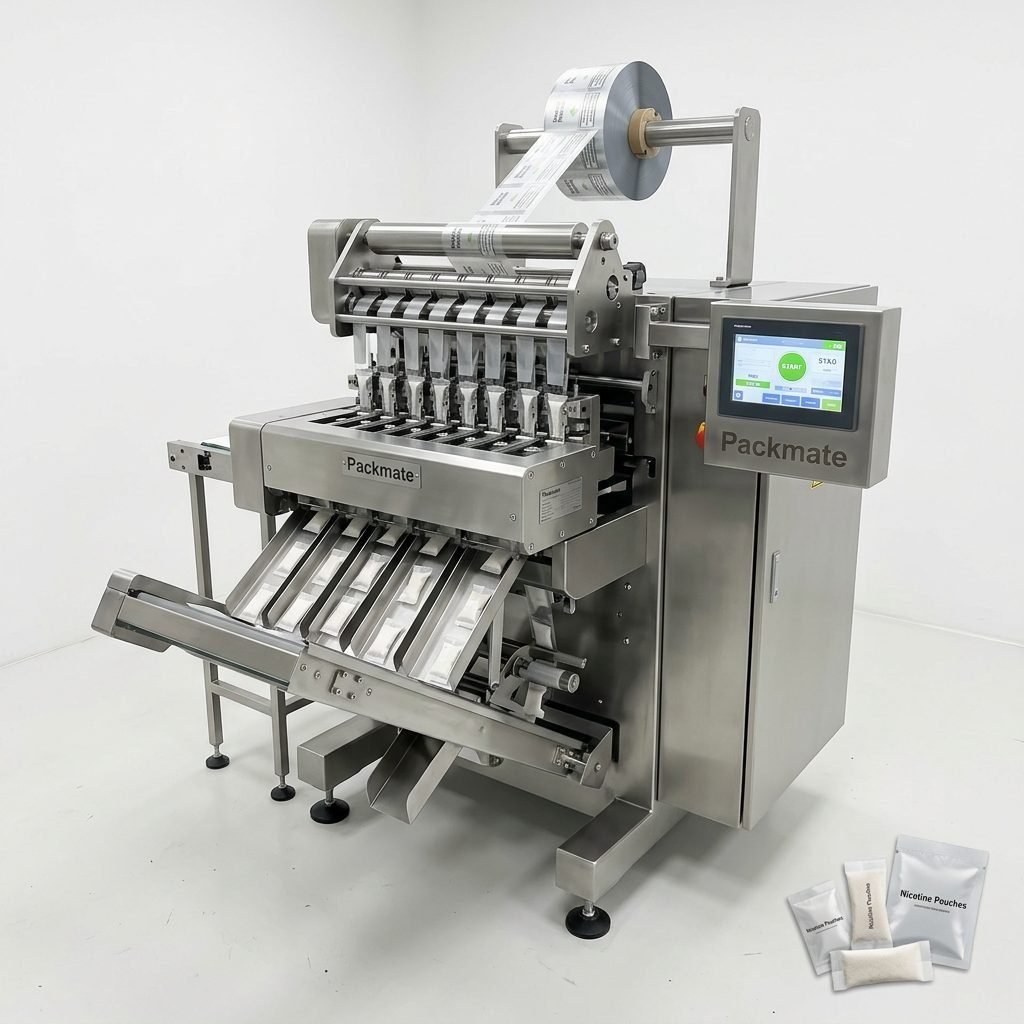
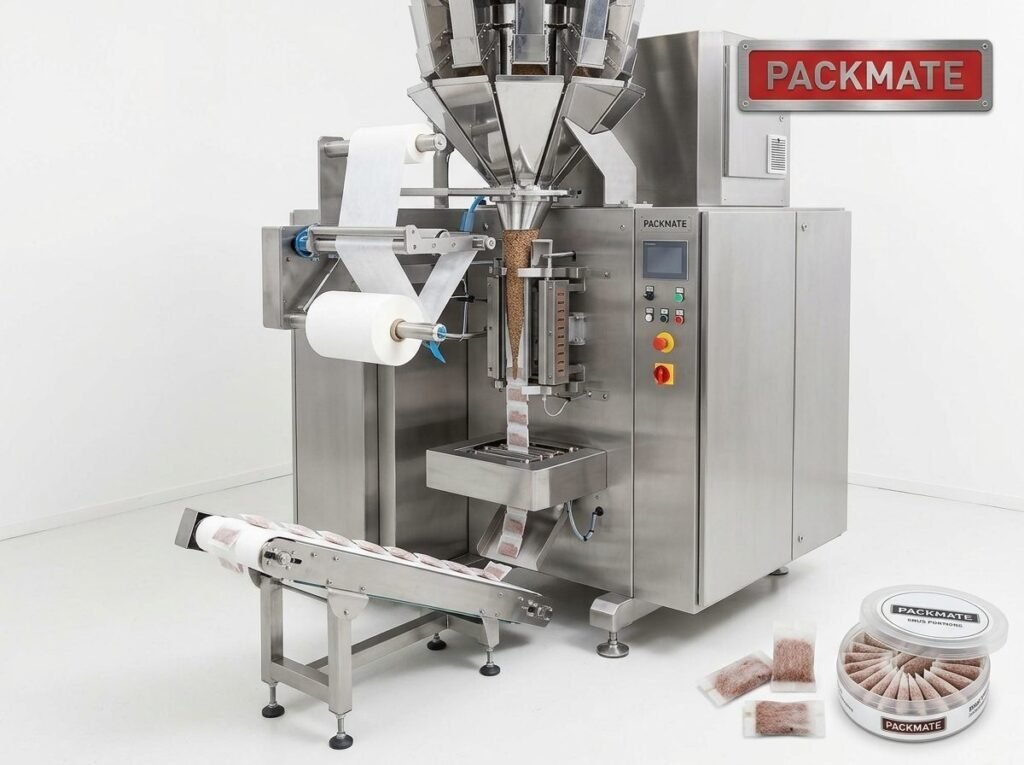
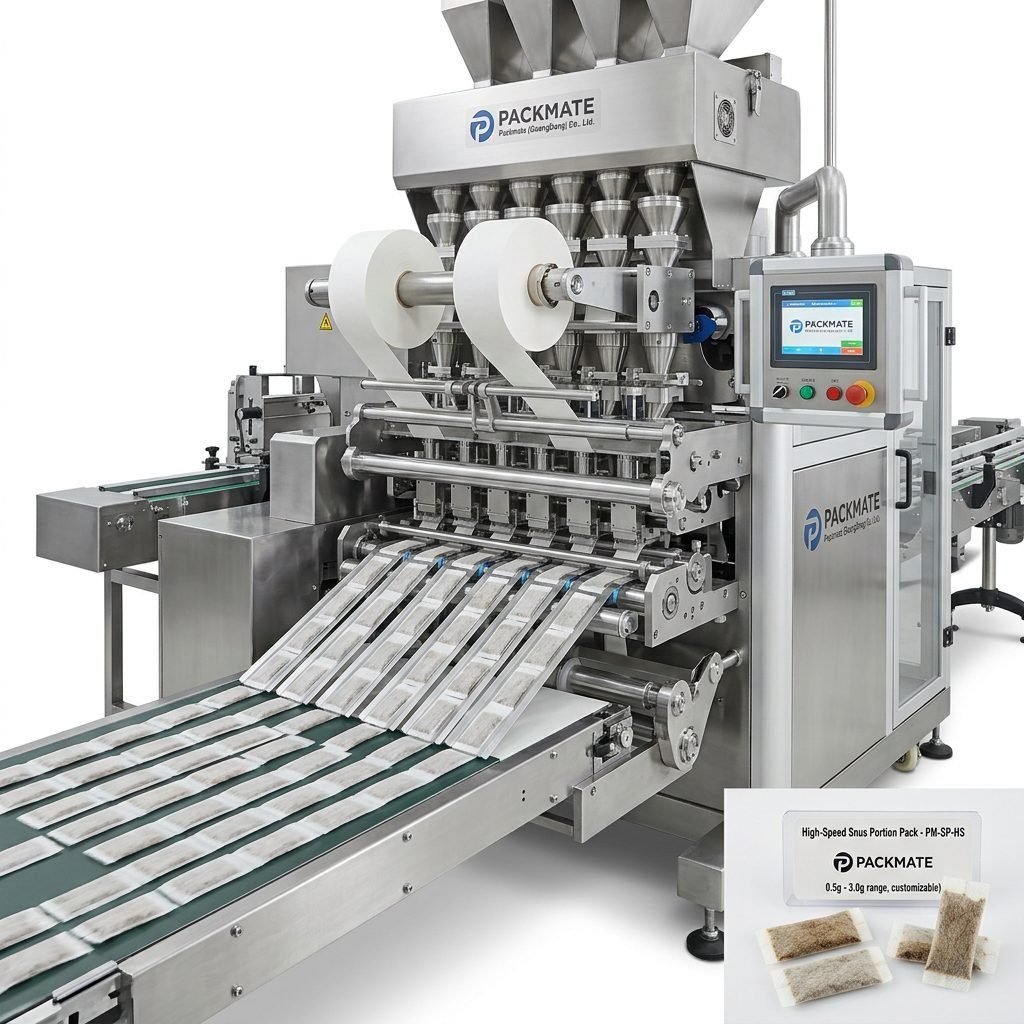
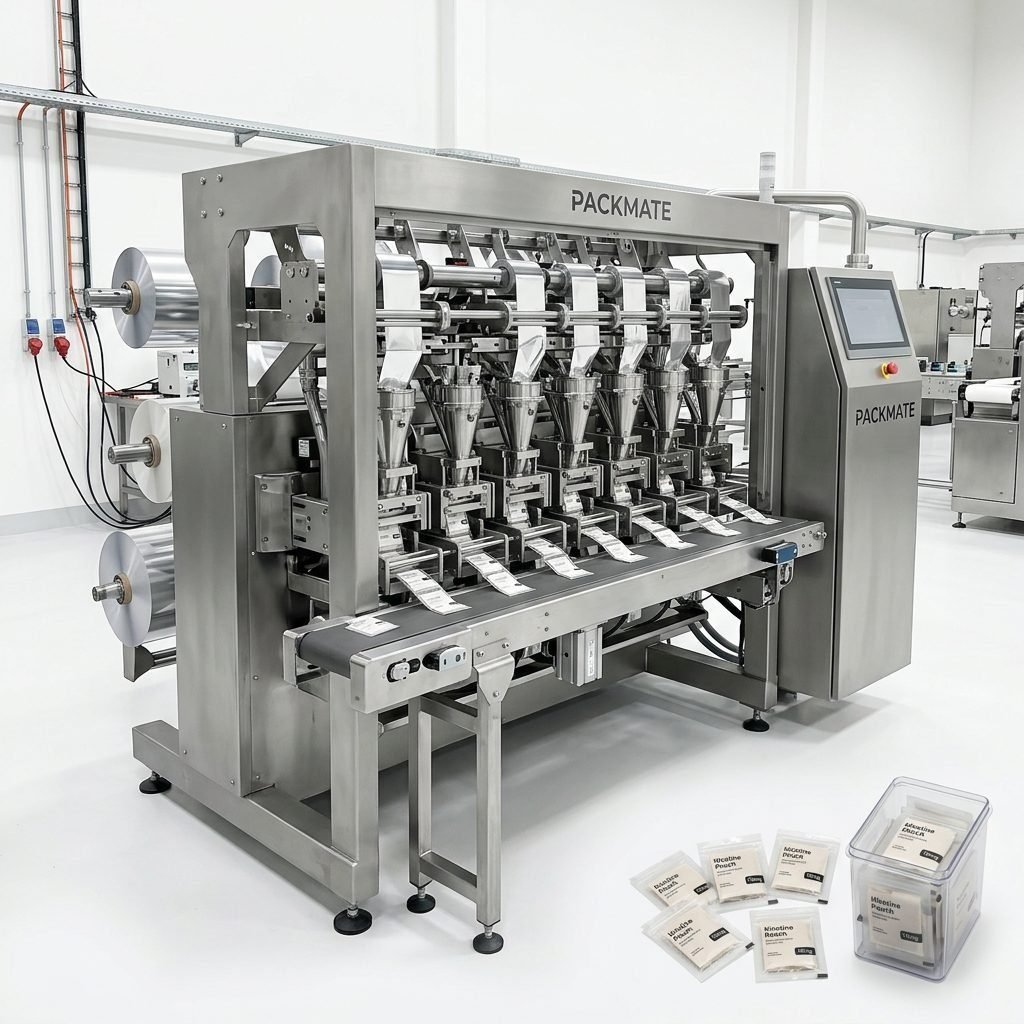
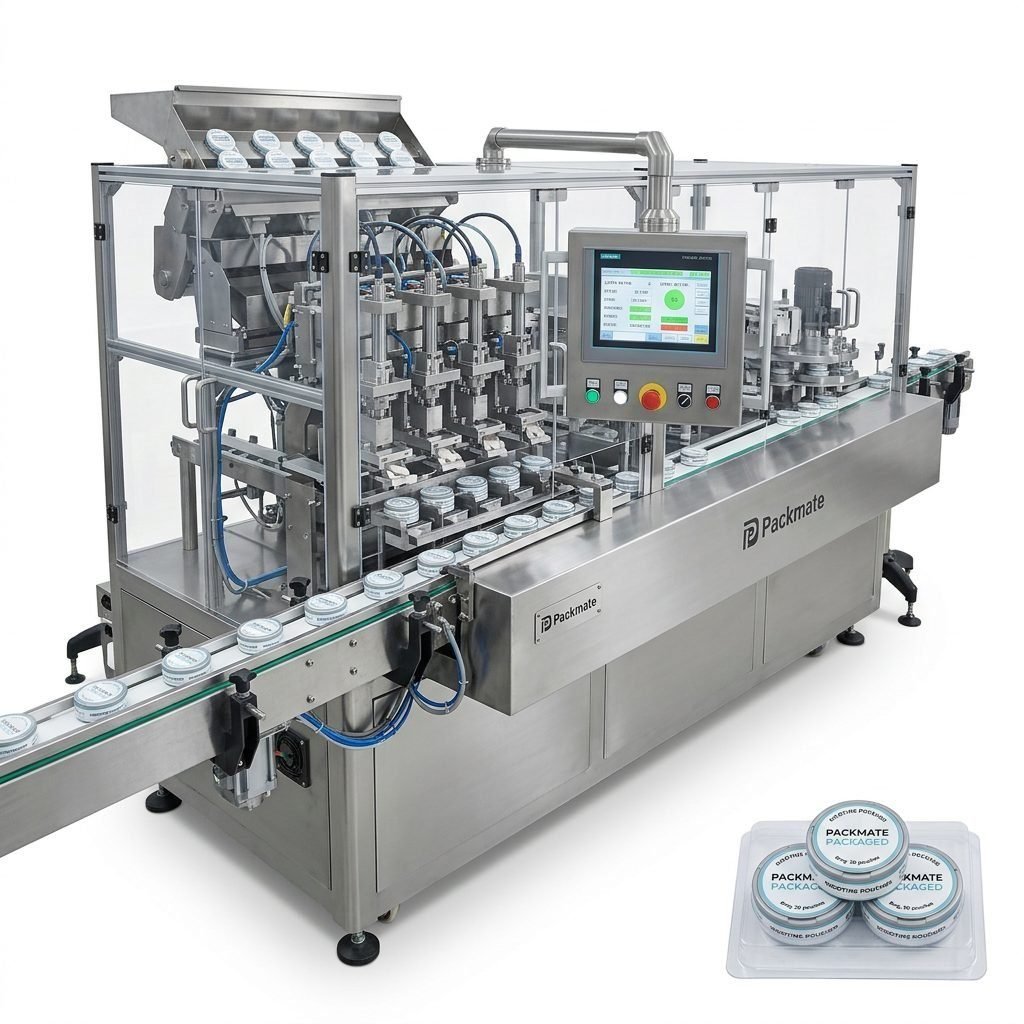
Multi-lane snus pouch machines are ideal for producing small-dose pouches in high consistency. They can handle blends, various pouch materials, and compact tray or stick formats. If your product portfolio includes nicotine pouches with different dosages and flavors, a modular snus line provides the flexibility to run multiple SKUs with controlled dosing.
Stick Pack and Sachet Machines
Stick pack and sachet machines serve single-portion formats and are well-suited for convenience retail and on-the-go consumption. These systems are compact and typically easier to maintain, making them a good choice for smaller facilities or pilot production in the Maldives.
Filling & Auxiliary Systems
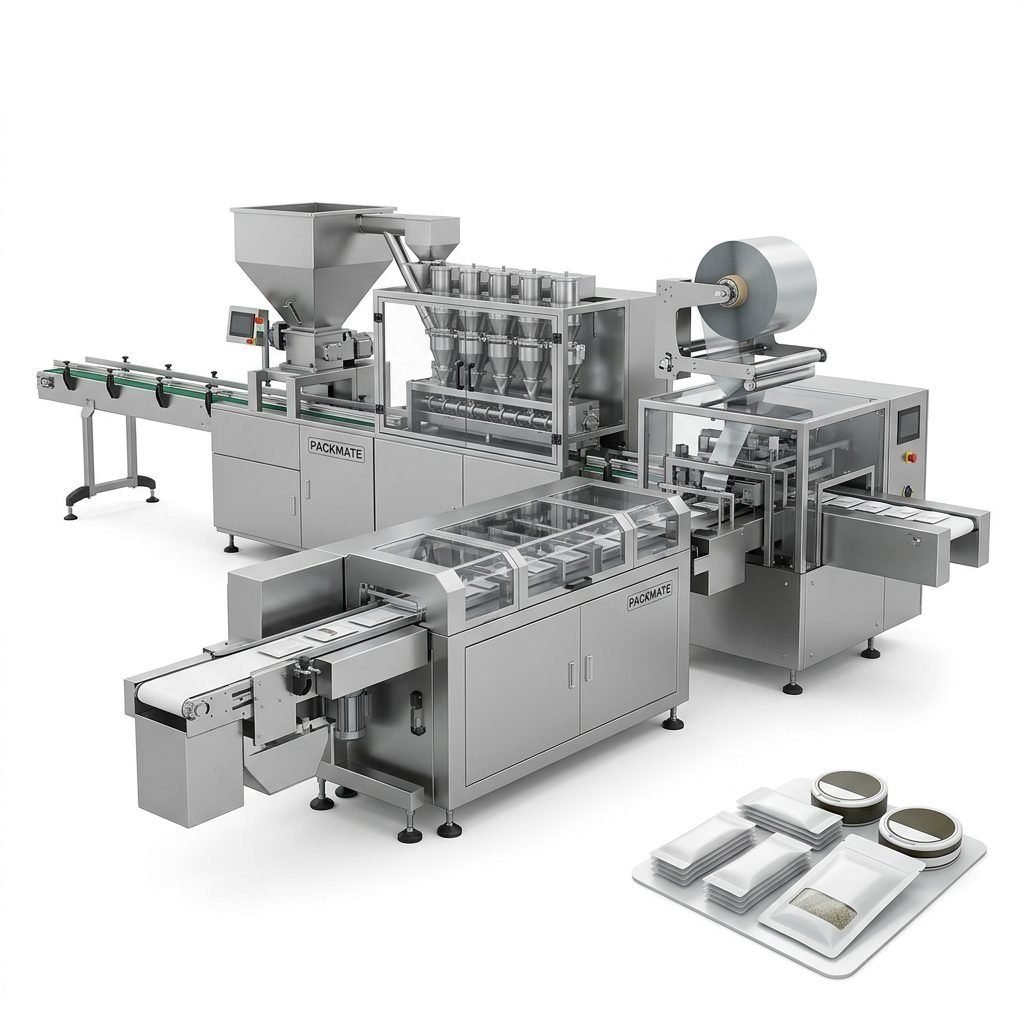
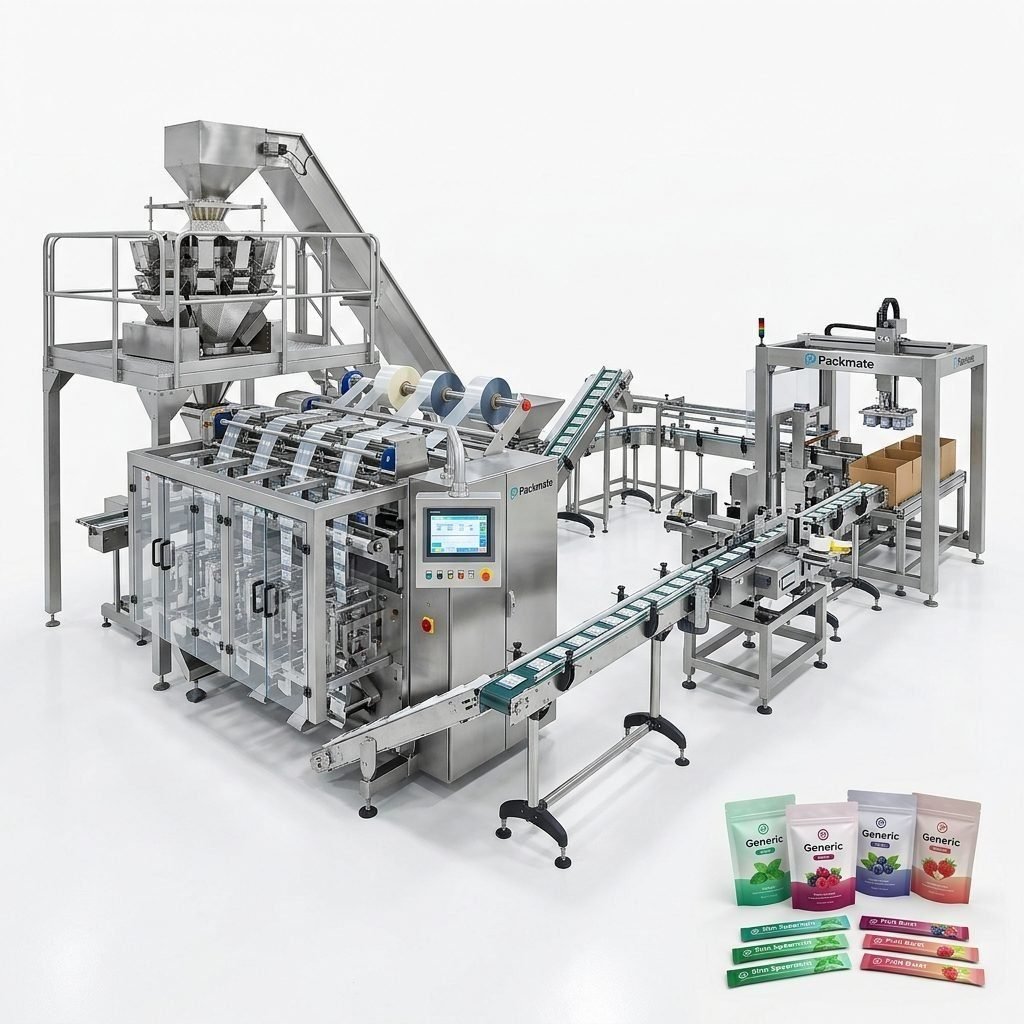
For complete lines, integrate weighing, dosing, and sealing systems along with ancillary equipment such as conveyors, metal detectors, and packaging robots. Suppliers offering turnkey solutions simplify installation and validation, especially when floor space is constrained or when fast commissioning is essential.
If you want to explore full machine categories and models, see the manufacturer’s detailed catalogs and product lines such as Snus & Nicotine Packaging Machines and Sachet & Stick Pack Machines.
Choose machines that match your target packaging materials (paper, nonwoven, or laminated film) and pouch formats to avoid costly retrofits.
Capacity Planning: Match Machine Output to Demand
Capacity planning is not just about peak output; it’s about how well the machine performs across realistic production profiles. For a small to medium Maldivian operation, consider:
- Average daily production targets (pouches per hour/day).
- Frequency and duration of batch runs for multiple SKUs.
- Maintenance downtime and local technical support availability.
- Spare parts lead time for overseas shipments to the Maldives.
Technical Features to Prioritize
When evaluating machines, focus on features that improve consistency, reduce waste, and simplify operation:
Precision Dosing & Weighing
Consistent nicotine dosing is essential for quality and compliance. Prefer systems with high-precision weighing and closed-loop feedback to minimize variation between pouches.
Material Handling & Sealing Technology
The sealing method affects shelf-life and product integrity, especially in humid island climates. Heat-sealing with controlled temperature profiles or ultrasonic sealing for certain films can be advantageous.
Automation & HMI
Intuitive human-machine interfaces (HMI), recipe memory, and remote diagnostics reduce training time and support fast changeovers. For operators in the Maldives, remote support capability is especially valuable when local technicians are limited.
ask suppliers about remote support packages and spare part shipping options to the Maldives to avoid lengthy downtimes.
Regulatory Compliance and Certifications
Compliance with international standards is critical if you plan to export or to reassure local regulators. Machines with CE and ISO certifications show adherence to safety and quality practices. Review material contact surfaces for food-grade approvals if your product labeling demands food safety standards.
Learn more about manufacturer credentials and certificates such as CE and ISO via the Certificate page, and verify case studies or user feedback on similar installations under Case.
Customization, Turnkey Solutions, and Local Constraints
Island operations may benefit from customized machines that address limited floor space, lower utility capacity, and simplified operator workflows. Turnkey providers can deliver a fully integrated line including packaging, conveying, and final cartoning—reducing coordination headaches. When assessing suppliers, confirm they offer:
- On-site commissioning and operator training.
- Local or regional spare parts depots, or expedited shipping options.
- Options for energy-efficient or low-power operation.
Evaluating Supplier Capability and After-Sales Service
The supplier you choose becomes a partner. Vet their manufacturing scale, engineering experience, and global footprint. A company with decades of R&D and multiple machine models likely provides more robust support and faster upgrades. For example, Packmate Snus Machine highlights deep experience with snus lines and turnkey solutions—you can explore their company overview at About Packmate and contact them via Contact Us.
- Factory capability and production capacity
- Certifications and compliance records
- Spare parts & service network
- Turnkey integration experience
- References and live demonstrations
Cost Considerations and Return on Investment
Machine price is only one component of total cost. Consider lifecycle costs such as spare parts, maintenance labor, energy consumption, and downtime risk. Estimate ROI by modeling:
- Net margin per pouch or pack.
- Planned annual production volume.
- Expected uptime and maintenance schedule.
- Value of automation in reducing labor costs.
Installation, Training, and Commissioning in the Maldives
Logistics to island nations require early planning for customs, freight, and on-site installation. Choose vendors that provide clear installation plans, training materials in English, and remote commissioning options. Pre-shipment factory acceptance tests (FAT) help ensure the machine meets performance specs before it leaves the factory.
account for customs documentation and choose freight partners experienced with oversized machine shipments to the Maldives.
Practical Selection Roadmap
Follow this step-by-step roadmap to narrow options and finalize your purchase:
- Define product SKUs, packaging formats, and expected volumes.
- List required certifications and material compatibility.
- Shortlist suppliers with proven snus/nicotine experience and request proposals.
- Request FAT videos, references, and detailed spare parts lists.
- Calculate TCO and ROI for shortlisted machines.
- Plan logistics, installation, and training timeline for Maldives delivery.
Why Choose Experienced Manufacturers for Snus & Nicotine Packaging
Manufacturers with decades of experience in snus and nicotine packaging bring specialized knowledge in small-dose pouch handling, multi-lane synchronization, and the hygiene standards required for consumer health products. Their engineering history reduces risk and speeds up time-to-market. Review product categories such as Filling & Packaging Lines and Weighing & Packaging Systems when evaluating integrated solutions.
Confirm machine output, sealing integrity, spare parts availability, warranty terms, and whether the supplier offers commissioning in the Maldives or remote support.
Conclusion
Choosing the best nicotine packaging machinery for the Maldives requires balancing flexibility, certification, support, and lifecycle cost. Prioritize suppliers with a proven track record in snus and nicotine equipment, request detailed performance data, and plan logistics and after-sales support well in advance. With the right machine, you can ensure product quality, regulatory compliance, and a reliable production rhythm that supports growth in a tourism-driven market.
Frequently Asked Questions
Q1:How do I choose between a single-lane and a multi-lane snus pouch machine?
A:Evaluate your peak and average production targets, SKU variety, and floor space. Multi-lane machines deliver higher throughput for stable, larger runs; single-lane systems suit smaller volumes or frequent SKU changes.
Q2:What certifications should the machinery have for safe export?
A:At a minimum, seek CE and ISO certification for safety and quality assurance. Depending on the target market, additional local or food-contact approvals may be required.
Q3:How important is local technical support in the Maldives?
A:Very important. Remote islands may face delays for spare parts and technicians. Confirm spare part availability, remote diagnostics capability, and whether the supplier can deliver expedited shipments.
Q4:Can I get a turnkey line for nicotine pouch production?
A:Yes. Many manufacturers provide turnkey solutions including filling, sealing, conveying, and final packaging. Review the supplier’s case studies and request a proposal that includes FAT and installation plans.