Understanding the Sudan Market and Buyer Context
Choosing a reliable nicotine packaging machine supplier in Sudan requires balancing technical requirements, regulatory awareness, and local business customs. Sudan is a country with distinct cultural and commercial patterns: business relationships often depend on trust and long-term interaction, Arabic is widely used in formal and informal negotiations, and the majority-Muslim population means sensitivity to health discussion and product positioning is important. In addition, logistics and import procedures can vary by port and overland routes to neighboring states, so planning for customs clearance, documentation, and local representation is essential.
Why supplier selection matters for nicotine pouch production
Investing in a packaging machine is not just a capital purchase — it shapes product consistency, operational uptime, and compliance with export/import standards. For manufacturers or trading companies in Sudan that want to produce or package nicotine pouches, snus, or related products, choosing the right supplier affects: production capacity, product hygiene, speed of market entry, and long-term cost of ownership. A high-quality supplier offers technical documentation, spare parts, training, and certification that ease customs procedures and reassure local business partners.
Key machine types to consider
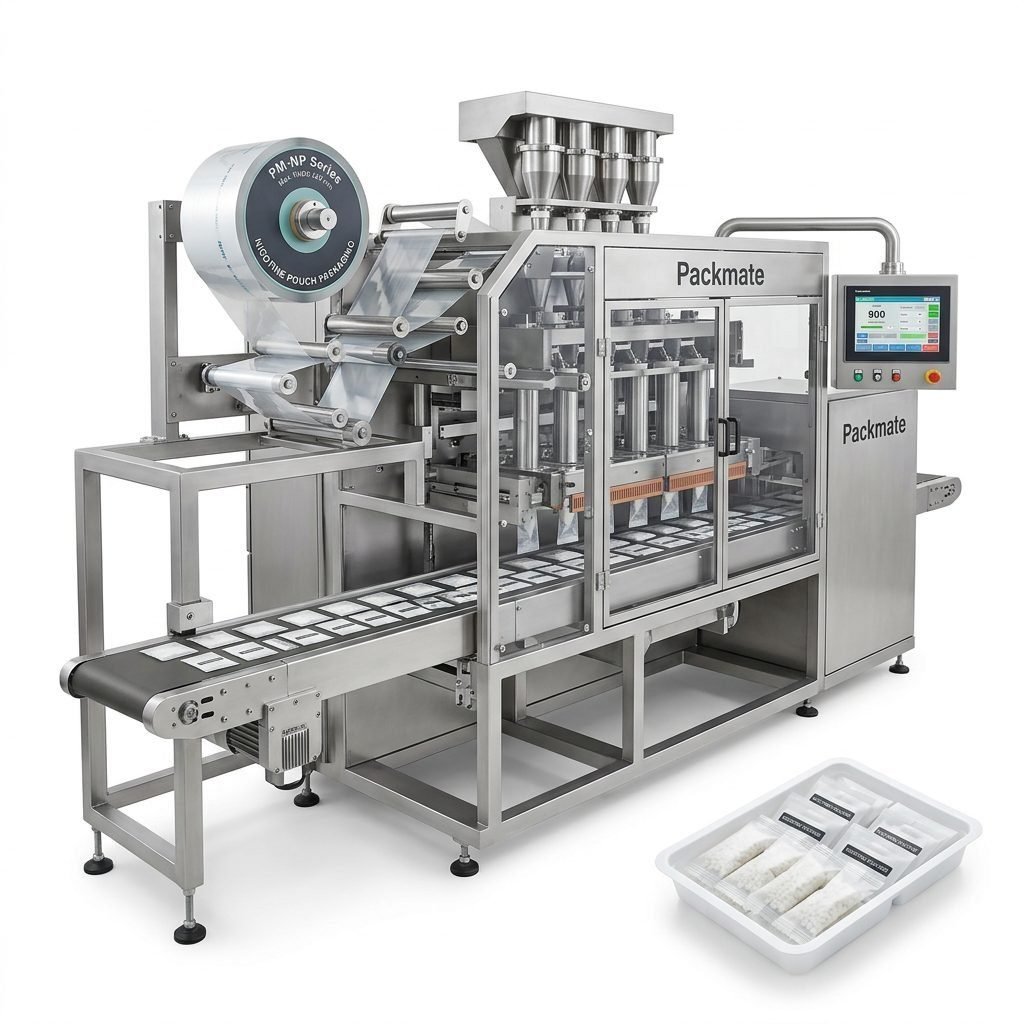
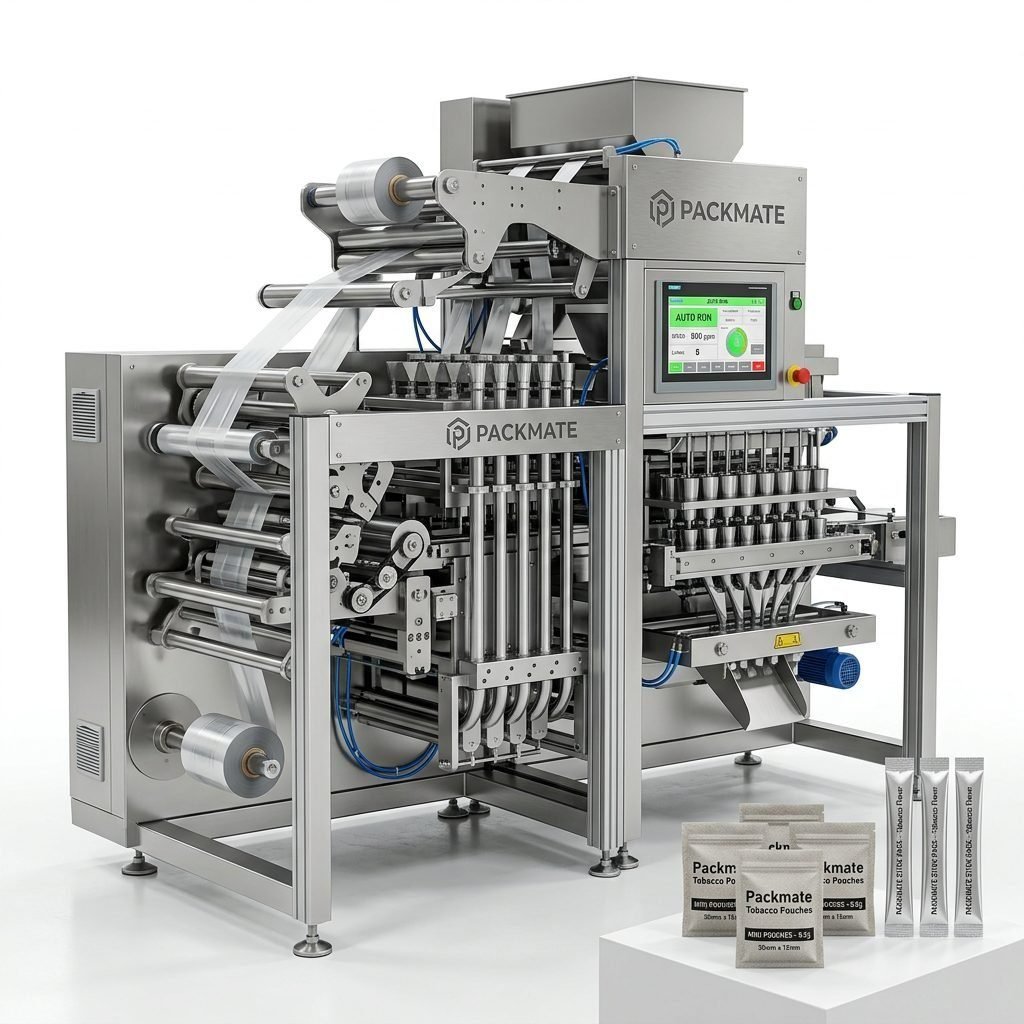
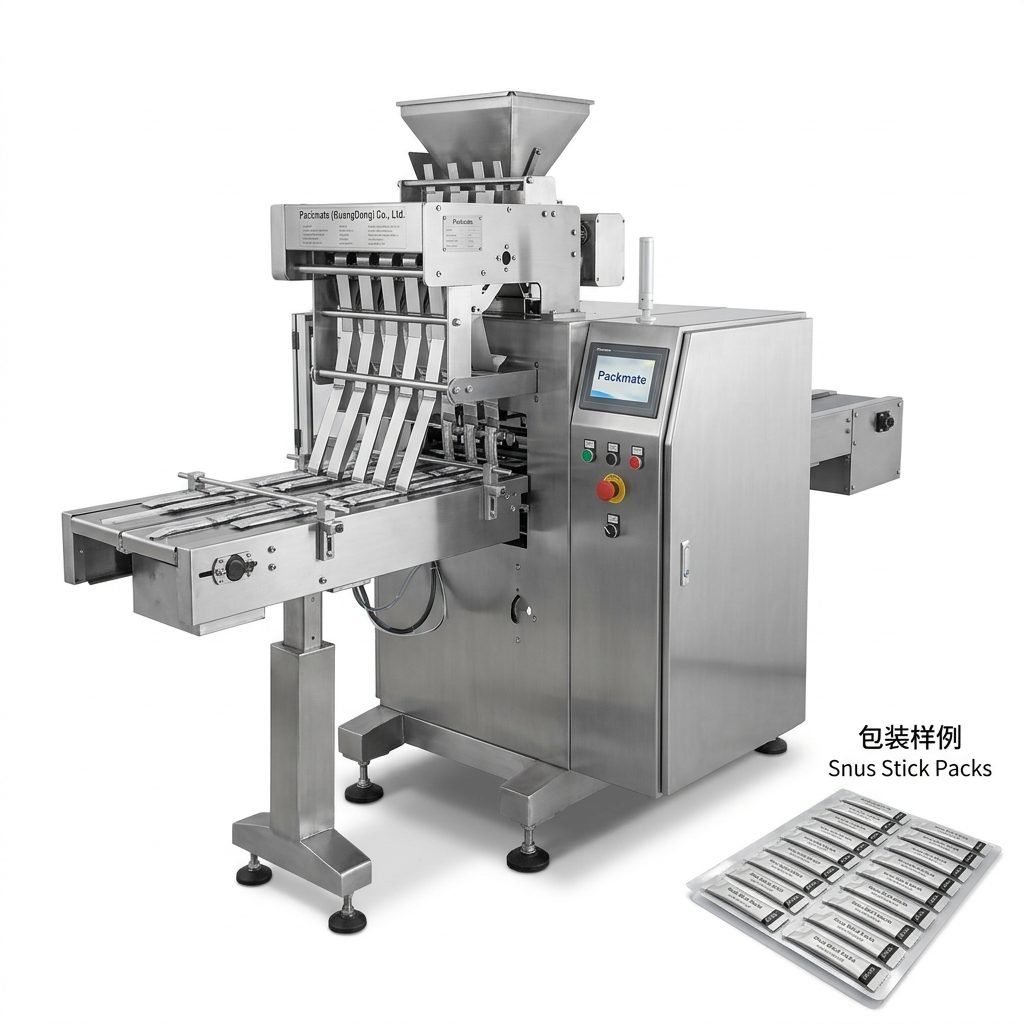
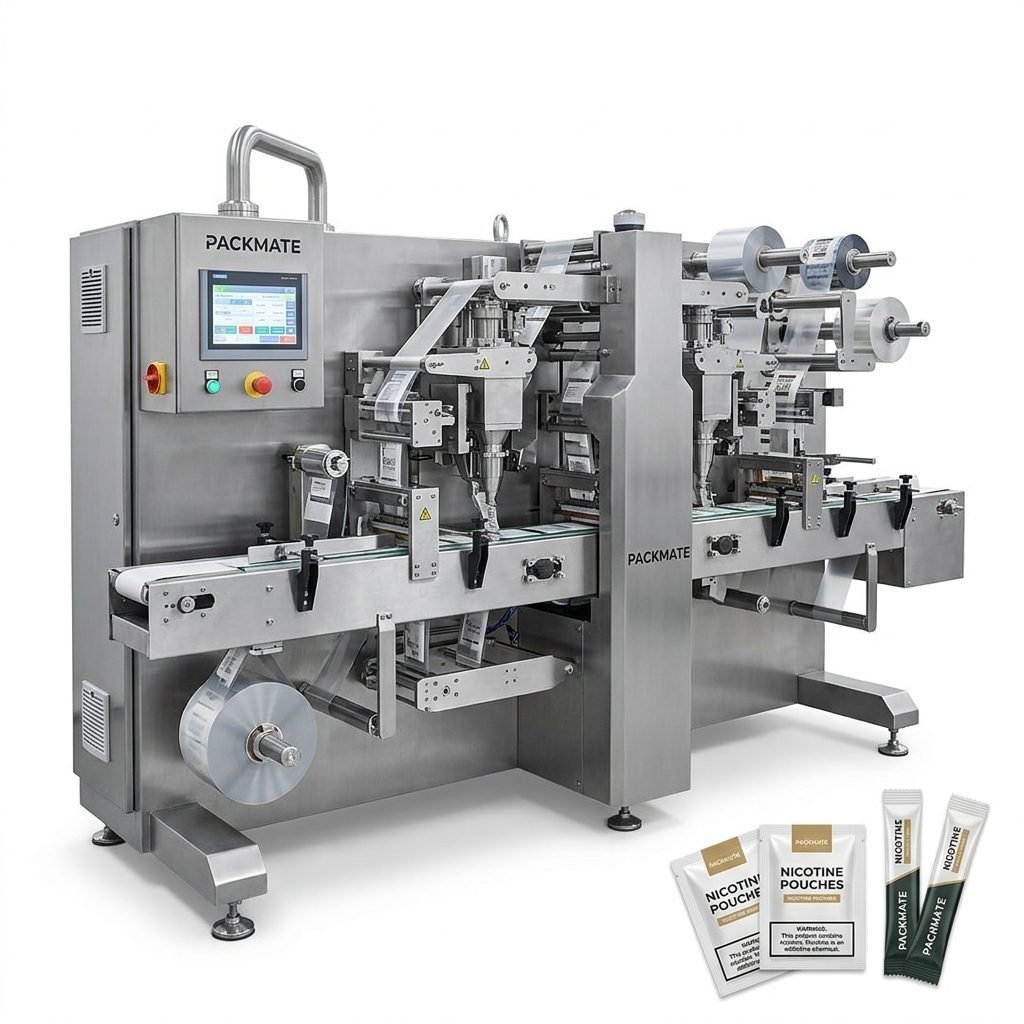
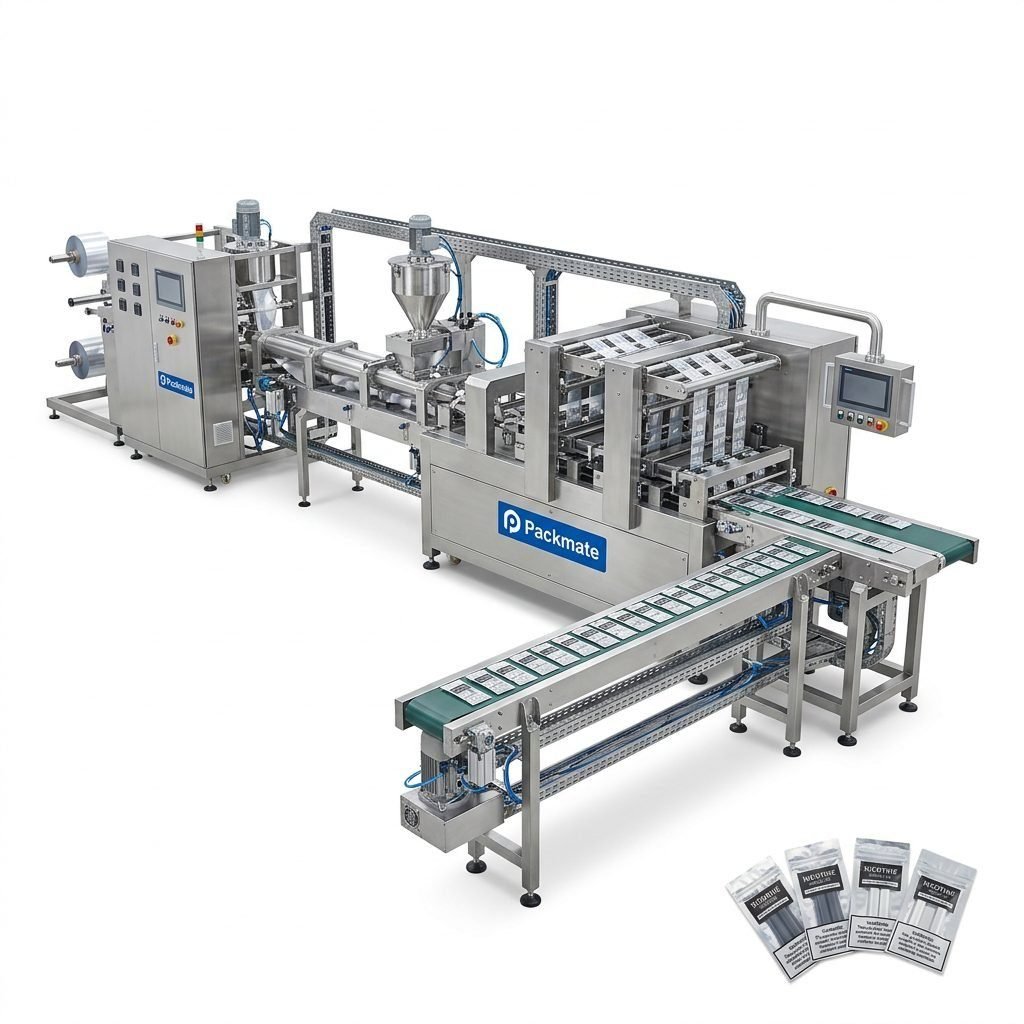
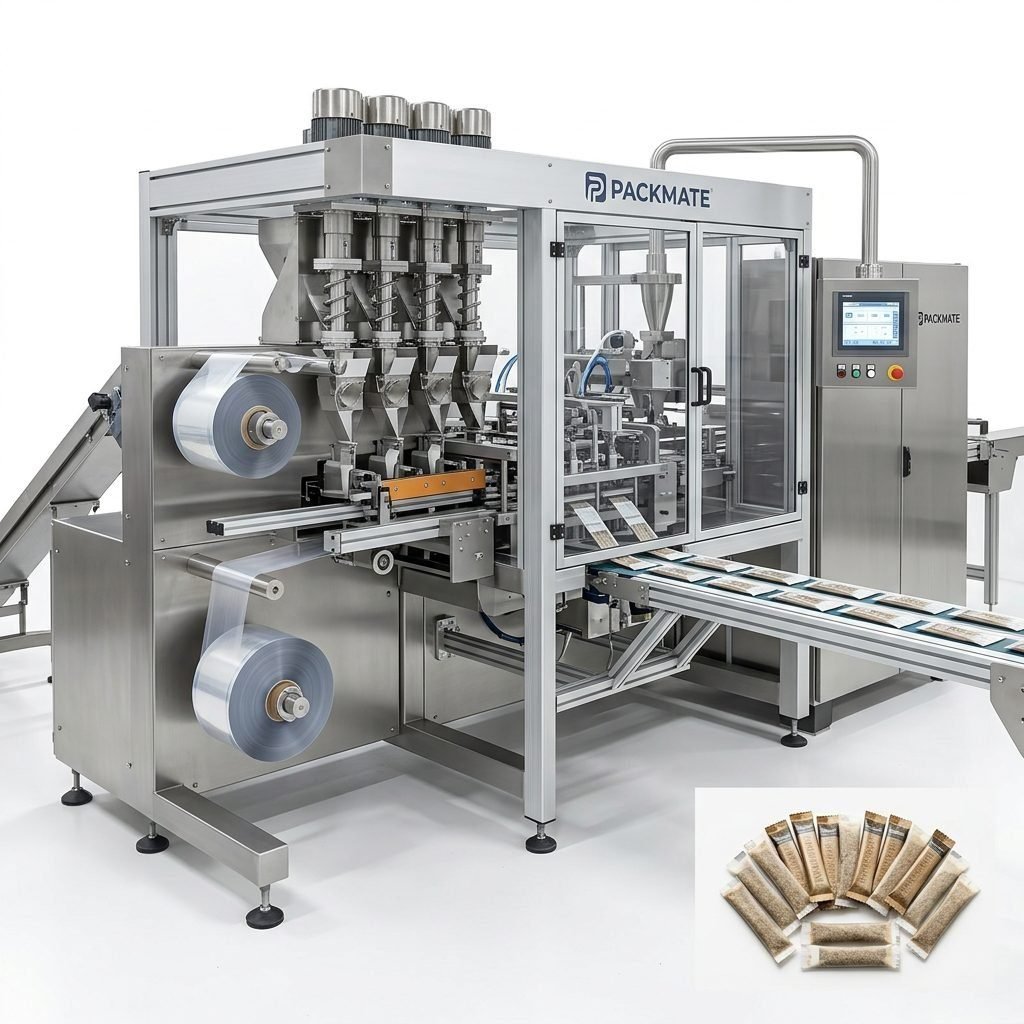
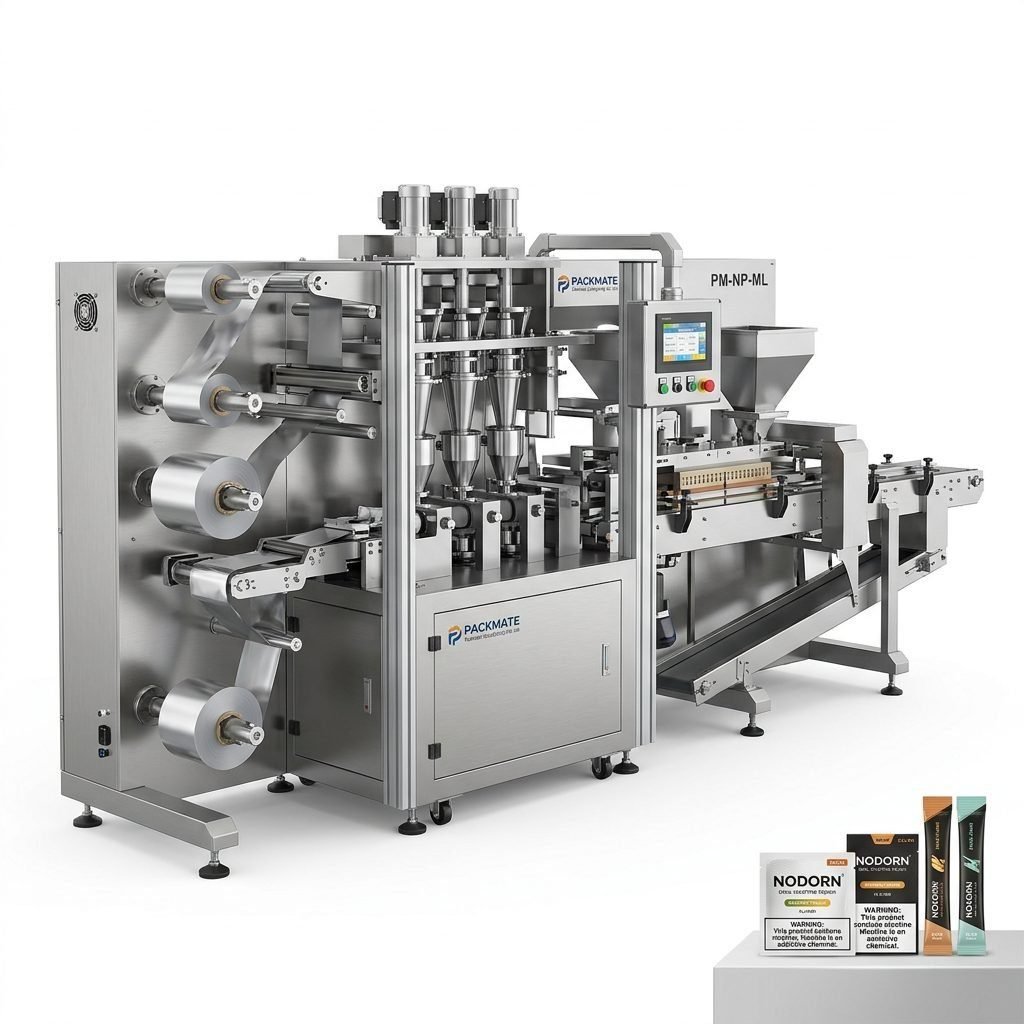
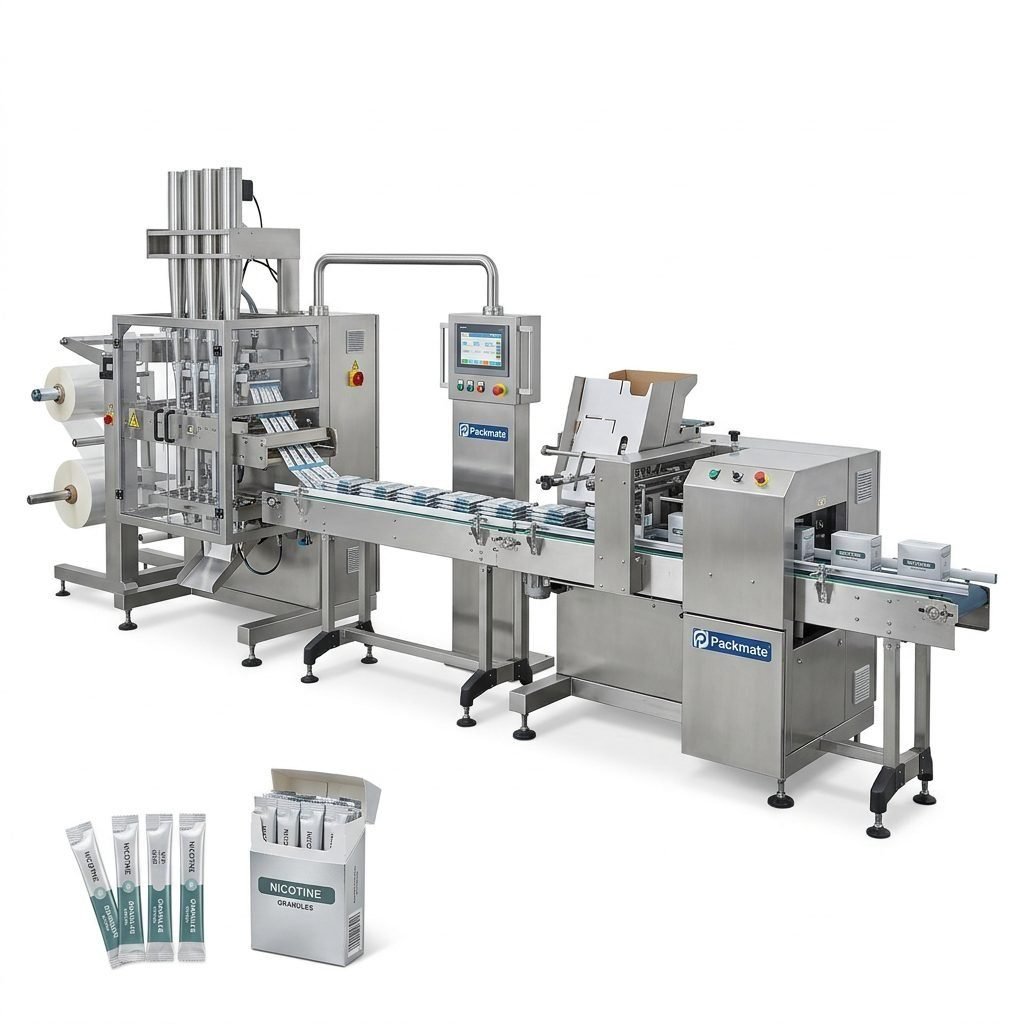
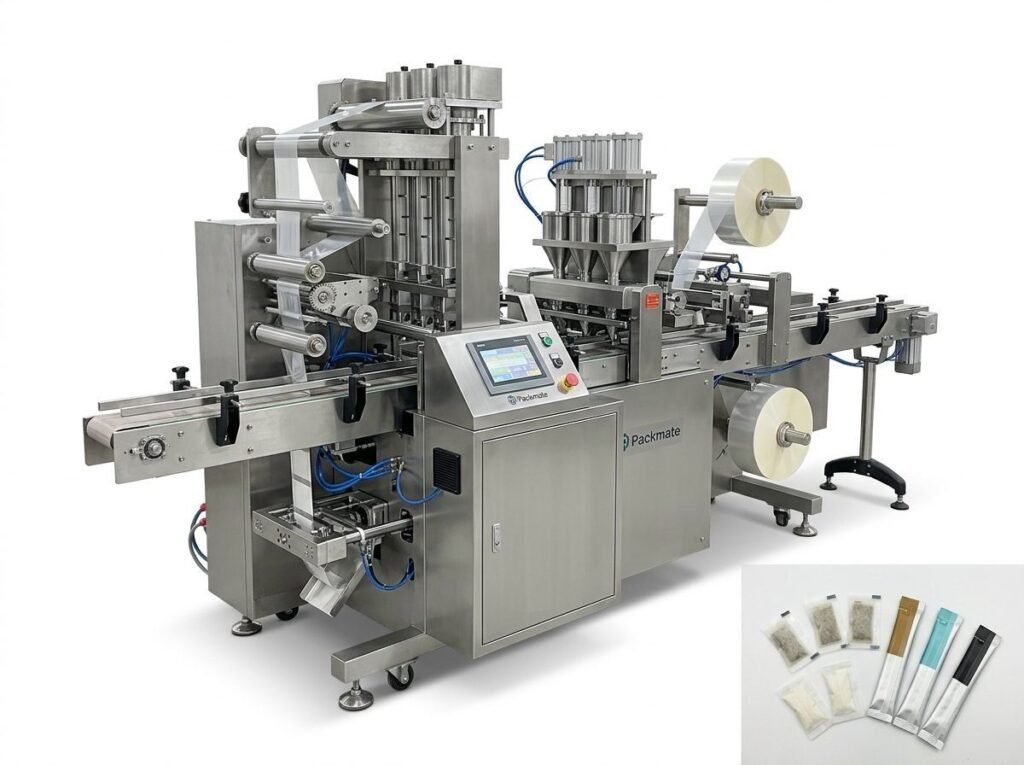
Suppliers typically provide several packaging system families. For nicotine pouches these include:
🔶 Stick pack machines — ideal for single-dose sticks and narrow sachets, good for rapid throughput.
🔶 Sachet & stick pack machines — versatile formats suited for portioned pouches and trial sachets. See examples at Sachet & Stick Pack Machines.
🔶 Multi-lane snus/nicotine pouch systems — high-output, multi-lane lines designed for small-dose pouch production and automation.
What to verify on the machine specification
Critical specs include throughput (pouches/min), dosing accuracy, lane count, material compatibility (powder, granule, moist pouches), changeover time, and hygiene features (cleanable hoppers, stainless contact surfaces). For Sudanese operations where consistent supply and limited spare-part warehousing are factors, also confirm mean time between failures (MTBF) and availability of consumables.
Supplier Credentials and Certifications
Look for suppliers that provide international certifications such as CE and ISO, detailed machine documentation, and test reports. Certifications ease customs clearance and demonstrate quality control. Reputable manufacturers like Packmate typically publish certificates and machine compliance documents that you can reference. For more about a manufacturer’s credentials, check their profile and certificates such as those shown on Certificate.
Factory Capacity, Experience and Case Studies
A supplier with a large, modern factory and long industry experience is less likely to deliver inconsistent equipment. Evaluate factory floor photos, CNC machining capability, and assembly processes. Packmate’s 20,000㎡ manufacturing facility and multi-decade experience are examples of attributes to prioritize. Ask for case studies and references — real project records help you assess whether the supplier has handled projects similar to yours; many suppliers provide documented cases online: Case.
Production capacity matters in Sudan
Sudanese buyers should match machine output to local and regional demand. Over-capacity inflates initial cost and logistics; under-capacity forces costly upgrades. Verify the supplier can supply multi-lane systems for scale-up and modular additions to expand later with minimal downtime.
Quality Control, Testing and FAT (Factory Acceptance Test)
Insist on a documented FAT before shipment. A FAT should include performance tests with your product formula (or a close simulant), packaging film you intend to use, and tolerance checks. Suppliers that offer video documentation and live-stream FATs are especially valuable when travel restrictions or logistics make in-person inspections difficult.
Customization and Integration
Nicotine pouch lines often require custom dosing, special pouches, or attachments for secondary packaging. Determine whether the supplier offers turnkey solutions that include weighing, filling, vertical form fill seal (VFFS), cartoning, and case packing. For full-line projects, consult references for integrated systems like Weighing & Packaging Systems and Filling & Packaging Lines.
After-sales, Spare Parts and Local Support
A crucial differentiator is after-sales service. For Sudan, where lead times for parts and technical visits can be longer, choose suppliers who:
✔️ Keep a clear spare-parts list and recommend stocking levels for critical consumables.
✔️ Provide remote support, PLC/software backup, and multilingual manuals (Arabic/English) where possible.
✔️ Offer commissioning, operator training, and preventative maintenance plans.
Local language and cultural fit
Suppliers that assign Arabic-speaking engineers or partners in the Sudan region reduce miscommunication risks. In Sudanese negotiations, personal introductions, clear timelines and trustworthy documentation carry extra weight — ask potential suppliers for local references or regional partners who can assist with import clearance and installation.
Regulatory, Health and Halal Considerations
While nicotine products are legal in many markets, local regulations in Sudan can differ and are subject to change. Work with legal counsel or local agents to understand import restrictions, labeling requirements, and any public health rules. Put compliance documentation in order: material safety data sheets (MSDS), certificates of analysis, and machine hygiene certificates. If products are to be marketed to or alongside consumer goods with halal requirements, consider how product presentation and packaging communicate respect for local norms.
Commercial Terms, Payment and Delivery
Negotiate payment terms that balance risk: deposits with staged payments keyed to FAT and shipment milestones are common. Confirm Incoterms, shipping options (air vs. sea), and estimated customs handling times. For Sudan, port reception and inland transport can be variable — work with a supplier that coordinates logistics or recommends trusted freight forwarders. Ask about warranty coverage, spare parts lead times, and return policies for defective components.
On-site Installation and Operator Training
A reliable supplier will provide commissioning assistance, either on-site or via remote guided sessions, and deliver operator and maintenance training tailored to the buyer’s team. Insist on documentation in English and, if possible, Arabic. Training reduces startup time and protects uptime, a critical factor when local technicians may need to perform repairs with limited spare parts.
Checklist before signing
• Confirm certifications and FAT protocol.
• Verify spare-parts list and recommended stock.
• Ensure language support and training availability.
• Agree on payment terms, delivery schedule and Incoterms.
• Request references for similar projects and a factory tour if feasible.
Why Packmate can be a suitable option
Packmate Snus Machine is a specialized manufacturer focused on snus and nicotine pouch packaging with over 30 years of engineering experience, a large manufacturing facility (20,000㎡) and a wide model range. Their offerings include stick pack, sachet, and multi-lane systems designed for nicotine products, and they provide factory testing, global turnkey solutions, and certifications that help with international trade. Learn more about the company and offerings on their About page: About Packmate.
Practical negotiation tips for Sudan
– Build rapport: establish trust through repeated communication and transparency. In Sudan, relationships matter.
– Use local representatives: they can smooth customs and after-sales support.
– Clarify delivery timelines in writing: avoid vague phrases.
– Ask for clear technical drawings and spare part numbers to avoid ambiguity.
Contacting suppliers and arranging demonstrations
Request live demonstrations or recorded videos of the exact model running a similar product. If travel is possible, schedule a factory visit. For inquiries, you can use a supplier’s contact portal to initiate discussions and request quotations; for example many buyers start through the manufacturer’s contact channels: Contact Us.
Making the final decision
Balance price with performance, documentation, and local support. A lower initial price may cost more in downtime or retrofit expenses. Prioritize suppliers who demonstrate consistent quality control, offer robust spare parts policies, and can provide references or successful case studies in similar markets.
Final practical tips
• Start with a pilot run to validate packaging format and dosing.
• Insist on spare-part kits with first shipment.
• Keep communication channels active post-sale for smooth handover and knowledge transfer.
Next steps — requesting quotes and setting expectations
When requesting quotes, provide clear product specs (weight per pouch, pouch size, target speed), desired packaging materials, planned production shifts, and expected start date. Ask for lead time, warranty terms and what a standard installation package includes. If you want to review sample machines and references before committing, many manufacturers provide catalogs and product pages such as the comprehensive list of Snus & Nicotine Packaging Machines.
Summary and local considerations
Selecting a reliable nicotine packaging machine supplier in Sudan hinges on verifying technical performance, certifications, after-sales support, and cultural fit. Ensure documentation, FAT testing, spare parts readiness, and language support. Work with suppliers who understand regional logistics and prioritize training and remote support. Proper due diligence will protect your investment and accelerate time-to-market.
Common Questions
Q: How do I verify a supplier’s factory capability?
A: Request factory photos, videos of production runs, CNC machining evidence, and third-party audits or certifications. Arrange a live FAT or a recorded FAT with your product simulated.
Q: What certifications are most helpful for Sudan imports?
A: CE and ISO certifications demonstrate consistent manufacturing standards; also request hygiene and safety documentation and material certificates for packaging contact surfaces.
Q: How much spare parts inventory should I keep locally?
A: Keep an essential kit for wear parts (seals, belts, sensors) and critical electronics’ backups. Suppliers usually advise recommended stocking levels based on throughput.
Q: Can I get after-sales help in Arabic?
A: Many global suppliers provide multilingual manuals or regional partners. Ask the supplier if they can provide Arabic-speaking engineers or translated documentation for smoother commissioning.
Q: Where can I see examples of turnkey lines and cases?
A: Review published case studies and project records on manufacturer websites to assess similar installations: Case.