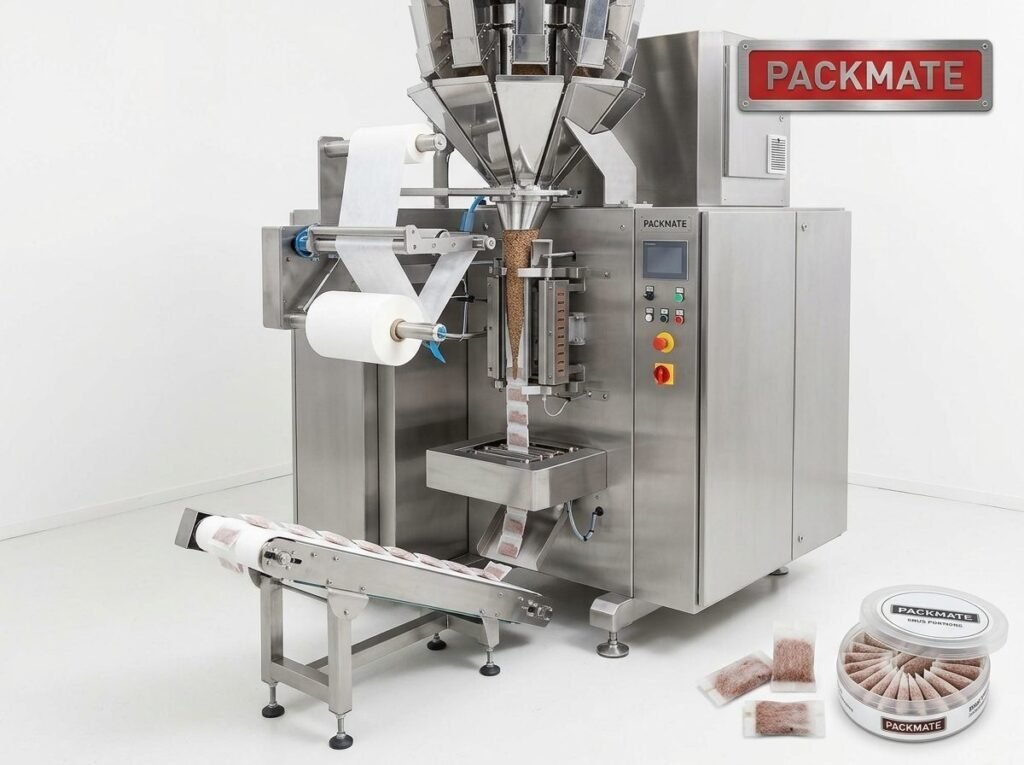
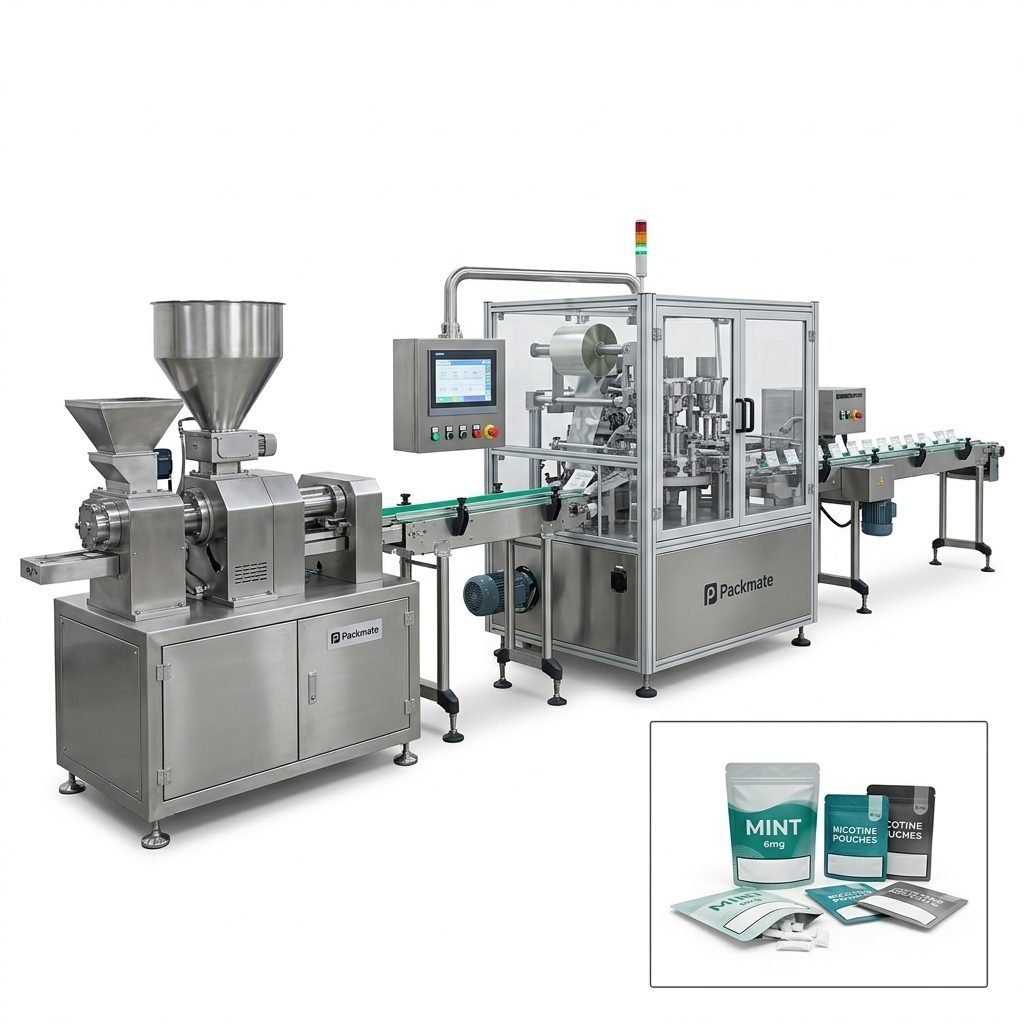
Choosing the right snus packaging machinery supplier in Lesotho is a strategic decision that affects product quality, regulatory compliance, and long‑term operational costs. Whether you are a new entrant importing nicotine pouches or an established manufacturer upgrading production lines, this guide pulls together essential tips—from technical specifications and certifications to local market considerations and after‑sales support—to help buyers make confident, cost‑effective choices.
Understand Lesotho’s Market & Local Customs
Lesotho is a small, landlocked country in Southern Africa. Business relationships tend to be personal and trust‑based, and English is commonly used in trade discussions alongside Sesotho. While traditional forms of tobacco (like snuff) have local usage, modern nicotine pouches and snus are an emerging niche — often imported or produced in small batches for niche consumers. As a buyer, factor in:
- Customs and import duties — import logistics via South African ports is common.
- Electrical standards — Lesotho uses 220–240V, 50Hz. Verify machine compatibility or transformer needs.
- Regulatory oversight — check national health regulations and labeling requirements for nicotine products.
- Business etiquette — value face‑to‑face meetings, clear contracts, and reliable timelines.
Start with Clear Production Requirements
Define your production target before you talk to suppliers. Important parameters include:
- Daily and hourly output (pieces per minute or per lane).
- Pack formats: sachet, stick pack, multi‑lane pouches, can/tin packaging, or pillow packs.
- Filling types: powder, granules, moisture‑sensitive tobacco, or nicotine pouches.
- Packaging materials: paper, foil, laminated films, or resealable systems.
Technical Specifications & Machine Types
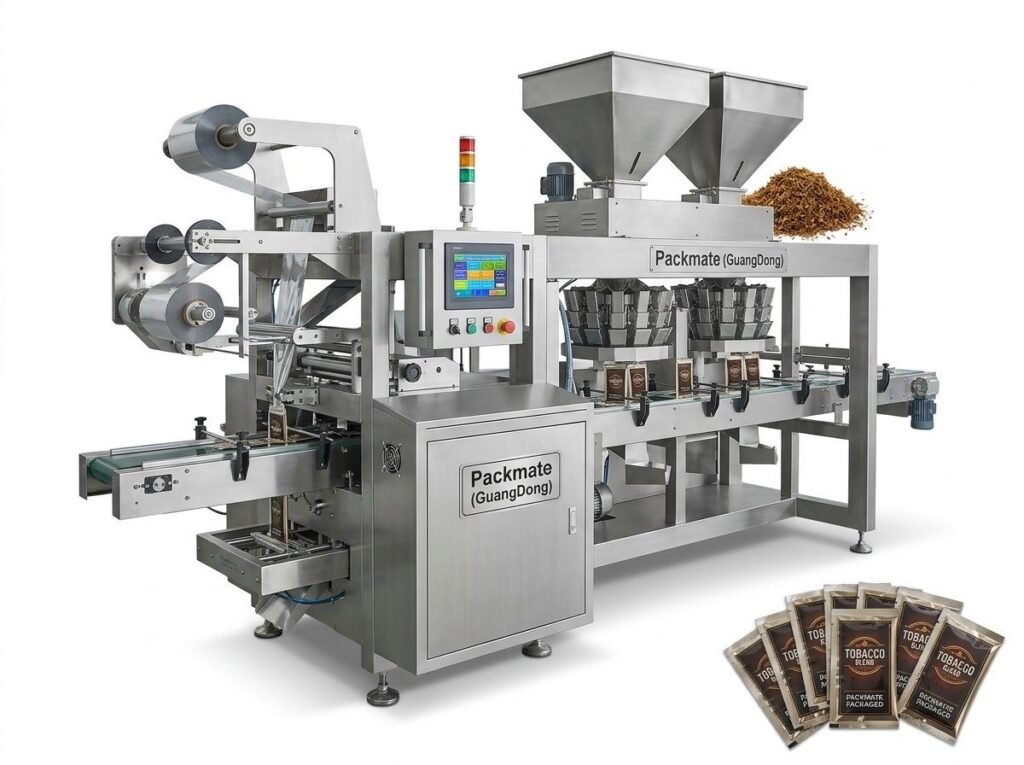
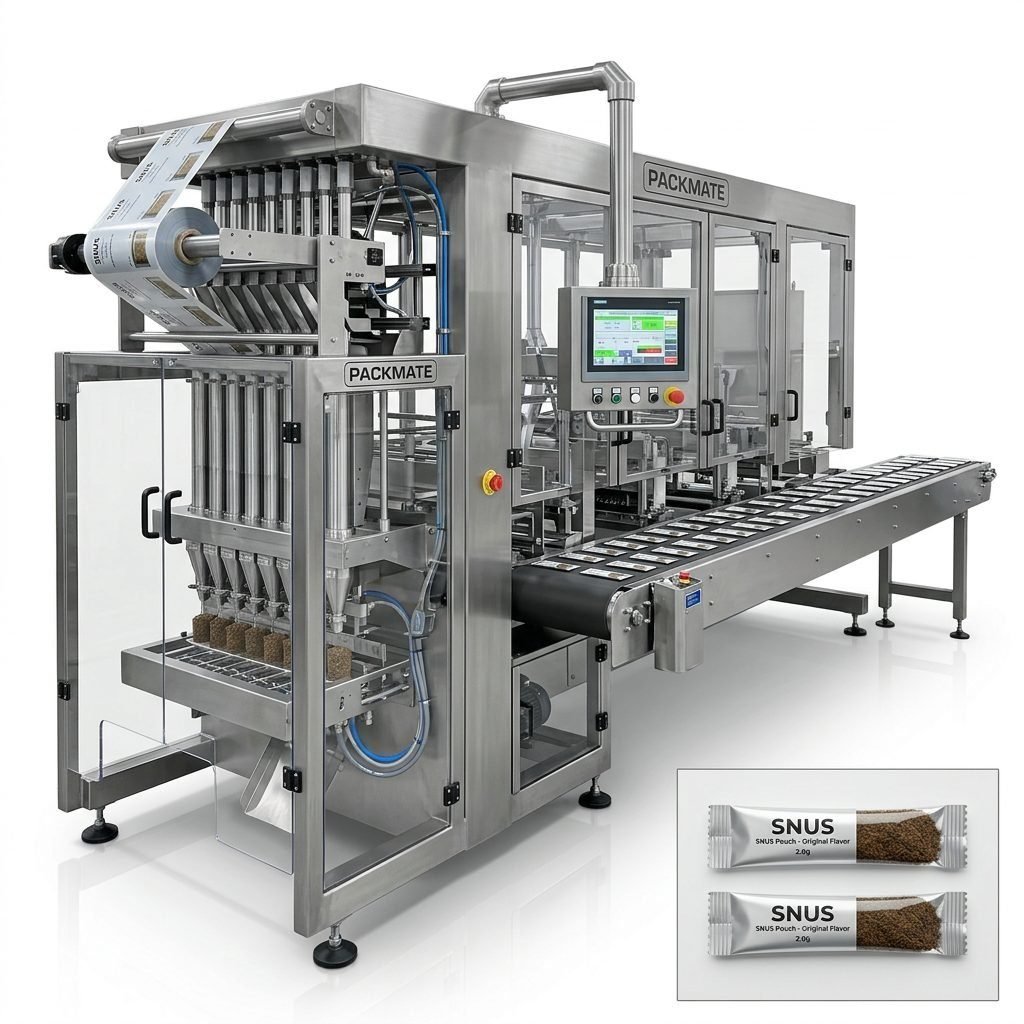
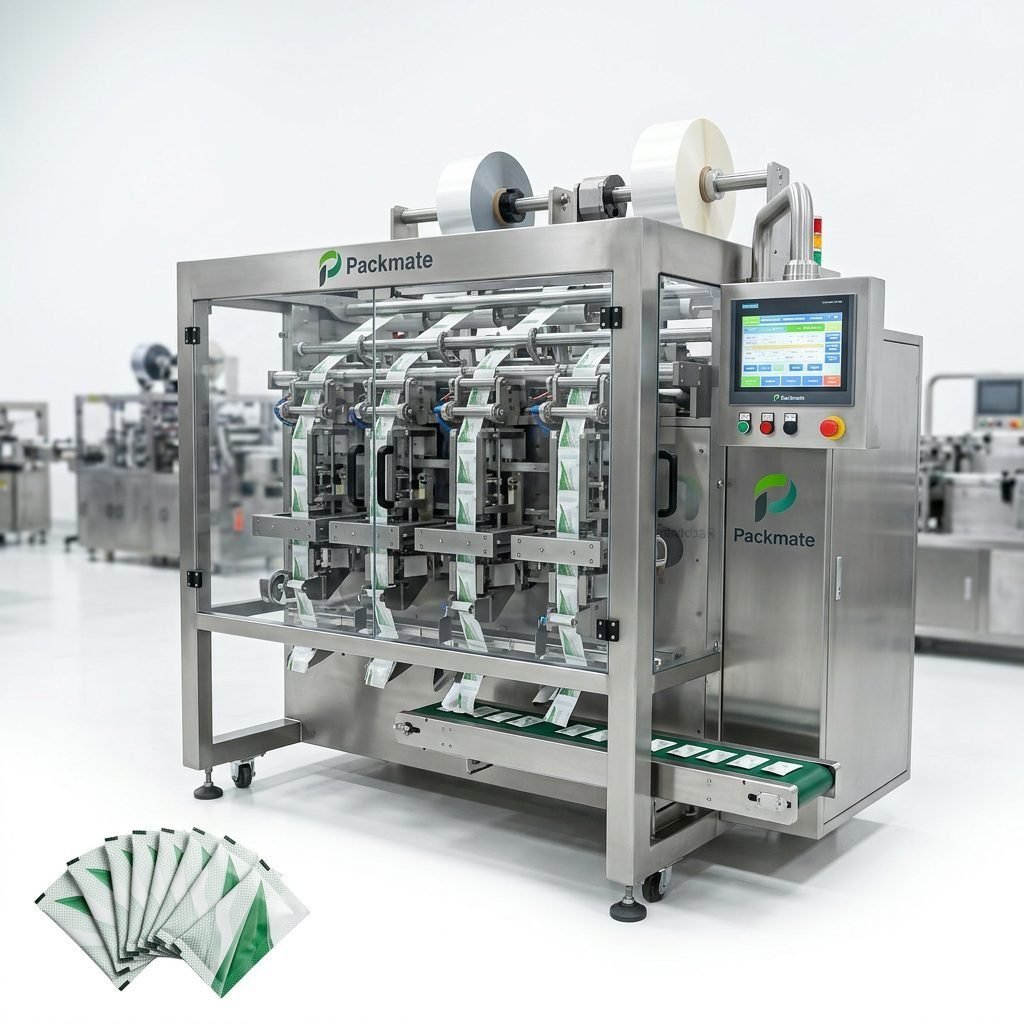
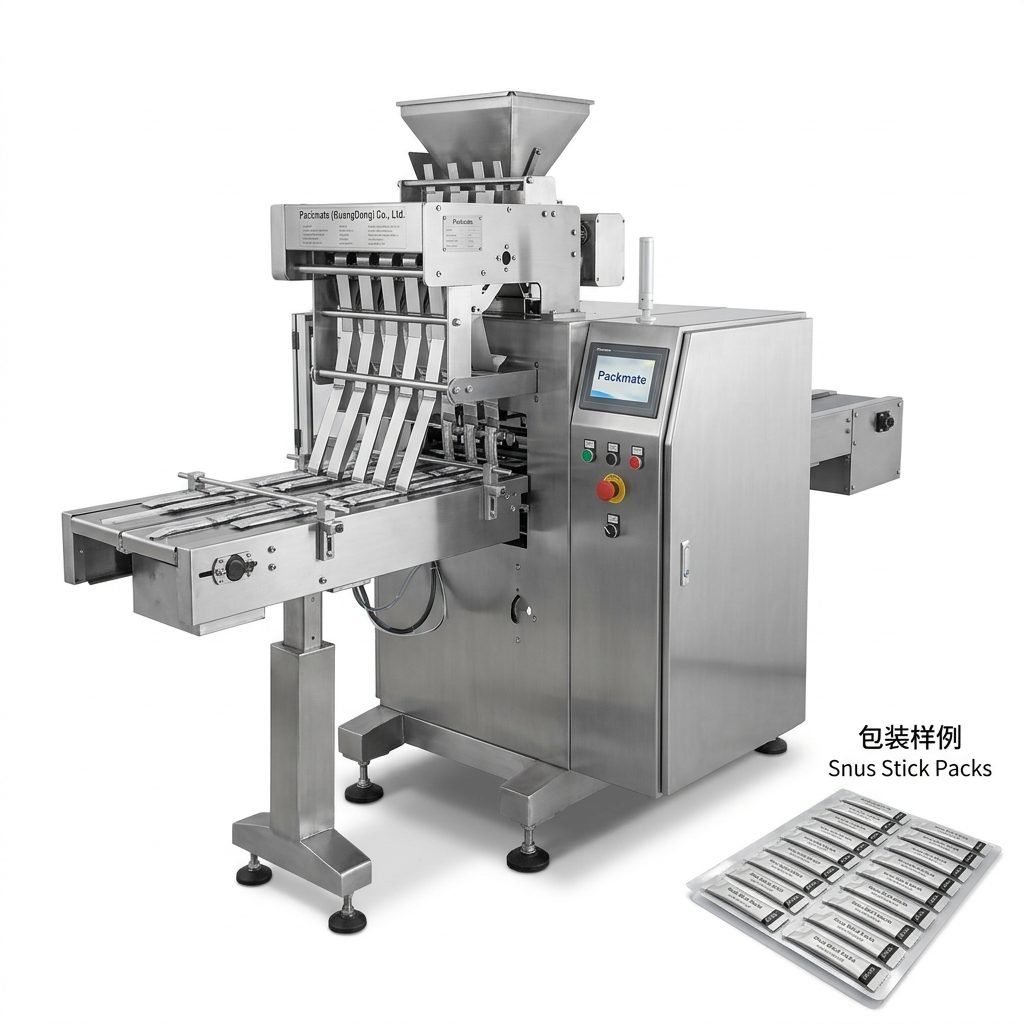
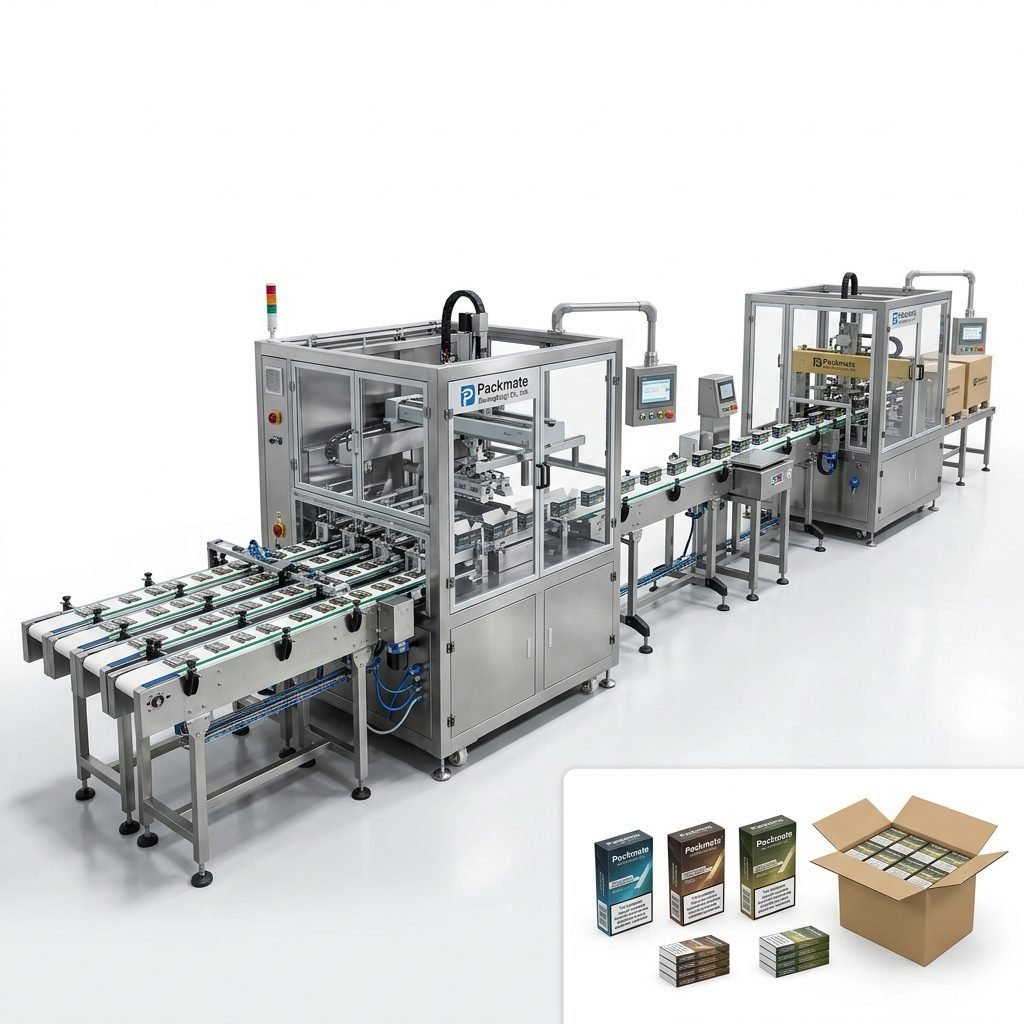
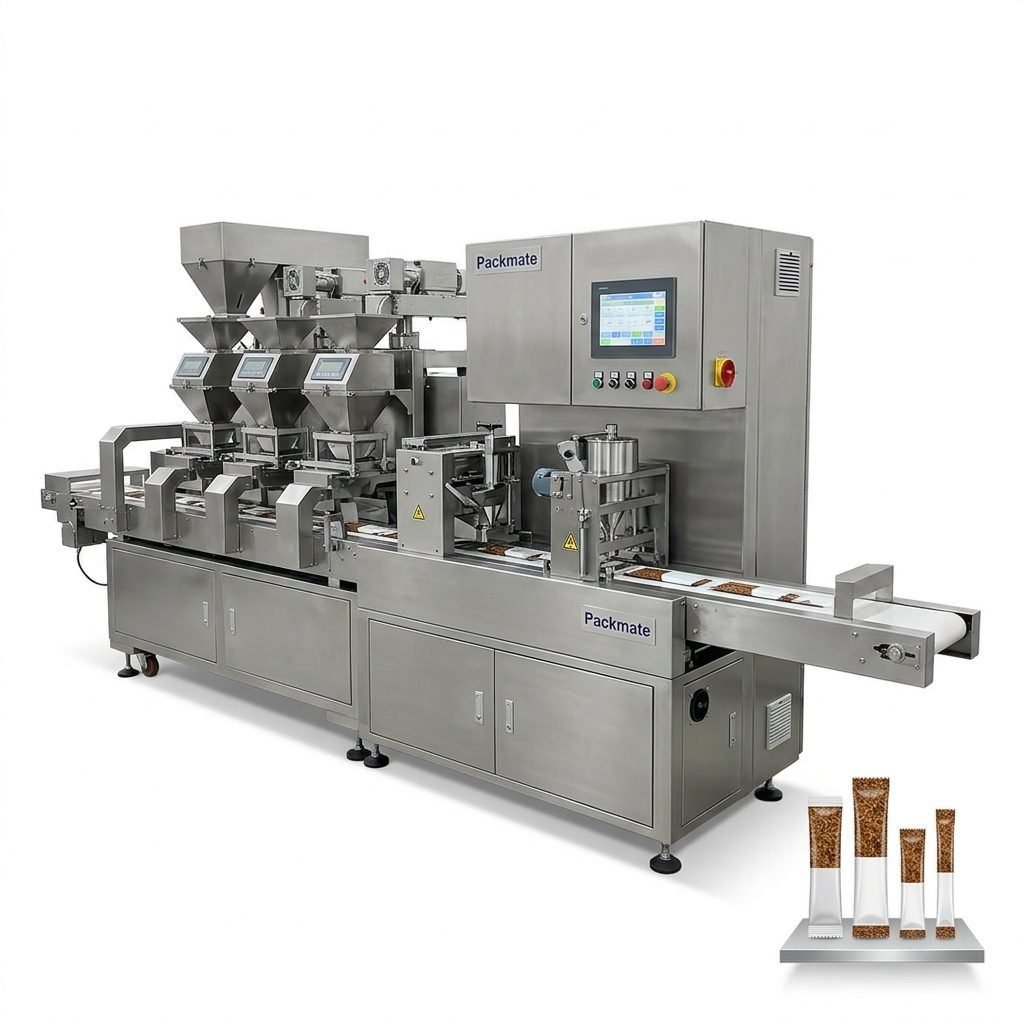
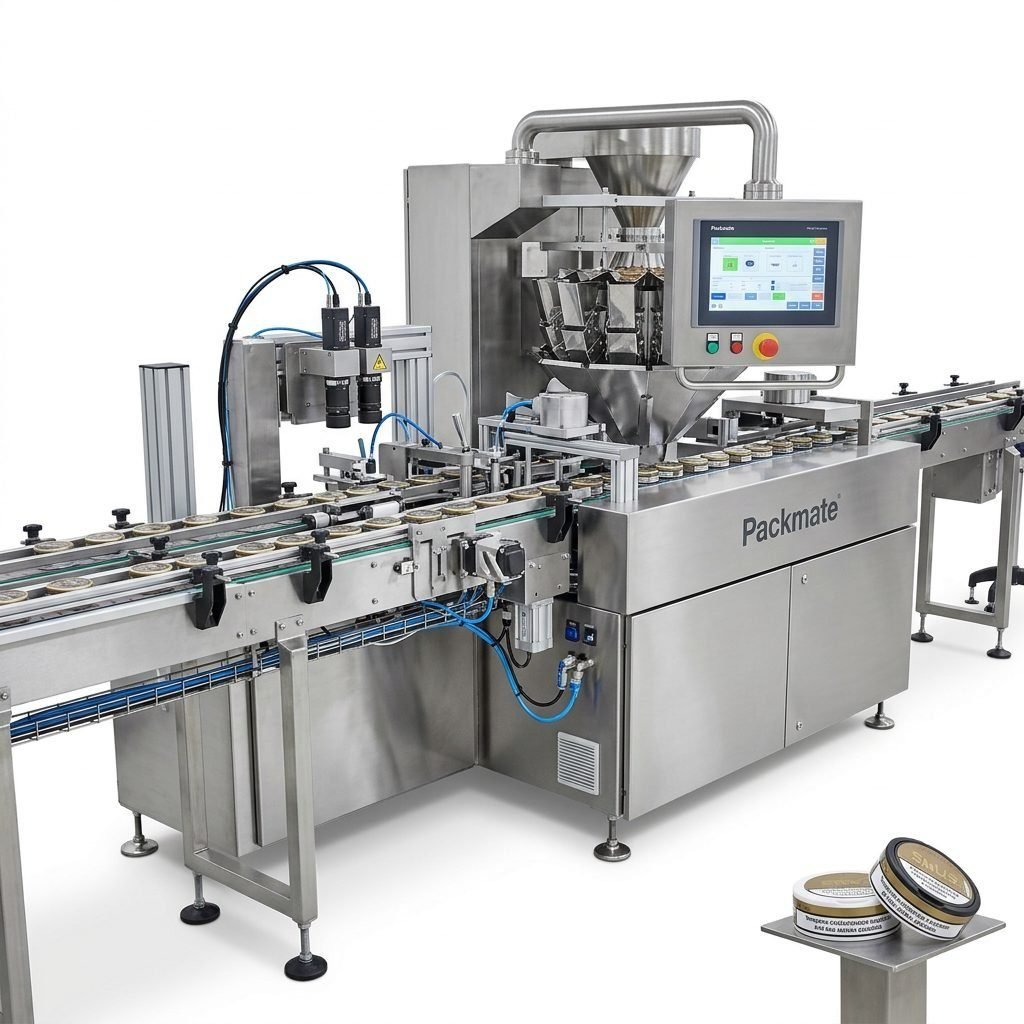
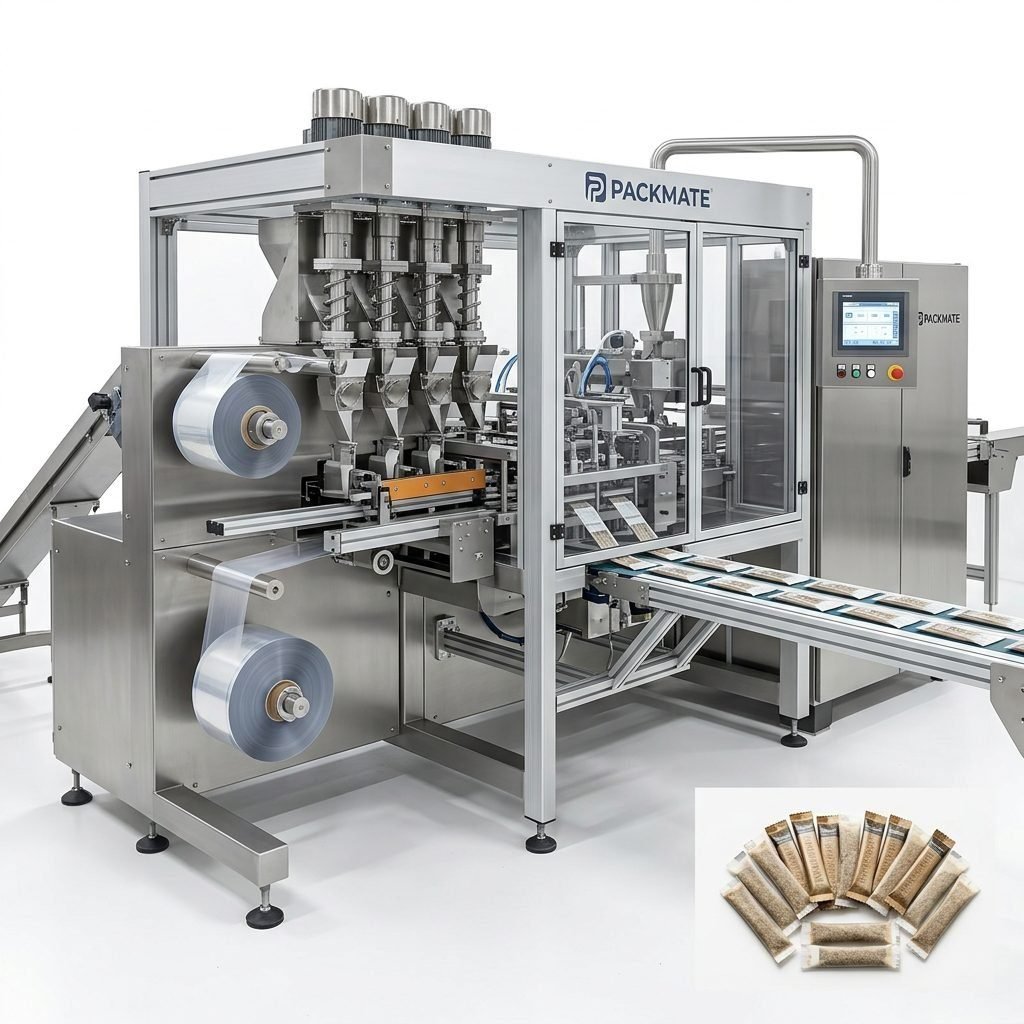
Choose machinery that matches your product’s physical properties and your scalability plans. Typical options include multi‑lane snus pouch machines, stick pack machines, and sachet machines. Key technical areas to verify:
- Number of lanes (single vs multi‑lane) and how easily lanes can be added or removed.
- Filling accuracy and dosing systems (important for small‑dose nicotine pouches).
- Compatibility with different film widths and sealing types.
- Changeover time between SKUs — fast changeover reduces downtime for multiple flavors/sizes.
- Hygiene and cleanability — stainless steel contact parts, IP ratings, and dust control.
Supplier Due Diligence Checklist
Before committing, perform these checks. Think of them as your safety net for long‑term performance.
- Company history and manufacturing scale — e.g., decades of experience and a large factory footprint indicate stability.
- Certifications — CE, ISO, and other safety/compliance marks relevant to export markets.
- Machine models and portfolio breadth — a supplier with diverse models can tailor solutions.
- References and case studies — ask for real client examples and production videos.
- Spare parts availability — stock levels, lead times, and local stocking options.
- Warranty, service contracts, and remote support capability.
Why Factory Strength Matters
A manufacturer’s workshop, CNC centers, and precision assembly lines are indicators of quality control and the ability to deliver customized solutions. Suppliers with 20,000㎡ facilities and advanced machining equipment can build stable, long‑running machines — reducing maintenance headaches and rework costs.
Check Certifications & Compliance
For export and local sale, ensure machines meet international and local safety standards. Important items:
- CE marking for European markets and generally accepted safety compliance.
- ISO quality management evidence for consistent manufacturing processes.
- Documentation for electrical safety and machine guarding.
Service, Training & After‑Sales Support
A machine purchase is only the beginning. Robust after‑sales support and training are crucial — especially for buyers in Lesotho where on‑site manufacturer presence may be limited. Ensure your supplier offers:
Key support services to require:
- Comprehensive operator and maintenance training (onsite and remote).
- Spare parts kits and recommended stocking lists for local spares.
- Remote troubleshooting, software updates, and PLC support.
- Optional installation and commissioning service at your site.
Tip: Insist on Factory Acceptance Tests (FAT)
A FAT demonstrates machine performance before shipping. Ask for a video or live demo running your actual product or a close sample. This reduces surprises during installation and ensures contract terms are met.
Cost Considerations & Total Cost of Ownership (TCO)
The cheapest upfront price rarely delivers the lowest lifetime cost. Consider:
- Energy consumption and spare parts costs.
- Downtime risk and MTTR (mean time to repair).
- Upgradeable features and modular designs that allow future scaling.
- Availability of local technicians or affordable remote support.
Financing & Payment Terms
Negotiate favorable payment schedules tied to milestones: deposit, FAT approval, and successful commissioning. Some suppliers offer leasing or financing options — useful when capital budgets are tight.
Logistics, Shipping & Installation in Lesotho
Lesotho imports heavy machinery through South African ports; plan for cross‑border clearance, inland transport, and local handling. Discuss with suppliers the packaging standards for sea freight, insurance, and supplier support during customs clearance.
Practical actions:
- Confirm machine dimensions and crating details for inland transport.
- Plan for local rigging and installation labor costs.
- Get clear timelines for shipment, customs clearance, and on‑site commissioning.
Quality, Samples & Trial Runs
Validate a supplier’s claims by requesting product samples and trial runs. A trustworthy supplier will offer sample production on the machine or provide verified test data. Samples should include finished pouches with seals and labeling applied as you intend for retail.
Important: Regulatory & Labeling Compliance
Nicotine products face strict regulations in many countries. Coordinate with legal counsel to ensure that packaging complies with Lesotho’s laws and any export markets you target. Confirm that your supplier can adapt machines for printing, batch coding, and variable data printing.
How to Evaluate a Manufacturer: Example Criteria
Use a scoring matrix when comparing suppliers. Typical evaluation categories include:
- Technical match to product — 25%
- After‑sales and spare parts reliability — 20%
- Certifications and compliance — 15%
- Cost and financing flexibility — 15%
- Delivery time and logistics support — 10%
- References and past performance — 15%
Supplier Transparency & Communication
Reliable suppliers keep clear records, provide machine manuals, spare parts lists, and provide a single point of contact for commercial and technical questions. Good communication reduces risk and speeds problem resolution.
Useful Resources & Next Steps
To explore reputable product lines and company capabilities, review manufacturer product pages and case studies. A few recommended pages for further reading:
- Snus & Nicotine Packaging Machines — product examples and features
- About Packmate — company history and capabilities
- Case studies — real projects and customer results
- Contact Us — request quotes and technical queries
Quick action plan for buyers in Lesotho:
- Define SKU types and production volumes.
- Request technical proposals, FAT videos, and spare parts lists.
- Evaluate TCO and local service readiness.
- Negotiate milestones and support terms, then schedule FAT and shipment.
Final Considerations
Partner with a supplier that not only delivers machines, but also provides long‑term partnership: spare parts, upgrades, training, and timely service. For buyers in Lesotho, logistic planning and regulatory compliance are just as important as the machine’s capabilities.
Contact & Demo
Reach out to manufacturers with clear product samples and expected outputs. Arrange live demos or FAT sessions to validate performance before shipment. Explore manufacturer catalogs and product lines to find the best technical match for your business model.
Helpful links:
• Sachet & Stick Pack Machines
• Catalog
• Service & Support
Frequently Asked Questions (FAQ)
Q1: What certifications should a snus packaging machine have for export and reliability?
A1: Look for CE and ISO certifications as baseline indicators of safety and quality. Also request electrical safety documentation and any region‑specific compliance certificates required by your target market.
Q2: How do I ensure the machine fits Lesotho’s electrical grid and environmental conditions?
A2: Confirm the machine’s voltage and frequency (Lesotho: 220–240V, 50Hz). Discuss humidity control, dust ingress protection, and cooling requirements with your supplier to prevent performance issues.
Q3: What is an acceptable lead time for a custom snus packaging line?
A3: Typical lead times vary from a few weeks for standard models to several months for custom multi‑lane lines. Always align delivery milestones with FAT completion and shipping schedules.
Q4: How can I reduce downtime and ensure spare parts availability in Lesotho?
A4: Negotiate spare parts kits, local stocking options, and clear lead times. Consider stocking high‑wear parts locally and securing remote technical support agreements for rapid troubleshooting.