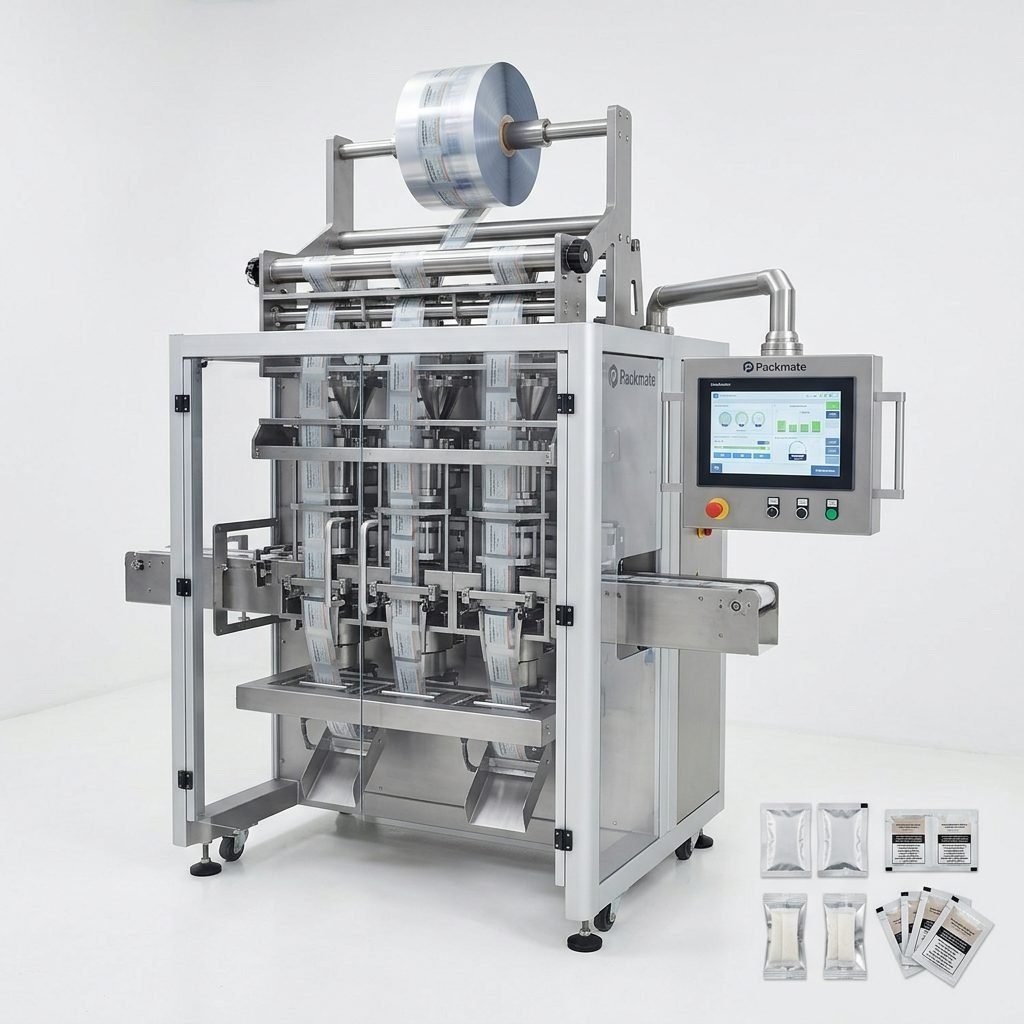
Choosing the right snus packaging machinery supplier in Southeast Asia requires a careful blend of technical assessment, local market understanding, and practical logistics planning. This guide walks you through the essential criteria—including machine performance, after-sales support, regulatory compliance, and cultural considerations specific to Southeast Asian markets—to help you select a reliable partner that supports growth, quality, and long-term value.
Understand Local Market Context in Southeast Asia
Southeast Asia is diverse—each country (Thailand, Malaysia, Indonesia, Vietnam, the Philippines, Singapore) has its own rules and consumer habits. While snus and nicotine pouches originated in Northern Europe, demand in SEA is shaped by:
• Consumer preferences: Small-dose sachets and discreet pouches are popular where consumers prefer portability and subtlety. Packaging aesthetics and tactile quality matter in urban markets.
• Regulatory diversity: Nicotine product rules differ significantly—some markets restrict nicotine content and advertising, others require specific labeling or import permits. Local compliance is essential.
Key Technical Criteria When Evaluating Suppliers
Technical capability is the foundation of any machine purchase. Assess the supplier across multiple engineering and production metrics:
1. Machine Models & Production Flexibility
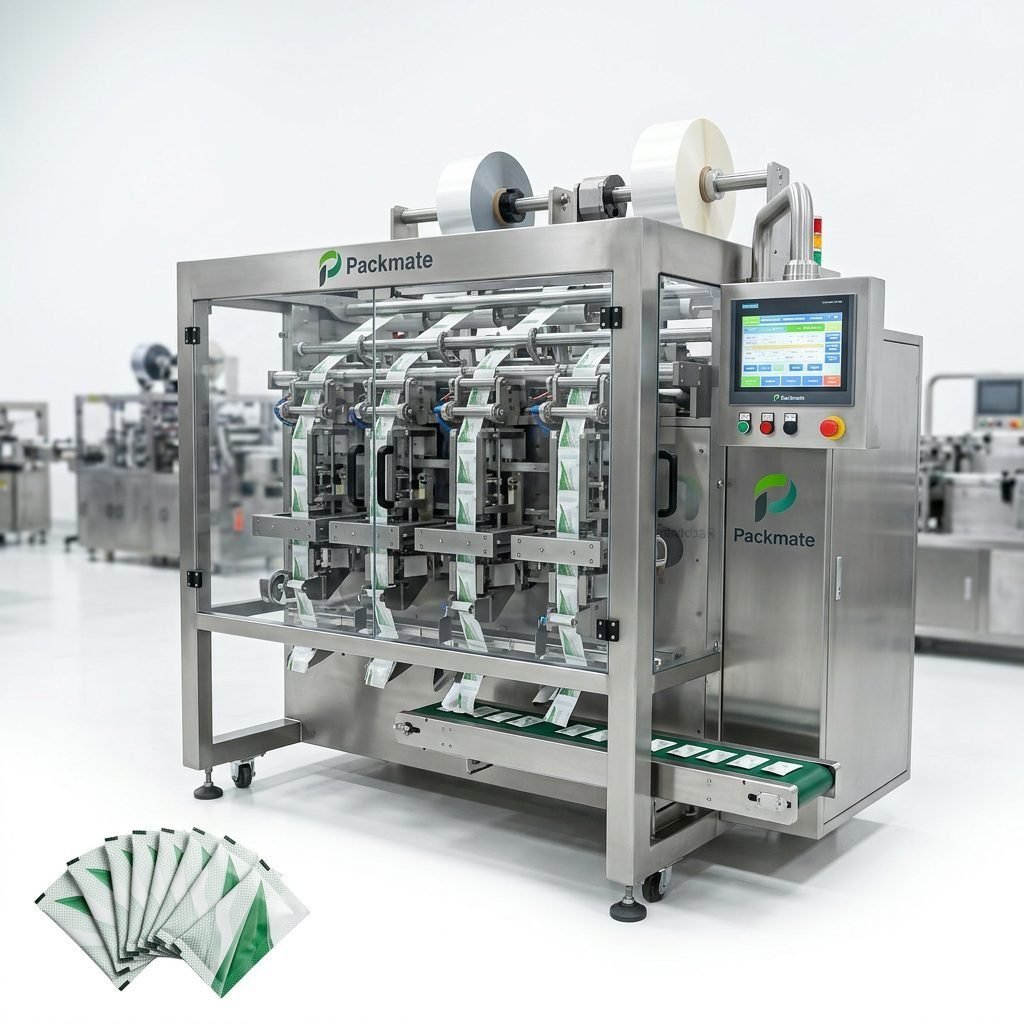
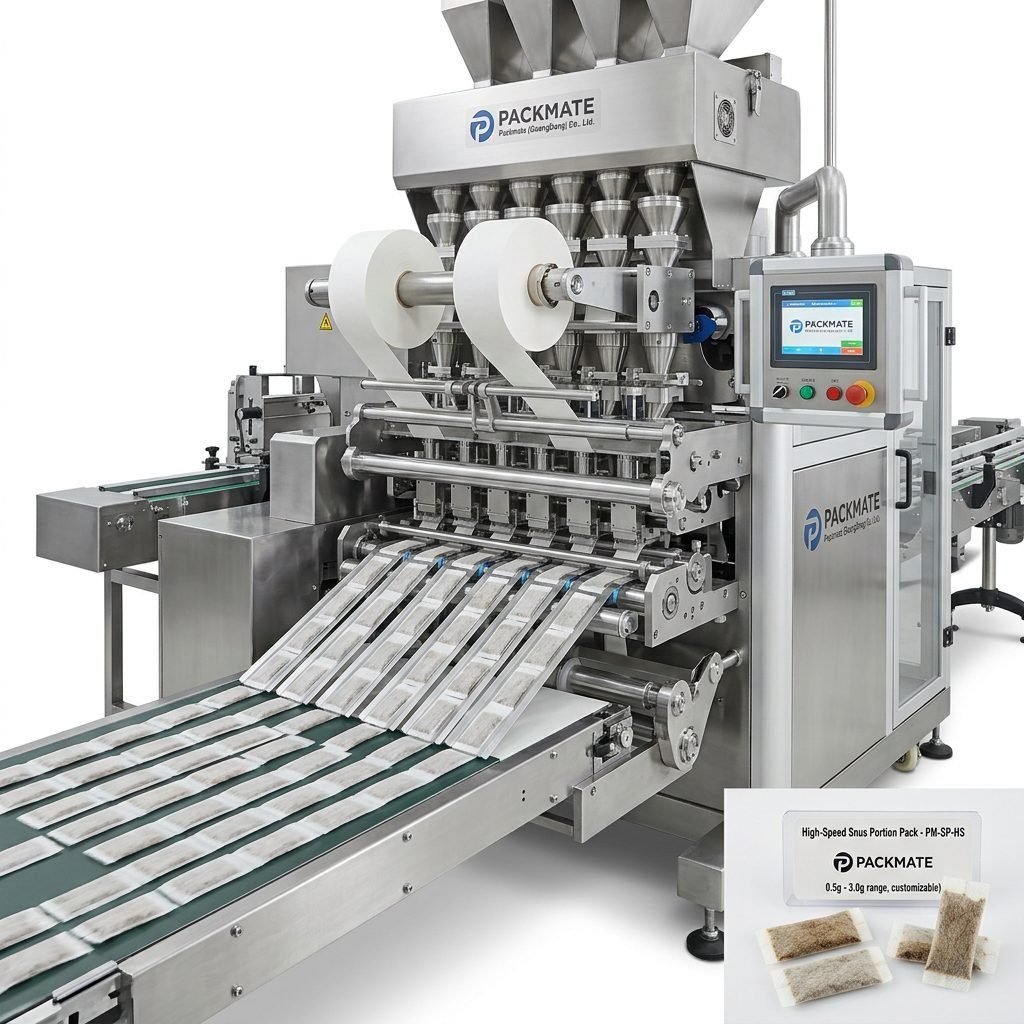
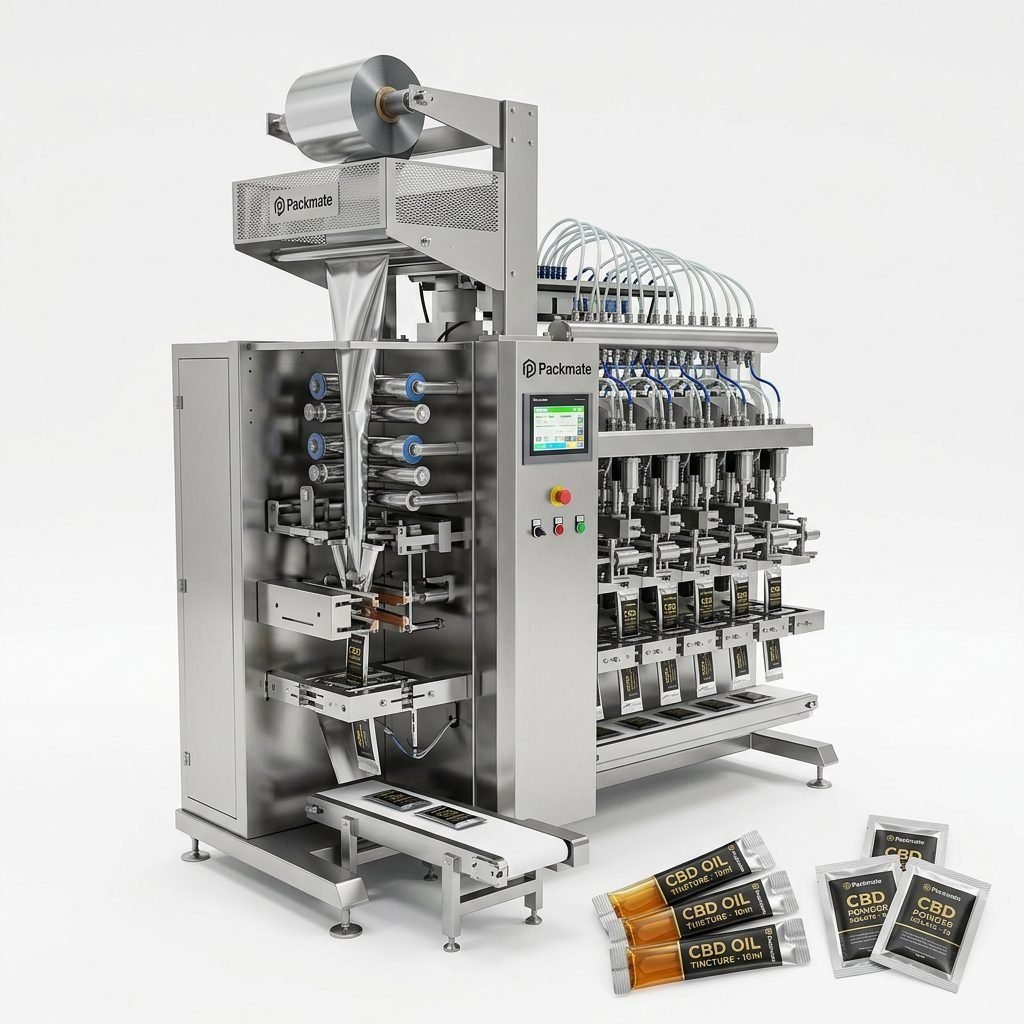
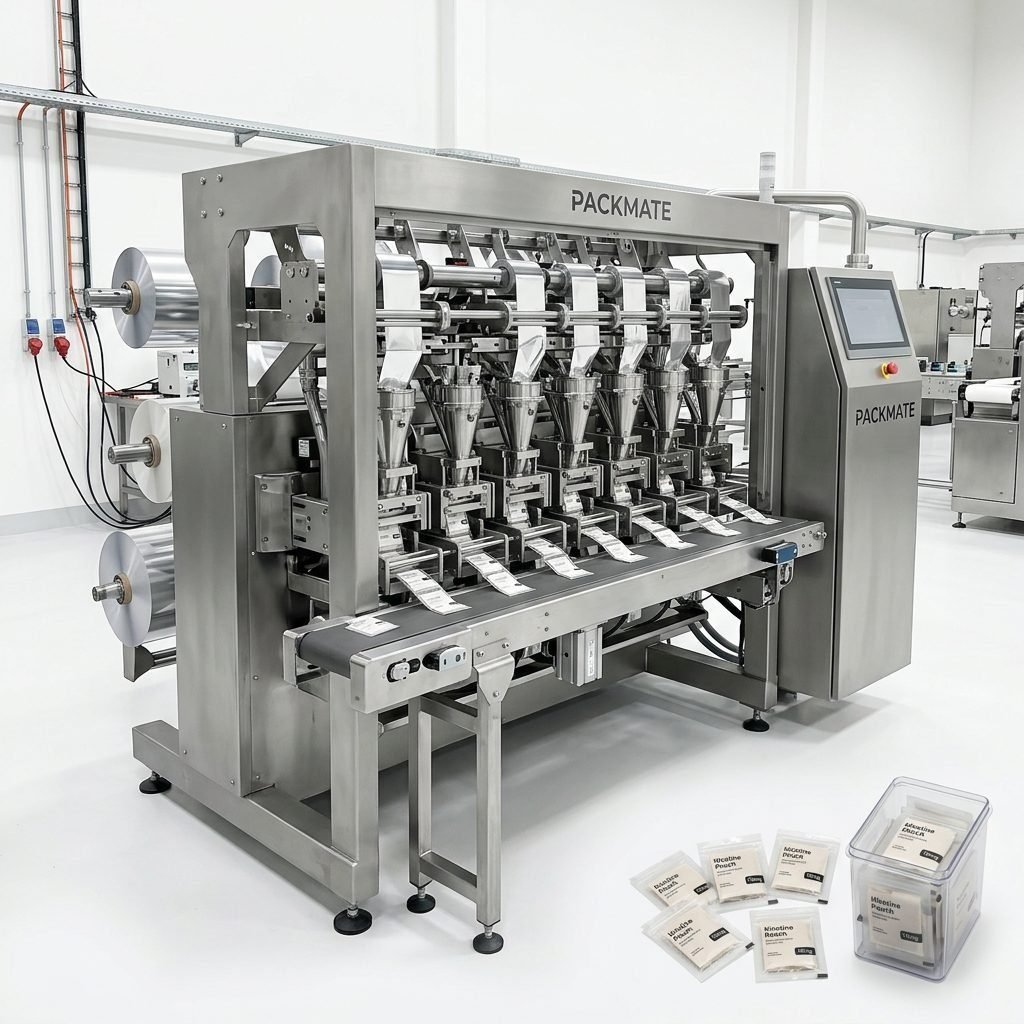
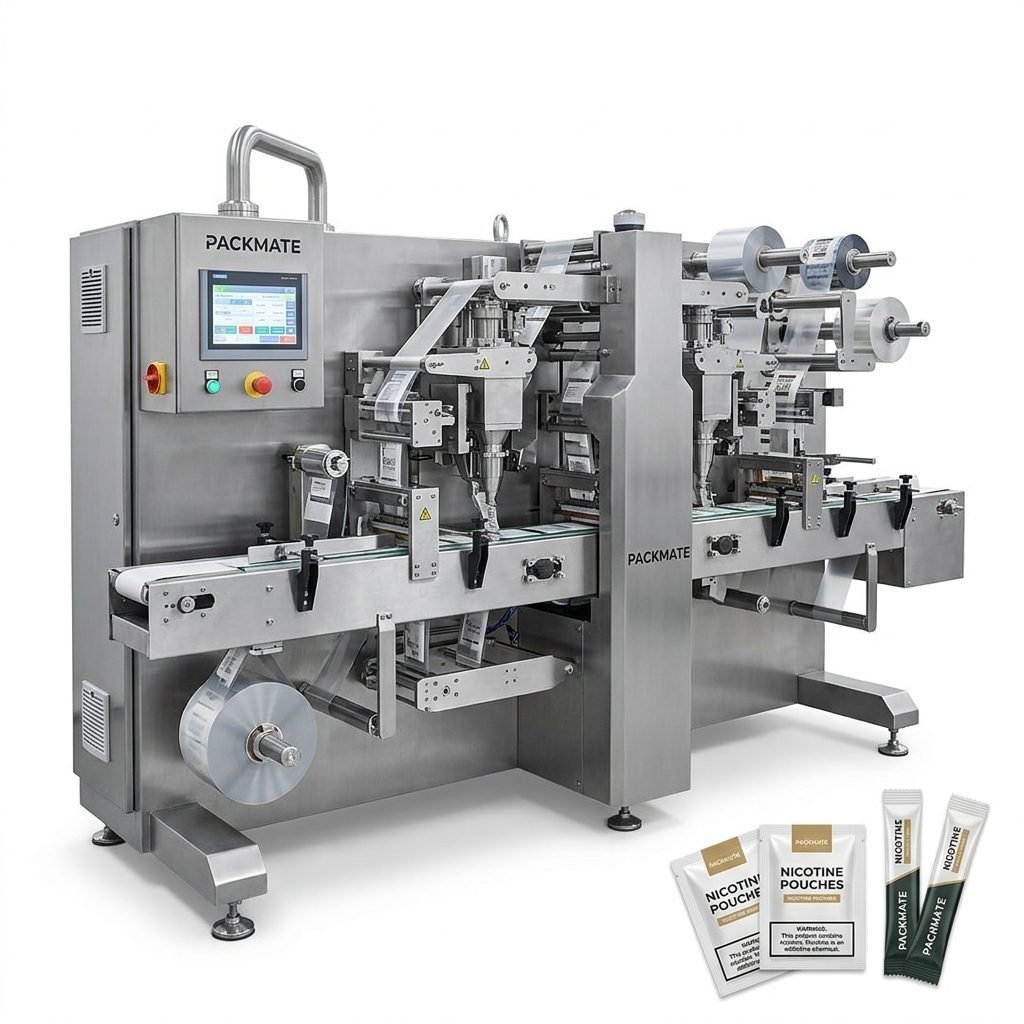
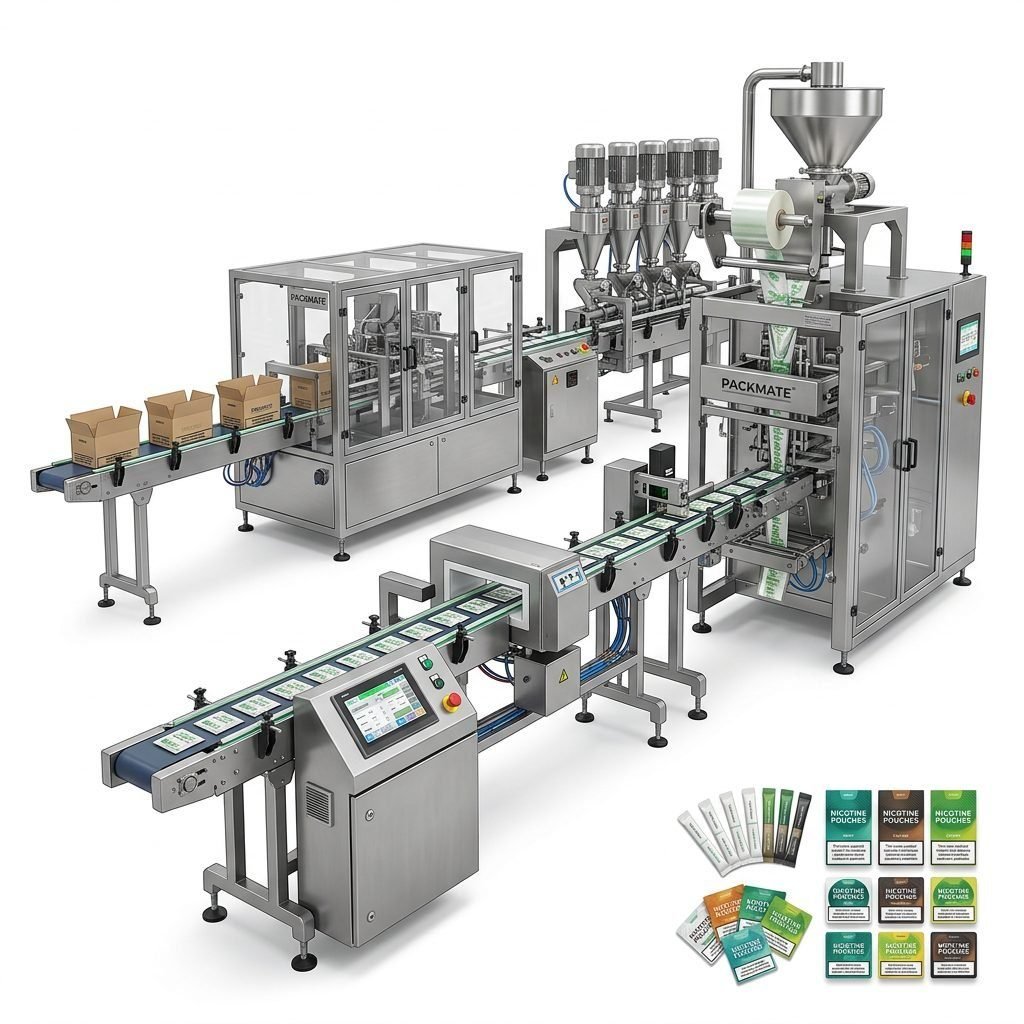
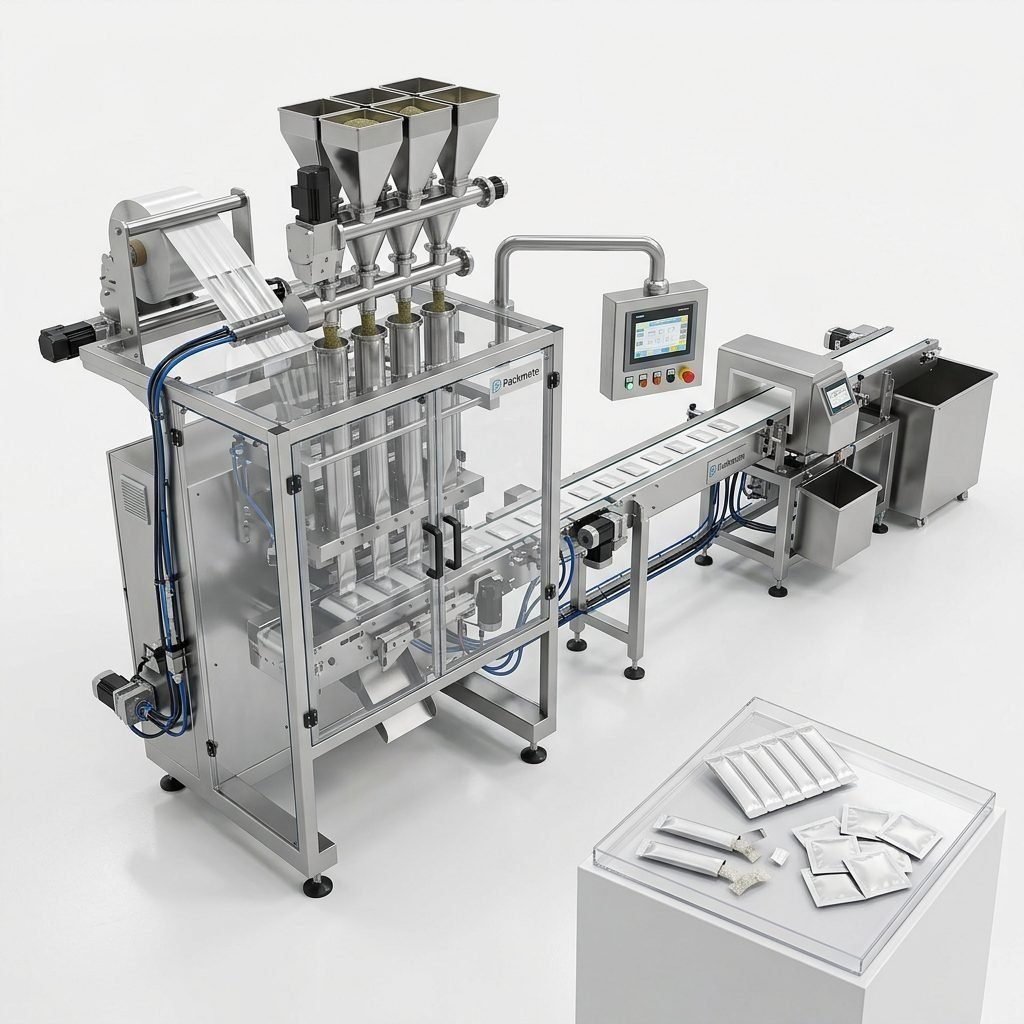
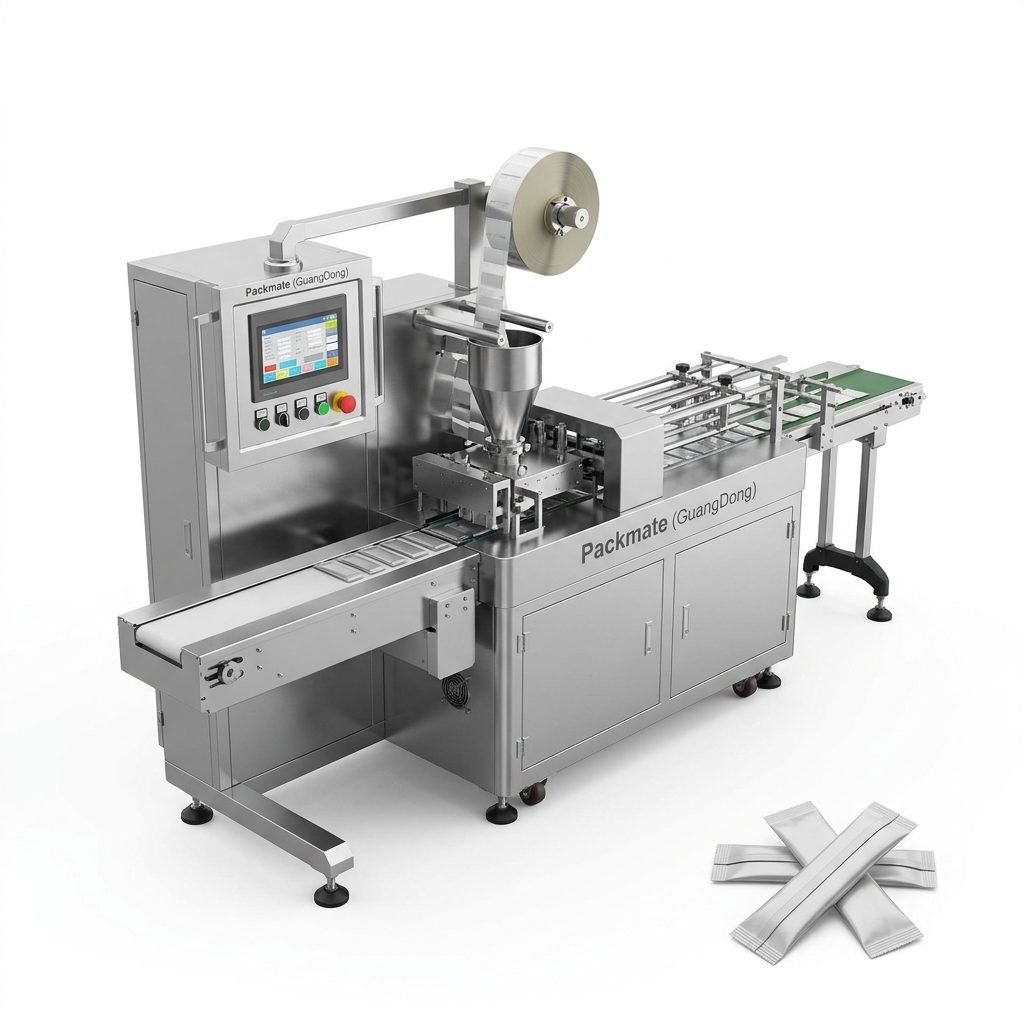
Look for suppliers with a broad model range—from single-lane sachet or stick-pack equipment to high-speed multi-lane systems. Flexibility to run different pouch formats, weights, and materials reduces future reinvestment.
Recommended check: Can the supplier provide examples of similar installations? (See case references and product pages for real deployments.)
2. Accuracy, Speed, and OEE
Precision dosing and consistent sealing are critical for nicotine pouches. Confirm advertised filling accuracy, maximum pouch per minute, and realistic Overall Equipment Effectiveness (OEE) figures validated in customer installations.
3. Automation & Integration Capabilities
Assess whether the supplier can integrate weighing systems, vision inspection, cartoning, and robotic pick-and-place to create a complete line. Suppliers offering turnkey solutions save time and reduce integration risks.
Supplier Credibility: Certificates, Factory Strength & Experience
Credibility is shown by manufacturing capacity, certifications, and a proven history. Look beyond marketing claims—verify factory visits, references, and certificates.
Packmate Snus Machine, for example, highlights 30+ years of engineering experience and a 20,000㎡ manufacturing facility with advanced CNC machining and precision assembly. Such scale supports reliable deliveries and spare parts supply.
Check for international standards like CE and ISO, plus any food-safety or pharmaceutical-compliance certifications needed for nicotine or consumable products.
After-Sales Support & Local Service Considerations
A strong service network is especially important in Southeast Asia due to distance and varying time zones. Investigate response times, spare parts stock, training offerings, and remote support capability.
Spare Parts Availability
Ensure critical consumables and wear parts are readily available—either held in a regional warehouse or shipped rapidly. Suppliers who supply kits for routine maintenance reduce downtime.
Training and Commissioning
Confirm on-site commissioning and operator training are included. For multilingual teams in SEA, ask whether training materials and technical manuals are available in English and local languages.
Regulatory & Customs Practicalities in Southeast Asia
Import procedures, customs duties, and local certification can impact lead time and cost. Understand labeling and product-content disclosure requirements for each target market before finalizing machinery specifications.
Practical tip: Coordinate with your supplier to prepare complete shipping documentation, harmonized system (HS) codes, and any machine compliance declarations required by customs authorities in the destination country.
Commercial Considerations: Cost vs Total Value
Purchase price is only the start. Evaluate the Total Cost of Ownership (TCO): installation, spare parts, expected life, energy consumption, and productivity gains. Cheaper machines with poor service quickly become more expensive.
Warranty & Performance Guarantees
Seek clear warranty terms, uptime commitments, and penalties for missed performance metrics if possible. Written guarantees give confidence during procurement approval.
Cultural & Business Etiquette Tips for Working with SEA Suppliers
Business in Southeast Asia often values relationships and trust. Face-to-face meetings at trade shows or factory visits can accelerate negotiations. Participation in regional exhibitions and live demos helps build mutual confidence.
When negotiating, adopt respectful communication and allow time for decision-making. Local partners may prefer staged payment terms and gradual scaling agreements.
How to Validate a Supplier: Practical Checklist
Use the following checklist when assessing potential suppliers:
- ✔ Factory visit or virtual tour to confirm manufacturing capability.
- ✔ References and case studies for similar snus/sachet installations. (See real-world examples and case library.)
- ✔ Confirmation of CE/ISO and any other required certificates.
- ✔ Clear warranty, spare parts lead times, and local service plans.
- ✔ Trial runs, sample packaging, and acceptance testing protocol.
Negotiation & Contract Essentials
Contracts should clearly define delivery timelines, acceptance tests, payment milestones, training scope, spare parts packages, and intellectual property rights for custom tooling or recipes. Include escalation paths for service issues.
Acceptance Testing
Agree on acceptance criteria (sample throughput, sealing quality, weight tolerance) and conduct tests in the supplier’s factory if possible. Document results and attach to the contract to avoid disputes later.
Where to Find Reputable Suppliers & Demos
Visit major trade shows and scheduled exhibitions in the region. Also, review supplier catalogs and product pages to match technical needs. Packmate maintains detailed product pages and case studies to support decision-making:
Explore product lines: Snus & Nicotine Packaging Machines, Sachet & Stick Pack Machines, and Weighing & Packaging Systems.
For supplier background: About Packmate and to review previous installations, see the Case page.
Case Example: Why Scale & Experience Matter
A supplier with decades of experience and a large manufacturing facility can better guarantee stable deliveries, standardized quality control, and ready access to spare parts. Packmate’s 20,000㎡ factory and advanced CNC machining capability illustrate the type of industrial strength that reduces risk and shortens lead times for complex multi-lane snus production lines.
Final Decision Framework
Weigh the following factors to finalize your supplier choice:
- 🔹 Technical fit: Does the machine meet your format, speed, and accuracy needs?
- 🔹 Support network: Are spare parts and service accessible within your region?
- 🔹 Compliance: Can the supplier help you navigate local regulatory requirements?
- 🔹 Total cost: Consider energy efficiency, uptime, and maintenance needs—look beyond the purchase price.
Useful Links & Next Steps
To continue your evaluation, review product catalogs, request detailed quotations, and arrange factory visits or remote demos:
– Browse equipment types: Bag & Pouch Packaging Machines
– Review auxiliary equipment and integration options: Auxiliary Packaging Equipment
– Contact supplier for service and quotations: Contact Us
Quick Procurement Checklist (Printable)
1) Define formats, output, and acceptance criteria.
2) Shortlist suppliers with relevant references and factory capacity.
3) Request FAT (Factory Acceptance Test) and sample packaging runs.
4) Confirm spare parts lead times and training plans.
5) Finalize contract with clear warranty and performance clauses.
Conclusion
A successful purchase balances technical performance, reliable after-sales service, and local regulatory alignment. Prioritize suppliers who demonstrate production capacity, international compliance, and proven case history while offering strong local support in Southeast Asia.
If you need a starting point for evaluation, review equipment ranges and case studies from established manufacturers to compare real-world performance and support structures.
Common Questions
Q1: How important is a local service presence in Southeast Asia?
A: Very important—local service reduces response time for repairs and offers faster access to spare parts and training, which minimizes downtime.
Q2: Should I prioritize price or uptime?
A: Prioritize uptime and support. A slightly higher purchase price that guarantees higher availability and better service often results in lower TCO.
Q3: What certifications should I request from suppliers?
A: At minimum, ask for CE and ISO certifications and any food/pharmaceutical safety certificates relevant to consumable nicotine products.
Q4: How can I validate performance claims before purchase?
A: Request a Factory Acceptance Test (FAT), sample production runs, and customer references. If possible, witness live demos at exhibitions or at the supplier’s factory.
Q5: Where can I find real-world examples and product catalogs?
A: Review product pages and case studies provided by reputable suppliers (see product and case links above) to verify machine suitability and supplier track record.