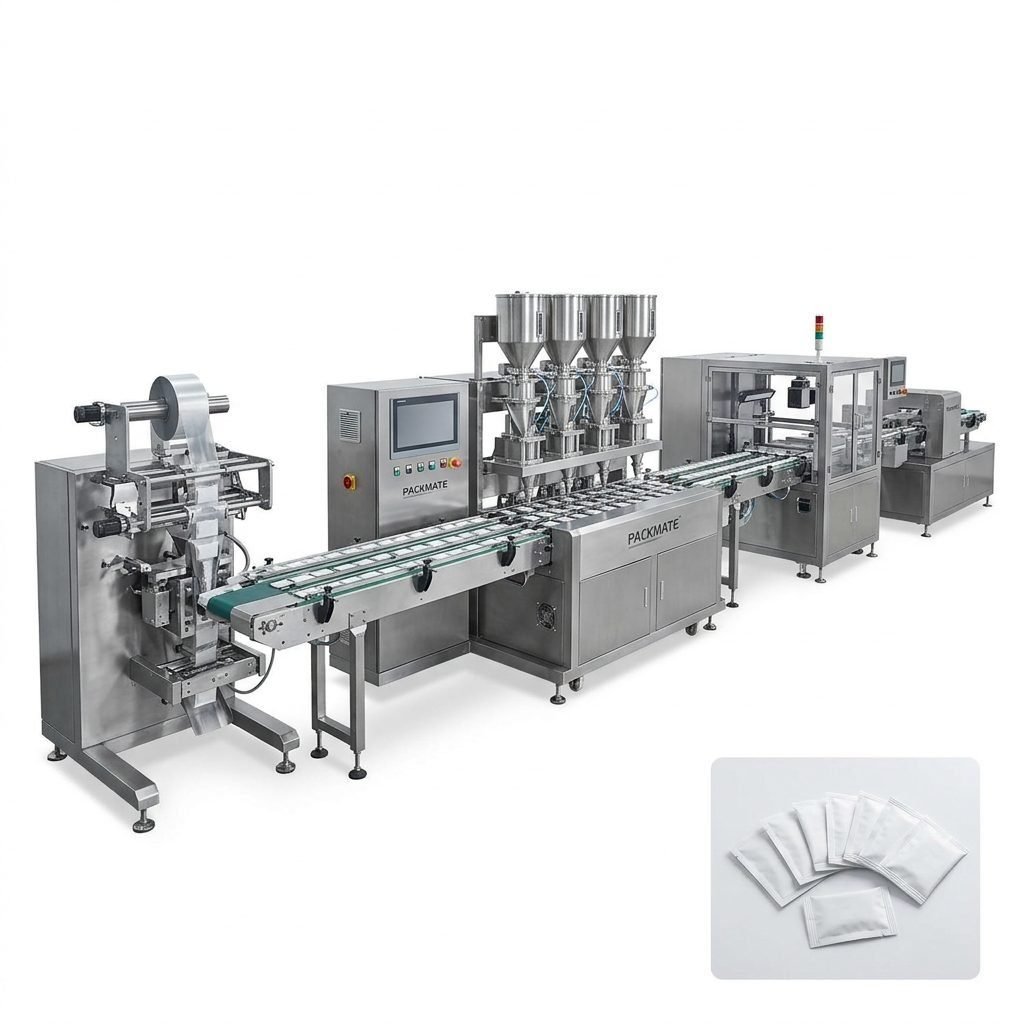
Choosing the right snus packaging machine in Mauritania is more than a machinery purchase — it’s a strategic decision that affects product safety, compliance, shelf appeal, and long-term profitability. This guide walks you through technical specs, local market considerations, and practical steps to select, validate, and commission a snus or nicotine pouch packaging line that fits Mauritania’s climate, cultural norms, and regulatory environment.
Understand the Mauritanian Context: Market, Culture, and Climate
Mauritania is a majority Muslim country where local customs influence product presentation and labeling. French and Arabic are widely used — packaging text should include Arabic and/or French to reach broader consumers and distribution partners. The climate in coastal and inland areas varies from arid to semi-arid with high temperatures; therefore, machines and packaging materials must perform reliably under elevated temperature and dust exposure.
🔧 Key local considerations:
• Use of Arabic and French on labels — dual language support improves market acceptance.
• Low humidity but high heat — select materials and sealing technologies that resist heat-activated degradation.
• Distribution often relies on small retail outlets — consider compact secondary packaging options for easy display.
Types of Snus Packaging Machines and When to Choose Each
There are several machine families to consider. Your product format, output targets, and budget determine the best choice.
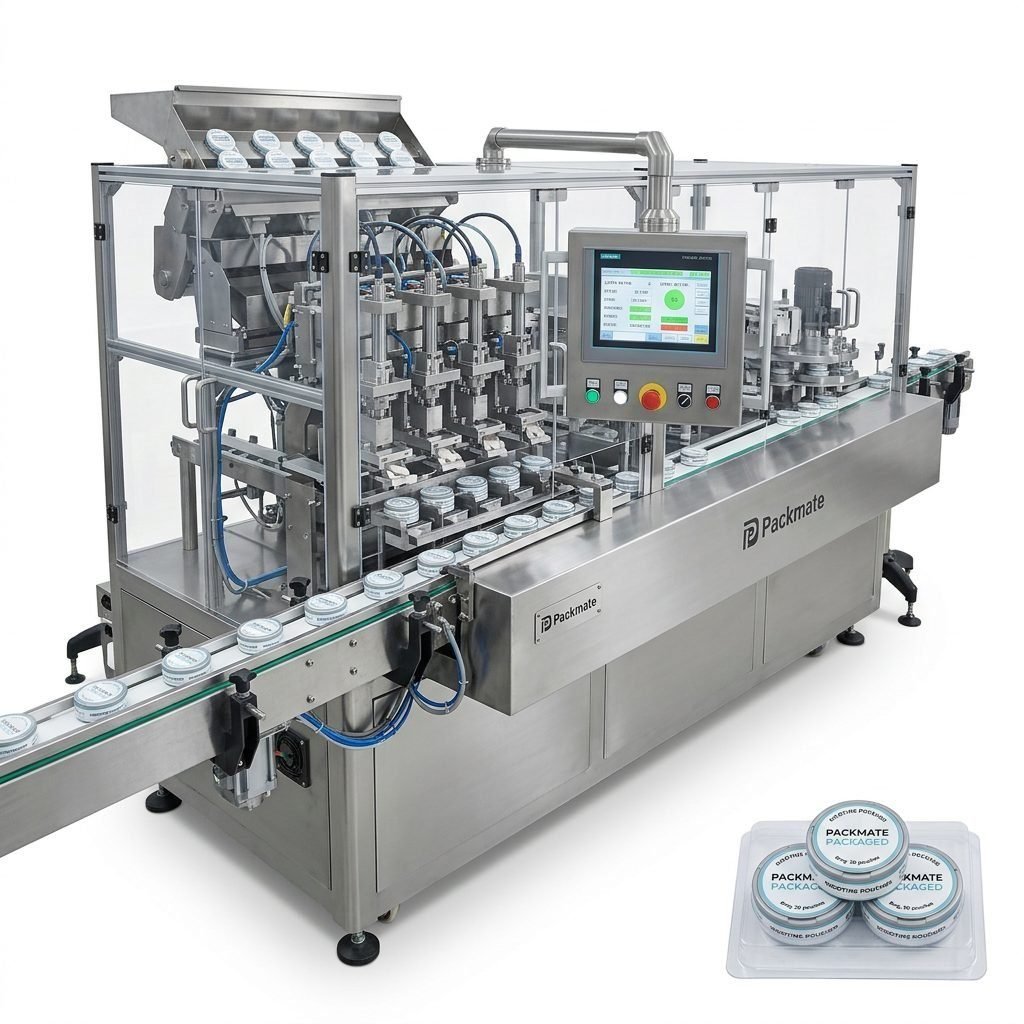
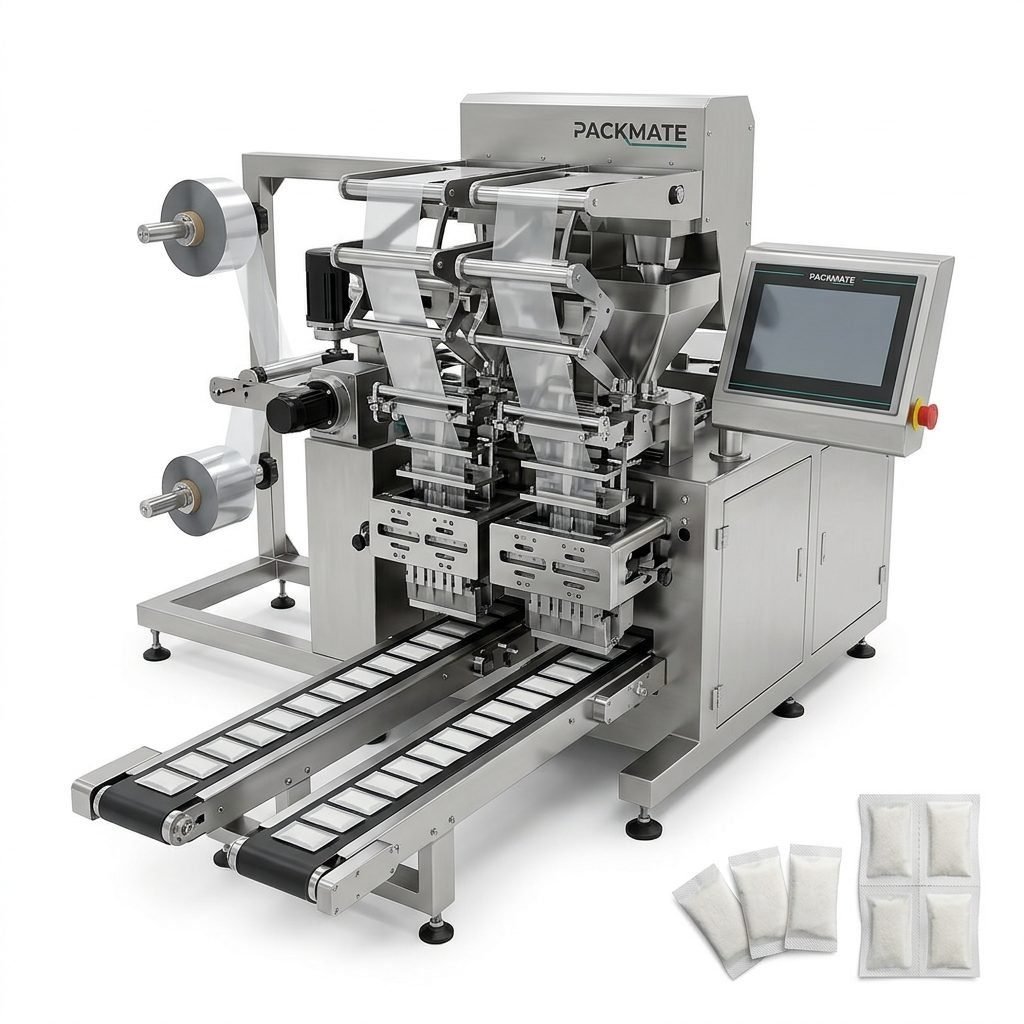
Sachet & Stick Pack Machines
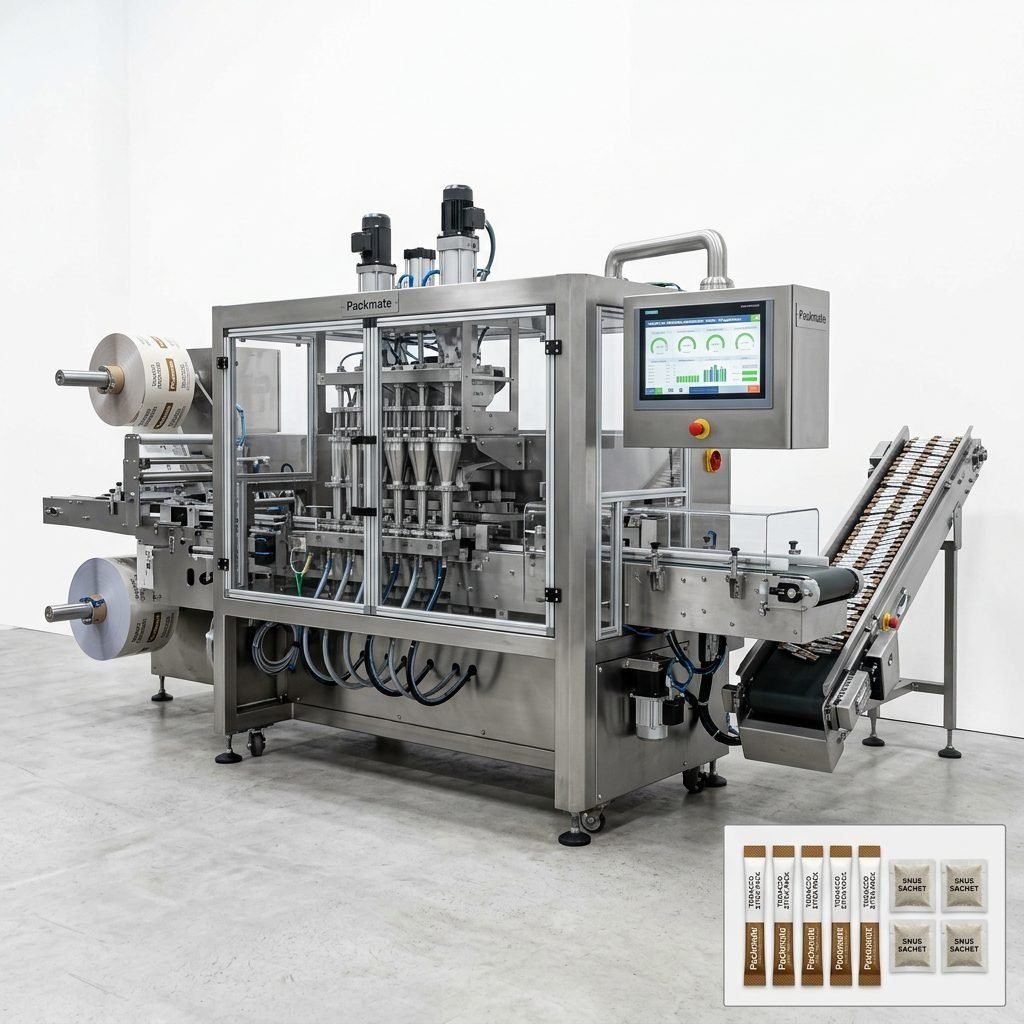
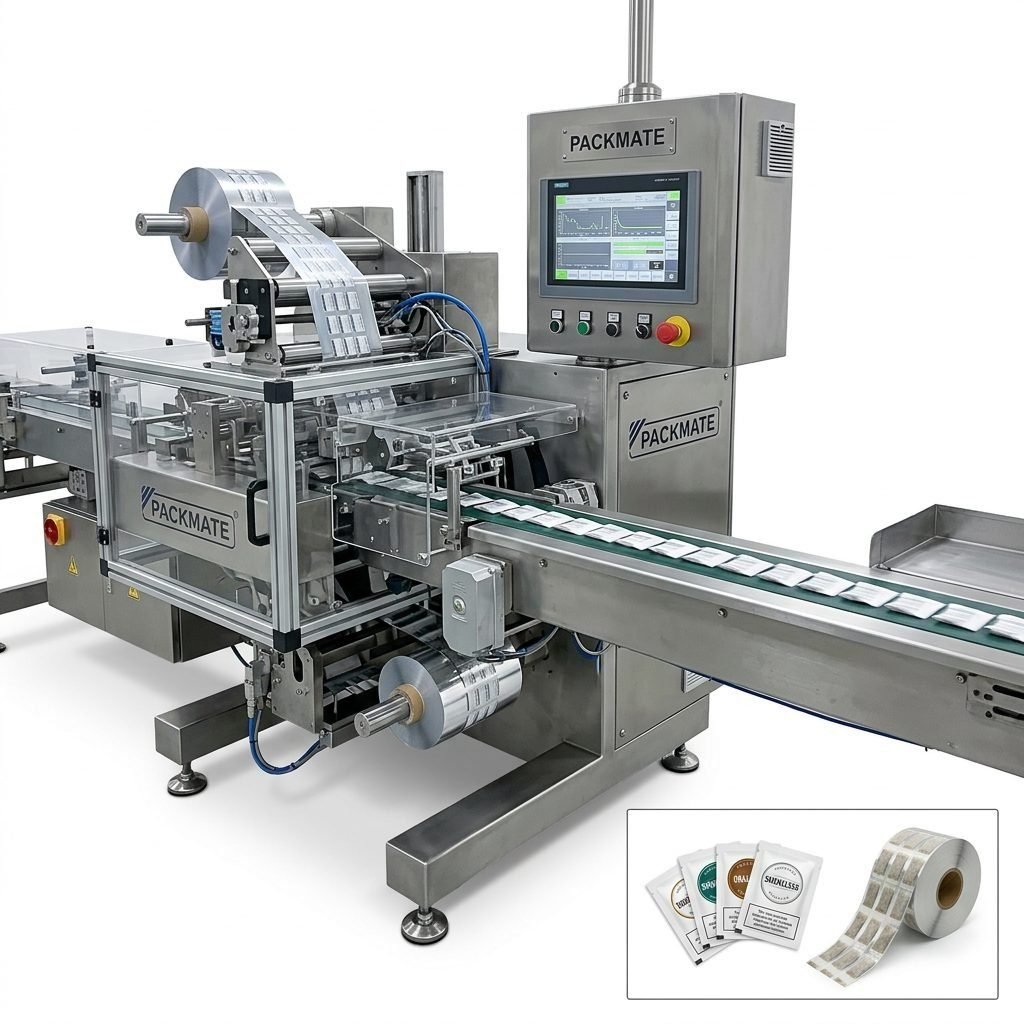
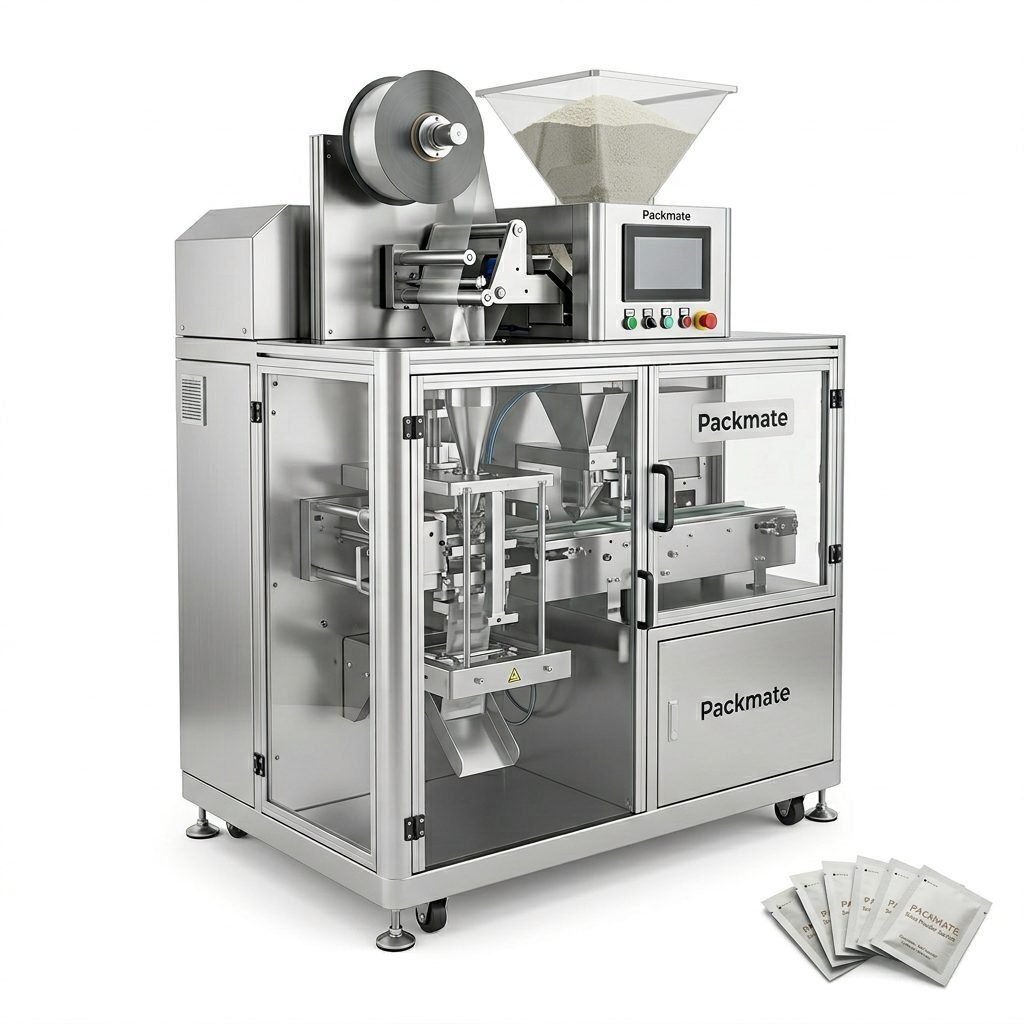
Sachet and stick pack machines produce single-dose pouches and are ideal for small-dose nicotine pouches sold individually or in small multipacks. They are flexible for flavors and portion sizes, and often easier to maintain in smaller facilities.
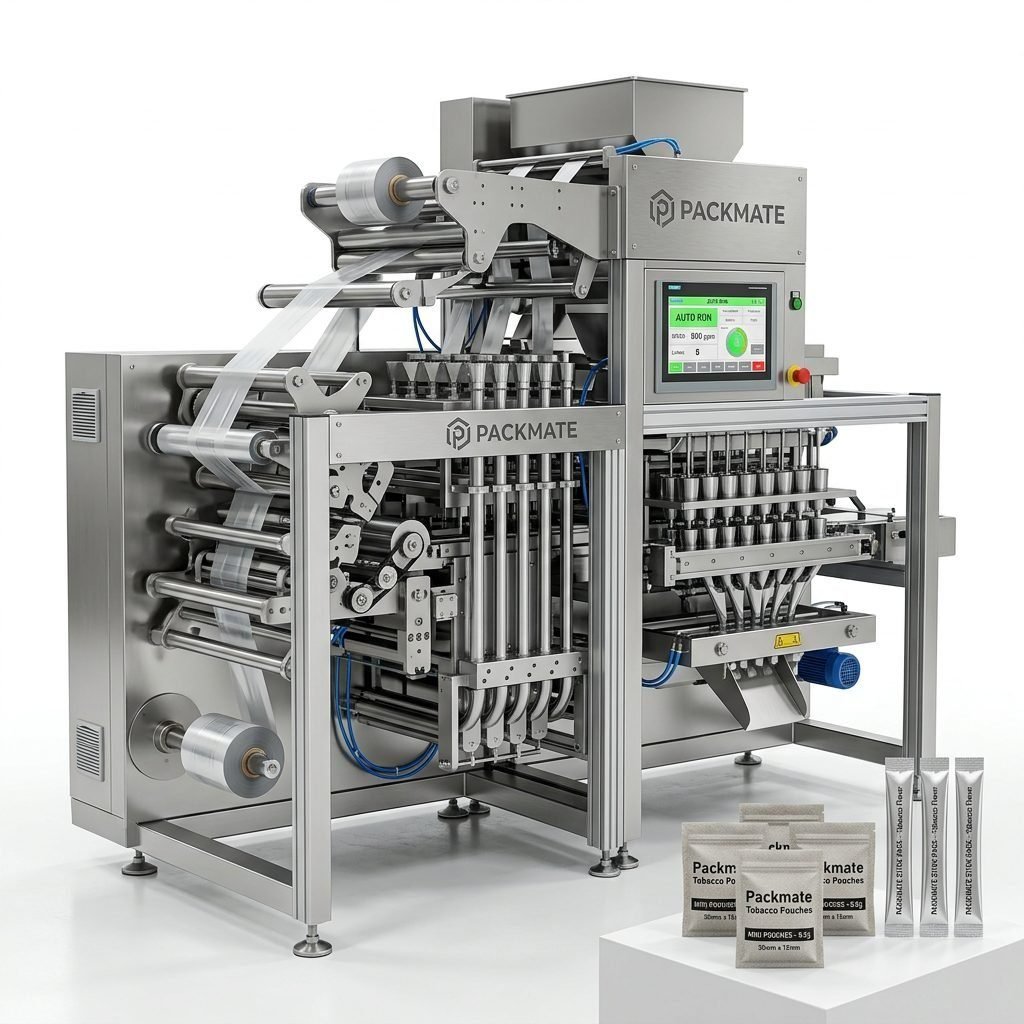
Multi-lane Pouch Machines
For higher production volumes, multi-lane machines run several pouches side-by-side, multiplying throughput without duplicating the entire line. These are suitable for brands scaling distribution across Mauritania and neighboring markets.
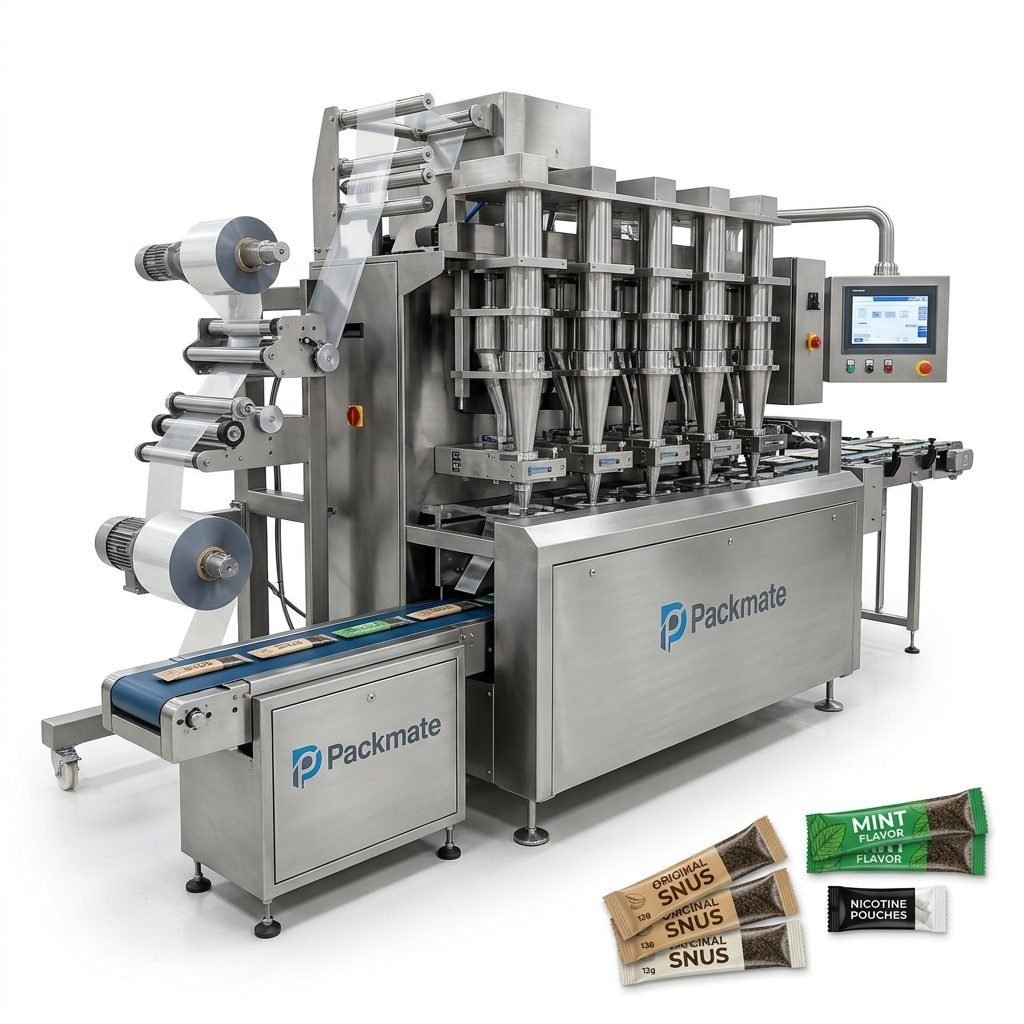
Stick, Sachet & Bag / Pouch Lines (Integrated Solutions)
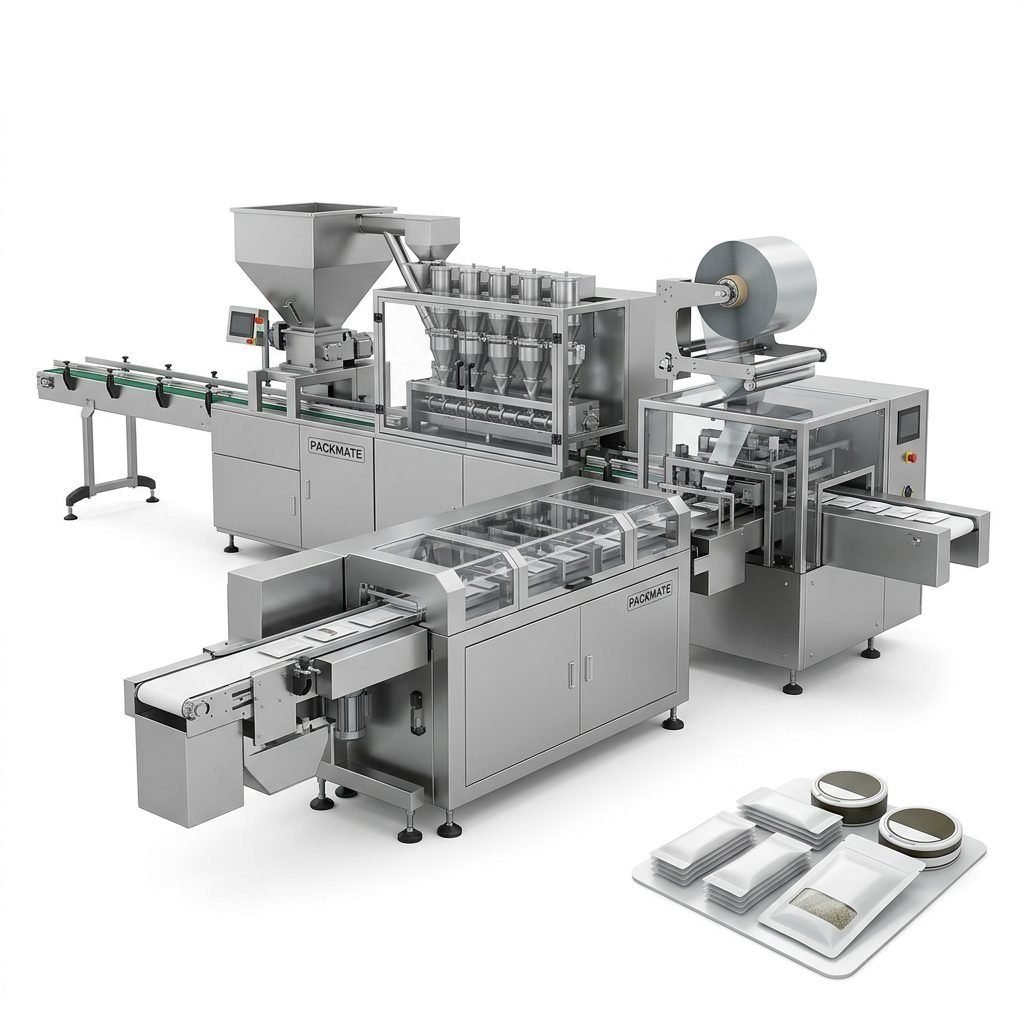
If you plan diverse SKUs (e.g., stick, sachet, and retail pouches), consider integrated packaging lines that combine weighing, filling, and sealing. Such turnkey systems streamline operations and reduce manual handling, improving hygiene and consistency.
Explore specialized options like those from established suppliers of snus packaging equipment such as Snus & Nicotine Packaging Machines and Sachet & Stick Pack Machines.
Technical Criteria: What to Inspect Before Buying
Selecting the right machine requires careful attention to technical specifications. Here are essential criteria:
📌 Core performance metrics
• Output speed: pouches/min or lanes × speed. Match throughput to your target monthly volumes.
• Filling accuracy: precise dosing reduces waste and ensures regulatory compliance.
• Changeover flexibility: rapid tooling changes for SKU variety reduce downtime.
• Material compatibility: compatible with paper, foil-laminates, or biodegradable films depending on sustainability goals.
• Sealing robustness: strong seals under heat variations to prevent leak or degradation.
Environmental & Power Considerations
Mauritania’s grid reliability can vary by region; confirm machine power requirements and prepare for voltage stabilizers or backup power where needed. Machines should be dust-resistant with appropriate IP protection for longevity in sandy environments.
Hygiene, Maintenance & Spare Parts
Hygienic design (easy-to-clean surfaces and minimal crevices) is crucial for nicotine pouch production. Ask about recommended maintenance intervals, local tooling availability, and spare parts lead times. Working with manufacturers offering global support reduces downtime risks.
Regulatory Compliance and Labeling
Nicotine products face regulatory oversight in many countries. In Mauritania, ensure labeling includes mandated warnings (where applicable), manufacturer/importer information, batch codes, and bilingual labels (Arabic/French). Machines with label applicators and coders simplify compliance.
⚖️ Certification matters:
Choose machines with international certifications (CE, ISO) to ensure safety and simplify exports. Many reputable manufacturers provide certificates and test documentation.
Packaging Material Choices for Mauritania
Material choice affects product shelf life, brand perception, and logistical durability. For hot, dry climates consider barrier films with good heat tolerance. If you plan to promote environmental responsibility, discuss biodegradable laminates, but validate their performance in high temperatures.
Primary Packaging
Primary pouch films should provide moisture and oxygen barriers. Foil-laminates and metallized films are common. Test samples under Mauritanian conditions to confirm seal integrity and shelf stability.
Secondary Packaging
Secondary boxes or multipacks need to be robust for local transport. Consider compact retail-ready displays for small shops and kiosks common in Mauritania.
Total Cost of Ownership (TCO): Beyond the Purchase Price
Don’t evaluate machines on sticker price alone. Factor in installation, commissioning, spare parts, local training, power consumption, and expected uptime. A slightly higher initial investment in a reliable multi-lane system may deliver a lower TCO over 3–5 years.
Selecting the Right Supplier: Why Experience and Support Matter
Partner with suppliers who provide turnkey solutions, training, and after-sales support. For example, PACKMATE (Packmate Snus Machine) has decades of engineering experience, a global service footprint, and offers specialized snus machinery and complete lines. Learn more on their About Packmate page and explore real projects in the Case section.
✅ Supplier checklist:
• Proven snus/nicotine pouch experience (multi-lane and small-dose lines).
• On-site commissioning and operator training.
• Fast spare parts supply and remote support.
• Compliance certificates (CE/ISO) and factory acceptance testing.
Practical Steps to Buy and Deploy in Mauritania
Follow a structured procurement plan to minimize risk and accelerate time-to-market.
1) Define Product & Volume Requirements
Specify pouch sizes, target monthly volumes, and acceptable SKUs. This determines whether you need a single-lane, multi-lane, or integrated weighing and filling line.
2) Request Factory Acceptance Tests (FAT)
FAT lets you verify performance and packaging quality before shipment. Ask the supplier for video demonstrations with your chosen film and product to ensure compatibility.
3) Plan Site Preparation & Utilities
Prepare the installation site: stable concrete floor, power supply, dust control, and a safe environment for operators. Coordinate with the supplier on lead times for installation and training.
4) After-sales Support & Local Partnerships
Arrange spare-part kits for the first year and schedule remote or on-site training. If possible, partner with local technicians for routine maintenance to shorten response times.
Case Example: Typical Line for a Mauritanian Start-up
A compact multi-lane snus production line could include: an automated feeding/weighing system, a multi-lane pouch former/filler/sealer, an in-line coder for batch and expiry, and a secondary packing unit for multipacks. A trusted manufacturer will tailor the line to film type, output speed, and local service needs.
For full line options including weighing, filling, and auxiliary equipment, review Weighing & Packaging Systems and Filling & Packaging Lines.
Common Pitfalls to Avoid
• Purchasing undersized equipment that cannot scale with demand.
• Neglecting environmental tests (heat/dust) that reveal sealing failures.
• Skipping FATs or not validating film compatibility.
• Failing to plan for spare parts and local servicing capacity.
📞 Need vendor support? Contact established suppliers for tailored quotations and project timelines.
Access manufacturer details and service options via Contact Us.
Why Choose an Experienced Manufacturer like Packmate
Packmate (Packmate Snus Machine) brings over 30 years of engineering experience and a broad product portfolio spanning snus packaging machines, stick pack, sachet, and multi-lane systems. Their factory capabilities, certifications, and global service make them a solid partner for businesses entering Mauritania or expanding across West Africa.
Learn more about the company’s product lines and services on their Bag & Pouch Packaging Machines page and explore additional support and documentation in the Service area.
Final Checklist Before You Buy
• Define product specs, volumes, and SKUs clearly.
• Test film and pouch seal under real-life Mauritanian climate conditions.
• Require FAT and acceptance criteria in the purchase contract.
• Confirm spare parts lead times and remote support options.
• Verify certifications and ensure labeling can include Arabic and French.
FAQs
Q1: What machine speed do I need for a small Mauritanian launch?
A1: For a start-up selling to local shops, a single or dual-lane machine producing 200–600 pouches/minute is often adequate. Match machine speed to expected monthly volume and growth plans.
Q2: How important is film testing for Mauritania?
A2: Extremely important — heat and dust can affect seal integrity and product stability. Always request real-sample trials or on-site FAT with your chosen film and pouch design.
Q3: Are CE/ISO certifications necessary?
A3: Yes. CE/ISO certifications confirm manufacturing quality and are useful for regulatory acceptance and exporting to other markets.
Q4: Can suppliers help with labeling in Arabic and French?
A4: Many experienced suppliers provide label applicator options and coding systems. Confirm they can integrate bilingual artwork and comply with regional regulations.
Q5: Where can I see real-world examples and performance records?
A5: Review manufacturer case studies and exhibition demonstrations. For example, review Packmate’s case projects and exhibition records in their Case and Our Exhibition pages.