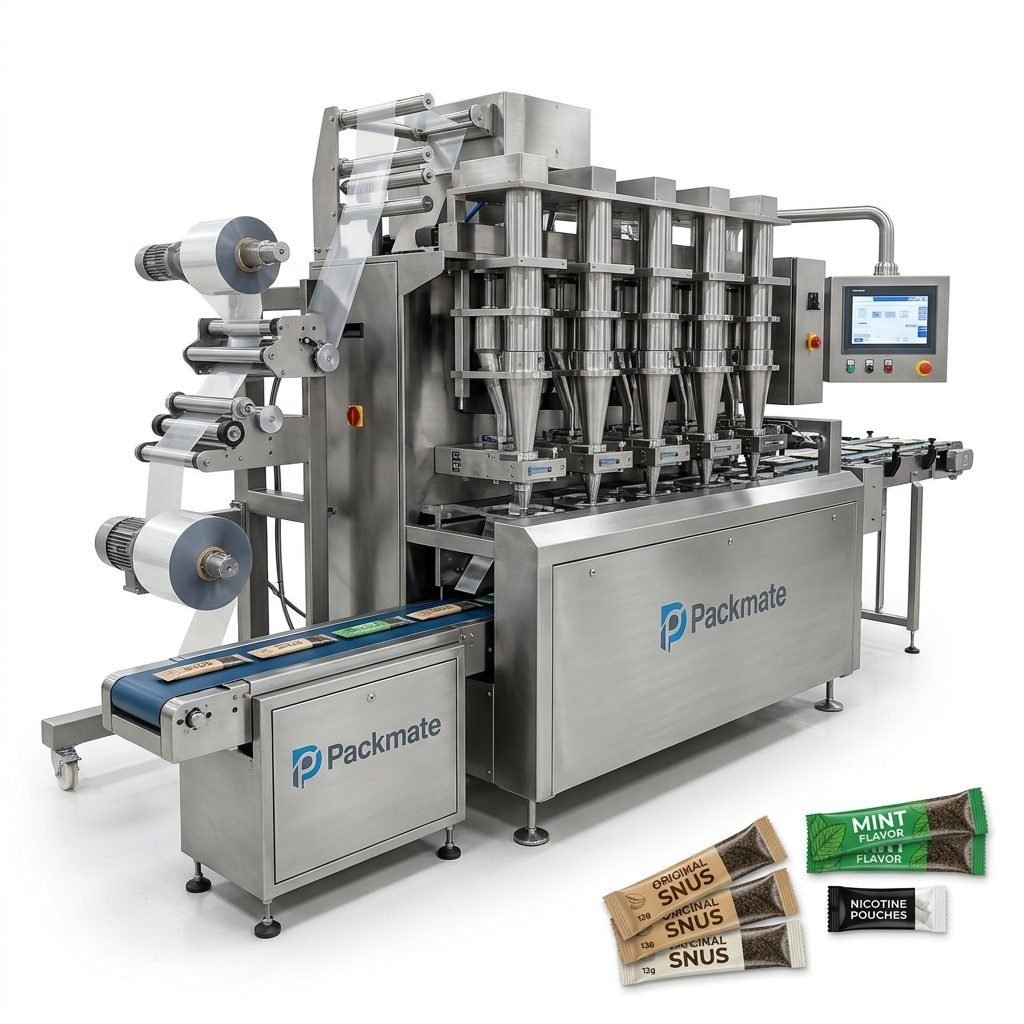
Choosing the right snus packaging machinery supplier in Ecuador is a strategic decision that affects product quality, regulatory compliance, and long-term profitability. Whether you are launching a small-batch nicotine pouch brand for the Andean market or scaling a high-speed multi-lane production line for national distribution, this guide helps you evaluate suppliers, match machine capabilities to local needs, and avoid common pitfalls so your plant runs reliably in Ecuador’s varied climates and business environment. 🇪🇨
Understand Your Production Needs First
Before you contact suppliers, define your production profile: target daily output, pouch formats (loose snus, stick, sachet, or nicotine pouches), weight accuracy, number of SKUs, and packaging materials. Machines range from compact single-lane systems to high-speed multi-lane lines. Matching capacity to demand prevents overspending on unused speed or underinvesting and creating bottlenecks later.
Consider seasonality and growth plans — if you expect rapid volume increases in Ecuador’s urban centers like Quito and Guayaquil, choose a modular solution that scales. Also factor in batch changeover frequency: if you will run many SKUs, prioritize machines with fast, tool-less changeovers and reliable recipe memory.
Key production questions to answer
✔ Target throughput — pouches per minute and daily/weekly production; ✔ Formats — stick, sachet, multi-lane; ✔ Fill types — powder, paste or liquid; ✔ Tolerance — dosing accuracy needed.
Match Machine Types to Product & Market
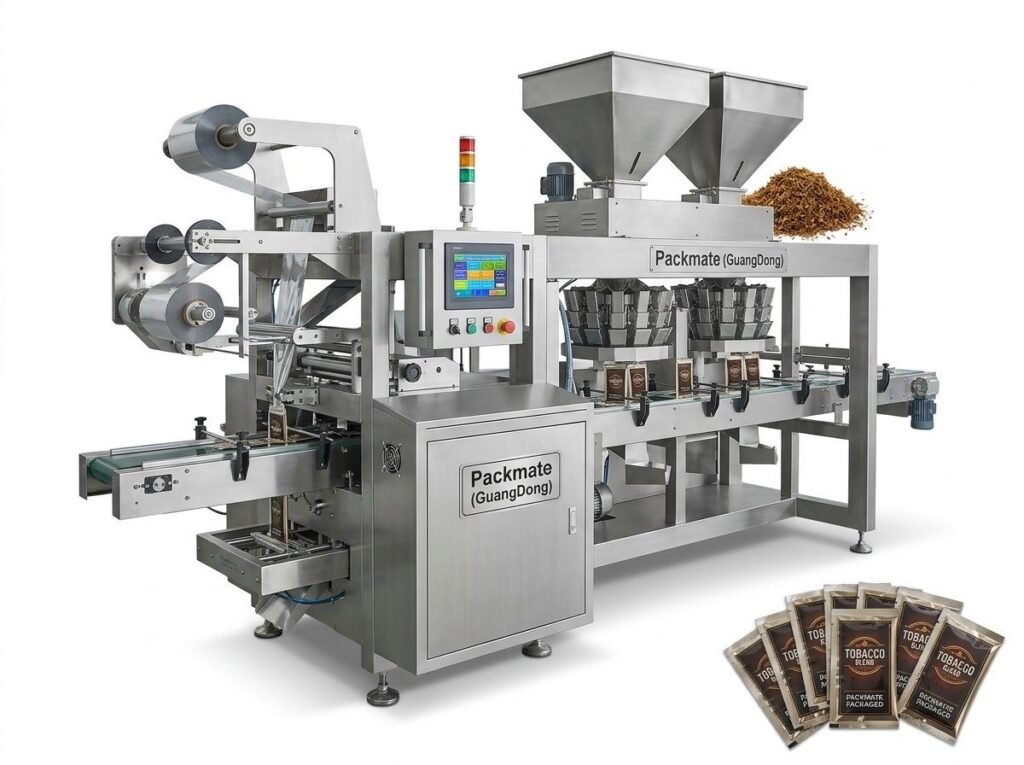
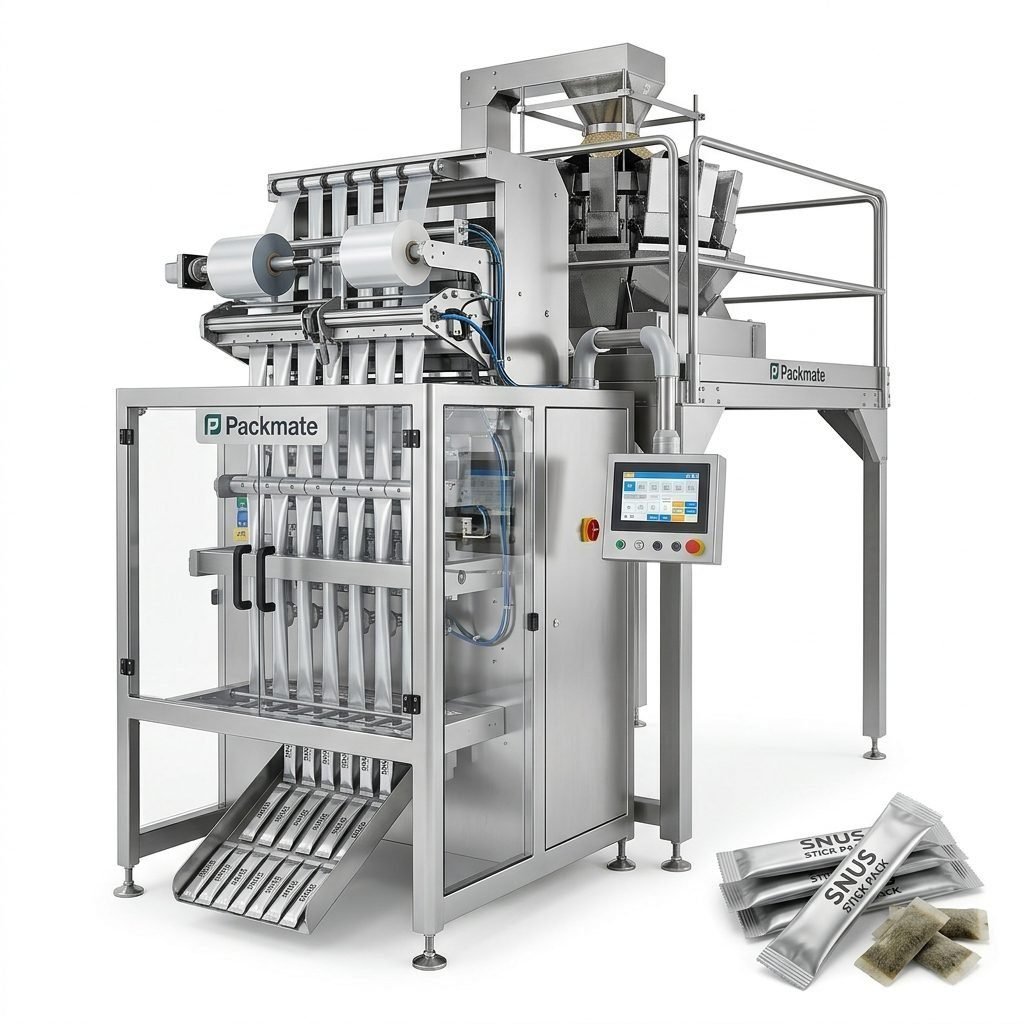
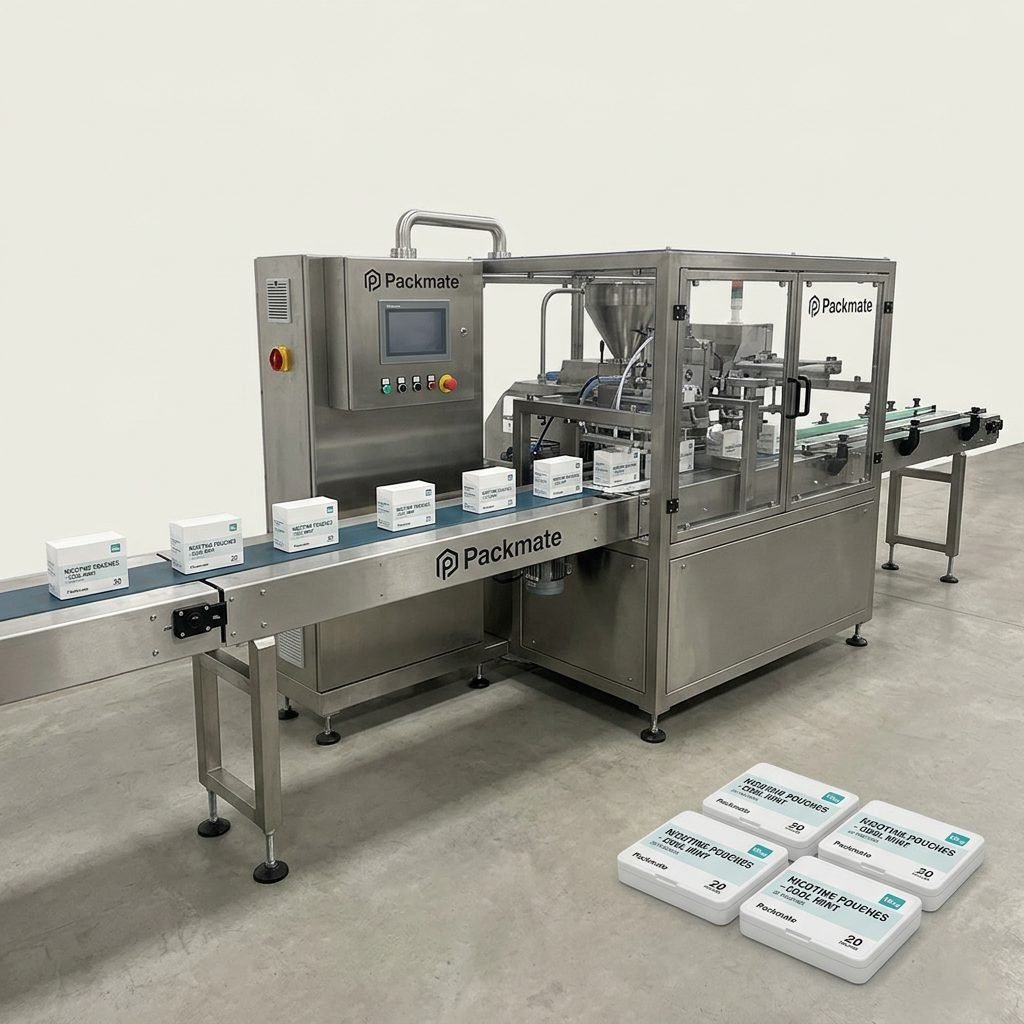
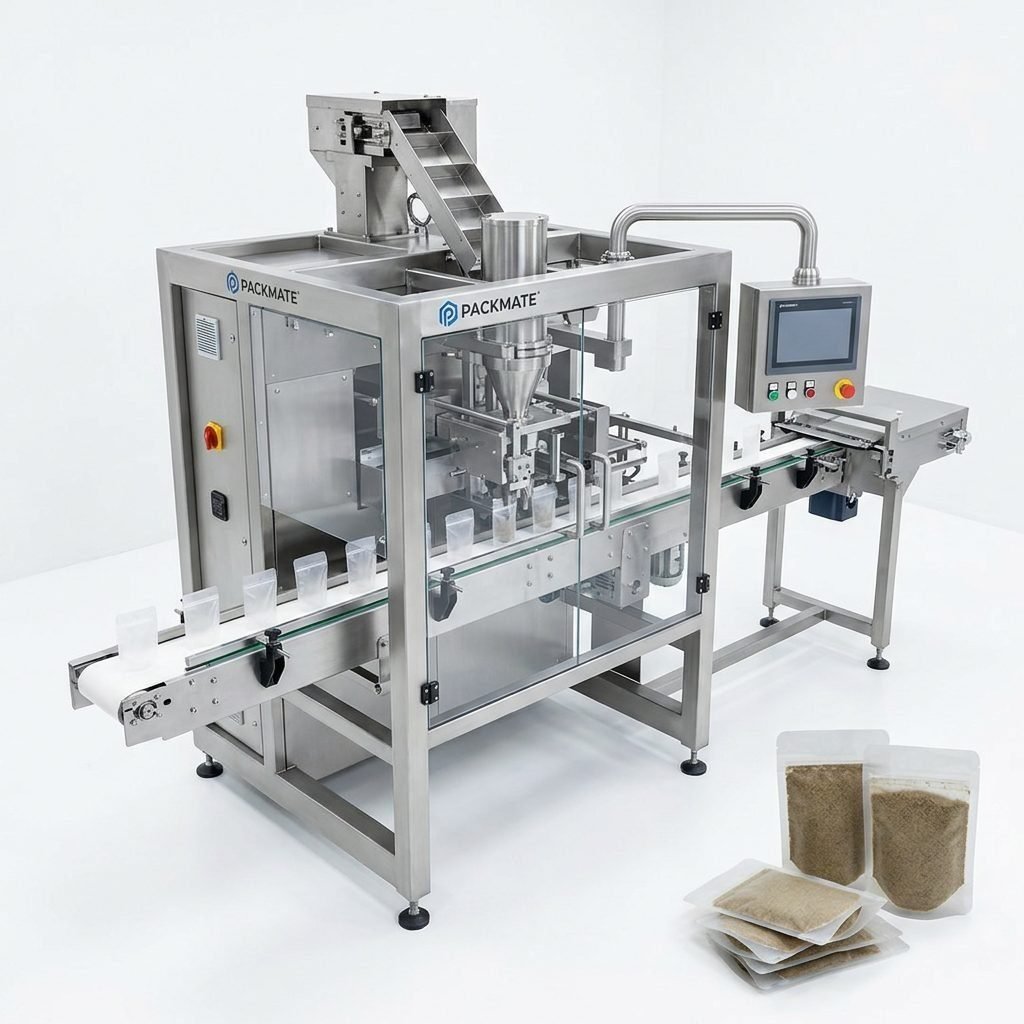
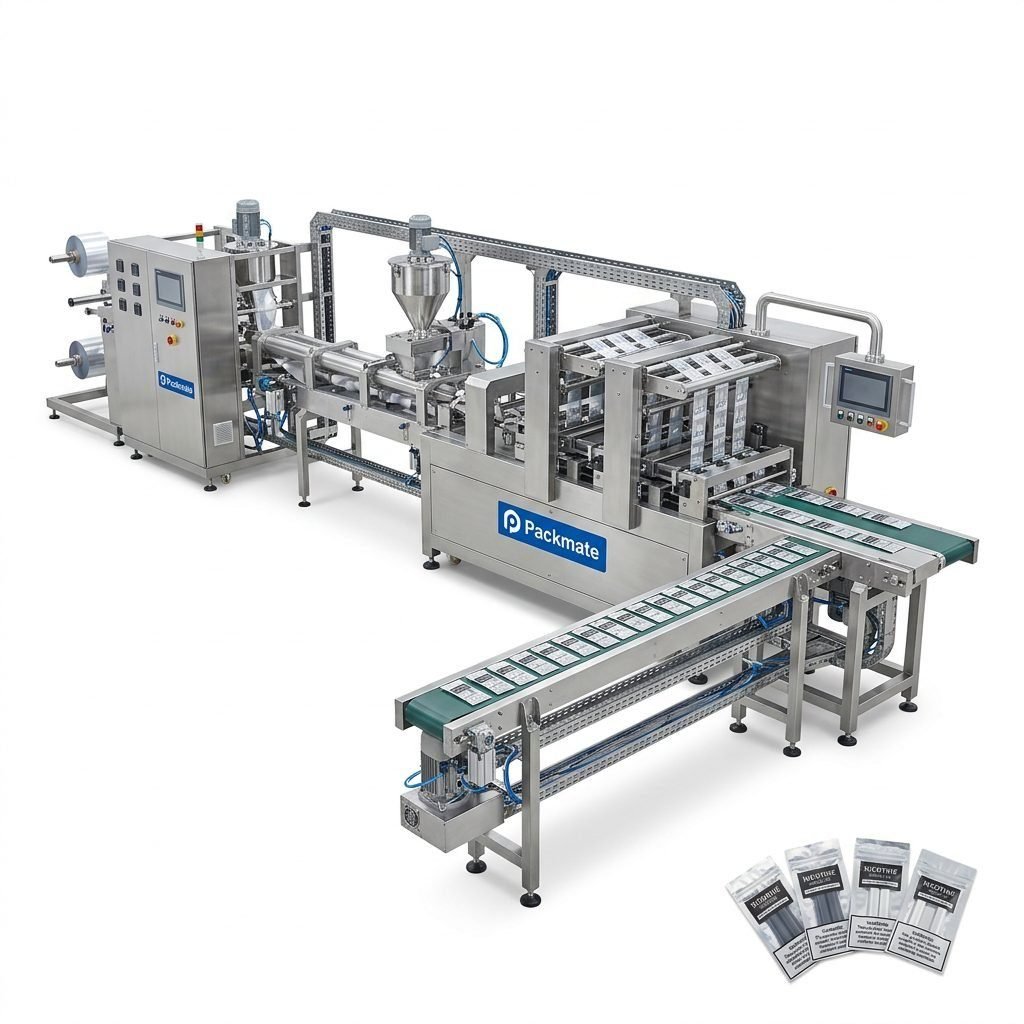
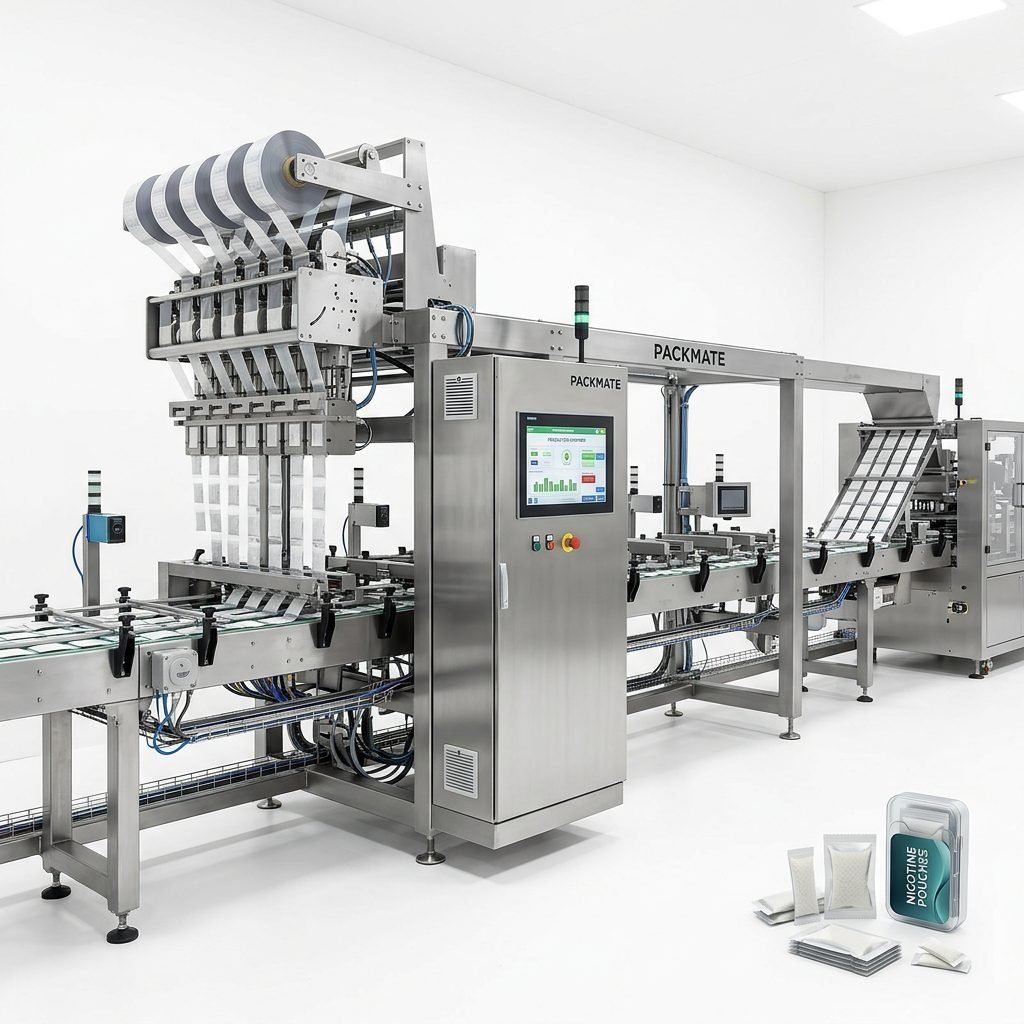
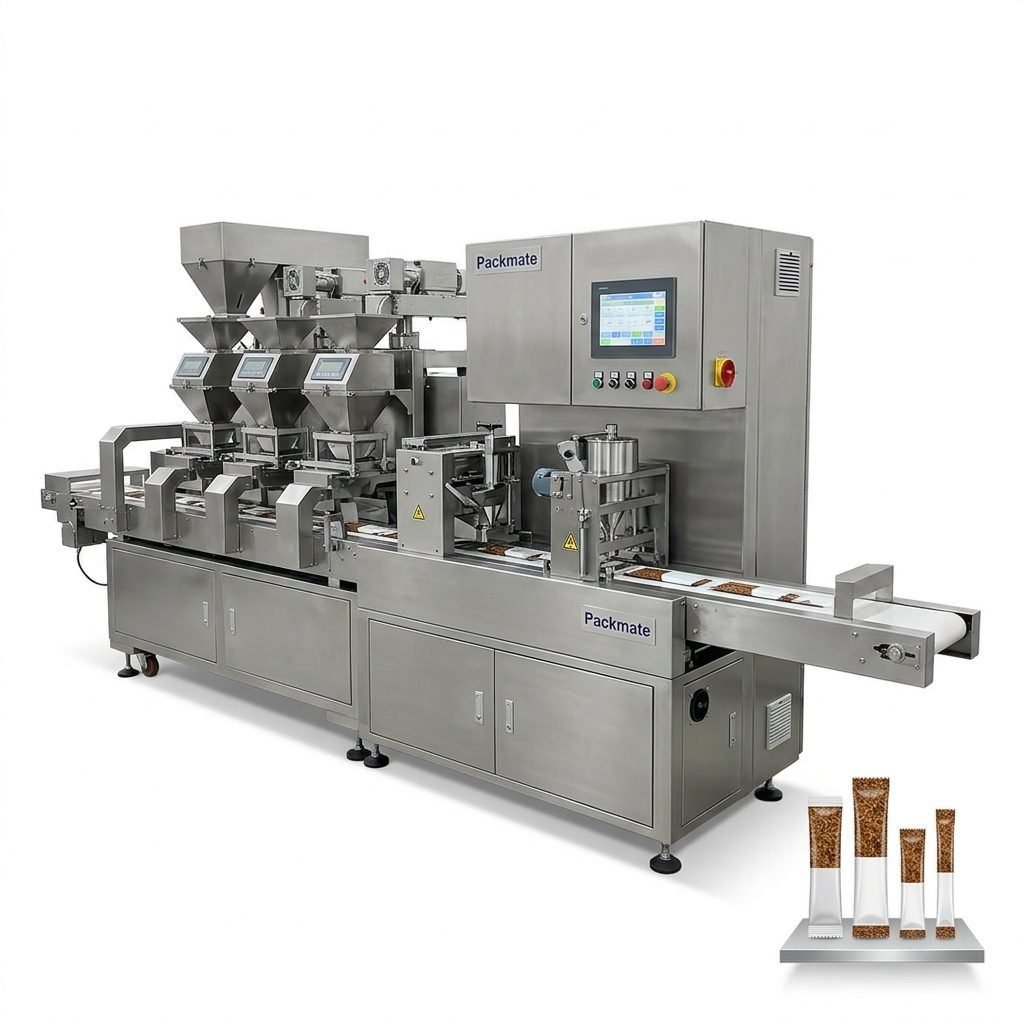
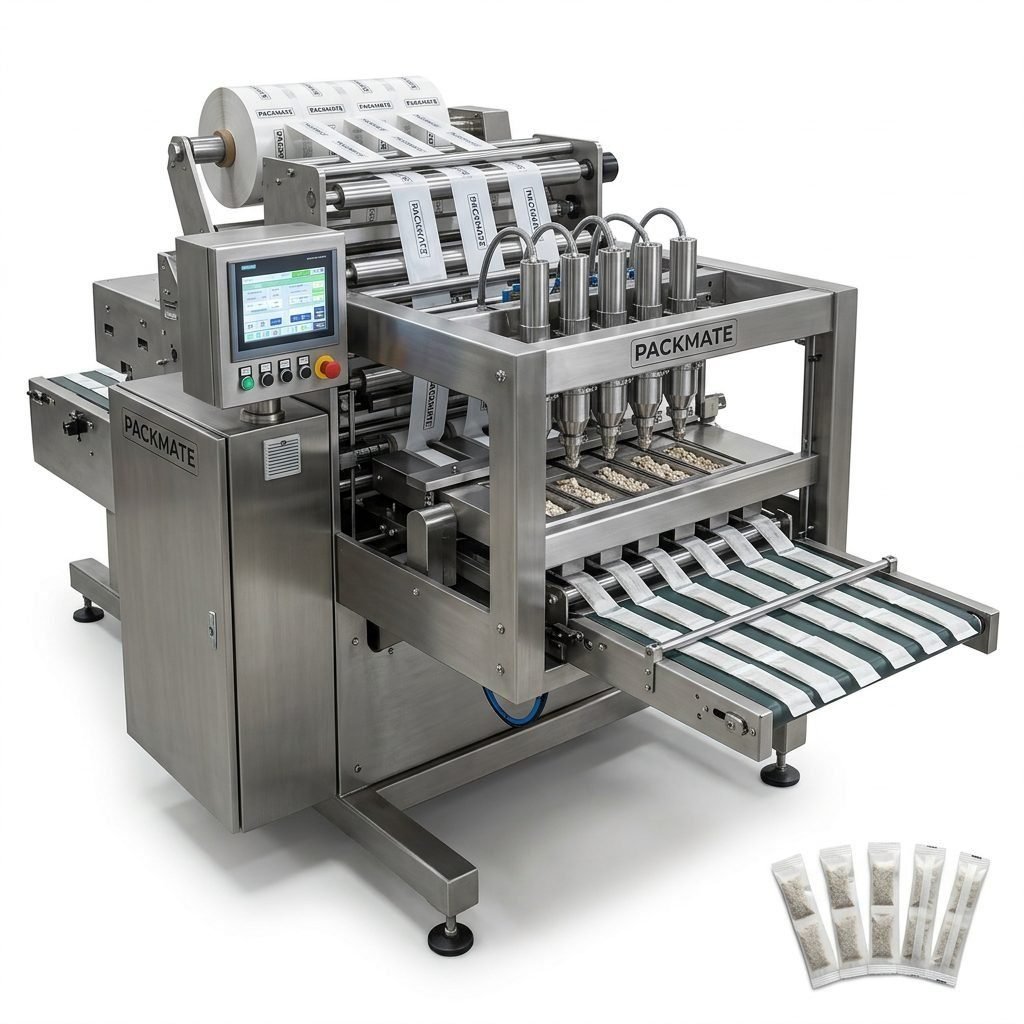
Different machines serve different product families. For nicotine pouches and snus, look at specialized solutions that preserve moisture and flavor while ensuring accurate dosing and gentle handling. Common machine types include stick pack machines, sachet and stick pack machines, multi-lane snus packaging machines, and complete filling & packaging lines.
Explore reputable machine categories and model ranges — see detailed product lines such as the manufacturer’s Snus & Nicotine Packaging Machines and Sachet & Stick Pack Machines when comparing technical specs and sample outputs.
Important: For Ecuador’s market you may need machines with humidity control and anti-corrosion parts. Coastal regions like Guayaquil have higher humidity and saline air, so stainless steel AISI 304 or higher and protective coatings can extend equipment life. High altitude areas such as Quito may demand adjustments in pneumatic systems and dosing calibration.
Technical Specifications That Matter
When evaluating suppliers, don’t be swayed only by maximum speed. Verify servo control systems, dosing accuracy, film handling stability, sealing technologies, and fill systems compatibility with your formulation. Machines with advanced servo drives give better repeatability and easier recipe management for multiple SKUs.
Ask for details on:
• Dosing accuracy — expressed as ±g or ±% at typical batch weight.
• Material contact parts — stainless steel grade and FDA-compliant seals.
• Energy consumption and pneumatic needs — match to local power (Ecuador commonly uses 110V/220V 60Hz; confirm with supplier).
• Automation level — integrated weighing, metal detection, vision inspection, and digital control systems.
Validation & sample runs
Request a live demo or videos of similar products running. A trustworthy supplier will provide sample reports, weighing logs and traceability records from prior lines. Packmate’s case studies and global demonstrations can be a useful reference when assessing performance across industries.
Quality, Certifications & Compliance
Regulatory compliance is critical: choose machines built to international safety and quality standards like CE and ISO. For nicotine-containing products, traceability and hygienic design reduce contamination risks and simplify audits. Confirm material certificates and machine CE/ISO documentation before purchase.
If you plan to export from Ecuador, use equipment that meets both Ecuadorian regulations and destination market rules. A supplier that provides full documentation, calibration records, and service manuals in English and Spanish will make customs clearance and validation smoother.
After-Sales Service, Spare Parts & Local Support
After-sales support is often the differentiator between a good and a great supplier. For operations in Ecuador, ensure your supplier offers:
• Local language support (Spanish) — fast troubleshooting and training in Spanish reduce misunderstandings.
• Spare parts availability — a stocked local warehouse or quick international shipping options minimize downtime.
• Installation and training — on-site commissioning, operator and maintenance training, and SOP development.
• Remote diagnostics — PLC and HMI remote access for rapid technical support.
Tip: Confirm typical lead times for spare parts replacement from the supplier and shipping lanes into Ecuadorian ports. A supplier with global presence and documented cases often has optimized logistics — see real projects in their Case portfolio.
Local Climate, Packaging Materials & Shelf Life
Ecuador’s climate varies: Amazon basin humidity, coastal salt air, and dry Andean valleys. Choose packaging films and sealing systems that protect nicotine pouches from moisture and oxygen. Suppliers should advise on barrier films, desiccant options, and modified atmosphere packaging if required.
Also verify that the supplier’s sealing jaws and temperature control compensate for film types and ambient conditions — stable sealing in high humidity is essential to avoid rework.
Cost of Ownership: Price Isn’t Everything
Evaluate total cost of ownership (TCO): initial purchase price, installation, commissioning, spare parts, consumables, energy use, and expected uptime. Cheaper machines may cost more in unexpected downtime and lost production. Look for warranties, service agreements, and transparent spare parts pricing.
You should also request performance guarantees and acceptance criteria — guaranteed throughput under specified conditions with measured acceptance tests at installation.
Financing & payment terms
Negotiate milestone-based payments tied to FAT (Factory Acceptance Test), shipping, and SAT (Site Acceptance Test). Suppliers that accept letters of credit or provide leasing options can ease cash flow when building a plant in Ecuador.
Logistics, Shipping & Customs in Ecuador
Plan shipping routes and customs paperwork early. Heavy machinery requires proper classification, commercial invoices, packing lists, certificates of origin, and export declarations. Suppliers with export experience provide these documents and may assist with local freight forwarders and customs brokers.
Consider inland transport from ports like Guayaquil to production sites. Verify packaging for corrosion protection during sea transit, and confirm whether on-site installation kits and special tools are included.
Factory Visit, References & Demonstrations
Request references and visit a supplier’s factory or attend an exhibition to watch machine demonstrations. Packmate’s global exhibitions and customer cases showcase real-world performance — use these references to validate reliability and customer satisfaction.
A strong supplier will allow FAT with your product or a close simulant. Ask for video documentation, sample packs from similar runs, and performance logs to verify claims.
Quick checklist before signing: machine model and configuration, throughput guarantee, spare parts list & pricing, training scope, warranty duration, shipping terms (INCOTERMS), and local language documentation.
Why supplier experience matters
Experience in nicotine pouch and snus packaging means fewer surprises during scale-up. Suppliers with decades of engineering experience and complete packaging solutions understand dosing subtleties, multi-lane synchronization, and hygienic design — all critical for consistent product quality.
How Packmate aligns with Ecuadorian manufacturers
With 30+ years of experience and a wide range of machines including Snus & Nicotine Packaging Machines and Filling & Packaging Lines, the company offers customizable turnkey solutions. Their global case studies and exhibition presence provide references you can review when shortlisting suppliers.
If you need more specifics, check their product range and company details through their About Packmate and Case pages to evaluate how their systems have been implemented worldwide.
Final Decision & Negotiation Tips
When comparing quotes, standardize the scope of supply so comparisons are apples-to-apples. Include installation, commissioning, training, spare parts kits, and acceptance tests in the contract. Insist on a clear warranty and defined service response times. Negotiate a trial period or phased acceptance milestones to ensure performance.
Document any customizations and agree on delivery timelines. Consider adding local obligations for the supplier such as providing Spanish manuals and on-site training for your technicians.
Helpful links and next steps
Explore product pages and references when shortlisting suppliers: review the Snus & Nicotine Packaging Machines, inspect the Bag & Pouch Packaging Machines catalog, and read client Case studies to compare solutions. If you need more details or want to schedule demonstrations, use the Contact Us page for direct inquiries.
Final recommendation: prioritize proven hygienic design, robust servo control, local language support, and transparent TCO. The right supplier will become a long-term partner as you grow your snus or nicotine pouch business in Ecuador.
Frequently Asked Questions
Q1: How do I choose between single-lane and multi-lane machines for Ecuadorian demand?
A1: Choose single-lane for low-volume or specialty SKUs and multi-lane for high-volume production and lower per-unit costs. Consider seasonal spikes and future growth when deciding.
Q2: What documentation is needed to import packaging machinery into Ecuador?
A2: Typical documents include commercial invoice, packing list, certificate of origin, export declaration, machine CE/ISO certificates, and any supplier technical manuals — a knowledgeable supplier will supply these.
Q3: How important is local after-sales service and Spanish-language support?
A3: Very important. Spanish-language manuals, training, and local or regional support minimize downtime and speed up operator competence.
Q4: What packaging materials work best in Ecuador’s coastal regions?
A4: High-barrier films with moisture and oxygen barriers, sealed with robust jaw temperature control and corrosion-resistant machine parts, deliver longer shelf life in humid and saline environments.
Q5: Where can I see real examples and product demos?
A5: Review product pages such as the Snus & Nicotine Packaging Machines and the Case portfolio, and contact suppliers to arrange factory acceptance tests or exhibition visits for live demos.
Useful links: Snus & Nicotine Packaging Machines, Bag & Pouch Packaging Machines, Case, About Packmate, Contact Us.