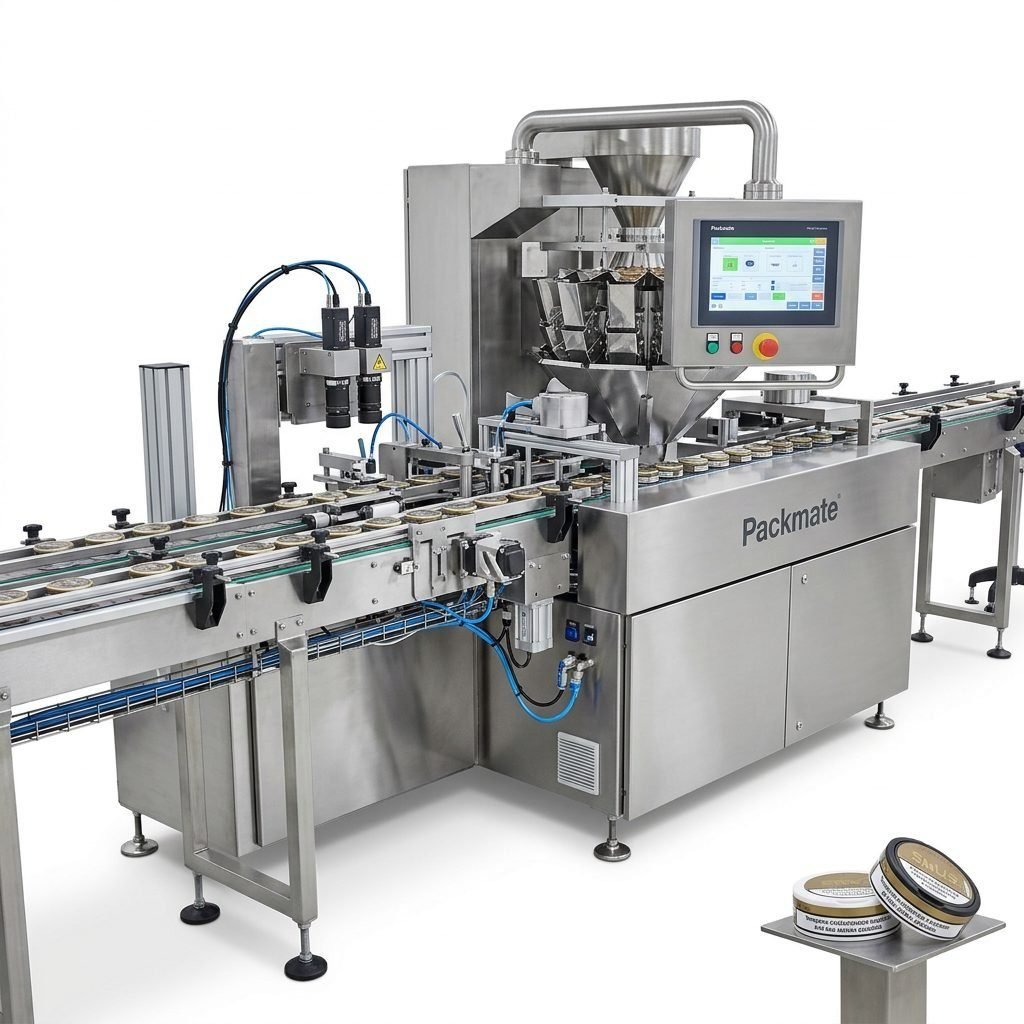
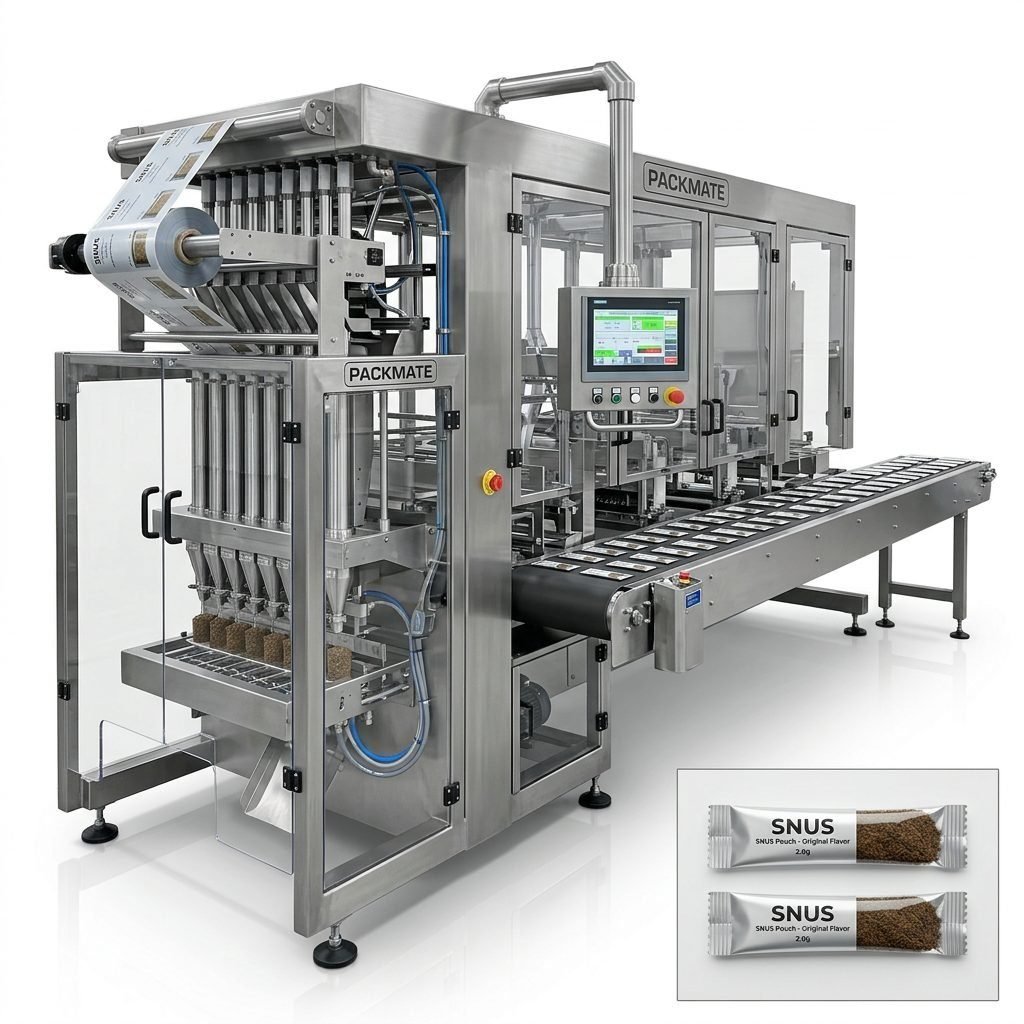
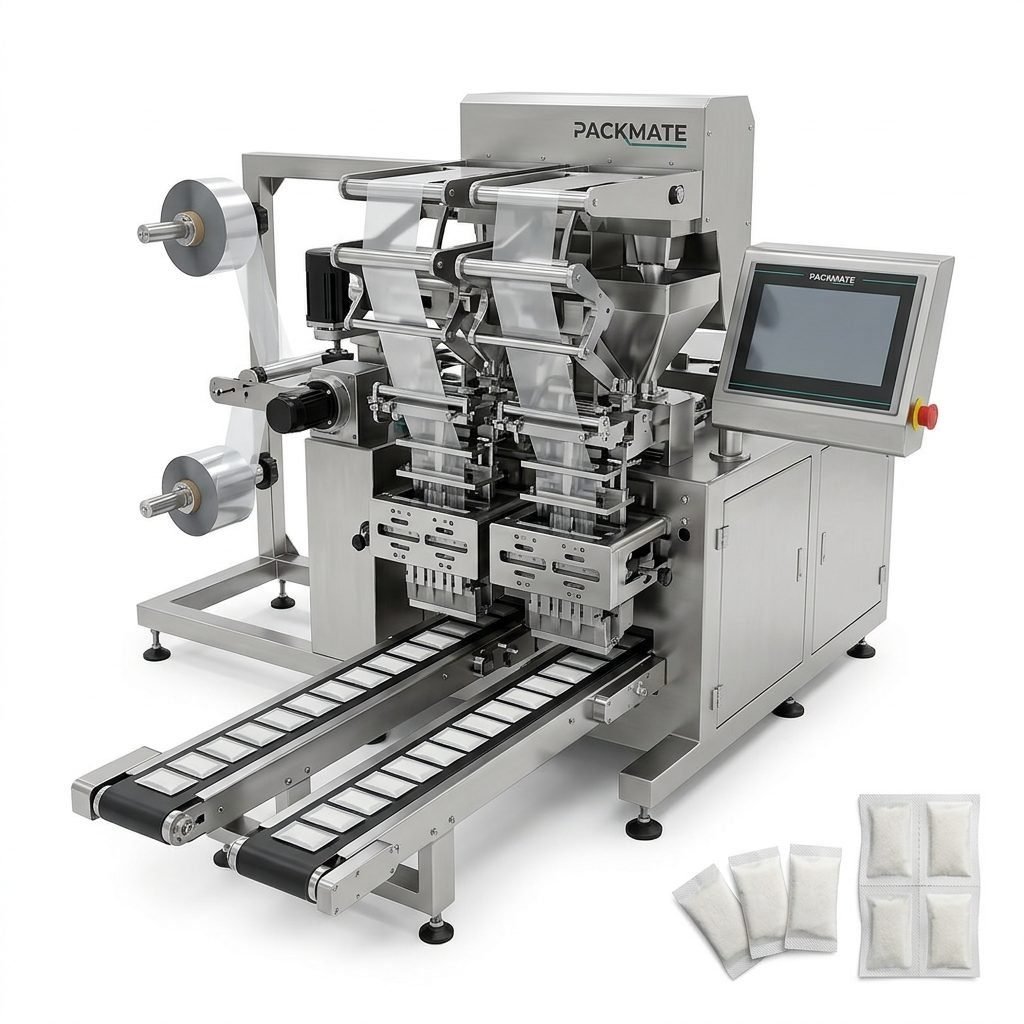
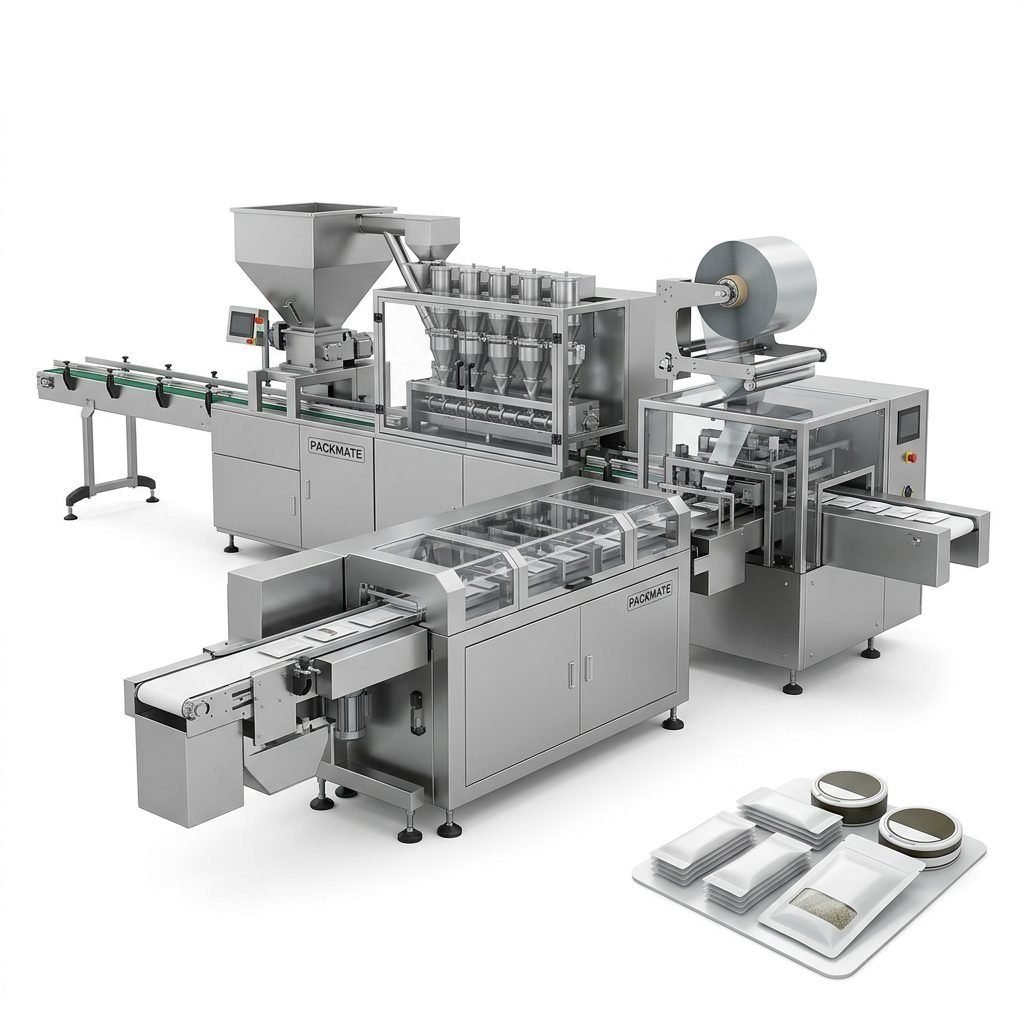
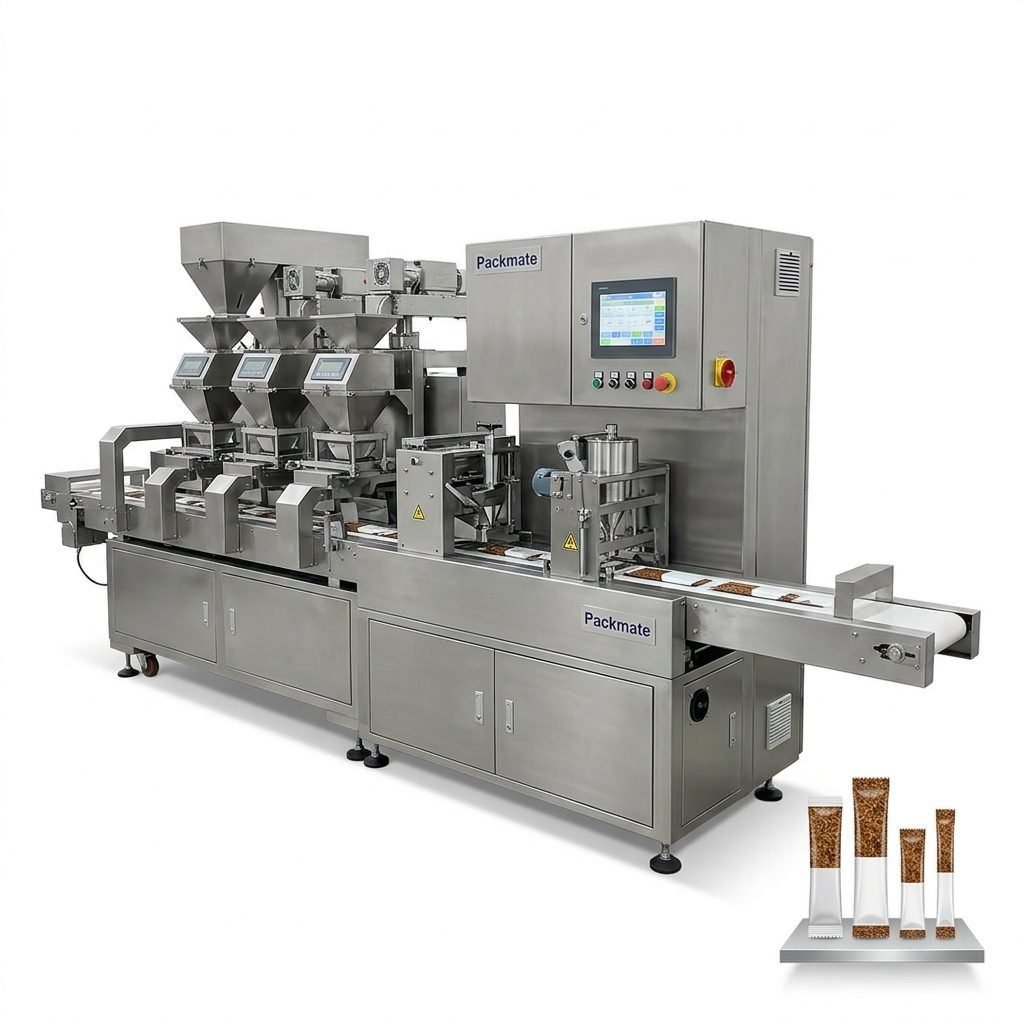
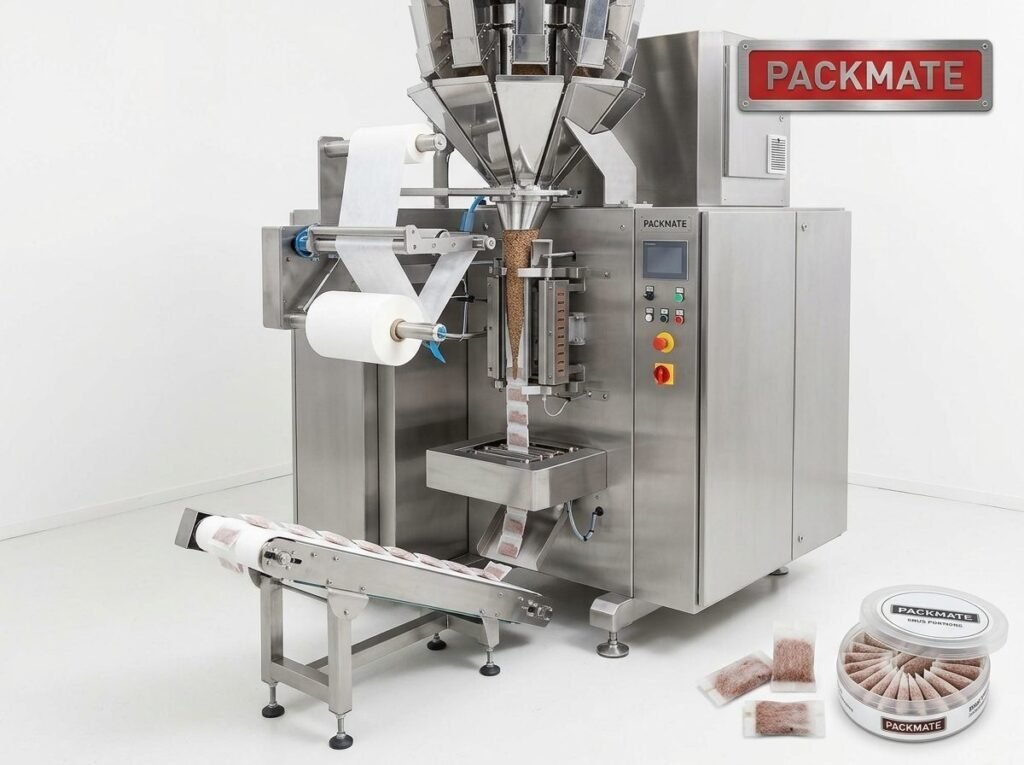
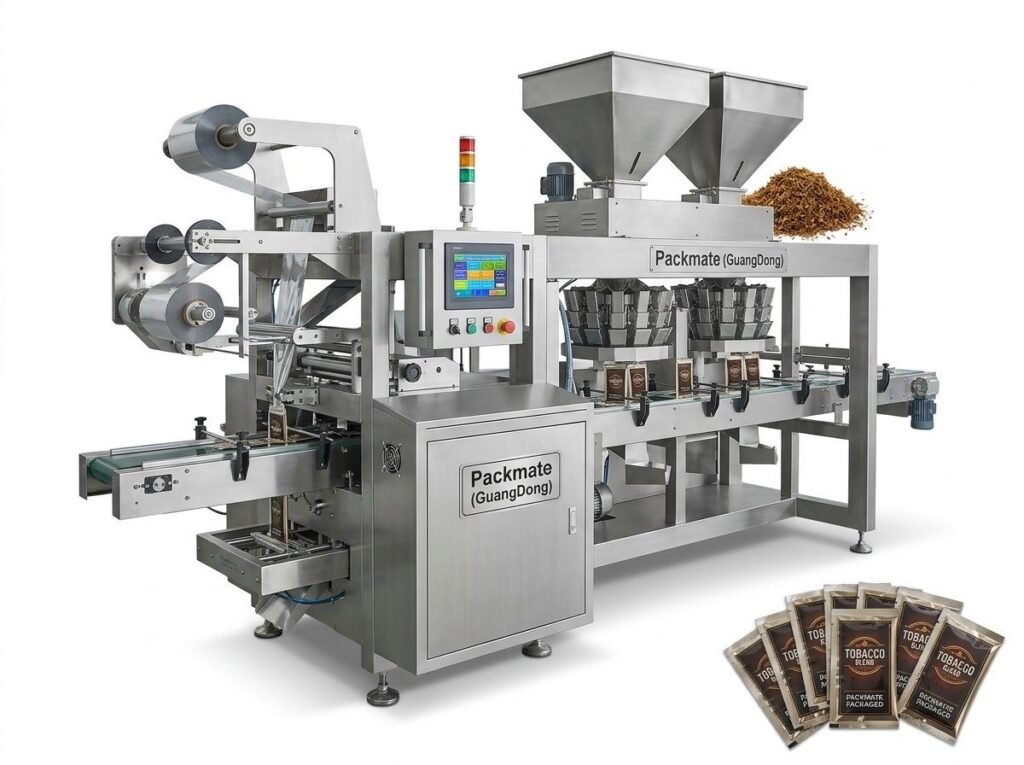
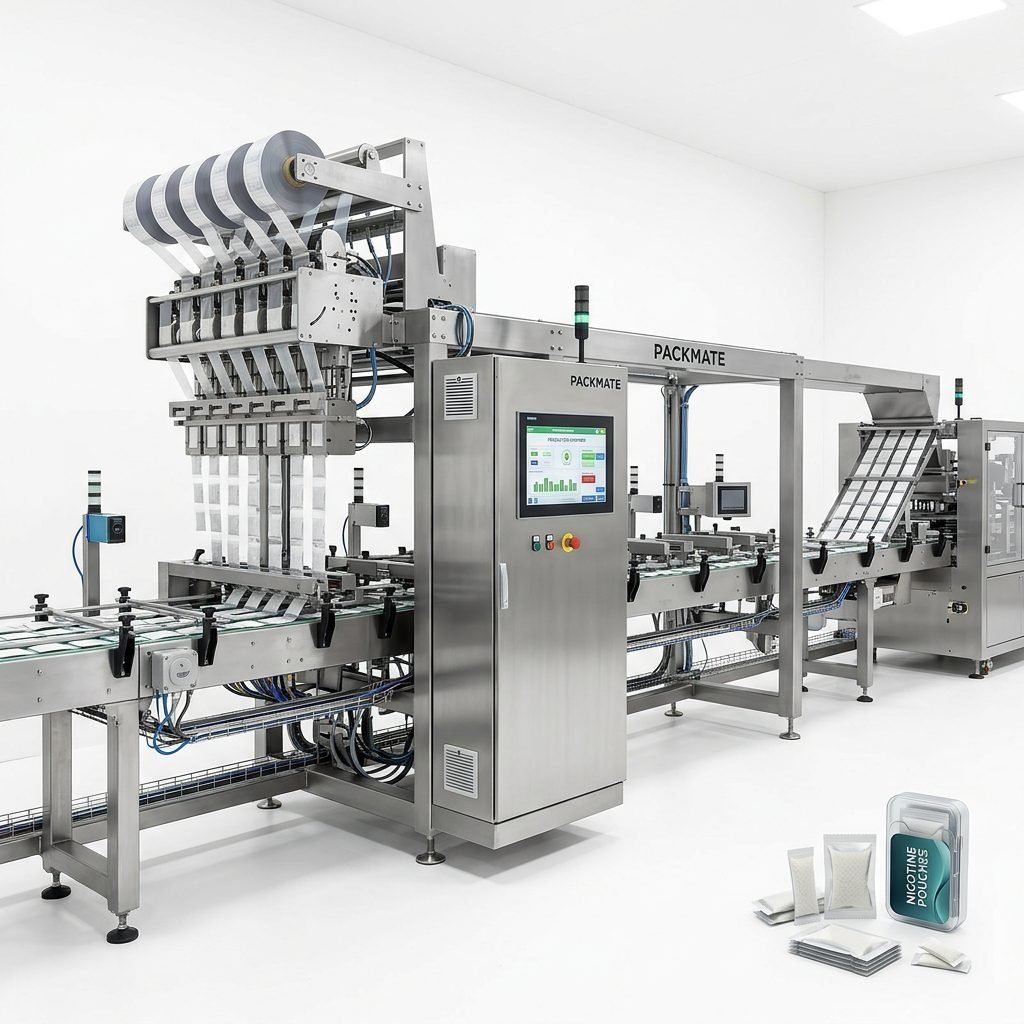
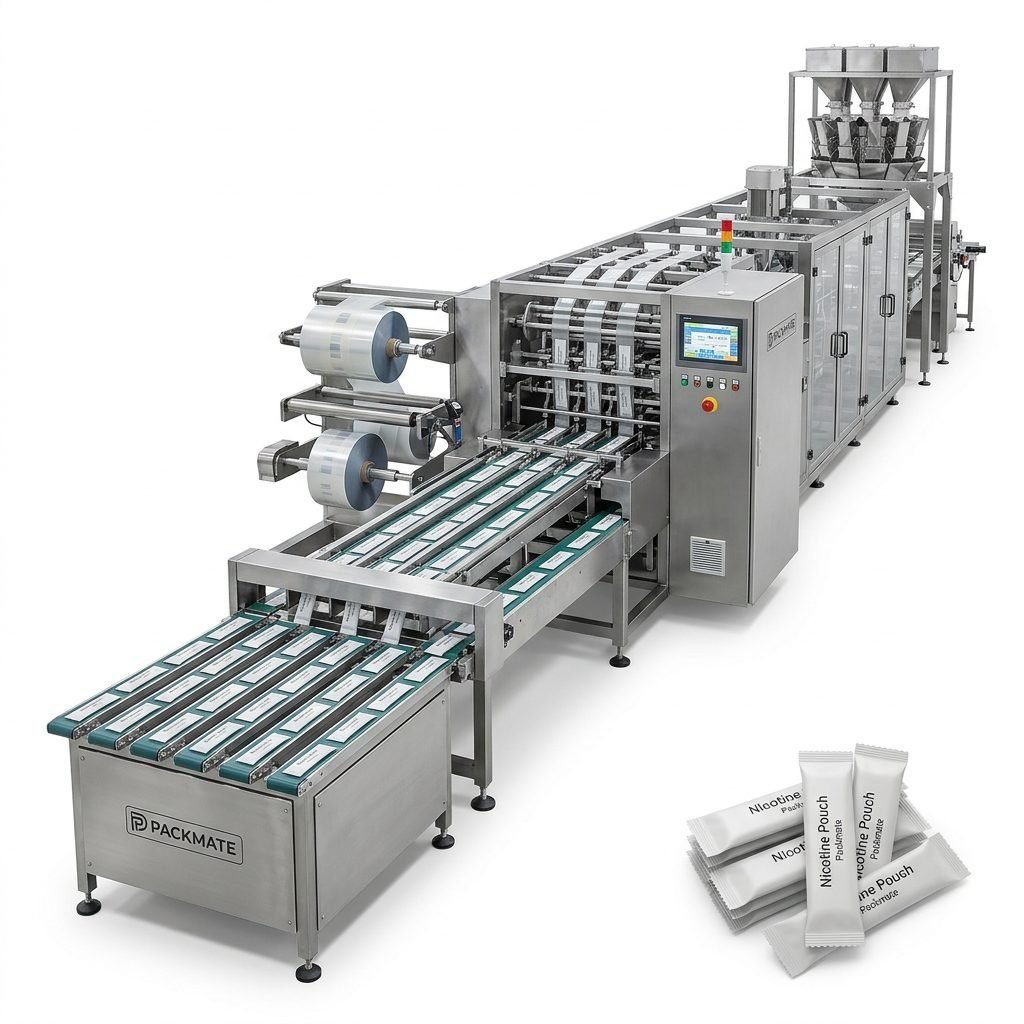
In the fast-evolving world of snus and nicotine pouch manufacturing, intelligent packaging equipment has become a decisive factor for competitive producers. This article explores advanced AI-driven snus packaging machines that deliver faster throughput, precise portioning, and consistent quality — all critical for scaling production while meeting regulatory and market demands.
Why AI Matters in Snus Packaging
Modern snus packaging is no longer just mechanical motion and sealing. With the adoption of AI and smart controls, machines can optimize dosing accuracy, detect anomalies in real time, and reduce waste. For producers targeting high-volume runs and strict tolerance for portion weight, AI transforms a packaging line from reactive maintenance to a proactive production asset.
🔧 Key benefit: Intelligent feedback loops reduce portion variance, increase first-pass yield, and shorten downtime between product changeovers — resulting in higher OEE (Overall Equipment Effectiveness).
Core Components of a Smart Snus Packaging Line
A complete AI snus packaging solution typically integrates several subsystems that work together seamlessly:
- Precision filling heads and multi-lane dosing modules for small-dose pouches.
- Vision inspection systems with machine learning models to identify malformed pouches or foreign particles.
- Intelligent HMI with recipe management, predictive alerts, and automatic data logging.
- Servo-driven motion control for high-speed synchronization and reduced mechanical wear.
- Modular design for quick lane changes and flexible format adaptation.
Performance Metrics to Watch
When evaluating machines, focus on measurable outcomes: dose accuracy (mg tolerance), throughput (pouches/min per lane), overall uptime, and waste percentage. A well-tuned AI system will improve each metric over time as it learns from production data.
📈 Tip: Compare real production logs, not only vendor specs. Request sample data from similar case studies to validate expected gains.
Design Features That Drive Faster, Precise Portion Packing
A high-performance AI snus packaging machine combines mechanical precision with software intelligence. Here are the design features that matter most:
1. Multi-Lane Synchronization
Multi-lane systems increase capacity while maintaining portion accuracy across lanes. Servo-driven synchronization and adaptive feedback ensure equal dosing and consistent sealing across the entire web.
2. Adaptive Dosing Algorithms
AI-driven dosing uses sensor data to compensate for variations in raw material density or feed rates. The result is tighter weight distribution and fewer out-of-spec pouches.
3. Inline Vision & Quality Control
High-resolution cameras paired with machine learning models inspect each pouch — checking shape, fill level, and printing quality. Instant rejection of defective units prevents downstream packaging issues.
⚙️ Built to last: Look for robust CNC-machined components and quality assembly lines — features highlighted by reputable manufacturers like Packmate Snus Machine.
Customization & Turnkey Solutions
Not every producer has identical needs. Leading suppliers offer modular turnkey solutions that include filling, dosing, wrapping, secondary packaging, and automatic palletizing. Customization extends to lane counts, pouch formats (stick, sachet, pouch), and integration with existing processes.
For more details on specialized models, review product categories such as Snus & Nicotine Packaging Machines and Sachet & Stick Pack Machines.
Industry Compliance & Certifications
Compliance matters. CE, ISO, and regional regulations demand traceability, hygiene, and electrical safety. A reputable manufacturer will provide documentation and support for audits. Verify certifications and request test reports as part of procurement due diligence.
Why Packmate Is a Strong Option
Packmate Snus Machine brings decades of experience, modular model ranges, and a manufacturing base that emphasizes CNC precision and stringent quality checks. Their facility and service footprint enable reliable global support for turnkey projects.
Learn more about the company background and mission at About Packmate, or explore real installations in the Case section.
Operational Benefits & Return on Investment
The capital investment in a smart packaging line is validated by measurable operational benefits:
- Reduced material waste: tighter dosing means fewer rejected pouches and less raw material loss.
- Lower labor costs: automation reduces manual interventions and increases stable runtimes.
- Faster time-to-market: recipe-driven changeovers and automated format settings accelerate product launches.
- Better compliance: digital traceability simplifies regulatory reporting and audits.
💡 ROI note: Many customers recover investment through improved yield and uptime within 12–24 months, depending on production scale and product margins.
Maintenance, Service & Remote Support
Smart machines also enable smarter maintenance. Predictive alerts based on vibration, temperature, and production patterns allow technicians to perform targeted interventions before failures occur. Remote diagnostics and software updates minimize the need for onsite visits, reducing downtime and cost.
When choosing a vendor, evaluate their spare-parts availability, training programs, and service SLA. A global supplier with local partners often provides the best combination of timely support and know-how.
Integration with Weighing & Filling Systems
AI packaging excels when integrated with high-precision weighing and feeding equipment. For cohesive solutions, check offerings like Weighing & Packaging Systems and Filling & Packaging Lines to build a complete line that reduces variance at every step.
Selecting the Right Machine: A Practical Buying Guide
Choosing the right AI snus packaging machine requires matching machine capabilities to your product and business goals. Follow this stepwise approach:
- Define production targets: daily throughput, product formats, and expected growth.
- Specify tolerance and regulatory needs: target dose accuracy and required traceability.
- Evaluate modularity: how many lanes, flexibility for new formats, and upgrade paths.
- Assess vendor support: commissioning, training, and spare parts network.
- Request site trials or sample runs to verify performance with your material.
🔍 Pro tip: Insist on performance guarantees and a trial period. Machines tuned to your product typically outperform off-the-shelf setups.
Case Examples & Global Deployments
Across Europe, Asia, and the Americas, manufacturers have modernized snus lines with multi-lane AI systems to meet surging demand for nicotine pouches. Packmate’s global projects demonstrate integration from filling to secondary packing and palletizing, backed by CE and ISO certifications to meet diverse market regulations.
For further inspiration, review detailed installations and references in the Case section or contact the vendor directly via Contact Us.
Practical Considerations for Different Markets
Regulatory frameworks and consumer habits vary by region. For example, European markets emphasize strict labeling and ingredient traceability, while emerging markets may prioritize scalable throughput and cost-effectiveness. Adaptable control systems and flexible packaging formats make it easier to enter new regions without major capital upgrades.
Final Thoughts
Investing in an AI-driven snus packaging machine is a strategic step for producers aiming to scale efficiently, maintain consistent portion quality, and comply with evolving regulations. Evaluate vendors on engineering depth, after-sales support, and demonstrable production results.
✅ Ready to explore? Explore product families like Bag & Pouch Packaging Machines and Auxiliary Packaging Equipment to design a full automated line.
Frequently Asked Questions
Q1: How does AI improve dosing accuracy on snus pouch machines?
A1: AI algorithms analyze sensor and weighing data in real time to adjust feed and dosing parameters, compensating for changes in material flow and environmental conditions to maintain tight weight distributions.
Q2: What typical payback period can I expect after installing a smart packaging line?
A2: Payback varies by production scale and product margins, but many manufacturers experience return on investment within 12–24 months due to reduced waste, higher throughput, and lower labor costs.
Q3: Are AI-enabled machines difficult to maintain for small operations?
A3: No — while intelligent systems add software complexity, vendors provide training, remote support, and modular components to simplify maintenance. Predictive alerts can also reduce unplanned downtime.
Q4: Can an AI snus packaging machine handle multiple pouch formats?
A4: Yes. Modular multi-format designs allow quick format changes with recipe-driven HMI settings. Confirm lane changeover times and format kits when selecting a model.
Q5: How do I verify a vendor’s real-world performance claims?
A5: Request production logs, customer references, and on-site demonstrations. Review case studies and certifications, and consider trial runs using your materials to validate performance under realistic conditions.