Entering the nicotine pouch or snus packaging market in Afghanistan requires more than choosing a capable machine — it requires choosing a supplier who understands product regulations, local business culture, logistics challenges and durability needs in hot, dusty environments. This guide explains how to choose a reliable nicotine packaging machinery supplier for Afghan operations, outlines the key technical and commercial checks, and suggests practical steps to reduce risk and secure a long-term partnership.
Why choosing the right supplier matters
A packaging line is one of the largest investments for a nicotine pouch brand. Selecting a reliable supplier affects production uptime, product compliance, and your capacity to scale. Poor choices can lead to costly downtime, inconsistent pouch quality, and regulatory headaches when importing into Afghanistan. Look beyond sales pitches — focus on experience, quality systems, local adaptability and after-sales service.
What reliability looks like
Reliability means consistent machine performance, available spare parts, clear maintenance documentation, and proven deployment cases. A reputable supplier will provide testing data, client references and show capacity to customize solutions for small-dose, multi-lane nicotine pouch production lines.
Quick highlight ✔️ — Prioritize suppliers with extensive R&D and manufacturing experience (30+ years or similar), CE/ISO certifications, and a track record in snus/nicotine packaging. These factors reduce technical risk and improve regulatory compliance.
Key criteria to evaluate potential suppliers
Use a consistent checklist when evaluating suppliers. The most important categories are technical capability, quality assurance, customization ability, after-sales support, and commercial terms.
1. Technical capability and product range
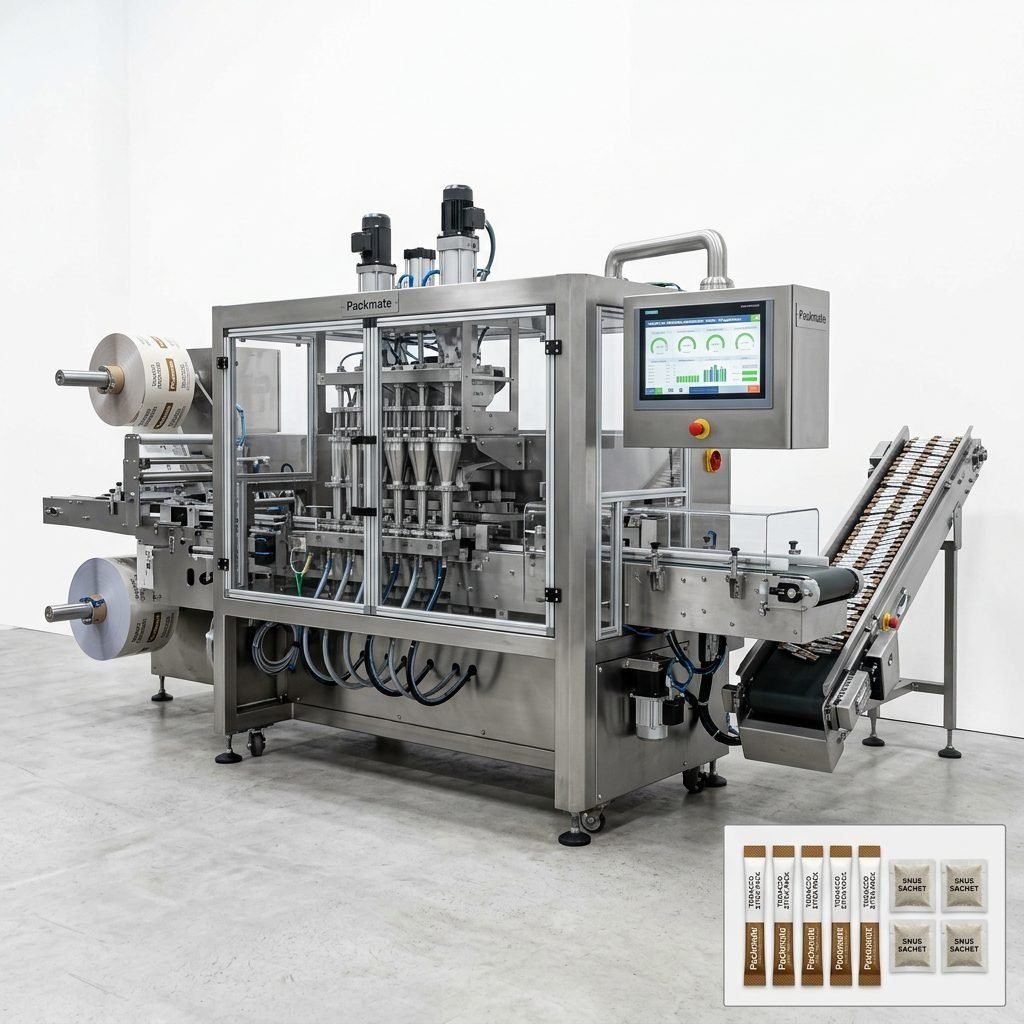
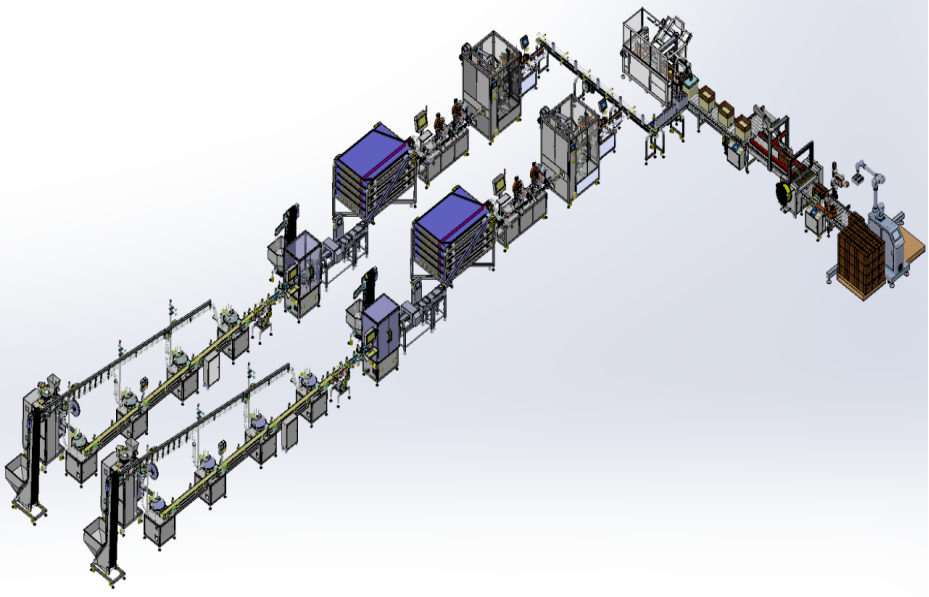
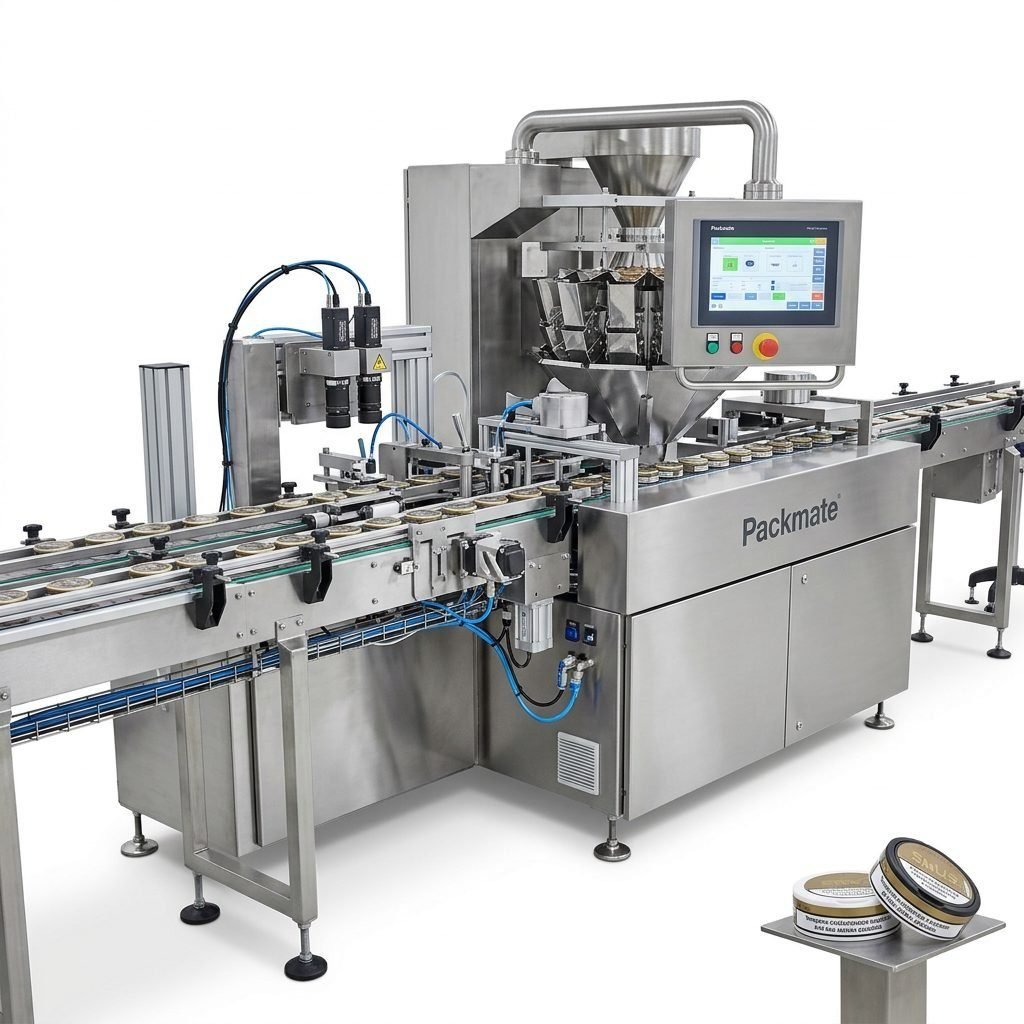
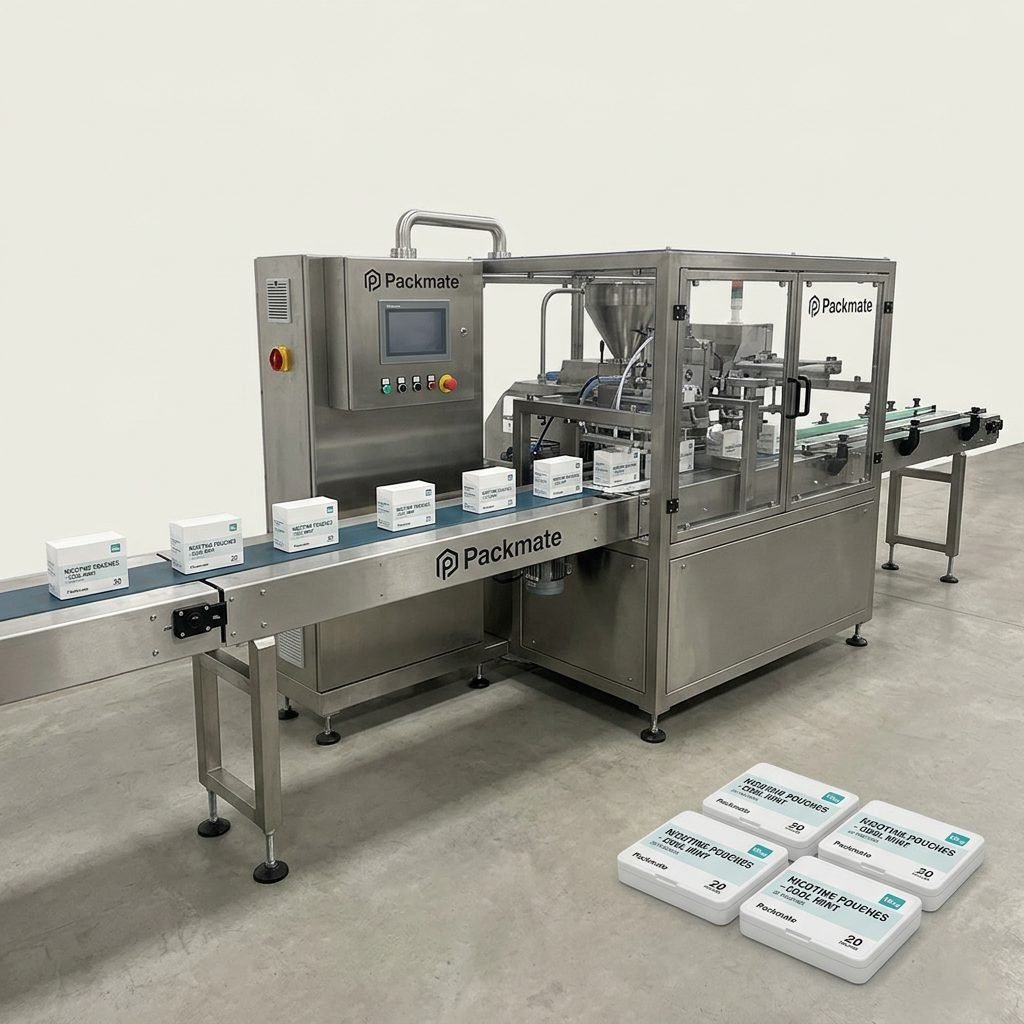
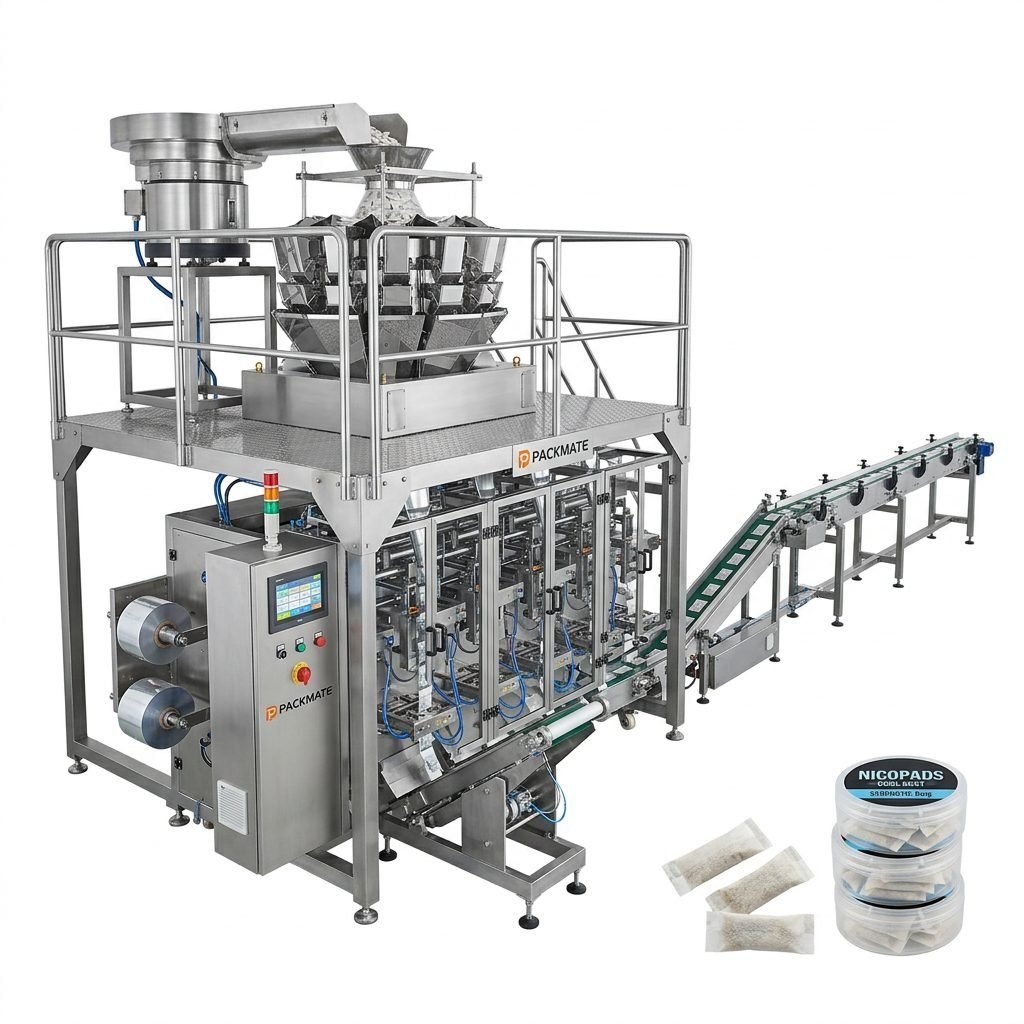
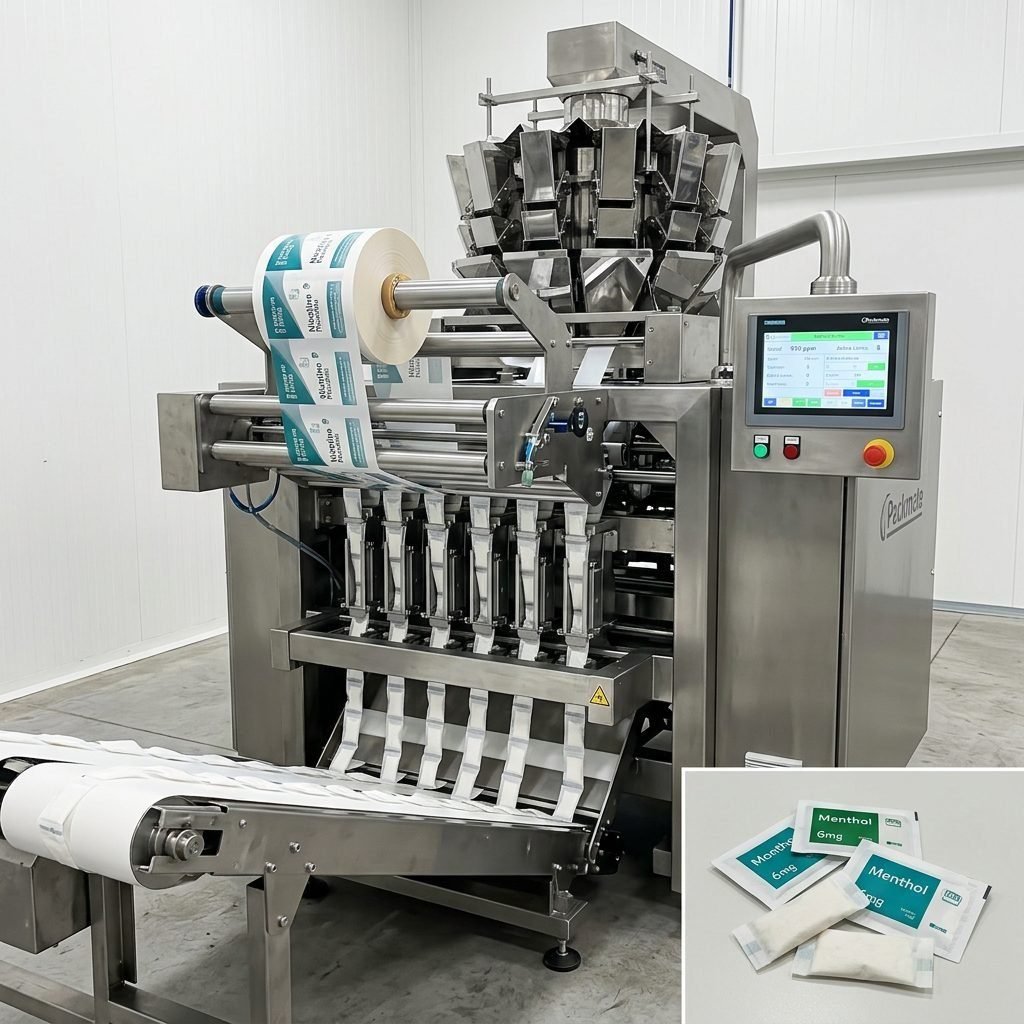
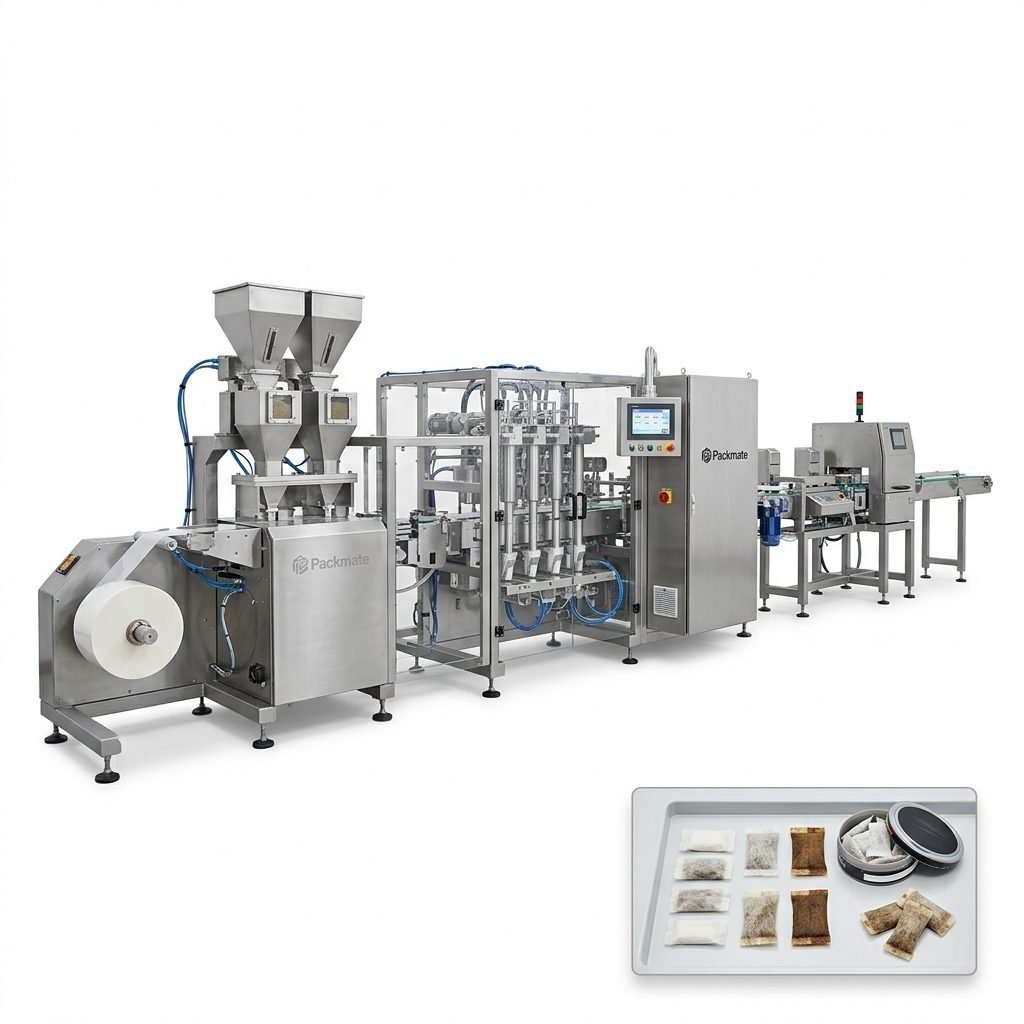
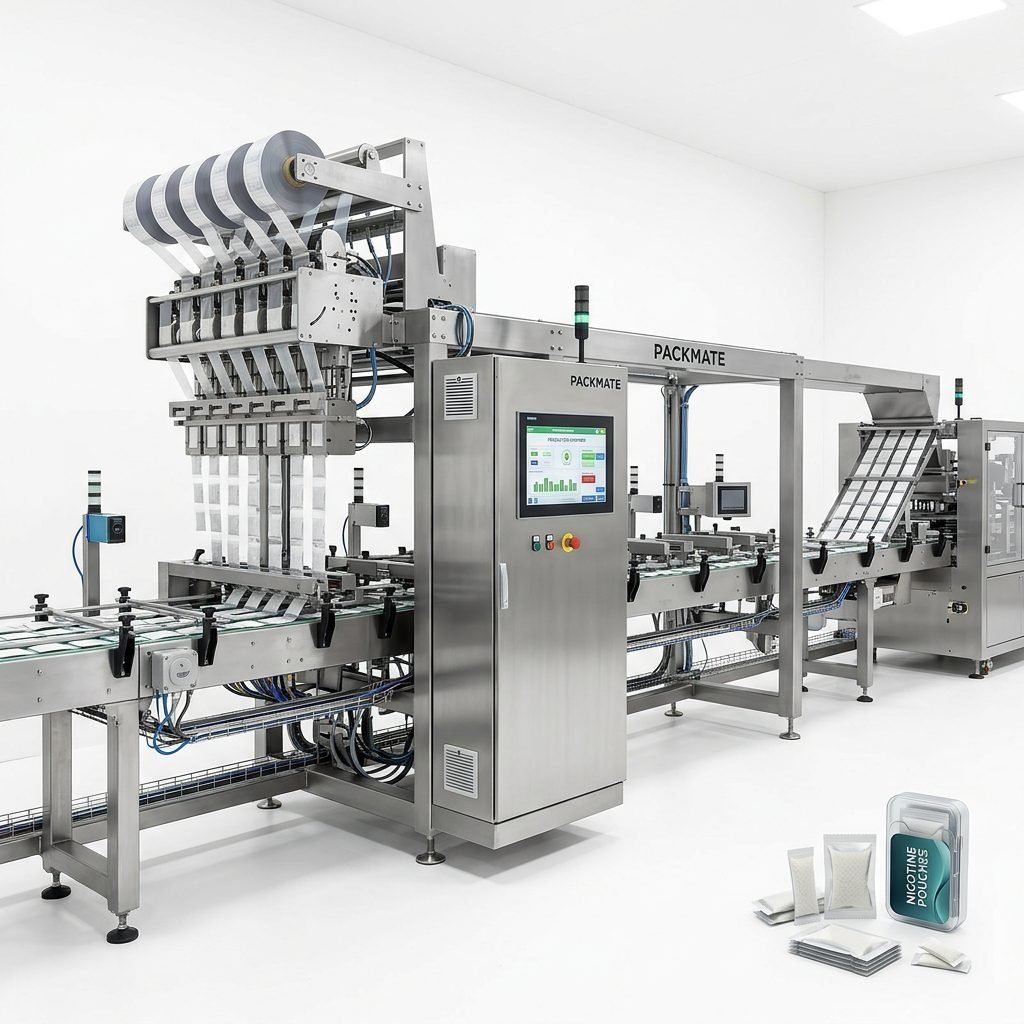
Ensure the supplier offers machines tailored for nicotine pouches: stick packs, sachets, multi-lane snus systems and integrated weighing/filling lines. Look for modular designs to scale lanes and capacity. Suppliers who provide comprehensive production lines (weighing, filling, pouch forming and secondary packaging) will simplify integration and ongoing support.
2. Manufacturing strength and quality control
Verify factory scale and tooling capabilities. A modern facility with CNC machining centers and precision assembly lines indicates consistent build quality. Ask for test reports, run-off samples, and evidence of quality standards such as CE and ISO. Request video demonstrations of similar machines running your product specification to confirm performance.
3. Customization and R&D support
Nicotine pouch formats and local labeling requirements in Afghanistan may differ from other markets. A supplier with strong R&D can adapt sealing, pouch shape, dosing accuracy and multi-lane synchronization. Custom tooling for small dose pouches or tamper-evident features are common requests — ensure the supplier can design and deliver.
4. After-sales support, spare parts and training
Local availability of spare parts, service engineers and remote support are critical. Confirm lead times for key consumables and whether the supplier offers installation, operator training and preventive maintenance plans. Suppliers that provide clear maintenance manuals and spare kits reduce long-term downtime.
Red flag ⚠️ — Long spare part lead times, lack of local representation, or no clear training plan. If a supplier cannot commit to practical after-sales support, contingency costs will rise.
Questions to ask every supplier
Prepare a prioritized list of technical and commercial questions before contacting vendors. Use these to compare proposals on an apples-to-apples basis.
Essential technical questions
• What is the sealing accuracy and dosing tolerance for nicotine pouch weights?
• Can the line handle multi-lane small-dose production and what is maximum throughput per lane?
• What materials and suppliers do you recommend for inner pouches and outer cartons in hot/dusty climates?
• Provide videos of similar installations and run-off samples with technical data.
Commercial and service questions
• What is the warranty, and what does it cover?
• What are typical spare part lead times, and is a recommended spare parts kit available?
• Do you provide installation on-site, start-up commissioning and operator training?
• Can you support customs documentation and export packaging for Afghanistan import processes?
Local considerations for Afghanistan
Doing business in Afghanistan requires sensitivity to local customs, logistics constraints and regulatory frameworks. Adapt your supplier evaluation accordingly.
Business relationships in Afghanistan often value trust and established connections. Face-to-face meetings, introductions through local agents, and visible references can accelerate trust building. Use local representatives who can handle communications in Dari or Pashto and who understand import permit processes.
Climate and environment also matter: Afghanistan has dry, dusty regions and large diurnal temperature swings. Ask suppliers how machines perform in dusty conditions and if they include enhanced sealing covers, upgraded filtration on pneumatics and extra protective coatings to avoid accelerated wear.
Cultural calendars such as Ramadan and local holidays can affect timelines — plan installation windows and training periods accordingly. Ensure spare part stocks before long holiday periods to avoid gaps in production.
Local logistics tip 🚚 — Work with freight forwarders experienced in shipments to Afghanistan and verify customs clearance and duties in advance. Proper export documentation from the supplier will speed up import.
How to verify supplier claims
Don’t accept sales brochures alone. Use a combination of factory visits (if possible), virtual factory tours, customer references and independent third-party inspections.
Ask for:
• Recent client references in similar industries or regions.
• A list of certifications and copies of CE/ISO certificates.
• A machine acceptance test (FAT) protocol and the opportunity to witness FAT remotely via live video.
• A clear spare parts list and an estimate of annual consumable costs.
Commercial terms and risk mitigation
Negotiate clear terms on delivery schedules, payment milestones, warranty clauses and performance acceptance criteria. Consider phased payments: deposit, factory acceptance, shipment, and final payment after installation and performance verification.
Include penalties or corrective actions in the contract for missed performance metrics. Ensure the contract states the training scope, spare part delivery times and language of documentation. If you import through a local partner, define responsibilities for customs clearance and after-sales support.
Insurance and shipping
Insure shipments for damage and theft. Work with experienced cargo insurers and select appropriate Incoterms (e.g., CIF or CFR) depending on who manages delivery to the Afghan port or border crossing.
Why Packmate-style suppliers are often a strong choice
Suppliers with decades of packaging experience, modern factories, multi-model product lines and international case studies are well placed to support emerging nicotine markets. For example, a supplier that offers integrated lines for snus and nicotine pouches, comprehensive R&D, and documented global installations reduces project risk and shortens time-to-market.
For more information on specific equipment types, explore product categories such as Snus & Nicotine Packaging Machines, Sachet & Stick Pack Machines, and Weighing & Packaging Systems.
Steps to pilot, buy and commission a line in Afghanistan
1. Shortlist 3–5 suppliers based on technical fit and references. Request initial specs and budgets.
2. Ask shortlisted suppliers for FAT videos, run-off samples and a standard FAT checklist.
3. Negotiate commercial terms, spare part kits and a clear training and commissioning plan.
4. Finalize purchase with a phased payment schedule tied to FAT, shipment and site acceptance.
5. Plan logistics: customs, local partner roles, site readiness (power, compressed air, flooring), and operator training windows considering local calendars.
6. Commission, validate production runs and keep the supplier engaged for preventive maintenance and optimization.
Tip ✅ — Retain a local technical contact or third-party service partner trained by the supplier to handle routine maintenance and emergency troubleshooting.
After-sales and long-term partnership
A machine supplier becomes a strategic partner when they commit to timely spare parts, upgrades and process improvements. Insist on documented service-level agreements (SLAs) for response times and offer options for remote monitoring where possible. Regular preventive maintenance schedules and remote troubleshooting reduce unplanned stoppages.
If you need to evaluate a supplier’s credibility quickly, check their case studies and exhibition participation. Reputable vendors will share installation cases and have a track record at global trade shows. See supplier background and credentials such as About Packmate and certifications listed on their site like Certificate.
Final checklist before signing
• Factory acceptance test (FAT) plan agreed and witnessed.
• Detailed spare parts list and first-year consumable estimate.
• Training scope and documentation language specified.
• Clear warranty terms and SLAs in contract.
• Shipping, insurance and customs responsibilities defined.
Conclusion
Selecting a reliable nicotine packaging machinery supplier for Afghanistan is a strategic decision that requires technical validation, cultural awareness and logistical planning. Prioritize suppliers with demonstrated packaging expertise, factory capabilities, clear after-sales support and the willingness to adapt machines for local conditions. With proper diligence — including FATs, reference checks and detailed contracts — you can reduce risk and ensure a smooth production launch.
Frequently Asked Questions
Q1: How long does it typically take from order to commissioning?
A1: Delivery cycles vary by customization, but typical lead times range from 12 to 20 weeks including FAT and shipping. Plan for additional weeks for customs clearance and on-site commissioning in Afghanistan.
Q2: What certifications should I ask for?
A2: Ask for CE and ISO certificates as a baseline, plus documentation of electrical/component standards used. Certificates help with import compliance and insurer requirements.
Q3: How can I ensure spare parts availability?
A3: Negotiate a recommended spare parts kit at purchase, discuss stock levels for critical items, and confirm lead times. Consider stocking high-wear parts locally.
Q4: Should I insist on factory acceptance testing (FAT)?
A4: Yes — FATs provide objective proof of performance before shipment. If you cannot attend in person, request live video FAT and sample runs with your product specs.
Q5: Who can help with local import and installation?
A5: Use freight forwarders experienced with Afghan import procedures and a local service partner or agent for on-the-ground coordination. Also contact the supplier for recommended installers and training schedules; many reputable suppliers offer installation support — contact them via Contact Us.