Choosing the right manufacturer for nicotine packaging machines in Austria can make the difference between a reliable production line and repeated downtime, costly adjustments, or regulatory headaches. This guide walks packaging managers, production engineers, and procurement teams through a practical evaluation process, highlighting the technical criteria, compliance checkpoints, service expectations, and commercial considerations that matter most when selecting a snus or nicotine pouch packing machine supplier.
Understand the Austrian Market and Your Product Requirements
Austria’s packaging industry emphasizes precision, regulatory compliance, and flexible production for niche markets such as nicotine pouches and snus. Before contacting manufacturers, define your product specs clearly: pouch size, dose range, multi-lane needs, desired speed (pouches/min), materials (film, laminate), and any post-packaging steps (cartoning, case packing). A strong supplier should match both current needs and future scalabilities such as higher lane counts or new formats.
Key product details to prepare
Provide manufacturers with exact product dimensions, weight tolerances, target output, and expected run-change frequency. The more precise you are, the faster they can propose a suitable machine model or a customized line.
Why Manufacturer Experience and Track Record Matter
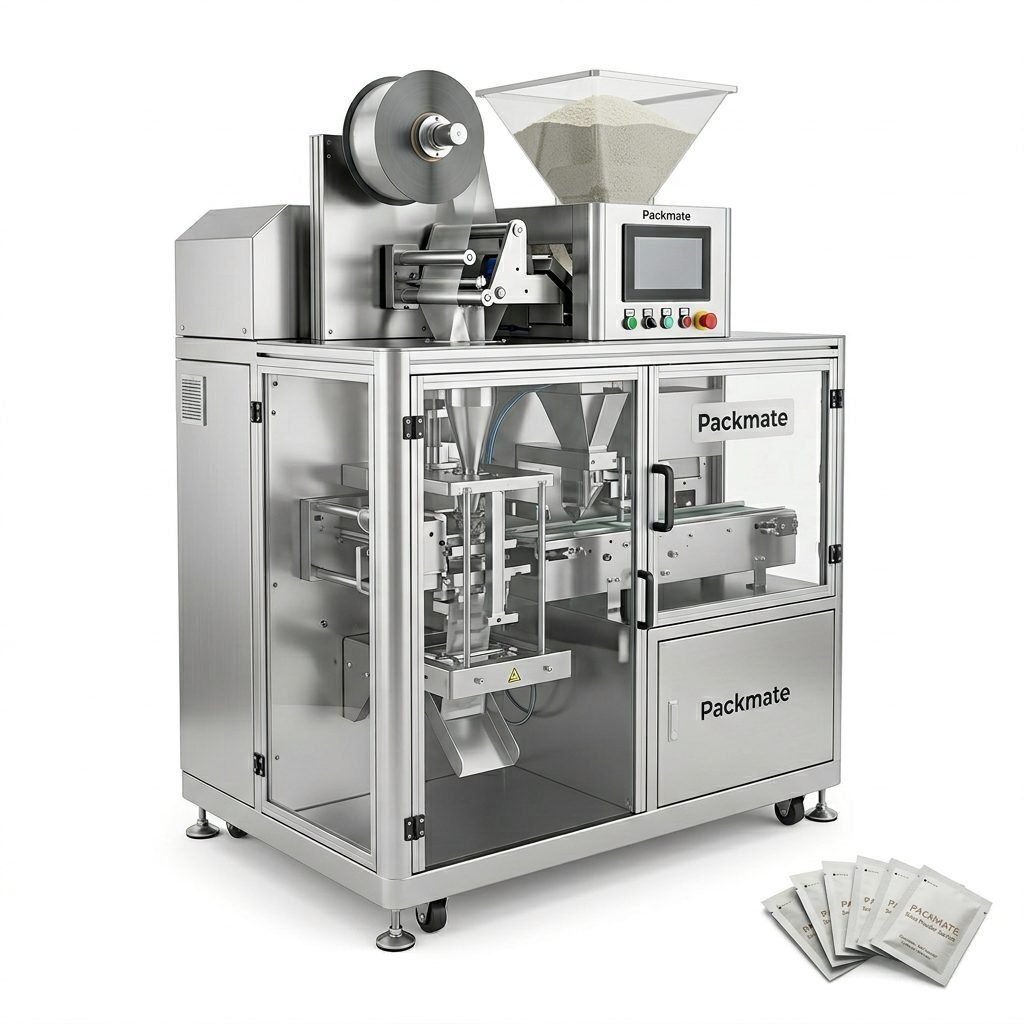
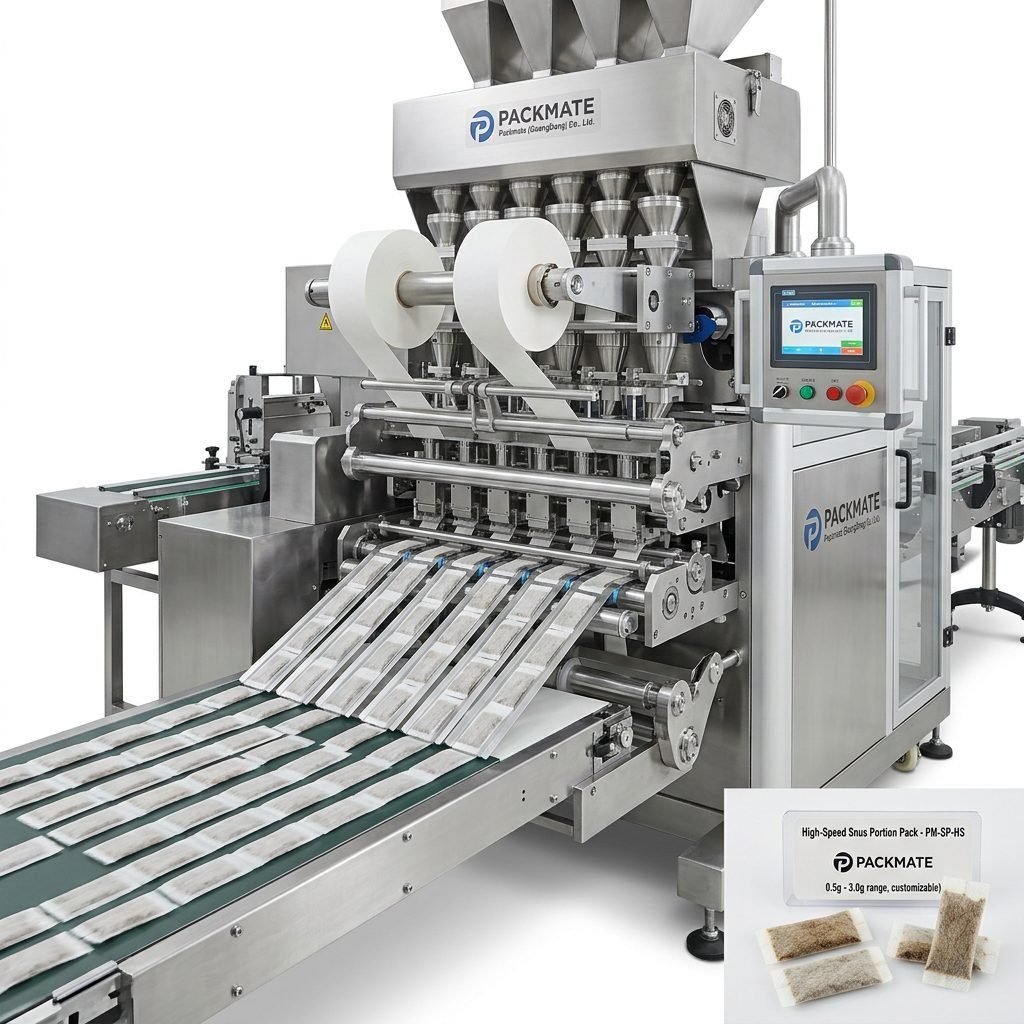
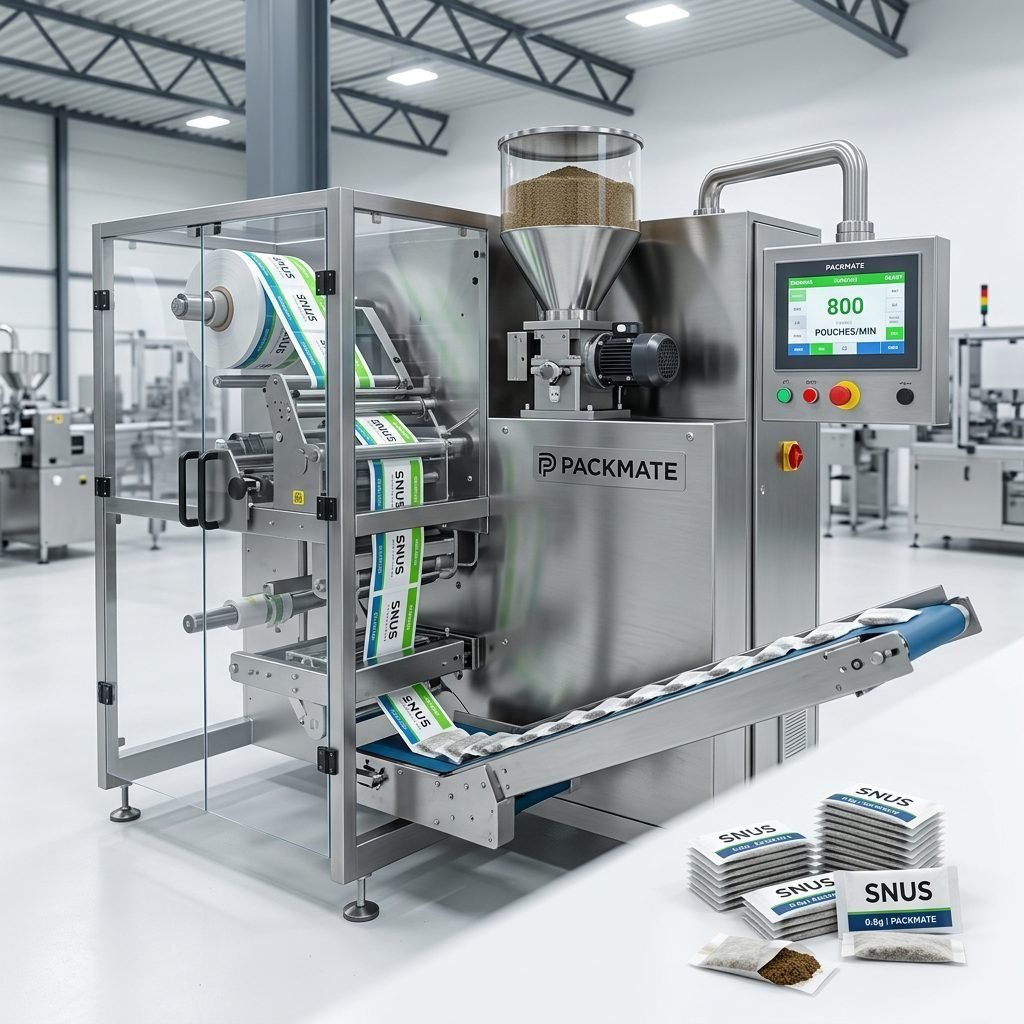
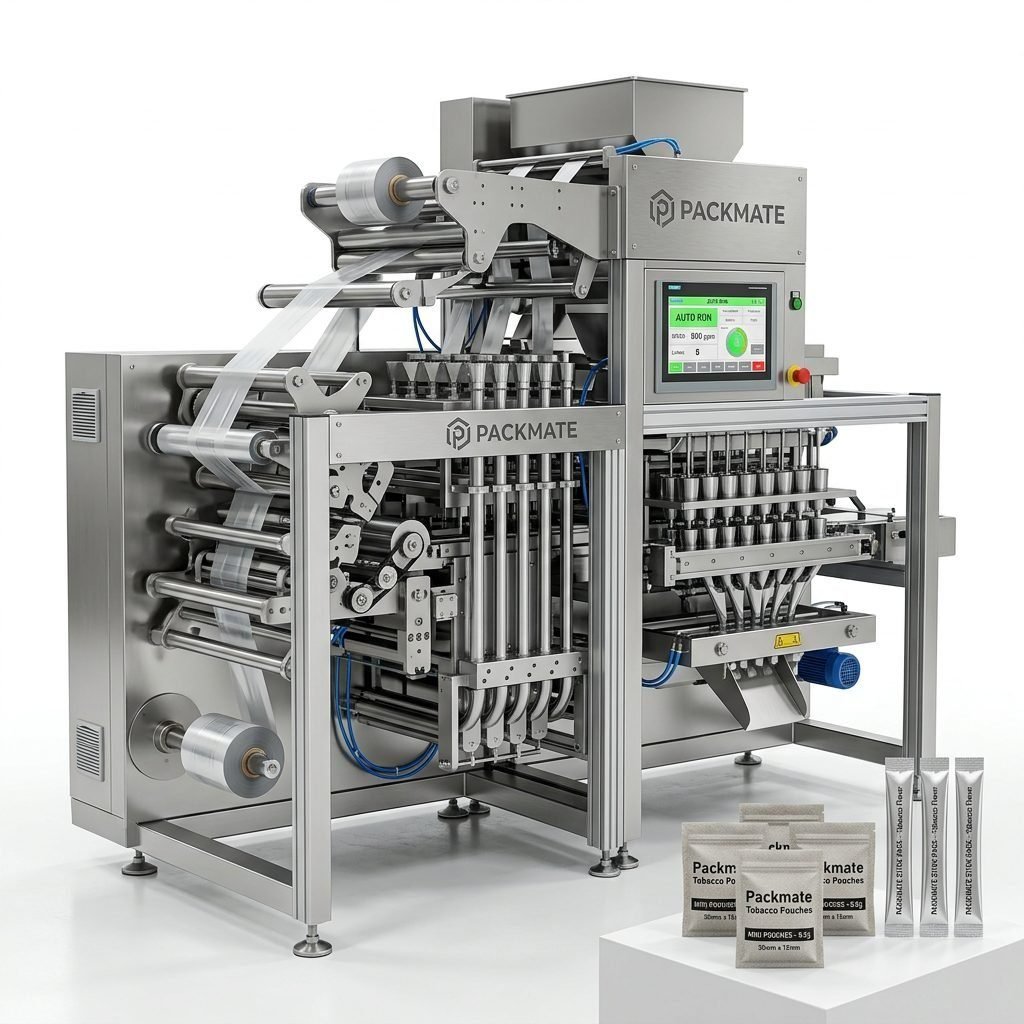
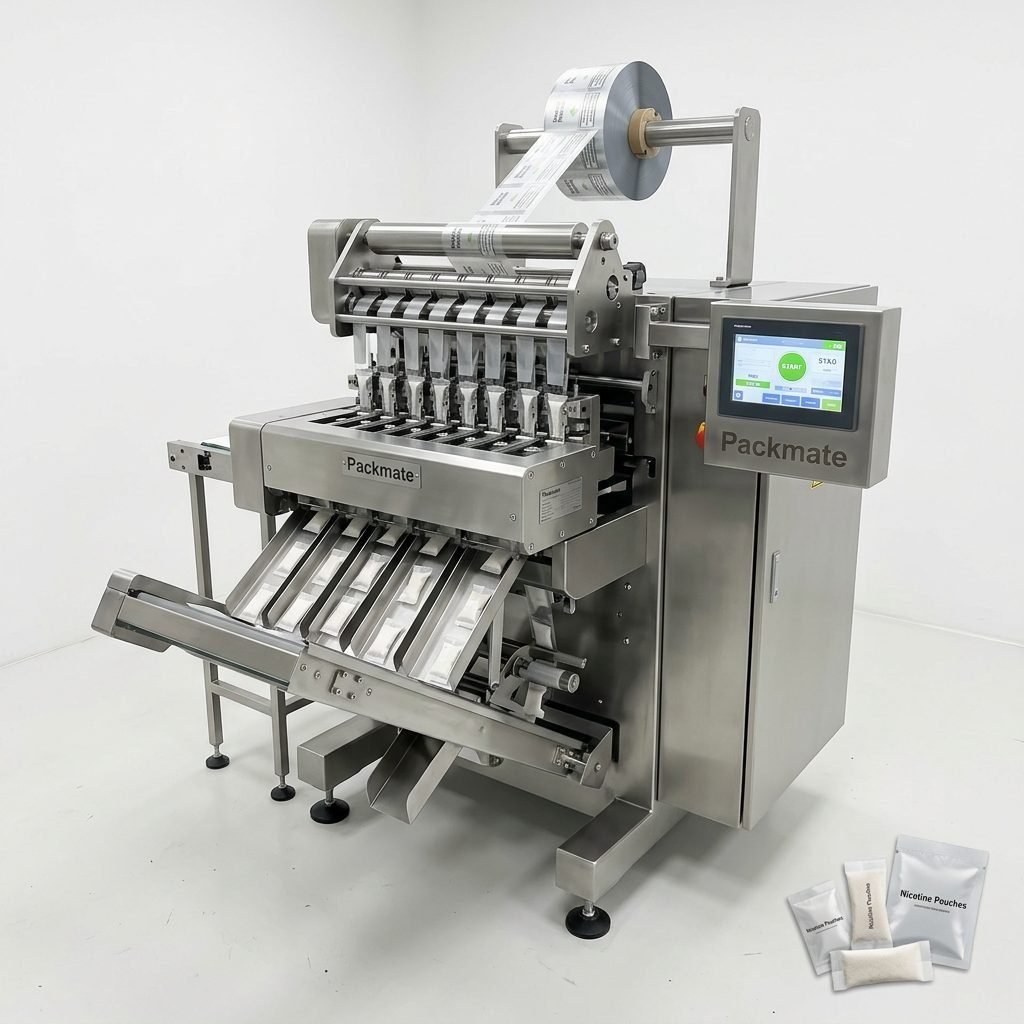
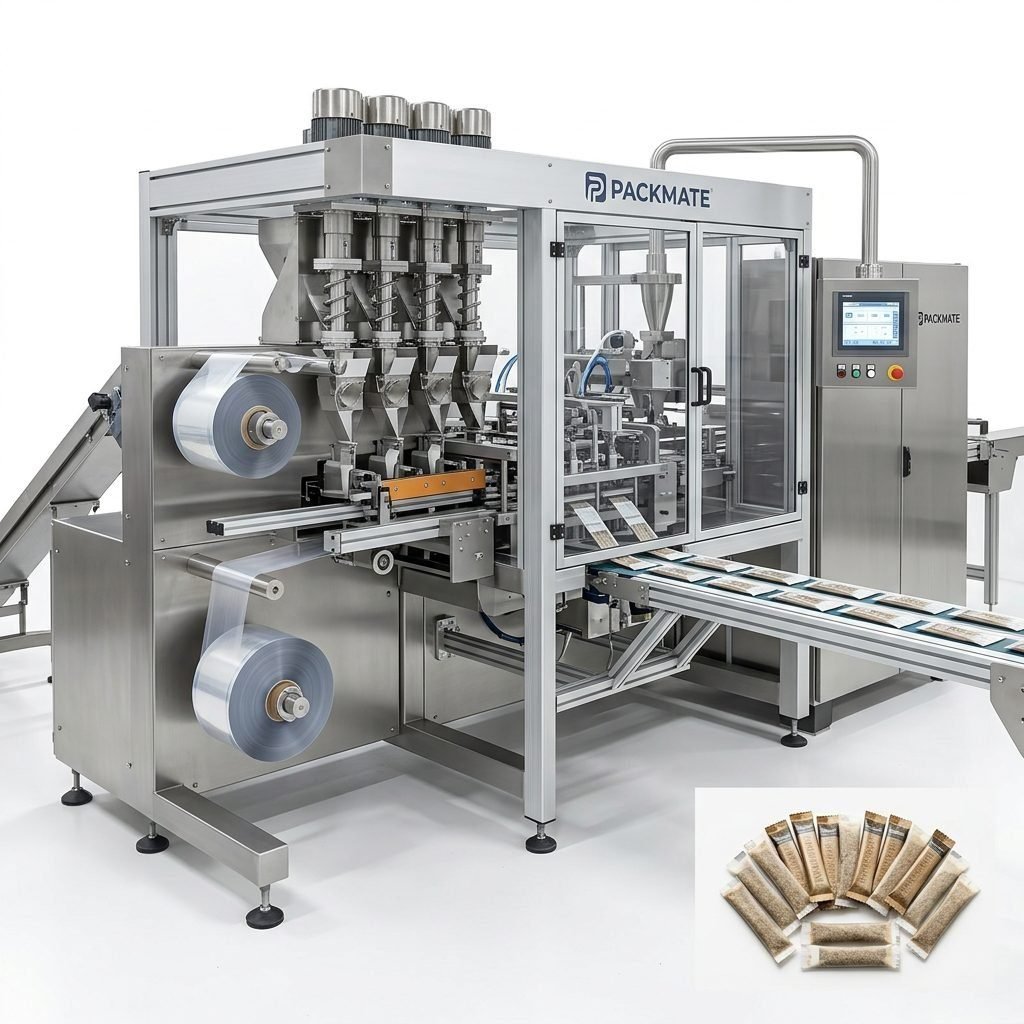
Prior experience in nicotine pouch and snus machines is non-negotiable. Trusted vendors have overcome unique challenges such as low-dose filling accuracy, multi-lane synchronization, and gentle pouch handling. Look for a proven history across similar product lines and documented case studies of successful installations in Europe. For example, established suppliers like Packmate Snus Machine provide comprehensive solutions for snus and nicotine pouches and can be reviewed via their product pages.
What to request during evaluation
Ask for client references, production videos, and a list of installed machines with model numbers and capacities. Check the supplier’s exhibition history and certification records — CE and ISO compliance are standard expectations for equipment destined to European markets.
⚠️ Tip: Prioritize suppliers that openly share machine test reports and offer live demos in their factories or at trade shows. Transparency at this stage reduces later surprises.
Technical Capabilities: Precision, Speed, and Flexibility
Evaluate core machine capabilities: filling accuracy, pouch forming consistency, sealing integrity, multi-lane synchronization, and changeover speed. For small-dose nicotine pouches, filling accuracy is often the most critical parameter. Ask for specifications in absolute units (mg or grams) and the test methodology used to verify performance.
Essential technical features to verify
– High-precision dosing systems with repeatability data
– Robust forming and sealing controls for consistent pouch shape
– PLC/HMI with recipe management for multiple SKUs
– Quick-change tooling for fast format switches
– Multi-lane management with lane balancing features
Compliance, Certifications and Hygiene Standards
Operating in Austria (and wider EU), your line must meet regulatory requirements and safety standards. Confirm CE conformity and inquire about the manufacturer’s quality management system such as ISO certification. For nicotine products, hygiene of contact parts, clean routing for powders or granules, and materials traceability are important for audit readiness.
✅ Must-have: CE and ISO certificates, material declarations for contact components, and documented FAT (Factory Acceptance Test) procedures.
Customization and Turnkey Solutions
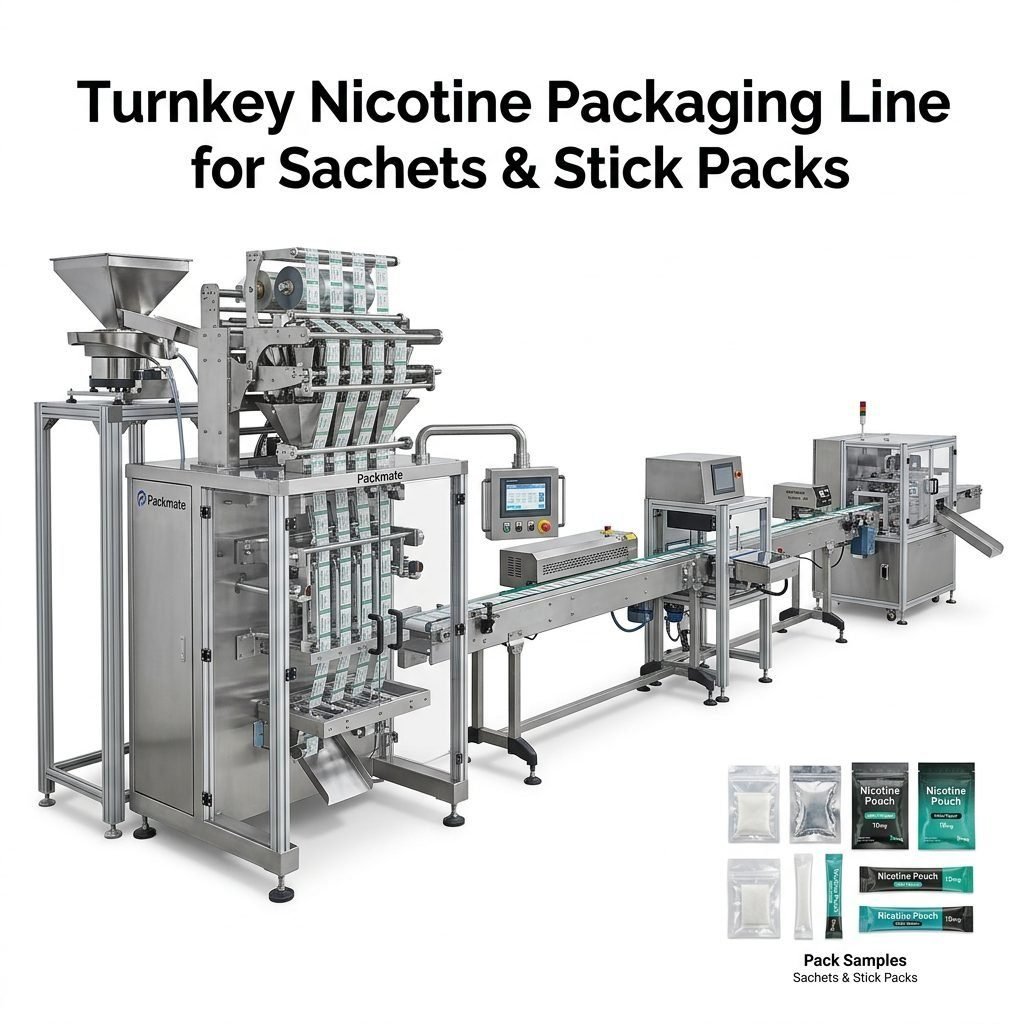
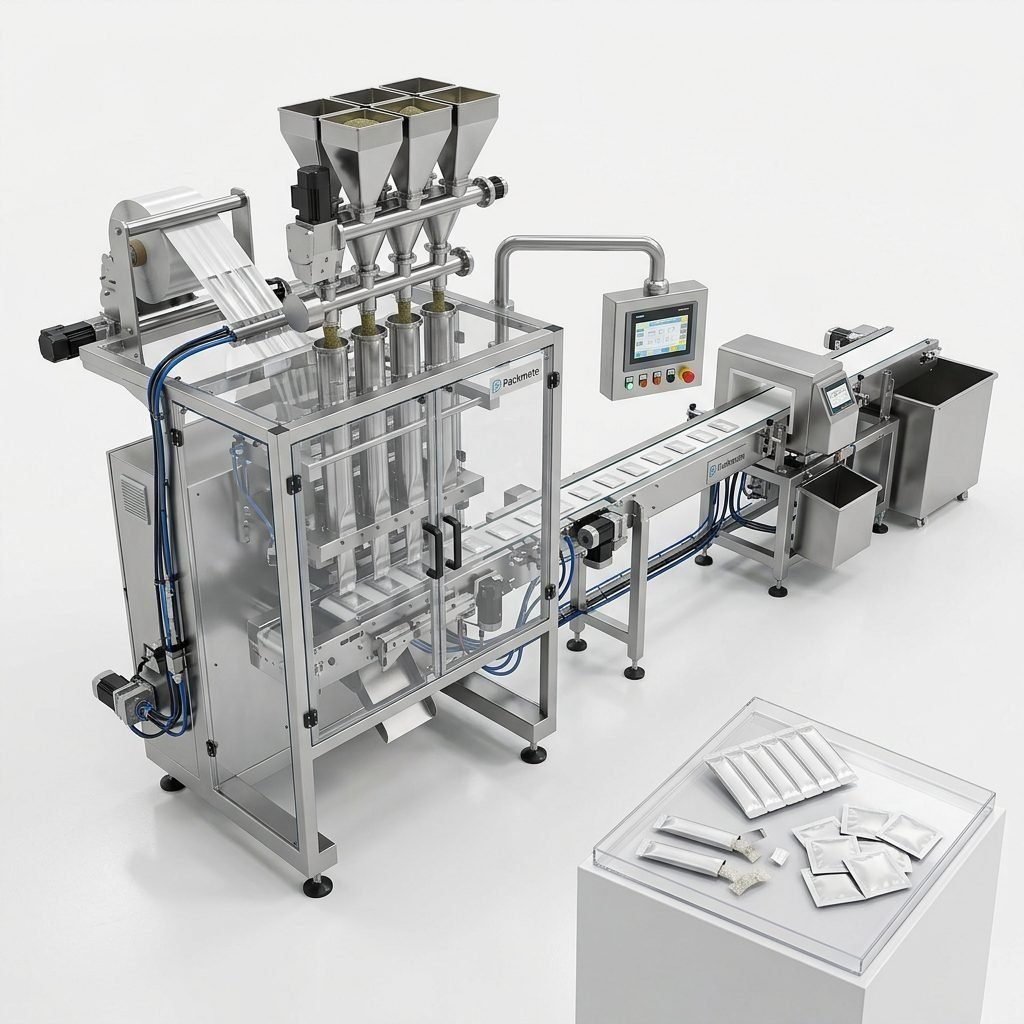
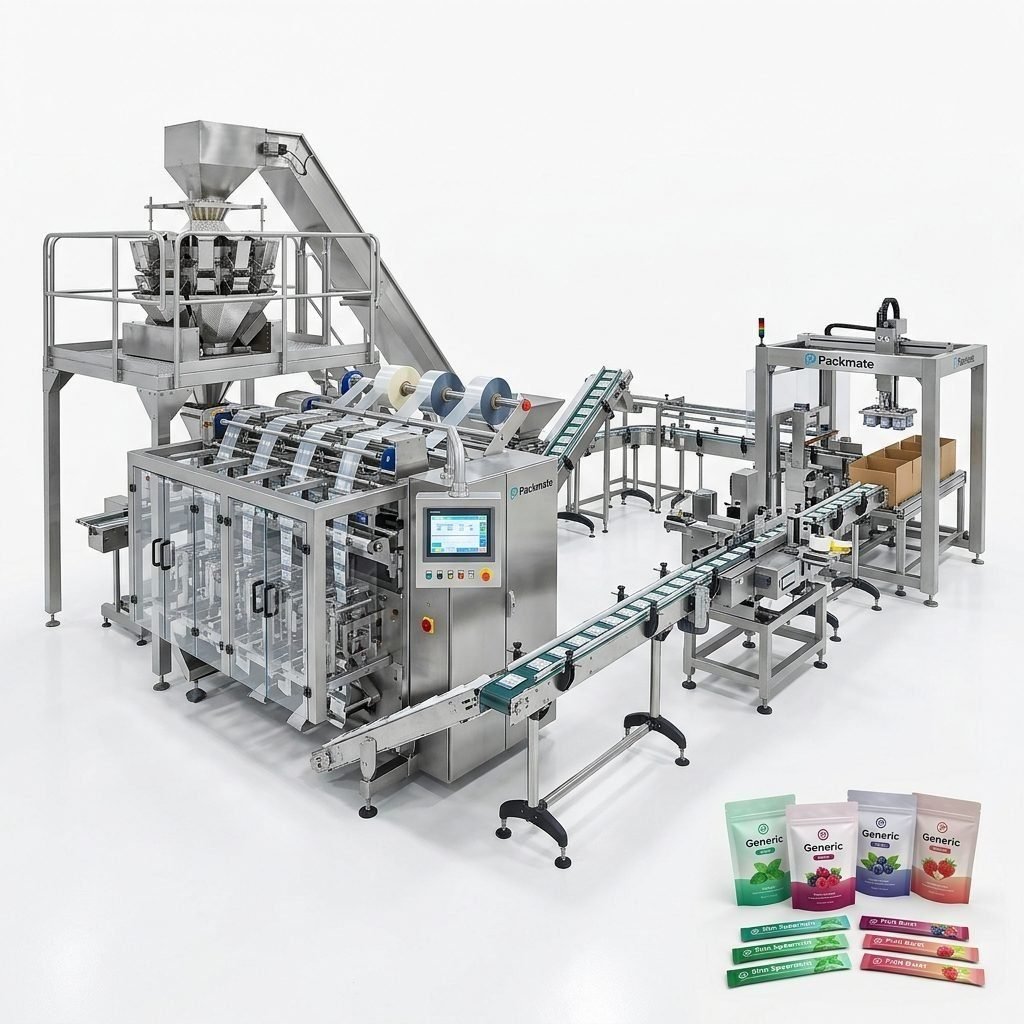
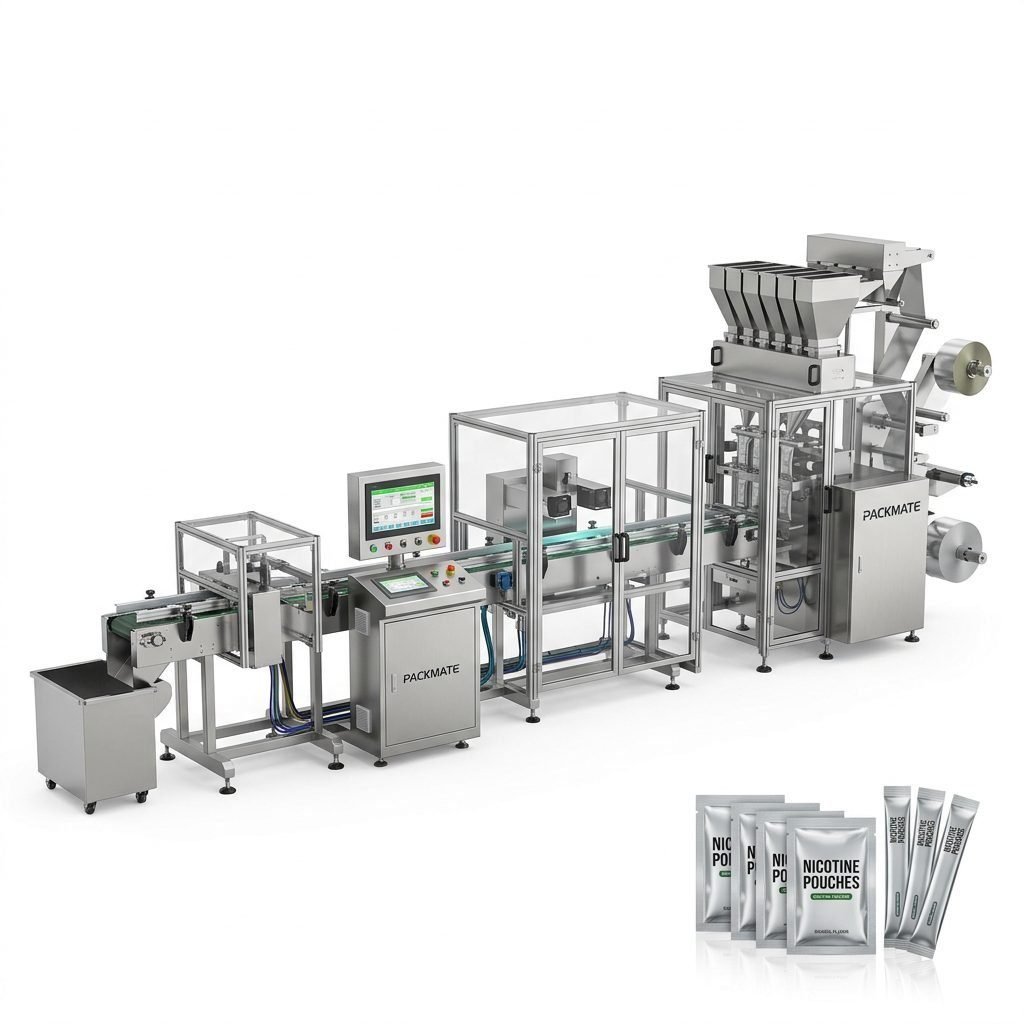
Manufacturers differ in their ability to provide off-the-shelf machines versus fully customized, turnkey lines. If you require integration with upstream weighing systems or downstream cartoning and case packing, choose a supplier that offers modular solutions and turnkey integration. Review examples of complete lines and modules such as filling systems, weighing & packaging systems, and auxiliary equipment to ensure compatibility.
Explore these resources from experienced vendors to understand available modules:
– Snus & Nicotine Packaging Machines
– Sachet & Stick Pack Machines
– Filling & Packaging Lines
– About Packmate
After-sales Service, Spare Parts and Local Support in Austria
After-sales service is a strategic consideration. Prefer suppliers with documented spare parts availability, remote support capabilities, and local service partners or the ability to provide prompt field engineers in Europe. Service KPIs to agree upon include response time for technical calls, spare parts lead time, and available maintenance contracts.
🔧 Checklist: Ask for spare parts lists, typical lead times, recommended inventory levels, and remote diagnostic options to reduce downtime.
Total Cost of Ownership (TCO) vs Purchase Price
The lowest purchase price rarely equals the lowest cost over time. Consider energy consumption, consumables, maintenance frequency, operator training needs, uptime guarantees, and resale value. A slightly higher-capability machine with better energy efficiency and longer intervals between service may produce a much lower TCO.
Calculate realistic TCO
Request historical operating data from similar installations, including mean time between failures (MTBF), average spare part costs, and typical consumable lifetimes. Use these inputs to model five-year operational costs rather than only the acquisition price.
Factory Audit: What to Inspect During a Visit
Visiting the supplier’s factory offers insight into their production quality and engineering discipline. Examine CNC and assembly areas, quality control stations, test benches, and inventory management. Packmate’s 20,000㎡ facility and advanced CNC centers, for example, indicate strong in-house capabilities — ask for a guided tour to validate workmanship and calibration processes.
On-site questions to ask
– How are controls and safety systems tested?
– Are spare parts stored and serialized?
– Can I witness a run-off test with my product or a similar SKU?
– What documentation accompanies each delivered line (manuals, electrical diagrams, software backups)?
📦 Factory insight: A manufacturer that invites audits and provides FAT reports shows commitment to quality and long-term partnerships.
Validation, FAT, SAT and Documentation
Ensure the supplier supports thorough Factory Acceptance Testing (FAT) with your product and Site Acceptance Testing (SAT) after installation. Documentation should include electrical schematics, pneumatics, PLC source code, spare part lists, and training materials. For regulated environments, validation protocols and traceable test logs are essential.
Integration with Existing Lines and Automation Platforms
If your nicotine pouch process includes upstream feeders or downstream cartoners, confirm the manufacturer’s experience with integration. Standardized communication protocols (Ethernet/IP, Profinet, OPC-UA) and open PLC architectures facilitate future upgrades and Industry 4.0 connectivity.
Selecting Between Standard Models and Fully Customized Builds
Standard models shorten lead times and reduce costs, but customized builds align tightly with niche product requirements. For producers of low-dose nicotine pouches with specialized pouch shapes or lane counts, a tailored line is often justified. Discuss modularity and upgrade paths to avoid a full replacement later.
To explore typical machine types and configurations, review product categories like Bag & Pouch Packaging Machines and Weighing & Packaging Systems.
Commercial Terms, Lead Time and Risk Management
Negotiate clear commercial terms: payment schedule, lead time guarantees, penalties for missed milestones, and warranty coverage. Include detailed delivery and installation timelines, acceptance criteria, and agreed training programs. Make provisions for spare parts supply during the warranty period and beyond.
Making the Final Decision
Score suppliers on technical fit, compliance, service readiness, factory capability, TCO, and commercial transparency. Consider trial runs, pilot installations, or staged roll-outs for high-value lines. A supplier that balances technical excellence with dependable service and clear documentation is the best partner for long-term production stability.
🔍 Decision matrix suggestion: Rate each vendor 1–5 for Experience, Technical Fit, Compliance, Service, TCO, and Lead Time to derive an objective weighted score.
Getting Started: Contacting and Evaluating Suppliers
Start with a concise Request for Information (RFI) that includes product samples, target output, and desired project timeline. Shortlist vendors that provide clear technical responses and invite them for a technical Q&A or site visit. For more detailed examples of completed projects, review case studies and exhibition appearances to see machines in operation.
If you need examples of global cooperation cases or want to arrange a factory visit, explore the manufacturer’s case studies and exhibition records to validate claims: Case and Our Exhibition.
Final actionable checklist
1) Define product specs and production targets clearly.
2) Shortlist suppliers with proven nicotine pouch experience.
3) Validate certifications, FAT procedures, and spare parts plans.
4) Evaluate TCO and service commitments, not just the purchase price.
5) Visit the factory, witness tests, and insist on documented acceptance criteria.
📞 Quick contact tip: Use the manufacturer’s contact page to request machine demos and technical data: Contact Us
Summary
Choosing the best nicotine packaging machine manufacturer in Austria depends on a balanced assessment of technical fit, regulatory compliance, in-country support, and long-term cost. Prioritize suppliers with strong snus and nicotine pouch experience, transparent FAT/SAT practices, and reliable after-sales service. A data-driven evaluation process and on-site validation will minimize risks and ensure steady, compliant production.
Frequently Asked Questions
Q1: What certifications should I expect from a nicotine pouch machine supplier?
A1: At minimum, request CE conformity and evidence of the supplier’s ISO quality management system. For hygienic contact parts, ask for material certificates and clean design documentation.
Q2: How important is local support in Austria versus remote support?
A2: Remote diagnostics are valuable for quick fixes, but local field service or a partner in Europe shortens dispatch times for critical repairs. Negotiate spare parts availability and response times.
Q3: Should I choose a multi-lane machine from the start or scale later?
A3: If demand forecasts justify it, multi-lane machines reduce per-unit cost and footprint. If demand is uncertain, choose modular systems that allow lane additions or upgrades.
Q4: How do I verify filling accuracy before purchase?
A4: Request machine test runs with your actual product or a close sample, and review statistical test reports (repeatability and reproducibility). Include FAT acceptance criteria in the contract.
Q5: What documentation should accompany machine delivery?
A5: Complete delivery should include electrical and pneumatic schematics, PLC programs and backups, user manuals, maintenance guides, spare parts lists, FAT records, and operator training logs.