Choosing the right supplier for a nicotine packaging machine in Bolivia requires a clear understanding of technical specifications, local regulatory requirements, logistics, cultural business practices, and after-sales support. This guide walks Bolivian buyers through the critical factors that determine long-term success when investing in snus and nicotine pouch packaging equipment. Whether you are a new manufacturer, a contract packer, or a distributor, the questions and checklists below will help you evaluate suppliers effectively and make a confident purchase decision.
Understand Bolivia’s Market and Regulatory Context
Bolivia’s consumer base has unique regional differences and regulatory frameworks that affect packaging and sales. Spanish is the primary language for warnings, labels, and documentation; in some regions, Aymara and Quechua influences can shape local marketing preferences. When evaluating suppliers, confirm they can provide compliant labeling templates, multilingual documentation, and flexible packaging options suitable for Bolivia’s market.
Important considerations include local import rules, product classification, and any nicotine-specific regulations. Verify that the supplier understands Bolivian import duties, customs clearance procedures, and any regional provincial requirements so you avoid shipment delays or compliance issues.
Legal and compliance checkpoints
► Confirm the supplier can provide machine certification and documentation that meet international safety and quality standards (CE, ISO).
► Ask for technical files, operation manuals, and parts lists in Spanish.
► Ensure the machine’s materials-contact parts comply with food/pharmaceutical safety when applicable.
Key Technical Factors to Assess
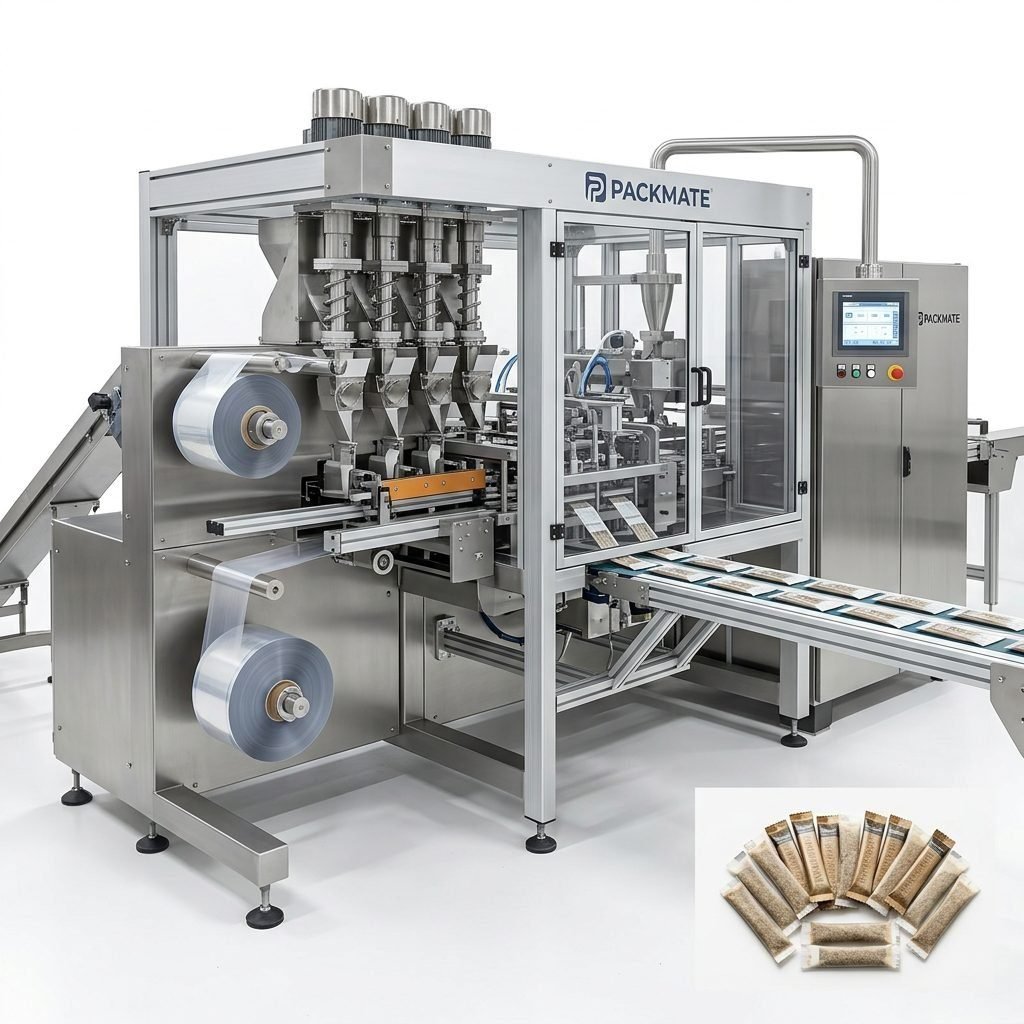
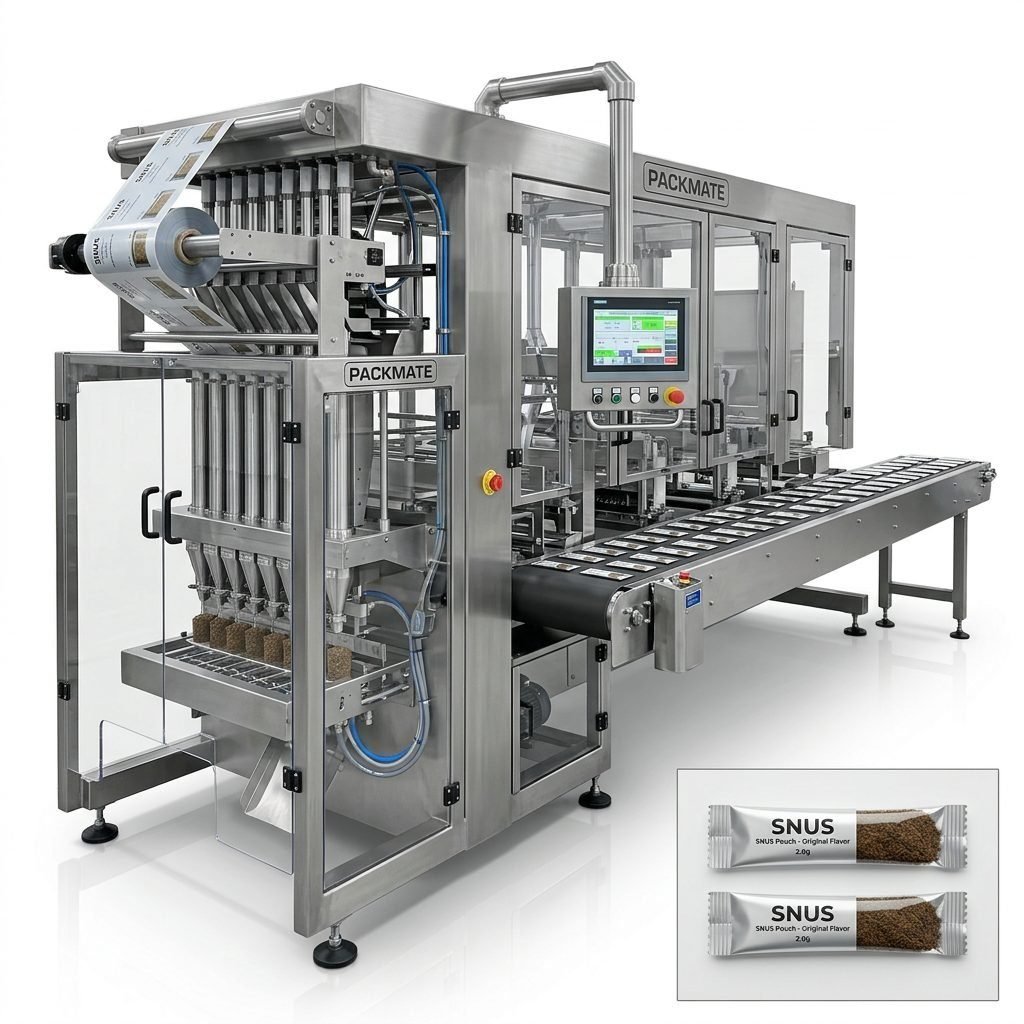
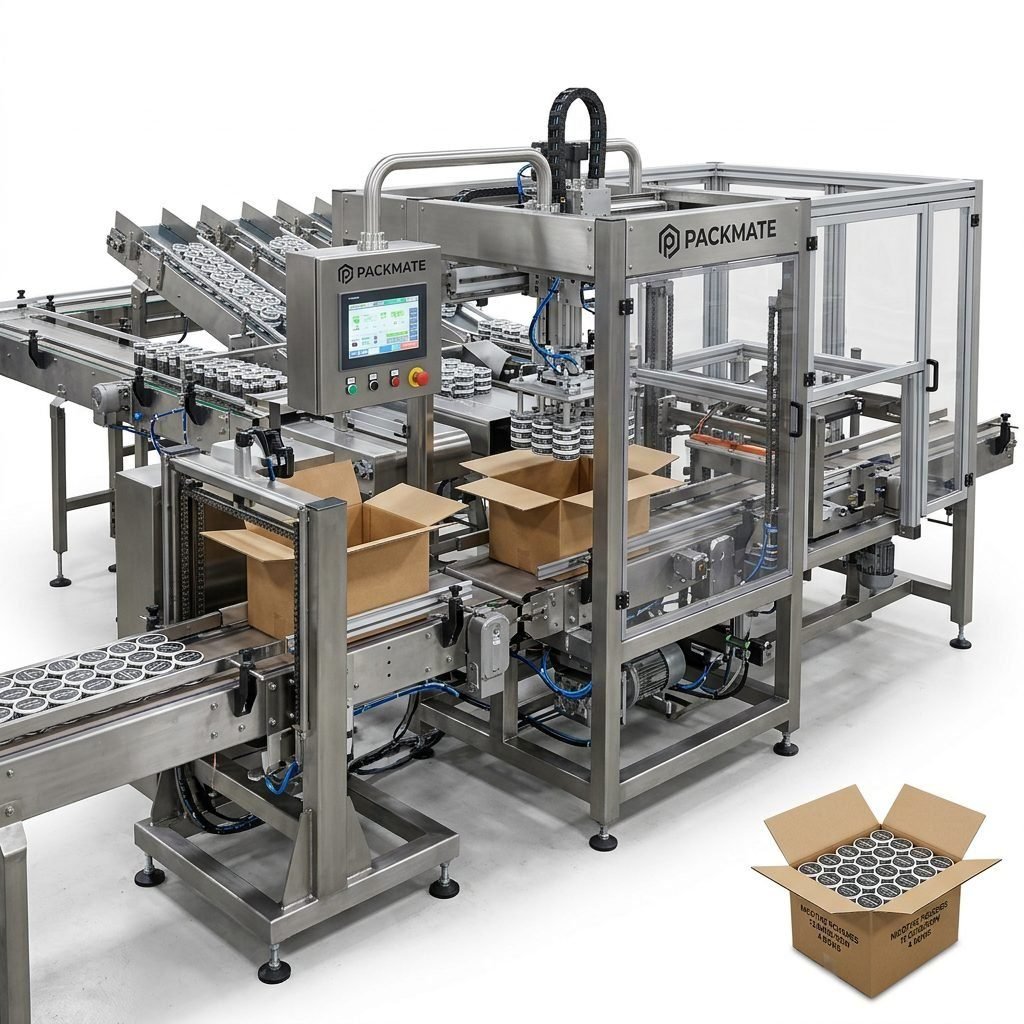
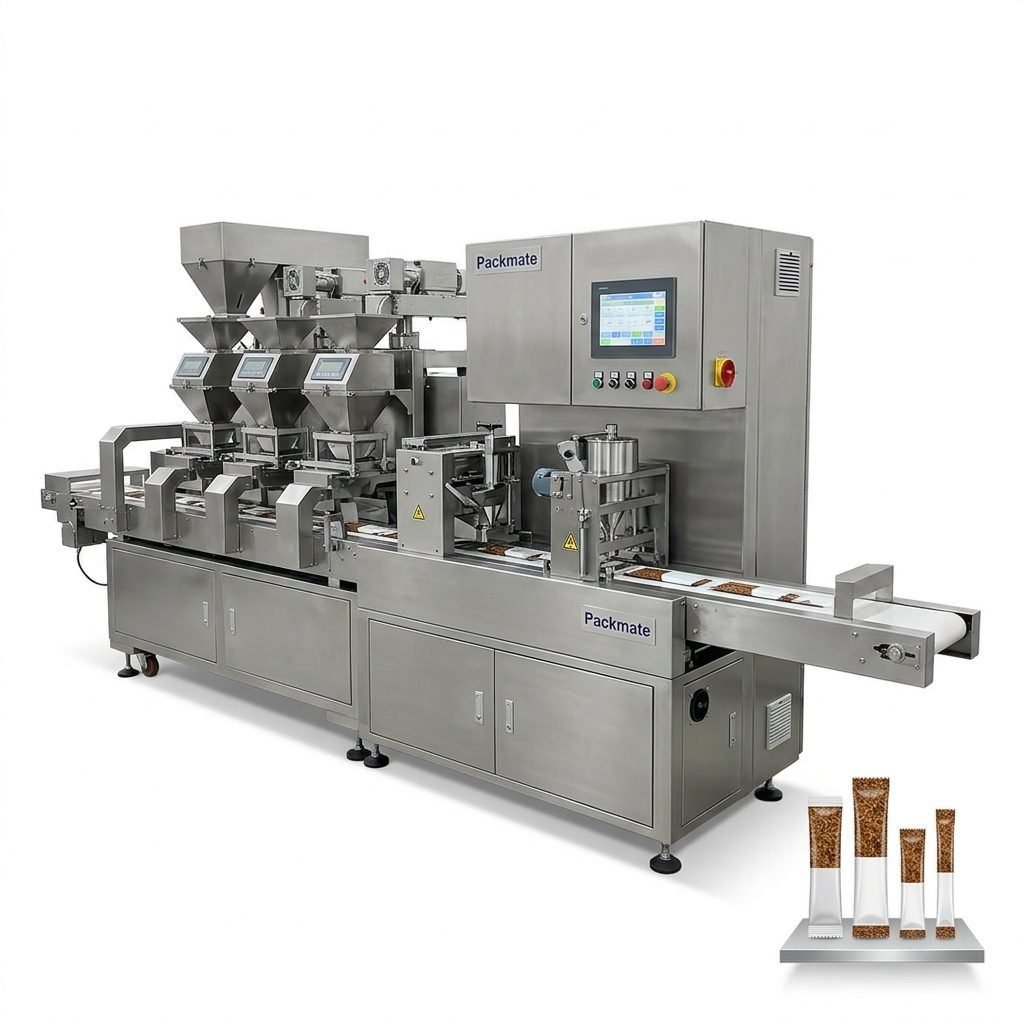
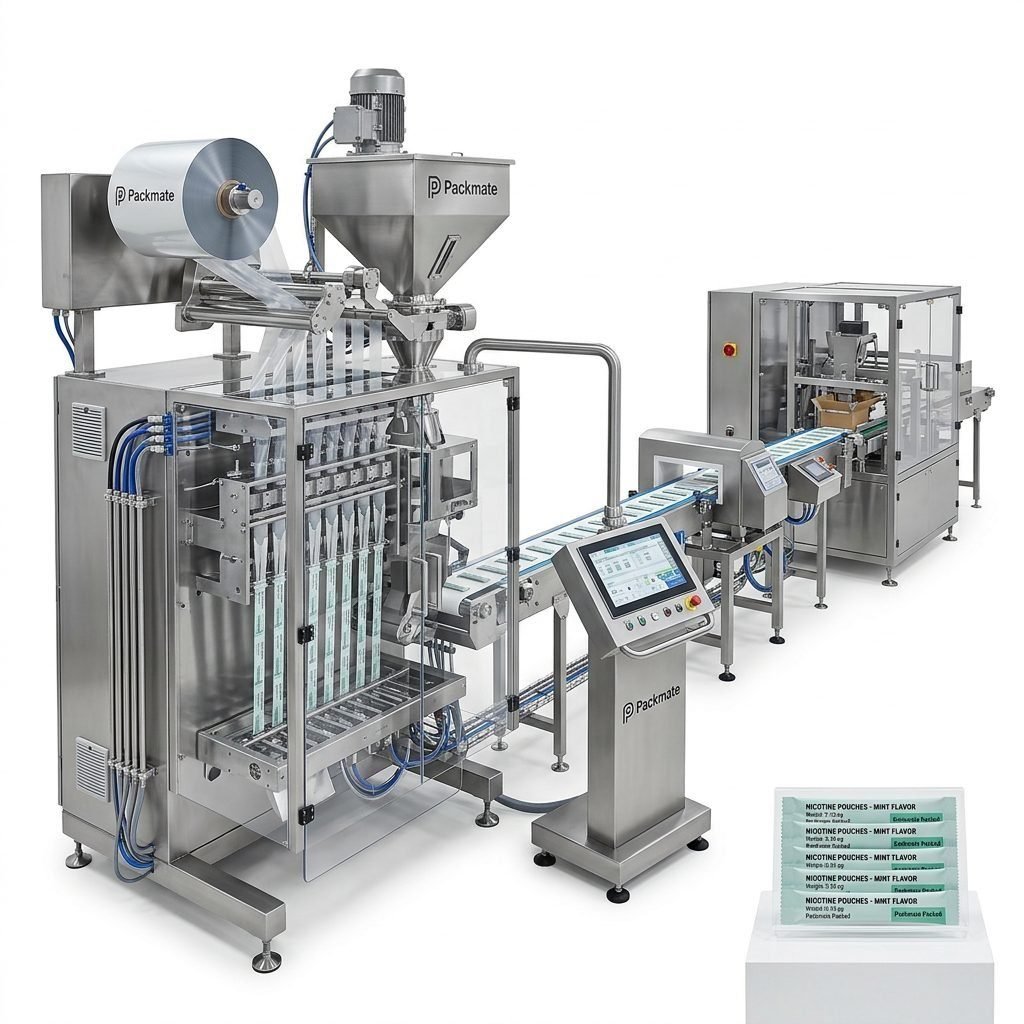
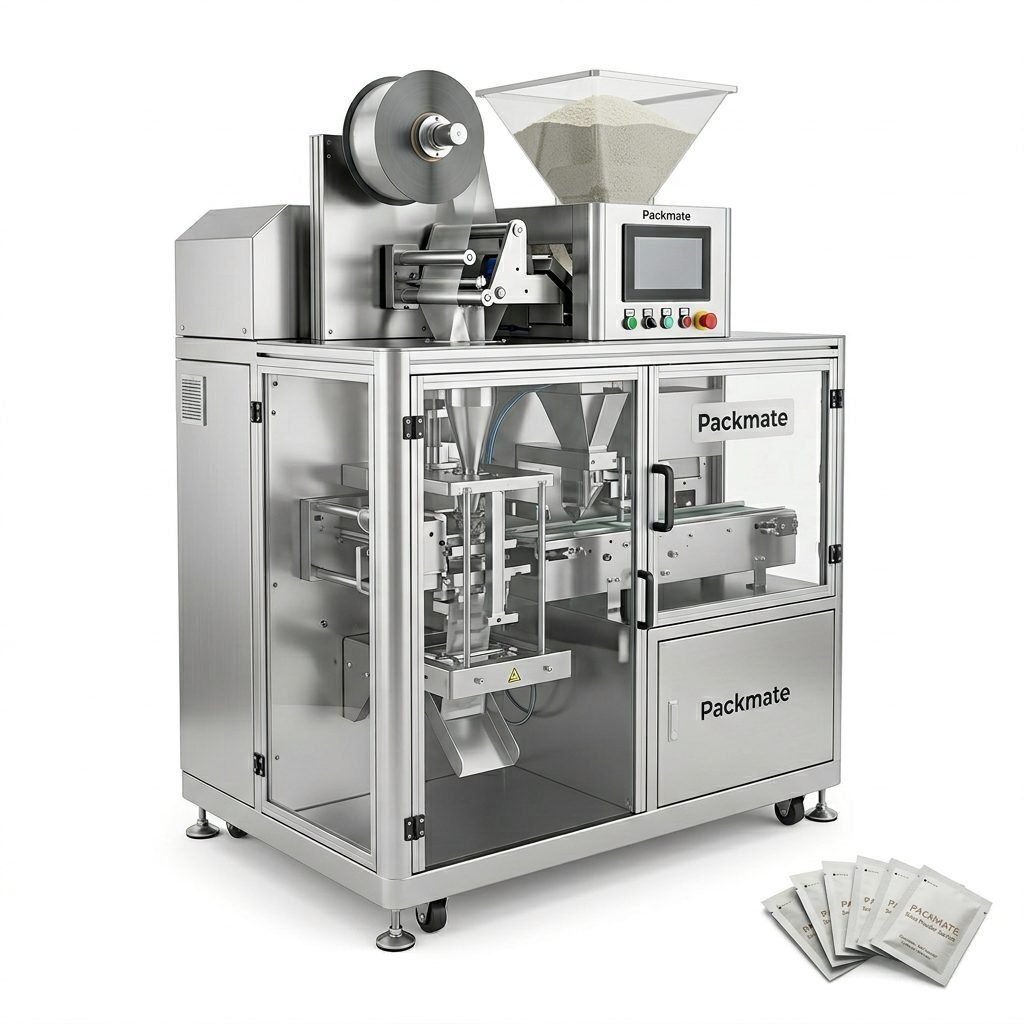
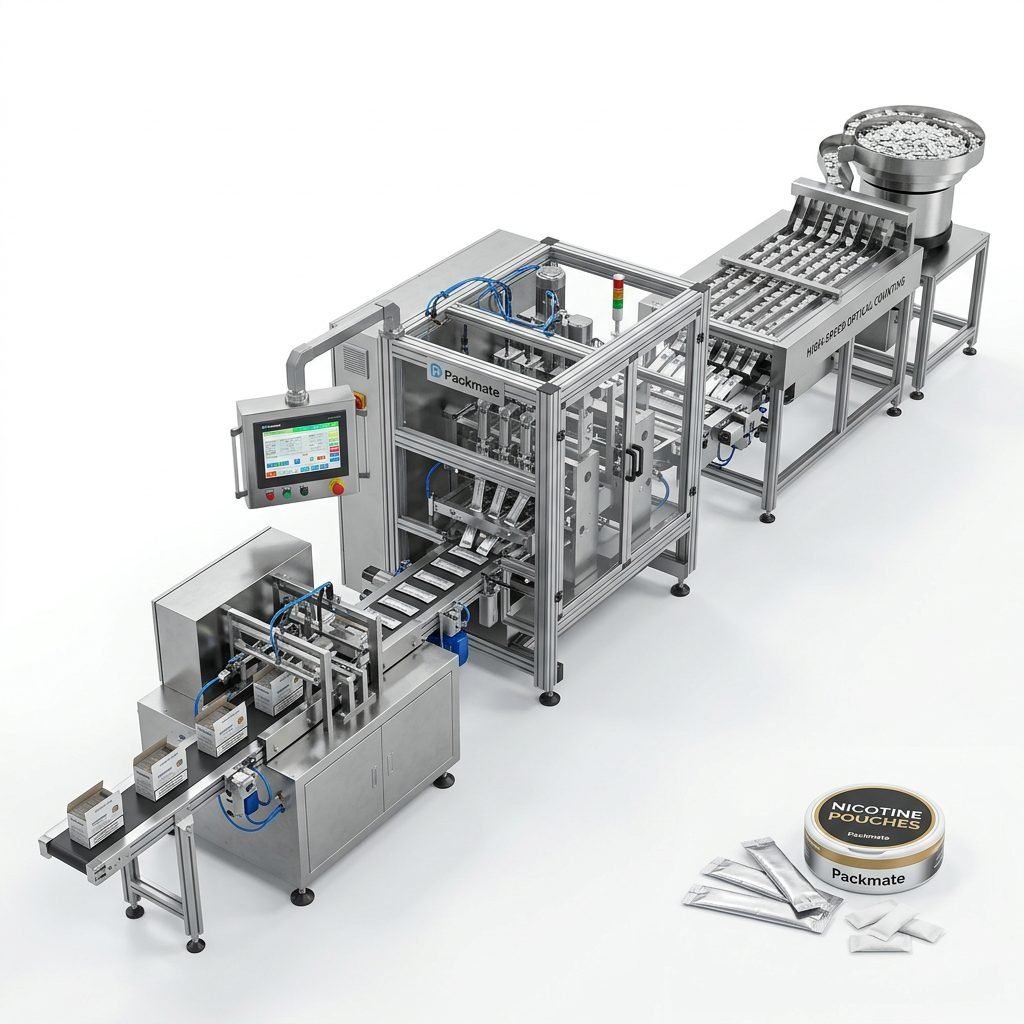
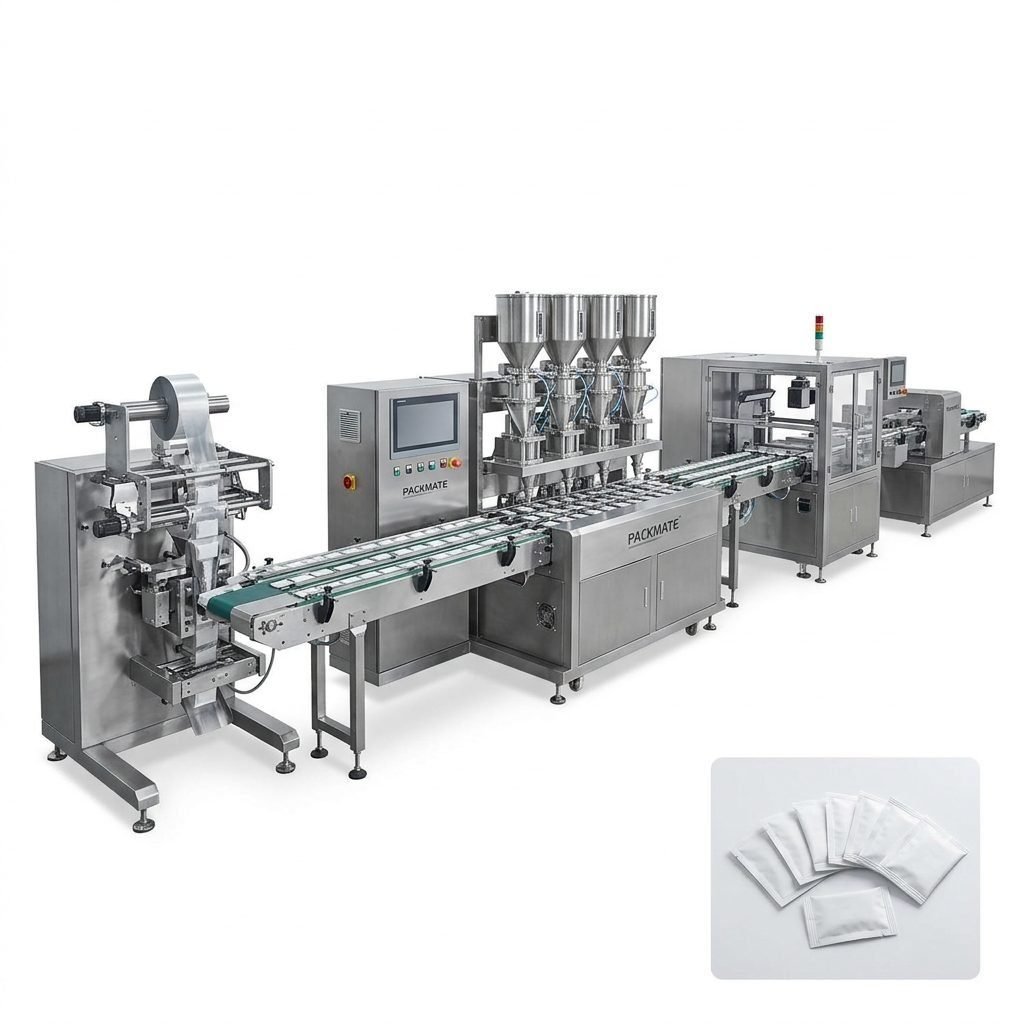
Selecting packaging equipment hinges on technical suitability. Nicotine pouch and snus packaging machines come in stick pack, sachet, and multi-lane systems that handle powders, granules and small-dose pouches. Match machine capabilities to your intended product formats and production targets.
Tip: When planning capacity, prioritize machines that offer modular expansion and multi-lane options. This flexibility reduces capital risk as demand grows.
Performance and Capacity
Evaluate typical output rates (pouches per minute) for real-world operating conditions rather than ideal lab figures. Multi-lane configurations from reputable manufacturers can deliver high throughput for small-dose nicotine pouches, but make sure the supplier provides performance data for similar products.
Accuracy and Dose Control
Accurate dosing is critical for nicotine products. Check the machine’s weighing or metering system and ask for test reports. If the supplier integrates weighing and packaging lines, request references to their weighing & packaging systems to confirm consistency.
Quality, Reliability and Manufacturing Strength
Mechanical durability and stable performance are non-negotiable. Look for manufacturers with strong factory capability, precision assembly, and quality control practices.
Packmate Snus Machine, for example, emphasizes decades of engineering experience and a 20,000㎡ facility with advanced CNC centers and precision assembly — features that are important when assessing long-term reliability and spare parts availability.
Checklist: Factory size, CNC capabilities, number of models offered (50+ is a strong sign), and certification evidence such as CE/ISO.
Service, Spare Parts and Local Support in Bolivia
After-sales service is frequently the deciding factor. Consider lead time for spare parts, remote support capabilities, on-site commissioning, and availability of local partners.
Strong suppliers provide structured service packages, training, and extended warranties. If the supplier travels to Bolivia for commissioning and training, confirm travel timelines and who pays customs duties for replacement parts.
Remote diagnostics and spare parts
Ensure the machine has remote diagnostic interfaces and that the supplier can ship spare parts quickly. Suppliers with global turnkey experience often maintain standardized parts lists and rapid logistics systems.
Supplier Reputation and Case Studies
Review case studies and exhibition participation to verify a supplier’s global footprint. Manufacturers who demonstrate their machines at international events and publish real-world case studies are generally more transparent about performance.
Visit the supplier’s case pages and exhibition records to see comparable installations. For instance, viewing Packmate’s case examples and exhibition history can help a buyer in Bolivia visualize machine operation and expected factory layout.
Useful resources: Case, Our Exhibition
Price vs Total Cost of Ownership (TCO)
Avoid focusing solely on machine price. Calculate TCO, which includes maintenance, spare parts, energy consumption, expected uptime, and operator training. A higher upfront cost can be justified by lower downtime and better long-term support.
Remember: Ask for a detailed quote with itemized costs for installation, training, spare parts kits, and warranty terms.
Customization and Flexibility
Nicotine pouch formats evolve quickly. Suppliers who offer modular designs, easy format changeovers, and support for custom packaging sizes reduce future reinvestment needs. If your product line might expand into sachets, stick packs, or different pouch sizes, choose a supplier with multi-format experience.
Explore supplier product lines such as their Snus & Nicotine Packaging Machines and Bag & Pouch Packaging Machines for scope and cross-compatibility.
See: Snus & Nicotine Packaging Machines, Bag & Pouch Packaging Machines
Factory Acceptance Test (FAT) and Site Acceptance Test (SAT)
Always request a documented FAT where the supplier demonstrates the machine with your product or a representative formula. Review performance metrics, tolerance levels, and changeover times. For international purchases, insist on recorded FAT sessions (video) and detailed test reports.
The SAT must verify installation, safety compliance, and production acceptance once the machine reaches your Bolivian site. Clarify who bears shipping, customs, and on-site support costs during SAT.
Logistics: Shipping, Customs, and Local Installation
Shipping heavy machinery to Bolivia requires attention to freight choices, port handling, and customs clearance. Ask your supplier for EXW, FOB, CIF options and for their experience shipping to Bolivia.
Preferred suppliers will coordinate with local agents, provide packing lists in Spanish, and prepare documentation to minimize customs delays. Clarify incoterms and who provides import licenses or local representatives if needed.
Payment Terms and Contract Clarity
Protect your investment with clear contracts that specify delivery timelines, acceptance criteria, warranty coverage, spare parts supply, training, and penalties for missed milestones. For cross-border deals, secure bank instruments or escrow services to balance trust.
Consider staged payments tied to milestones such as prototype approval, FAT, shipment, and SAT completion. Require an inclusive parts list and expected lead times for critical spares.
Cultural Tips for Doing Business in Bolivia
Personal relationships and trust play important roles in Bolivian business culture. Both Spanish communication and timely follow-ups are expected. Face-to-face meetings (or video calls) are valued for negotiating technical details. Demonstrate commitment by providing Spanish-language contracts and responsive local communication.
Quick cultural checklist:
► Use clear Spanish in documentation and training.
► Respect local schedules and regional holidays.
► Provide transparent timelines and regular project updates.
How to Evaluate a Supplier: Practical Scoring Template
Use a weighted scoring method to compare suppliers. Consider criteria such as technical fit, factory strength, warranty & parts, local support, compliance documentation, and price. Assign weights that reflect your priorities — e.g., service & parts (30%), technical fit (25%), certifications (15%), price (15%), logistics & lead time (15%).
Action: Request at least two live references in similar industries and ask for production data under comparable conditions.
Why Packmate Could Be a Strong Option
Packmate Snus Machine has decades of engineering history, a wide product portfolio (50+ machine models), and robust factory capability with advanced CNC and assembly systems. Their experience with snus and nicotine pouch lines, multi-lane systems, and turnkey packaging solutions is directly relevant to Bolivian buyers seeking reliable, scalable production equipment.
Learn more about Packmate’s product lines and support services: About Packmate, Service, Contact Us
Final Checklist Before You Sign
– Written FAT and SAT plans in Spanish.
– Clear warranty and spare parts lead times.
– Documented remote support and training options.
– Detailed costing including installation and customs handling.
– References from similar projects and verified performance metrics.
Quick Decision Flow
1) Define product formats and required throughput.
2) Shortlist 3–5 vendors and request FAT demonstrations.
3) Compare TCO, service agreements, and logistics.
4) Negotiate milestone-based payments and clear acceptance tests.
5) Schedule SAT and local operator training before final acceptance.
Conclusion
Selecting the best nicotine packaging machine supplier in Bolivia is a multifaceted decision that combines technical fit, regulatory compliance, manufacturing strength, and reliable after-sales support. By focusing on FAT/SAT transparency, spare parts accessibility, local communication in Spanish, and a supplier’s proven case history, Bolivian buyers can minimize risk and accelerate production start-up.
Frequently Asked Questions
Q1: What certifications should I ask for when buying a nicotine packaging machine?
A1: Request CE and ISO certifications at minimum, plus detailed electrical and safety documentation. Ask for any export-specific compliance certifications the supplier can provide.
Q2: How important is FAT and can it be done remotely?
A2: FAT is crucial. Remote FAT via live video is acceptable if the supplier provides full test data, recordings, and independent witnesses; however, an on-site SAT is still recommended after shipment.
Q3: How quickly can I expect spare parts to arrive in Bolivia?
A3: Lead times vary by supplier and part. Top suppliers maintain spare kits and predictable logistics; ask for guaranteed lead times in the contract and consider stocking critical parts locally.
Q4: Should I prioritize machine price or long-term support?
A4: Prioritize total cost of ownership. Lower upfront cost can mean higher downtime and parts expenses; choose a supplier with proven support, clear parts supply, and transparent TCO data.
Q5: Where can I see real examples of snus or nicotine pouch lines?
A5: Review supplier case studies and exhibition demos. Visit case pages and product sections such as Snus & Nicotine Packaging Machines to assess real installations and demo videos.