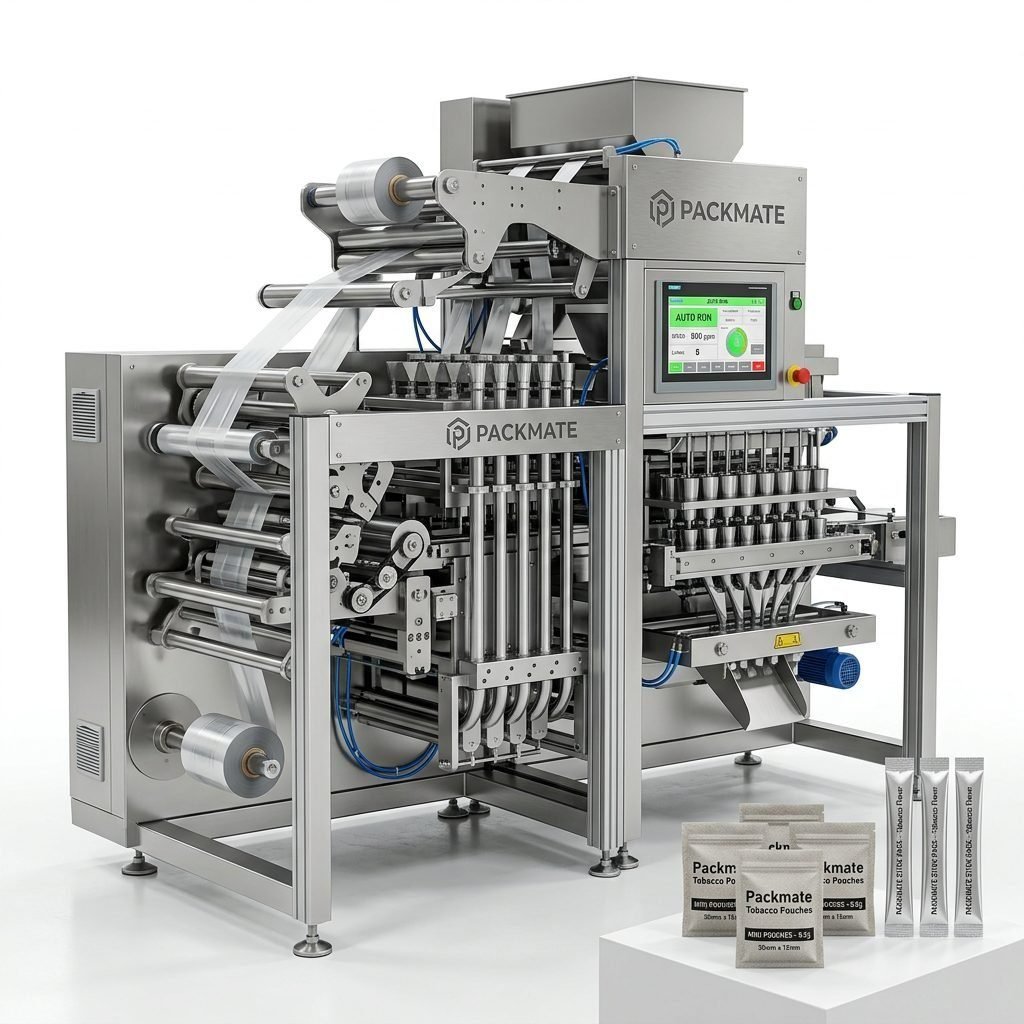
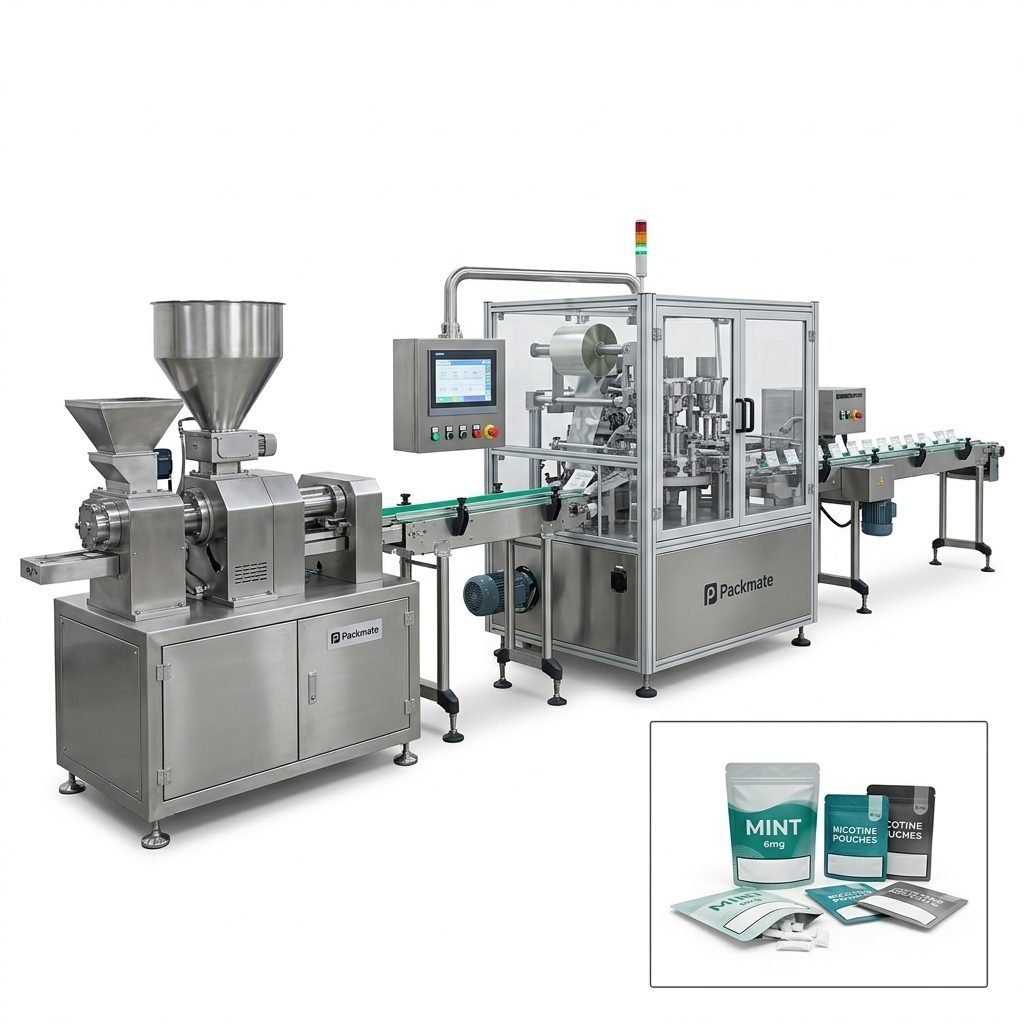
Choosing the right snus packaging machinery manufacturer for operations in Senegal requires a careful blend of technical evaluation, local market awareness, and long-term service planning. Whether you’re launching a nicotine pouch line, expanding a sachet offering, or seeking multi-lane systems for small-dose pouches, the decision you make today shapes production stability, regulatory compliance, and return on investment. This guide walks you through practical steps and local considerations to help you select the best partner for your production needs.
Understand Your Product and Production Targets 🔍
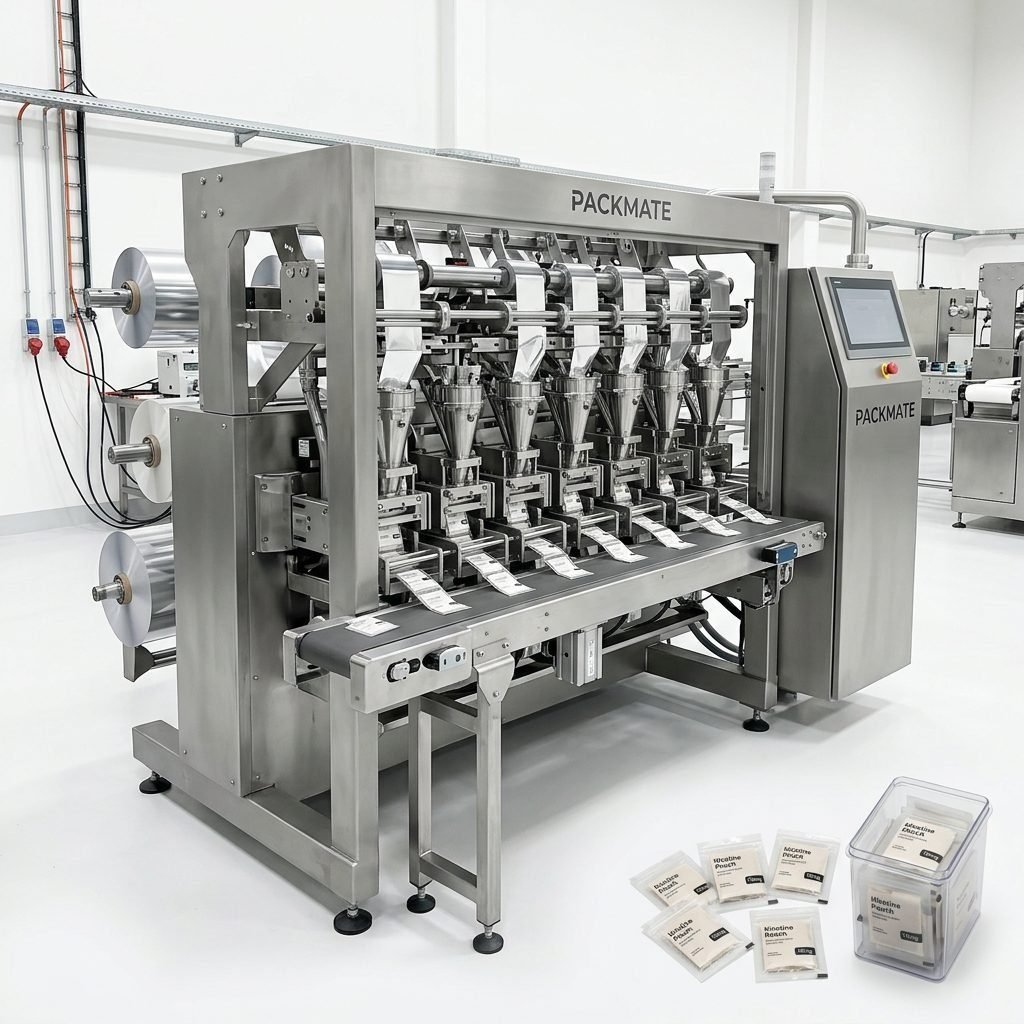
Before evaluating manufacturers, define what you will pack: traditional snus, nicotine pouches, or other chewable products. Key specs include pouch size, fill weight, moisture sensitivity, and desired output (units per minute and shifts per day). If your product is a small-dose nicotine pouch, prioritize multi-lane high-precision systems that minimize variation and increase throughput without compromising dose accuracy.
Capacity and Scalability
Plan for near-term and medium-term capacity needs. A manufacturer should offer machines that scale from pilot lines to full production, or modular solutions where lanes or modules can be added. Ask for performance curves, start-up ramp timelines, and examples of lines with similar capacities in operation.
Technical Capabilities and Product Range ⚙️
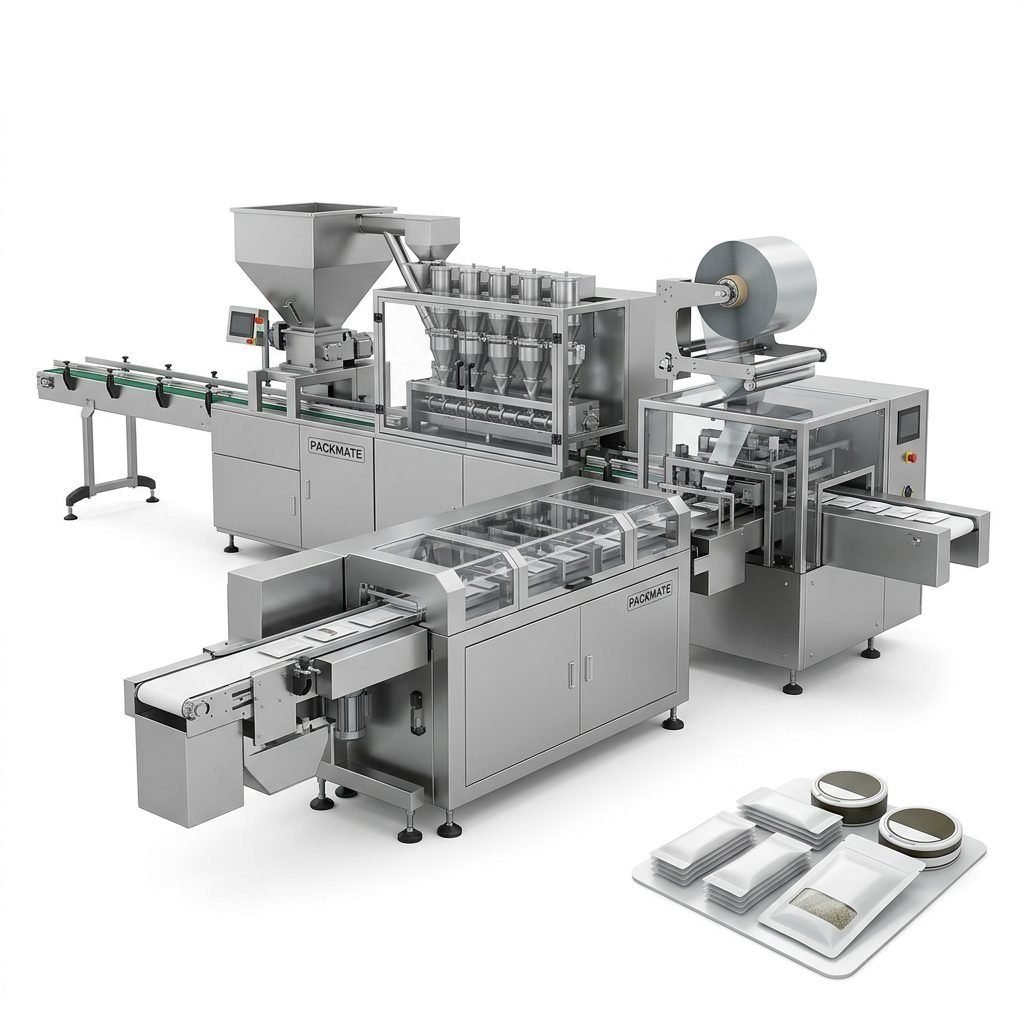
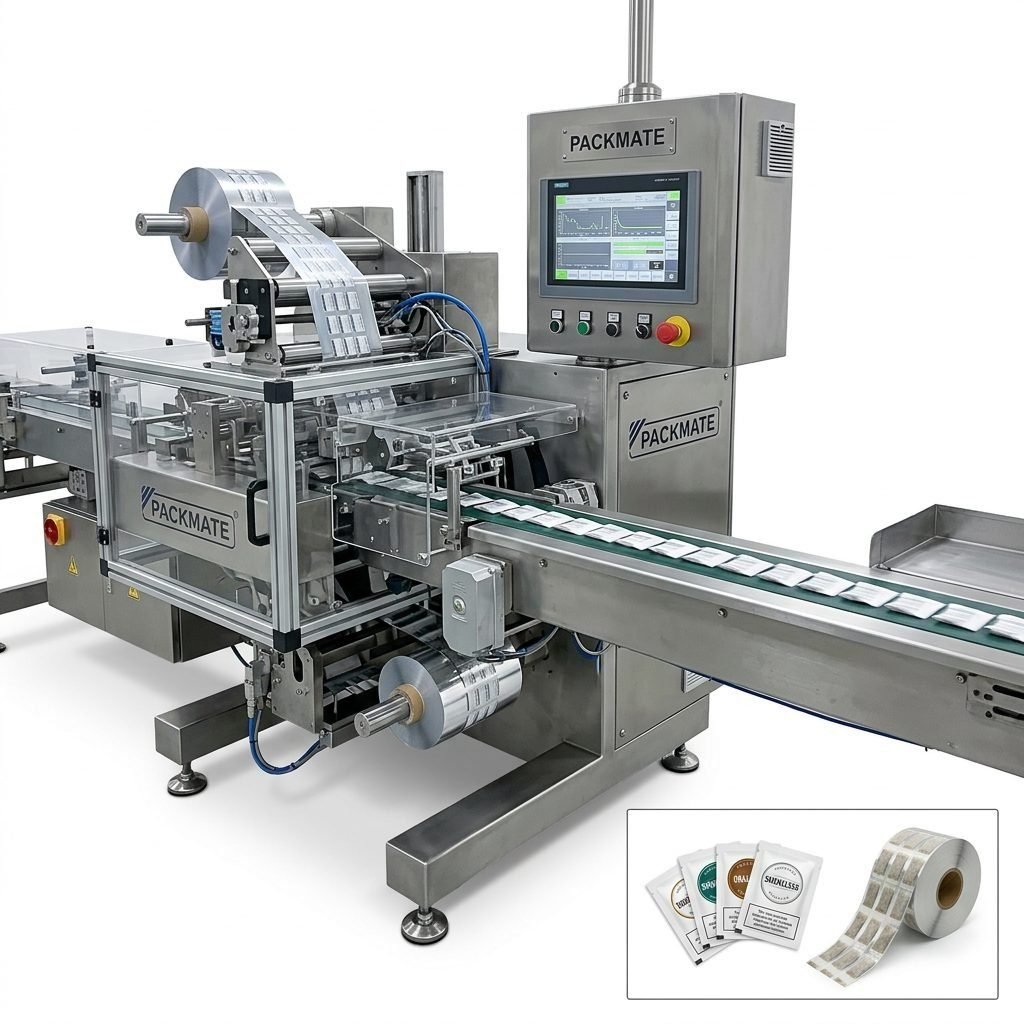
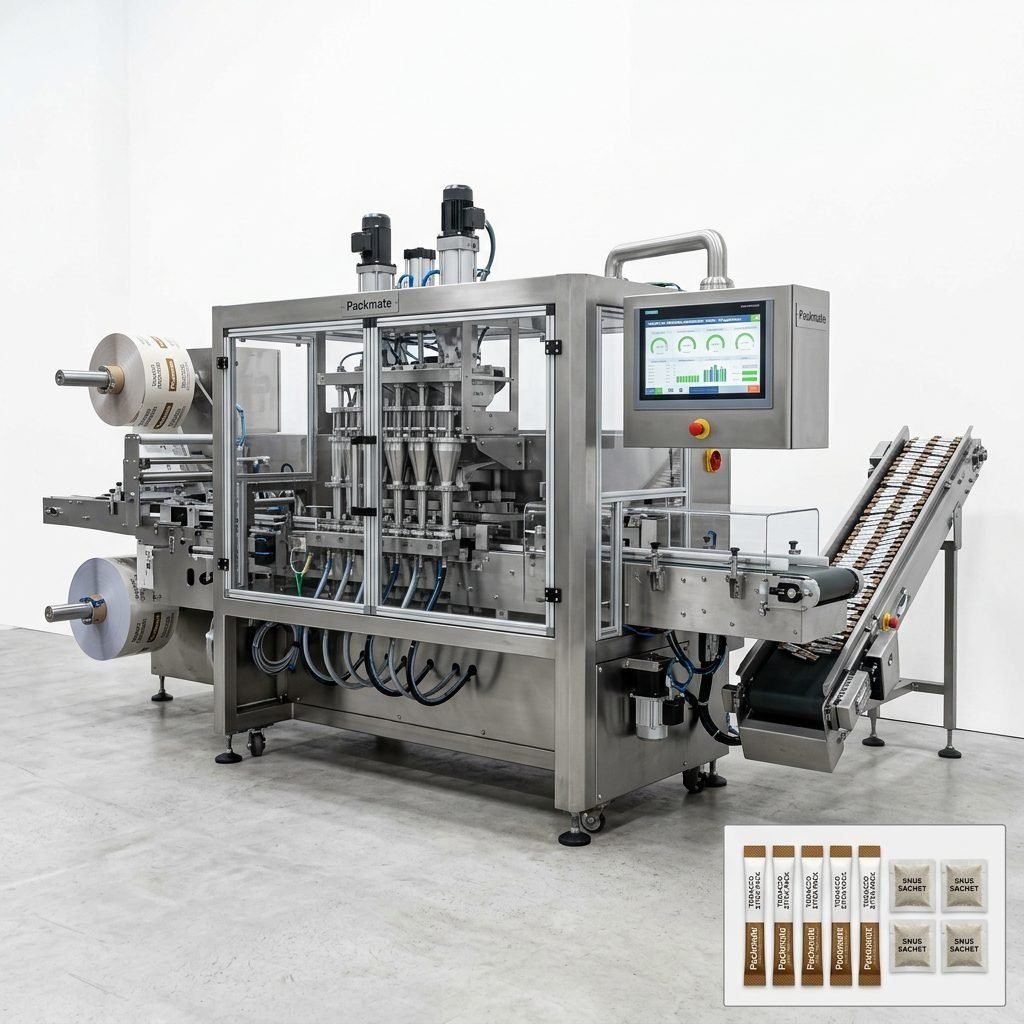
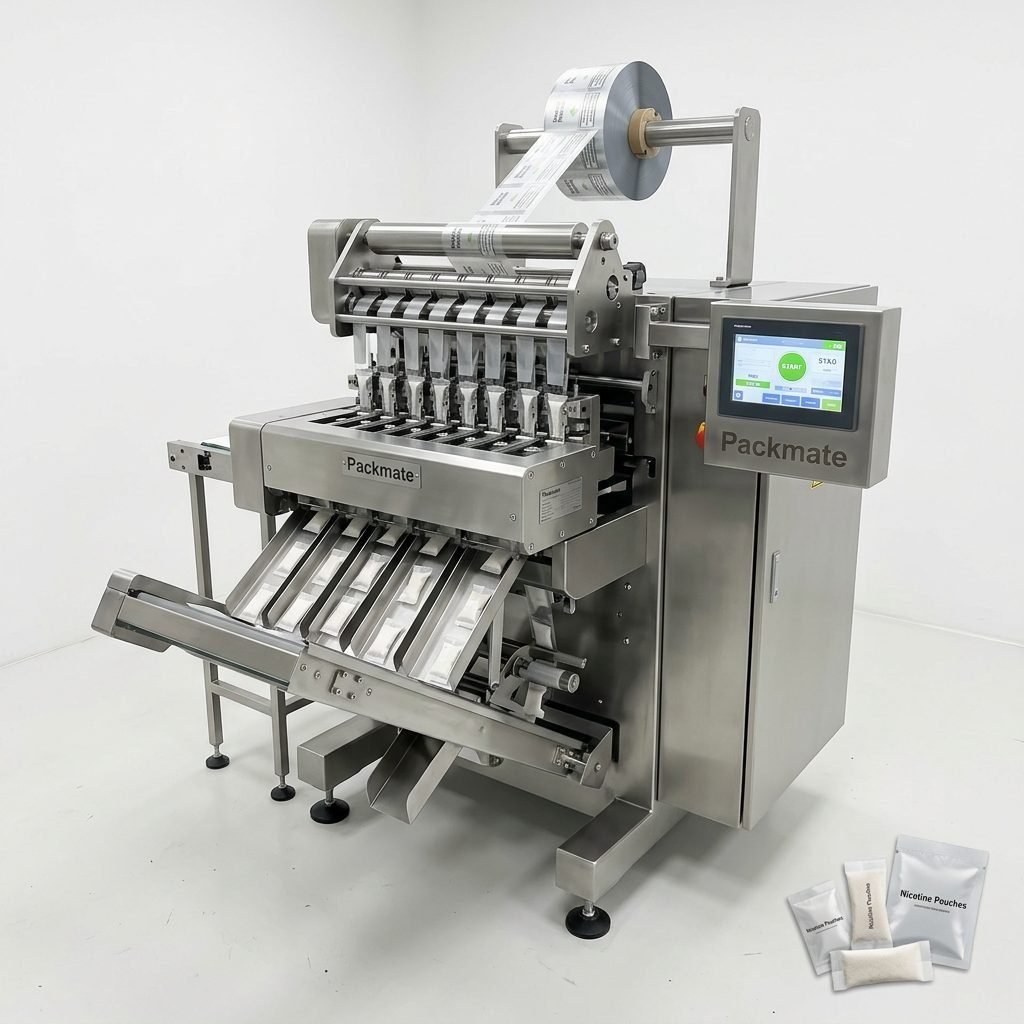
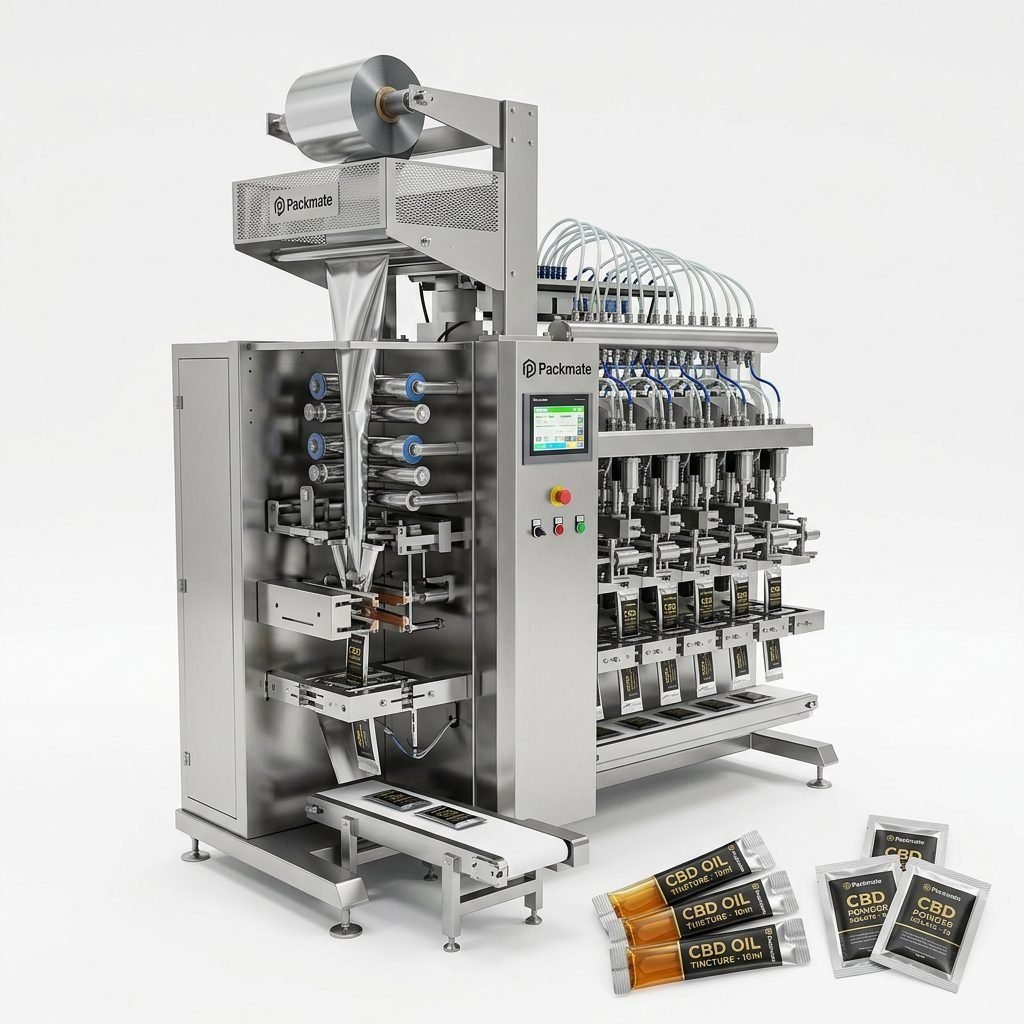
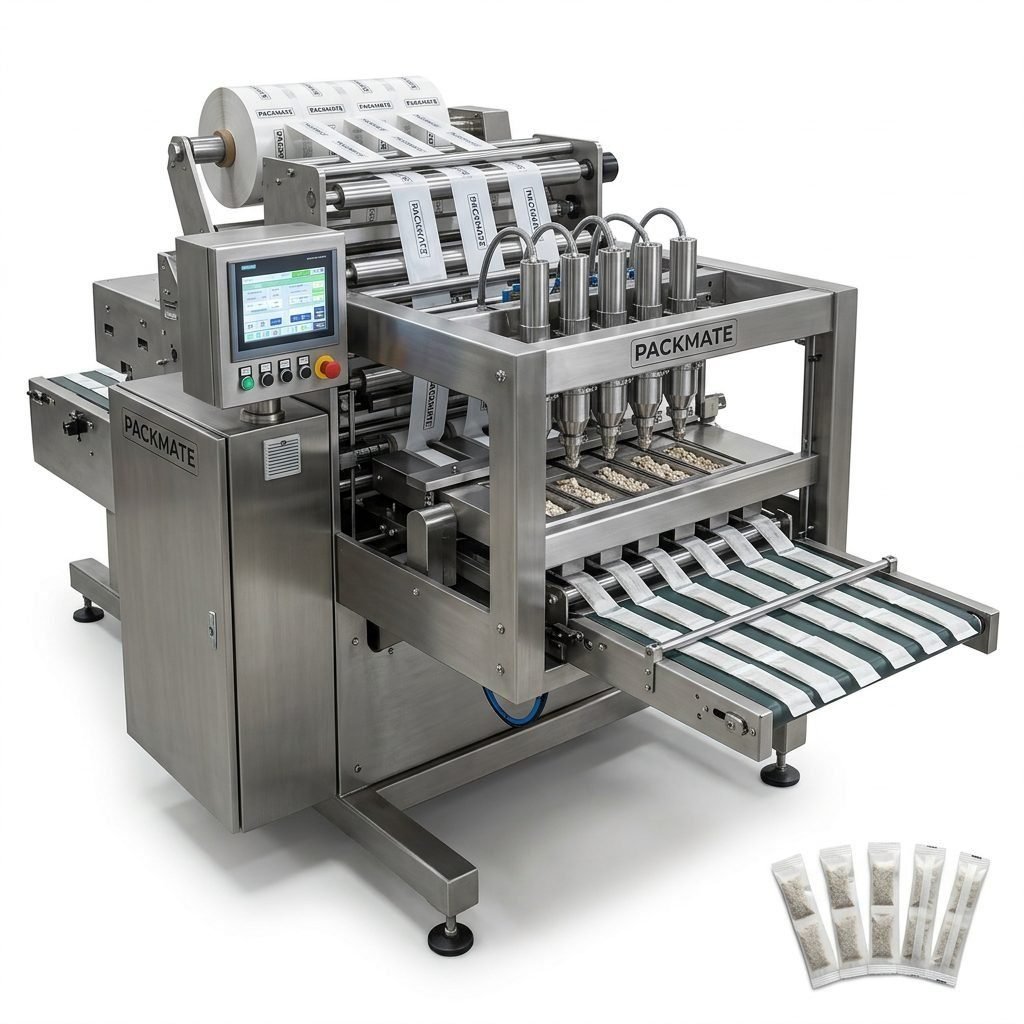
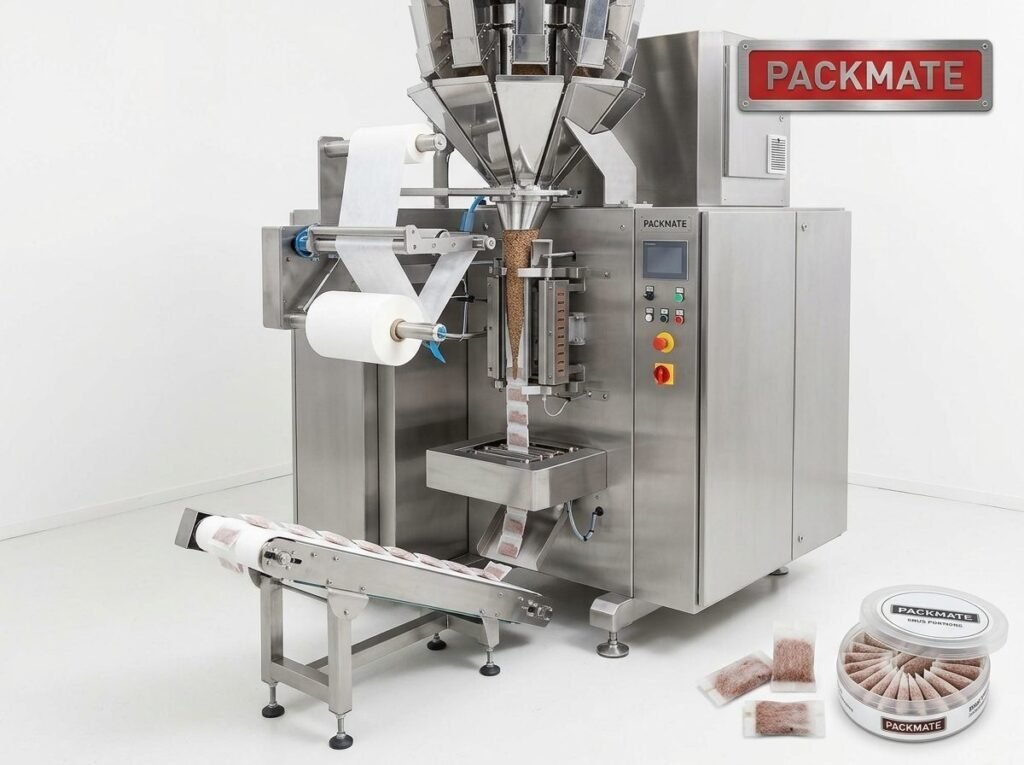
Evaluate the manufacturer’s technical portfolio. A strong supplier will supply a diverse range of machines — stick packs, sachet systems, multi-lane snus/nicotine pouch machines, and supporting filling/weighing lines. For reference, look at dedicated product categories such as Snus & Nicotine Packaging Machines and Bag & Pouch Packaging Machines. Manufacturers with 30+ years of engineering experience and a broad model range are generally better positioned to recommend and customize systems that match specific product characteristics.
Precision and Tolerance Requirements
Nicotine content and weight tolerance are regulated and critical to product safety. Request technical specifications on dosing accuracy, reject rates, and quality control integration (metal detection, weight checks, vision inspection). Machines with advanced CNC-built parts and precision assemblies typically achieve tighter tolerances and longer service life.
Key technical checklist: dosing accuracy, multi-lane synchronization, servo controls, PLC standards, material contact surfaces (SUS316 for hygroscopic products), and CIP-friendly designs where applicable.
Certifications, Compliance, and Quality Control ✅
Ensure your chosen manufacturer adheres to international standards such as CE and ISO and can provide documentation for compliance. For export into Senegal, clear machine certificates, electrical and safety documentation, and installation qualification (IQ/OQ) support are essential. Suppliers with documented quality systems and third-party certifications reduce risk in commissioning and regulatory audits.
After-sales Support, Spare Parts, and Local Service
A strong local service strategy is critical in West Africa where lead times for spare parts can be long. Ask potential manufacturers about:
– On-site commissioning and operator training plans. Hands-on training reduces downtime and ensures consistent product quality.
– Spare parts supply chain: Are spare kits stocked centrally? Can parts be shipped from a nearby hub? What are typical lead times?
– Remote diagnostics and software updates: Modern lines allow diagnostic checks and firmware updates remotely, shortening troubleshooting times.
Local Partnerships and Field Service in Senegal
Because Senegal has a tropical climate and specific logistical routes (Port of Dakar is the main import hub), prioritize manufacturers who either have local agents, regional spare parts centers, or established logistics partners able to expedite customs and transport. A partner familiar with French-language documentation and local business practices will significantly speed up installation and compliance procedures.
Cultural & Regulatory Considerations in Senegal
Senegal is a predominantly Muslim country with distinct cultural norms. While tobacco consumption exists, you should approach market positioning and packaging sensitively. Labeling in French (official language) is essential; adding Wolof translations can enhance consumer understanding and market acceptance in local channels. Work with manufacturers who can adapt labeling stations and printing modules to apply multilingual artwork and regulatory text.
Import regulations, taxation, and public health directives may affect product launch timing. Engage local legal counsel or an importer experienced with nicotine products to navigate customs classification and duties. Manufacturers experienced in global exports can provide documentation to facilitate customs clearance.
Factory Visits, References, and Case Studies 📁
Nothing replaces an on-site audit. Request factory tours (virtual or in-person), machine demonstrations, and customer references in similar markets. Review case studies that demonstrate performance under similar humidity and production regimes — for example, suppliers who list industry cases or exhibitions make transparency easier. Visit their case page or exhibition history to confirm track records: Case and Our Exhibition.
Factory and Manufacturing Strength
Evaluate manufacturing scale and capabilities — modern CNC machining centers, precision assembly, and QA testing labs are indicators of a reliable supplier. A 20,000㎡ facility with advanced assembly lines often correlates with consistent build quality and shorter lead times for custom components.
Customization, Flexibility and Turnkey Solutions
Choose manufacturers that offer modular turnkey lines and can adapt to unique packaging formats. If you require integrated weighing, dosing, or vacuum systems, look for vendors who provide full solutions such as combined filling & packaging lines and auxiliary equipment — this reduces integration risk and optimizes line layout.
Good suppliers will also offer engineering support for factory layout, cleanroom or humidity-control solutions, and utility requirements. For a seamless commissioning, confirm electrical standards, compressed air needs, and foundation or anchoring details in advance.
Total Cost of Ownership and Return on Investment (ROI)
Beyond initial purchase price, calculate installation, training, spare parts inventory, downtime costs, and energy consumption. High-quality machines may have a higher upfront cost but deliver lower reject rates, reduced maintenance, and longer service intervals. Request real-life operating cost examples and mean time between failures (MTBF) data to build a realistic ROI model.
Budget tip: Factor in a spare parts kit and local technician training in the initial contract — these investments often prevent costly downtime and accelerate production ramp-up.
Service Contracts, Warranties and Upgrades
Verify warranty terms, preventive maintenance schedules, and service level agreements (SLAs). Determine whether software and mechanical upgrades are included and how obsolescence is handled. Long-term relationships with manufacturers that provide scheduled maintenance and upgrade paths will protect your line as regulations and market needs evolve.
How to Vet and Finalize Your Manufacturer Selection
1. Create a weighted scorecard covering technical fit, price, lead time, certifications, local support, and references.
2. Request site acceptance tests (SAT) and a clear commissioning plan with acceptance criteria. Ensure acceptance tests include throughput, dosing accuracy, and packaging integrity under simulated local conditions.
3. Negotiate training, spare parts stocking, and an initial service visit in the purchase agreement. Ask for local-language documentation and French operation manuals for ease of use in Senegal.
Useful Manufacturer Resources
For detailed product review and comparison, consult supplier catalogs and product pages such as Filling & Packaging Lines and Weighing & Packaging Systems. If you need auxiliary equipment or consultation for a full-line integration, explore Auxiliary Packaging Equipment.
Practical Next Steps for Buyers in Senegal
1. Define product specifications and forecast demand for 12–36 months.
2. Shortlist manufacturers by technical fit and evidence of export experience to West Africa. Consider suppliers who show regional partnerships or past deliveries in similar climates.
3. Schedule demos (onsite or video) and request sample packs produced on candidate machines to evaluate seal quality and appearance.
4. Confirm logistics: port handling (Dakar), inland transport, and customs clearance. Verify that the manufacturer can provide export documentation and shipping support.
Why Choose an Experienced Snus Packaging Manufacturer?
Experienced manufacturers offer industry-specific features — such as specialized pouch forming profiles, humidity control options, and dosing technologies for low-weight nicotine pouches. They also bring a library of validated recipes and changeover procedures, reducing trial-and-error during start-up. If you prefer, reach out and ask for corporate information and service capabilities: About Packmate or contact them directly via the supplier’s contact page: Contact Us.
Final selection reminder: prioritize proven reliability, local-service readiness, and supplier transparency. These factors often outweigh the lowest bid when it comes to continuous production and regulatory compliance.
Frequently Asked Questions
Q1: What certifications should I require from a snus packaging machine supplier?
A1: Require CE and ISO compliance, machine-specific safety documentation, and export-ready electrical and conformity certificates. These ensure safety, regulatory acceptability, and international installation standards.
Q2: How do I manage spare parts and reduce downtime in Senegal?
A2: Negotiate a spare-parts starter kit with your purchase, secure a local agent or regional warehouse for critical items, and schedule operator training to handle routine maintenance.
Q3: Are multi-lane systems suitable for small-dose nicotine pouches?
A3: Yes — multi-lane systems are ideal for increasing throughput while maintaining dosing precision, provided they are designed for the small fill weights and have accurate synchronization and quality inspection.
Q4: What language should machine documentation have for operations in Senegal?
A4: French is essential for manuals and training materials; adding Wolof or other local language summaries can be helpful for floor operators.
Q5: How can I evaluate a manufacturer’s real-world performance before buying?
A5: Request SATs, factory visits or video demos, client references in similar climates, production samples, and detailed MTBF and reject-rate data.