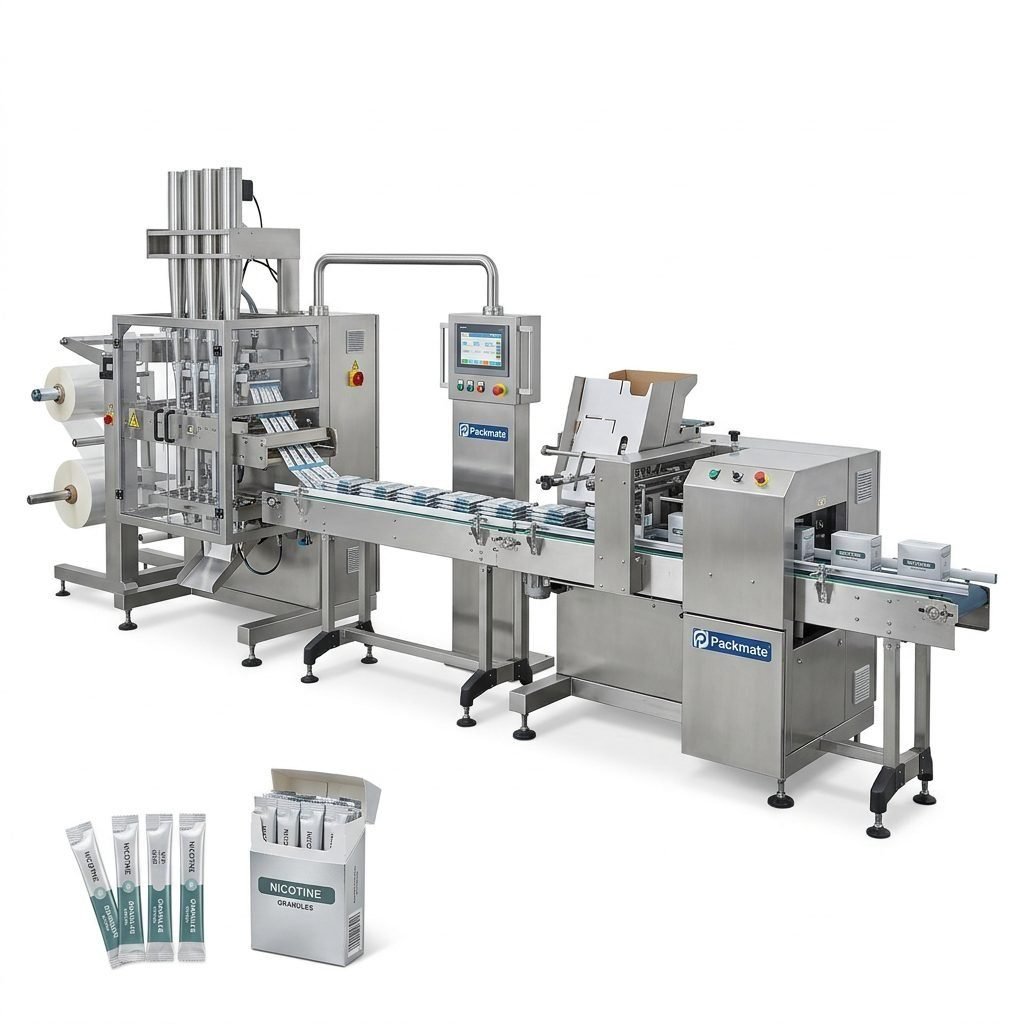
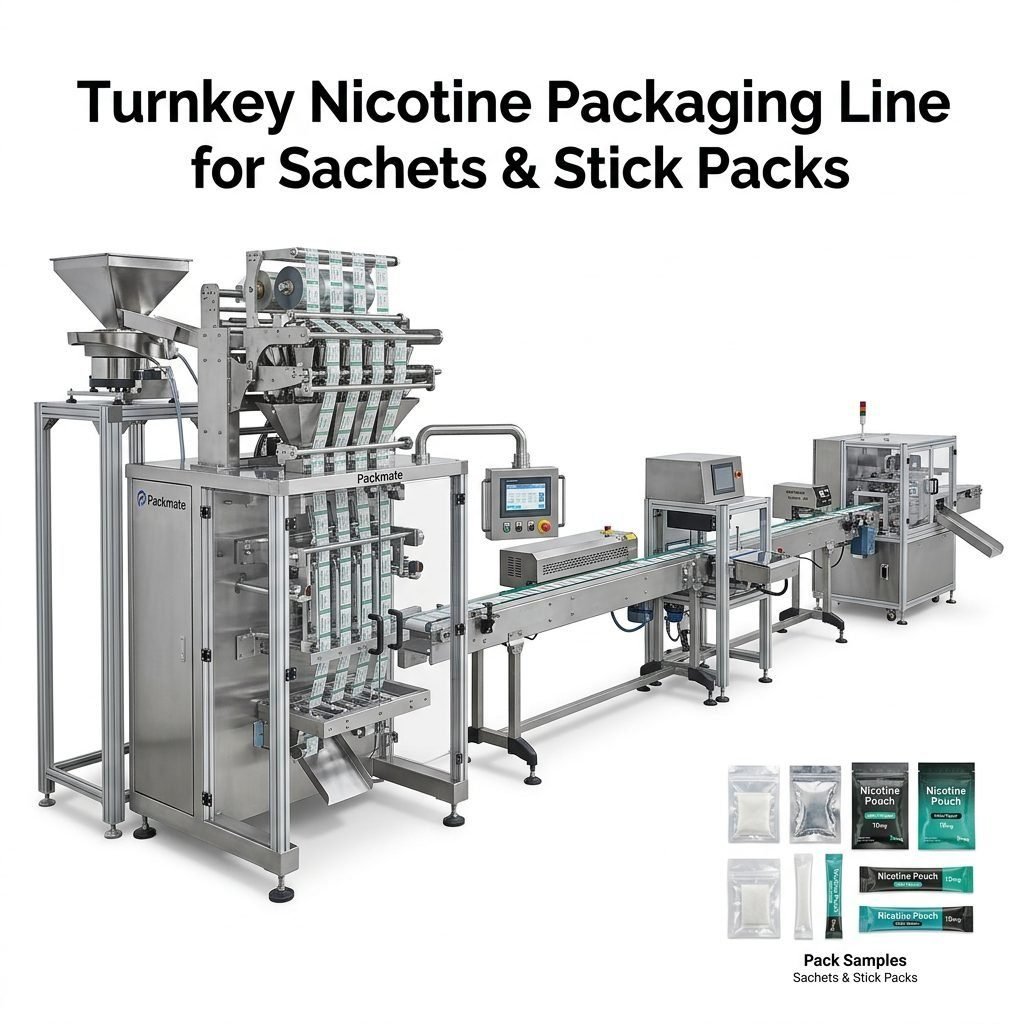
Choosing the right nicotine packaging machinery supplier is a strategic decision that affects product quality, production uptime, regulatory compliance, and long-term costs. This guide walks packaging managers, production engineers, and procurement teams through a practical evaluation framework so you can select a partner who delivers reliable performance, timely support, and continuous improvement for nicotine pouch and snus packing lines.
Understand your production profile and product requirements
Before talking to suppliers, clarify your current and forecasted production needs. Are you producing nicotine pouches, snus, stick packs, or sachets? Do you need multi-lane systems for small-dose pouches or single-lane machines for niche SKUs? The chosen supplier must support your product formats, output targets (pieces/minute), and packaging materials. A clear production profile reduces scope creep and ensures quoted machines will meet real factory demand.
Key production variables to define
✔️ Target output per shift and per line (pieces/hour or packs/minute).
✔️ Product dimensions, pouch/gusset types, and acceptable weight tolerances.
✔️ Packing materials (laminated films, paper, barrier films) and sealing requirements.
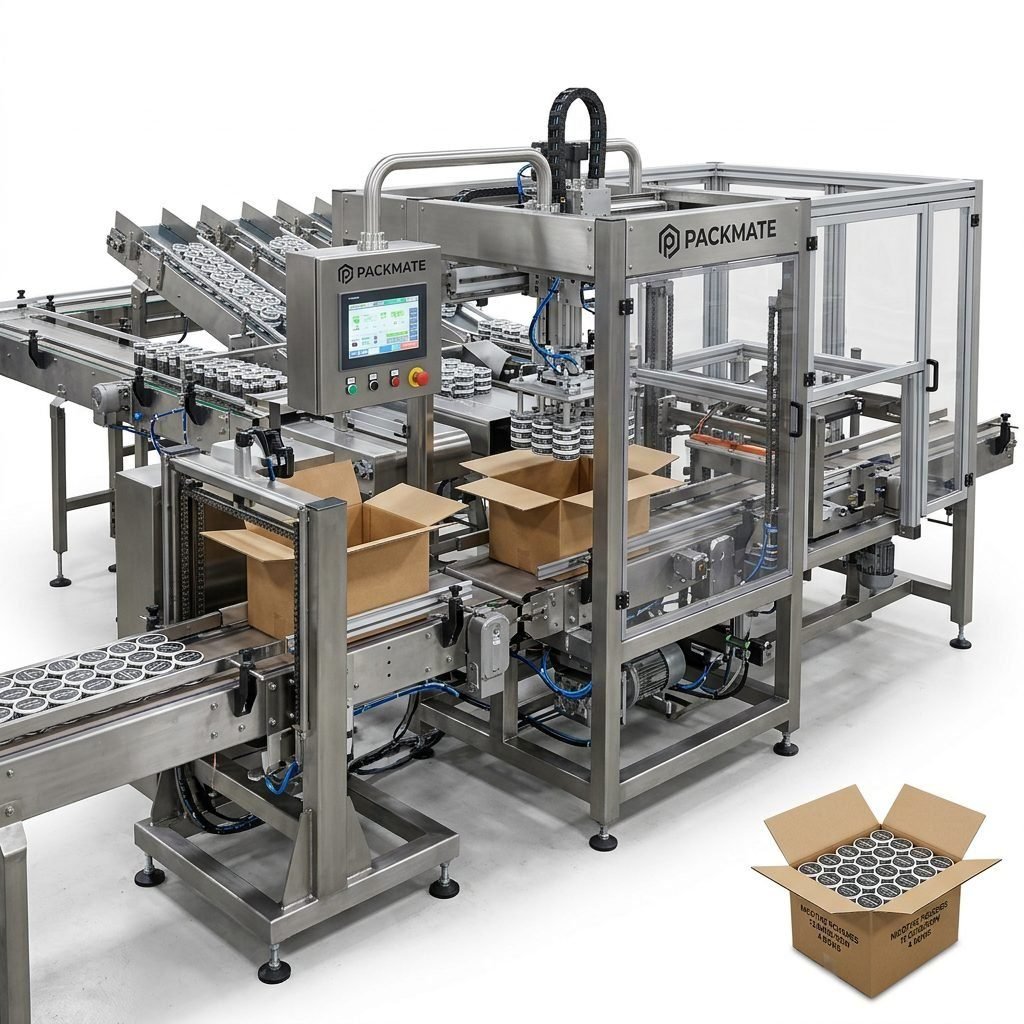
✔️ Integration needs: weighing systems, upstream filling, downstream case packing and palletizing.
Evaluate machine types and technology fit
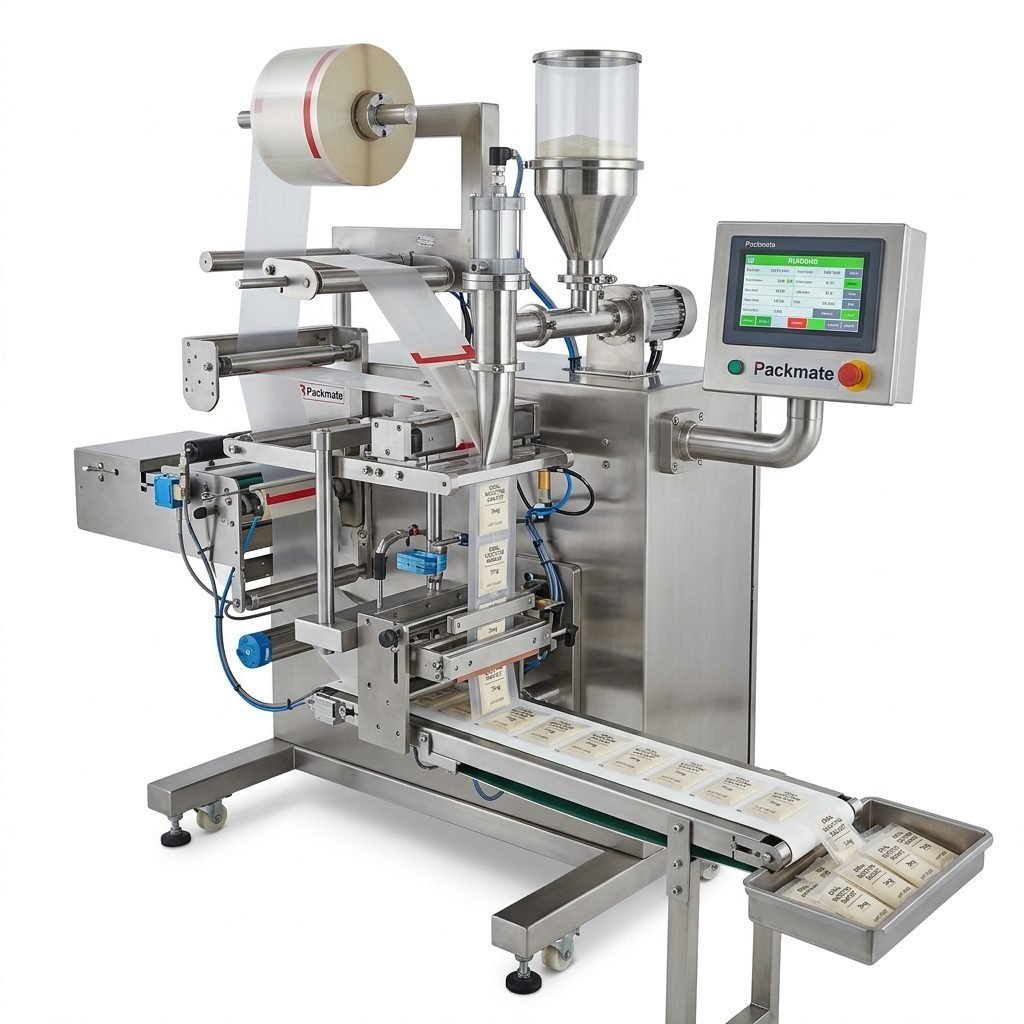
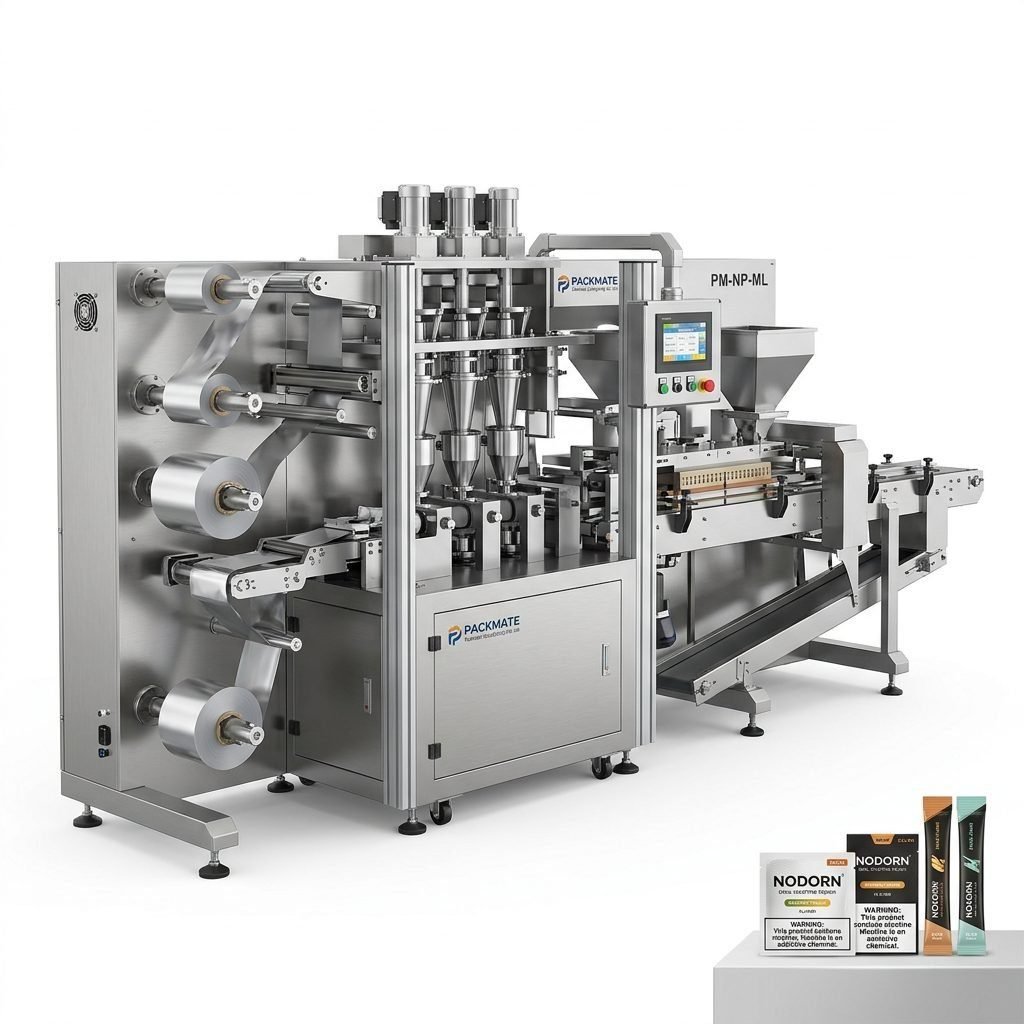
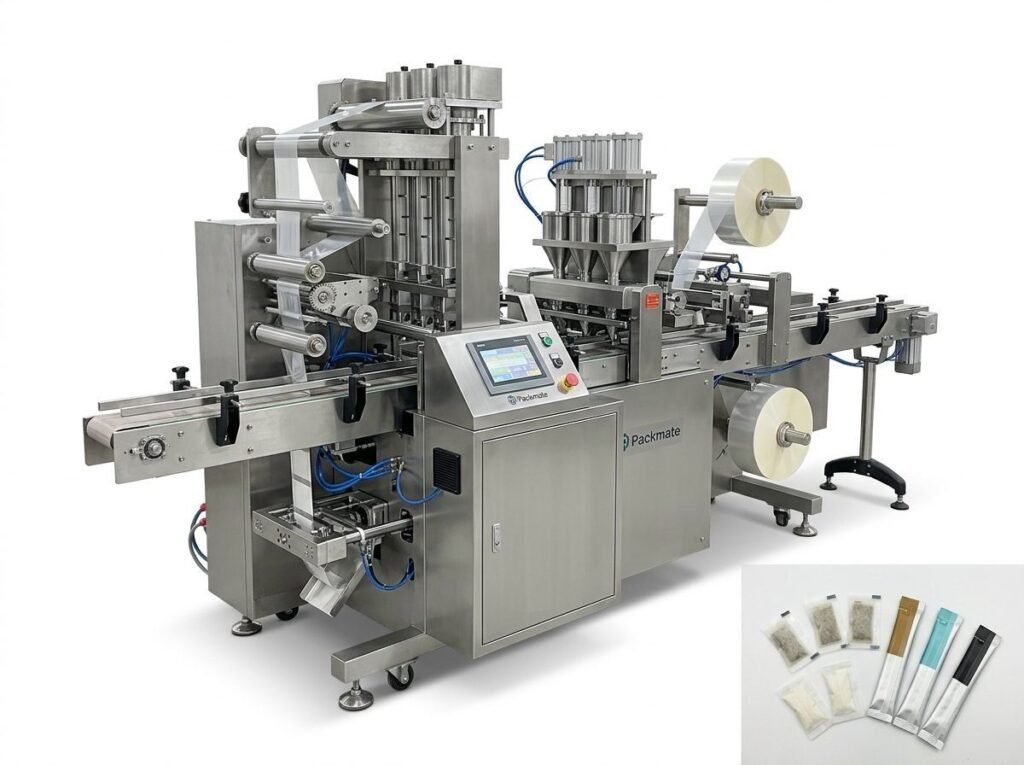
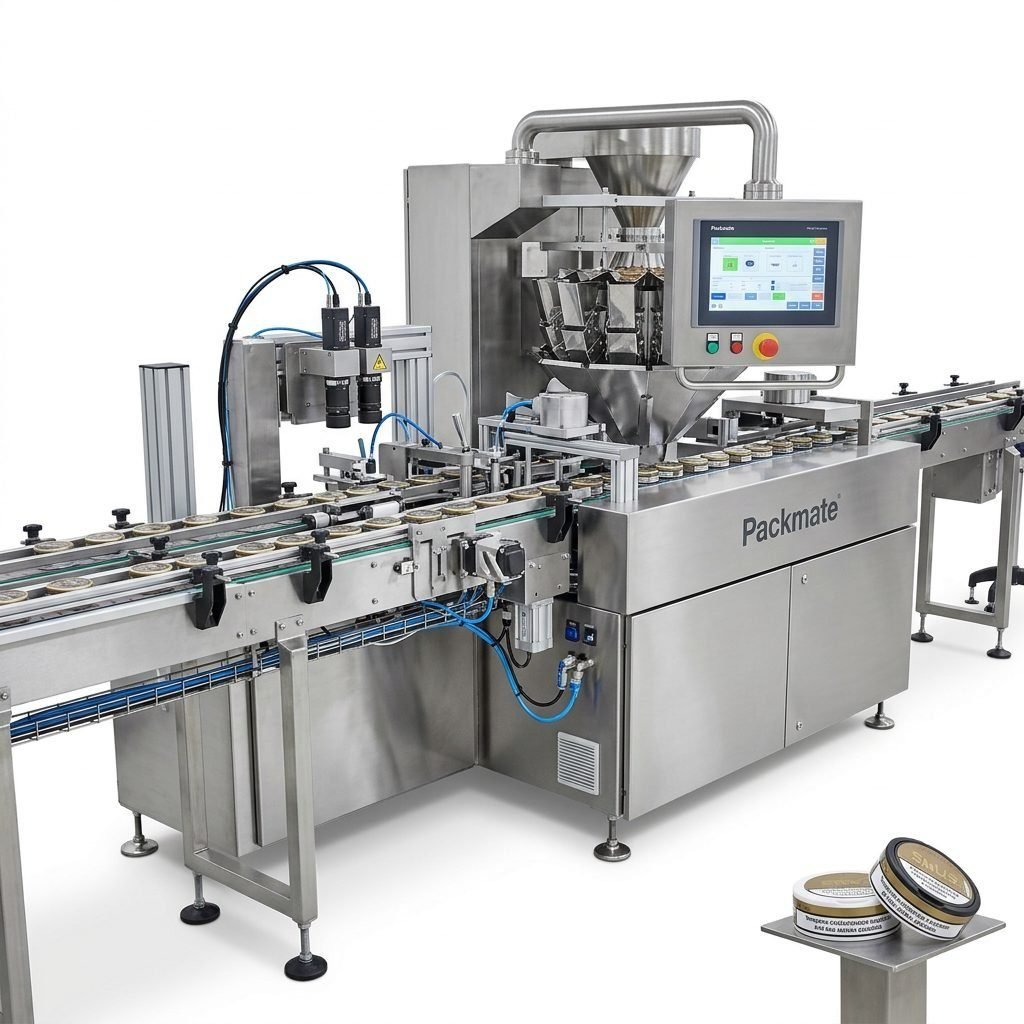
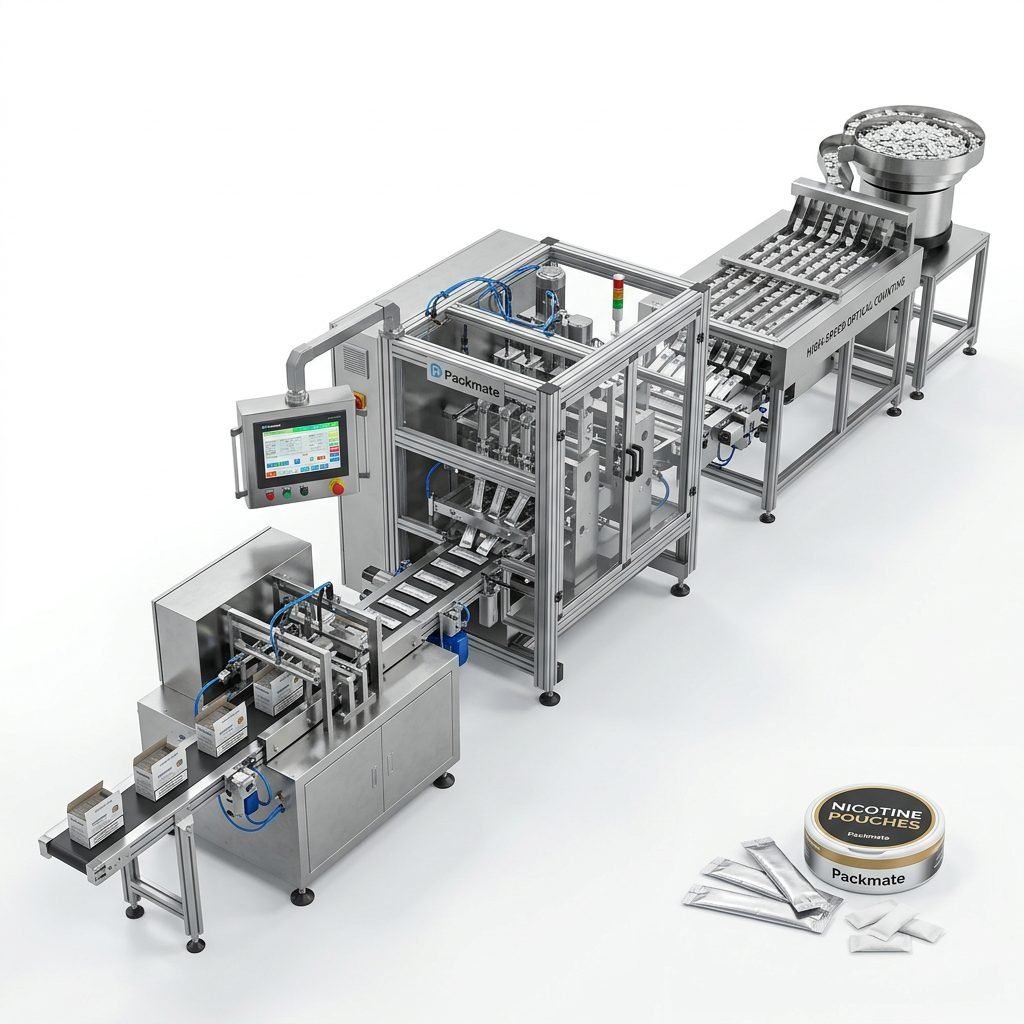
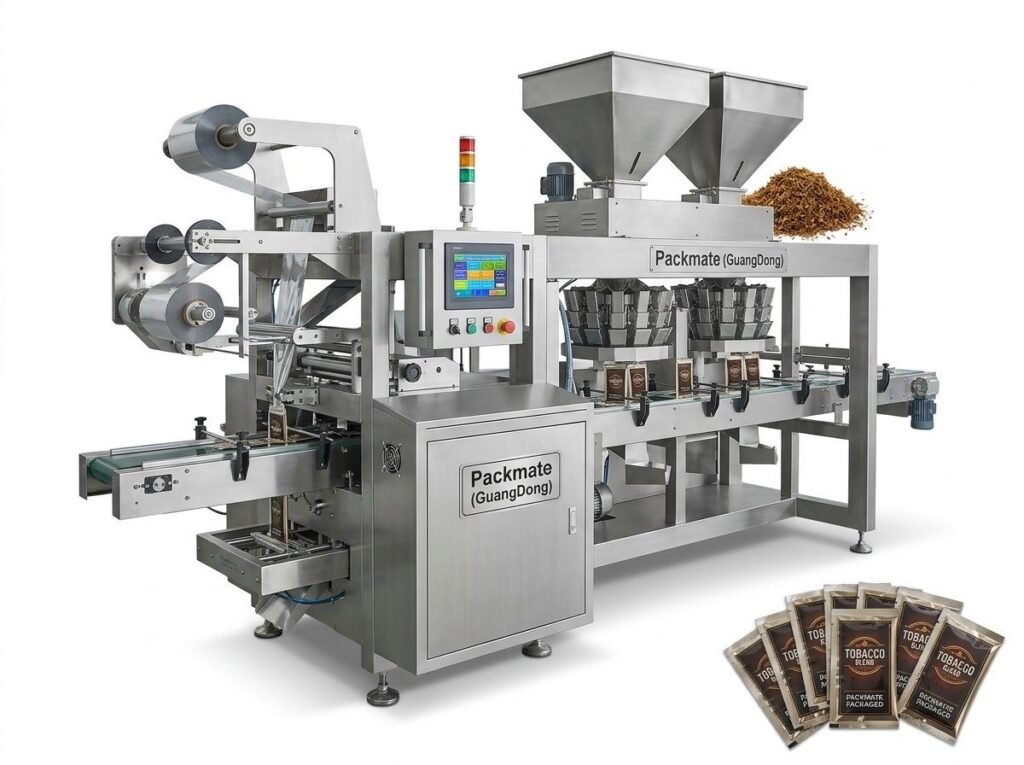
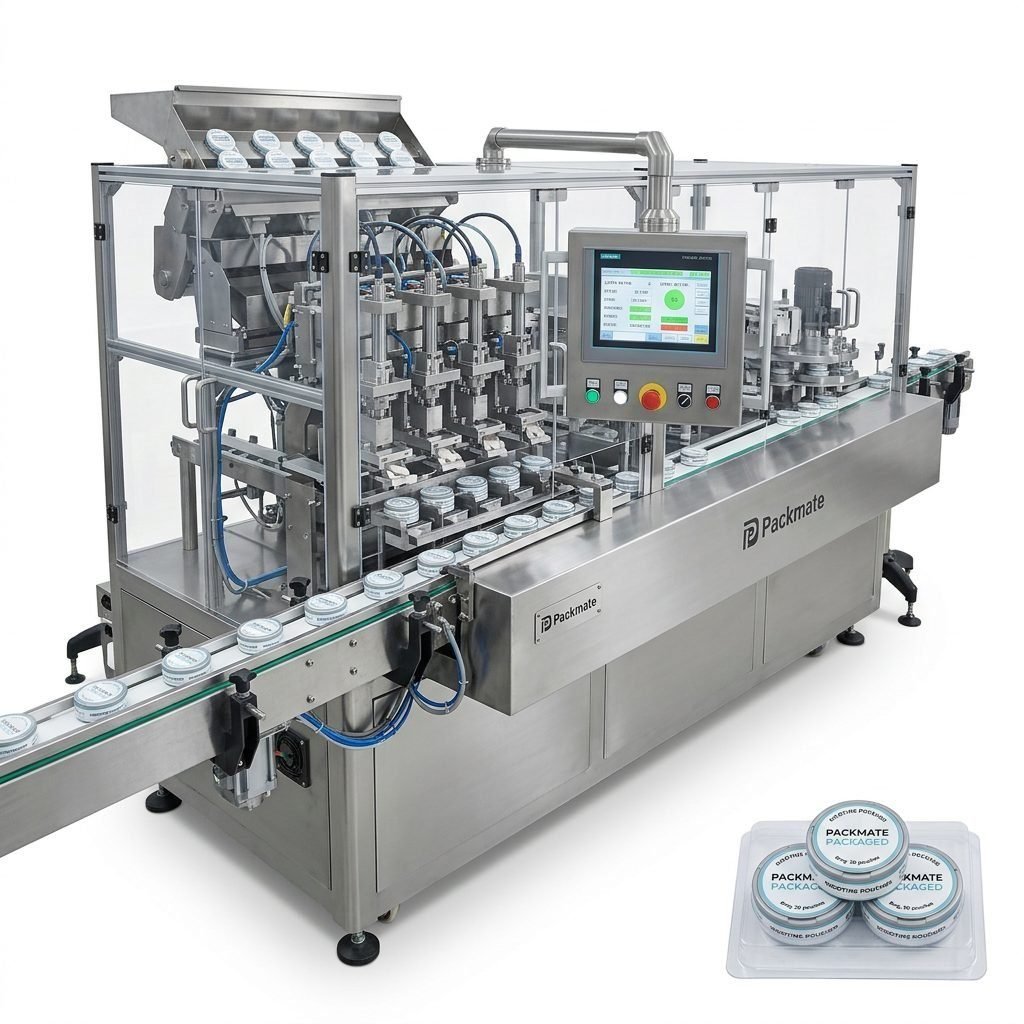
Matching the machine category to your product and automation goals is vital. Suppliers usually offer stick pack, sachet, multi-lane snus pouch machines, and filling systems. For a quick product-to-technology match, explore vendor catalogs and technical specifications to verify that the machine family supports your pouch style, dosing precision, and material widths.
🔧 For nicotine pouches and snus, look for precise dosing and gentle product handling. Acidic or hygroscopic formulations need equipment with corrosion-resistant materials and accurate feed systems. If you are interested in different machine lines, review the supplier’s product pages such as
Snus & Nicotine Packaging Machines and
Sachet & Stick Pack Machines.
Assess supplier experience, factory and certifications
Experience in nicotine pouch lines and a rigorous manufacturing environment are strong indicators of a reliable partner. Check whether the supplier has decades of R&D and on-site machining capabilities, precision assembly, and international certifications like CE and ISO. These elements reduce risk and signal mature production processes.
🔍 Example attributes to verify: 30+ years in packaging engineering, a 20,000㎡ production facility with advanced CNC machining centers, and multiple machine models that demonstrate product range and customization capabilities.
Why factory visits and case studies matter
A factory visit or virtual tour shows build quality, assembly discipline, and testing procedures. Request to see production lines and watch machines running similar products to yours. Ask for customer case studies and references—real performance feedback is invaluable. You can start by reviewing the supplier’s public case references such as their Case page.
Quality assurance, testing and performance guarantees
Ensure the supplier provides comprehensive Factory Acceptance Tests (FATs) and Site Acceptance Tests (SATs). FAT should validate throughput, accuracy, sealing integrity, and material compatibility. Contracts should specify acceptance criteria—speed, yield, line efficiency, and allowable downtime—so both parties share clear success metrics.
📌 A robust FAT provides data on cycle rates, reject rates, and sample packs. Confirm that FAT samples are kept for future comparison during commissioning.
After-sales support, spare parts and training
After-sales service is often the deciding factor when multiple suppliers offer similar technical solutions. Evaluate local service presence, spare parts lead times, remote diagnostics capability, and training programs for operators and maintenance staff. A supplier with global service networks or strong remote support can dramatically reduce downtime.
⚠️ Ask for a spare-parts availability matrix and typical delivery times. Clarify warranty terms and what constitutes regular wear versus manufacturing defects.
Total cost of ownership (TCO) vs initial price
Initial machine price is only part of the investment. Calculate TCO by including energy usage, spare parts consumption, expected uptime, maintenance labor, consumables, and expected lifetime. A slightly higher upfront investment can be justified by lower operating costs, fewer changeovers, and longer life span.
TCO checklist
🔧 Energy consumption per hour, predicted mean time between failures (MTBF), and recommended preventive maintenance intervals.
🔧 Cost and frequency of consumables and seal materials.
🔧 Training and ramp-up costs until the line reaches target OEE.
Customization, integration and automation compatibility
For a turnkey packaging line, compatibility with upstream filling systems and downstream case packers and palletizers matters. Suppliers that deliver full integration services or collaborate closely with other equipment vendors will make implementation smoother. If you require multi-lane systems or special pouch formats, verify the supplier’s customization capabilities and delivery of PLC/HMI integration packages.
🔧 Ask whether control systems support standard industrial protocols (Profinet, EtherNet/IP, Modbus) and whether the supplier offers PLC recipes and remote HMI templates for quicker format changes.
Compliance, documentation and regulatory support
Nicotine products are subject to regulatory scrutiny in many markets. Confirm the supplier’s understanding of handling requirements, material traceability, and documentation standards. Request machine manuals, electrical schematics, spare-parts lists, calibration certificates, and software licenses. Certifications such as CE and ISO are essential; additional local approvals may be necessary depending on your market.
📌 If you export to multiple countries, verify that the supplier can adapt markings, labeling stations, and software to meet local regulatory labeling and traceability requirements.
Lead times, delivery and project management
Confirm realistic machine delivery schedules, project milestones, and penalties for missed deadlines. Reputable suppliers provide clear project management structures, a dedicated contact, and a commissioning plan. If you have seasonal production peaks, prioritize suppliers with consistent manufacturing capacity and flexible delivery options.
🔍 Review their factory capacity and expansion history to ensure they can scale with you. A supplier with a large facility and advanced machining equipment is less likely to suffer critical bottlenecks.
Commercial terms, warranties and service level agreements
Negotiate clear warranty coverage, spare parts pricing, response times for emergency support, and terms for software updates. Define acceptance tests and warranty remedies in the contract to avoid disputes later. Service Level Agreements (SLAs) should include response time metrics and escalation paths.
Performance validation and ramp-up support
After installation, expect supervised commissioning and operator training. The supplier should help tune recipes, reduce scrap, and optimize changeover procedures to quickly reach your throughput and quality targets. A phased ramp-up with milestone checks reduces production risk and uncovers any integration issues early.
References, exhibitions and industry presence
Suppliers who actively participate in global exhibitions and maintain robust case studies are more likely to be transparent about capabilities and innovations. Meeting vendors at trade shows or watching live demos builds confidence. Consider visiting their exhibition pages or scheduling a demonstration; you can find more details on their Our Exhibition page.
Why partner with an experienced snus/nicotine packing machine manufacturer
Experienced vendors bring refined engineering, proven multi-lane solutions, and deep domain knowledge. They understand the subtle handling and dosing challenges of nicotine pouches, have advanced CNC and assembly processes, and can support turnkey production lines. For example, manufacturers that evolved over decades typically provide stronger documentation, global installations, and established support networks.
🔧 Choose a supplier with a history of consistent improvement and customer-focused customization to reduce your technical and commercial risk.
How to structure your supplier evaluation checklist
1) Product fit and machine family suitability (pouch types, speeds).
2) Factory capabilities, certifications (CE/ISO) and quality control.
3) FAT/SAT procedures, documented acceptance criteria and sample retention.
4) After-sales service coverage, spare parts availability, and training.
5) TCO assessment, warranty terms, and project management approach.
📌 If you need full line solutions such as weighing and filling systems, review integrated offerings like Weighing & Packaging Systems and Filling & Packaging Lines.
Negotiation and long-term partnership considerations
Seek transparent commercial terms and consider establishing long-term agreements for spare parts and upgrades. A collaborative relationship can drive continual process improvements, faster new-product introductions, and shared cost-saving initiatives. Ask about joint development programs or pilot projects that reduce your time-to-market for new SKUs.
Final checklist before signing
✔️ Confirm FAT results and acceptance criteria.
✔️ Validate spare parts lead times and service response SLAs.
✔️ Ensure documentation, drawings, and PLC/HMI recipes are included in the contract.
✔️ Agree on warranty, commissioning support, and operator training schedules.
Where to get started
Start by comparing vendors’ publicly available resources: product catalogs, case studies, certification pages, and service offerings. For more information about the manufacturer profile and available solutions, see About Packmate. If you want an initial consultation or to schedule a factory visit, use the supplier’s Contact Us page to request tailored proposals.
Conclusion
Selecting the best nicotine packaging machinery supplier requires a balanced focus on technical fit, manufacturing quality, after-sales support, and commercial transparency. By preparing a clear production brief, validating factory capabilities, demanding rigorous FAT/SAT testing, and negotiating strong SLAs, you increase the probability of a successful long-term partnership that supports stable, compliant, and cost-effective production.
Common questions
Q1: How long does it typically take from order to commissioning for a custom multi-lane snus line?
A1: Lead times vary by customization and factory load, but expect 12–24 weeks for design, manufacturing, FAT, shipping and on-site commissioning for complex multi-lane systems. Simpler single-lane machines may be faster.
Q2: What warranty and spare parts support should I expect?
A2: Standard warranties cover manufacturing defects for a defined period. Ask for a spare parts availability table, recommended spare kits, and average lead times. Prefer suppliers offering extended spare-parts agreements or local stocking options.
Q3: Can the supplier integrate the machine with my existing filling and case-packing lines?
A3: Reputable suppliers provide integration services and support standard industrial protocols. Discuss PLC/HMI compatibility and request references for similar integrations.
Q4: How do I validate machine performance before accepting delivery?
A4: Insist on a formal FAT with documented acceptance criteria: throughput, yield, sealing integrity, and run-time stability. Keep FAT samples for future comparison during commissioning.
Q5: Where can I find more technical details about product families like sachet, stick pack or pouch systems?
A5: Explore vendor product pages for technical datasheets and contact sales for detailed specifications. For reference, check product lines such as Bag & Pouch Packaging Machines and Auxiliary Packaging Equipment.