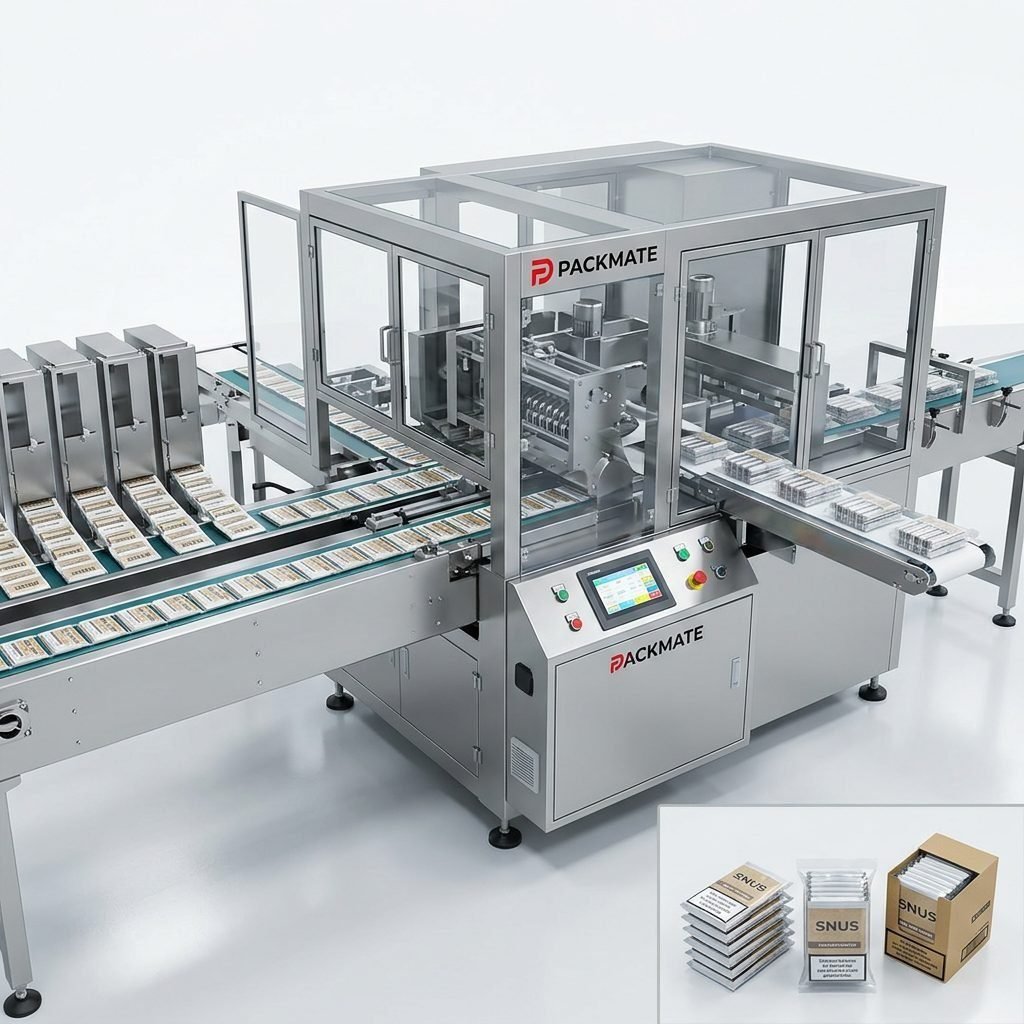
Choosing the right snus packaging machinery supplier in Asia can determine whether your production line runs smoothly, complies with regulations, and adapts to changing market tastes. This guide walks you through practical criteria, local considerations across Asian markets, and clear steps to evaluate suppliers so you can select a partner that delivers performance, service, and long-term value.
Why the right supplier matters
A packaging partner is more than a machinery vendor — they influence product quality, uptime, regulatory compliance, and your ability to expand capacity. In Asia, where demand for nicotine pouches and snus-style products is rapidly evolving, suppliers that combine engineering expertise with local market understanding will give you a competitive edge.
Key consequences of a poor choice
⚠️ If you select an under-equipped or inexperienced supplier, you may face frequent downtime, poor fill accuracy, slow changeovers, and limited technical support. These outcomes increase costs and reduce your ability to respond to market trends.
Top criteria to evaluate suppliers
✓ Production capacity & factory scale: Suppliers with large manufacturing facilities and advanced CNC equipment demonstrate an ability to deliver consistent machine quality and accelerate lead times. Look for factories with dedicated assembly lines and the capacity to produce multi-lane systems when demand grows.
✓ Engineering experience: Companies with decades of R&D and finished case histories are better at solving unique process challenges — such as handling very small-dose pouches, sticky tobacco blends, or multi-material laminates.
✓ Certifications & compliance: CE, ISO and other certifications indicate adherence to international safety and quality standards. This simplifies export and reassures you on machine durability and compliance.
Technical performance and flexibility
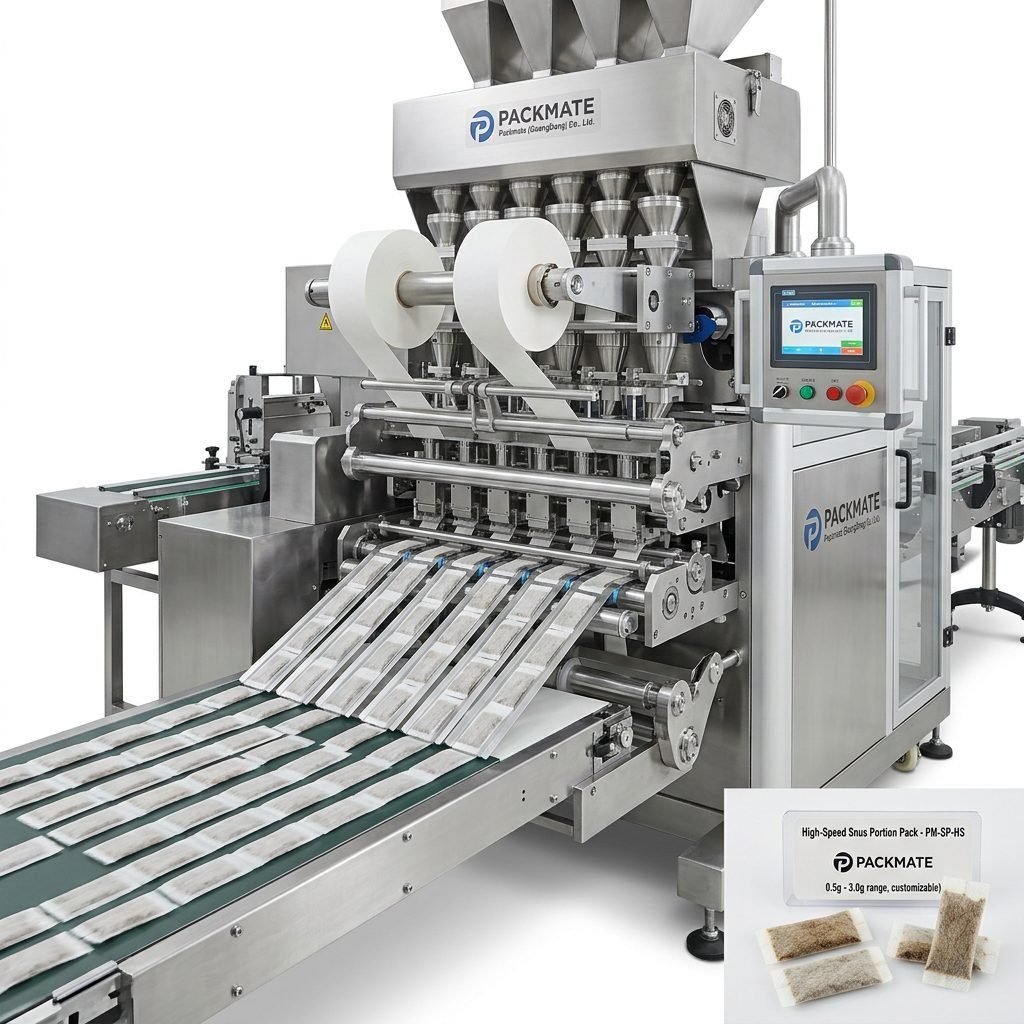
Look for machines that offer: fast changeovers, precise dosing, minimal downtime for cleaning, and modular designs that allow future upgrades. Multi-lane systems and high-precision filling units are essential when producing nicotine pouches at scale. Suppliers who provide customizable sealing patterns, pouch sizes, and multi-format capabilities will help you expand SKUs without full equipment replacement.
Operational support: service, spare parts & training
After-sales support is a key differentiator. Evaluate response times for spare parts, availability of local technicians or remote support, and training programs for your operators and maintenance staff. A reliable supplier should offer preventative maintenance plans and clear documentation to keep OEE high.
📌 Ask your supplier for references and case studies that show how they handled emergencies and routine maintenance across different countries. A strong track record in Asia or global projects indicates experience with diverse regulations and logistical challenges.
Financial considerations and ROI
Price is important, but total cost of ownership (TCO) matters more. Calculate expected uptime, yield, energy consumption, consumable costs, and the amortized cost of the machine over its service life. A higher initial investment in more reliable, precise equipment often yields faster payback through reduced waste and increased throughput.
Negotiating terms
Negotiate clear warranties, spare parts packages, and acceptance testing criteria. Inclusion of on-site commissioning, operator training, and a documented performance acceptance test should be part of the contract. Ensure spare parts kits and recommended service intervals are clearly defined.
Regulatory and cultural nuances across Asia
Asia is not a single market — consumer habits, regulations, and packaging preferences vary across countries. When selecting a supplier, consider how they accommodate local requirements and cultural nuances.
Local labeling and language support
Many Asian markets require labels in local languages and specific health warnings. Your supplier should support accurate printing and coding integrations for languages like Chinese, Japanese, Korean, Thai, or Bahasa. Compatibility with inkjet/laser coding systems and label applicators is essential.
Packaging aesthetics and consumer expectations
In some Asian markets, minimalist and discreet packaging resonates with urban consumers; in others, colorful and premium finishes are preferred. Choose a supplier capable of precise pouch sealing, high-quality film handling, and finishing options like matte or gloss effects to match brand positioning.
Regulatory caution
Regulations around nicotine products differ greatly within Asia. Suppliers who have experience supplying multiple Asian countries can help you design flexible production lines that accommodate labeling, unit sizes, and packaging formats required by each jurisdiction — but always verify local laws with legal advisors.
Factory visits and validation
Visiting a supplier’s factory and watching machines run is one of the best ways to verify capabilities. Pay attention to assembly quality, CNC equipment, test protocols, and the presence of quality control stations. Ask for live demonstrations of similar lines producing your product type.
🔍 During a factory visit, request:
• A demonstration of multi-lane systems handling small-dose pouches.
• Evidence of precision dosing and low variance in weight control.
• Documentation on acceptance testing, spare parts lead times, and international shipping practices.
Customization, turnkey solutions and integration
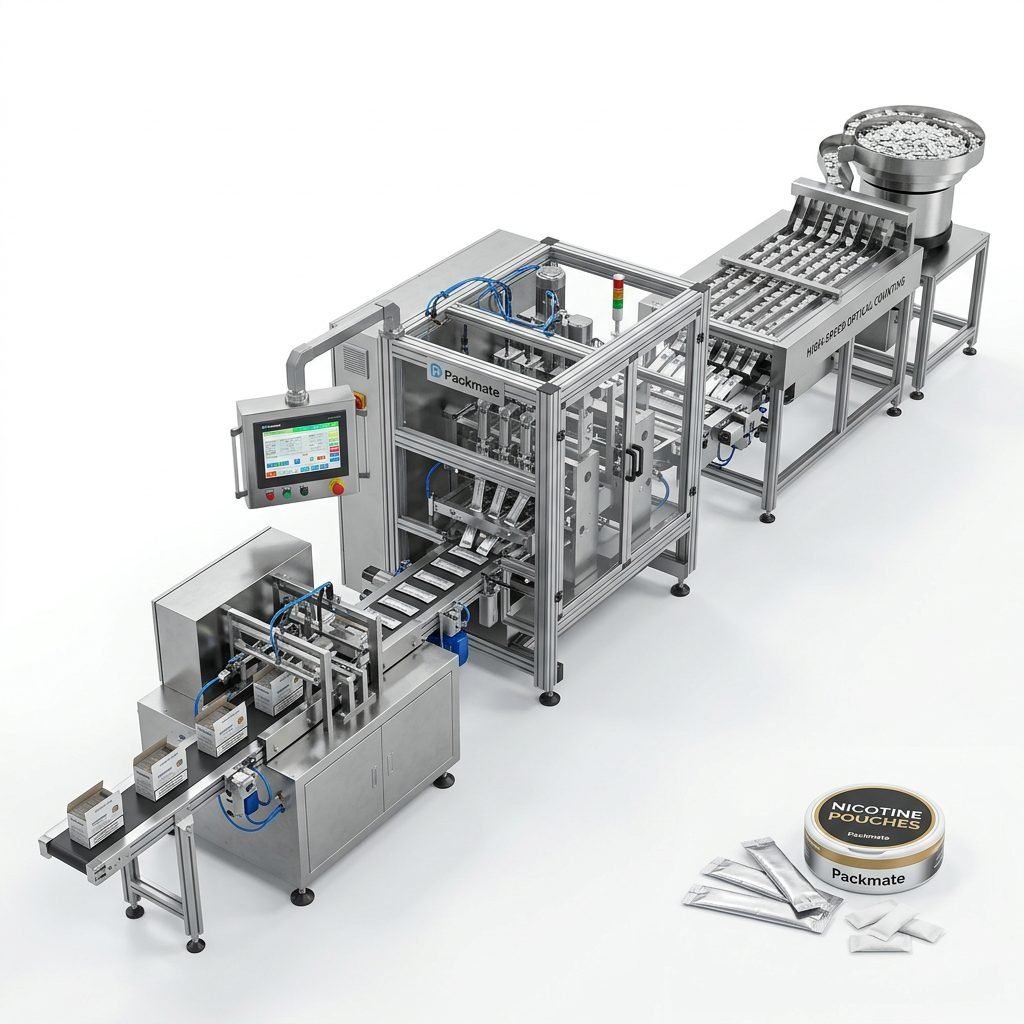
If you plan to run a complete production line, consider suppliers who provide turnkey systems — including feeding, weighing, filling, pouch forming, sealing, secondary packaging and case packing. Integration experience reduces commissioning time and ensures data flows across machines for Industry 4.0 readiness.
Compatibility with third-party equipment
Your line may need to integrate with weighing systems, metal detectors, or inspection equipment. Confirm the supplier’s openness to interface with your preferred brands and their capacity to provide PLC/SCADA communication documentation.
Real supplier signals: red flags and green flags
Green flags: transparent references, on-site demonstrations, clear spare parts policies, CE/ISO certifications, and examples of multi-country projects. Fast communication and local language support are also positives.
Red flags: vague technical specs, reluctance to allow factory visits, unclear warranty terms, missing compliance documentation, or long spare parts lead times without alternatives.
Why Packmate Snus Machine can be a strong candidate
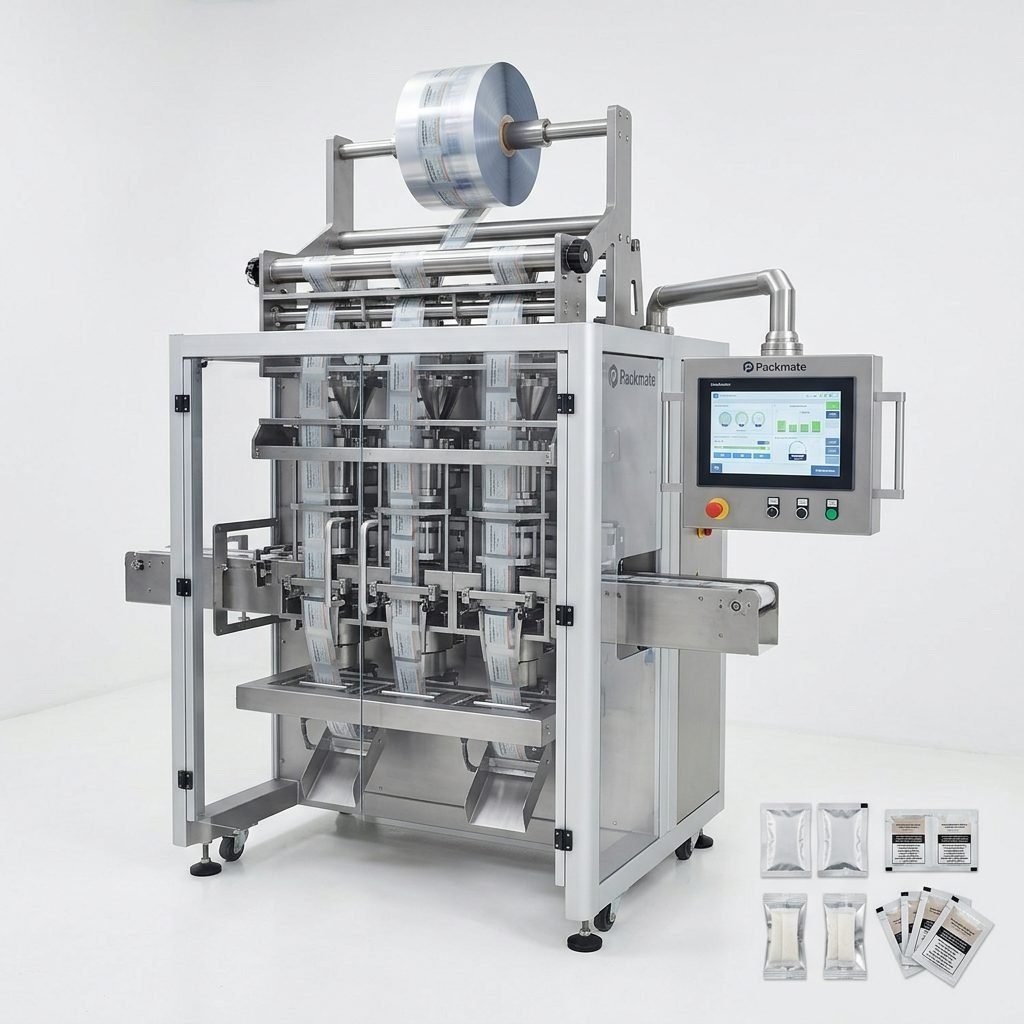
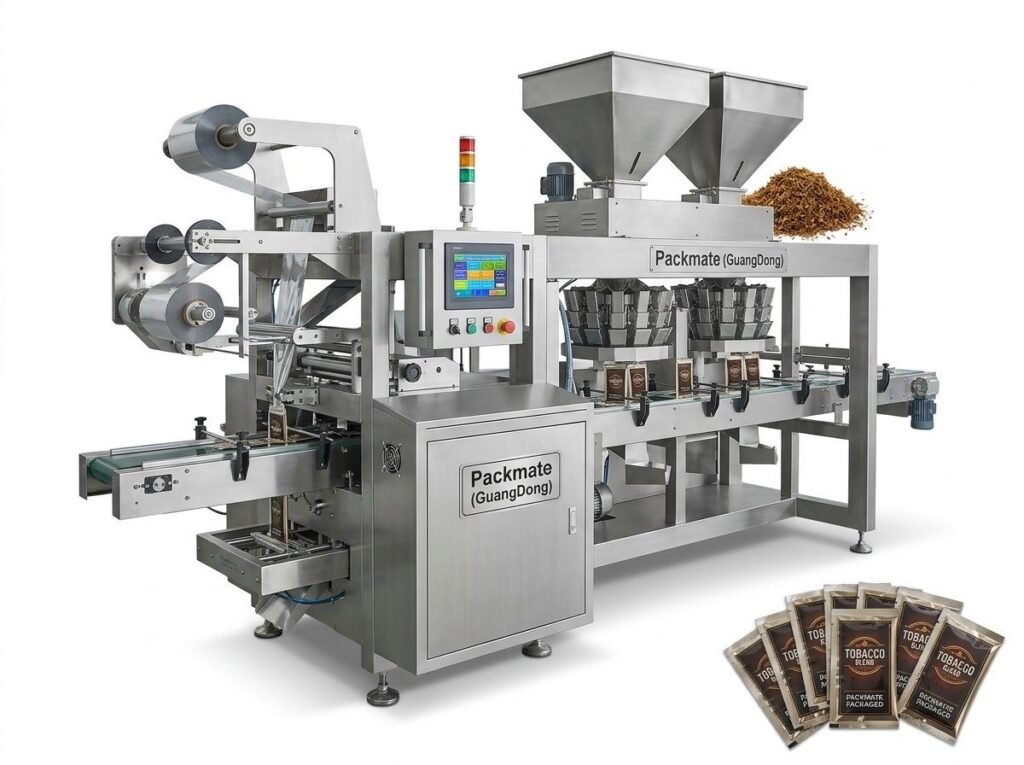
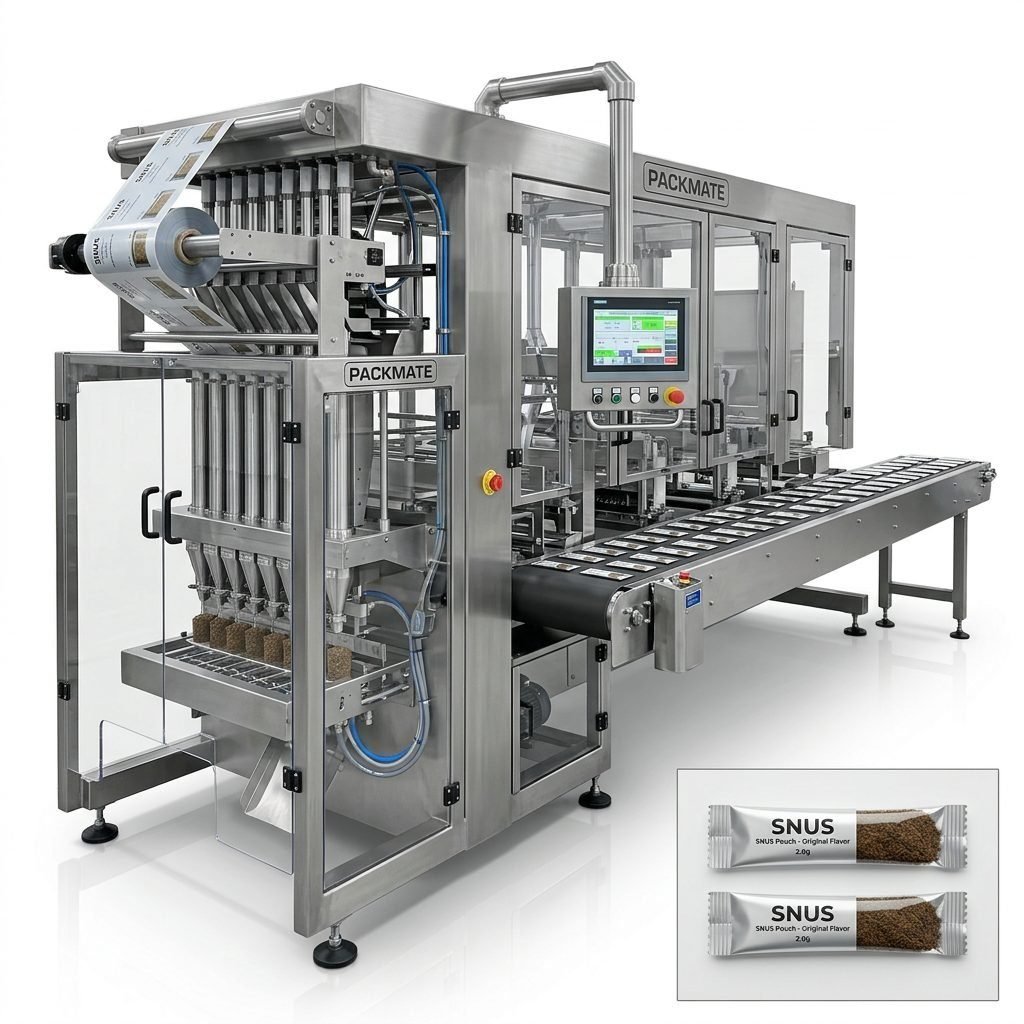
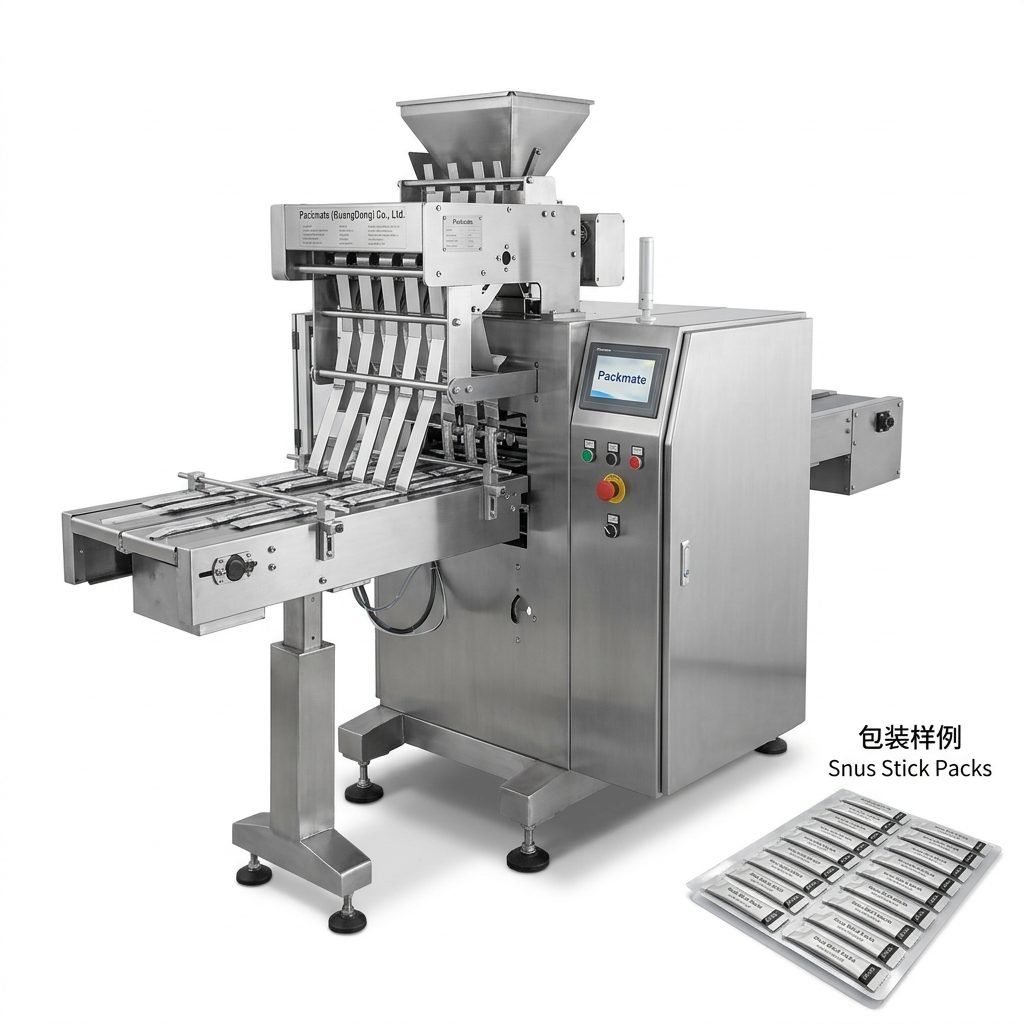
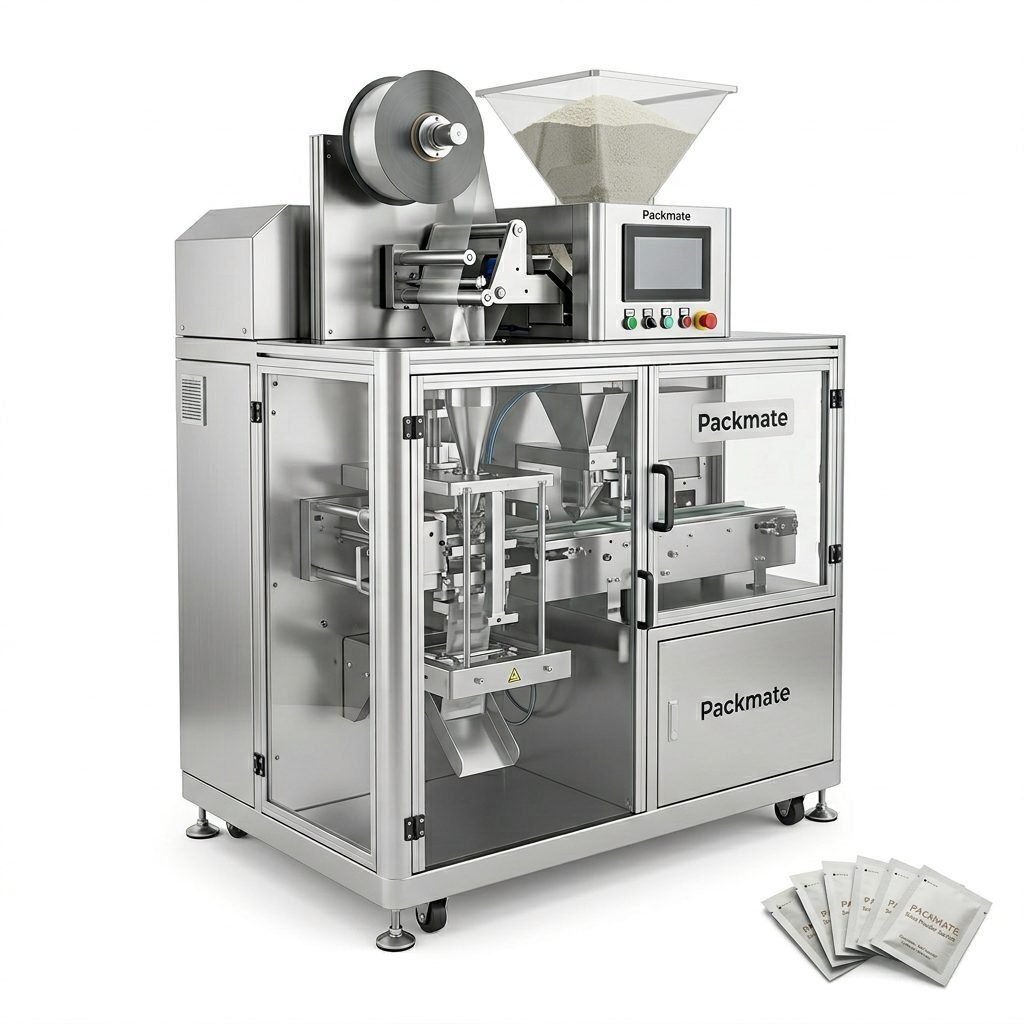
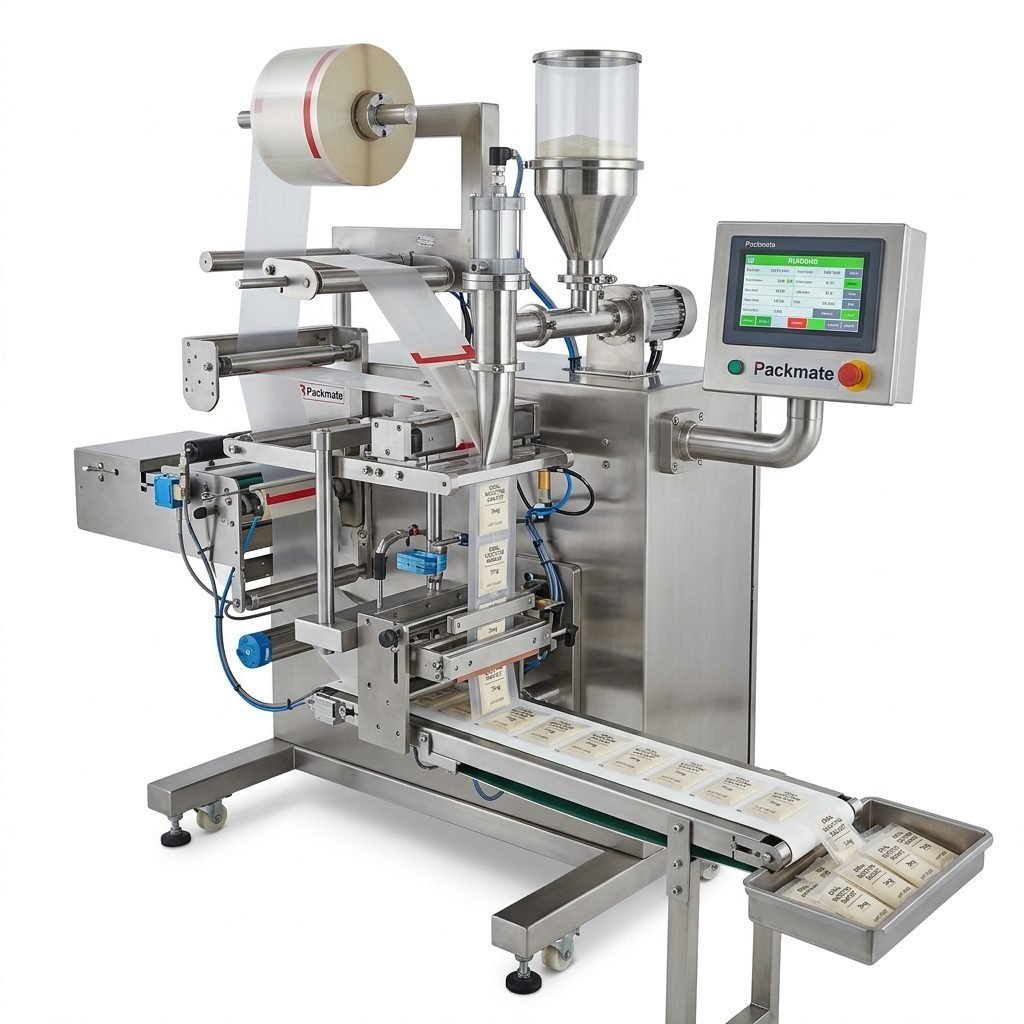
Packmate Snus Machine, with 30+ years of engineering experience and a 20,000㎡ manufacturing facility, focuses on snus and nicotine pouch packaging solutions. Their portfolio includes multi-lane systems, stick pack and sachet machines, and turnkey production lines tailored for nicotine pouches and related products.
Their strengths include advanced CNC machining, precision assembly lines, CE and ISO compliance, and a history of global cooperation — all indicators of a supplier able to support complex, high-throughput projects. For more details on their product range, explore their Snus & Nicotine Packaging Machines and Bag & Pouch Packaging Machines.
Visit Packmate’s About page or Contact Us to schedule a factory tour, request technical specifications, or ask for case studies demonstrating performance in markets similar to yours.
Step-by-step checklist to select your supplier
1. Define product formats, expected throughput, and target SKUs.
2. Shortlist suppliers with relevant experience and certifications.
3. Request technical datasheets, spare parts policies, and warranty terms.
4. Visit factories or watch live demos; ask for acceptance test videos if travel is not possible.
5. Negotiate clear commissioning, training, and service level agreements.
Practical tips for smoother procurement in Asia
• Build relationships: Cultural norms in many Asian countries emphasize trust and long-term partnerships. Scheduling in-person meetings or video calls helps build confidence.
• Local representation: Choose suppliers with regional offices or distributor networks for faster spare parts delivery and local technical presence.
• Language and documentation: Request manuals and training in your local language; this reduces operator errors and speeds up maintenance.
Useful resources and links
For deeper product details and case studies, review these pages:
• Snus & Nicotine Packaging Machines
• Bag & Pouch Packaging Machines
• About Packmate
• Contact Us
Final checklist before signing
✔ Acceptance test criteria and KPIs (speed, fill accuracy, reject rate) documented.
✔ Spare parts lead times and spare kits agreed.
✔ On-site commissioning, operator training, and warranty period specified.
✔ Compatibility with coding, inspection, and case packing systems confirmed.
Conclusion
Selecting the best snus packaging machinery supplier in Asia requires balancing technical capability, production capacity, after-sales service, and cultural/regulatory fit. Prioritize suppliers who offer transparent documentation, proven case studies, and flexible, upgradeable solutions. A partner that supports turnkey integrations, local language documentation, and fast spare parts delivery will help you scale quickly while maintaining quality and compliance.
Frequently Asked Questions
Q1: How important is CE/ISO certification when sourcing from Asia?
A1: Certifications like CE and ISO demonstrate adherence to international safety and quality standards, which simplifies export and provides assurance of a supplier’s manufacturing practices.
Q2: Should I prioritize initial cost or long-term reliability?
A2: Long-term reliability typically yields a better return on investment. Consider total cost of ownership including downtime, spare parts, and maintenance when comparing offers.
Q3: How can I ensure a supplier understands local Asian market requirements?
A3: Ask for regional case studies, language support for labels/manuals, and evidence of projects in countries with similar regulatory environments. Factory visits and references are essential.
Q4: Are turnkey lines preferable to buying individual machines?
A4: Turnkey lines reduce integration risk and accelerate commissioning. If you need a complete production workflow, choose a supplier experienced in end-to-end solutions.
Q5: Where can I see real examples of proven snus packaging lines?
A5: Review supplier case studies and exhibition demonstrations. Packmate’s case pages and exhibition records provide practical examples of installed lines and live demos.