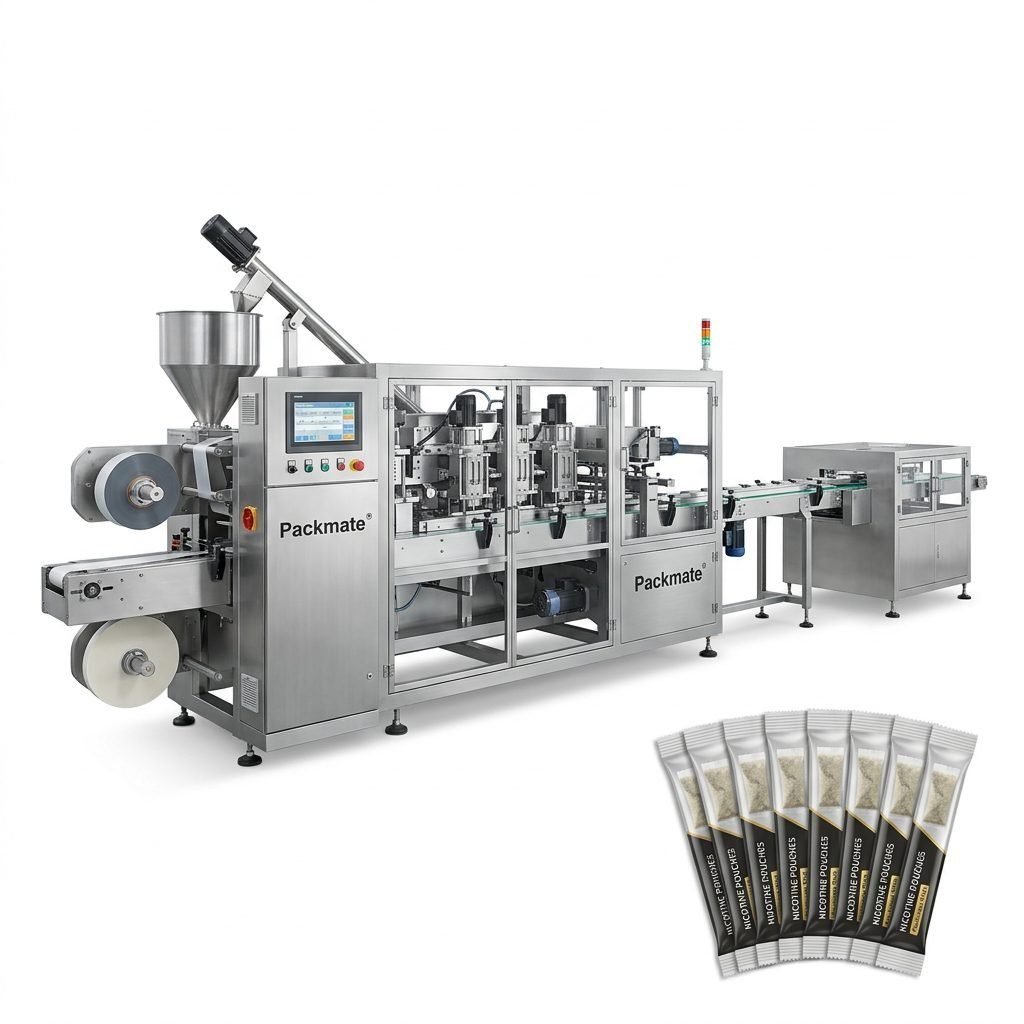
Choosing the right snus packaging machinery supplier for your business in Jamaica requires more than a price check — it demands a careful evaluation of technology, local market fit, regulatory compliance, after-sales support, and an understanding of Jamaican consumer habits. This guide walks you through practical steps and local insights so you can select a supplier who delivers reliable machines, consistent uptime, and a return on investment tailored to Jamaica’s market environment.
Understand Jamaica’s Market and Consumer Habits
Jamaica’s tobacco and nicotine product landscape is influenced by local tastes, strong social culture, and a tropical climate. Consumers often value convenience, discreet use, and flavor variety. For companies producing nicotine pouches or snus for Jamaican consumers (or for export from Jamaica), consider:
✔️ Discreet single-dose formats: Small pouches and stick packs perform well for users who prefer low-visibility consumption.
✔️ Flavor preferences: Fruit, menthol, and coffee-forward notes can resonate locally — remember Jamaica’s strong coffee culture and affinity for vibrant, aromatic flavors.
✔️ Climate considerations: High humidity impacts shelf life and packaging seal quality; choose machines that ensure airtight seals and moisture-protective films.
Why supplier selection matters in Jamaica
In Jamaica, import logistics, customs clearance, and local service accessibility can dramatically affect production schedules. A supplier who understands export packaging, offers effective spare parts distribution, and provides remote or on-site training will reduce downtime and keep lines productive. Look for partners experienced in international shipments and familiar with Caribbean market requirements.
Key Machinery Types to Consider
Knowing the primary machine categories lets you match equipment to your product mix and production targets:
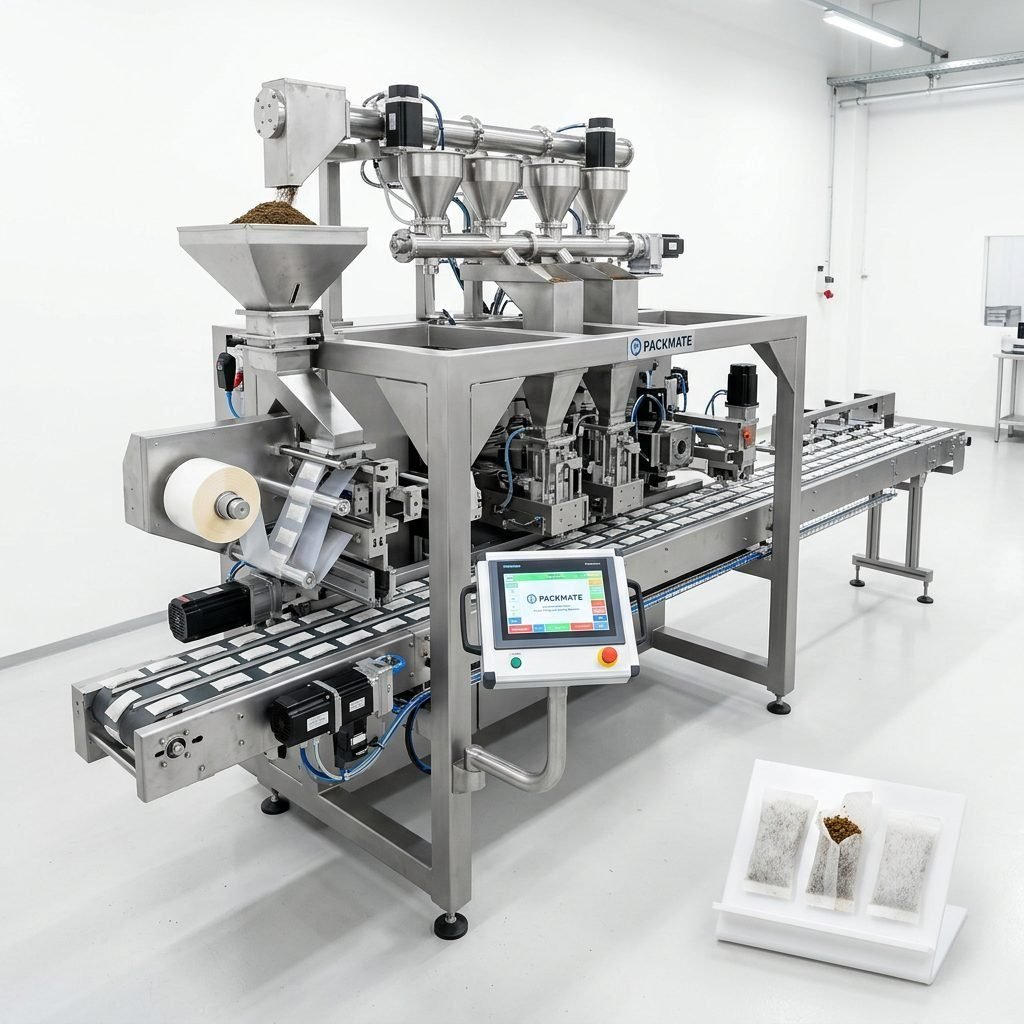
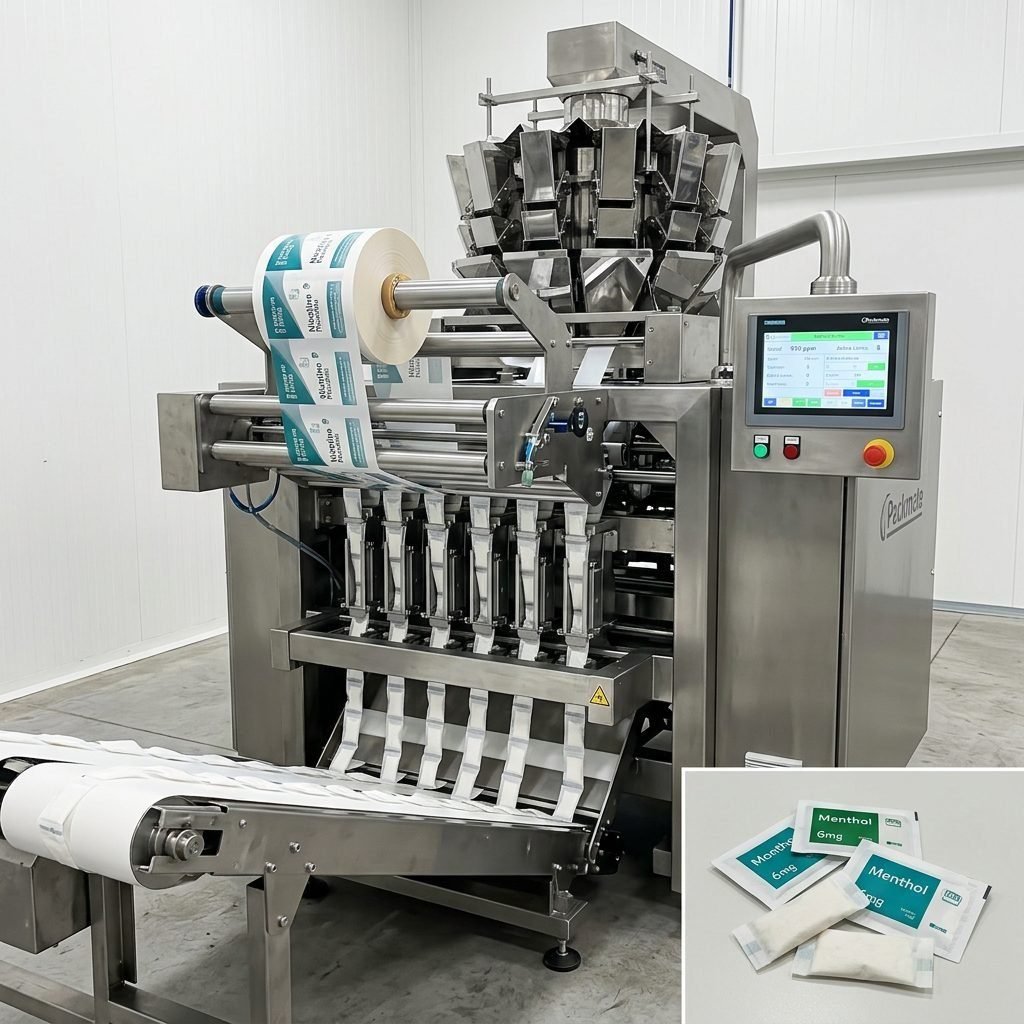
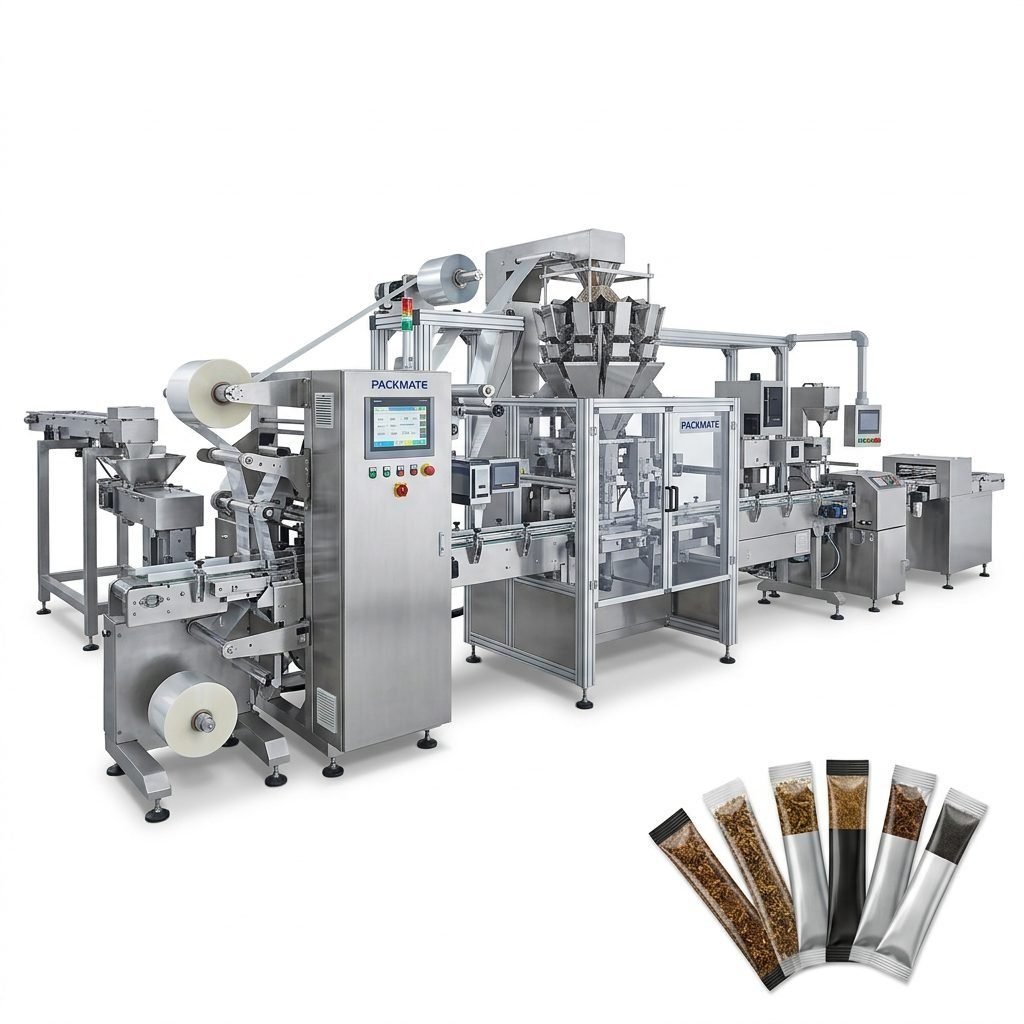
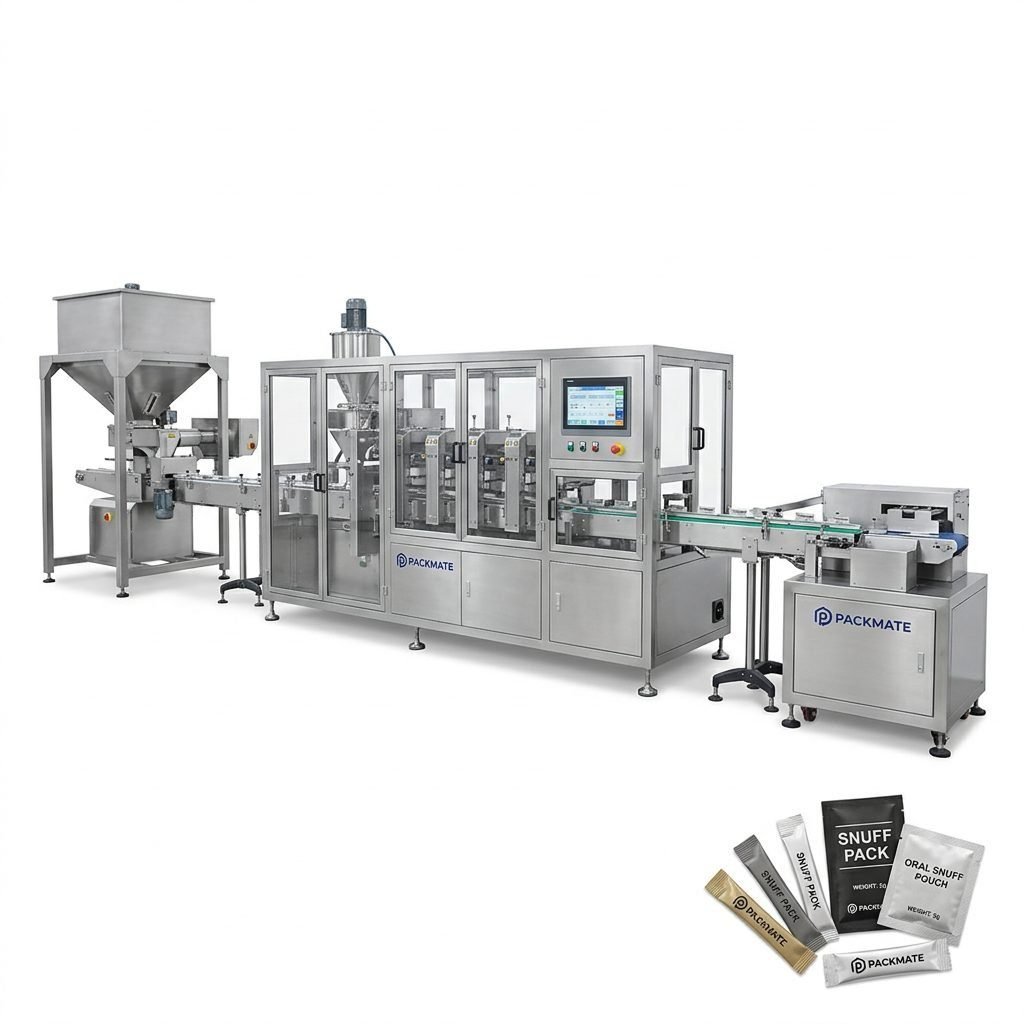
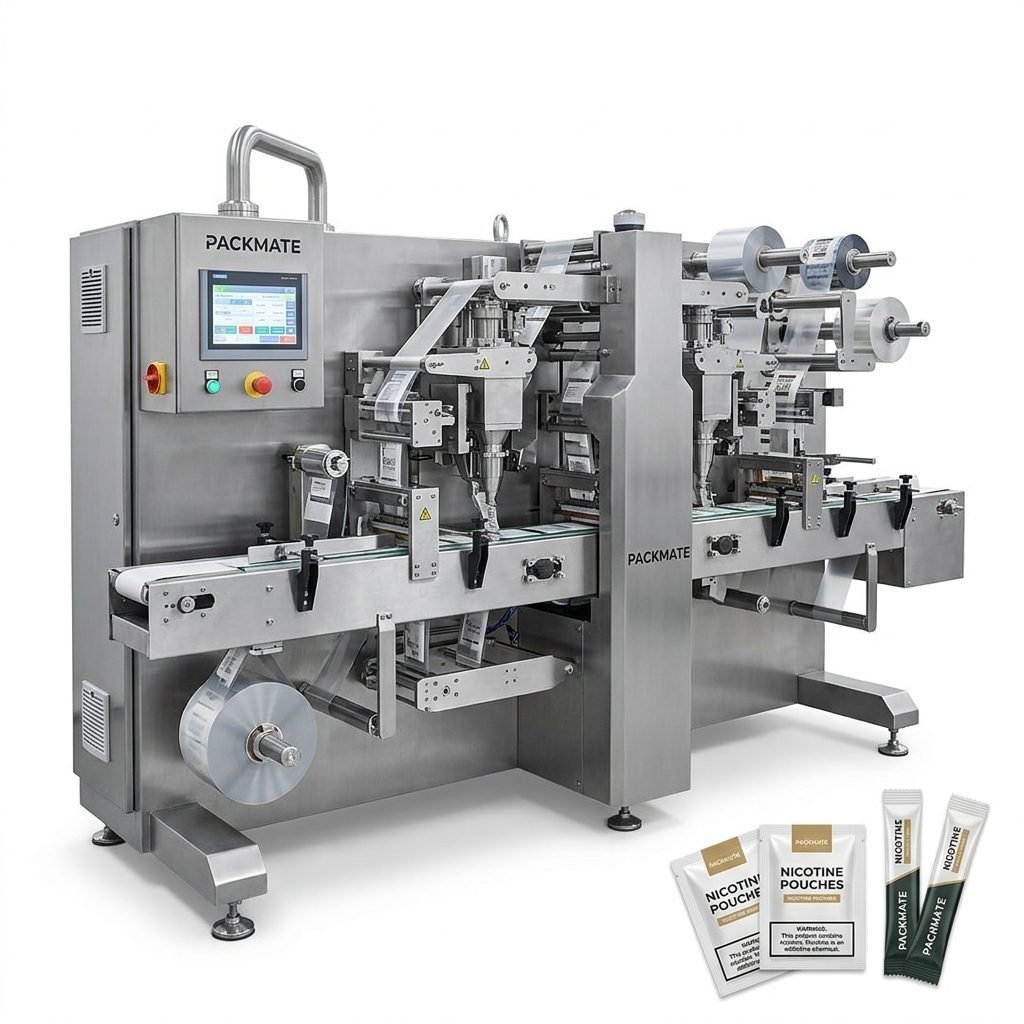
🔍 Snus & Nicotine Pouch Machines: Designed specifically for small-dose pouches, precise metering, and hygienic handling. They are essential for nicotine pouch production lines. See an example range here: Snus & Nicotine Packaging Machines.
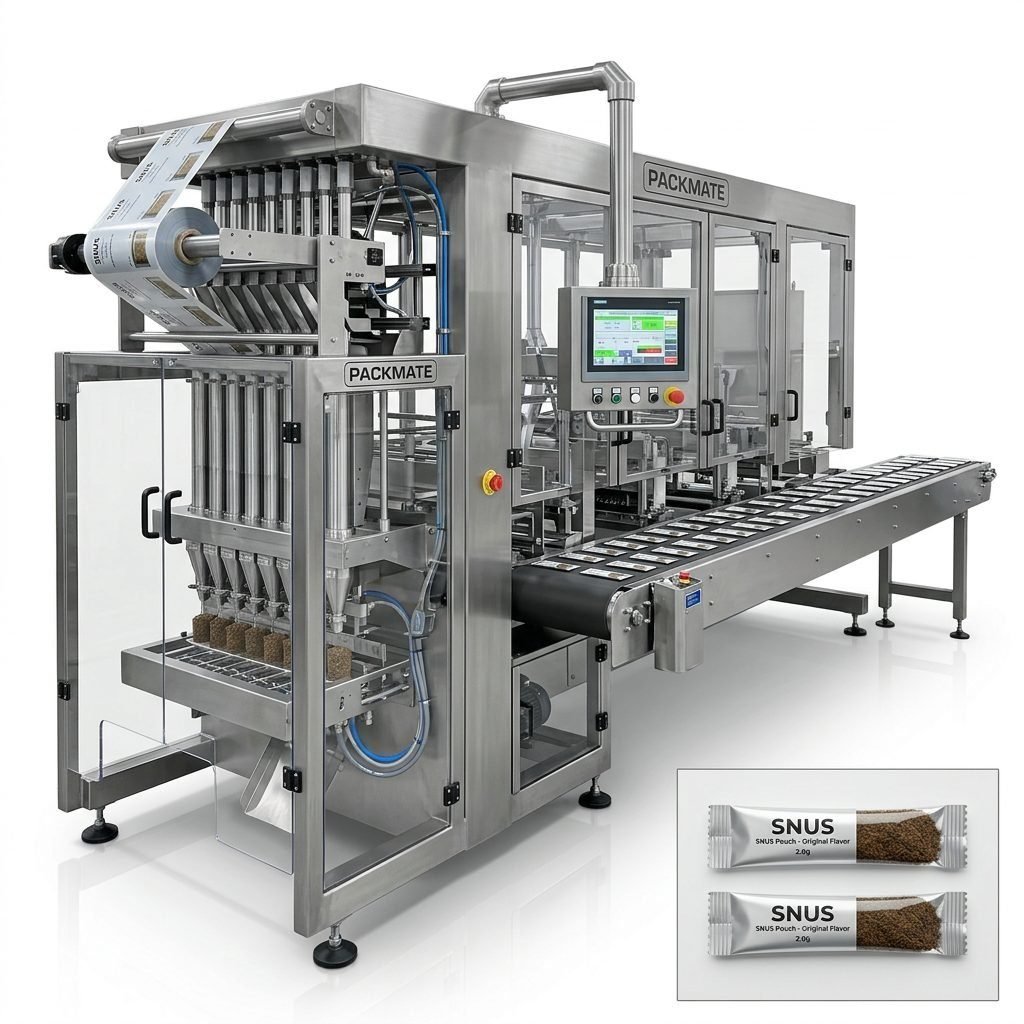
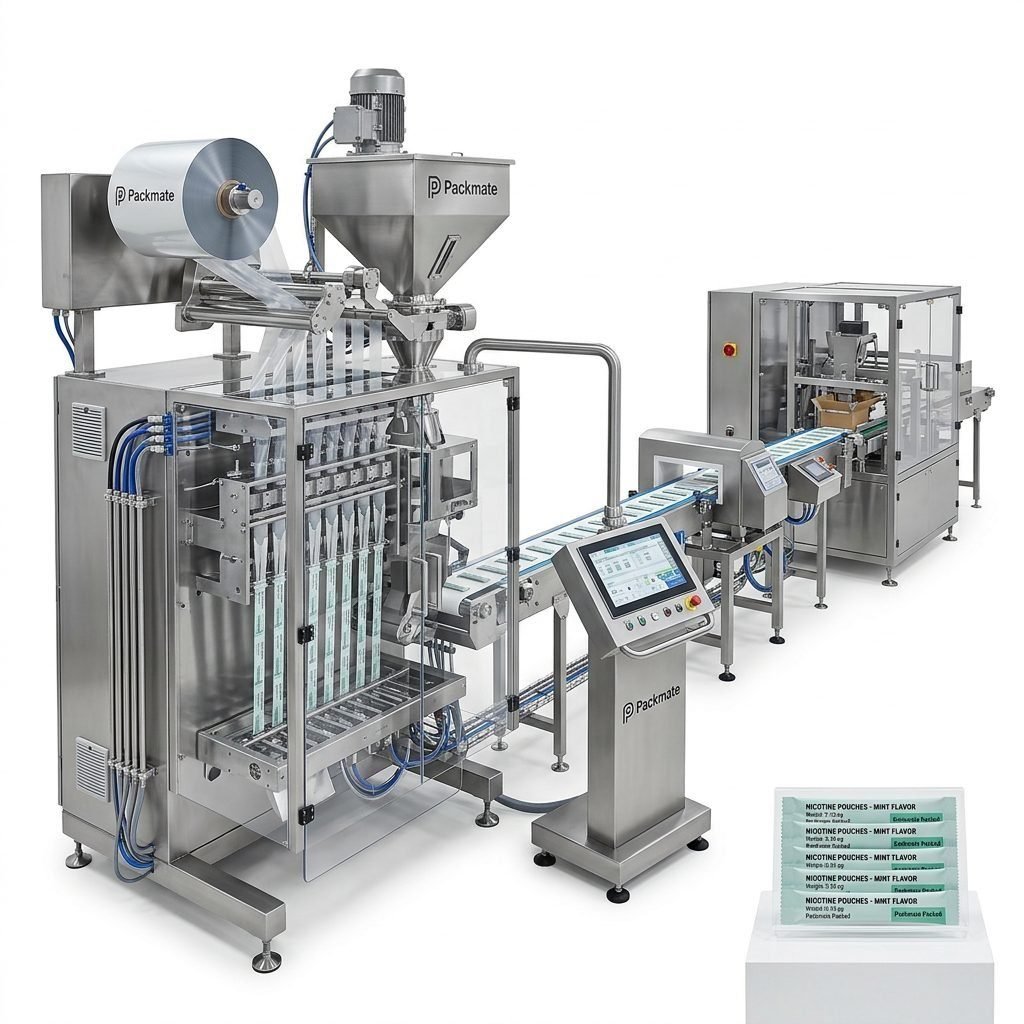
📦 Sachet & Stick Pack Machines: Ideal for single-dose stick or sachet formats that suit on-the-go Jamaican consumers. These machines provide high-speed sealing and flexible pouch sizes. Link: Sachet & Stick Pack Machines.
⚙️ Multi-lane Systems: For high-capacity production of small pouches across multiple lanes — excellent when serving both domestic and export demand.
🧪 Filling & Weighing Systems: Precision dosing is critical for nicotine products. Consider integrated weighing and filling lines for consistent product weight and regulatory compliance. Example: Weighing & Packaging Systems.
Supplier Capabilities Checklist
Use this checklist when vetting potential suppliers — it summarizes the most important capabilities.
- Experience: 20+ years in packaging equipment design and proven snus solutions.
- Factory capacity: Large manufacturing footprint, CNC centers, quality assembly lines.
- Certifications: CE, ISO or relevant international certificates for export.
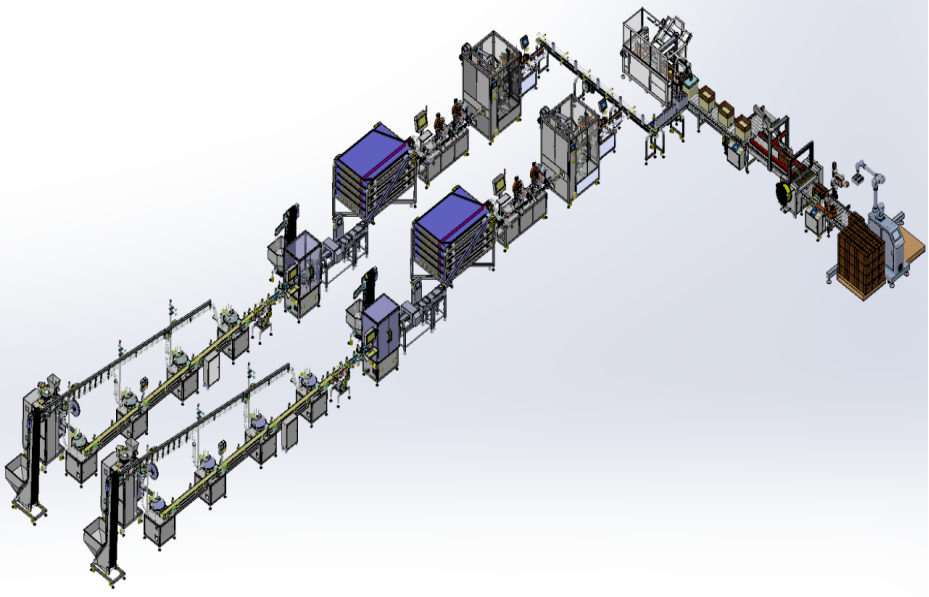
- Turnkey solutions: Ability to supply integrated lines (filling, weighing, packaging, auxiliary equipment).
- After-sales: Spare parts availability, remote support, and on-site installation/training.
Evaluate Technical Fit and Customization Options
Technical capability is more than speed ratings. Confirm that the supplier can customize machines for your product’s particle size, moisture, and target pouch geometry. For Jamaican climates, machine features to prioritize include:
• Hygienic design: Stainless steel contact parts and easy-clean surfaces to resist mold and humidity issues.
• Enhanced sealing systems: Strong heat and ultrasonic sealing options to protect against moisture ingress.
• Flexible lane configurations: Machines that scale from single-lane pilot runs to multi-lane production as demand grows.
Ask for Demonstrations and Case Studies
Live demos — in-person or video — reveal machine behavior under real product conditions. Request references and case studies that show similar applications and export cases. You can explore supplier cases and exhibition presence to verify real-world performance: Case and Our Exhibition.
Red Flags to Watch For
⚠️ No CE/ISO documentation: Missing or vague certifications could cause import issues or safety concerns.
⚠️ Poor communication: Unclear timelines, production updates, or limited English correspondence can delay projects.
⚠️ Limited spare part guarantees: Long lead times for consumables or critical parts hamper continuous production.
Service, Training, and Spare Parts in Jamaica
After-sales service is often the difference between a good investment and a disruptive problem. Confirm the supplier can provide:
• Local or regional technicians: Faster repairs and less shipping overhead.
• Remote diagnostics: Online troubleshooting saves travel time and quickly restores production.
• Training programs: Comprehensive operator and maintenance training tailored to your team’s skills.
Packmate’s manufacturing capabilities, certifications, and factory strength are relevant when assessing service reliability — learn more about their company profile: About Packmate.
Total Cost of Ownership vs. Upfront Price
Low purchase price can be attractive, but factor in:
- Consumables and spare parts costs — belts, seals, sensors, and cutting knives.
- Maintenance and downtime risks — machine MTBF (mean time between failures) and local repair speed.
- Energy consumption — especially significant for continuous multi-lane lines.
- Training and installation — budget for initial setup and workforce upskilling.
Shipping, Customs and Regulatory Considerations
Jamaica’s import processes require clear documentation and compliance checks. Work with suppliers who:
• Provide detailed packing lists and certificates: CE, ISO, and material declarations speed clearance.
• Offer export-grade packaging: Robust crating for ocean freight avoids damage in humid sea transit.
• Assist with local agent introduction: Experienced agents in Jamaica can coordinate customs, VAT, and port handling to reduce surprises.
Factory Visits and Exhibitions — What to Look For
Visiting a manufacturer’s factory or attending a trade exhibition provides firsthand evidence of engineering standards. Confirm:
• CNC & machining capabilities: Accurate tooling and parts matter for uptime.
• Assembly line discipline: Organized production and quality testing stations reduce defects.
• Live demos at exhibitions: Watch machines running live; many suppliers display at international shows. See exhibition info here: Our Exhibition.
Negotiation Tips for Jamaican Buyers
When negotiating, be transparent about your requirements, pilot volumes, and expansion plans. Effective tactics include:
• Bundle pricing: Ask for discounts when purchasing a turnkey line (filling + packing + auxiliary equipment). Example product groups: Filling & Packaging Lines and Auxiliary Packaging Equipment.
• Spare parts package: Secure an initial kit of wear parts to avoid immediate downtime after installation.
• Payment terms: Negotiate staged payments tied to delivery milestones and FAT (Factory Acceptance Test).
Quick Decision Flow for Jamaican Buyers
Follow this simple flow to move from research to purchase with confidence:
- Define SKUs, pouch sizes, and expected daily output.
- Shortlist suppliers with snus expertise and export experience.
- Request machine specs, certifications, and lead times.
- Run pilot tests or ask for video demos with similar products.
- Agree on training, spare parts kit, and delivery/installation plan.
How Packmate’s Profile Aligns with Jamaican Needs
Manufacturers with deep experience and global turnkey solutions can be ideal partners for Jamaican businesses. When a supplier offers a broad model range, strong CNC capabilities, and certifications like CE/ISO, it reduces risk and improves service. You can explore supplier credentials and services to evaluate fit: Certificate and Service.
Final Practical Tips
– Start small: Pilot one product line before scaling to multiple SKUs.
– Prepare for humidity: Use protective films and robust sealing to extend shelf life in Jamaica’s climate.
– Build local relationships: Partner with freight forwarders and service technicians who know Jamaican ports and customs.
– Check references: Speak with other customers in similar climates or markets to confirm long-term reliability.
Next Steps — Getting a Quote and Moving Forward
When you’re ready to request quotations, create a clear RFP that includes product specifications, expected volumes, utility availability, and target delivery date. If you need direct contact details or assistance, suppliers often provide a contact page and FAQ to prepare procurement: Contact Us and FAQs.
Summary: What to Prioritize
Prioritize supplier experience with snus/nicotine pouch lines, robust sealing and hygienic design for humid climates, dependable after-sales service, clear certification for import, and the ability to provide turnkey solutions. Local considerations in Jamaica — flavor culture, humidity, and import logistics — should shape both technical specs and operational planning.
Frequently Asked Questions
Q1: How long does shipping and installation typically take for a snus packaging line to Jamaica?
A1: Shipping by ocean freight can take 4–8 weeks depending on origin and port; allow 2–4 weeks for customs clearance, installation, and commissioning. Suppliers offering pre-shipment FAT and clear documentation shorten the timeline.
Q2: What certifications are important when importing packaging machinery into Jamaica?
A2: CE and ISO are commonly requested for safety and quality. Additionally, ensure machine material declarations and any electrical safety certificates match Jamaican import regulations.
Q3: Can machines be adapted for flavored or herbal snus blends popular in Jamaica?
A3: Yes — most experienced suppliers offer customization for dosing systems, pouch materials, and sealing technology to match different blends and moisture levels.
Q4: What level of local support should I expect after purchase?
A4: Top suppliers provide remote diagnostics, spare parts kits, and on-site installation/training. Verify service SLAs and availability of regional technicians before purchase.
Q5: How can I confirm a supplier’s real-world performance before buying?
A5: Request video demos of the exact model, factory acceptance tests, customer references in similar climates, and documented case studies showing uptime and ROI. See sample cases here: Case.