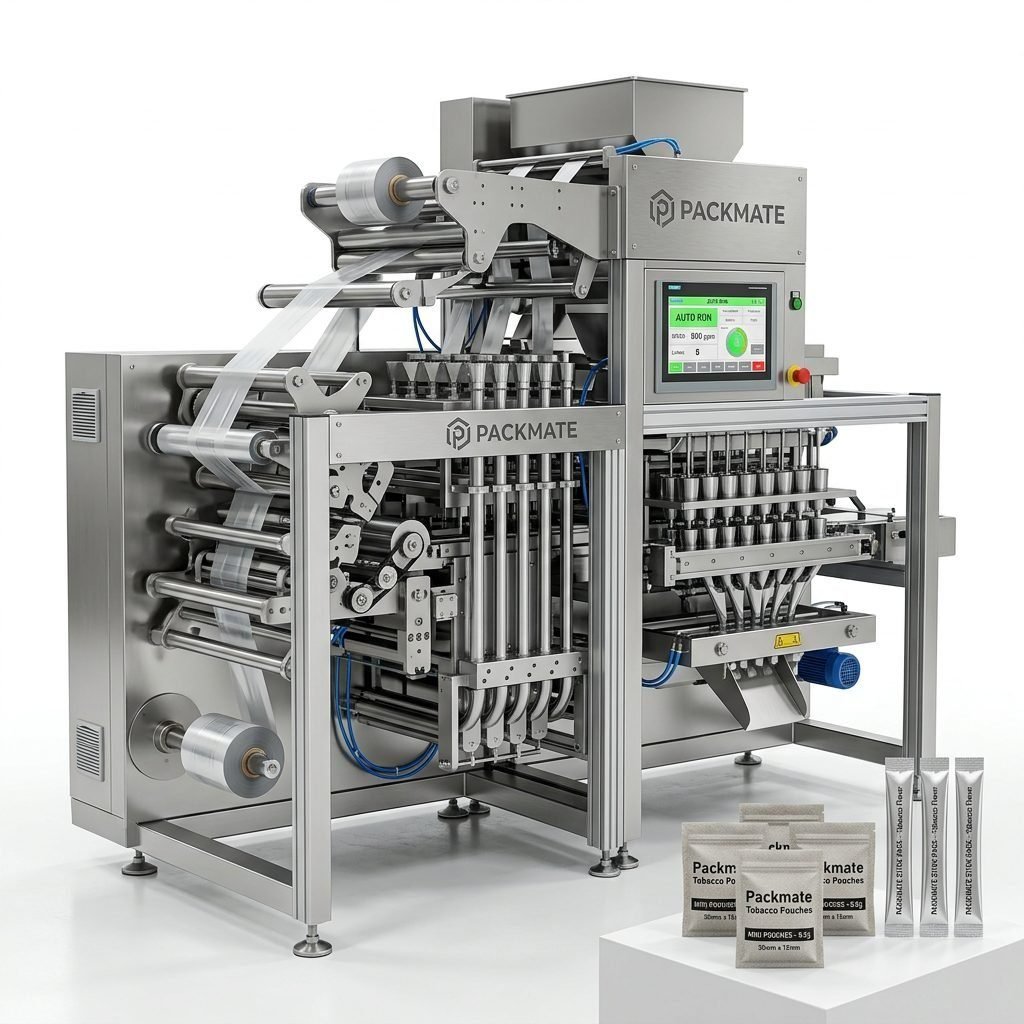
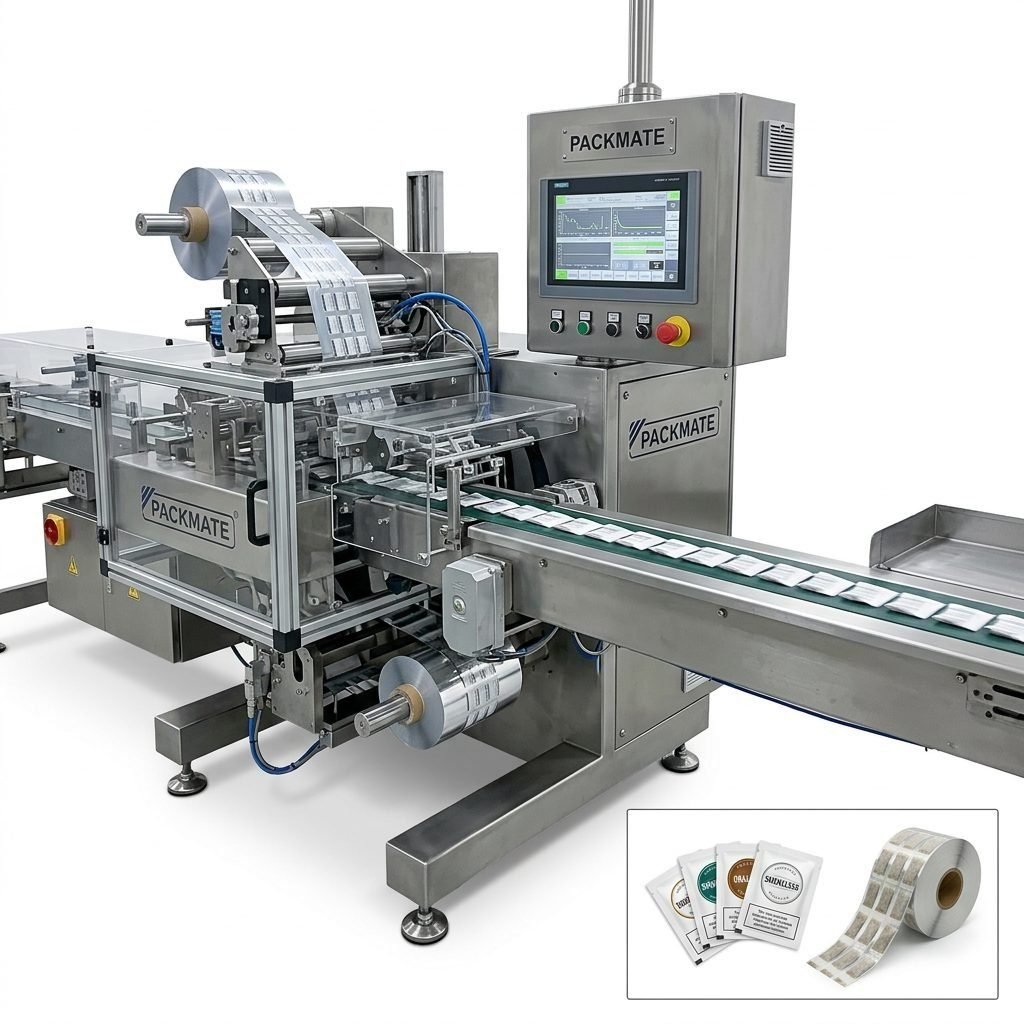
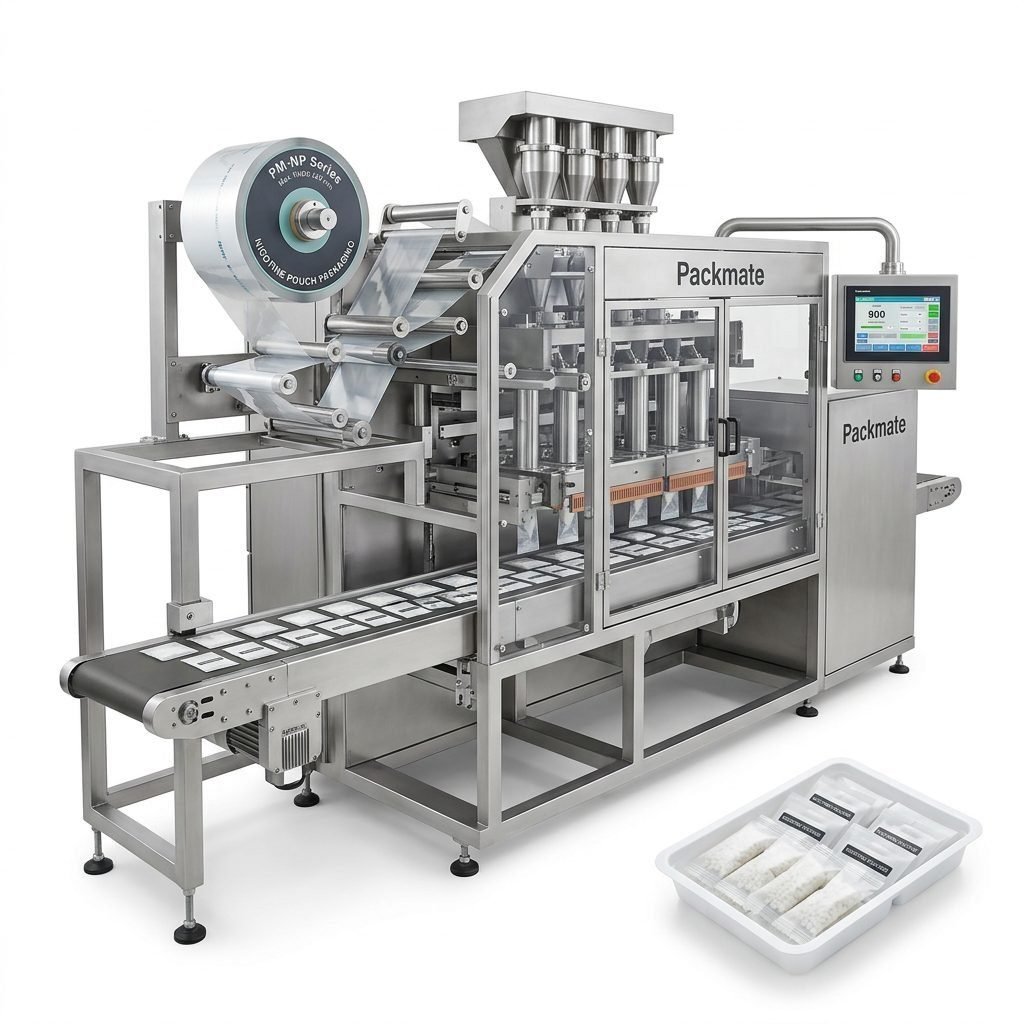
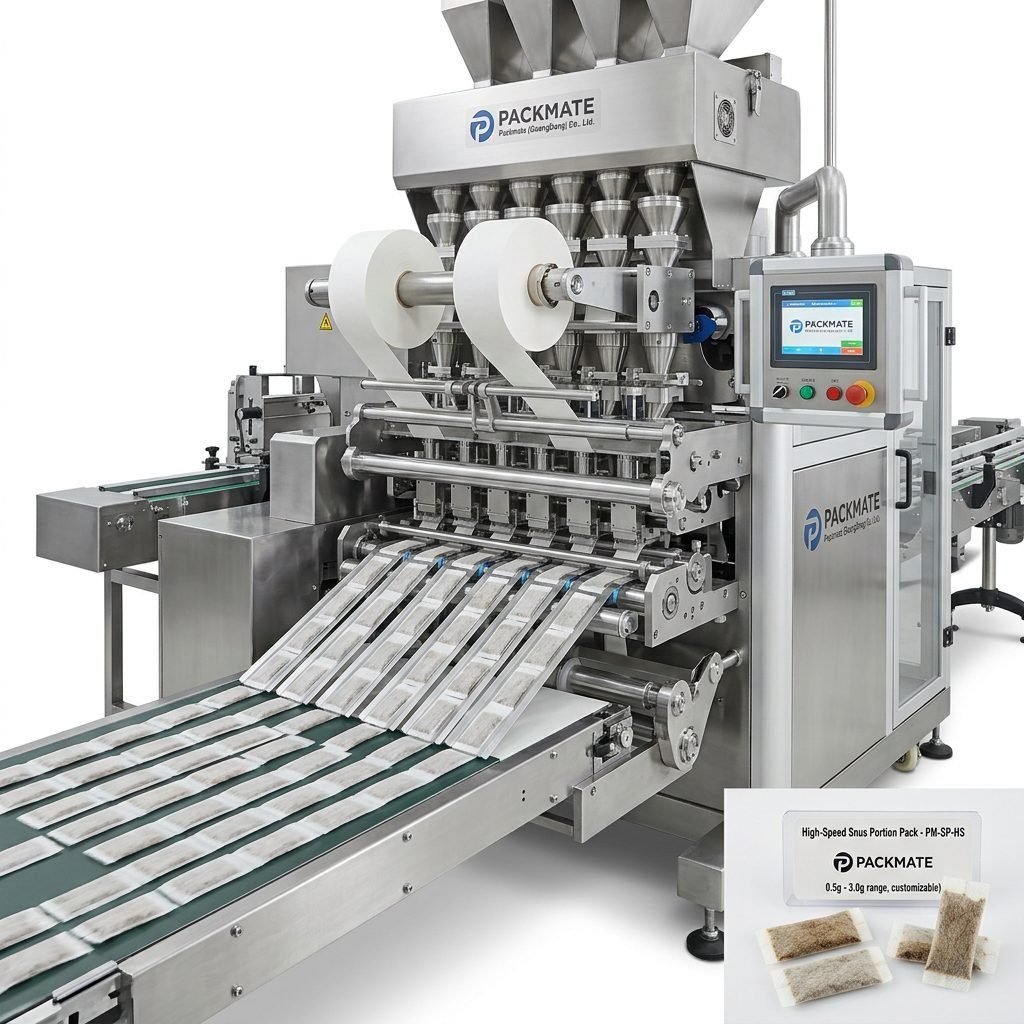
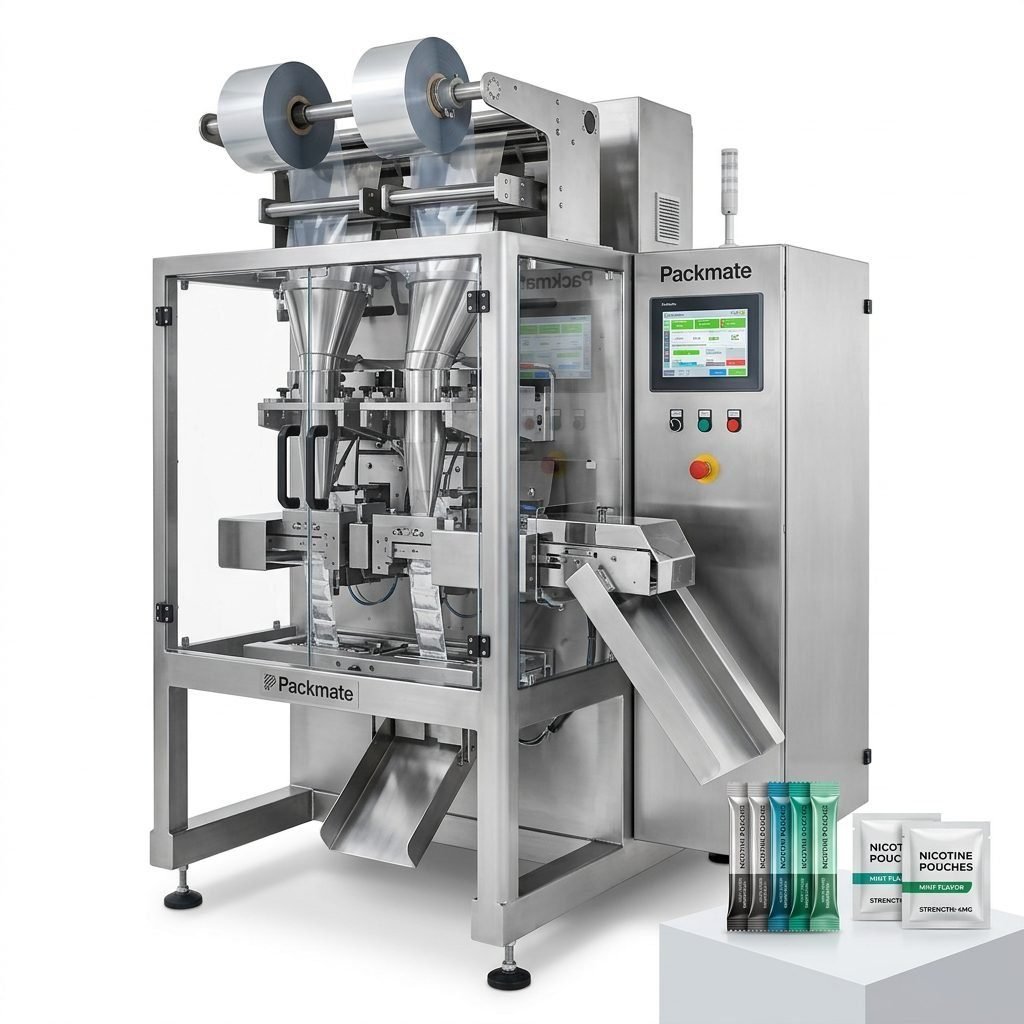
Finding a reliable snus packaging machine supplier in Saudi Arabia requires more than price comparison — it demands an understanding of local market habits, regulatory nuances, machine performance expectations, and long-term service capabilities. This guide walks you through every practical step to source, evaluate, and secure the right partner for snus and nicotine pouch packaging lines in the Kingdom, with checklists, negotiation tips, and logistics advice tailored to Saudi business culture.
Understand the Saudi Market & Local Considerations
Saudi Arabia’s consumer market has grown rapidly for adult-use nicotine alternatives, and distributors place high value on consistent product presentation, compliance, and reliable delivery. When sourcing machines, remember:
- Business rhythms change during religious periods: Ramadan and Eid can affect lead times and plant visits.
- Arabic labelling and packaging preferences are common — confirm the machine’s ability to handle multi-language print or labeling modules.
- Local partners value long-term relationships and clear, respectful communication; plan for multiple meetings and clear documentation.
Key Criteria to Evaluate a Snus Packaging Machine Supplier
Use this checklist when assessing suppliers. Each point helps you reduce risk and choose a supplier who can deliver stable production and compliant machines for the Saudi market.
🔍 Industry experience: Look for suppliers with decades of packaging engineering and documented snus lines. Experience reduces design rework and speeds up commissioning.
✅ Certifications & standards: Machines that comply with CE, ISO and documented testing are easier to import and validate.
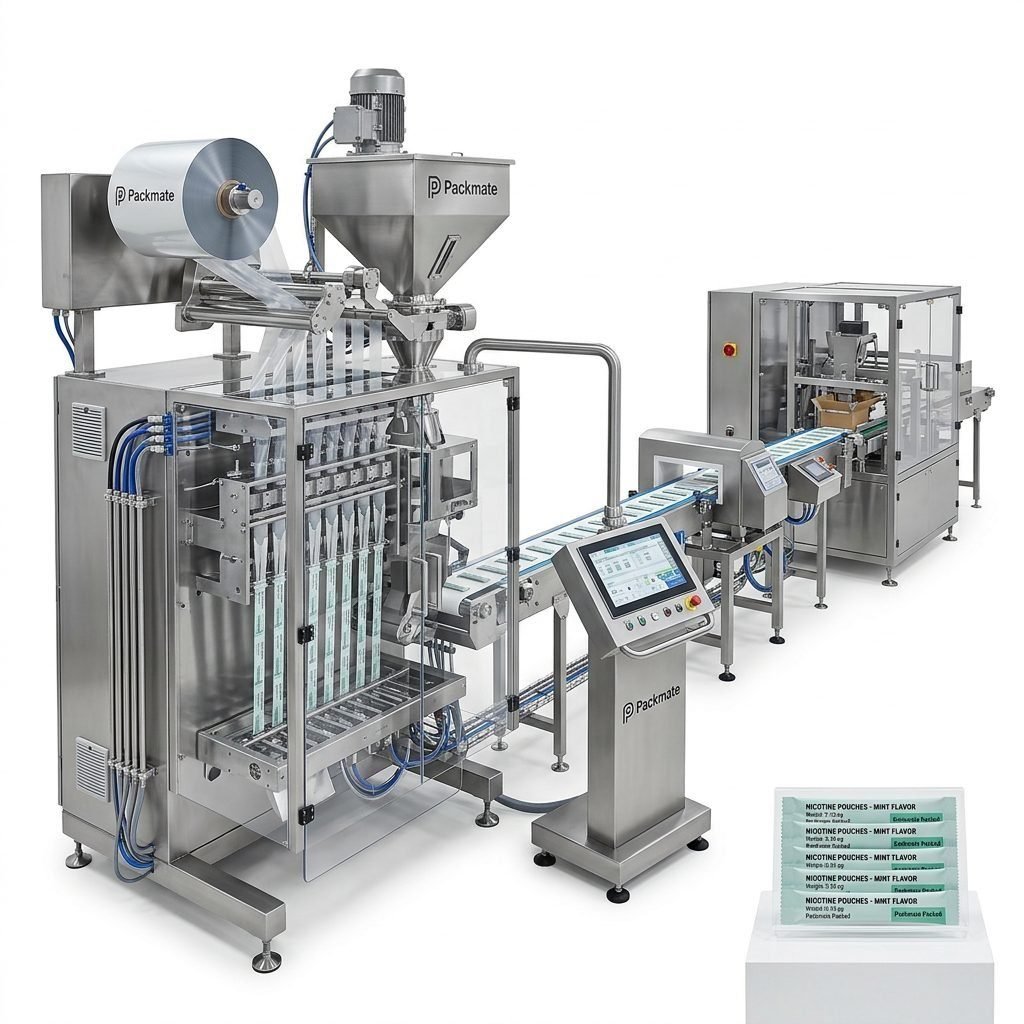
⚙️ Customization & flexibility: Verify capability for pouch formats (stick pack, sachet, multi-lane nicotine pouch), filling precision, and integration with weighing or auxiliary systems.
Supplier Capability: What to ask
When contacting a supplier, request clear answers to: lead time, spare parts availability, training offerings, warranty terms, local service partners (if any), and previous export experience to the Middle East. Ask for machine videos, factory tour footage, and client references in similar climates and regulatory contexts.
Why Factory Strength & Certifications Matter
A strong manufacturing base means fewer surprises during delivery and better long-term support. Confirm:
- Factory footprint and CNC capability — these affect precision parts and long-term wear performance.
- Quality control and testing routines — full pressure and run tests before shipment reduce commissioning time on-site.
- Certificates like CE and ISO — these simplify customs clearance and help with regulatory acceptance in Saudi Arabia.
📦 Tip: Ask for a full FAT (Factory Acceptance Test) video and electronic run records — these are valuable during Saudi customs inspections and pre-shipment checks.
Technical Specifications & What to Verify
Match machine technical specs to your production targets. Important parameters include:
- Output capacity (pouches per minute / lanes) — ensure headroom for future growth.
- Accuracy of dosing for nicotine pouches; low deviation reduces waste.
- Format changeover time and complexity — vital if you plan multiple SKUs.
- Material compatibility for films and pouches used in Saudi Arabia, including laminated barrier films and pre-formed pouches.
Integration Needs (Weighing, Filling, Labelling)
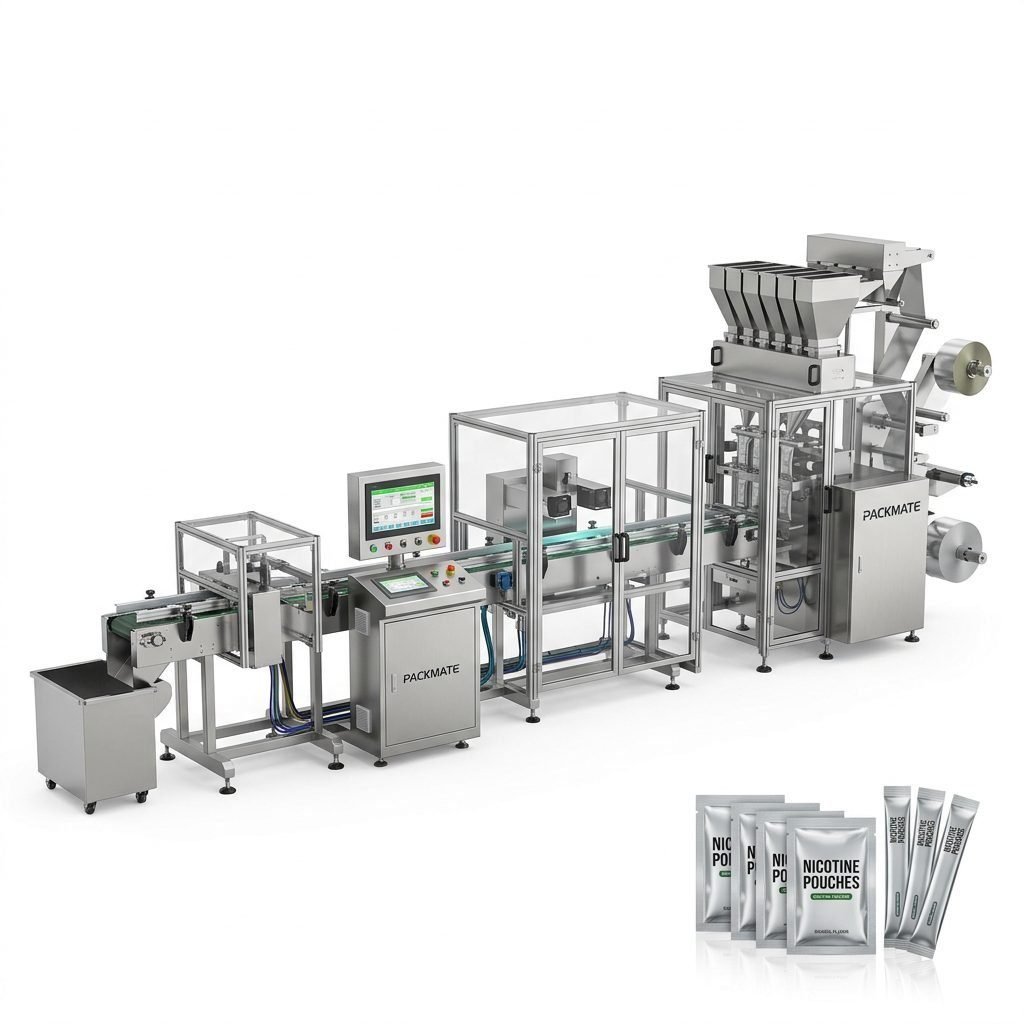
Most snus lines require weighing and multi-head systems or vibratory feeders for accuracy. Confirm that the supplier can supply or integrate:
- Weighing & multi-head dosing systems
- Automated feeding and multi-lane distribution
- Labelling or print-on-film modules for Arabic and English text
Suppliers with a full range of systems are easier to work with. See examples of packaging equipment lines at Filling & Packaging Lines and Weighing & Packaging Systems.
Due Diligence: Factory Visits, References & Case Studies
A supplier who welcomes visits and shares real case studies demonstrates transparency. During visits, observe assembly quality, component brands (servo motors, PLCs, inverters), and test runs. Request references — ideally customers in similar climates or with similar product types. Reviewing case studies helps you validate claims about throughput and reliability; Packmate’s global cases can be reviewed at Case.
⚠️ Red flag: If the supplier refuses FAT evidence or client references, proceed cautiously.
Commercial Terms, Payment & Warranties
Commercial clarity avoids later disputes. Typical negotiation points:
- Payment terms — many suppliers accept 30% deposit, balance at shipment or via LC; discuss trade terms that align with your risk tolerance.
- Warranty coverage — confirm parts, labor for a minimum 12 months after commissioning, and options for extended service.
- Spare parts kit — negotiate an initial spare parts package and typical lead times for replenishment to Saudi Arabia.
Local Service & Training
For Saudi operations, onsite training at commissioning and remote support in English and Arabic make a big difference. Ask whether the supplier provides:
- Detailed operation manuals and spare parts lists
- Training packages for operators and maintenance teams
- Remote commissioning support through video calls and PLC code access
Shipping, Customs Clearance & Documentation for Saudi Arabia
Exporting machinery to Saudi Arabia requires correct documentation and planning. Ensure the supplier provides:
- Commercial invoice, packing list, and bill of lading
- Certificates of origin and any required CE/ISO certificates
- Detailed machine manuals and electrical diagrams for local electricians
- Assistance with customs classification and recommended HS codes
📄 Advice: Engage a Saudi customs broker early — they can flag special import permits or SFDA requirements if your product is considered a regulated nicotine product.
Local Business Etiquette & Negotiation Tips
Saudi negotiations value trust, face-to-face meetings, and patience. Practical tips:
- Start with formal introductions and clear credentials.
- Be mindful of timing around religious observances — response times may vary.
- Use clear contracts in English and Arabic where possible; have legal review for local compliance.
How to Structure Your Request for Quotation (RFQ)
A clear RFQ speeds accurate quotes. Include:
- Target output (pouches/minute, shifts per day)
- Pouch format(s) and film type
- Required integrations (weighing, labeling, conveyor)
- Power supply and site constraints
- Preferred delivery terms (FOB, CIF, DAP)
Sample RFQ snippet
“We require a 4-lane snus pouch pack line with multi-head weighing for 5–20 mg fill accuracy, output 200 pouches/min total, print-on-film for Arabic/English, and modular remote support. Please include FOB Jeddah shipping and warranty terms.”
Selecting Long-Term Partners: After-Sales, Spare Parts & Upgrades
After purchase, reliable support prevents downtime. Evaluate:
- Availability of consumable parts and lead times
- Remote diagnosis and PLC support
- Upgrade paths for automation, vision systems, or additional lanes
For a supplier with broad product range and global service experience, explore Snus & Nicotine Packaging Machines and the company background at About Packmate.
Practical Onboarding Timeline (Typical)
Preparing realistic timelines prevents frustration. A typical process:
- Weeks 1–3: RFQ, machine selection, sample reviews and clarification.
- Weeks 4–6: Contract, deposit, and production scheduling.
- Weeks 7–14: Manufacturing, component procurement, and mid-production updates.
- Weeks 14–16: FAT, documentation delivery, and packing for shipment.
- Weeks 16–22: Shipping, customs clearance, and on-site commissioning.
🔧 Commissioning tip: Schedule a 3–5 day training and performance validation period with defined KPIs to accept the line.
Why Choose a Specialized Snus Machine Manufacturer
Specialized manufacturers understand the delicate dosing and handling needs unique to nicotine pouches and snus. Benefits include:
- Optimized pouch handling to reduce product damage
- Precision dosing solutions for low-dose products
- Proven multi-lane systems for small-dose high-output lines
If you need a full packaging ecosystem, including auxiliary equipment, consult the supplier’s auxiliary offerings at Auxiliary Packaging Equipment.
Final Checklist Before Signing
Complete this final checklist to minimize surprises:
- Receive and verify FAT videos and acceptance criteria.
- Confirm full documentation: drawings, electrical diagrams, spare parts list, and manuals in English (and Arabic if possible).
- Agree on warranty start date and remote support process.
- Ensure shipping terms and customs responsibilities are explicit.
- Plan on-site training and KPI acceptance tests.
Where to Meet Suppliers & See Demos
Major packaging exhibitions are excellent places to meet manufacturers and watch live demos. Check the supplier’s exhibition schedule at Our Exhibition and request demo slots in advance.
📞 Contact suggestion: Before a factory visit, send a detailed agenda and sample SKUs so the supplier can prepare relevant machine setups and printable samples.
Summary & Next Steps
Sourcing a snus packaging partner for Saudi Arabia blends technical assessment with cultural and regulatory awareness. Start with clear RFQs, verify factory strength and certifications, request FAT evidence, and plan for local customs and training needs. A specialized manufacturer that offers integrated lines, robust after-sales, and proven export experience will reduce downtime and support market entry smoothly.
If you want to review product ranges or contact a supplier directly: explore Sachet & Stick Pack Machines, check certificates at Certificate, or get in touch through Contact Us.
Frequently Asked Questions
Q1: How do I ensure the machine meets Saudi import requirements?
A1: Request full documentation (CE/ISO certificates, certificates of origin), confirm the HS code, and engage a local customs broker early to identify any SFDA or other regulatory permits required for nicotine products.
Q2: What lead times should I expect for a customized multi-lane snus line?
A2: Typical lead times range from 12–20 weeks depending on customization, components, and current order book; confirm with the supplier and plan for FAT scheduling and shipping time.
Q3: Can suppliers train my operators in Saudi Arabia?
A3: Yes — most reputable suppliers provide on-site training during commissioning and remote follow-up training. Request training scope and languages (English/Arabic) in the contract.
Q4: What payment methods are common for large machinery purchases?
A4: Common methods include bank transfer with deposit and balance on shipment, or an irrevocable Letter of Credit (LC) for higher security. Choose terms that balance risk and cash flow.
Q5: How important is spare parts availability?
A5: Critical — negotiate an initial spare parts kit and clear lead times for replacements. Local stocking or fast air freight options reduce downtime in Saudi operations.