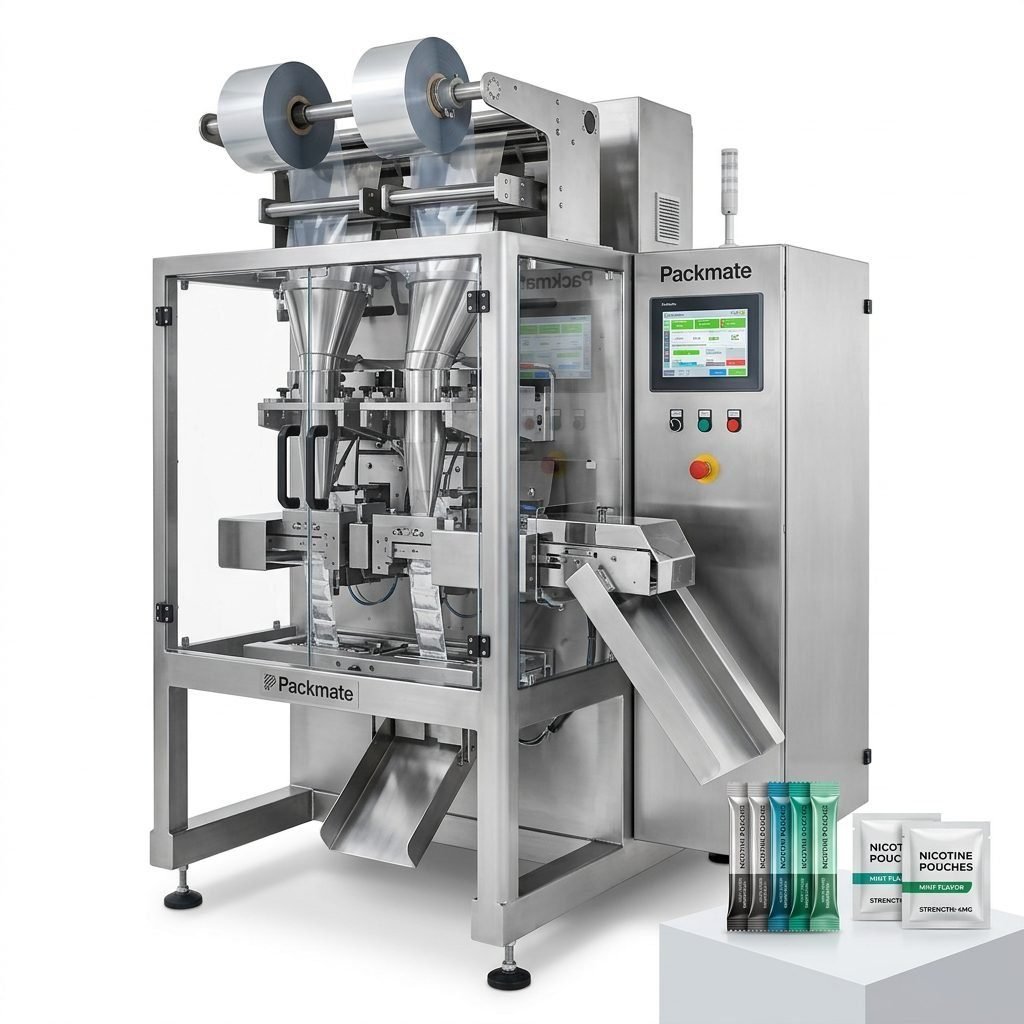
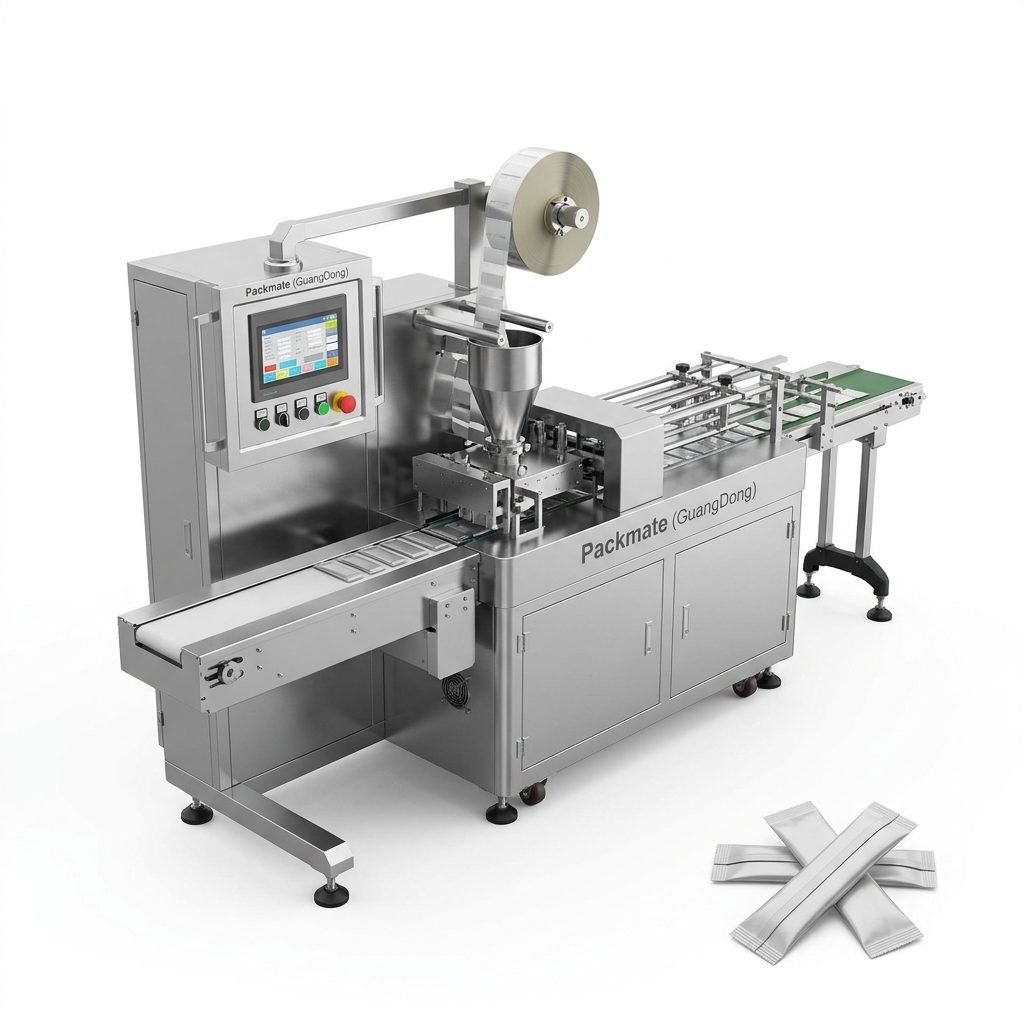
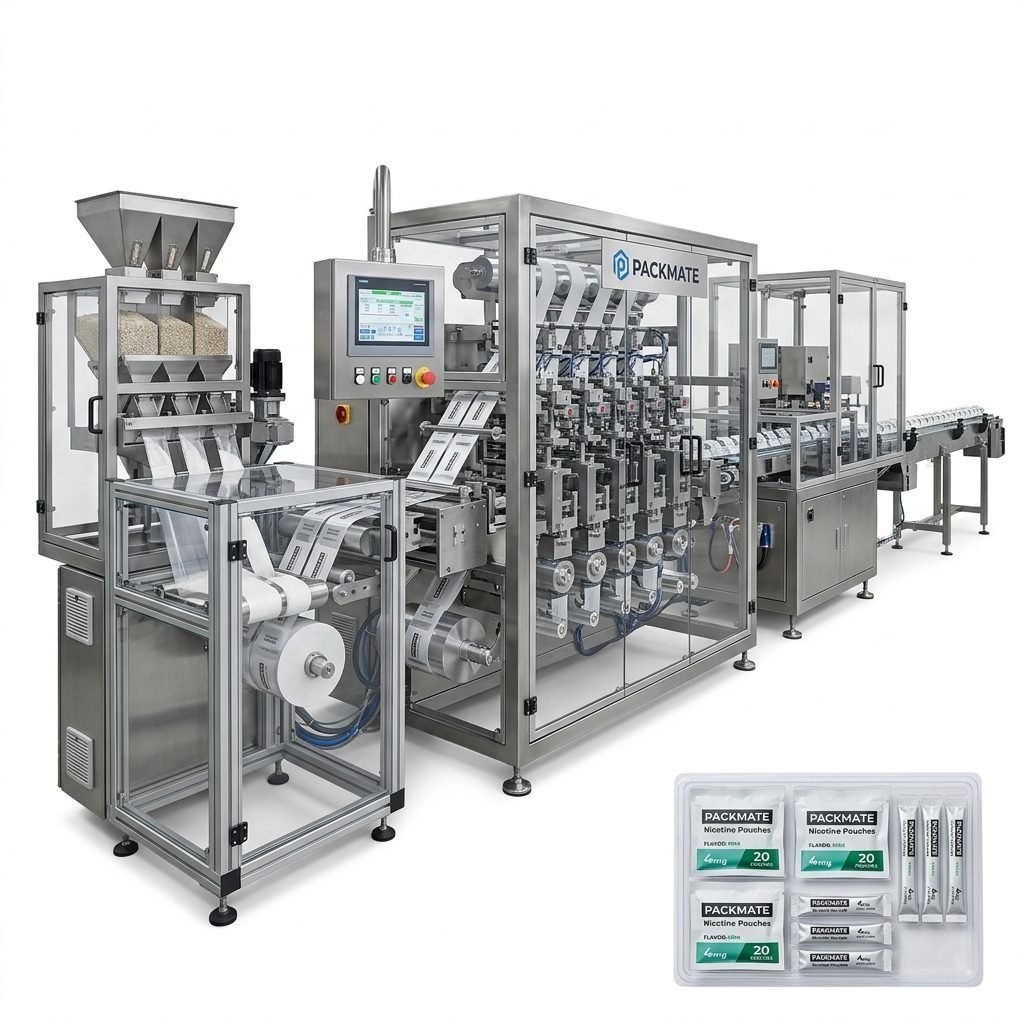
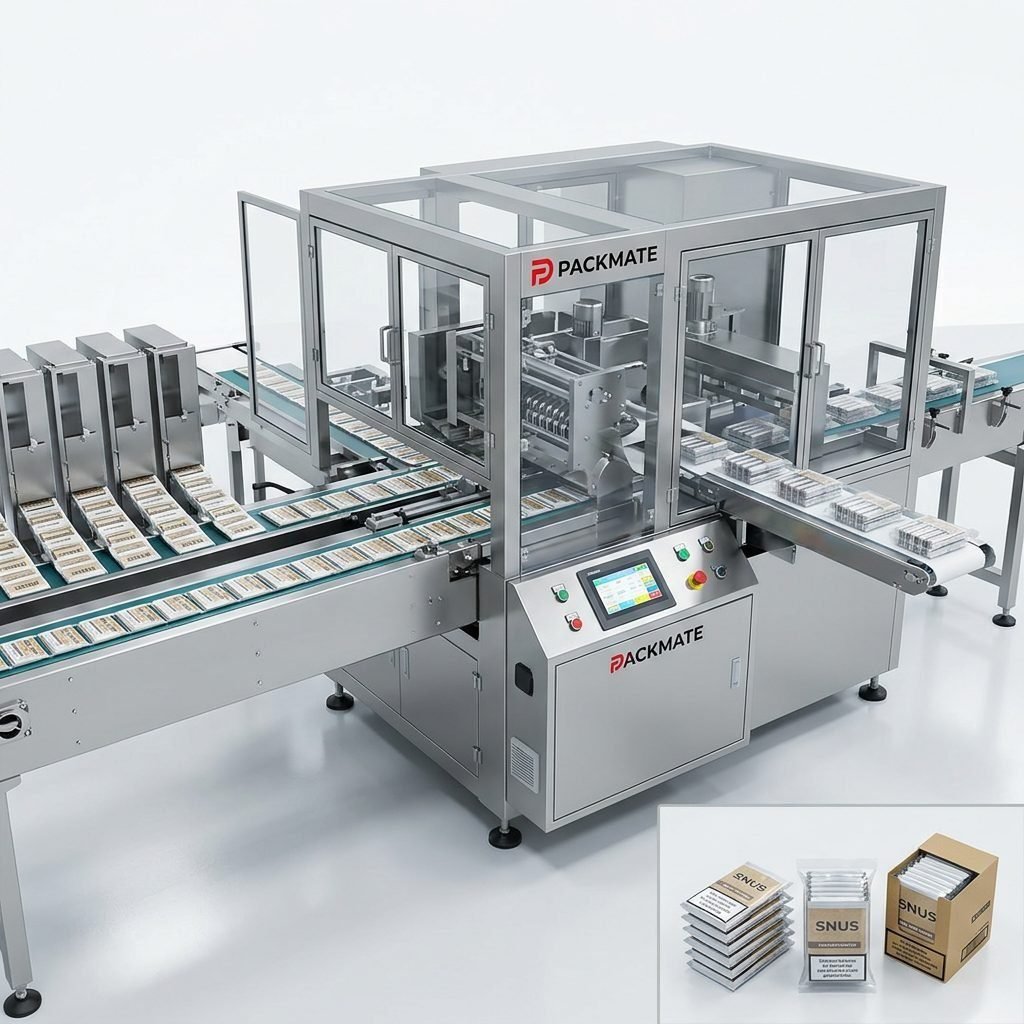
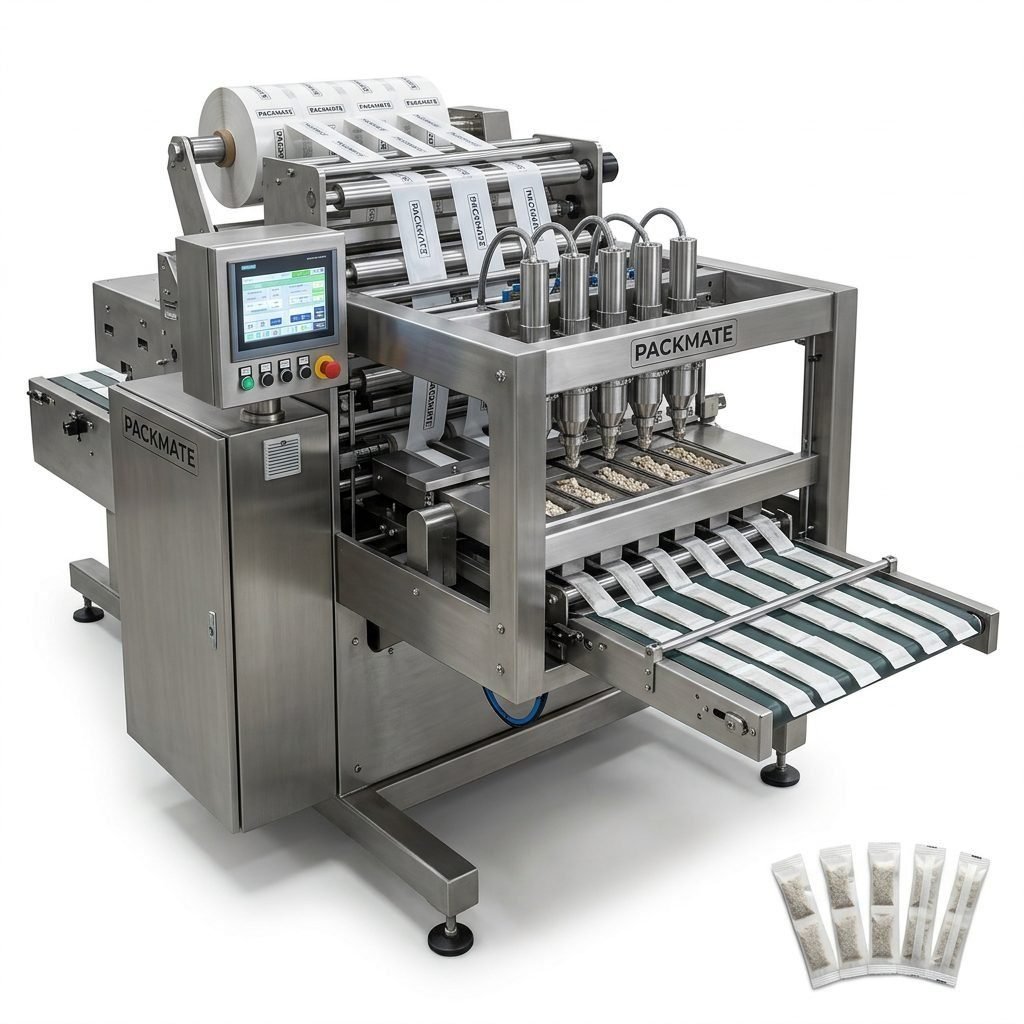
Choosing the right snus packaging machinery manufacturer for a production line in Liberia requires a practical blend of technical evaluation, local market knowledge, and long-term service planning. This guide walks through the most important considerations for manufacturers of nicotine pouches and snus products, with step-by-step advice on evaluating equipment performance, factory strength, after-sales support, regulatory compliance, and logistics for West Africa. Whether you are launching a small artisan line for Monrovia’s urban market or scaling to serve regional distributors, these points will help you make a confident purchase decision.
Understand Liberia’s Market Context and Cultural Considerations
Liberia’s official language is English, and consumer habits in the country and the wider West African region are often shaped by price sensitivity, preference for single-use or small-quantity products, and a strong informal retail network. Brands that succeed here typically focus on compact, affordable packaging and reliable supply of consumables like pouches and secondary materials. Additionally, deliverability to inland regions and resilience against temporary power outages are practical factors to consider when selecting equipment.
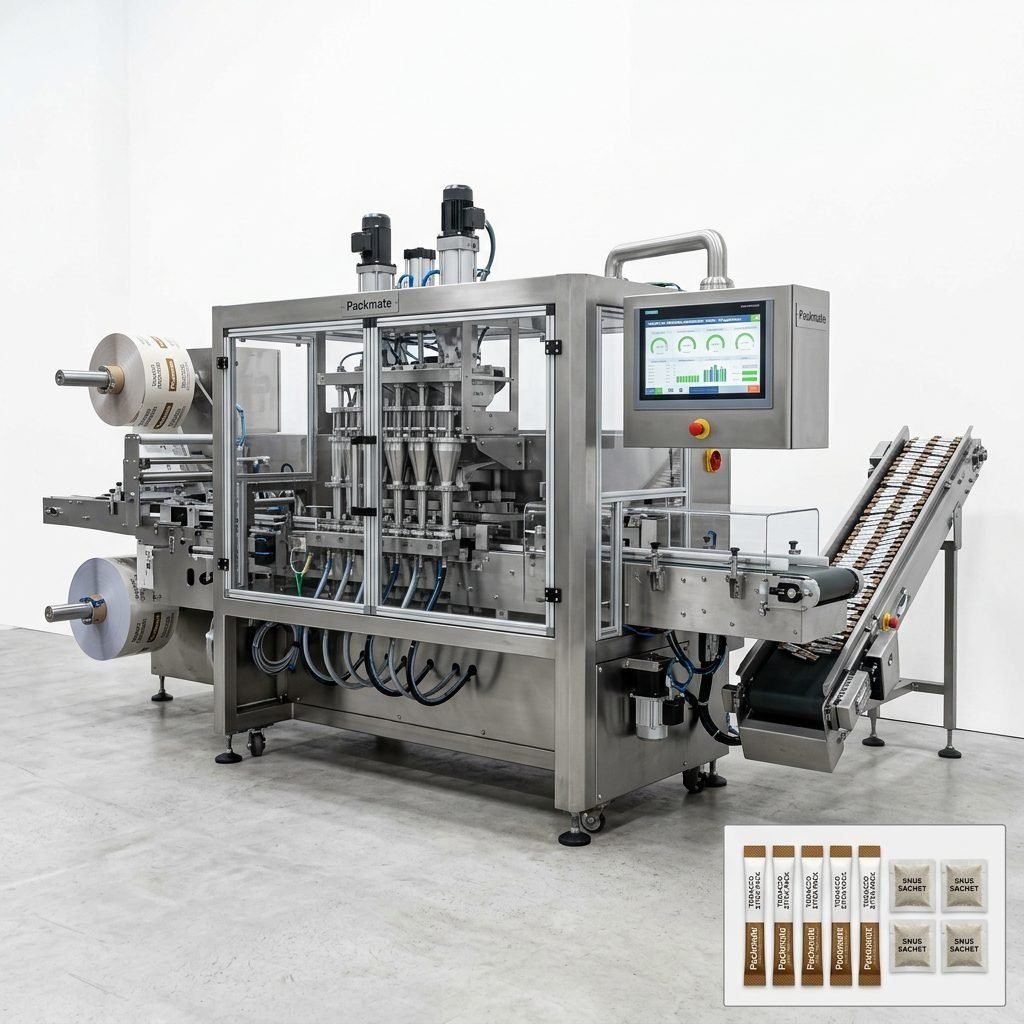
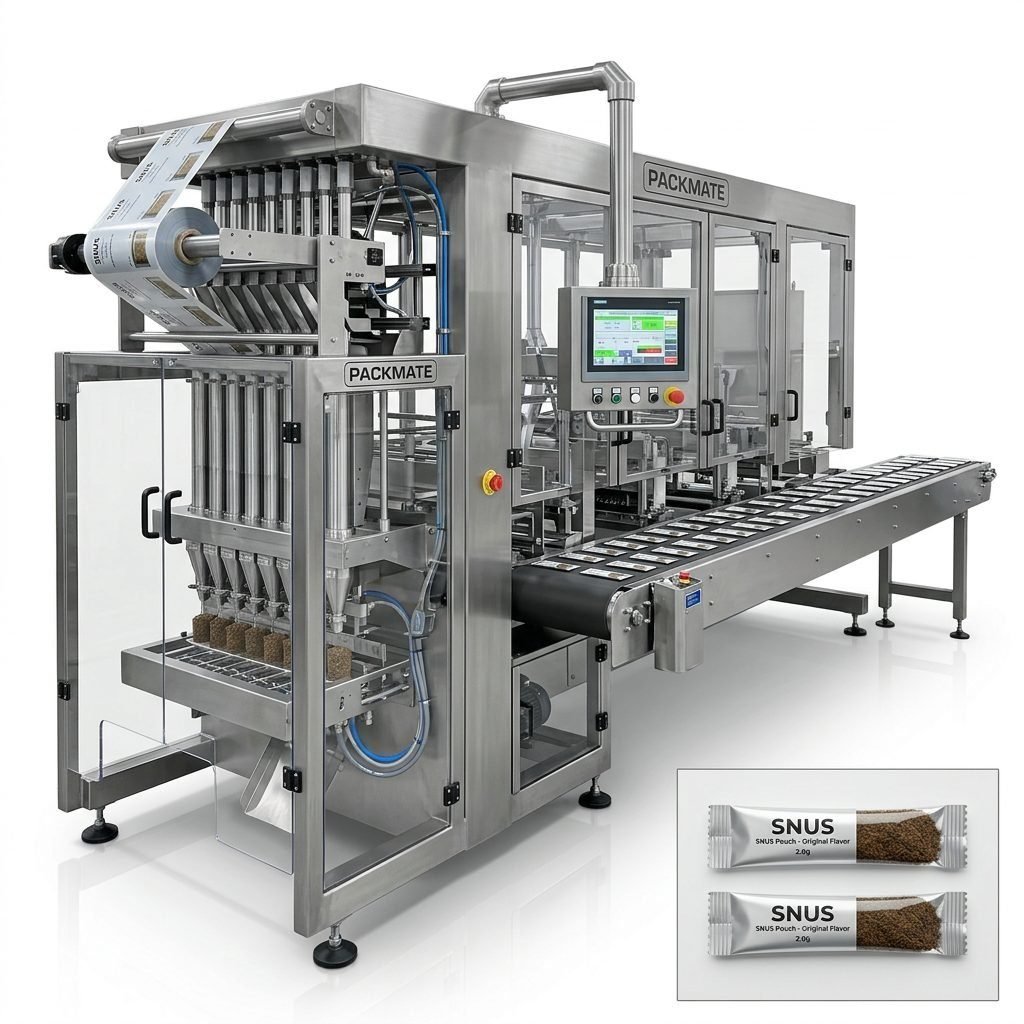
Tip: prioritize machines that support multi-lane, small-dose sachets and stick pack formats — these formats align with the purchasing patterns in Liberia where smaller pack sizes help expand reach across informal markets and kiosks.
Key Technical Criteria for Snus Packaging Machines
When evaluating manufacturers, inspect the following technical features closely. These determine run-time stability, product yield, and ease of operation for local teams.
⚙️ Production Speed and Lane Flexibility: Look for machines with adjustable lanes and speeds that can handle both low-volume pilot batches and higher throughput runs. Multi-lane systems allow you to produce multiple sachets simultaneously, reducing cost per unit.
🔧 Precision Filling and Metering: Accurate dosing is critical for nicotine pouch products. Verify the manufacturer’s metering technology for powders, granules or liquids and request performance data or factory acceptance reports.
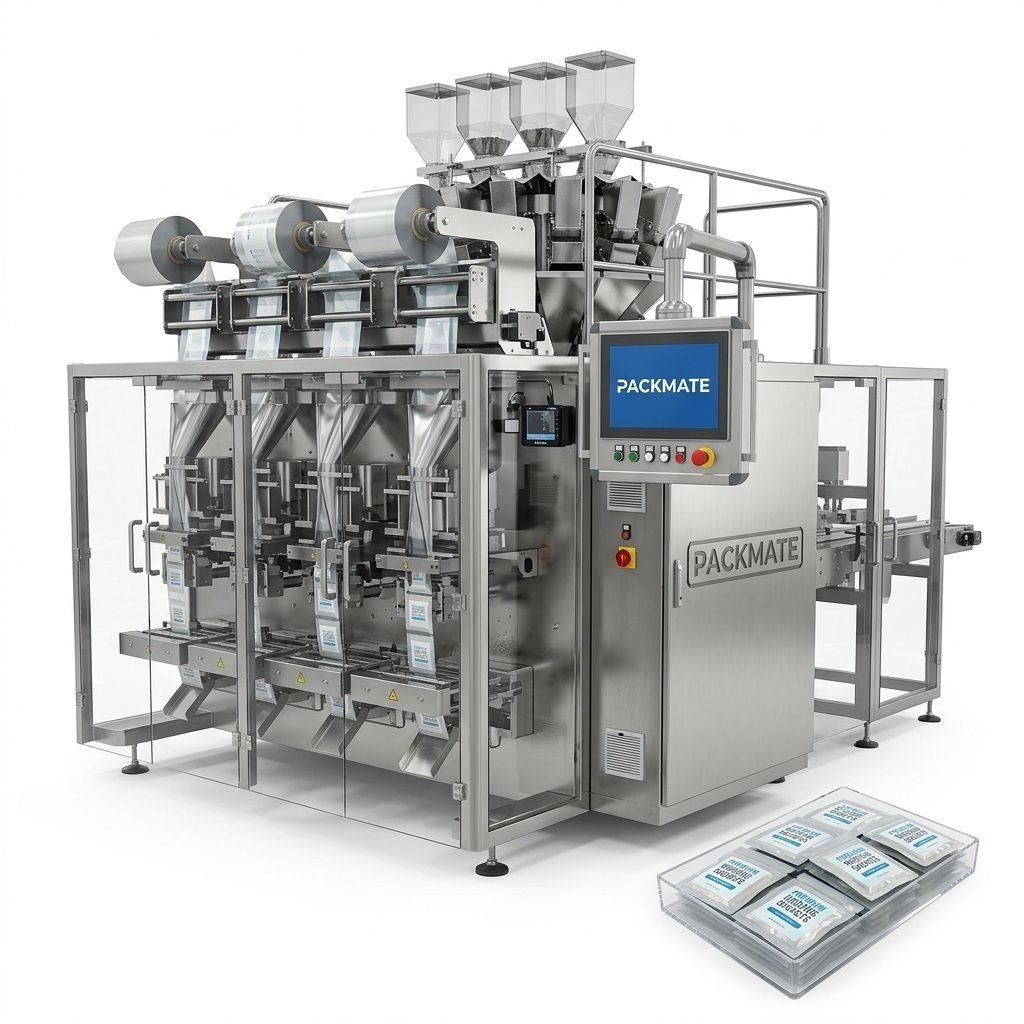
📦 Film and Pouch Compatibility: Confirm the machine supports the range of film types and pouch materials you intend to use, including lamination thicknesses and heat-sealing specifications. Compatibility reduces downtime from format changes.
Assess Manufacturer Capabilities and Factory Strength
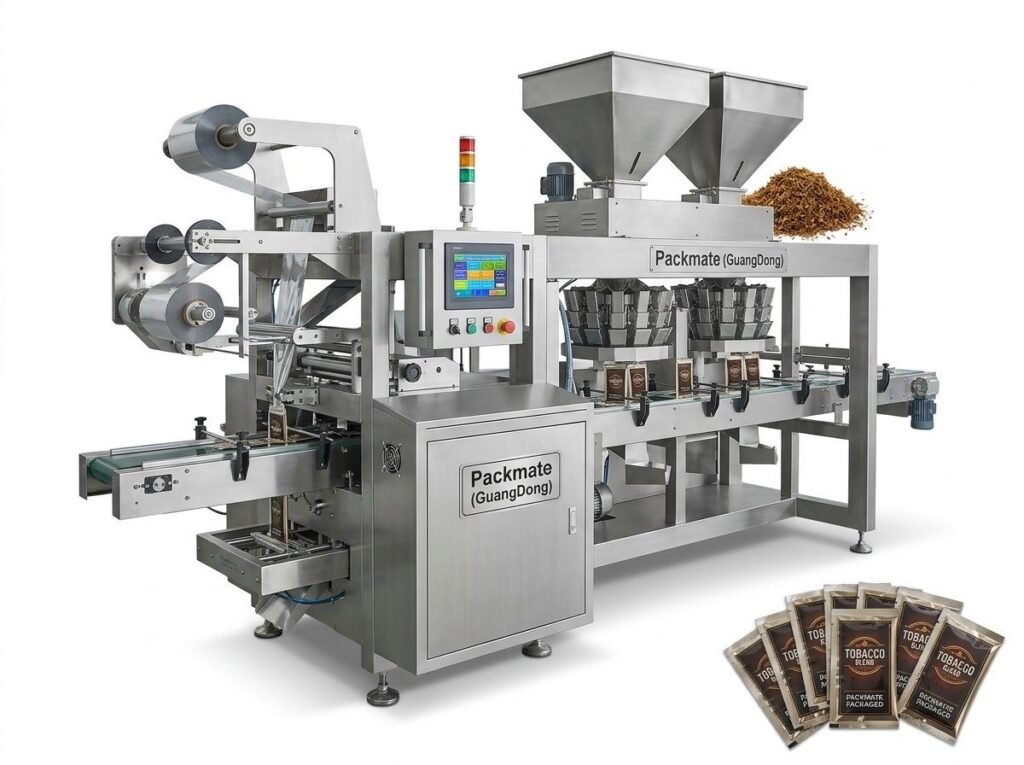
A robust manufacturer profile reduces risk. Evaluate factory size, machining capability, and years of experience. Strong manufacturers provide full documentation, spare parts availability, and inspection records. Packmate Snus Machine, for example, offers a 20,000㎡ manufacturing facility with advanced CNC centers and over 30 years of engineering history — factors that typically correlate with consistent build quality and parts interchangeability.
Why it matters: local serviceability in Liberia is helped when manufacturers have reliable spare part pipelines and clearly documented machine schematics; look for partners that provide clear after-sales channels and global case references.
Quality, Certification and Compliance
International certifications such as CE and ISO are strong indicators of safety and manufacturing discipline. Ask for certificates and test reports, especially when planning to export products from Liberia to other West African markets. Certified machines often simplify customs clearance and product registration in jurisdictions that require recognized standards.
After-Sales Support, Training and Documentation
After-sales commitment is essential. Confirm training availability for local operators, manuals in English, spare parts inventory, and remote troubleshooting options. Manufacturers who participate in international exhibitions and maintain global case studies tend to provide better long-term support. Consider providers that also supply installation supervision and commissioning services.
Useful links to explore product lines and company background: Snus & Nicotine Packaging Machines, About Packmate, and Case.
Logistics, Import and Local Installation Considerations for Liberia
Importing heavy machinery into Liberia involves coordinating customs clearance at Roberts International Airport or the Freeport of Monrovia, inland transport, and possible local taxes. Confirm the supplier’s experience with shipping to West Africa and whether they offer CIF (Cost, Insurance, Freight) or DAP (Delivered at Place) terms that minimize surprises. Plan for local infrastructure: voltage stabilizers or backup generators are common necessities in areas with intermittent power.
Checklist before purchase: confirm shipping terms, lead time for spare parts, availability of training in English, and whether the vendor can coordinate local installation and commissioning in Liberia.
Total Cost of Ownership (TCO) and ROI
Look beyond the purchase price. Estimate consumables cost, spare parts, energy consumption, expected throughput and downtime. Machines with modular designs and widely available components can reduce TCO in the long run. Request client references and real-world performance metrics; reputable suppliers will provide case studies demonstrating improved yield and reduced waste.
Evaluate Manufacturer Reputation and Case Studies
Examine prior projects in similar climates or markets. Manufacturers that exhibit at international trade fairs and publish detailed case histories show transparency and market validation. Explore the supplier’s exhibition records and certificate pages to verify their presence in global markets. You may also request a factory demonstration or video walkthrough of the model you intend to buy.
Explore additional product categories when planning a turnkey line: Bag & Pouch Packaging Machines, Sachet & Stick Pack Machines, and complementary Weighing & Packaging Systems to ensure a seamless production flow.
Negotiation and Contract Essentials
Contracts should specify performance guarantees, acceptance tests, spare parts list, warranty period, and lead times for critical components. Negotiate clear terms for on-site training and remote support. If possible, include penalty clauses for missed delivery or performance below agreed thresholds.
Important: request a factory acceptance test (FAT) and a site acceptance test (SAT) to verify machine performance before final acceptance and payment release.
Local Workforce Training and Operational Readiness
Invest in operator and maintenance training. Even highly automated lines require daily checks, cleaning and adjustments. Ensure the manufacturer provides English-language manuals and troubleshooting guides; if local languages are needed, plan translation. Partnerships that include training reduce downtime and accelerate ramp-up to full production.
Why Choose an Experienced Manufacturer Like Packmate
An experienced supplier brings mature design, robust after-sales channels, and proven turnkey solutions. With decades of engineering experience, a large factory footprint and diverse case history, such manufacturers can better support the technical transitions needed for a new production line in Liberia. For more details about services and certifications, check the Certificate and Service pages.
Final Practical Steps Before Ordering
1. Create a prioritized feature list for your production targets.
2. Request factory videos, FAT reports, and client references in similar markets.
3. Confirm shipping terms to Liberia, spare part lead times, and the availability of on-site commissioning.
4. Negotiate clear warranty and support frameworks with milestones for SAT acceptance.
Need direct contact? Use the manufacturer’s contact channel to request tailored quotations and lead-time estimates: Contact Us.
Conclusion
Selecting the best snus packaging machinery manufacturer for Liberia blends technical, operational and cultural considerations. Prioritize multi-lane flexibility, accurate dosing, robust after-sales support, clear certification, and supplier experience with West African logistics. By following a structured evaluation and insisting on FAT/SAT validation, buyers can minimize risk and build a production line that fits Liberia’s market dynamics and growth potential.
Common Questions
Q1: How important is local spare parts stock for machines shipped to Liberia?
A1: Extremely important — local or regional spare parts access shortens downtime. Confirm the supplier’s parts lead times and consider stocking critical wear parts locally.
Q2: Do machines need voltage stabilizers for Liberia?
A2: Yes, in many areas voltage fluctuations are common. Plan for stabilizers and backup power to protect sensitive PLCs and servo systems.
Q3: Can I start with a small line and scale up later?
A3: Look for modular designs and multi-lane options that allow capacity expansion without full replacement. Discuss upgrade paths with the manufacturer.
Q4: What documentation should I require before purchase?
A4: Require technical specifications, FAT reports, wiring diagrams, spare parts list, CE/ISO certificates, and user manuals in English.
Q5: Where can I view real machine cases and exhibition records?
A5: Visit the manufacturer’s case and exhibition pages for videos, client examples, and trade show participation: Our Exhibition.