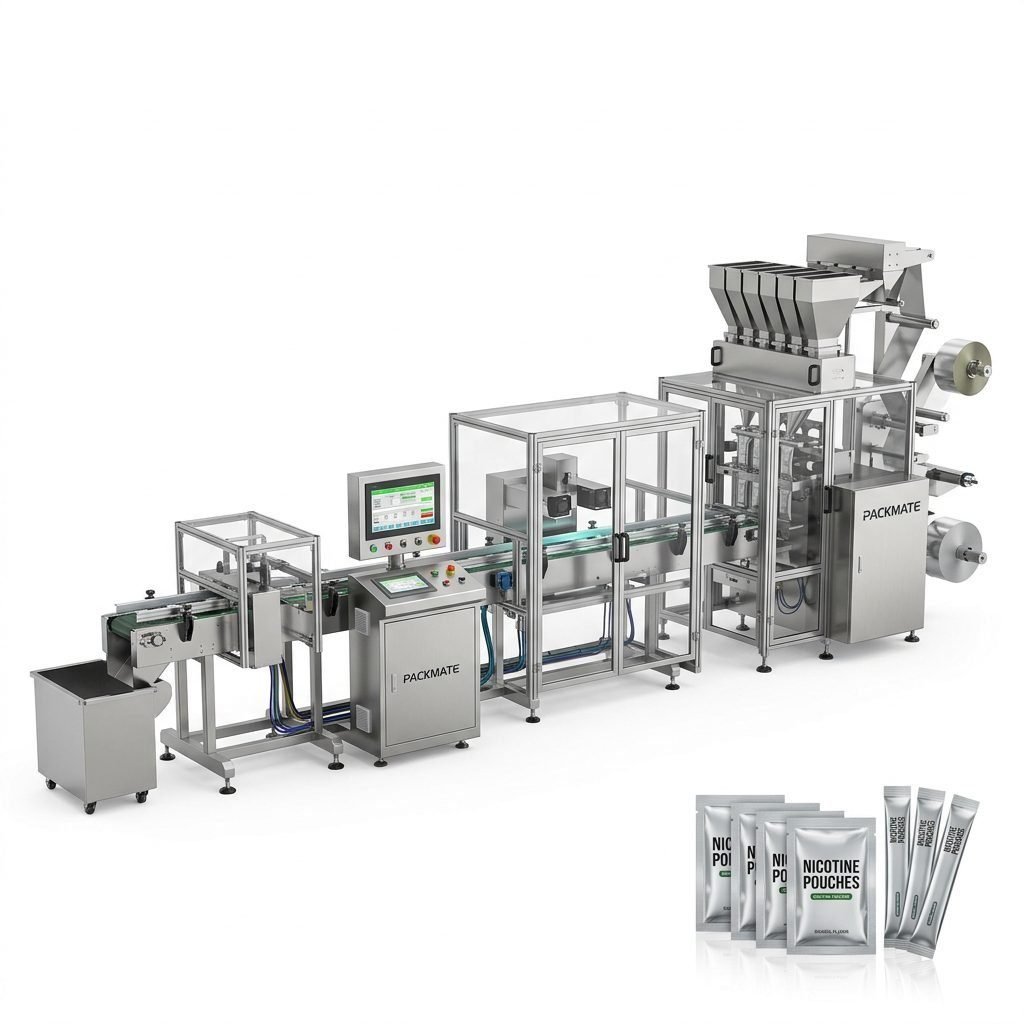
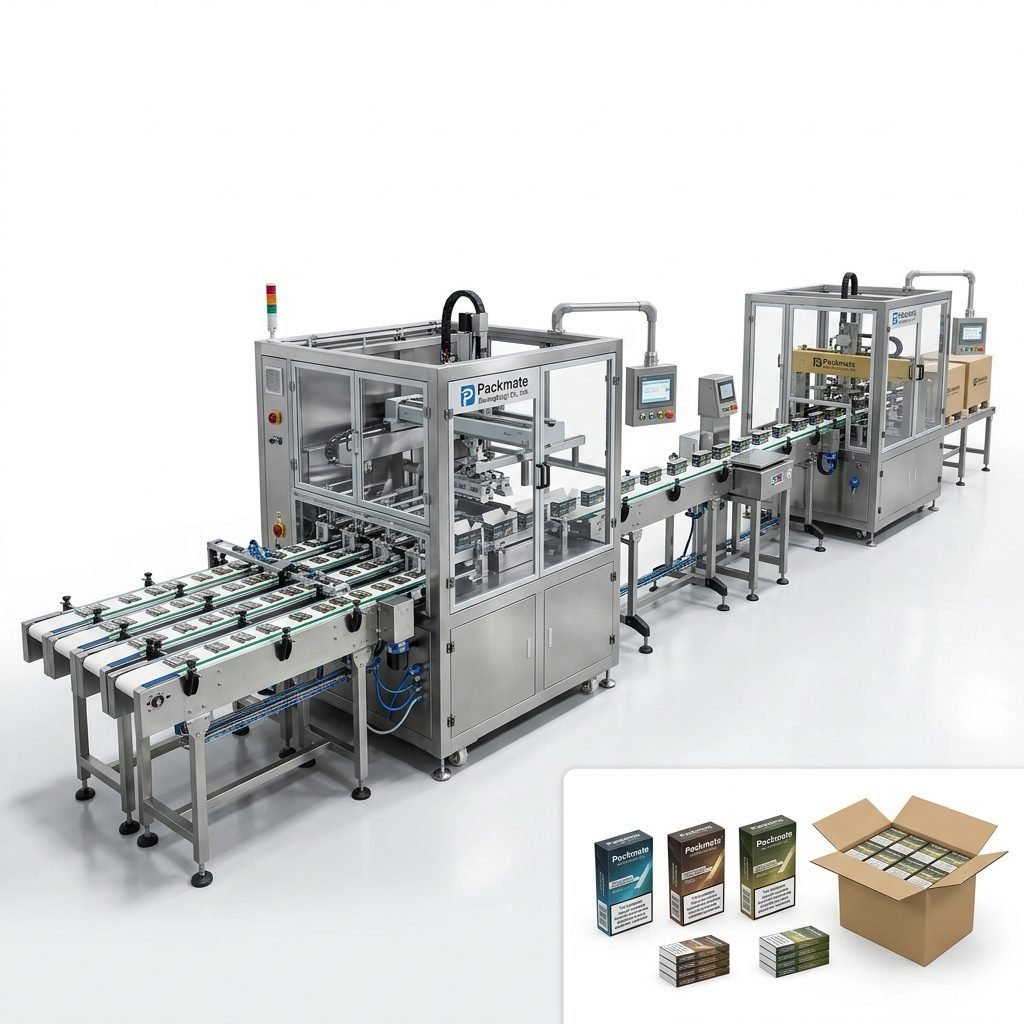
Choosing the right snus production line is a strategic decision that affects product quality, production efficiency, regulatory compliance, and long-term profitability. This guide compares the main snus line options, highlights key technical and commercial considerations, and provides practical recommendations to help factory managers, engineers, and procurement teams make an informed selection. Whether you plan to scale up nicotine pouch output or need a compact, flexible line for multiple portion sizes, understanding the differences between stick pack, sachet, and multi-lane systems will save time and capital.
Overview of Snus Production Line Types
There are several core configurations used in modern snus and nicotine pouch manufacturing. The most common include:
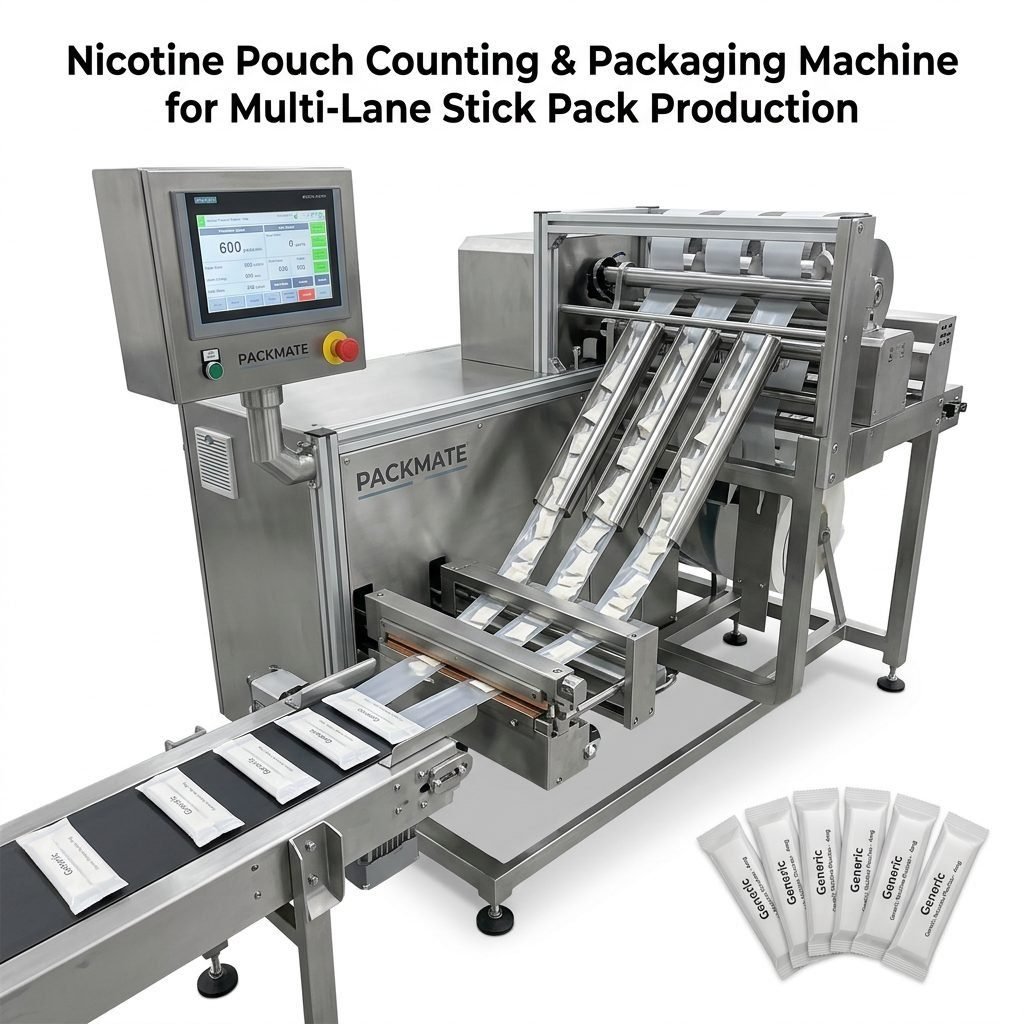
Stick Pack Lines
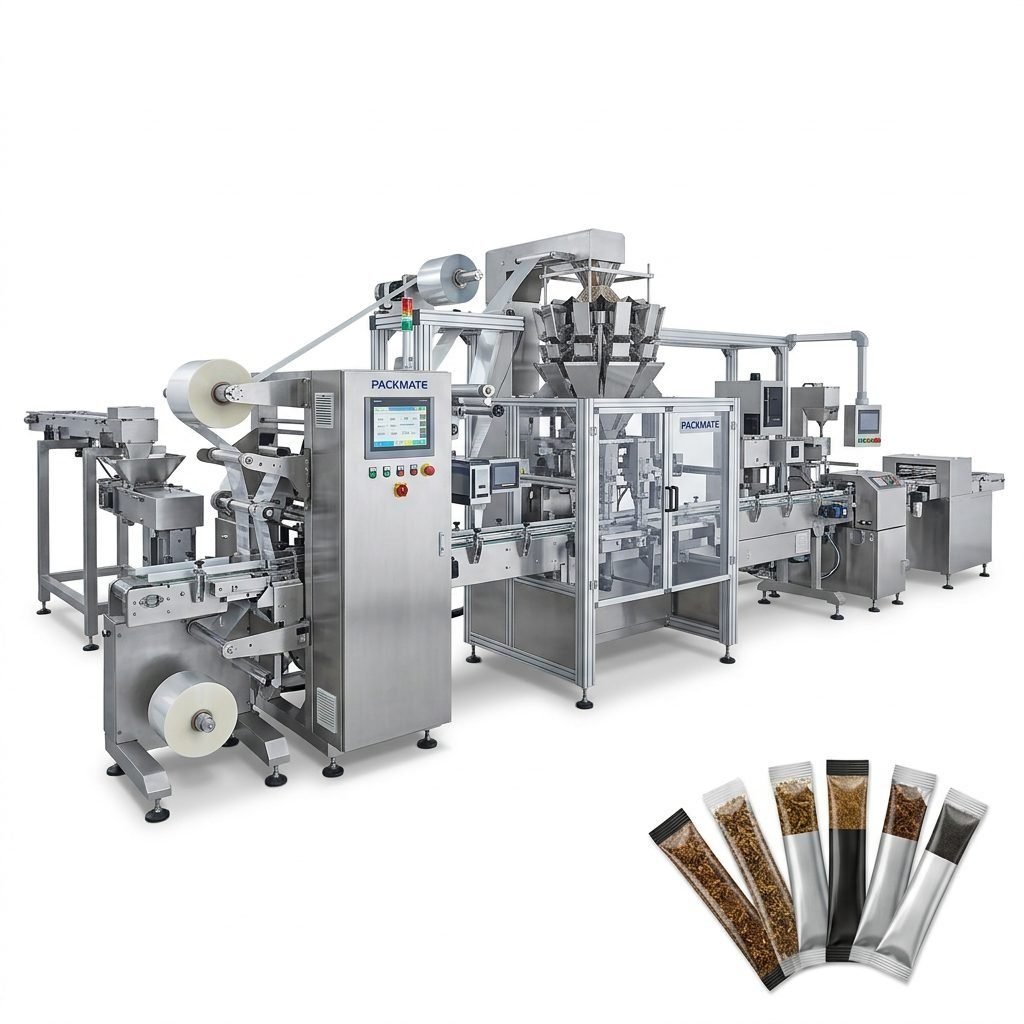
Stick pack systems are often chosen for single-dose pouches that resemble elongated sticks. These lines excel at high-speed, linear packaging formats and are commonly used when brand differentiation relies on slim, portable sachets. Stick pack lines are highly automated and can integrate high-precision dosing modules for powders and micro-granules.
Sachet & Pillow Pack Lines
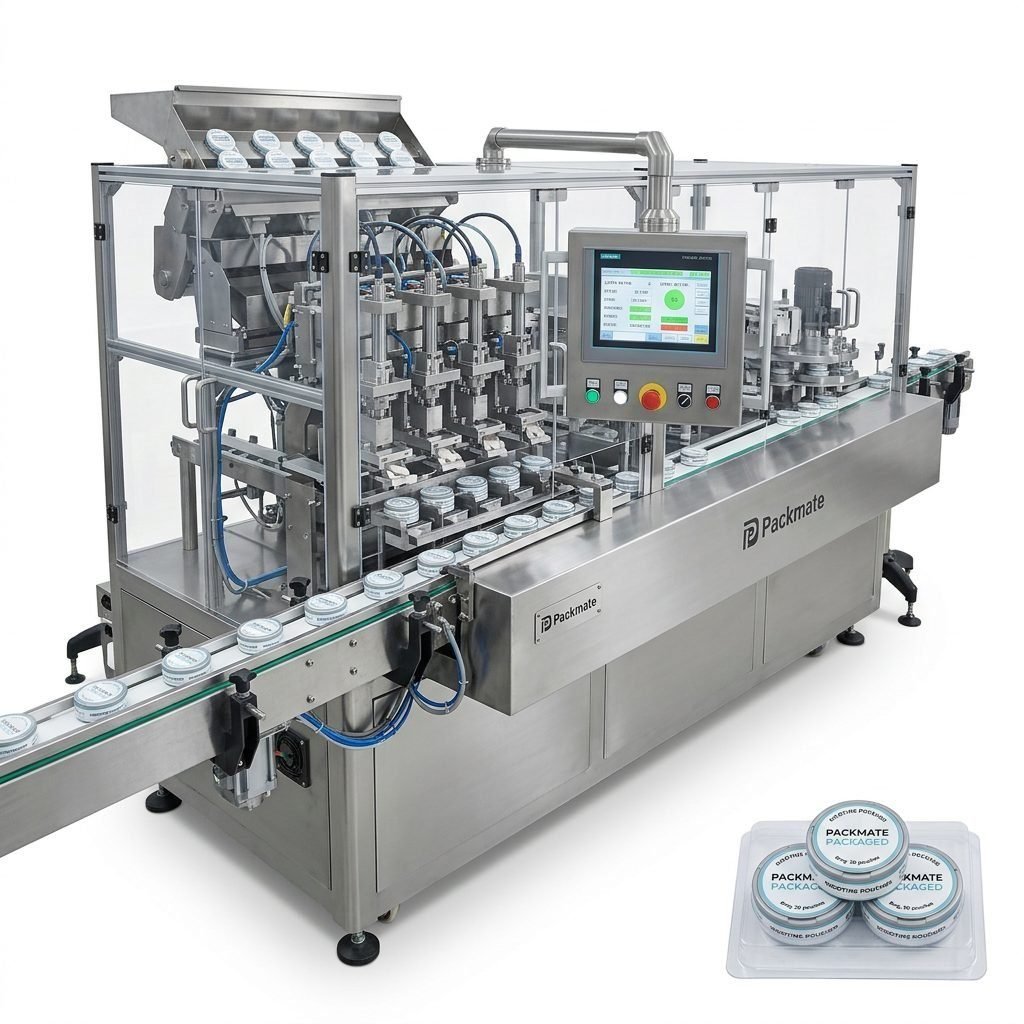
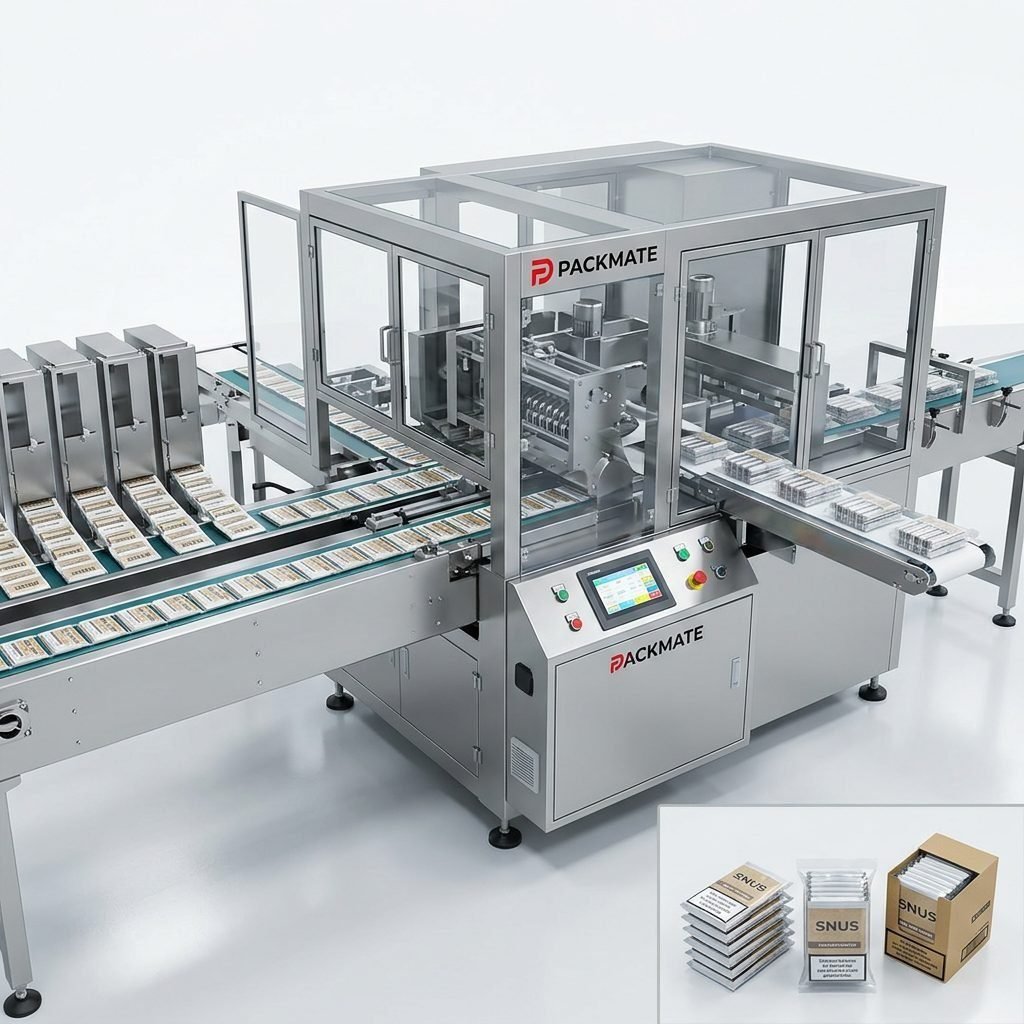
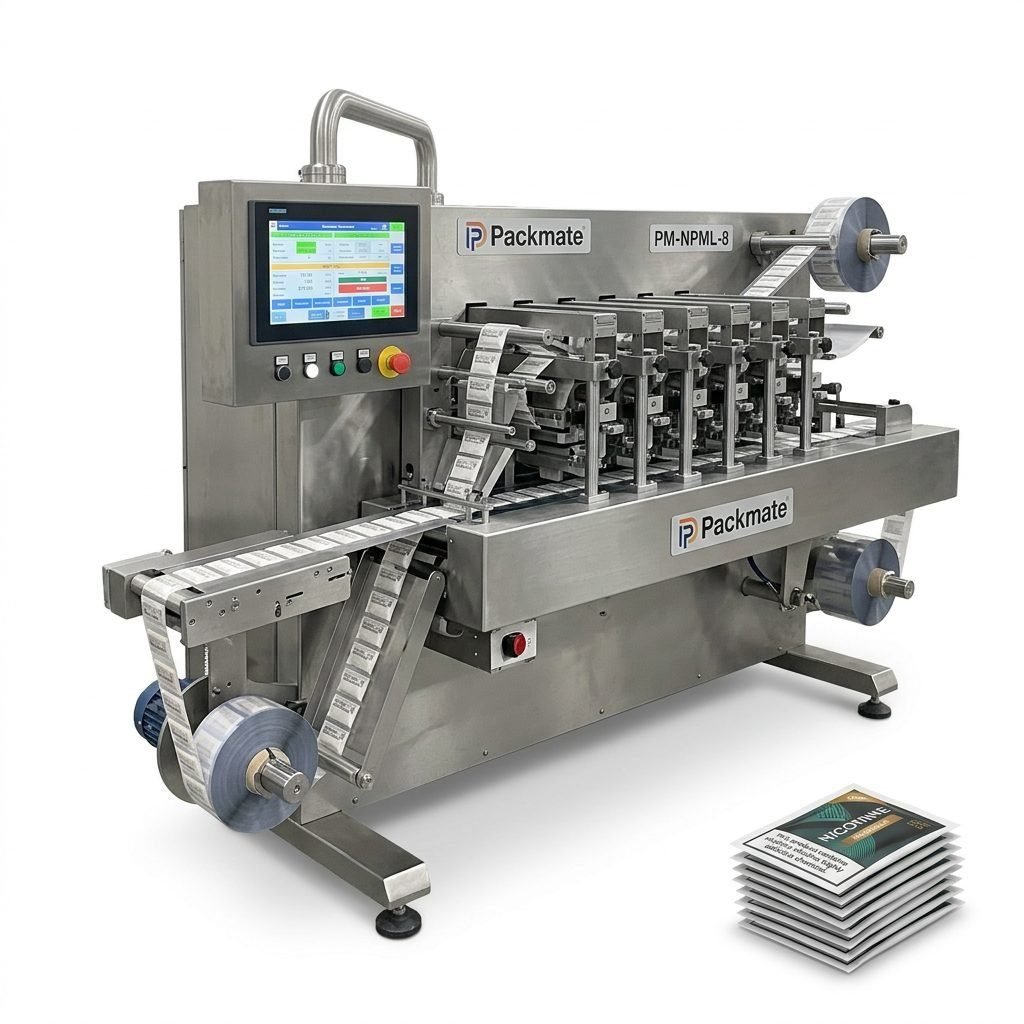
Sachet and pillow pack machines are flexible for square or rectangular pouch shapes and are often used when visual presentation or reseal options are important. They handle various film structures and allow multi-layer lamination, which helps meet barrier requirements for nicotine pouches.
Multi-lane Portion Systems
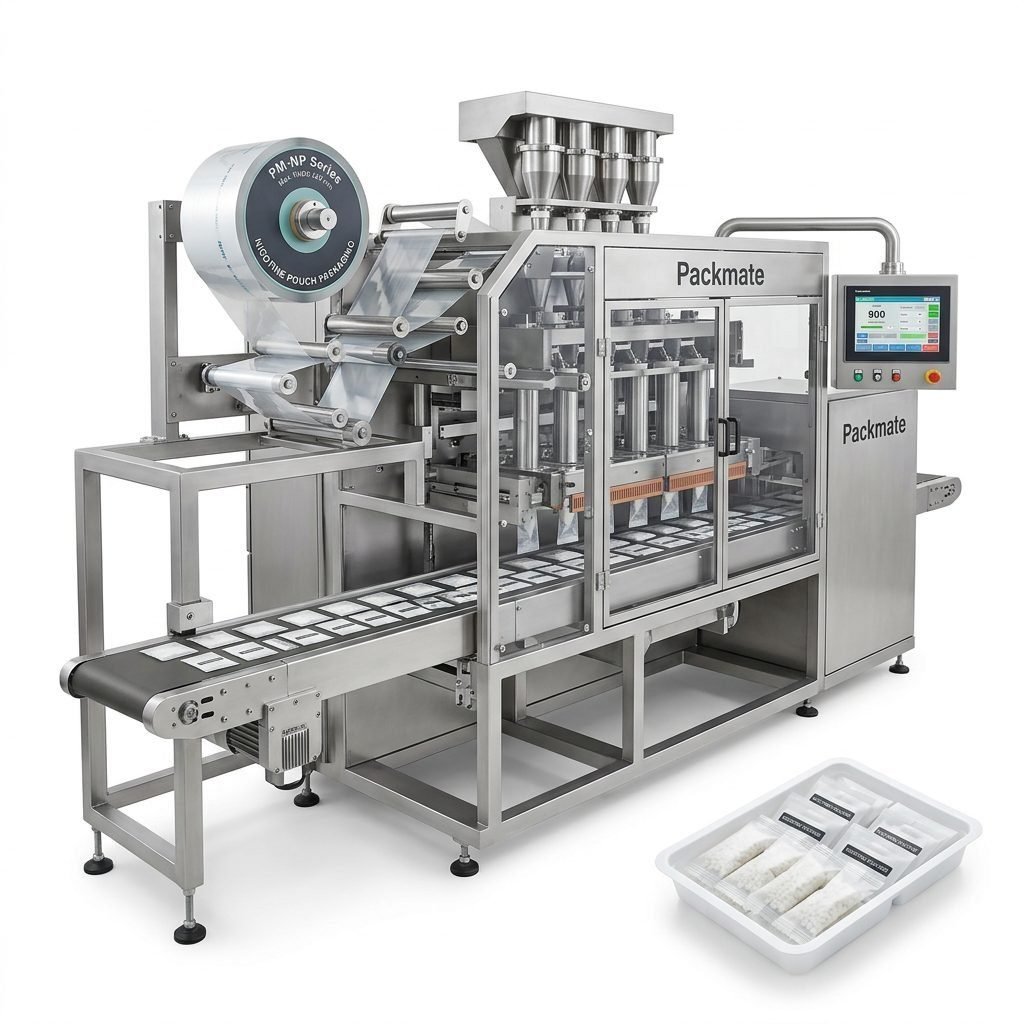
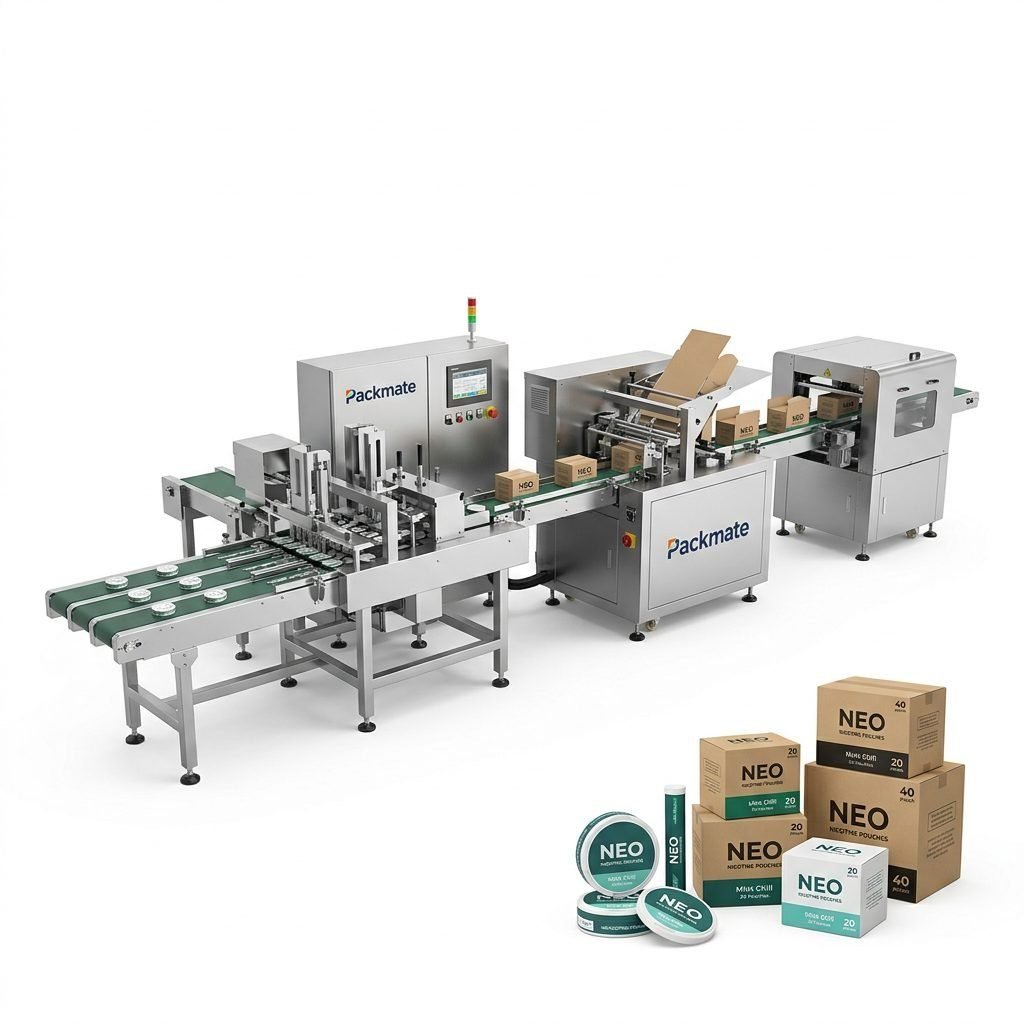
Multi-lane systems are the go-to solution for high-capacity factories. They can produce multiple rows of pouches simultaneously, dramatically increasing throughput without proportionally expanding footprint. These systems require advanced synchronization, dosing accuracy, and robust maintenance practices.
Critical Selection Criteria
When evaluating snus production lines, assess both technical performance and operational impacts. Below are the top criteria used by experienced packaging engineers and production managers.
1. Throughput & Scalability
Throughput is measured in pouches per minute or kilograms per hour. Multi-lane systems usually deliver the highest throughput. However, consider scalability — can the line be upgraded with extra lanes, higher-speed dosing heads, or downstream automation (cartoners and case packers)? Forecast future volumes and choose a solution that allows staged investments.
2. Product Flexibility
Product families, dose ranges, moisture content, and additives influence machine selection. If you plan to run multiple formats and flavors, prioritize machines with quick-change tooling and programmable recipes in the HMI. For more on modular machines and flexible lines, see the Sachet & Stick Pack Machines offering.
3. Dosing Accuracy & Waste Reduction
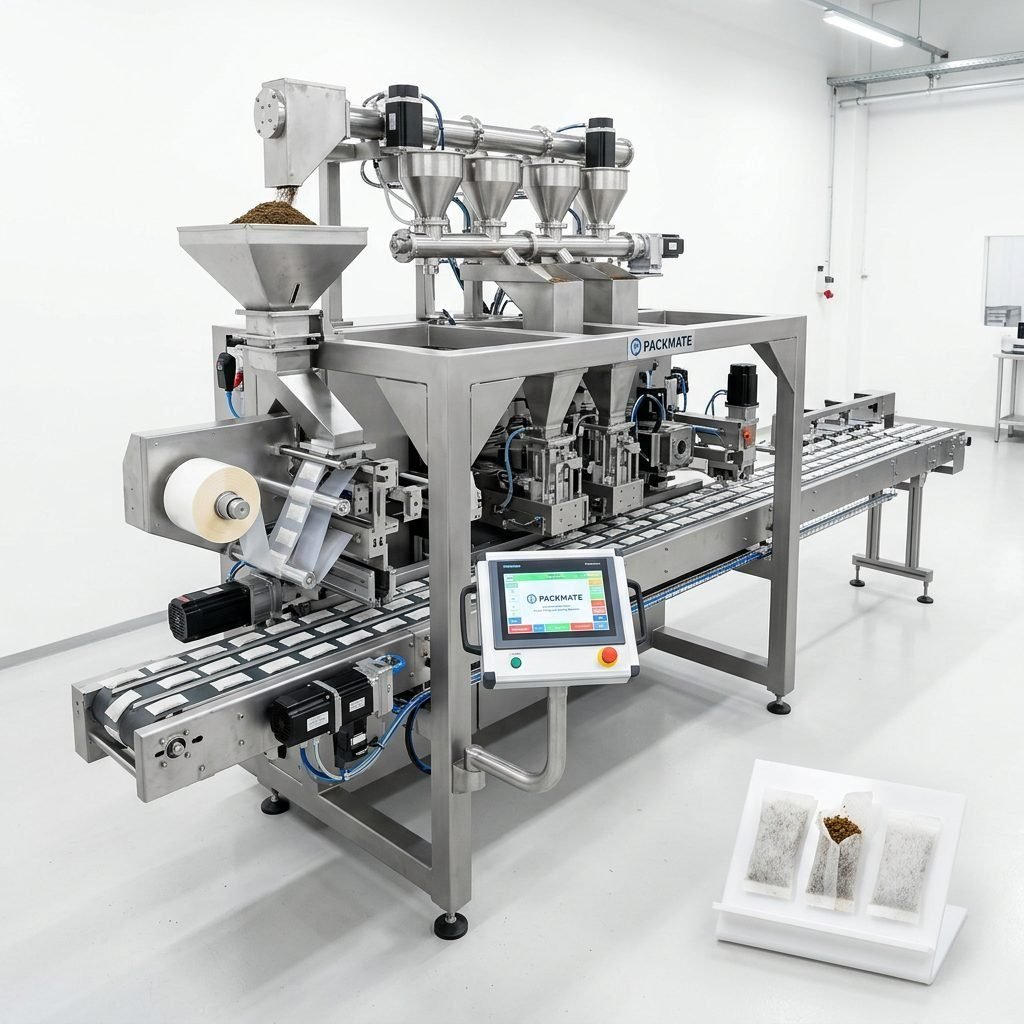
Small-dose nicotine pouches require high-precision dosing (often ±1–2%). Weighing systems, volumetric feeders, or combination dosing heads reduce variability. Low giveaway and consistent dosing lower material costs and ensure regulatory compliance. Consider pairing your line with automated weighing & check-weigh systems for in-line control: Weighing & Packaging Systems.
Technical Features to Compare
Beyond basic categories, individual machine features determine daily reliability and total cost of ownership.
Frame & Mechanical Build
Look for corrosion-resistant frames, hardened tooling, and easy-access panels for maintenance. A stable mechanical base reduces vibration and ensures consistent pouch sealing and cutting.
Control Systems & HMI
Modern PLCs and touch HMIs allow you to store recipes, launch changeovers, and monitor alarms. Remote diagnostics and data logging can save hours during downtime. Suppliers with well-developed software suites shorten operator training time.
Material Handling & Hygiene
Dust control, easy-clean conveyors, and hygienic design are essential for nicotine and powdered products. Evaluate cleaning frequency and whether the line supports CIP or quick disassembly for sanitation.
Integration with Upstream/Downstream Systems
A compact filling module is valuable only if it integrates smoothly with blenders, feeders, cartoners, and case packers. For full-line solutions, consider suppliers that provide both filling & packaging lines and auxiliary equipment: Filling & Packaging Lines and Auxiliary Packaging Equipment.
Operational & Commercial Considerations
Understanding running costs and supplier capabilities is as important as technical specs.
Total Cost of Ownership (TCO)
TCO includes machine price, spare parts, labor, energy, maintenance, and expected lifetime. Higher upfront cost for robust, modular machines often reduces long-term expenses through less downtime and lower parts replacement. Ask for comparative lifecycle cost models from vendors.
After-sales Service and Spare Parts
Fast spare parts delivery, remote support, and on-site commissioning are critical, especially for complex multi-lane lines. Choose suppliers with local or regional support networks and documented service SLAs. Learn more about supplier capabilities from About Packmate and Service pages.
Regulatory & Certification Needs
Ensure equipment complies with CE, ISO, and any country-specific safety or hygiene standards. Documentation for validation and traceability helps export-oriented manufacturers meet retailer and regulator requirements — view Certificate listings for examples.
Layout, Footprint & Site Planning
Physical constraints often dictate the practical choice of machine. Multi-lane systems save floor space per output unit but may need reinforced foundations and higher power density. Consider maintenance aisles, material storage, and access for robotics or palletizers.
Case Studies & Supplier Selection
Review supplier case studies to see real-world performance. Packmate Snus Machine has delivered turnkey solutions worldwide and maintains a portfolio of projects demonstrating multi-lane and sachet/stick pack implementations. Visit Case to review examples and performance metrics.
Evaluating Demos and Factory Visits
Arrange on-site demos or factory visits to observe changeover times, cleaning procedures, and actual OEE (overall equipment effectiveness). Engage your production technicians in these visits — their practical feedback is invaluable.
Making the Final Choice: A Stepwise Approach
Follow a staged decision process to reduce risk and align procurement with strategy.
- Define product portfolio: dosages, bag formats, barrier needs.
- Estimate medium-term volumes and identify required throughput headroom.
- Shortlist vendors with proven references for your format; evaluate modular upgrade paths.
- Request FAT, spare parts list, and detailed TCO models.
- Plan for commissioning, training, and spares to ensure rapid ramp-up.
Why Partner with an Experienced Manufacturer
Experienced manufacturers bring refined engineering, reduced commissioning time, and more predictable uptime. For example, Packmate Snus Machine combines over 30 years of packaging engineering with specialized snus line development — from single-lane stick pack units to high-speed multi-lane portion systems — making them a candidate supplier for turnkey projects. Explore their product lineup at Snus & Nicotine Packaging Machines and related product categories like Bag & Pouch Packaging Machines.
Common Pitfalls and How to Avoid Them
Avoid these frequent mistakes:
- Buying a machine only on price without verifying uptime data and references.
- Underestimating spares and maintenance costs for high-speed multi-lane lines.
- Ignoring integration complexity and downstream automation needs.
- Neglecting operator training and documentation for rapid scale-up.
Final Recommendations
– If you are launching a new brand with limited SKUs and need attractive single-dose formats, start with a flexible stick pack or sachet line and scale as demand grows.
– If you expect rapid volume growth or plan to supply large retail chains, invest early in a multi-lane production line to maximize throughput and minimize floor space per output.
– Prioritize suppliers who offer turnkey solutions, strong after-sales service, and local spare parts availability. For detailed product options, review Packmate’s Filling & Packaging Lines and Auxiliary Packaging Equipment to design a complete solution.
Frequently Asked Questions
Q1: Which snus line type offers the fastest time-to-market?
A1: Sachet and stick pack machines typically offer the fastest start-up due to simpler mechanical design and fewer lanes. Multi-lane systems involve extended commissioning and synchronization, so factor in additional engineering time.
Q2: How important is dosing accuracy for nicotine pouches?
A2: Extremely important. Precision dosing reduces product giveaway, ensures regulatory compliance, and maintains customer satisfaction. Consider integrating in-line weighing and high-accuracy feeders to achieve tight tolerances.
Q3: Can I upgrade a single-lane line to a multi-lane configuration later?
A3: Some modular systems allow lane additions and throughput upgrades, but true multi-lane capability is often built into the core machine. Discuss upgrade paths with suppliers early to ensure future flexibility.
Q4: What service levels should I require from a supplier?
A4: Require clear SLAs for response times, spare parts lead times, and availability of remote diagnostics. On-site commissioning, operator training, and documented preventive maintenance plans are essential for minimizing downtime.
Q5: Where can I find examples of proven snus lines and references?
A5: Review supplier case pages and request references for lines producing similar formats and volumes. For examples and supplier capabilities, see Case and About Packmate.