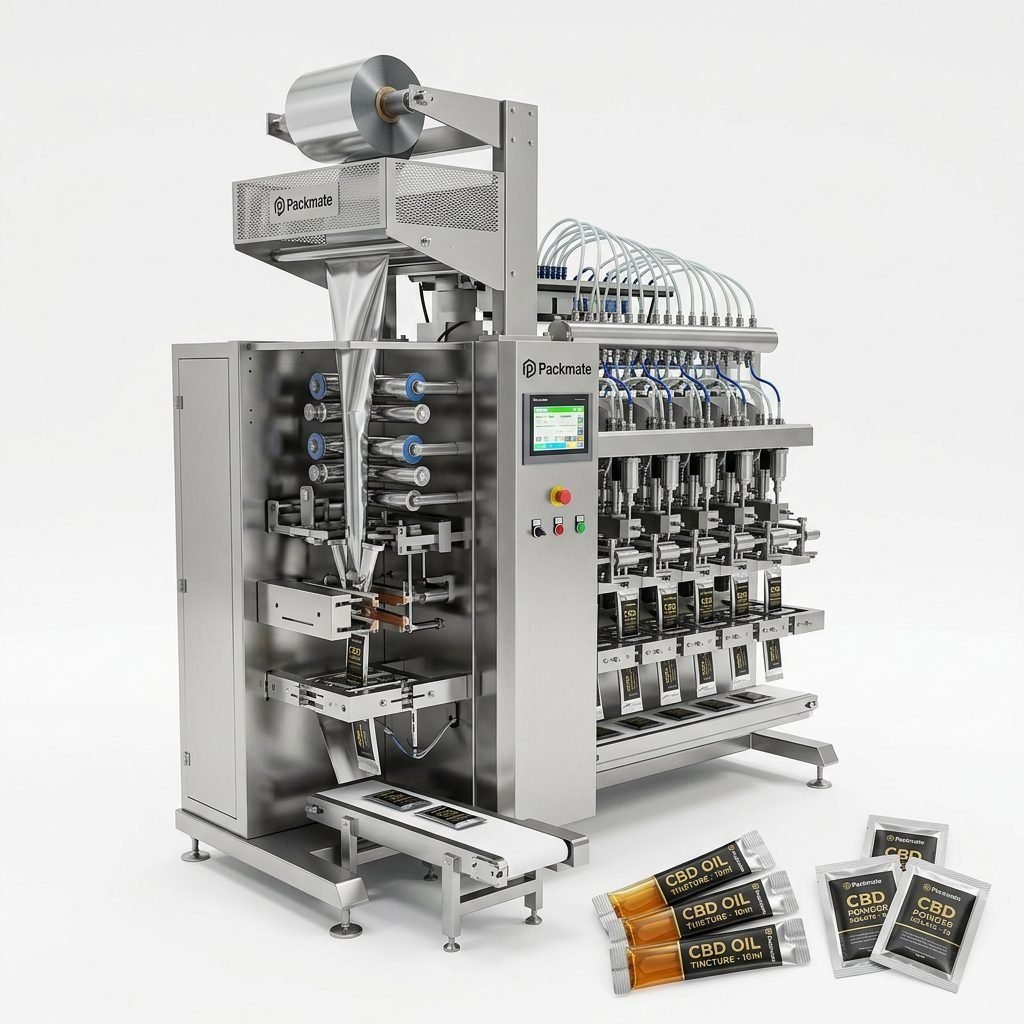
🔍 Market Overview: Global Nicotine Pouch Packaging Landscape
The global nicotine pouch packaging market has seen rapid transformation as consumer preferences, regulatory frameworks, and manufacturing technologies evolve. Manufacturers and brand owners are increasingly focused on packaging solutions that ensure product integrity, precise dosing, efficient production, and compliance with international standards. For suppliers and buyers alike, understanding market size, trends and the forecast up to 2026 is essential for strategic decisions and capital investments.
📈 Growth Drivers and Market Dynamics
Rising Demand for Smoke-Free Nicotine Alternatives — Nicotine pouches and snus have become popular alternatives to combustible tobacco in many regions, fueling demand for specialized packaging lines that can handle small-dose, multi-lane, and high-speed production. Manufacturers require machines that provide consistent fill accuracy, hermetic seals, and user-friendly formats.
Regulatory Compliance and Traceability — Compliance with CE, ISO, and local regulations drives investment in automated packaging lines that can integrate serialization, batch coding, and tamper-evident features. This is especially relevant for producers exporting across borders.
🏭 Technology Trends Shaping Packaging Lines
The packaging machinery space is evolving with several notable trends:
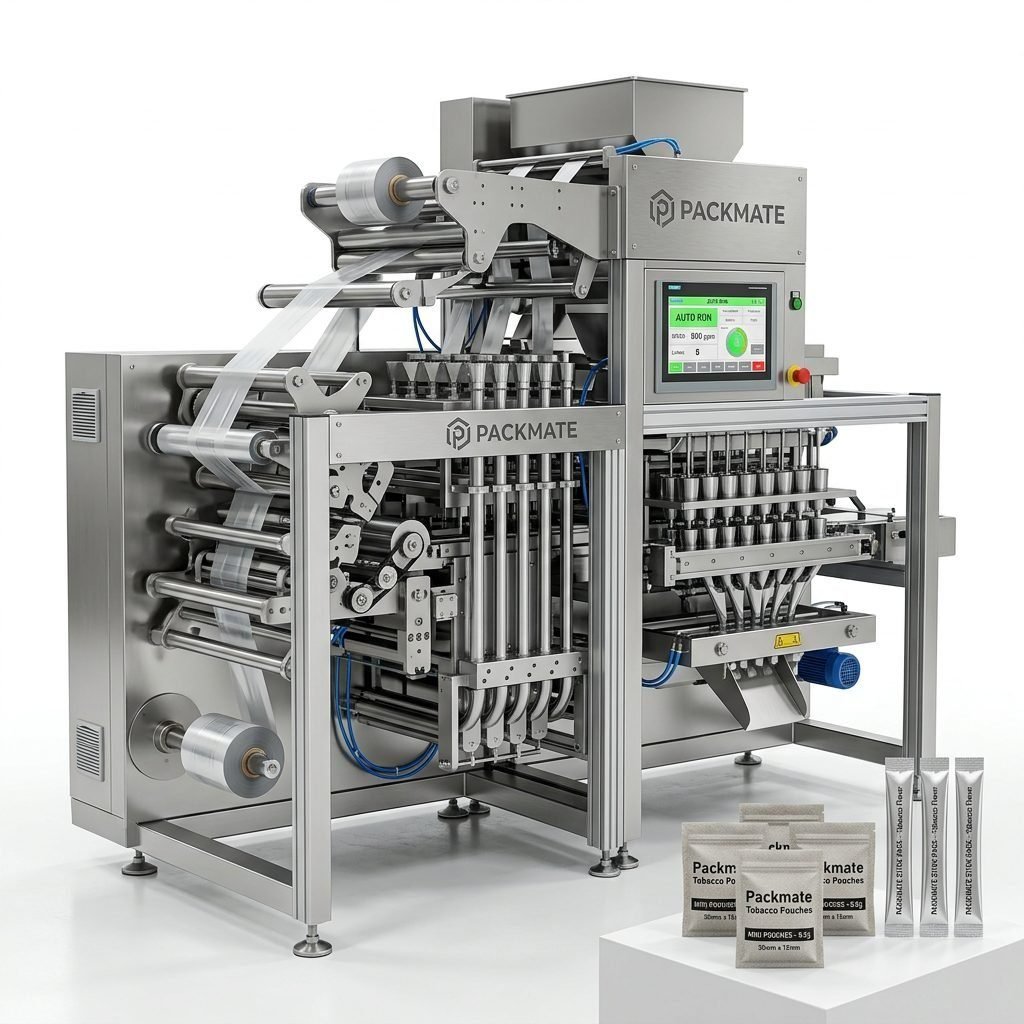
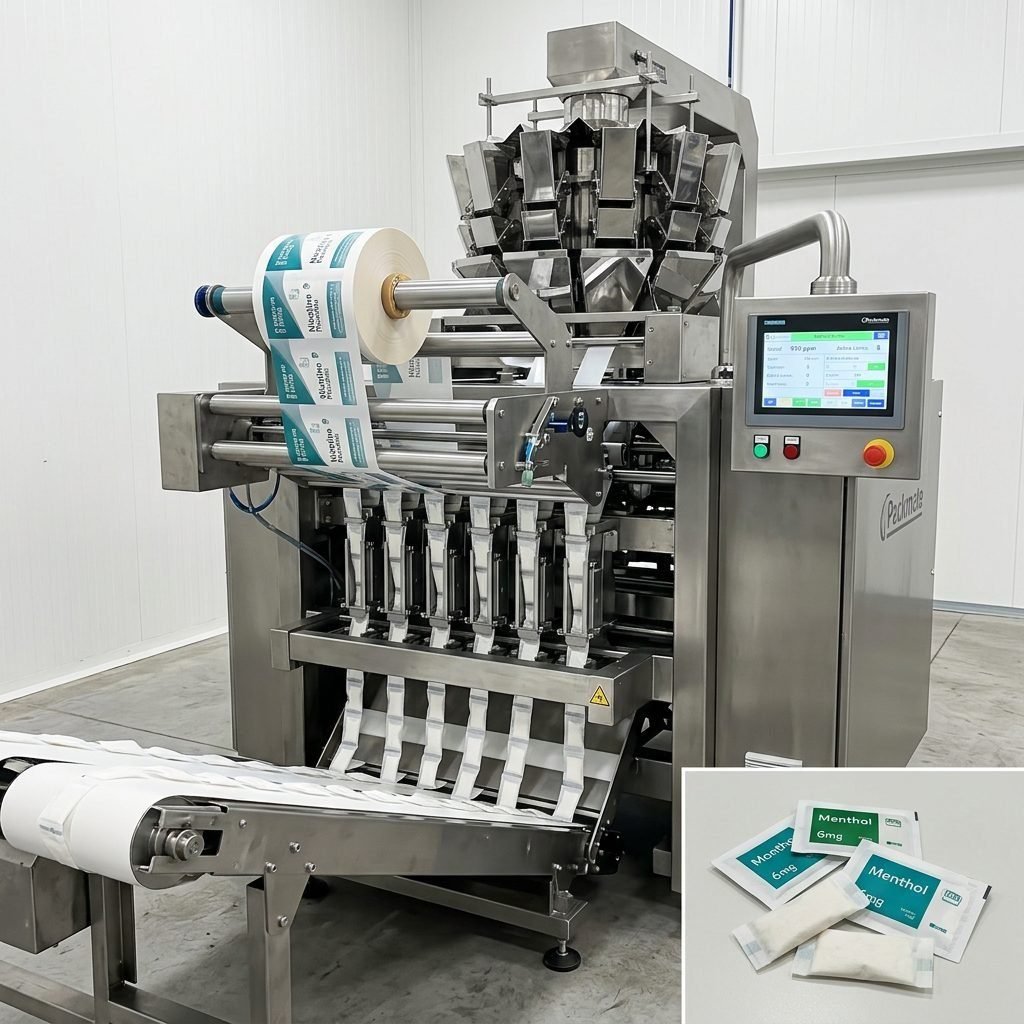
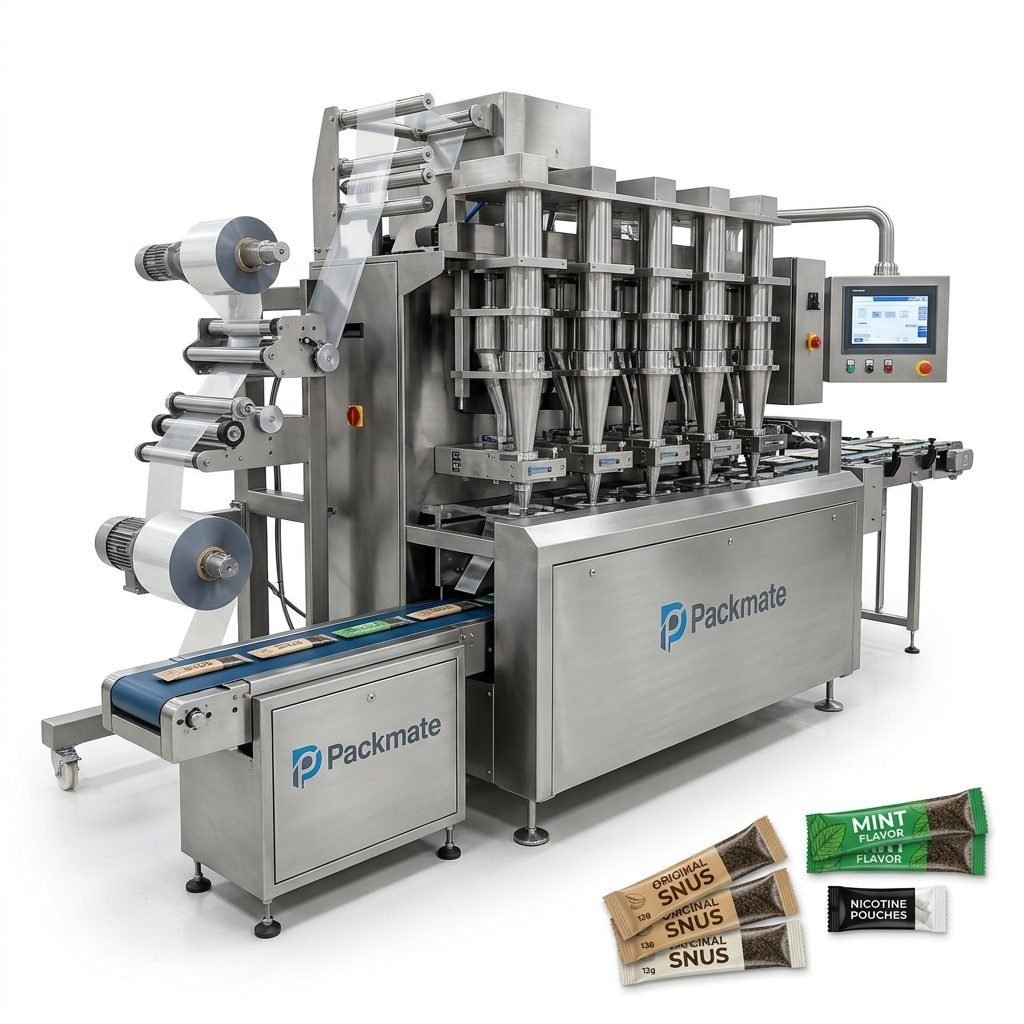
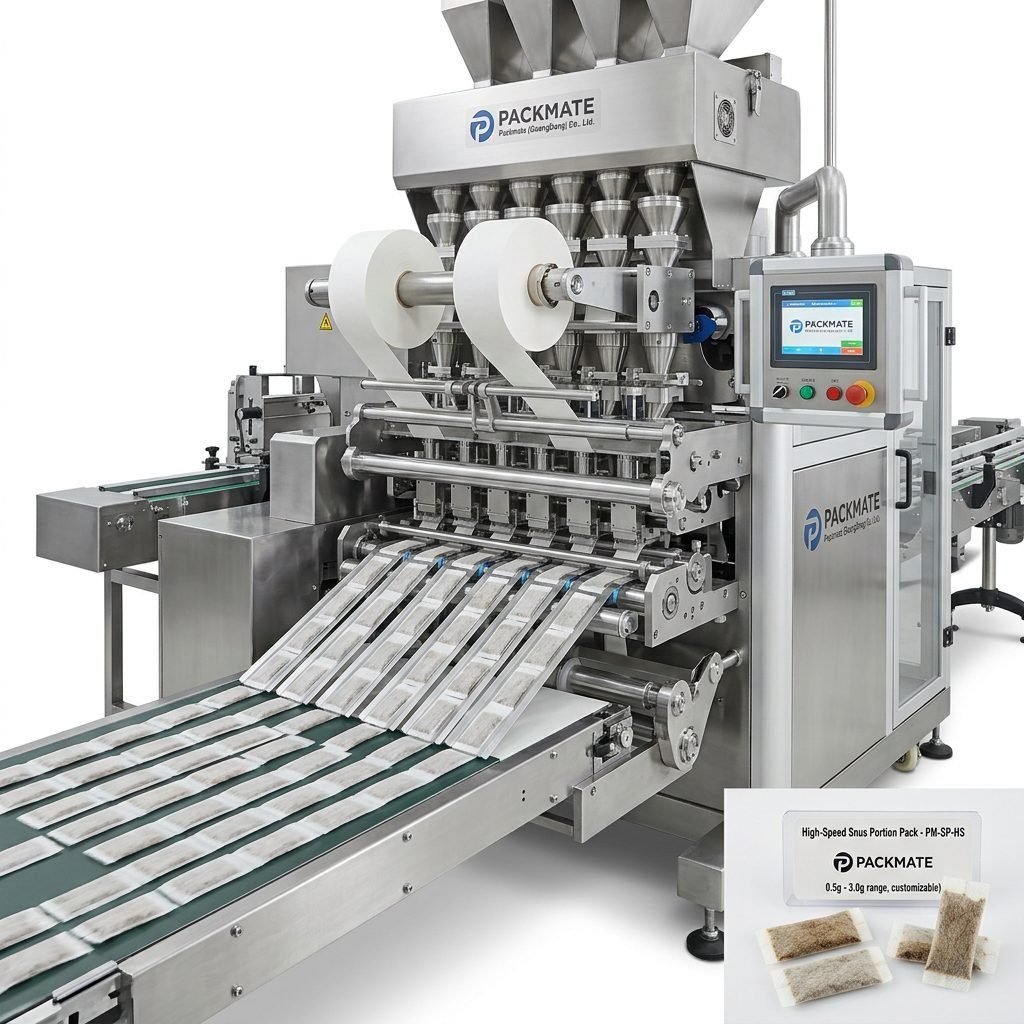
Multi-lane and High-Speed Systems — Modern production plants demand multi-lane pouch machines that can produce tens of thousands of individual pouches per hour while maintaining dosage accuracy and packaging integrity.
Flexible Formats — From stick packs and sachets to snus cans and portion pouches, flexibility in converting lines is crucial. Brands often switch SKUs and need equipment that adapts quickly with minimal downtime.
Automation and Integration — End-to-end lines that include weighing, dosing, packaging, and secondary packing reduce labor dependency and improve consistency. Integration with MES and ERP systems supports production planning and quality control.
⚙️ Key Equipment and Solutions
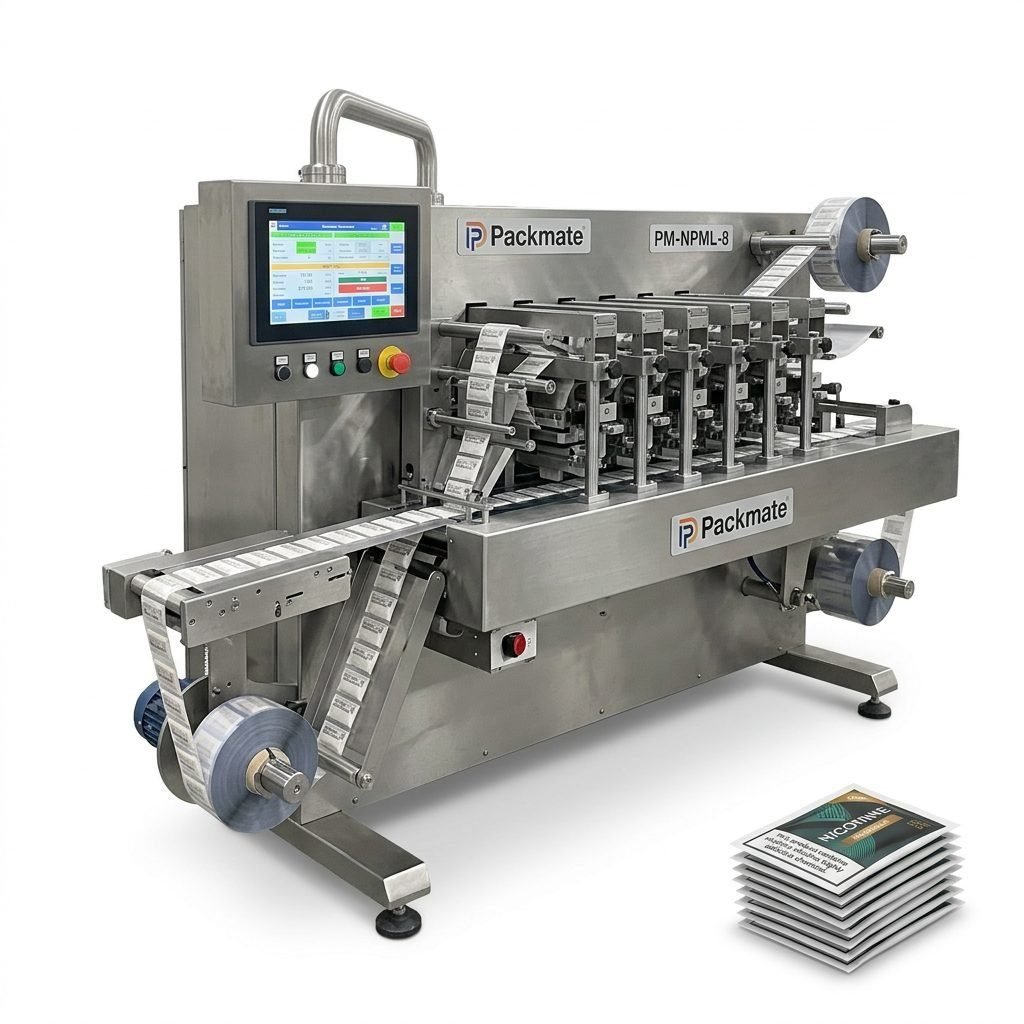
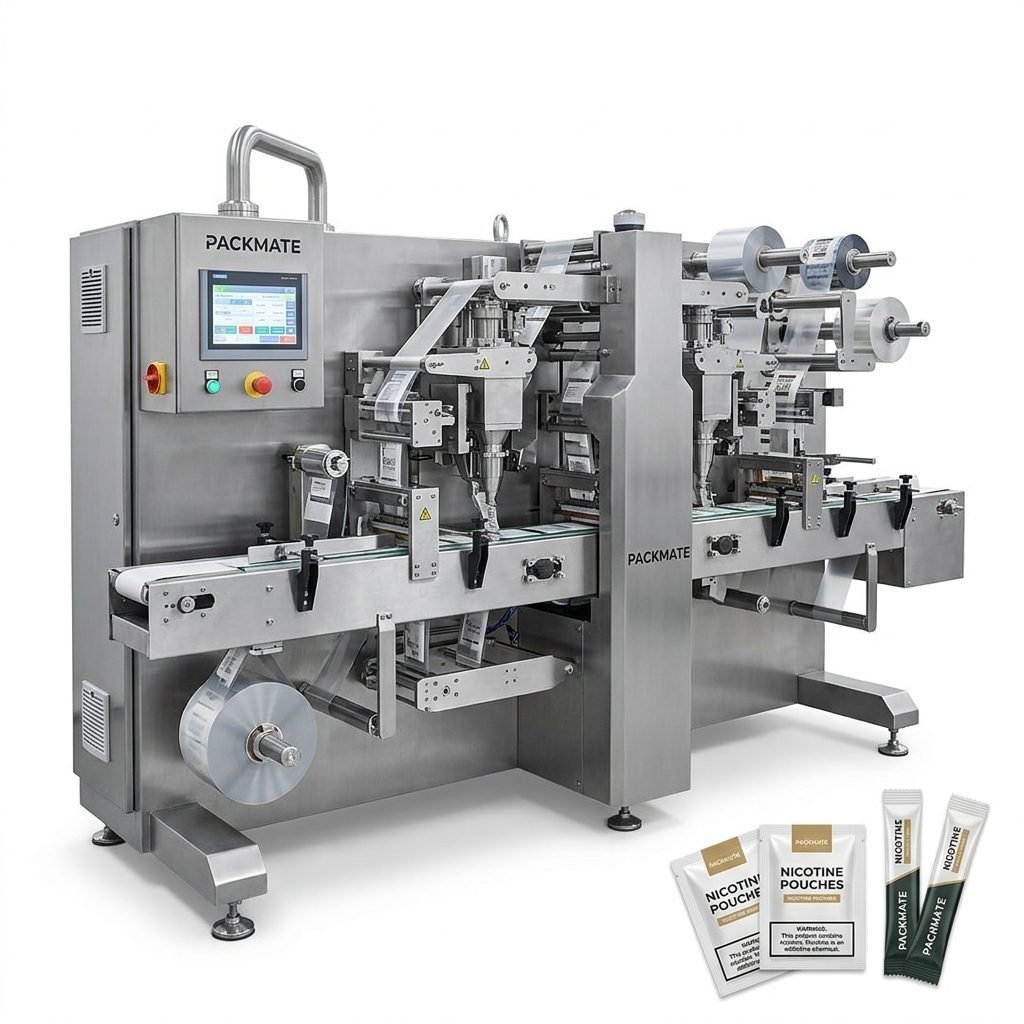
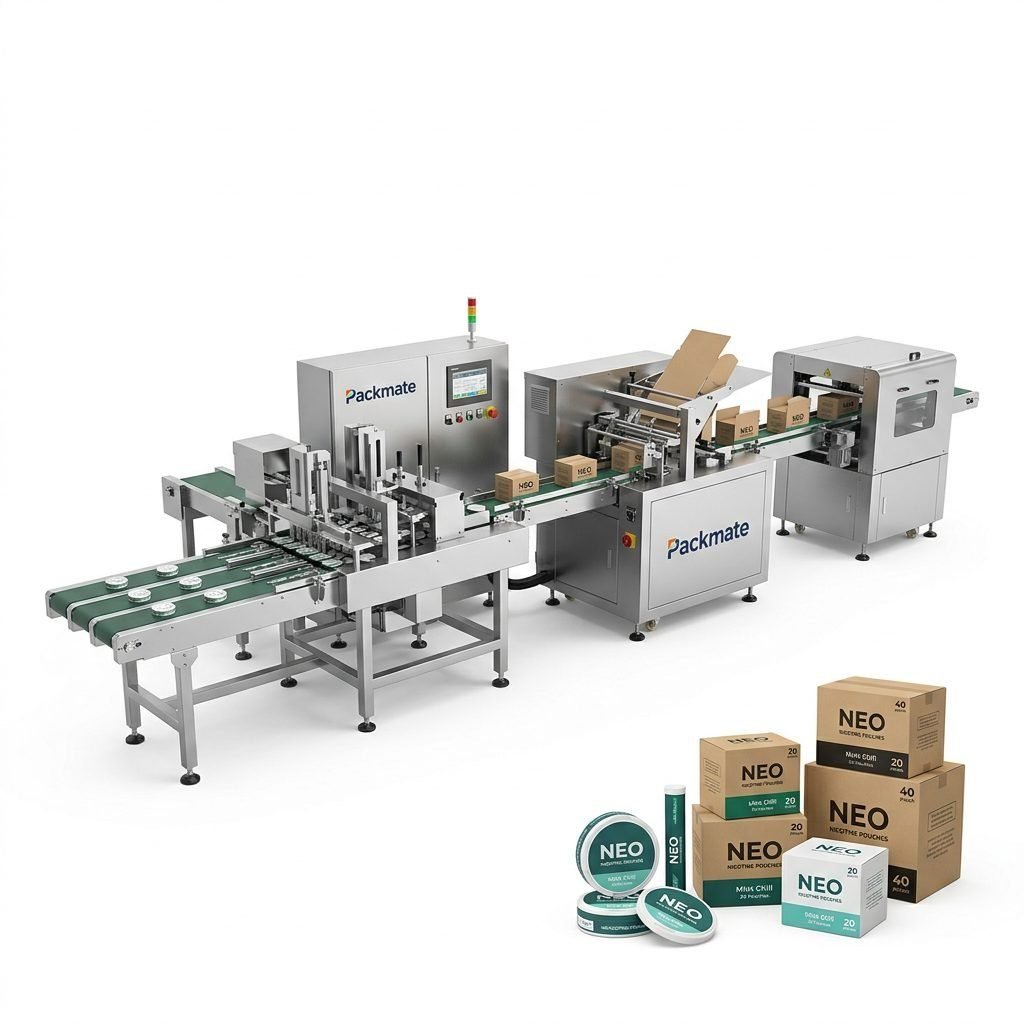
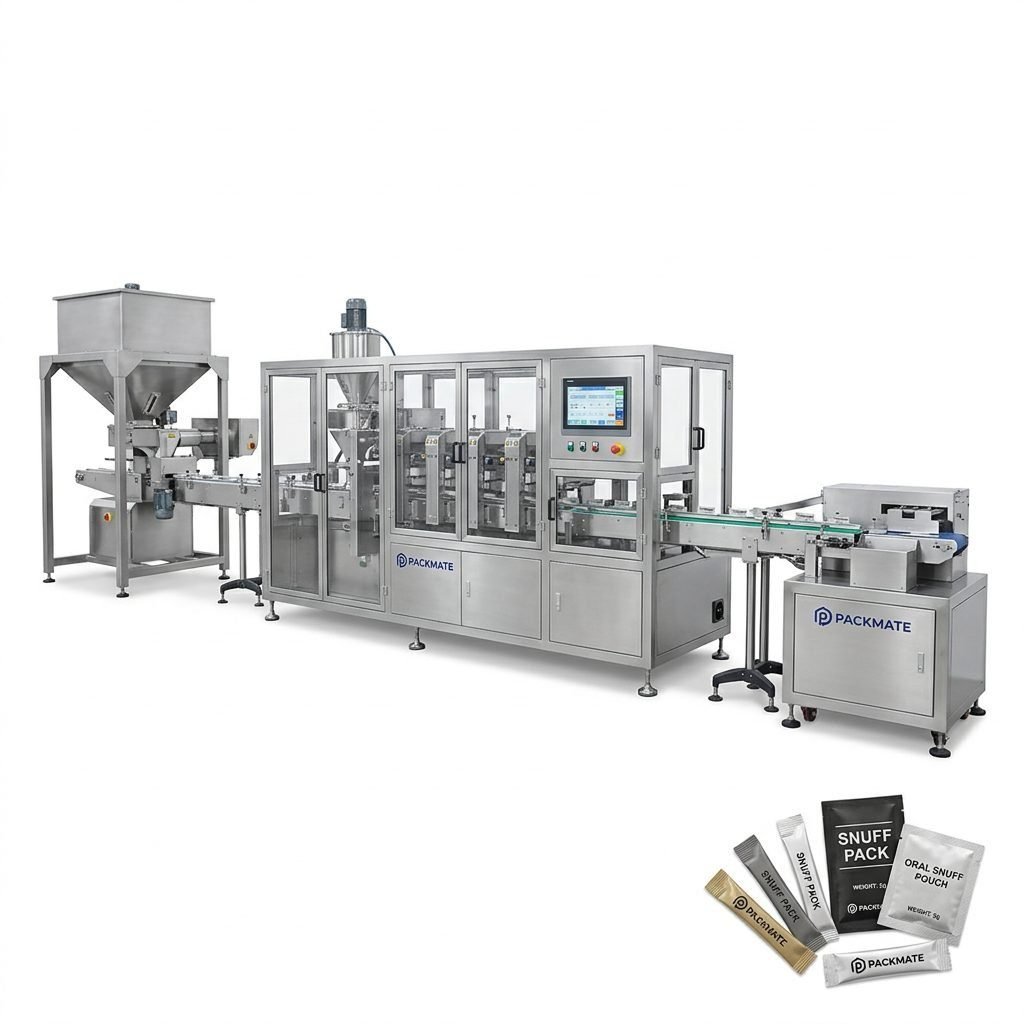
Leading suppliers deliver a range of machines to meet diverse product requirements. Examples of the core solutions include pouch packaging machines, stick pack and sachet equipment, weighing & packaging systems, and complete filling & packaging lines. These systems are commonly supported by auxiliary equipment like feeding, accumulation, and palletizing units.
To explore high-performance options, many customers review specialist product categories such as:
– Snus & Nicotine Packaging Machines
– Sachet & Stick Pack Machines
– Weighing & Packaging Systems
📊 Market Size & Forecast (to 2026)
Market analysts project continued growth for nicotine pouch packaging demand through 2026, driven by both established markets in Europe and North America and rapidly expanding consumption in parts of Asia and Latin America. Investments in equipment are expected to prioritize lines that offer:
Scalability — Machines that can scale output with market growth while maintaining low per-unit cost.
Modularity — Systems that allow incremental expansion or format changes without full line replacement.
Compliance Ready — Equipment compatible with global safety and hygiene standards.
🌍 Regional Considerations and Market Nuances
While the market is global, regional differences influence packaging choices and buying cycles. For instance:
– Europe: Established snus and nicotine pouch consumption encourages high-speed, high-precision multi-lane systems and strong regulatory emphasis on traceability.
– North America: Growing interest in tobacco-free nicotine alternatives creates demand for flexible packaging formats and branded retail-ready solutions.
– Asia & Latin America: Emerging consumption often prioritizes cost-effective modular machines that can be upgraded over time.
🏭 Manufacturer Spotlight: Capabilities & Quality
Leading manufacturers bring decades of engineering experience, modern CNC machining centers, and precision assembly lines to ensure reliability. Important vendor attributes include local technical support, spare parts availability, and proven installation records in relevant product segments.
What buyers typically look for: CE and ISO certifications, strong factory testing, customizable turnkey solutions, and references via global case studies. See an example of real-world implementations at Case.
🔧 Choosing the Right Line: Key Selection Criteria
When evaluating equipment for nicotine pouch production, consider:
1. Capacity & Throughput — Match the machine’s output to your projected demand and SKU mix.
2. Accuracy — Consistent dosing is critical for nicotine pouches to meet labeling and safety standards.
3. Format Flexibility — Ability to run different pouch sizes, materials, and secondary packaging.
4. After-sales Service — Local support, spare parts, and preventive maintenance programs reduce downtime.
🧭 Implementation & Turnkey Solutions
Turnkey solutions are increasingly preferred by brands who want a single-source responsibility for line design, manufacture, integration, testing and commissioning. These projects typically include equipment like feeding systems, dosing and filling modules, primary and secondary packaging machines, and final case packing.
For a snapshot of full-line suppliers, see the Filling & Packaging Lines category and related auxiliary systems at Auxiliary Packaging Equipment.
✅ Best Practices for Manufacturers and Brand Owners
– Invest in pilot runs and product validation before full-scale deployment.
– Choose machines with easy-to-replace wear parts and accessible service channels.
– Standardize materials and packaging specifications to reduce changeover time.
– Prioritize equipment with digital interfaces for quality data logging and traceability.
📌 Why Partner with Experienced Suppliers?
Experienced suppliers can reduce time-to-market by providing tested machine recipes, local commissioning teams, and tailored training. Their facilities often include advanced CNC machining centers and precision assembly lines to ensure robust quality — attributes that matter for long-term reliability.
🚀 Preparing for 2026 and Beyond
As the market approaches 2026, manufacturers should plan for modular investments: begin with flexible base lines, and scale capacity and functionality as regulatory clarity and market demand evolve. Strategic partnerships with proven suppliers reduce risk and accelerate production ramp-up.
📎 Additional Resources & Contact
For more detailed product specifications, factory capabilities, or to request a quotation, explore the supplier profile and contact pages. Trusted manufacturers often present catalogs, certificates, exhibition schedules, and FAQ resources to support purchasing decisions.
Useful links: About Packmate · Catalog · Contact Us
❓ Frequently Asked Questions
Q1: What kinds of packaging machines are best for nicotine pouches?
Most producers choose multi-lane pouch machines and stick/sachet options depending on product format. Machines with high dosing accuracy, gentle handling, and fast changeovers are preferred.
Q2: How can I ensure regulatory compliance for exported products?
Work with suppliers that offer CE and ISO certified equipment and support traceability features like batch coding and serialization. Validate your line for hygiene and documentation before export.
Q3: What is the typical lead time for a turnkey packaging line?
Lead times vary with complexity, customization, and component sourcing; a typical range is from several weeks for standard machines to several months for fully customized turnkey lines.
Q4: Can I scale my line as demand increases?
Yes. Many suppliers design modular systems that allow adding lanes, integrating auxiliary units, or upgrading control systems to match growing demand.
Q5: Where can I see machine demonstrations and references?
Attend industry exhibitions, request factory visits, or review supplier case studies and video demos. Many manufacturers post exhibitions and case histories online for prospective customers.