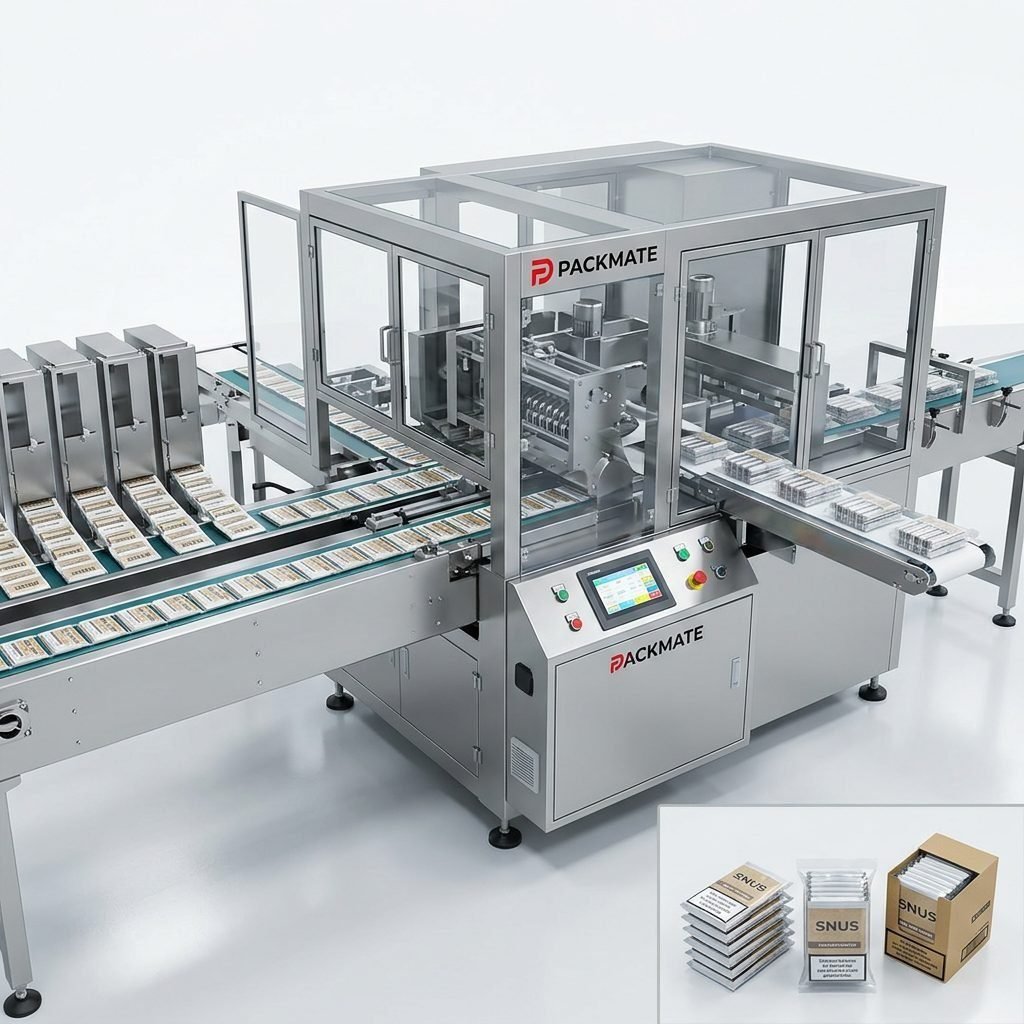
Choosing the right nicotine packaging machinery manufacturer is a critical decision for any producer in Niger looking to scale output, improve product consistency, and meet international regulatory expectations. This guide walks you through the practical considerations, technical checkpoints, and due diligence steps to ensure you select a partner that matches your production needs, budget, and long-term goals.
Understand Your Product and Production Requirements
Before contacting manufacturers, define the essential characteristics of your nicotine product: pouch size, fill weight range, pouch material, multi-lane requirements, and desired production speed (pouches per minute). These parameters determine whether you need a single-lane sachet machine, a multi-lane snus pouch line, or an integrated stick pack and pouch solution.
🔎
Key specs to list:
pouch dimensions, filling type (powder/granule/liquid), required speed, lane count, target OEE, and packaging film types. Having these ready shortens evaluation time and improves quotes.
Machine Types and Why They Matter
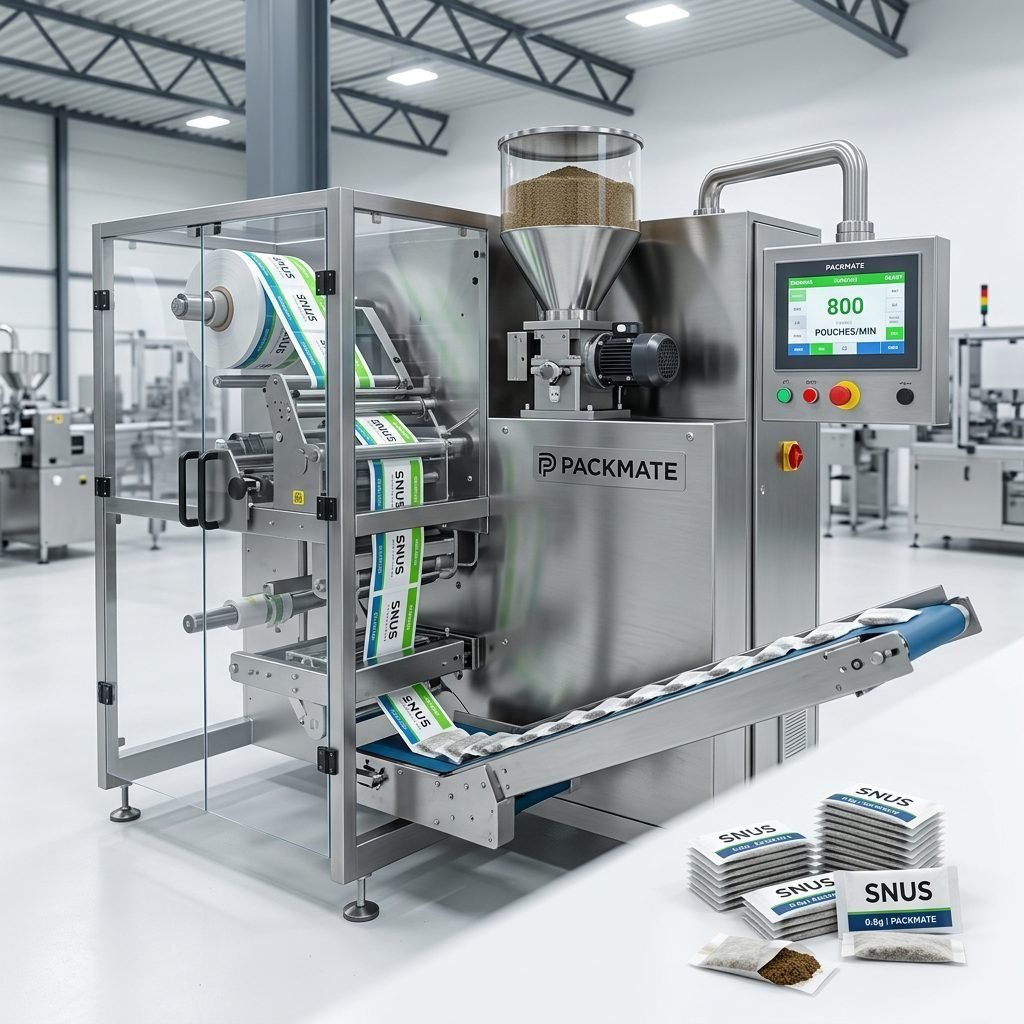
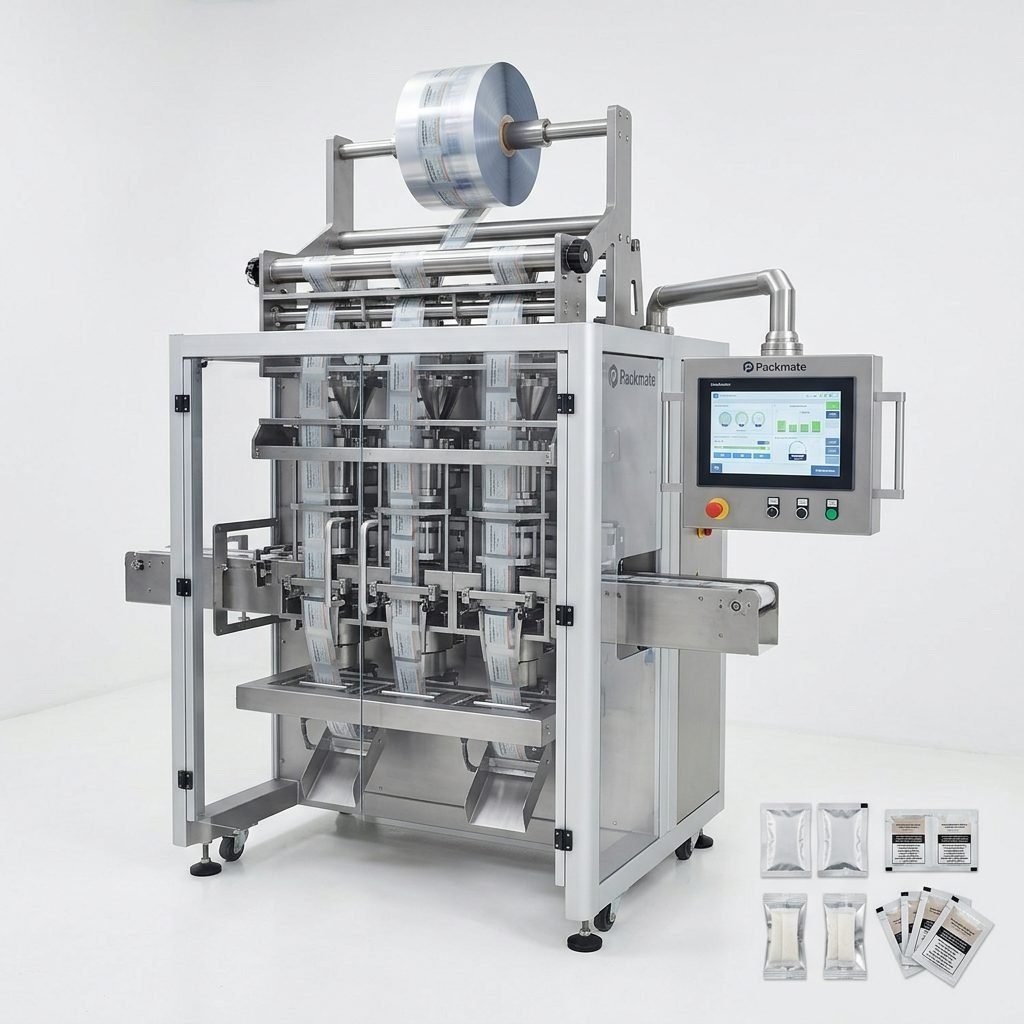
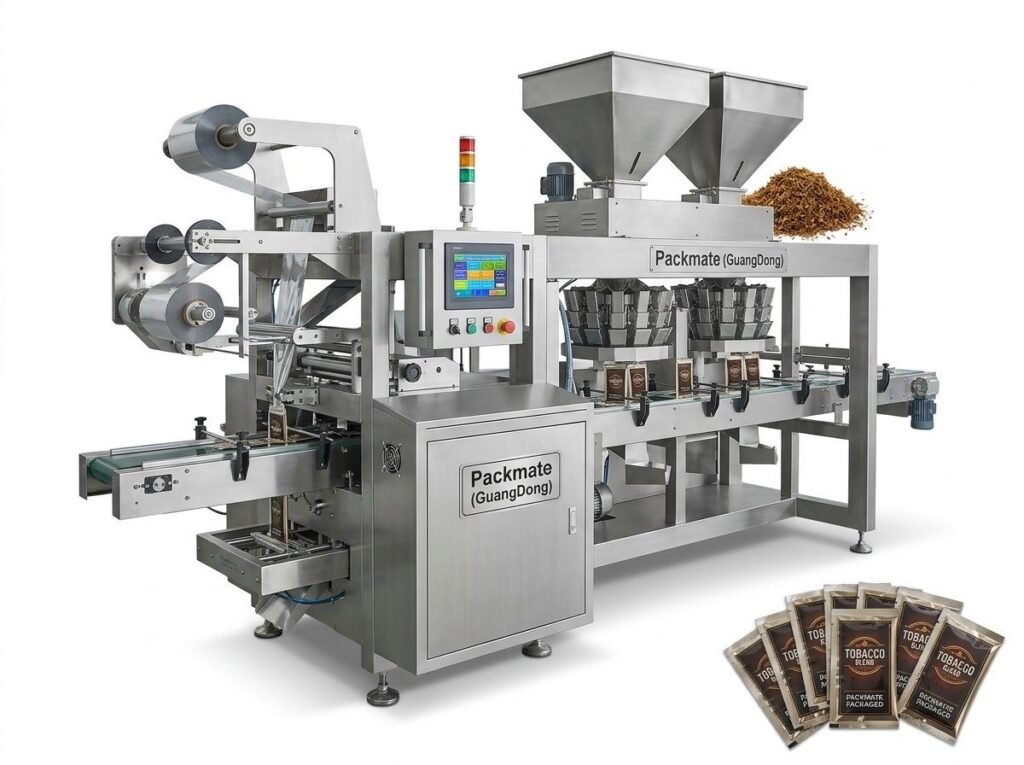
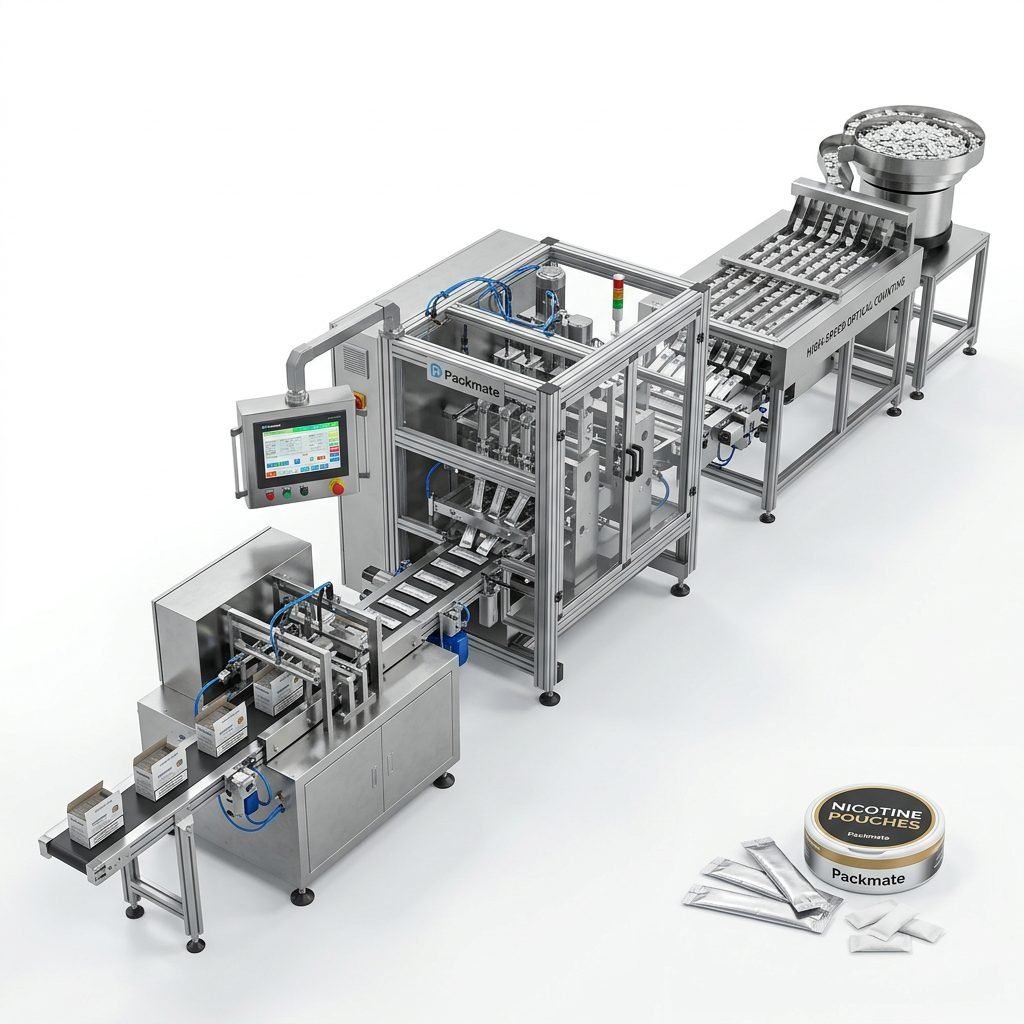
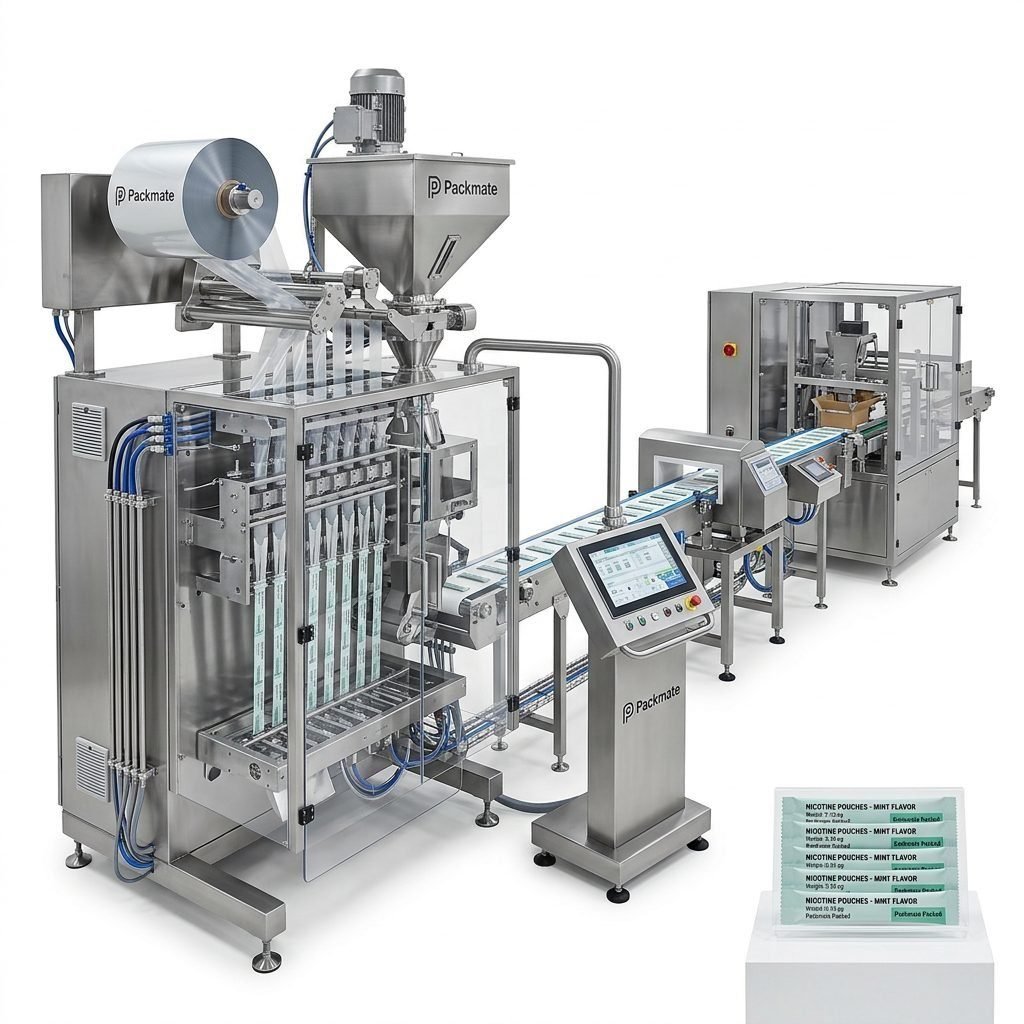
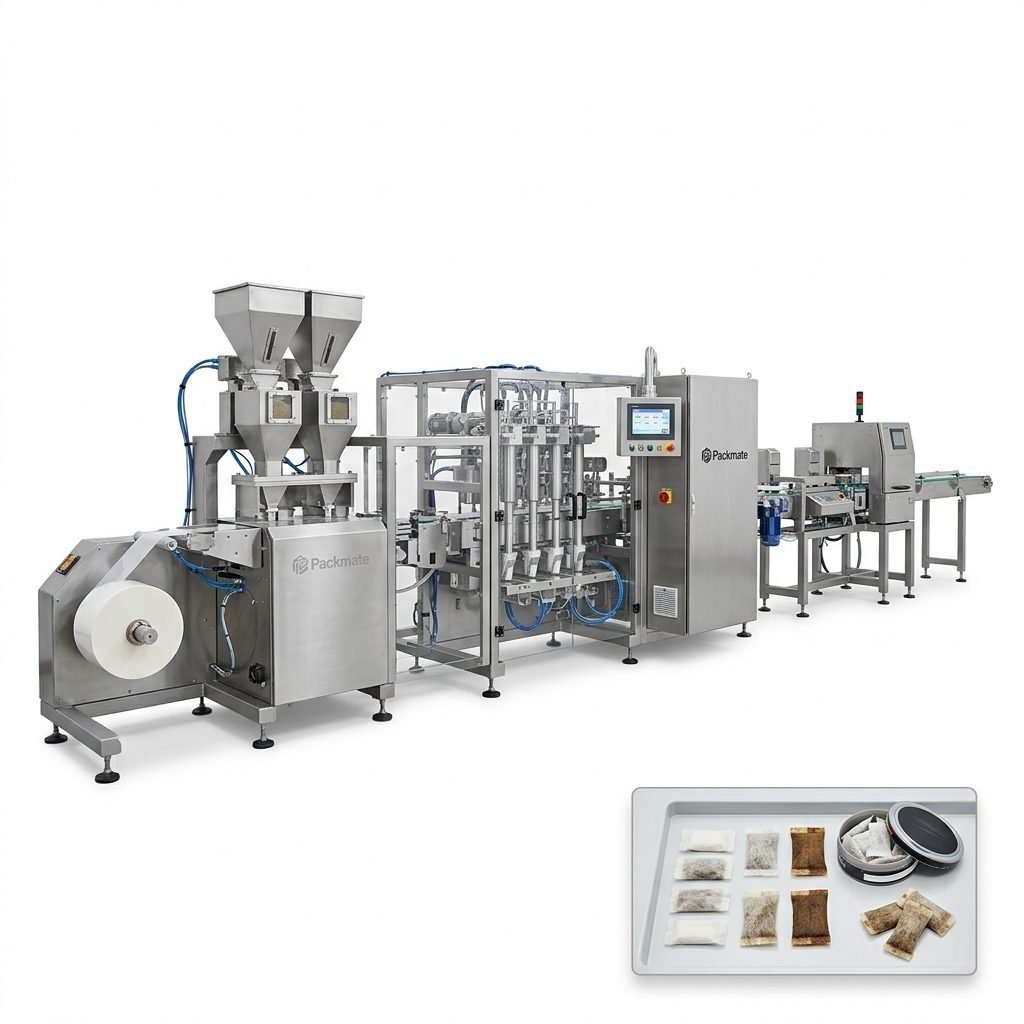
Nicotine and snus packaging varies significantly. Common machine types include vertical form-fill-seal (VFFS) sachet machines, horizontal multi-lane pouch lines, stick pack machines, and complete filling & packaging lines with integrated weighing systems. Each type targets different product formats and production scales.
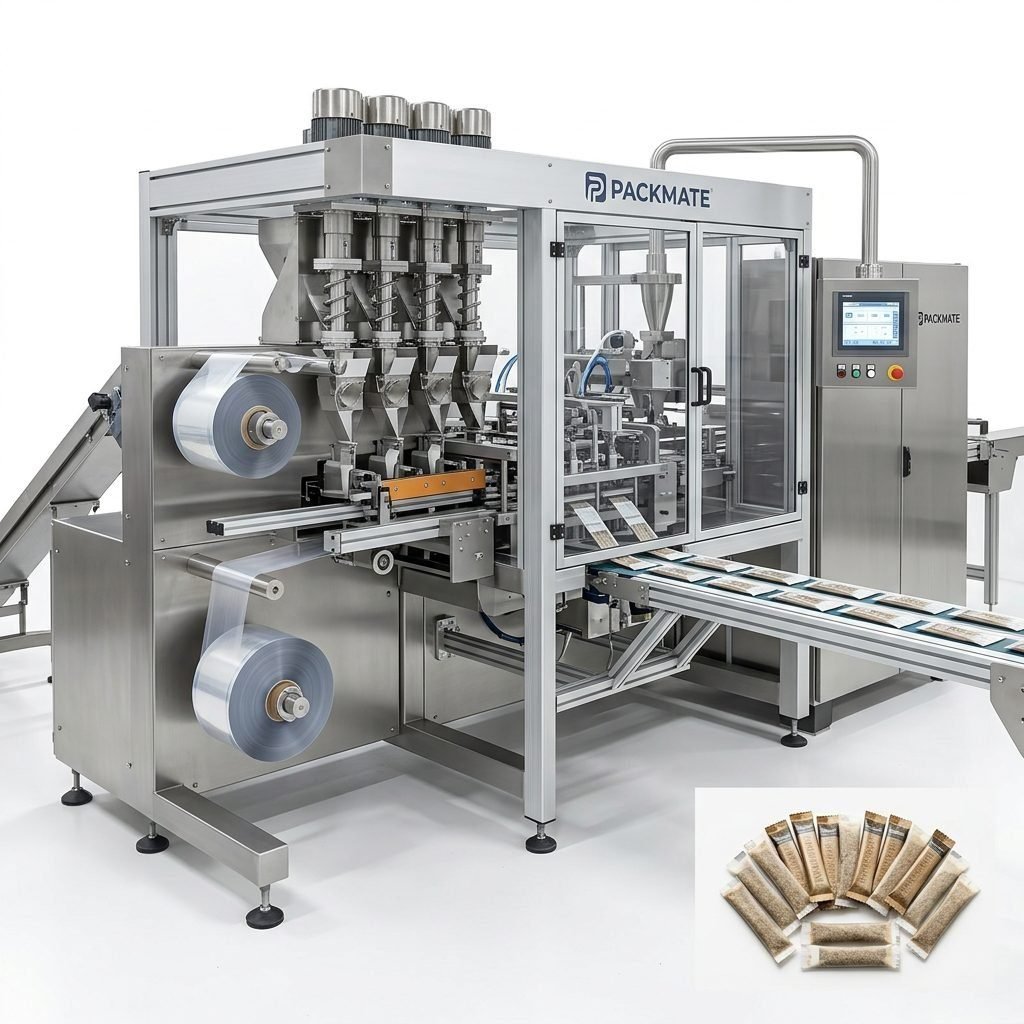
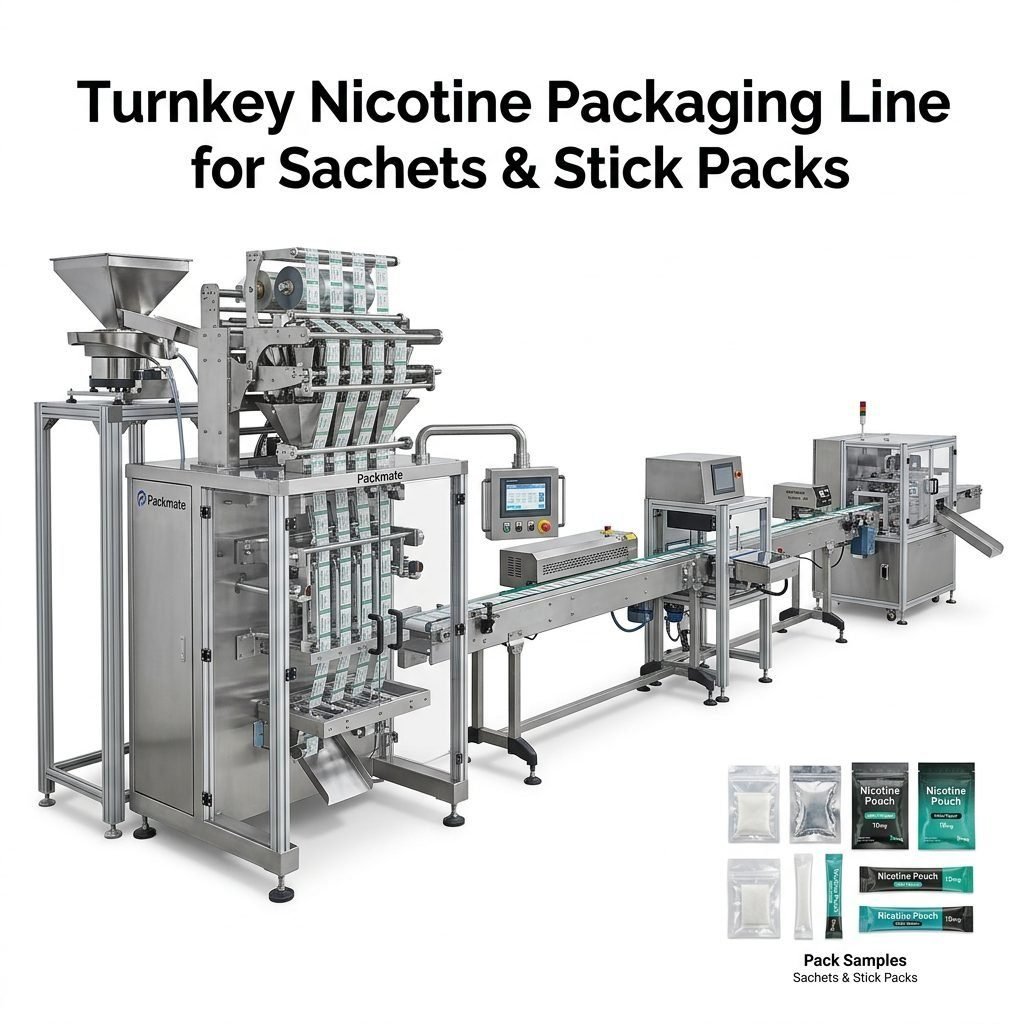
Sachet & Stick Pack Machines
Stick pack and sachet equipment are ideal for single-dose formats and fast-moving consumer units. If your focus is high-speed single-serve nicotine pouches, evaluate precision dosing and cut-seal accuracy.
Multi-Lane Snus / Pouch Lines
Multi-lane systems dramatically increase throughput for small-dose pouches. Assess lane synchronization, web handling, and servo control systems to ensure each lane performs consistently at high speeds.
For a comprehensive view of machine categories, explore product pages like
Snus & Nicotine Packaging Machines and
Sachet & Stick Pack Machines.
Evaluate Manufacturer Experience and Capabilities
Experience matters in this specialized sector. Look for manufacturers with a proven history in snus and nicotine pouch equipment, ideally with multi-lane expertise and turnkey solutions. Ask about their engineering tenure, factory size, and the range of machines they produce.
🏭
Manufacturer indicators:
20,000㎡+ factory area, advanced CNC centers, multiple machine models, and turnkey project references are strong positives.
Quality, Certification and Compliance
Compliance with international standards (CE, ISO) is essential for safety and export capability. Request certificates and inquire how the manufacturer tests machine performance, hygiene compatibility (FDA/food-contact materials), and electrical safety. Good suppliers provide documentation and factory test reports.
Assess Technical Performance and Precision
Key performance indicators include filling accuracy, film tension control, sealing integrity, cycle stability, and changeover time. Verify the servo control architecture, PLC brand, and sensors used. Ask for test videos or virtual demonstrations that show consistent pouch dimensions and minimal reject rates.
Testing, FAT and SAT
Factory Acceptance Test (FAT) and Site Acceptance Test (SAT) are critical. Confirm the manufacturer offers FAT with your product materials or comparable simulants, and a clear SAT plan once the line is installed in Niger.
Customization and Turnkey Solutions
Your production line may require special features such as nitrogen flushing, humidity control, multi-head weighers, or customized conveyors. Choose suppliers that design fully integrated lines — from filling and weighing to packaging and case packing — to avoid compatibility issues.
Packmate Snus Machine, for example, highlights turnkey solutions and multi-lane systems tailored for nicotine pouches — see Filling & Packaging Lines.
After-Sales Support and Spare Parts
Reliable after-sales support is a major differentiator. Confirm spare parts availability, recommended spare kits, remote diagnostics, and technician training. A local or regional representative in Africa, or responsive remote support, reduces downtime risks.
⚙️
Support checklist:
spare parts lead times, training packages, digital manuals, phone/remote support hours, and on-site service plans.
Cost vs. Value: Total Cost of Ownership
Initial purchase price is just one part of the equation. Consider installation costs, spare parts pricing, expected energy consumption, maintenance intervals, and projected throughput. A slightly more expensive machine with higher uptime and lower reject rates often delivers a better ROI.
Factory Visit and Audit
If feasible, visit the manufacturer’s factory or ask for a virtual factory tour. Look for manufacturing hygiene, assembly practices, CNC and fabrication quality, and record of ISO or CE processes. Request references and case studies from customers with similar product profiles.
Review real-world cases to evaluate performance. See Case pages for examples of installations and customer feedback.
Logistics, Lead Times and Shipping to Niger
Confirm manufacturing lead times, packing, crating standards, and shipping options to Niger. Ask about export documentation, customs support, and whether the supplier offers FOB, CIF, or DDP terms. Ensure the supplier coordinates with your local logistics partner to reduce transit risks.
Warranty, Upgrades and Lifecycle Planning
A clear warranty policy and upgrade path protect your investment. Confirm warranty duration, exclusions, upgrade options for automation or additional lanes, and whether the manufacturer provides retrofit kits for future expansions.
Negotiation Tips and Contract Essentials
Negotiate not only price but also delivery milestones, acceptance criteria, penalty clauses for missed lead times, spare parts packages, installation responsibilities, and training schedules. A balanced contract reduces misunderstandings and aligns expectations.
📝
Contract checklist:
scope of supply, accepted test results, installation timeline, training hours, warranty terms, and spare parts list.
Sustainability and Energy Efficiency
Energy-efficient motors, reduced air consumption, and high-yield sealing systems cut operating costs. Ask for power consumption numbers at full load and idle to estimate monthly utility costs. Environmentally conscious manufacturers also provide guidance on recyclable packaging choices.
Making the Final Decision
Rank suppliers based on technical fit, quality evidence (certificates, FAT records), after-sales support, TCO estimates, and contractual guarantees. If two suppliers are similar, prioritize the one with demonstrated nicotine pouch expertise and turnkey delivery experience.
Example shortlist criteria
1) Meets your pouch format and speed; 2) Offers FAT and SAT with product simulants; 3) Provides clear spare parts supply; 4) Has positive case study references; 5) Acceptable TCO and warranty.
Where to Start Your Supplier Search
Start with specialized manufacturers who list snus and nicotine pouch solutions. Learn more about full product ranges such as Bag & Pouch Packaging Machines and About Packmate to understand supplier capabilities. Reach out for detailed proposals, sample tests, and FAT schedules.
📞
Next step:
contact shortlisted vendors for a technical questionnaire and request references. Use Contact Us pages to arrange virtual tours or sample runs.
Common Pitfalls to Avoid
– Choosing purely on lowest price without checking long-term costs.
– Skipping FAT or accepting verbal performance claims.
– Ignoring spare parts supply and local support logistics.
– Overlooking energy and utility requirements that can affect operating budgets.
Conclusion
Selecting the best nicotine packaging machinery manufacturer for Niger requires a balance of technical fit, proven manufacturing capability, strong after-sales service, and a realistic assessment of total cost of ownership. Prioritize suppliers with specialized snus experience, comprehensive FAT/SAT procedures, and reliable spare parts logistics. With careful evaluation, you can secure a packaging partner that supports scalable, compliant, and efficient nicotine pouch production.
Frequently Asked Questions
1. What documents should I request before purchasing?
Request CE/ISO certificates, FAT test reports, electrical schematics, machine warranty terms, spare parts list, and references from similar installations. Written FAT results are especially important.
2. How important is a factory visit or FAT?
Extremely important. FAT verifies machine performance under controlled conditions. If a physical visit is not possible, request a live video FAT and recorded test runs using your product or a close simulant.
3. What post-installation support should I expect?
Expect installation supervision, operator and maintenance training, spare parts kits, remote diagnostic support, and a clear channel for warranty claims. Confirm response times for critical issues.
4. Can the machines be upgraded as production grows?
Reputable manufacturers design machines with upgrade paths. Discuss potential multi-lane expansion, additional automation modules, and software updates before purchase to ensure future compatibility.
5. How do I find reliable nicotine packaging equipment suppliers?
Start with specialized suppliers and review their product lines, case studies, and certifications. Use product pages such as Weighing & Packaging Systems and supplier About pages to vet experience and contact them for tailored proposals.