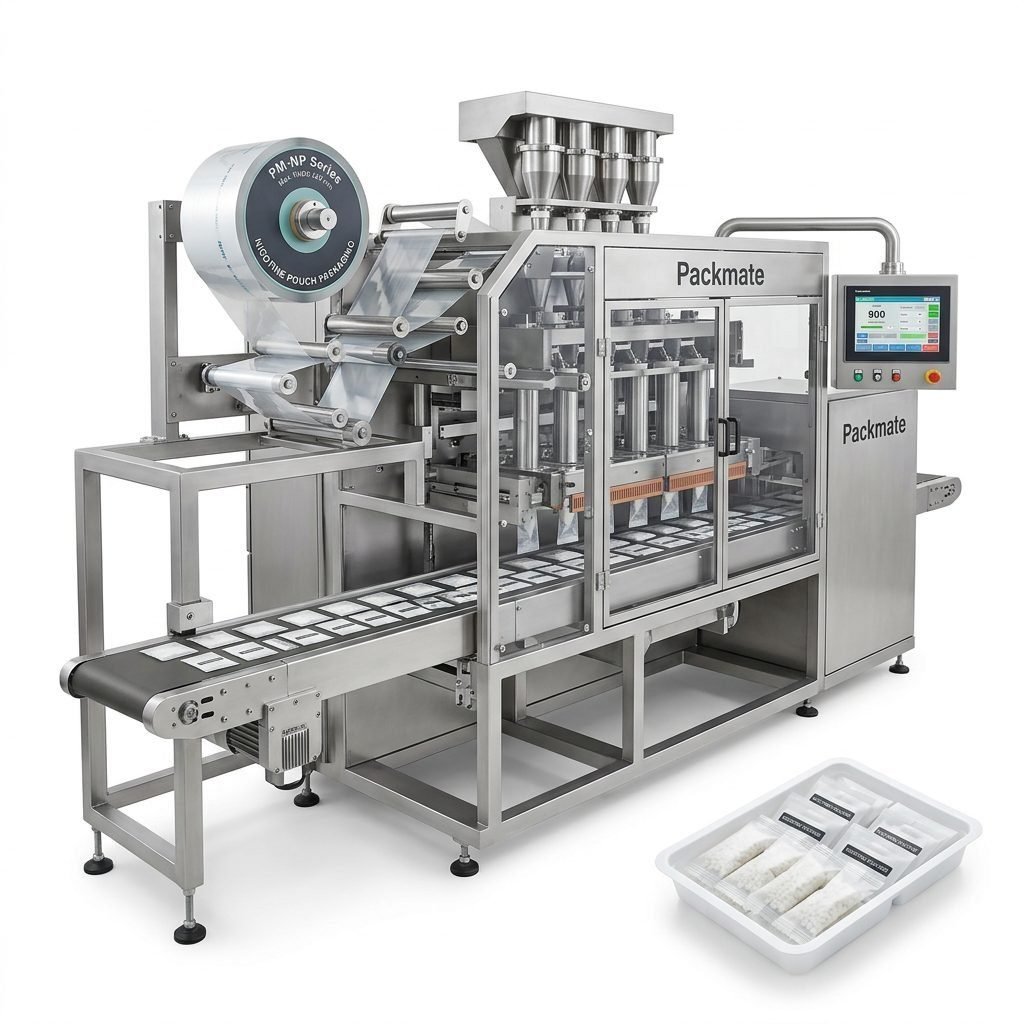
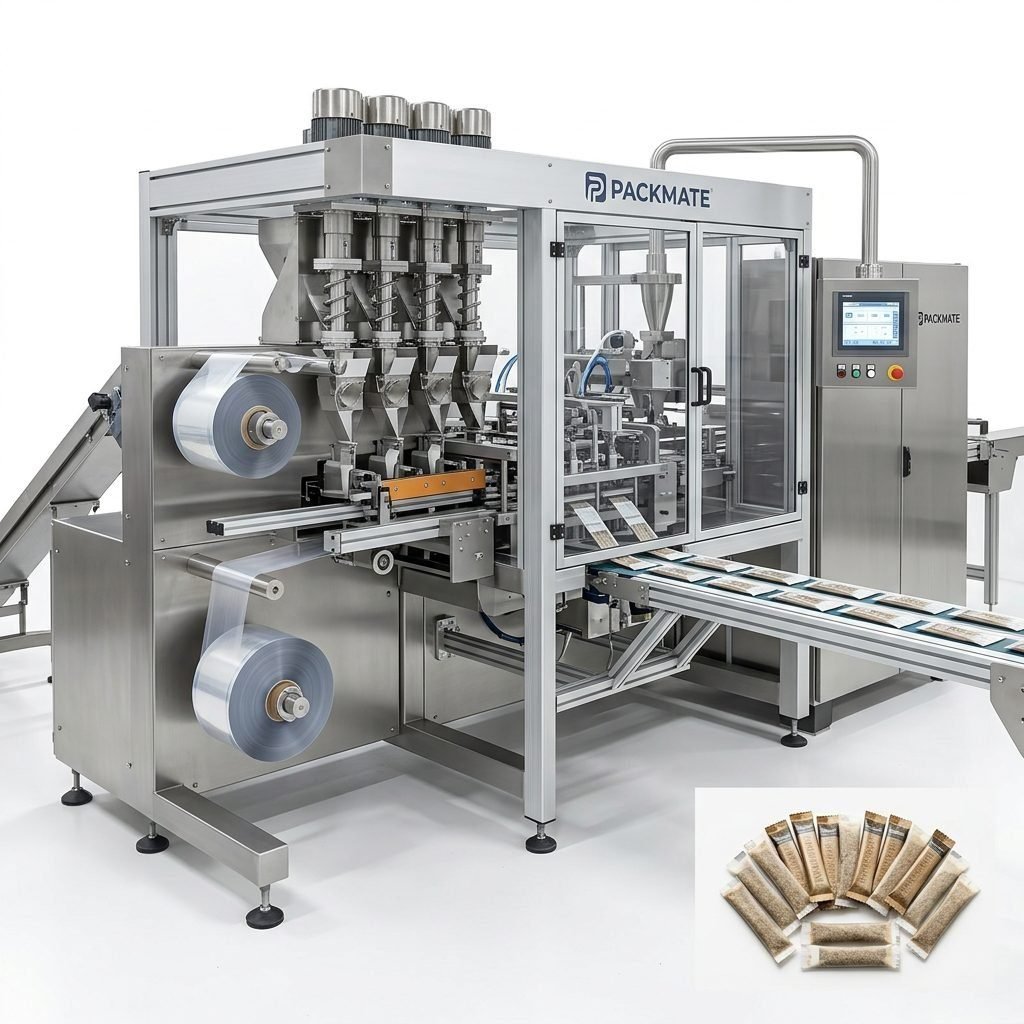
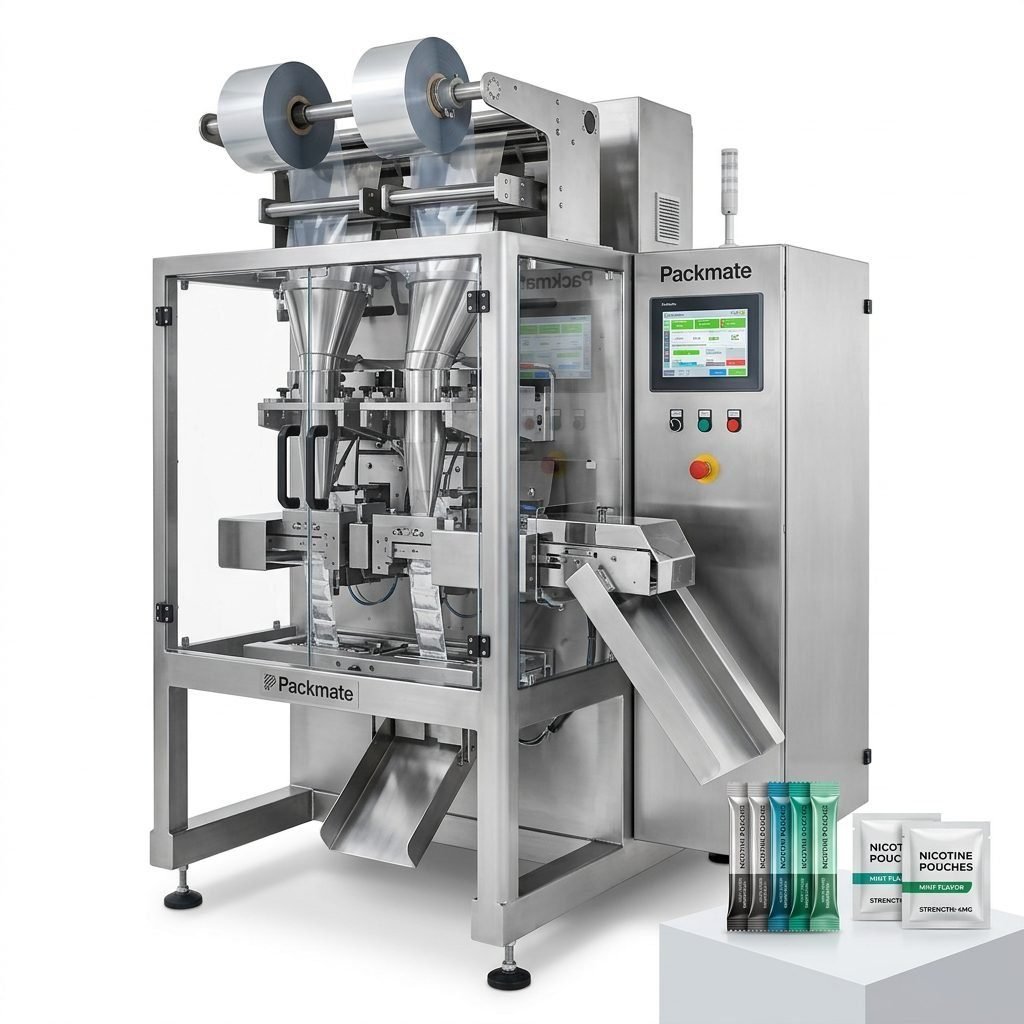
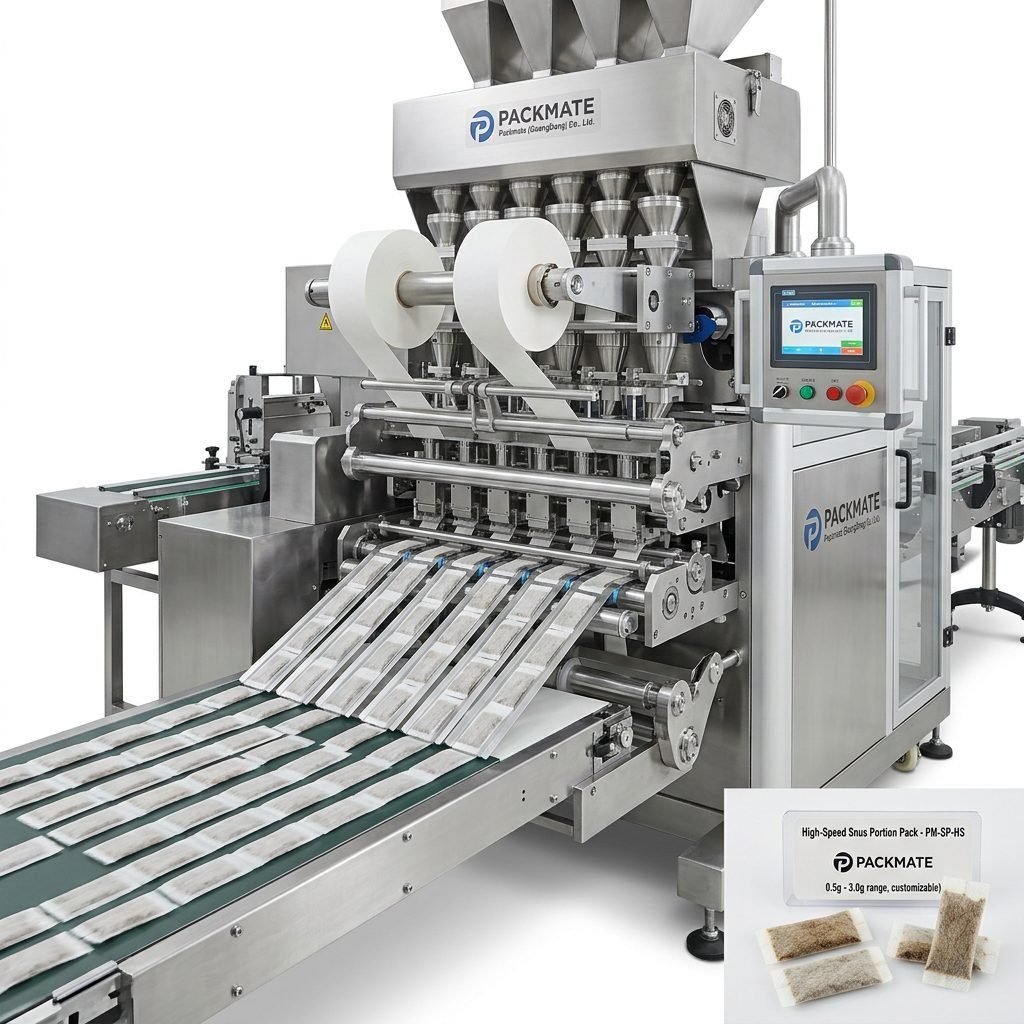
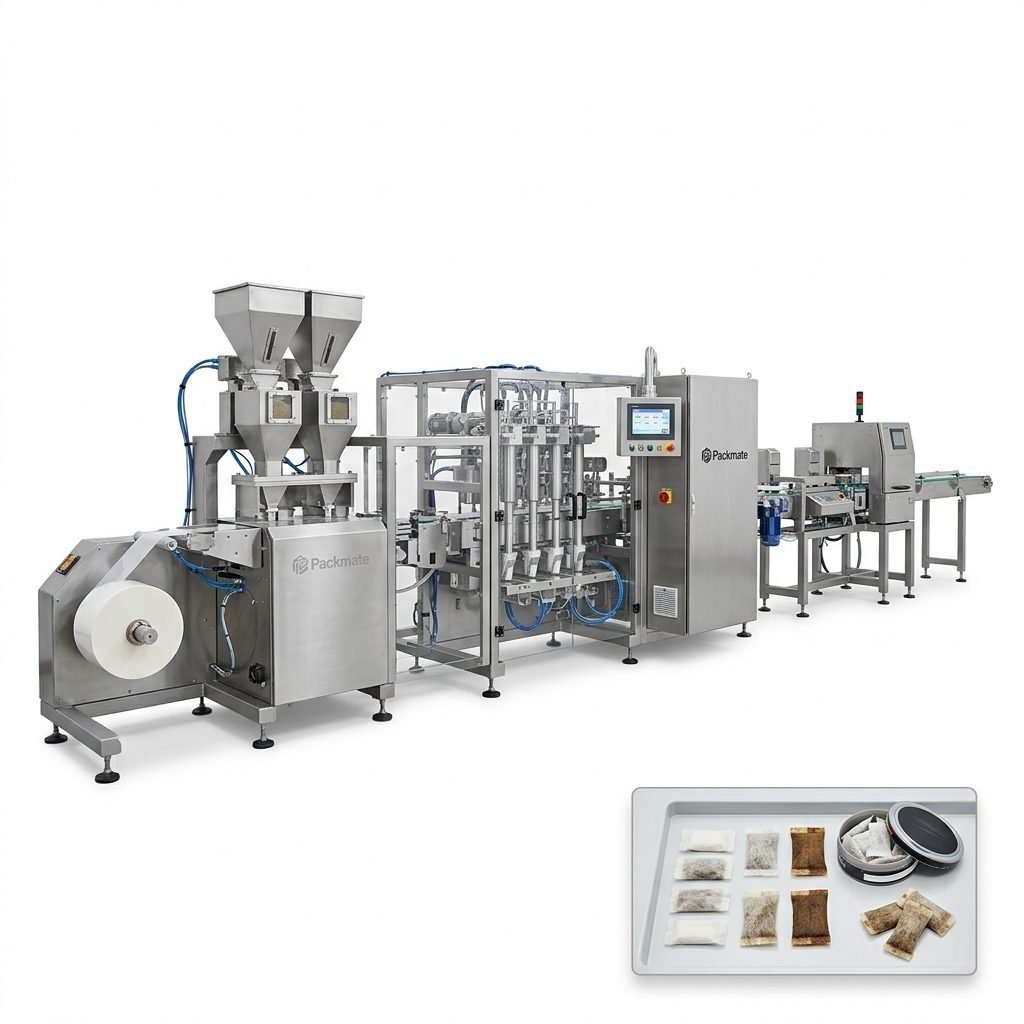
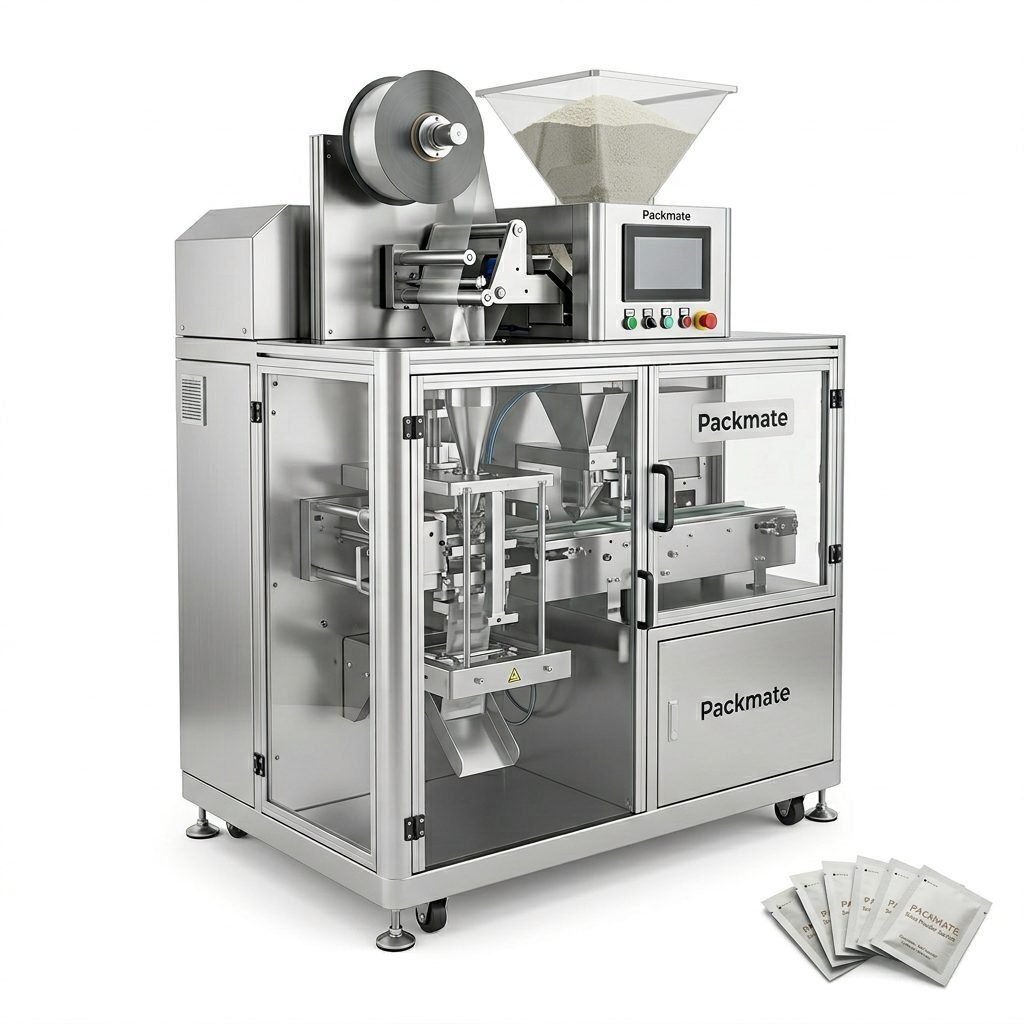
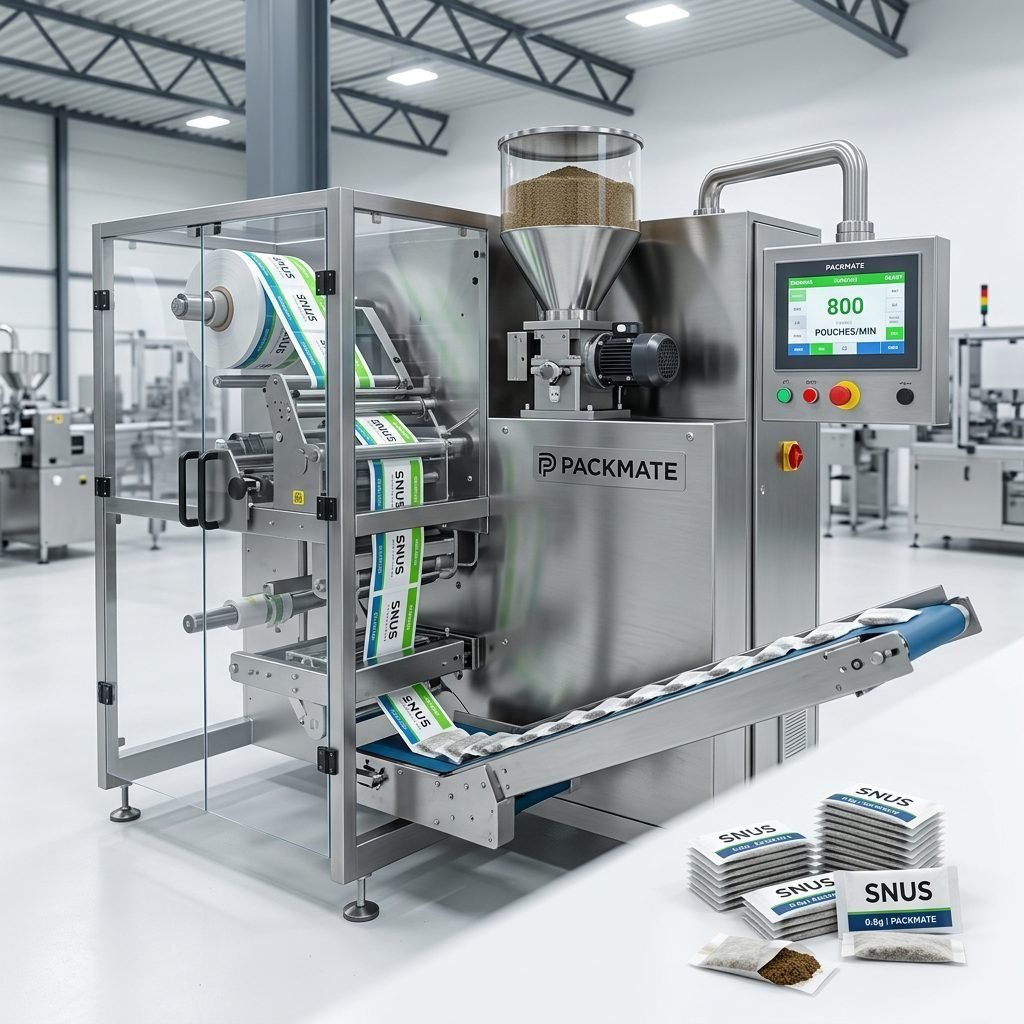
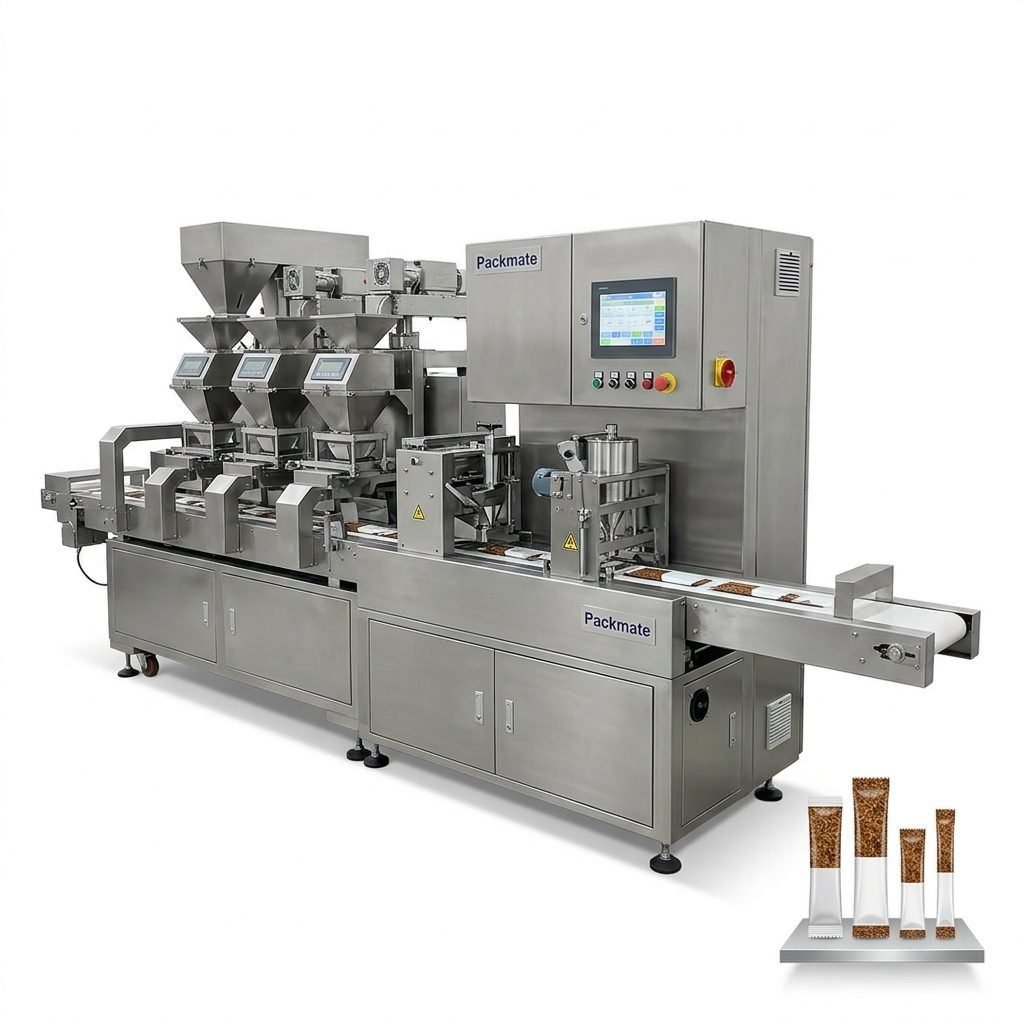
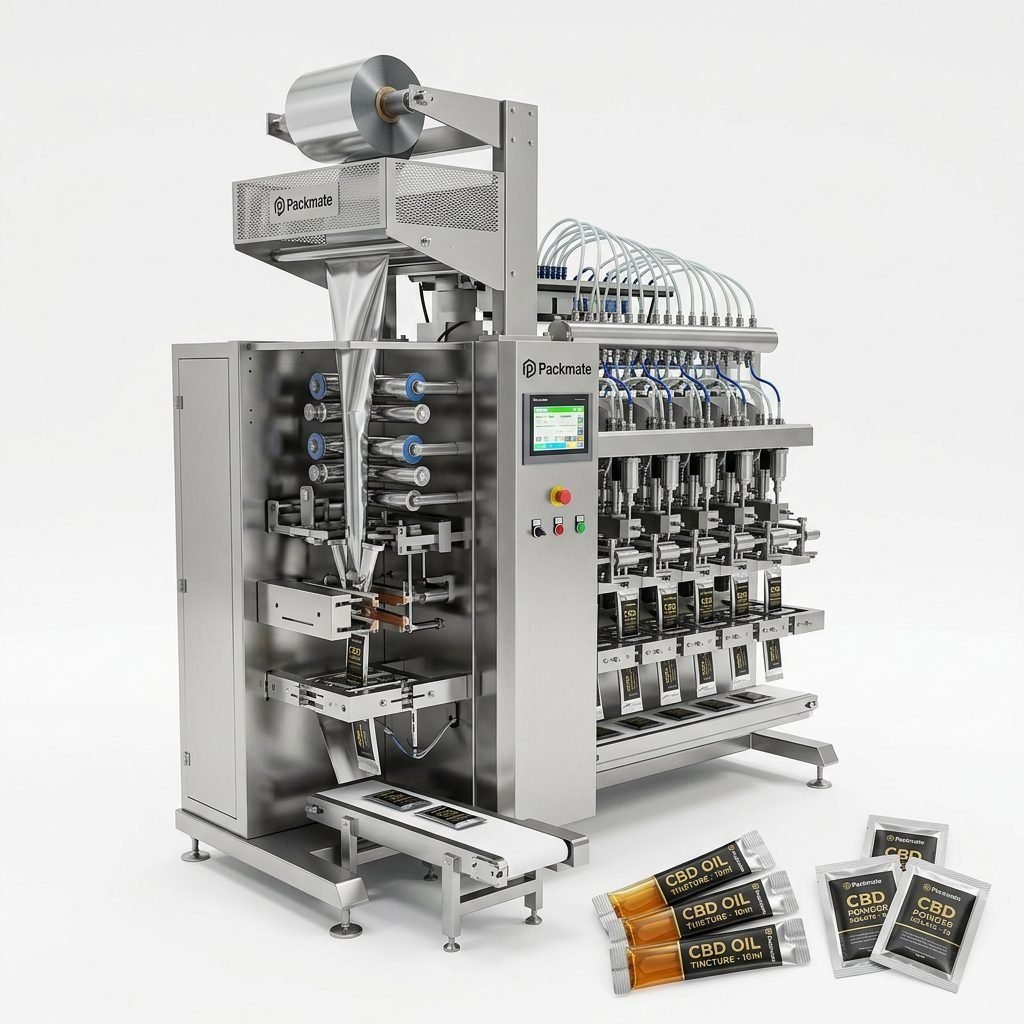
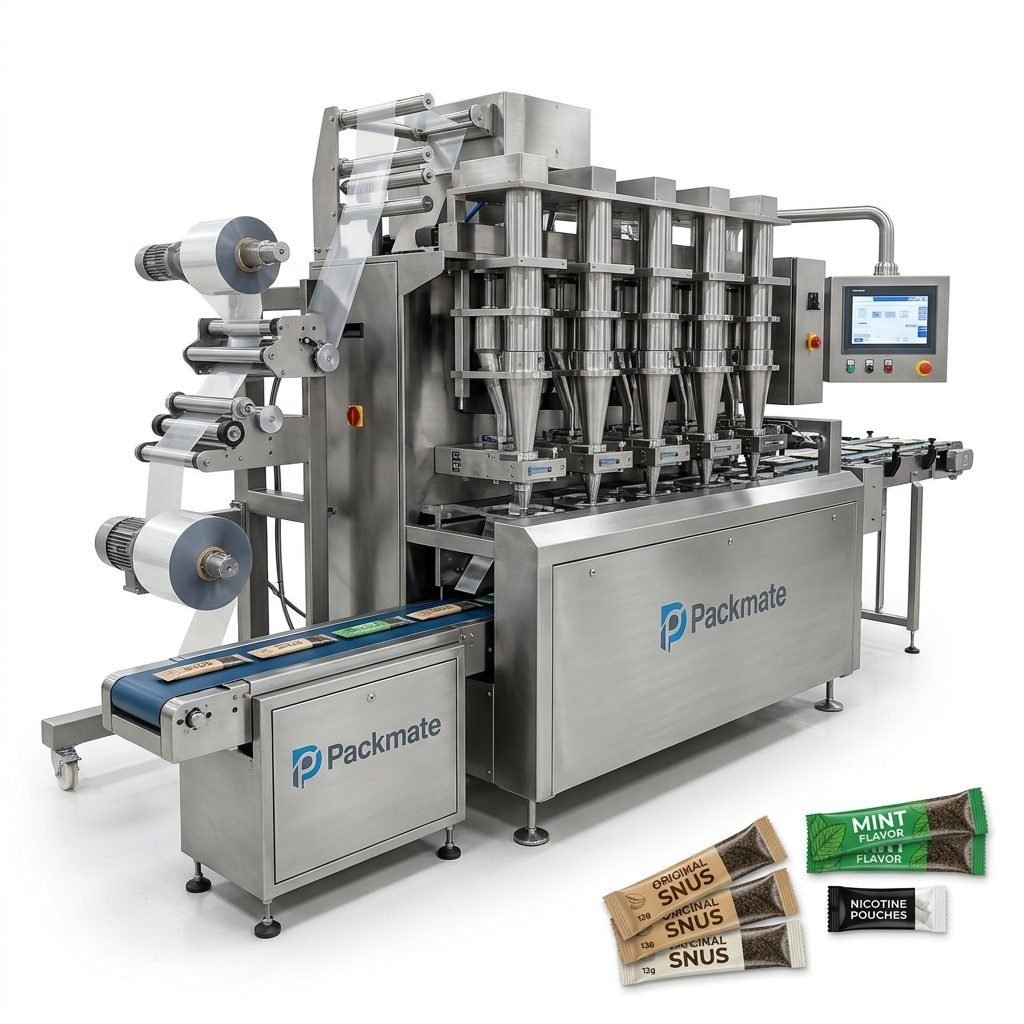
Buying a reliable snus packaging machine in Guyana requires more than comparing prices. You need to match machine capability to product format, account for local climate and logistics, verify supplier credentials, and ensure compliance with Guyanese rules on nicotine products. This practical buyer’s guide walks you through the process step by step so you can source a machine that delivers consistent pouch quality, uptime, and long-term value.
Understanding the Guyanese Market and Local Considerations
Guyana is an English-speaking country with diverse communities, including Indo-Guyanese and Afro-Guyanese populations, and a retail landscape that blends modern supermarkets in Georgetown with small-town kiosks and market stalls. When sourcing snus or nicotine pouch packaging equipment, consider:
🔍 Climate impact: Guyana’s tropical climate and high humidity mean moisture-barrier packaging and reliable sealing are essential to maintain product stability and shelf life. Choose machines capable of precise heat-sealing and compatible with laminate films and high-barrier pouches.
⚓ Logistics & port handling: Most imports arrive through the Port of Georgetown. Confirm crate sizes, machine weight, and whether the supplier offers port-to-factory shipping and local customs assistance to avoid unexpected delays and fees.
🛒 Sales channels: If you plan to supply both supermarkets and traditional markets, you may need flexible formats — single-dose pouches, multi-lane stick packs, or sachets. Evaluate machines that support multiple formats or modular upgrades.
Regulatory and compliance checkpoints
Before placing an order, check Guyana’s current regulations for nicotine products. Important items include legal age restrictions, labeling and health warning requirements in English, and possible import permits. It is essential to coordinate with local legal counsel or import agents to confirm documentation and maximize clearance speed.
Key Technical Criteria for Choosing a Snus Packaging Machine
A reliable packaging machine must meet production goals and handle the physical properties of snus or nicotine pouches. Evaluate the following technical aspects closely:
✅ Throughput & lane configuration: Determine your target pieces per minute and whether you need single-lane or multi-lane systems. Multi-lane machines increase output but require more floor space and synchronization.
✅ Format flexibility: Look for machines that support sachet, stick pack, and pouch formats or that can be upgraded modularly as your product line expands.
✅ Filling accuracy & dosing: Precision dosing systems (volumetric, auger, or multi-head weighers depending on product form) are critical for consistent weight and regulatory compliance.
✅ Sealing & materials compatibility: Ensure the machine can handle high-barrier films and has adjustable seal temperature and dwell time to cope with Guyana’s humidity.
Reliability, maintenance, and spare parts
Machine uptime depends on build quality and access to spare parts. Choose suppliers who provide:
🔧 Clear spare parts lists and global shipping options; prefer suppliers with stock or local partners.
🕒 Planned maintenance schedules and remote support capabilities. Remote diagnostics save time when a technician cannot arrive immediately in Guyana.
How to Vet Suppliers: Documentation and Factory Capabilities
A rigorous supplier assessment helps minimize risk. Request the following and verify them carefully:
1) Company profile and history — evidence of steady operation and specialization in snus or pouch machines.
2) Factory photos and a video tour of assembly lines and CNC centers. For example, manufacturers that show precision assembly areas and heavy investment in machining centers demonstrate stronger production control.
3) Certifications such as CE and ISO to ensure safety and quality standards. Ask for copies of certificates and cross-check on issuer websites if possible.
📄 Factory strength indicators: facility size, number of models offered, and R&D history. A manufacturer with decades of experience and multiple models (for example, 50+ models and a 20,000㎡ plant) is better positioned to provide durable solutions and customized lines.
Onsite visits and machine demos
If possible, visit the supplier or request a live remote demonstration. Pay attention to:
• Machine setup and changeover time between formats.
• Noise levels, ergonomic layout, and safety guards.
• Repeatability of fill weight and seal integrity over long runs.
Negotiating Price, Warranty and After-Sales Support
Price is important, but total cost of ownership often matters more. Consider:
• Base machine cost vs. the cost of required modules (fillers, multi-lane assemblies, checkweighers).
• Warranty terms: ask about coverage for electrical, mechanical, and wear parts. A 12–24 month warranty with clear service response times is ideal.
• After-sales support options: remote troubleshooting, spare parts agreements, and on-site training for Guyanese operators.
💡 Negotiation tip: Include a spare parts package and a training session for local technicians in the contract. This reduces downtime and speeds up local capability development.
Installation, Training and Local Workforce Considerations in Guyana
Installing and running advanced packaging equipment requires trained staff. Plan for:
• Pre-shipment inspection and FAT (Factory Acceptance Test) to confirm machine performance before it leaves the supplier.
• Onsite installation by supplier engineers or certified local partners. Confirm visa and travel logistics if supplier engineers must travel to Guyana.
• Operator and maintenance training for local staff. Consider language, technical background, and shift patterns typical in Guyana; schedule training times that align with local customs and workweeks.
Power, spare parts and consumables
Guyana’s electrical supply and procurement channels may differ from larger markets. Confirm:
• Voltage compatibility and whether voltage stabilizers are required.
• Availability of common consumables and spare parts — film rolls, sealing jaws, belts — and lead times for international shipments.
Selecting the Right Supplier: Red Flags and Positive Signs
Watch for warning signs:
⚠️ Vague technical specs or reluctance to allow FAT or demo runs.
⚠️ No clear spare parts policy or long lead times for critical components.
Positive indicators include:
✅ Clear documentation, production photos or videos, references from other customers, and certification evidence.
Example supplier credentials to request
• Company history and a brochure of snus or nicotine pouch machines. (See product ranges such as Snus & Nicotine Packaging Machines and Bag & Pouch Packaging Machines for reference.)
• Case studies and exhibition records to validate international experience. (A company that participates in global exhibitions and documents case work demonstrates strong export capabilities.)
• Contact details for previous buyers willing to share machine performance feedback.
Practical Checklist Before You Sign the Contract
🔎 Technical verification: Confirm throughput, format capability, film compatibility, and sealing parameters.
🔎 Commercial terms: Clear payment schedule, incoterms, lead time, warranty period, and penalties for late delivery.
🔎 Support & training: Include on-site installation, operator training, and post-sale remote support in writing.
🔎 Spare parts & consumables: Agree on a starter spares kit and lead times for replenishment.
Supplier Recommendations and Useful Resources
When you want to research manufacturers and product lines, start with detailed product pages and company information. Useful links include product overviews and company pages that illustrate machine capabilities and global projects:
• Snus & Nicotine Packaging Machines: https://www.snusmachinery.com/products/snus-nicotine-packaging-machines/
• Bag & Pouch Packaging Machines: https://www.snusmachinery.com/products/bag-pouch-packaging-machines/
• About the manufacturer and corporate history: https://www.snusmachinery.com/about-us/
• Contact and service information: https://www.snusmachinery.com/contact-us/
Real-World Example: From Inquiry to Production in Guyana
A typical procurement path looks like this:
1) Define product formats and required output.
2) Request detailed quotes and FAT videos from shortlisted suppliers.
3) Negotiate lead time, warranty, spare parts package, and training.
4) Arrange shipping and customs clearance, keeping the Port of Georgetown timelines in mind.
5) Complete installation, operator training, and a pilot production run to validate real-world performance under Guyana’s humidity and supply chain constraints.
Cultural note
Building strong local relationships is valuable in Guyana. Local distributors, trade agents, or partners who understand retail patterns and import procedures can accelerate market entry and help you adapt packaging and labeling to local expectations.
Final Selection Tips
• Prioritize suppliers with strong global case studies and comprehensive machine ranges.
• Balance price with support: cheaper machines with weak after-sales support often cost more over time.
• Consider environmental and local factors: humidity, power stability, and packaging material availability will shape your machine choice.
🔑 Bottom line: A reliable snus packaging machine in Guyana is the result of careful technical evaluation, supplier due diligence, and local logistical planning. Investing time in FATs, spare parts, and training will pay off in uninterrupted production and better product quality.
Common Questions (FAQs)
Q1: What machine format is best for a small Guyanese brand testing the market?
A1: Start with a versatile single-lane sachet or stick pack unit that can handle small batches and is upgradeable to multi-lane as demand grows.
Q2: How important is moisture control for snus packaging in Guyana?
A2: Extremely important. High humidity can degrade flavor and shelf life, so choose machines that support high-barrier films and precise sealing control.
Q3: What support should I require from the supplier for a smooth installation?
A3: Require on-site installation, operator & maintenance training, a starter spare parts kit, and remote troubleshooting service for at least 12 months post-installation.
Q4: Are CE and ISO certificates necessary when importing to Guyana?
A4: While Guyana has its own import and product regulations, CE and ISO indicate international safety and quality standards and make customs and insurance smoother.
Q5: Where can I find real machine examples and company information?
A5: Review manufacturer product pages and company profiles for machine catalogs and case studies. Useful starting links include Snus & Nicotine Packaging Machines and About the manufacturer pages referenced above.