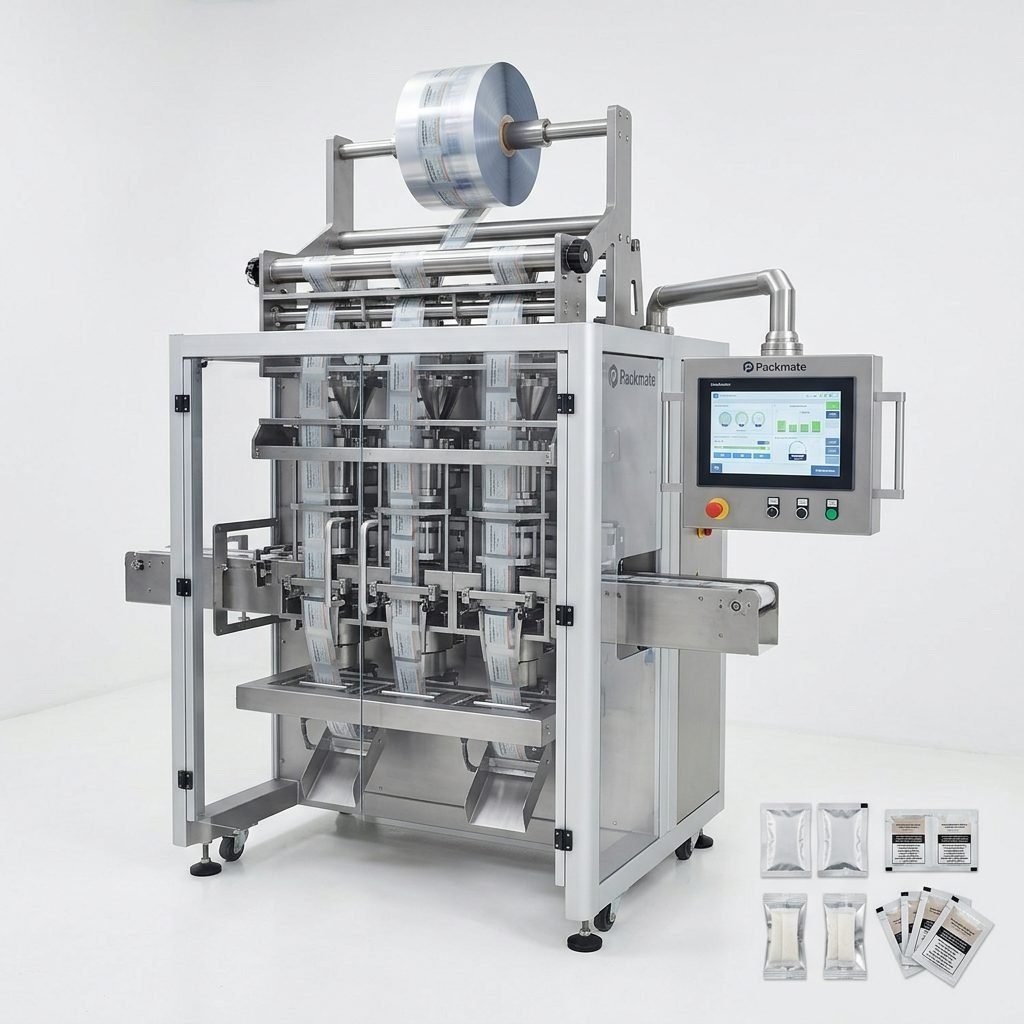
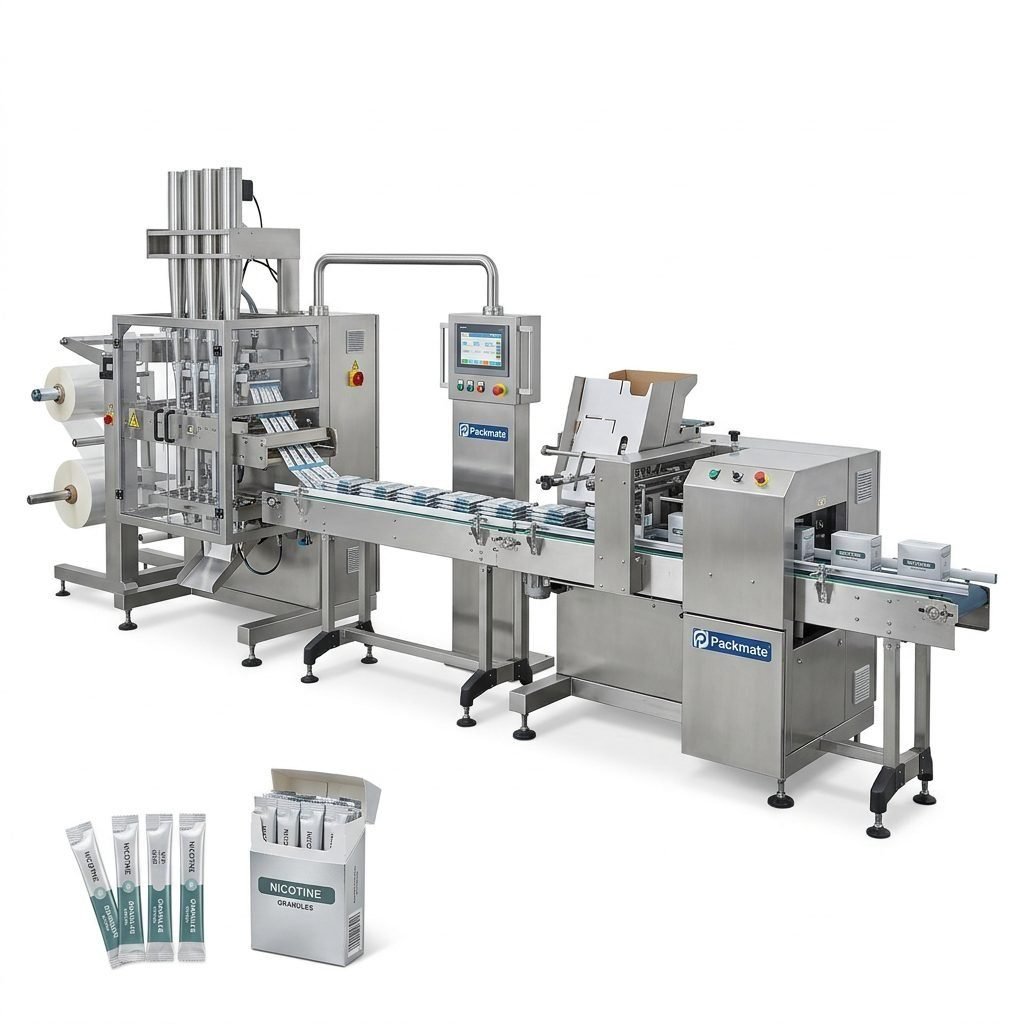
Selecting the right nicotine packaging machine for production in Mauritania requires balancing regulatory compliance, local market needs, and reliable engineering. This guide walks through the practical steps and technical considerations to help tobacco and nicotine product manufacturers choose a high-performance, durable packaging line that meets capacity, quality, and budget expectations.
Understand Mauritania’s Market and Regulatory Context
Before evaluating machines, verify local regulations governing nicotine pouch and snus products in Mauritania. Product labeling, ingredient disclosure, and packaging safety are common regulatory points. Engage local counsel or consultants to confirm compliance timelines and import approvals so your machine choice supports required pack sizes and labeling formats.
Key commercial questions to clarify
• What pack formats (pouches, sachets, stick packs, multi-lane sachets) will you produce?
• What daily and monthly throughput is required to serve domestic distribution channels?
• Do you plan contract manufacturing or in-house brand production?
• Are there plans to export to neighboring countries with different regulations?
Match Machine Type to Product Format
Machine selection starts with product format. Typical industrial options include multi-lane snus/nicotine pouch machines, stick pack systems, and sachet machines. Each has distinct advantages:
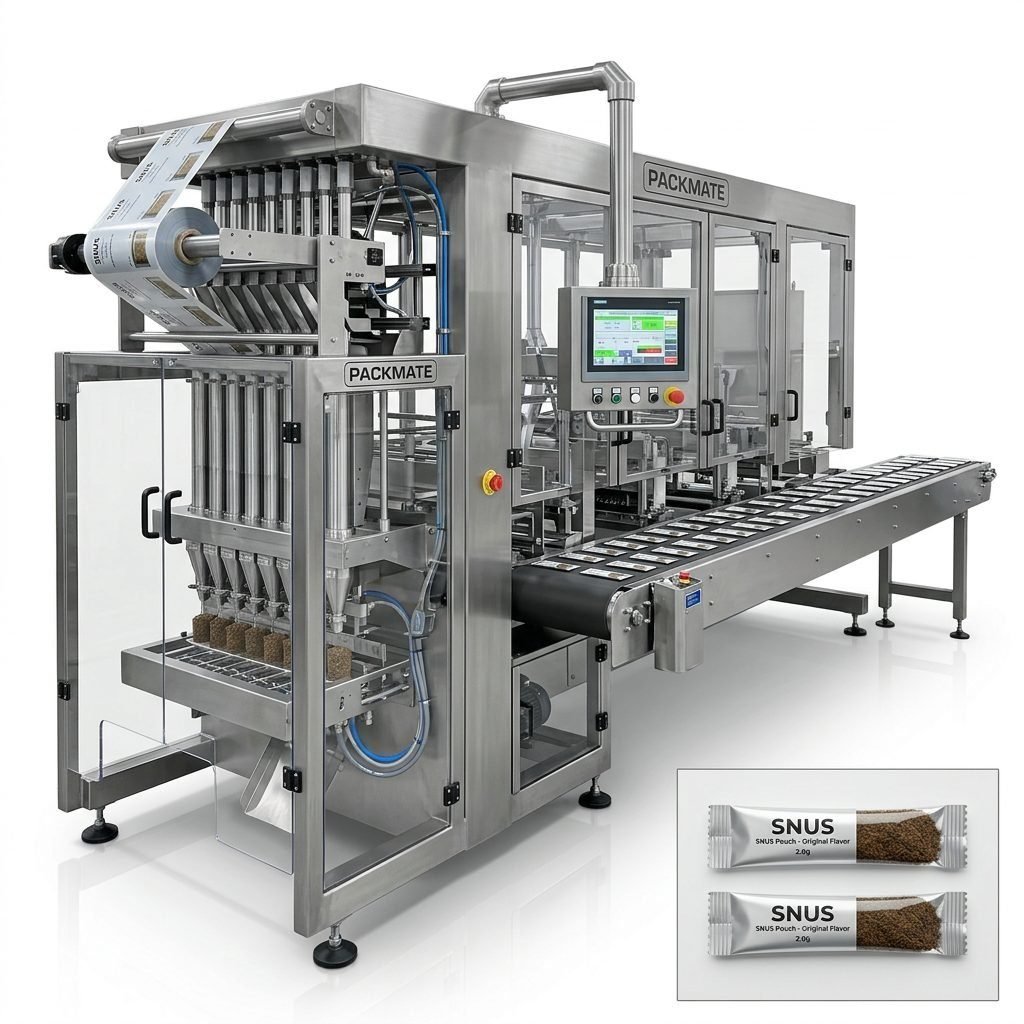
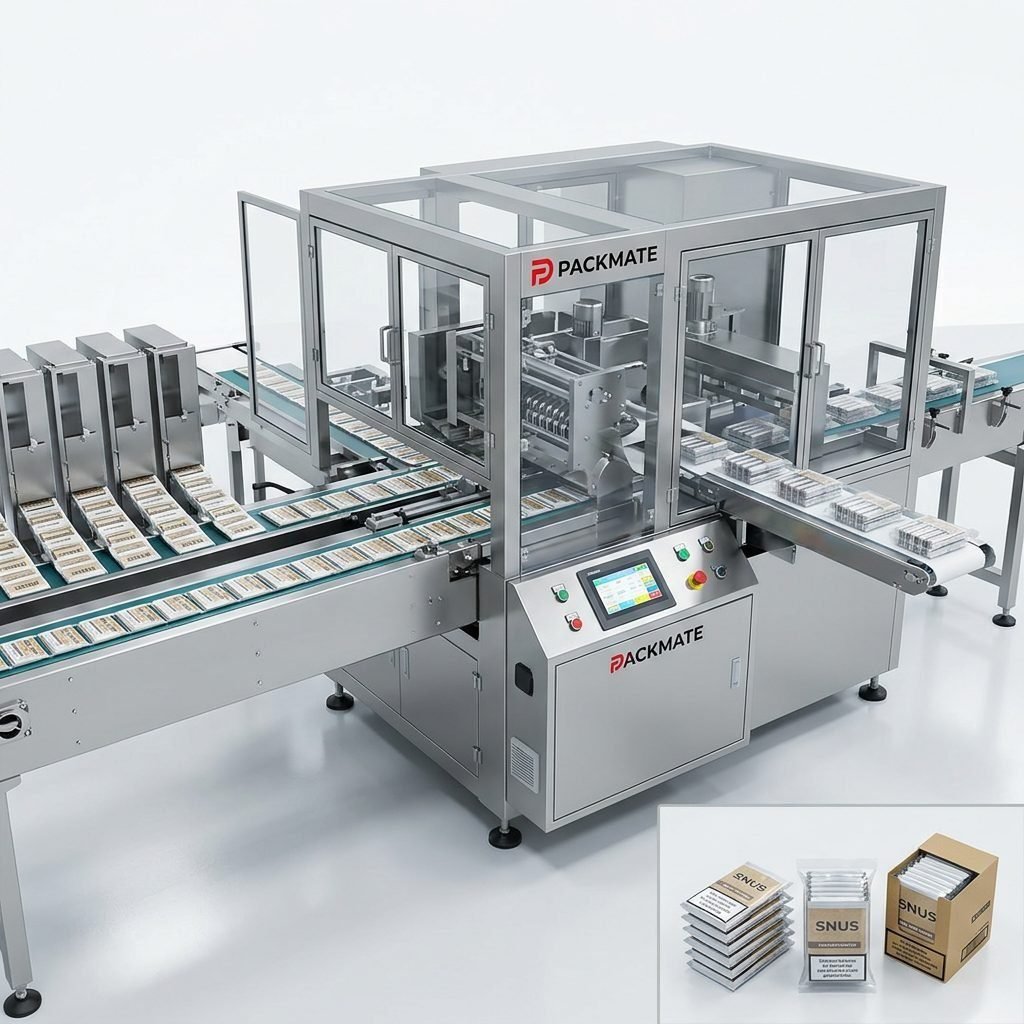
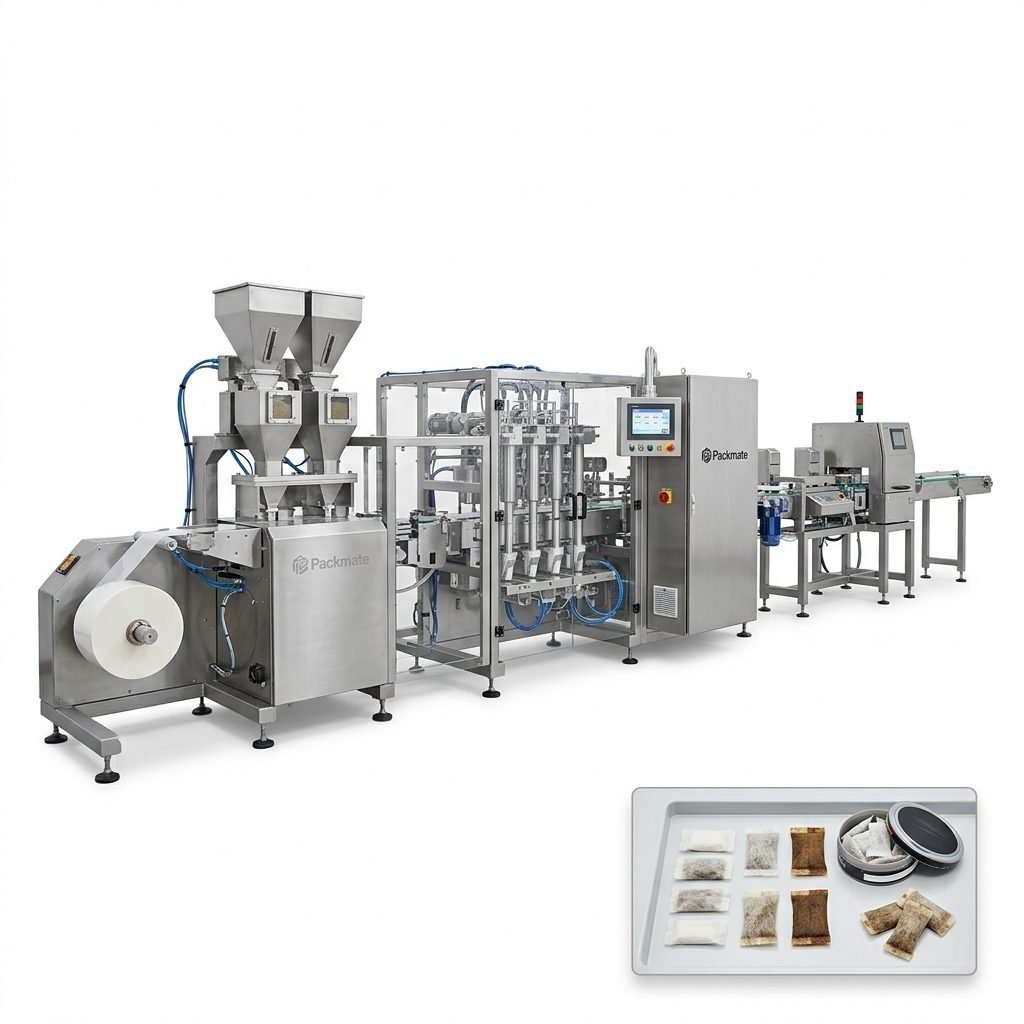
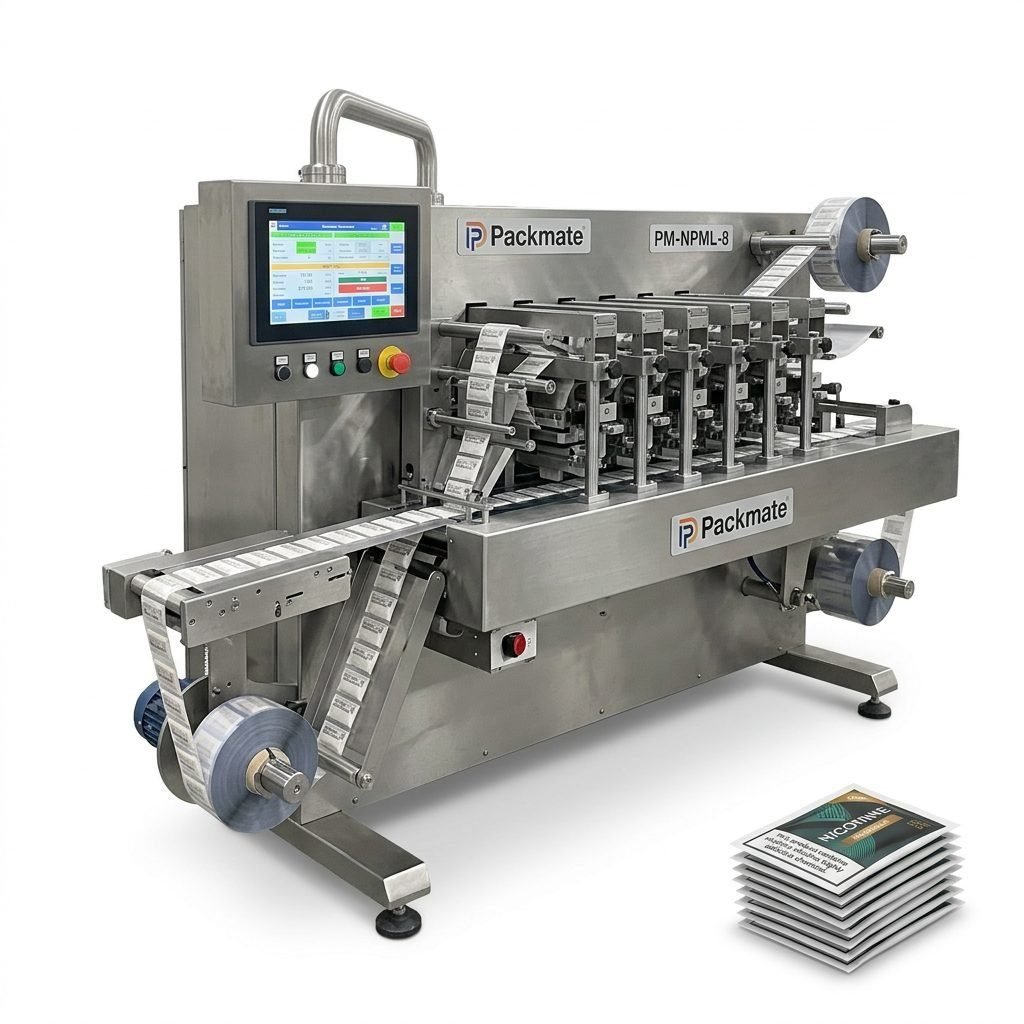
✔ Snus & Nicotine Pouch Machines — optimized for small-dose pouches, high-precision filling, and multi-lane output. Ideal for nicotine pouches with strict weight control.
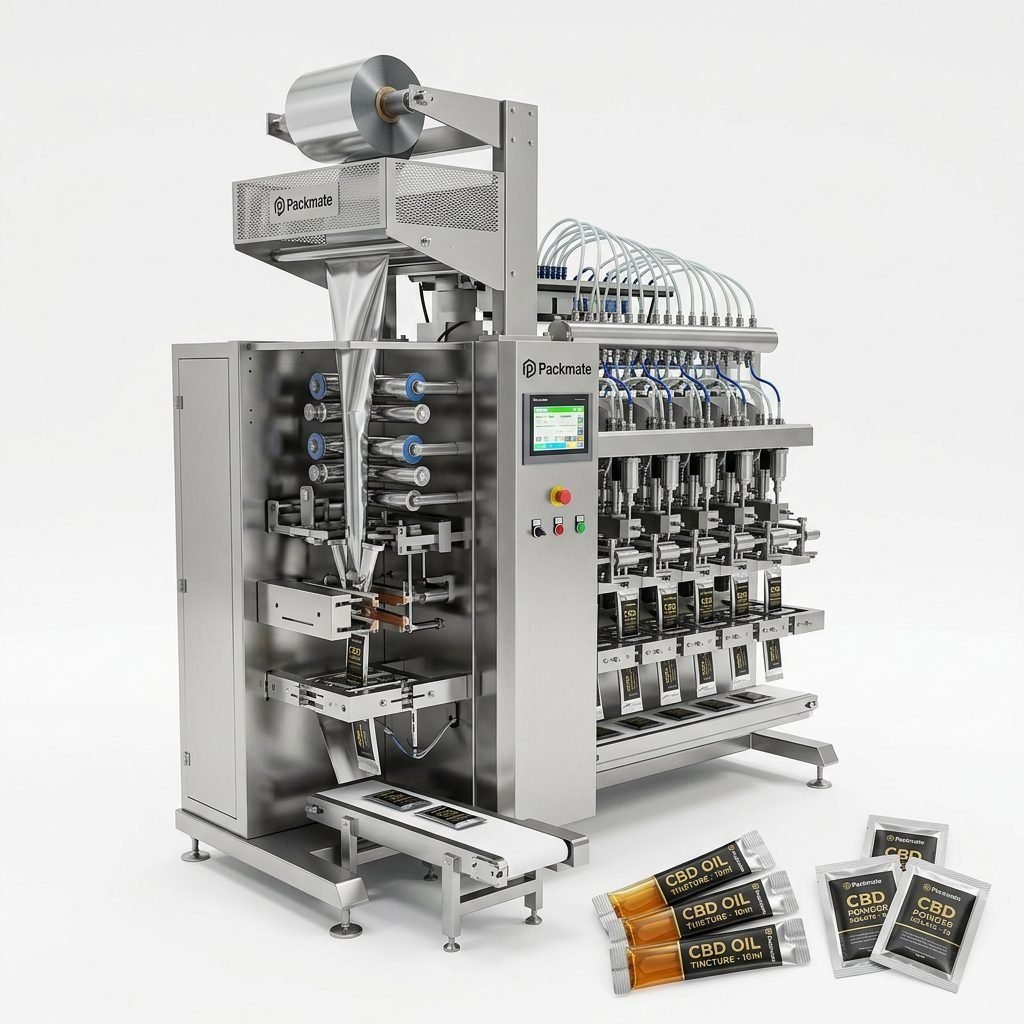
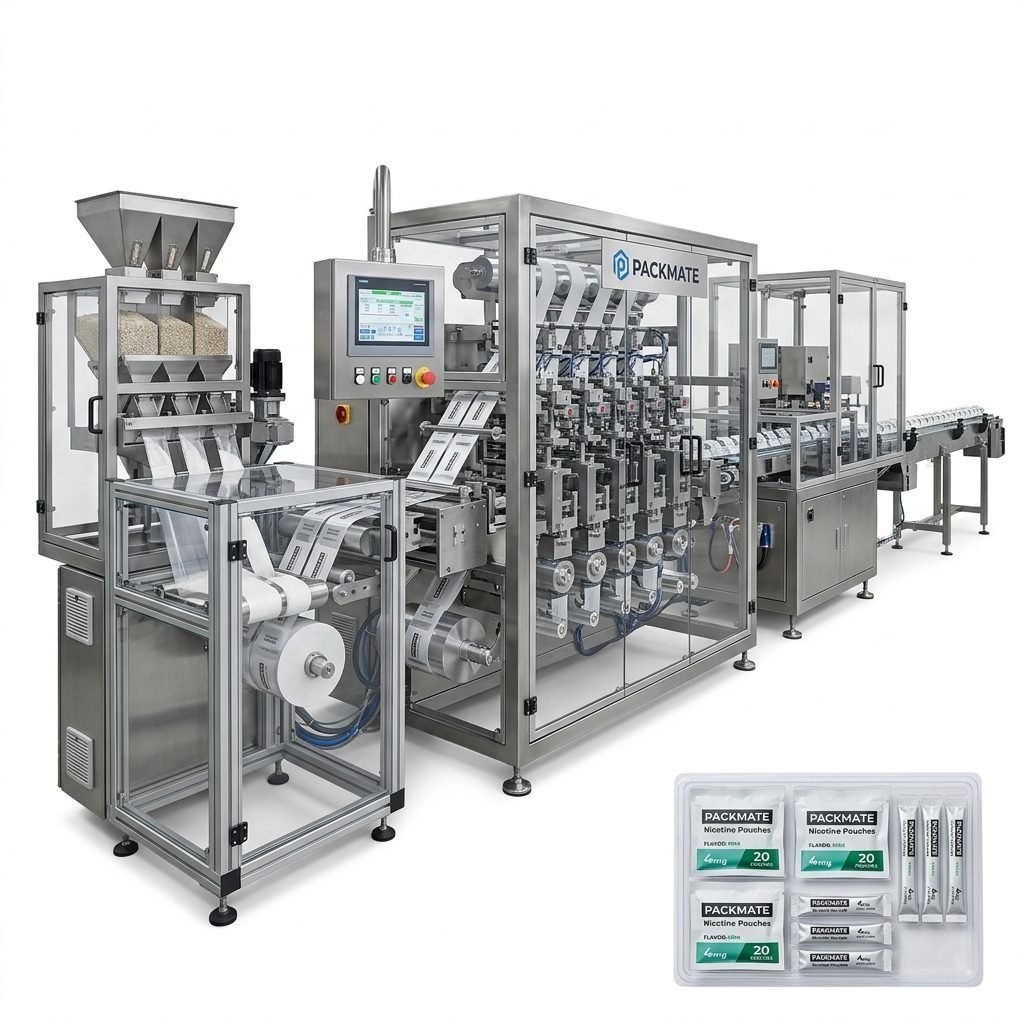
✔ Stick Pack / Sachet Machines — suitable for single-serve sachets and stick packs; flexible for flavors and portion sizes.
If you want to explore specific models, see product lines for Snus & Nicotine Packaging Machines and modular solutions for integrated production like Filling & Packaging Lines.
Capacity, Speed, and Scalability
Production capacity is expressed in pouches per minute, lanes, and shifts per day. Define a realistic target: current demand plus projected growth. Look for machines with:
Key specs to compare: lanes (single to multi-lane), max pouches/minute, fill accuracy, and uptime percentage.
Multi-lane machines are space- and labor-efficient for high-volume nicotine pouch production. If you expect to scale, choose modular systems that support lane add-ons or faster film feeding. For reference, explore multi-lane offerings in the Sachet & Stick Pack Machines section.
Accuracy, Filling Technologies, and Product Handling
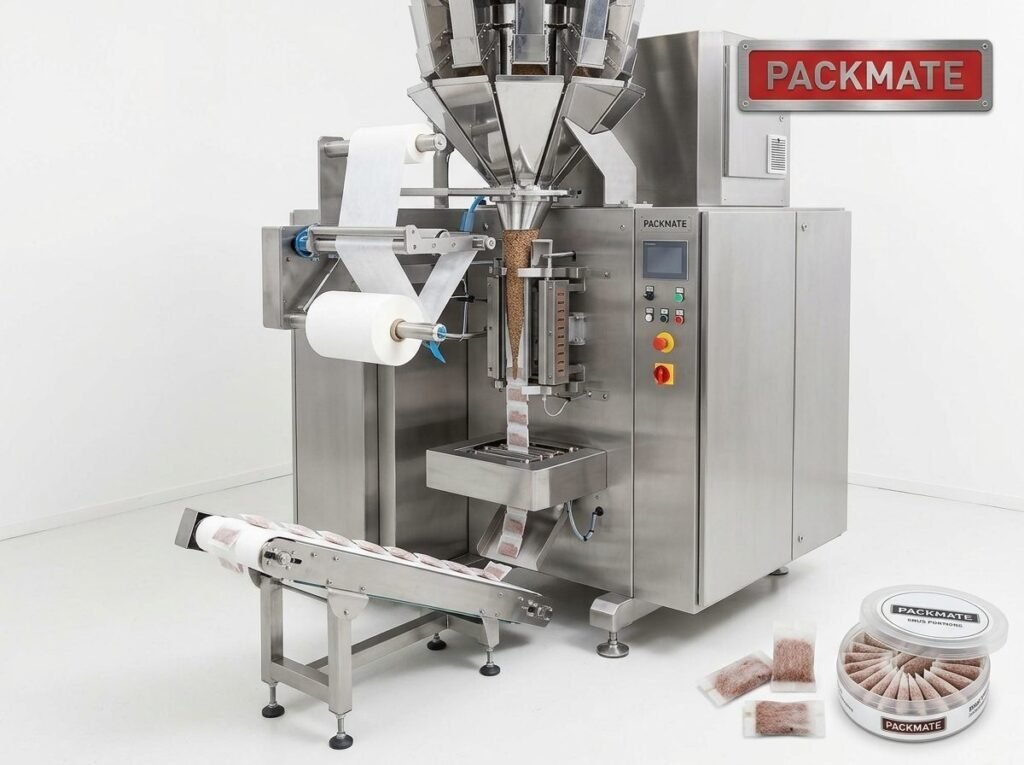
Nicotine pouches require exact dosing to ensure product consistency and regulatory compliance. Filling systems include volumetric dosing, auger/impeller systems for powders, and precision weighing modules for micro-dose control.
Choose machines with automated weighing and feedback control if your product uses small doses. Machines that integrate digital weight-checking or gravimetric feeders reduce giveaway and maintain strict tolerances across lanes.
Weighing & Weigh-loss Control
Consider integrated weighing systems, especially when processing herbal extracts, powders, or blends with varied bulk density. See options in the Weighing & Packaging Systems portfolio for compatible solutions.
Materials, Film Compatibility and Package Integrity
Packaging material impacts sealing, shelf life, and product presentation. Machines must be compatible with your chosen films: mono-layer, laminated barrier films, and heat-sealable pouches. Confirm the machine head and sealing platform accommodate your film thickness and width.
Checklist: film width range, sealing temperature control, vacuum/modified atmosphere options, and quality inspection (vision systems).
Automation, Integration and Auxiliary Equipment
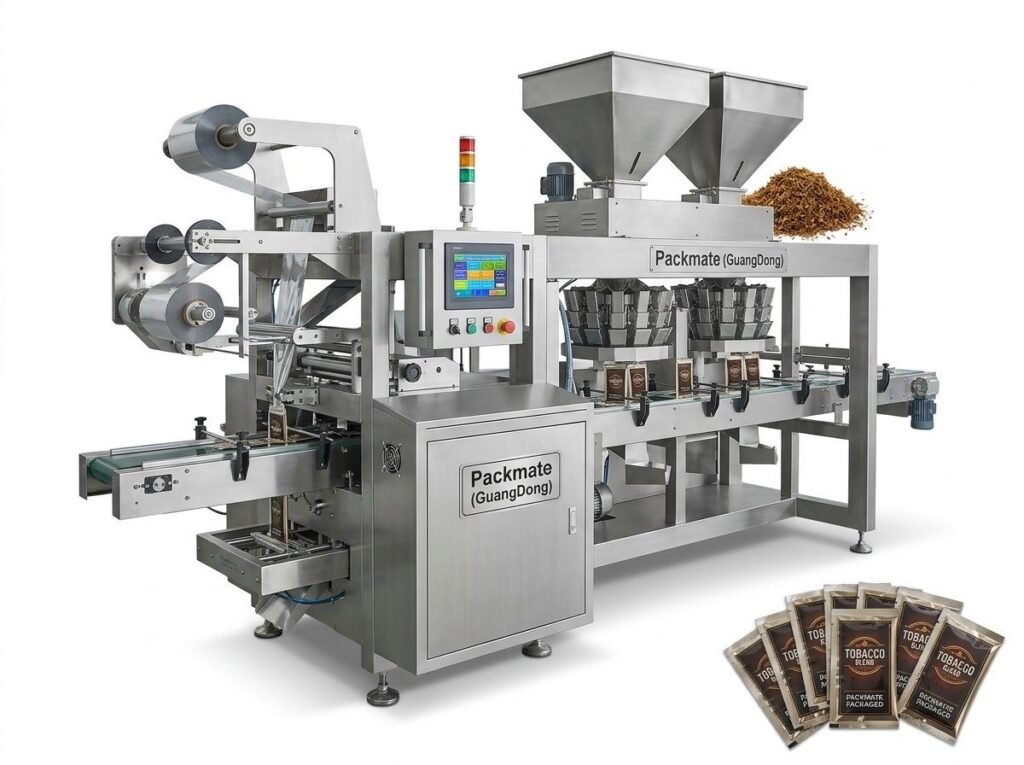
A complete production line includes feeders, hoppers, conveyors, metal detectors, checkweighers, and case packers. Select suppliers who supply full turnkey lines to simplify installation and optimize line rhythm.
Packmate and similar manufacturers typically offer Auxiliary Packaging Equipment that integrates directly—reducing engineering time and startup risks.
Reliability, Build Quality and Manufacturing Capacity
Verify the supplier’s manufacturing footprint and process controls. A factory with advanced CNC centers and precision assembly lines signals consistent component quality and better long-term stability. Packmate, for example, operates a 20,000㎡ facility with extensive machining and assembly capabilities, which supports durable machine delivery and customization.
Certifications and Standards
Look for CE, ISO, and other international certifications that demonstrate compliance with safety and quality systems. Certified equipment eases permitting and improves operator safety.
Service, Spare Parts and Training
After-sale service is critical—check lead times for spare parts, remote support capability, and on-site training programs. A supplier offering comprehensive commissioning, operator training, and multi-year parts availability reduces downtime risk.
Tip: Request a spare-parts list and average MTTR (mean time to repair) estimates for critical assemblies.
Cost Considerations and Return on Investment
Total cost of ownership includes purchase price, installation, tooling, operator training, maintenance, and energy consumption. Estimate ROI by comparing per-unit production cost vs expected sales price and production ramp-up time. High-efficiency multi-lane lines often justify higher initial investment through lower unit labor and consistent quality.
Choosing a Trusted Supplier: Questions to Ask
When evaluating vendors, ask concrete questions:
• Can you provide case studies of similar nicotine pouch lines? (Case examples)
• What is the lead time from order to shipment?
• Are turnkey integration and FAT (Factory Acceptance Test) included?
• What warranty and service contracts are available?
• Can machines be demonstrated at an exhibition or customer site? (See Our Exhibition opportunities.)
Factory Acceptance and Site Acceptance Testing
Require FAT to validate machine performance on your product or a close surrogate. FAT minimizes surprises at installation. After shipping, Satisfactory Site Acceptance Tests confirm integration, electrical/utility compatibility, and production trials under local conditions.
Customization and Future-Proofing
Plan for product evolution: flavor variants, different pouch weights, and new pack sizes. Choose modular machines that can be upgraded with software, additional lanes, or upgraded feeders. Suppliers with strong R&D experience and a long industry history are better positioned to support upgrades—learn about the company background on the About Packmate page.
Key upgrade options
• Vision inspection for label and seal integrity
• Automatic lane balancing and recipe management
• Remote diagnostics and IIoT connectivity
Practical Purchase Checklist
Before placing an order, ensure you have:
1. Product specification sheet: dimensions, weight range, moisture content.
2. Target output and available shifts.
3. Film and pouch samples for machine testing.
4. Clear utility requirements (power, air, dust extraction).
5. Logistics plan: shipping, customs, and local installation services.
Quick vendor scorecard: Performance specs (40%), Service & parts (25%), Compliance & certifications (15%), Price & ROI (20%).
Installation, Training and Ongoing Support
A successful ramp-up depends on thorough training for operators, preventive maintenance schedules, and remote support capabilities. Negotiate inclusion of on-site training days and a clear SLA for response times.
Summary and Next Steps
In Mauritania, selecting the best nicotine packaging machine means aligning product format, throughput needs, and compliance requirements with a supplier that offers robust engineering, full-line integration, and strong after-sales support. Review machine type options, request FAT with your product, and prioritize vendors that demonstrate factory capabilities, certifications, and proven case studies.
Suggested action plan
1) Define product specs and regulatory needs. 2) Shortlist vendors and request technical proposals. 3) Arrange FAT with pouch samples. 4) Confirm spare parts availability and training scope. 5) Schedule phased installation and acceptance tests.
Frequently Asked Questions
Q1: What machine types are best for nicotine pouches in Mauritania?
A1: Multi-lane snus/nicotine pouch machines and precision filling lines are preferred for small-dose pouches; stick pack and sachet machines suit single-serve formats.
Q2: How important is FAT (Factory Acceptance Test)?
A2: FAT is essential. It validates the machine performance on your product, reduces installation risks, and ensures contractual acceptance criteria are met.
Q3: What certifications should I require from the supplier?
A3: Require CE, ISO quality management certifications, and any region-specific safety approvals. Certified equipment simplifies import and safety compliance.
Q4: How do I ensure spare parts and service access in Mauritania?
A4: Verify the supplier’s spare parts lead times, recommend stocked critical parts locally, and establish remote diagnostic arrangements to minimize downtime.
Q5: Where can I see live demonstrations or learn more about turnkey solutions?
A5: Attend supplier exhibitions or request demos; many manufacturers list exhibitions and turnkey case studies (see Our Exhibition and Case pages).