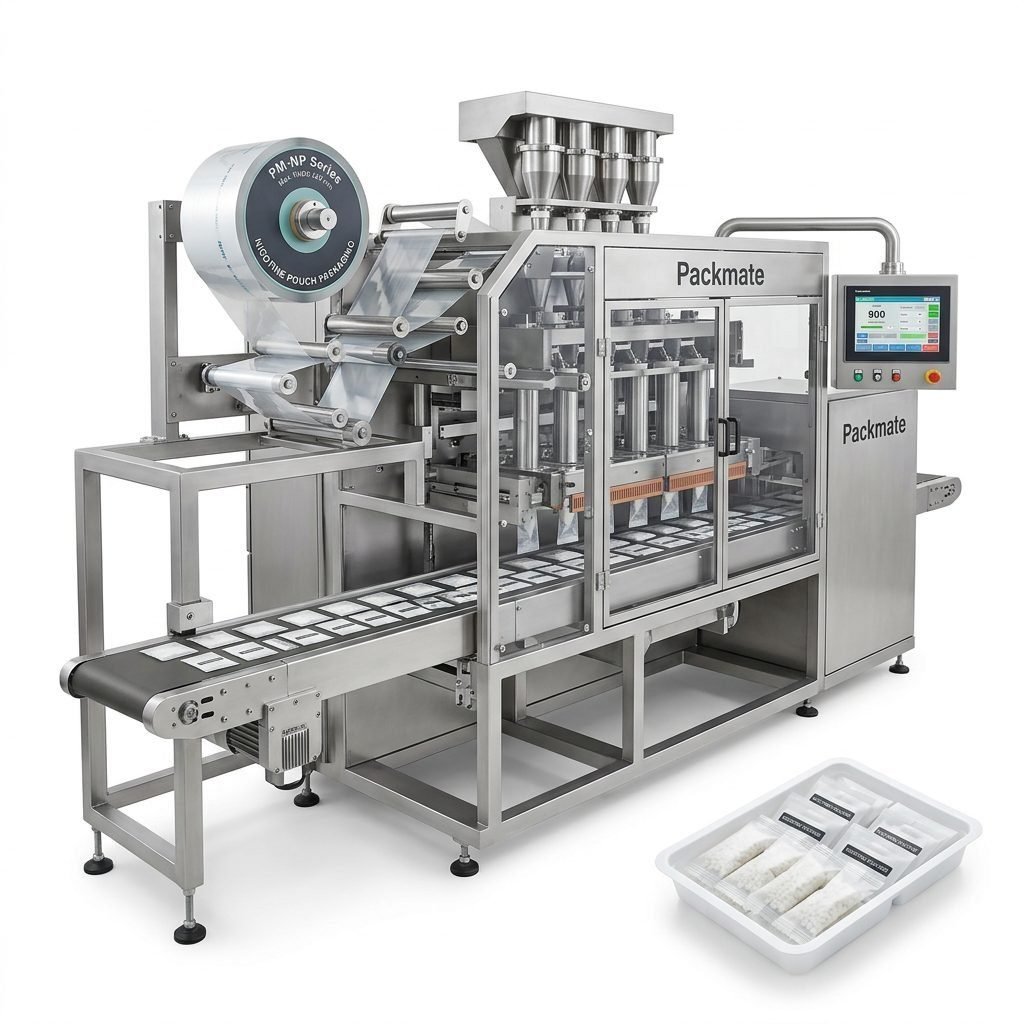
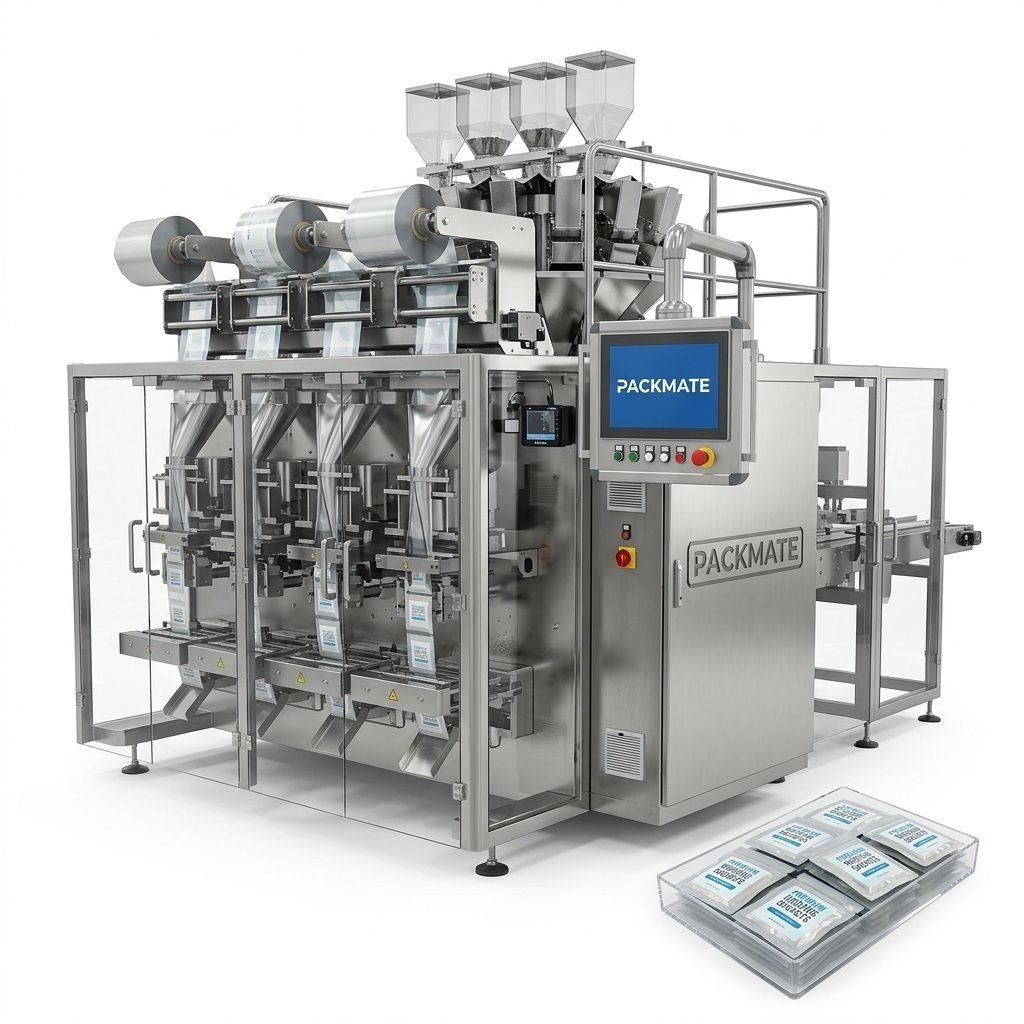
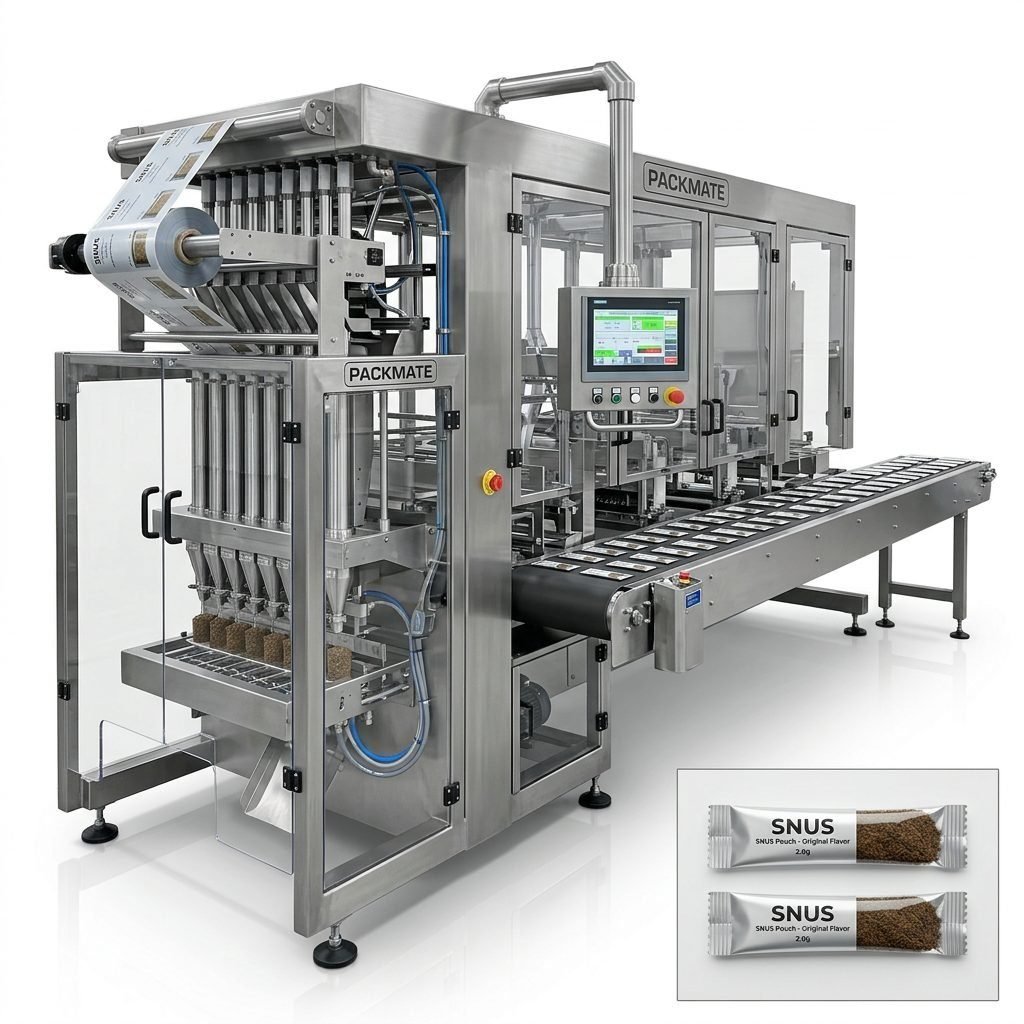
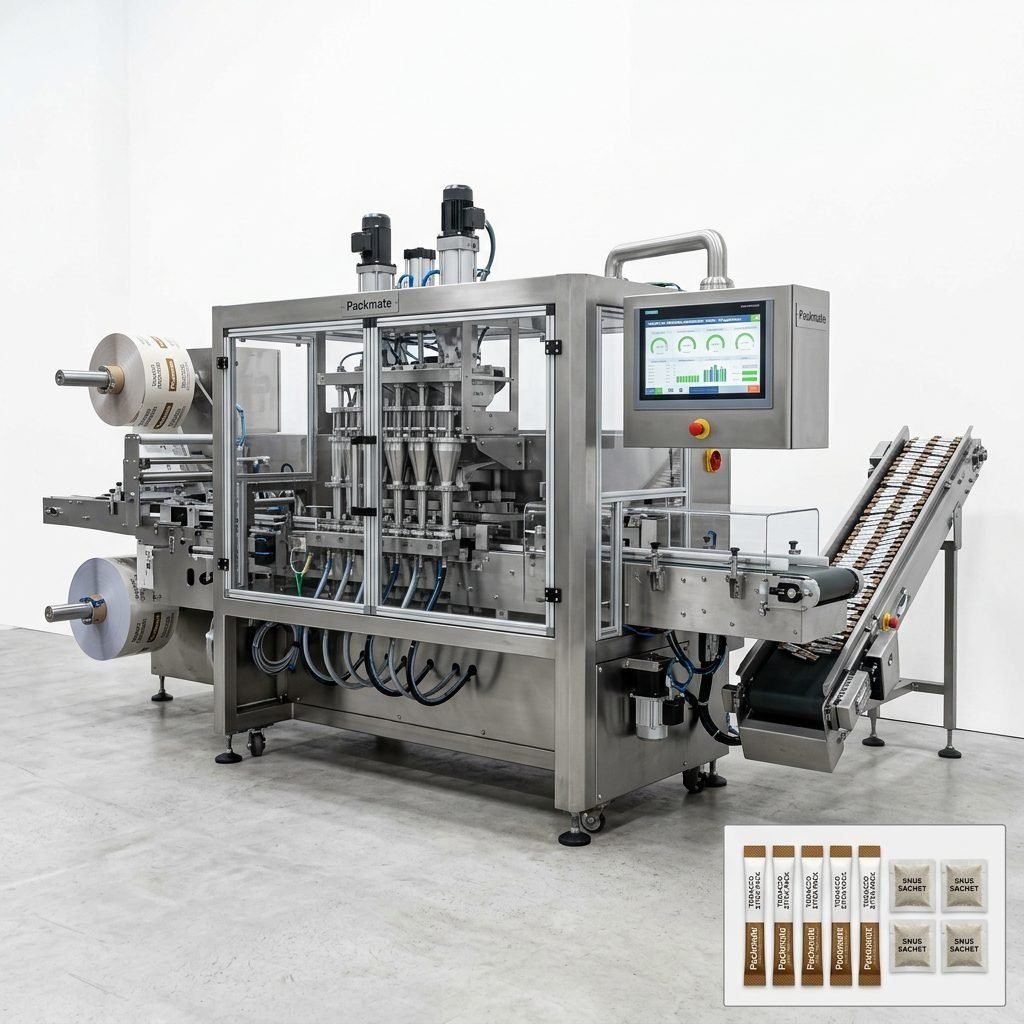
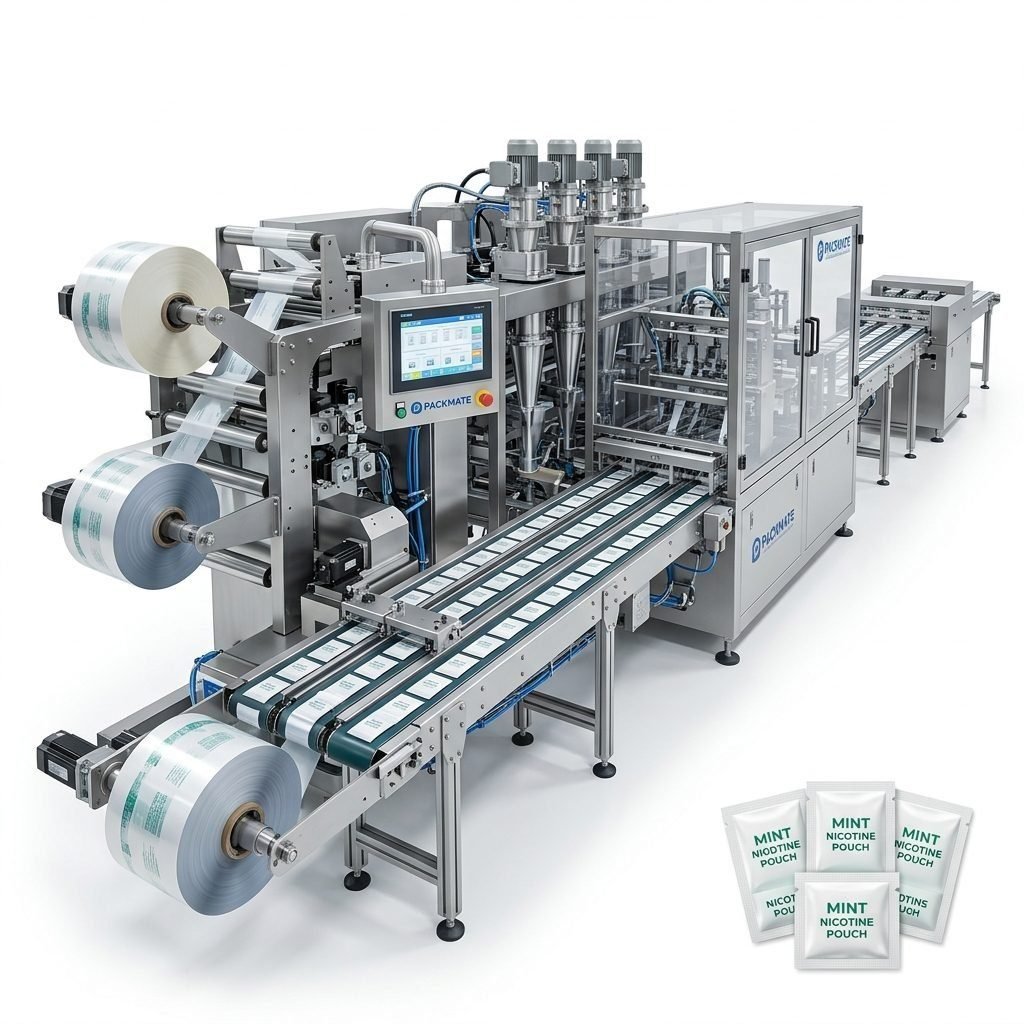
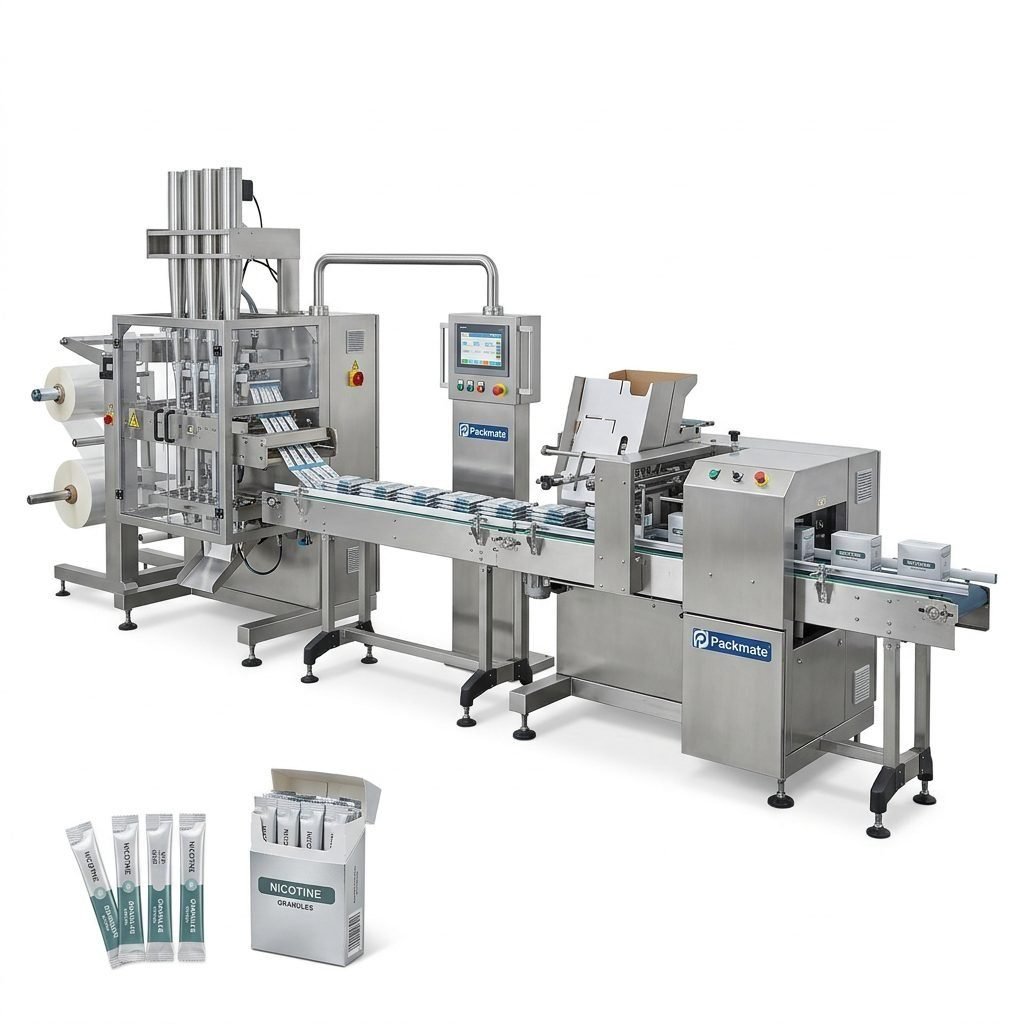
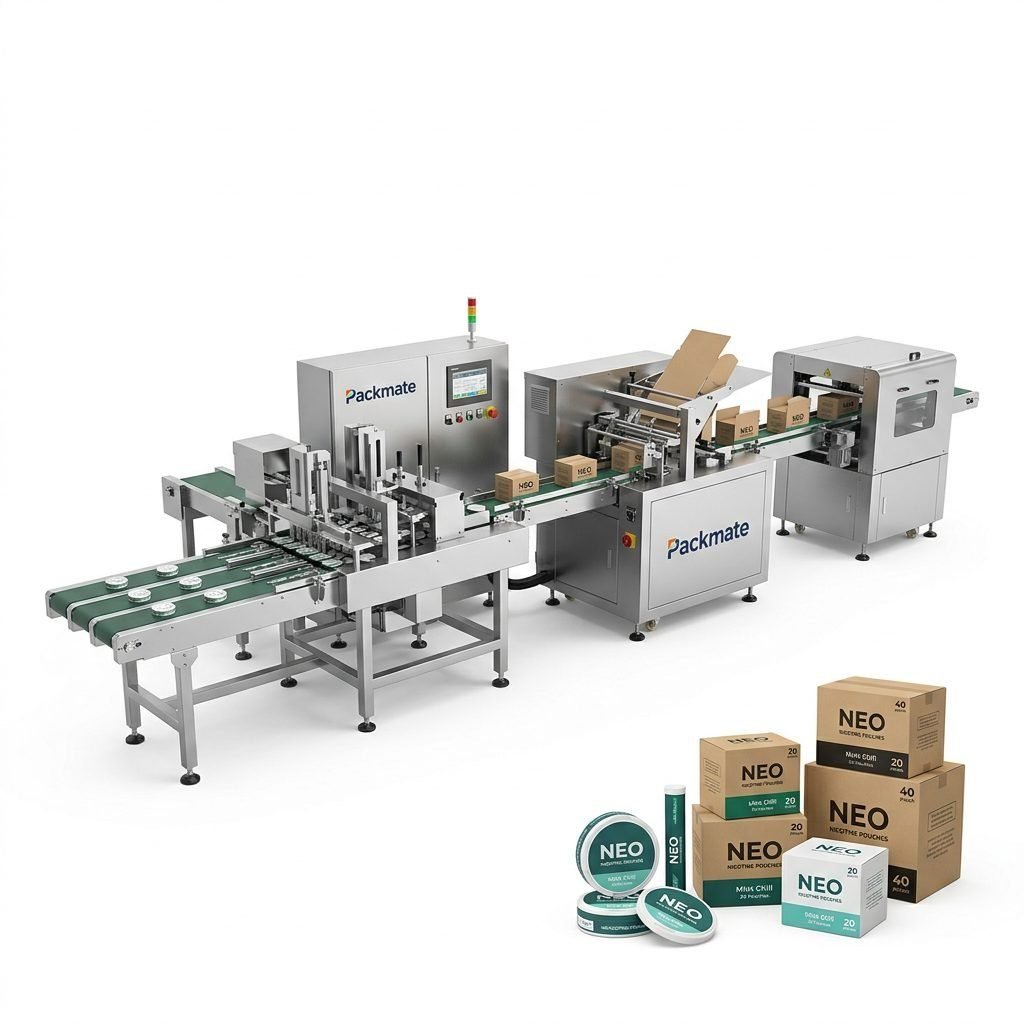
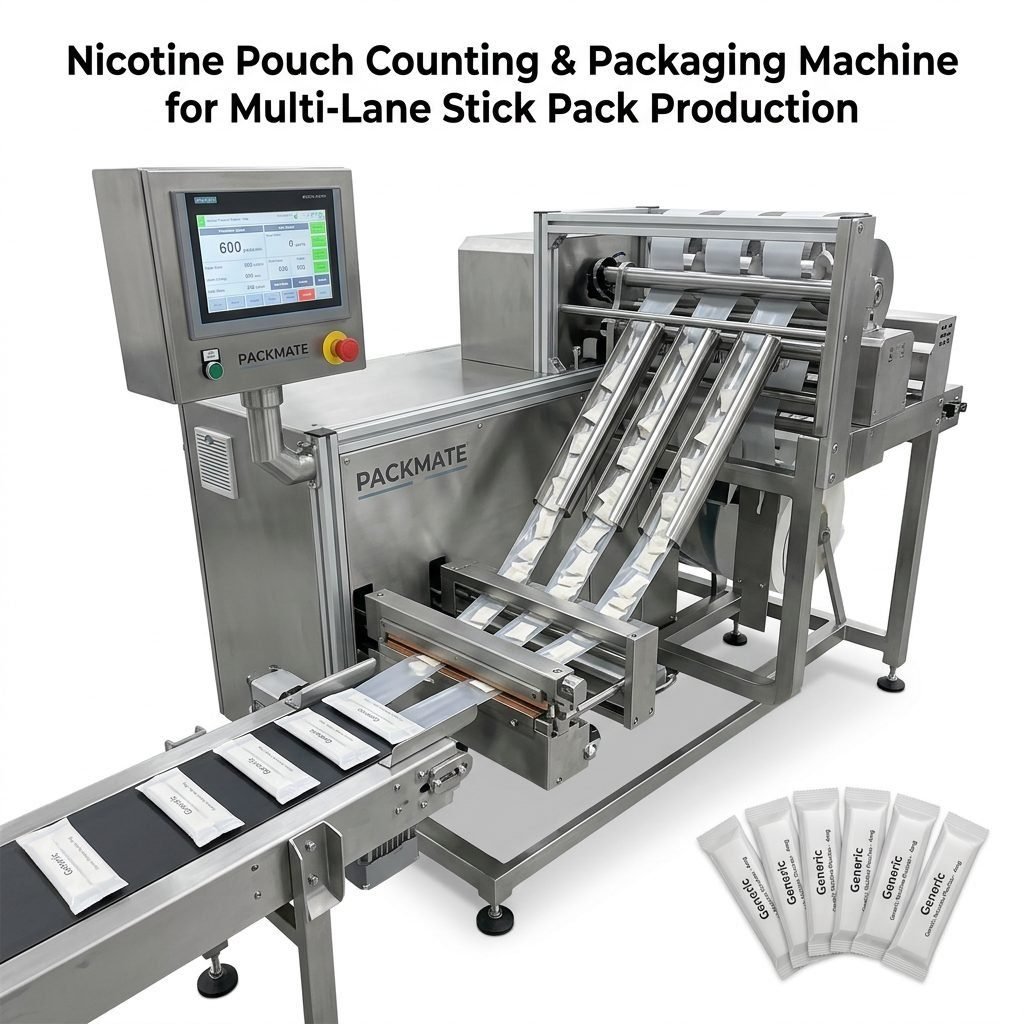
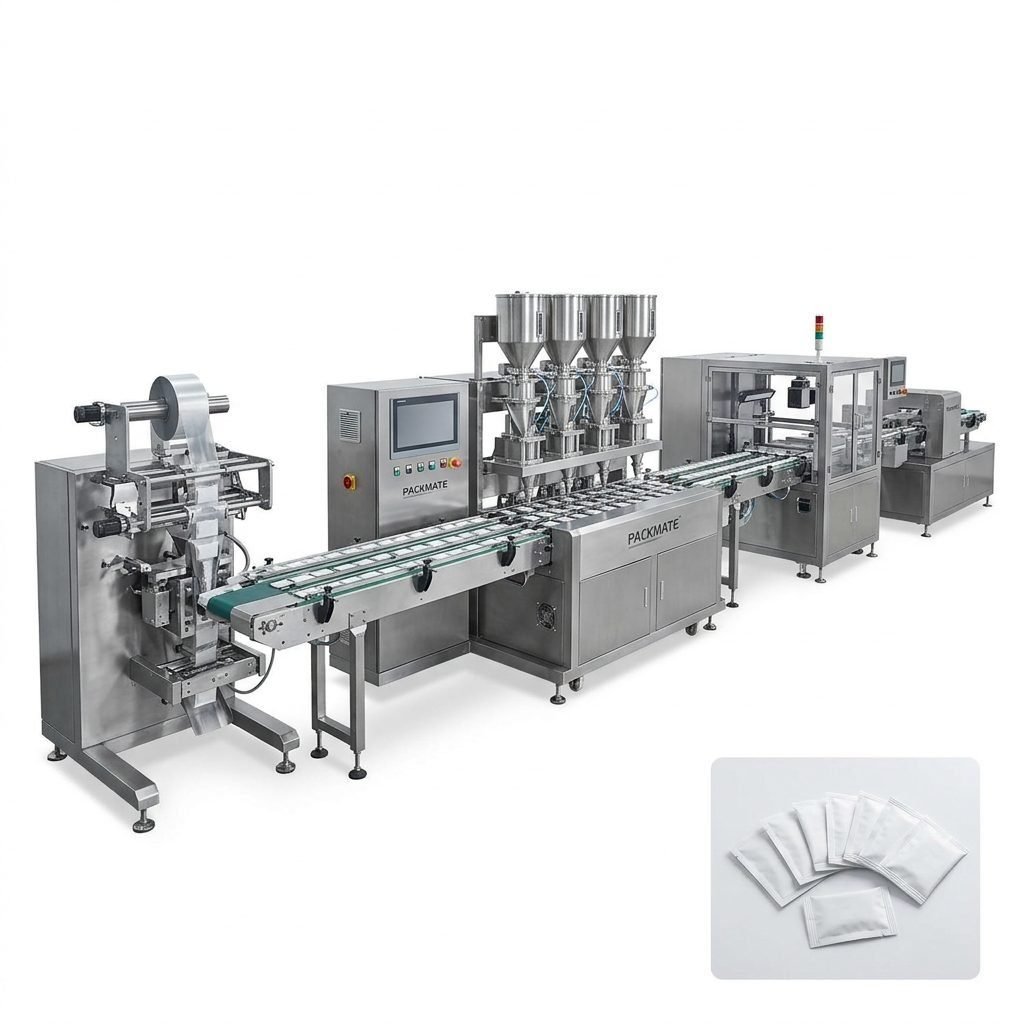
Finding a reliable snus packaging machinery supplier in Belgium requires more than comparing prices — it demands an understanding of local regulations, production targets, logistics hubs like the Port of Antwerp, and vendors who can deliver compliant, high-performance equipment and strong after-sales support. This buyer’s guide walks you through practical steps, technical checks, and Belgium-specific considerations to help you choose a partner that delivers steady production, regulatory compliance, and long-term value.
Understand the Belgian Market and Regulatory Context
Belgium is an EU member state; as such, any snus or nicotine-pouch production and the packaging machinery used must meet EU safety, electrical, and manufacturing standards. CE and ISO certifications are essential indicators that a machine aligns with European regulatory expectations. In addition, Belgium’s multilingual environment (Dutch/Flemish in Flanders, French in Wallonia, and a smaller German-speaking community) means documentation, operator training, and on-site commissioning may need to be offered in multiple languages.
Because snus and nicotine pouches are regulated products in many jurisdictions, confirm that your supplier understands product labeling, material traceability, and any national nuances that affect distribution across the EU. Suppliers who regularly export to Europe — and to Belgium specifically — will be familiar with customs documentation, VAT handling, and technical documentation needed for inspections.
Define Your Production Requirements First
Before contacting suppliers, document your production targets clearly: daily output (units per hour/day), pouch format (snus pouch, nicotine pouch, sachet, stick pack), dose range (mg per pouch), pouch weight, and acceptable scrap rates. Also include packaging materials you intend to use (foil, laminated film, flowpack materials) and any secondary packaging needs (cartoning, case packing).
Different machines excel at different formats — for example, multi-lane snus pouch lines for small-dose pouches differ significantly from single-lane stick pack machines. Review targeted product lines such as Snus & Nicotine Packaging Machines and Sachet & Stick Pack Machines to match equipment types with your plan.
Key Technical Features to Evaluate
➤ Accuracy and Weighing Precision: For nicotine pouches, dose accuracy is critical. Machines with integrated high-precision weighing and dosing systems reduce regulatory risk and waste.
➤ Multi-lane Capabilities: If you plan to scale quickly or produce multiple SKUs, consider multi-lane pouch systems that increase throughput without expanding floor space.
➤ Changeover Time & Flexibility: Efficient format changeovers reduce downtime. Ask for live demonstrations or videos showing actual changeover times between pouch sizes and materials.
➤ Control Systems & Traceability: Modern PLC/HMI control systems with batch traceability, production logs, and remote access are important for quality control and auditing.
➤ Sanitation & Maintenance Access: Choose machines designed for easy cleaning and quick access to wear parts. Hygiene features are important even for dry-fill snus lines to maintain material integrity.
Validate Supplier Credentials and Factory Capacity
A trustworthy supplier should provide proof of manufacturing strength and long-term experience. For example, an established manufacturer like Packmate offers tangible indicators of reliability: 30+ years of engineering experience, a 20,000㎡ factory, 50+ machine models, and advanced CNC & assembly systems. These facts show capacity for customized turnkey projects and consistent quality control.
Arrange a factory visit or request virtual tours and reference customer sites. Look for evidence of standardized production processes, quality testing stations, and documented procedures for calibration and final inspection. You can learn more about the manufacturer’s background and corporate information at their About Packmate page and review delivered projects in the Case section.
Certifications, Compliance & Documentation
Always request copies of relevant certificates. CE declaration of conformity, ISO quality certificates, and electrical safety reports demonstrate a supplier’s readiness for European markets. Reliable suppliers will provide clear technical files, wiring diagrams, user manuals, and safety instructions in languages needed by your team.
For verification, check their published certificates and exhibition presence at industry shows within Europe. Manufacturers often list these on their Certificate and Our Exhibition pages.
Service Agreements, Spare Parts and After‑Sales Support
Top suppliers provide structured after-sales packages: spare parts lists, guaranteed spare inventory, remote diagnostic capabilities, installation and commissioning packages, and operator training. Ask for typical lead times for wear parts and confirm whether local stocking or rapid shipping to Belgium is available.
Look for suppliers offering extended training for Belgian operators in relevant languages, and remote support to reduce downtime. A clear warranty policy and a defined SLA for technical response times are essential for continuous production.
Logistics, Customs and Local Installation Considerations
Belgium’s Port of Antwerp and excellent rail and road links make it an ideal entry point for large equipment shipments. Verify the supplier’s experience shipping machines to Belgian ports, and confirm they can handle export documentation, customs paperwork, and delivery to your factory.
Installation planning should include site surveys (floor loading, utilities, compressed air, power specifications, and clean-room requirements if applicable). Confirm that the supplier provides detailed pre-shipment site requirements and coordinates installation dates to match any local regulatory inspections or factory acceptance windows.
Total Cost of Ownership and Financing Options
Beyond the machine price, factor in customs/VAT, shipping, installation, operator training, spare parts inventory, routine maintenance, and energy consumption. Look for machines with lower long-term operating costs — energy-efficient drives, durable wear parts, and easy maintenance reduce TCO.
Discuss financing or leasing options with suppliers if budget timing is a concern. Many manufacturers offer staged payments tied to milestones (FAT, shipment, installation) and can help arrange leasing through local partners to ease capital expenditure.
Factory Acceptance Testing (FAT) and Site Acceptance Testing (SAT)
A robust FAT verifies machine performance using your produced samples or representative materials before shipping. FAT should measure actual throughput, dosing accuracy, sealing integrity, and sample packaging quality. Suppliers that perform comprehensive FATs reduce installation risk and speed up ramp-up in Belgium.
Once the machine arrives, perform SAT to confirm performance in your environment. Include stakeholders from production, QA, maintenance, and regulatory teams. Keep documented test plans and acceptance criteria to avoid disputes.
Checklist: Essential Questions to Ask Suppliers
✓ What is the achieved dose accuracy and the machine’s throughput? Request measured data from similar projects.
✓ Can you provide references in Europe or Belgium? Speak with customers who had installations in similar regulatory contexts.
✓ What are typical lead times, and what does the warranty cover? Confirm spare parts lead times to Belgium.
✓ Do you conduct FAT and include training in the purchase? Insist on written FAT reports and agreed acceptance criteria.
Red Flags to Watch For
• Suppliers unwilling to provide factory visits, references, or FAT demonstrations.
• Lack of clear CE/ISO documentation or refusal to share technical files.
• No defined spare parts policy or excessive lead times for critical components.
• Vague warranty terms or no local technical support strategy for Belgium.
Quick Tips:
➤ Prioritize suppliers who export regularly to the EU and provide multi-lingual documentation.
➤ Request sample runs using your film and pouch materials during FAT.
➤ Confirm local logistics via Antwerp and a clear plan for customs and VAT handling.
Why Choose an Experienced Partner for Turnkey Solutions
For many Belgian manufacturers, a turnkey supplier who can supply the snus packaging machine and integrate upstream (weighing/filling) and downstream (cartoning/case packing) systems saves time and reduces compatibility risks. Explore integrated options under Filling & Packaging Lines and Weighing & Packaging Systems to understand end-to-end possibilities.
A strong turnkey supplier also coordinates FAT, shipment, installation, validation, and operator training — reducing project management burden for you and shortening time to revenue.
Start Small, Scale Fast: Pilot Runs and Scalability
Begin with a pilot line or small-lane configuration to validate recipes, packaging materials, and consumer acceptance. A supplier that offers modular expansion or multi-lane upgrades allows you to scale throughput as demand grows without replacing the core system.
Final Steps: Contract Terms and Project Planning
Negotiate clear contract milestones: design approval, FAT completion, shipment, installation, SAT, and final acceptance. Define penalties for missed milestones or poor performance, and ensure all technical specifications and spare-part lists are appended to the contract. Include terms for training, documentation language, and post-installation support for Belgium.
Selecting the right snus packaging machinery supplier in Belgium means balancing technical capability, regulatory know-how, logistics experience, and strong after-sales support. By following the steps above — defining needs, validating credentials, insisting on FAT/SAT, and planning for local logistics and multilingual support — you will reduce risk and select a partner who supports your long-term production goals.
Frequently Asked Questions
Q: What certifications should I insist on when buying snus packaging machines for Belgium?
A: Insist on CE conformity, ISO quality management certificates, and clear electrical safety documentation. Ask the supplier for copies and verify them against public registries where possible.
Q: How important is FAT and can it be done remotely?
A: FAT is critical. Remote FAT via live video can be useful for initial checks, but physical FAT with product samples provides the most reliable validation. Ensure documented performance metrics and acceptance criteria.
Q: How do I manage spare parts and reduce downtime in Belgium?
A: Negotiate a spare parts package and confirm typical lead times. Consider stocking critical wear parts locally or working with a supplier that offers rapid shipments to Antwerp or local distributors.
Q: Are there language issues for training and documentation in Belgium?
A: Yes. Offerings in Dutch and French (and English) are highly beneficial. Confirm the supplier can provide manuals, safety instructions, and training in the languages needed by your operators and maintenance team.
For more information on equipment types and full packaging solutions, explore product resources such as Snus & Nicotine Packaging Machines, Bag & Pouch Packaging Machines, and manufacturer’s service pages like Service and Contact Us to arrange consultations or factory visits.