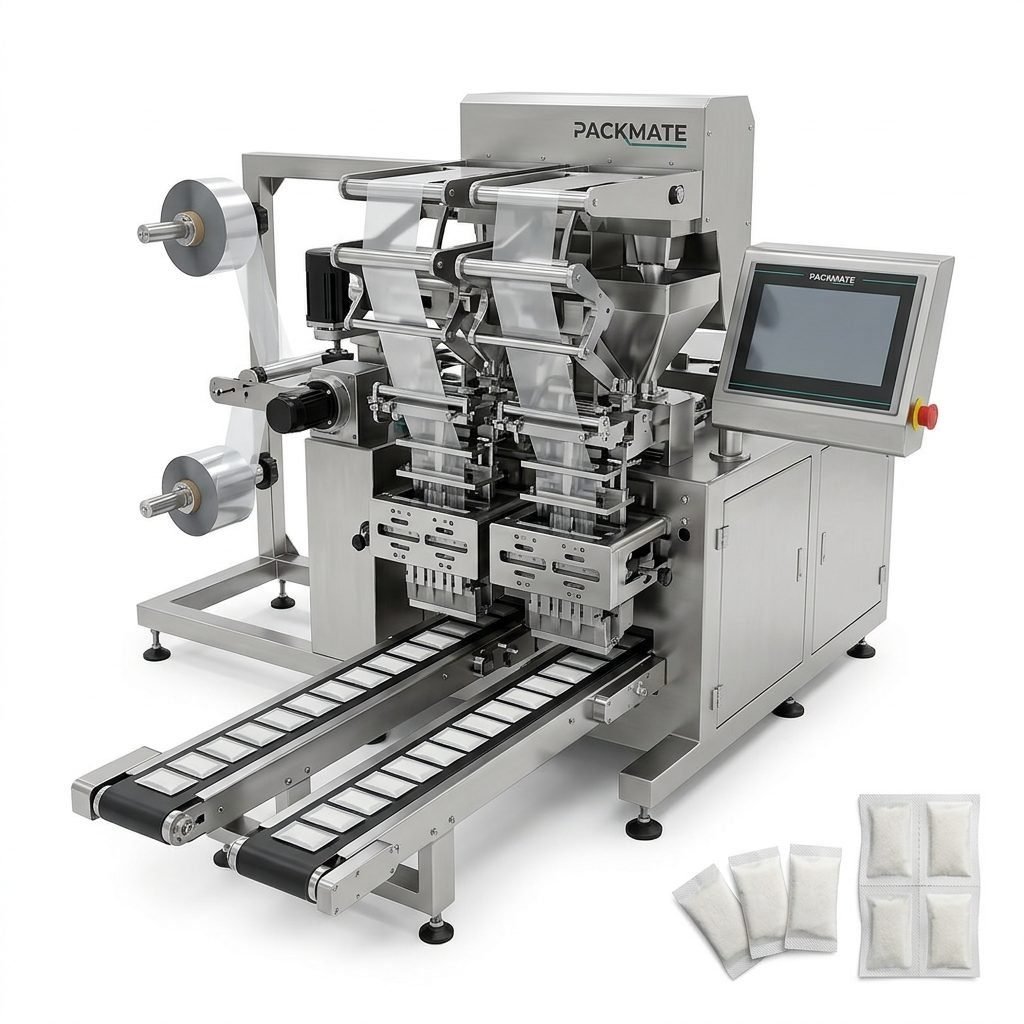
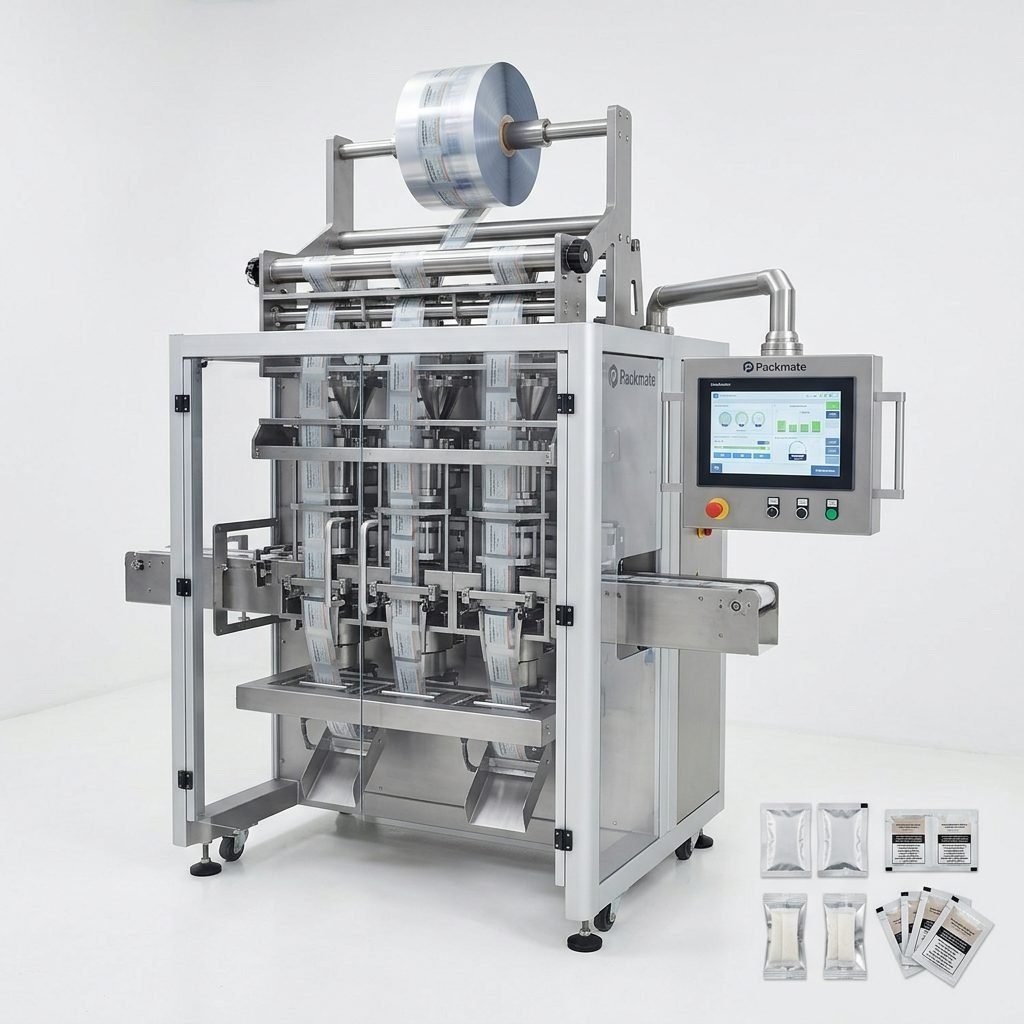
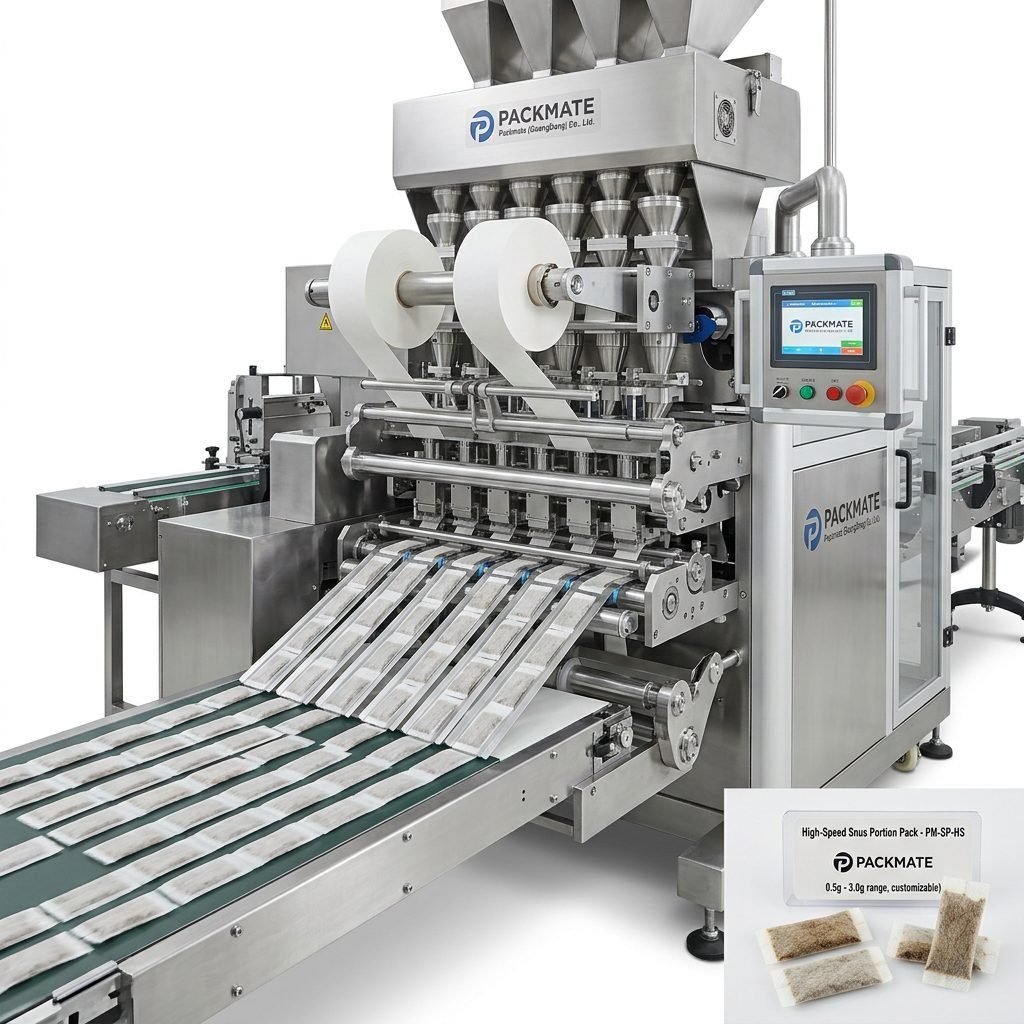
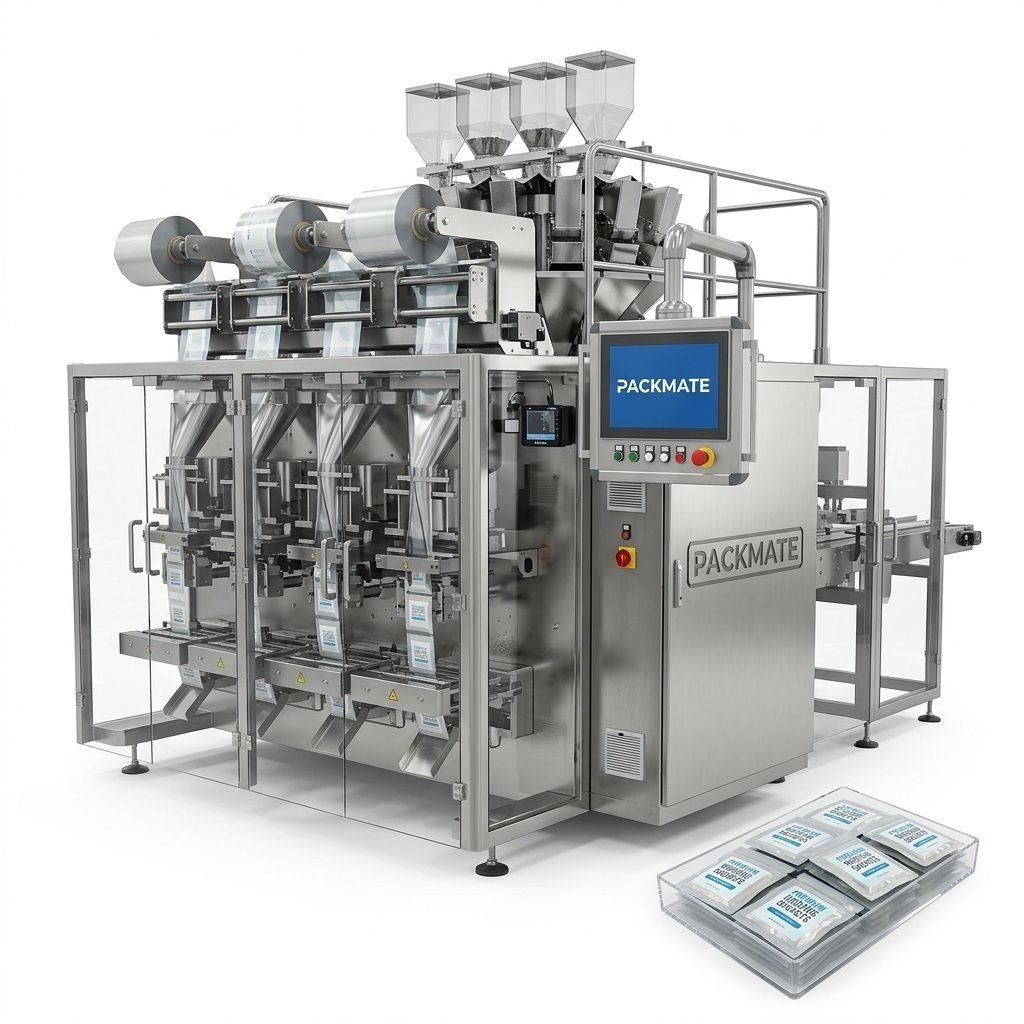
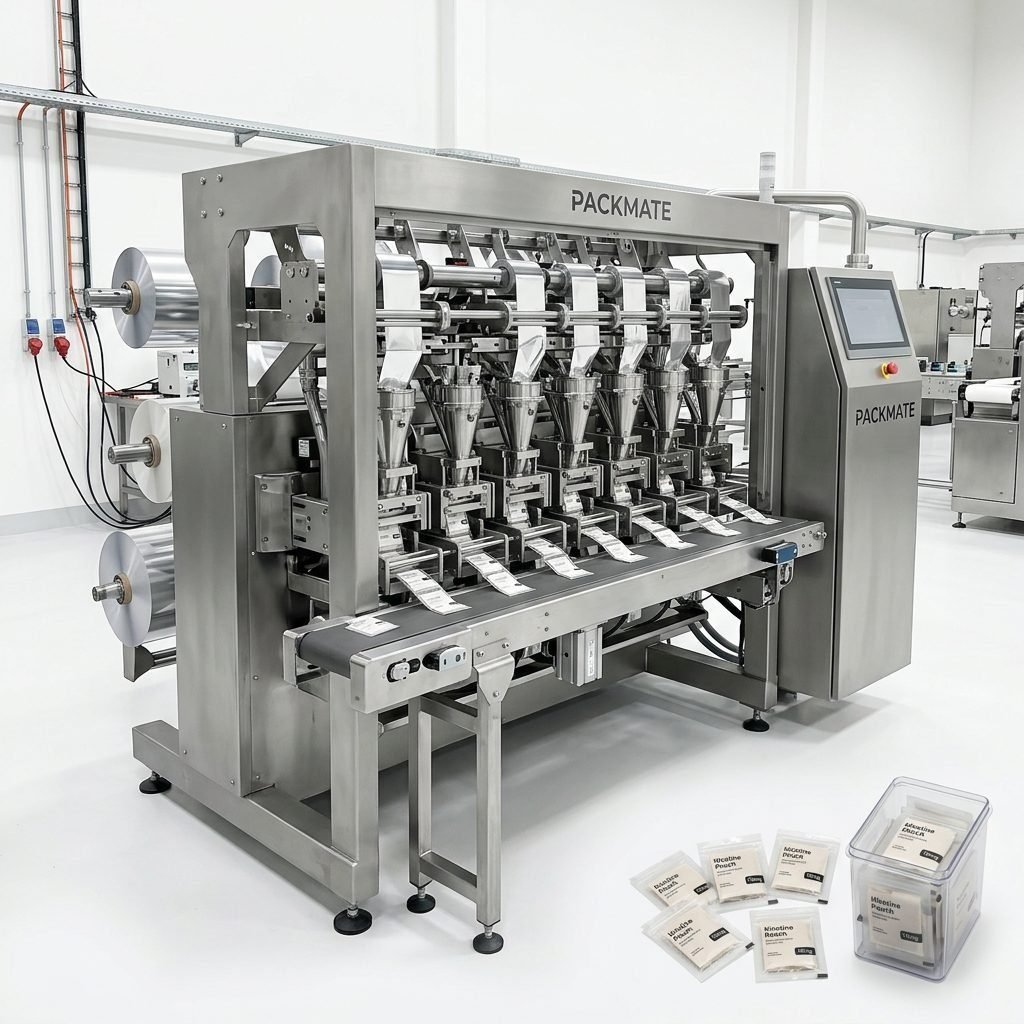
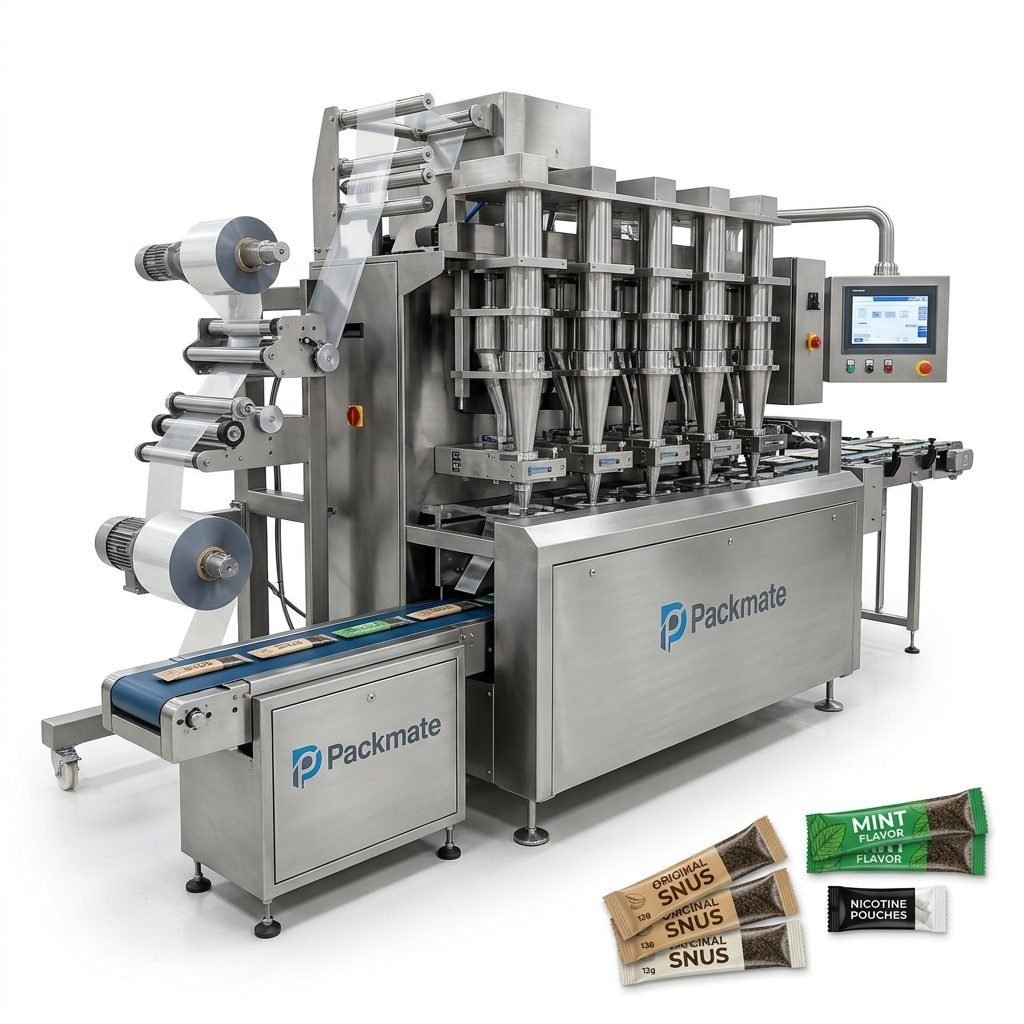
Industrial snus production has evolved rapidly in the last decade, driven by growing demand for portion snus and nicotine pouches across global markets. Modern manufacturers require packaging lines that combine speed, precision, hygiene, and flexibility. This article explores high-speed automatic solutions for portion snus production, focusing on machine architectures, operational advantages, compliance, and the value delivered by a seasoned manufacturer with decades of engineering experience.
Understanding High‑Speed Snus Packaging Systems
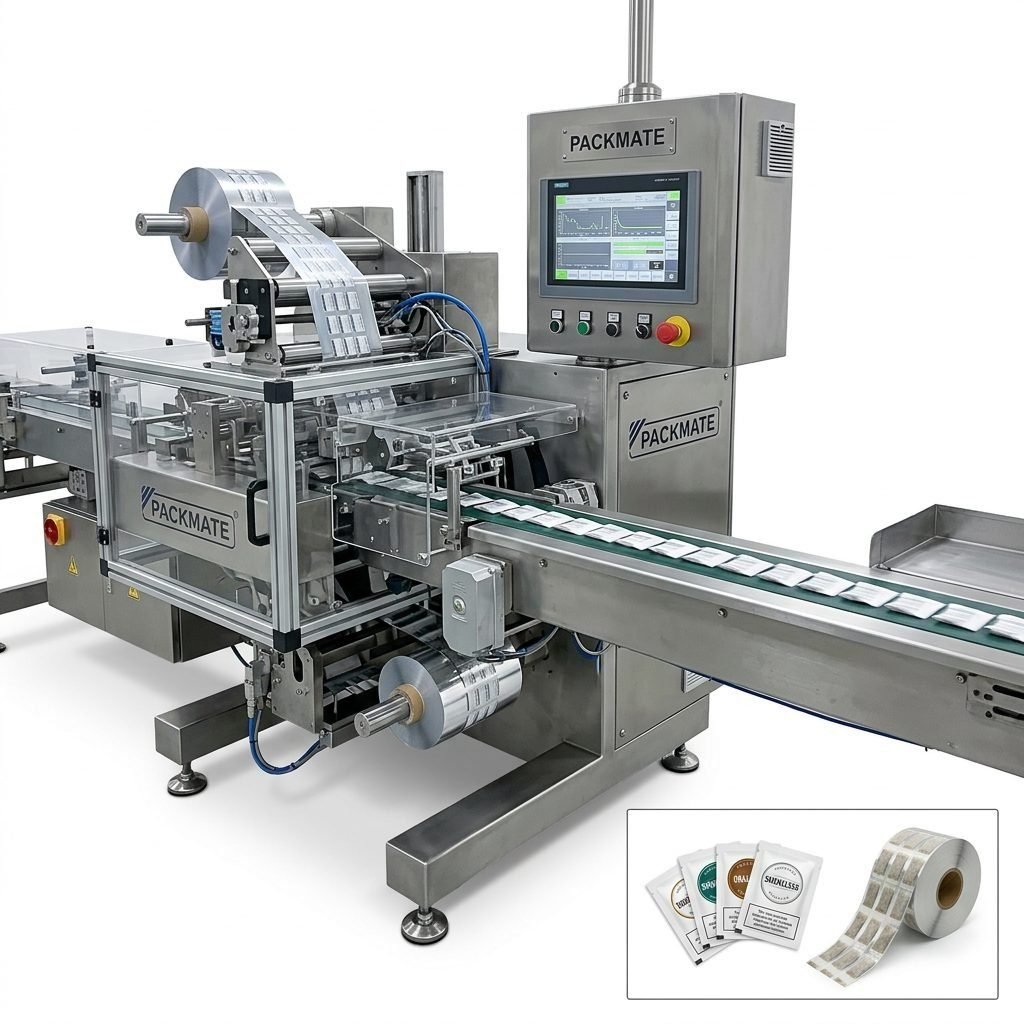
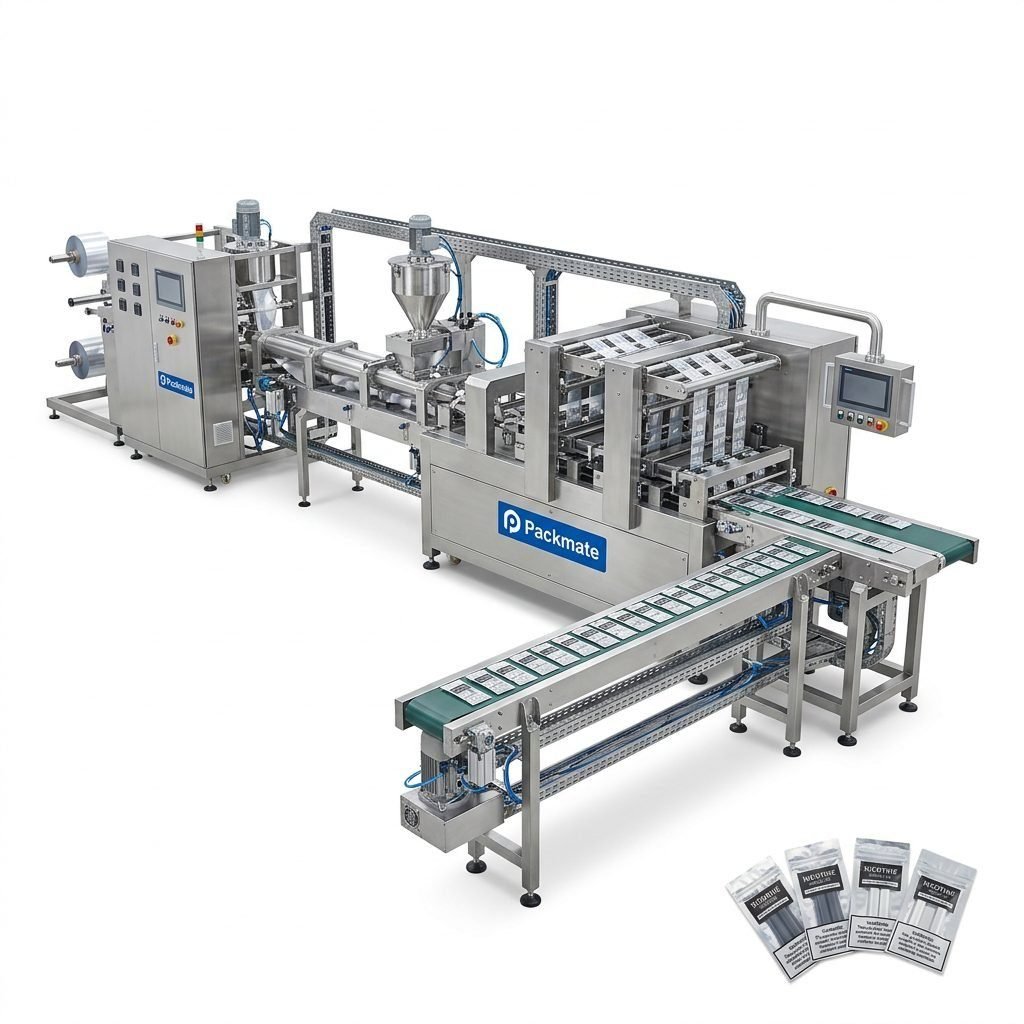
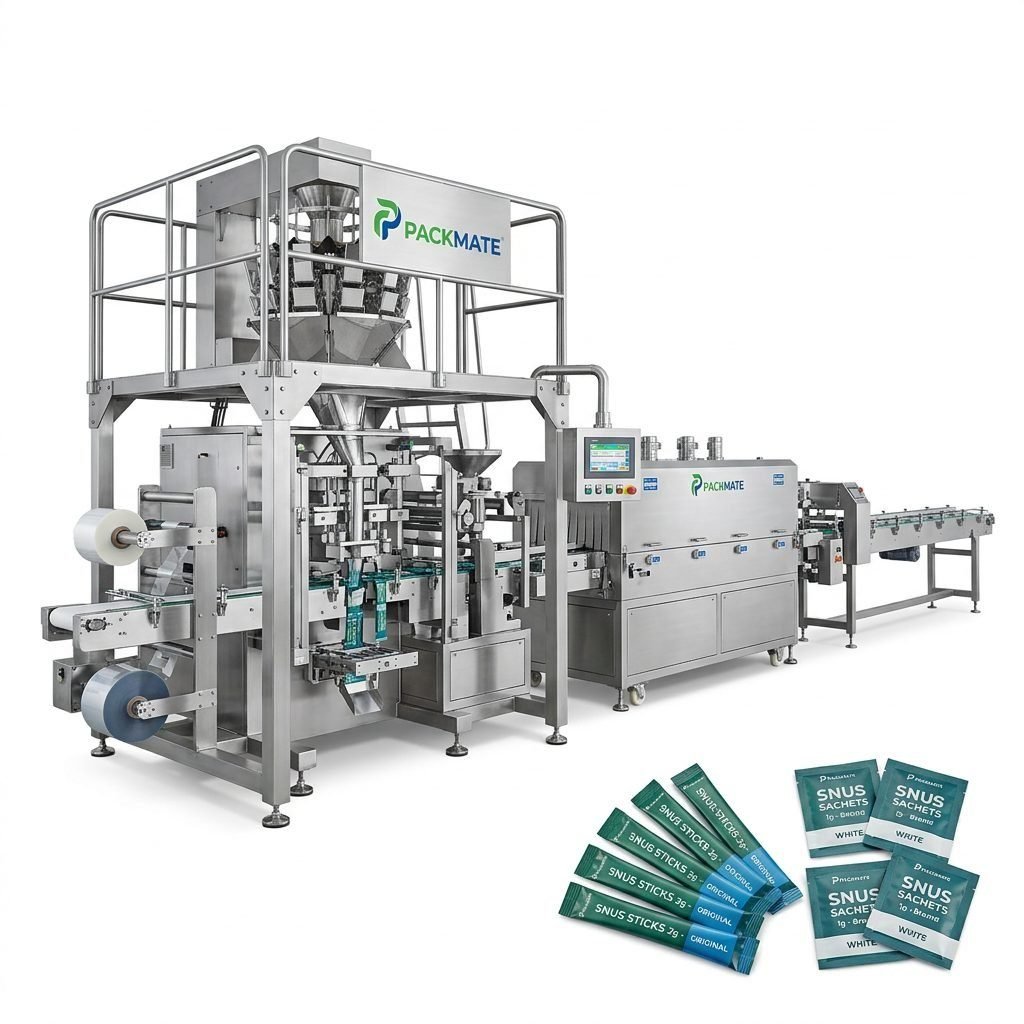
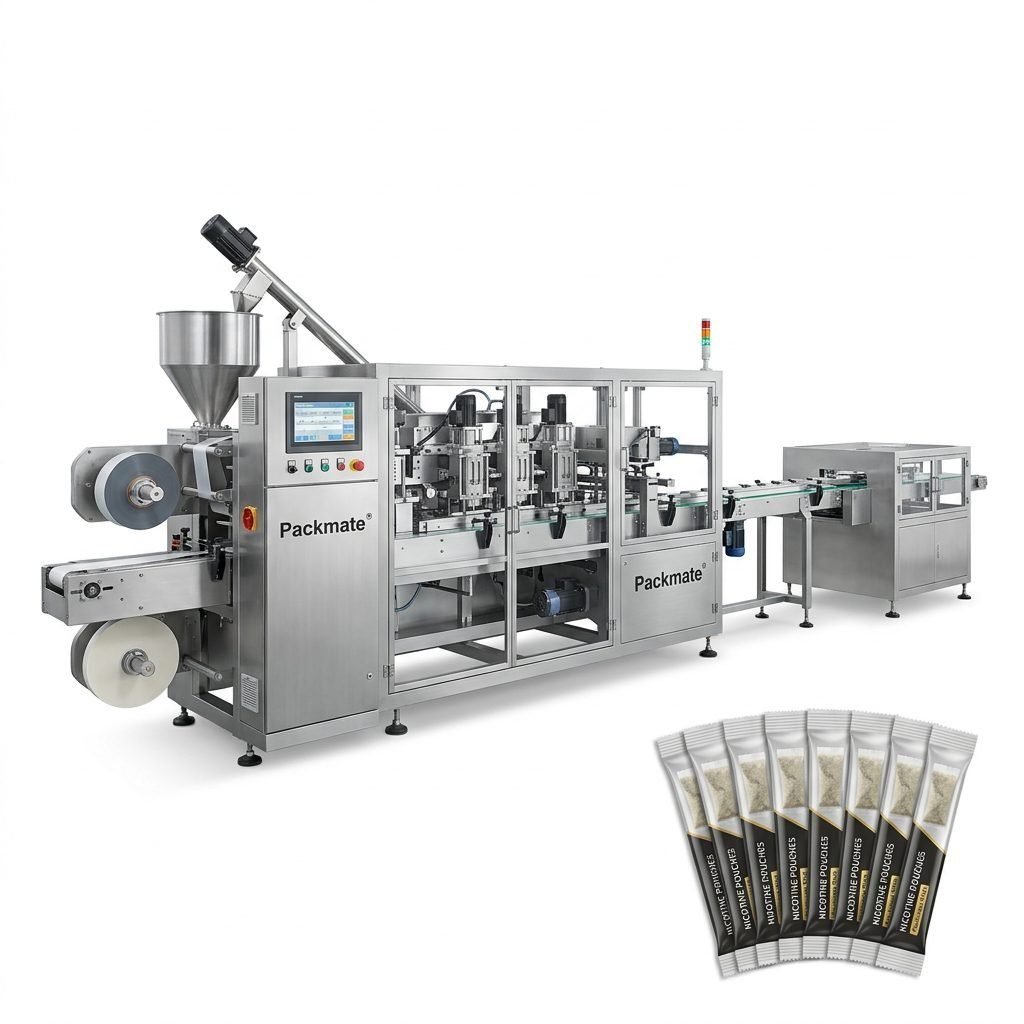
High-speed snus packaging systems are engineered to convert bulk product into consistent, sealed portion pouches at production rates ranging from several hundred to tens of thousands of units per hour. These systems integrate multiple functional subsystems — feeding, dosing, forming, filling, sealing, cutting, and inspection — to create an uninterrupted automated workflow. A well-designed line minimizes human contact with product, maximizes uptime, and supports precise dosing for small-dose nicotine pouches.
Core components and their roles
- Feeding & dosing systems: Ensure accurate portion weights for each pouch with multi-head or auger weighers depending on product characteristics (powder, granule, moisture level).
- Form-fill-seal (FFS) modules: Create pouches from rollstock or pre-made sachets, using precise temperature and pressure control for strong seals.
- Multi-lane synchronization: Increase throughput using multiple lanes operating in parallel, synchronized by a central servo system.
- Vision inspection & rejection: Detect defects, misfills, and sealing anomalies, improving overall yield and compliance.
- Secondary equipment: Labeling, cartoning, and case packing to integrate finished pouches into downstream logistics.
Key benefit: Automated high-speed lines reduce labor costs and variability while improving hygiene and consistent portion control — critical in regulated nicotine pouch production.
Why manufacturers choose multi-lane solutions
Multi-lane packaging machines are at the heart of modern snus production strategies. By handling multiple product streams simultaneously, multi-lane systems multiply output without doubling footprint. This approach is ideal for businesses scaling from pilot runs to commercial volumes while maintaining consistent pouch quality.
Advantages of multi-lane systems
- High throughput in compact layouts — ideal for plants with limited floor space.
- Scalability — lanes can be added or reconfigured for new SKUs.
- Reduced per-unit energy and material costs thanks to shared conveyors and sealing stations.
- Improved process control using centralized PLC and servo control architectures.
Technical highlights to look for in an industrial snus packing machine
When evaluating equipment, experienced buyers assess mechanical precision, electrical architecture, hygiene features, and maintainability. Below are some technical highlights that separate high-performance machines from average equipment.
Precision dosing and stability
Accurate dosing systems (multi-head weighers or auger fillers) with fast response and repeatability are essential for meeting portion weight tolerances. Look for machines with closed-loop feedback and quick-change components to minimize downtime when switching SKUs.
Servo-driven synchronization
Servo motors provide exact positional control for sealing jaws, cutters, and indexing stations. This ensures repeatable timing across lanes, which is critical for multi-lane sealing and synchronized filling.
Hygienic design and cleanability
Food- and pharmaceutical-grade finishes, smooth surfaces, and accessible components for washdown and inspection are non-negotiable. Machines should be designed to reduce harborage points and allow quick disassembly for cleaning.
Compliance note: Choose equipment certified to international standards (CE, ISO) to simplify regulatory approvals and export processes.
Material compatibility and pouch formats
Portion snus and nicotine pouches come in a variety of materials and formats. Machines must support flexible film laminates, heat-seal or ultrasonic sealing, and different pouch shapes (round, oval, stick, sachet). A versatile machine reduces changeover time and supports future product diversification.
Common formats supported
- Sachet and stick pack for single-portion dosing
- Pre-made pouch sealing for customized branding
- Multi-lane micro-pouches for nicotine portion products
Operational efficiency and OEE improvement
Operational efficiency can be measured by OEE (Overall Equipment Effectiveness). High-speed snus packaging lines increase OEE via shorter changeover times, fewer micro-stops, robust spare parts management, and intuitive HMI interfaces for fast troubleshooting. Predictive maintenance tools and remote diagnostics further ensure consistent performance.
Practical measures to boost uptime
- Standardize spare parts and critical wear items
- Implement operator training and detailed SOPs for changeovers
- Install vision systems and inline weight checks for early detection
- Use modular machine platforms for quick lane swaps and upgrades
Customization, turnkey lines, and integration
Leading manufacturers provide turnkey solutions that cover everything from upstream feeding and dosing to final case packing. Customization options include product-specific dosing heads, lane count, pouch design, OEE dashboards, and automated secondary packaging. A single-vendor approach often reduces integration risks and accelerates commissioning.
For more information on complete solutions, review specialized product categories such as Snus & Nicotine Packaging Machines and Sachet & Stick Pack Machines. If you need an end-to-end offering, explore Filling & Packaging Lines and modular Weighing & Packaging Systems.
Manufacturing quality and factory capabilities
A reputable supplier invests in precision machining, assembly, and testing. Packmate Snus Machine, for example, operates a 20,000㎡ facility with advanced CNC centers and precision assembly lines. These capabilities enable delivery of robust machines that stand up to continuous operation in demanding production environments.
Why factory strength matters
- Consistent component tolerances reduce installation adjustments
- In-house testing protocols detect weaknesses before shipping
- Quality control and traceability improve long-term serviceability
Company snapshot: With over 30 years of engineering experience and 50+ machine models, Packmate delivers high-performance snus pouch packaging lines tailored to modern nicotine pouch producers.
Global compliance, exhibitions, and customer success stories
Equipment intended for international markets should meet CE, ISO, and other regional standards. Visiting live demonstrations and exhibitions helps procurement teams validate machine capability. Manufacturers often publish case studies demonstrating solutions deployed across Europe, Asia, and the Americas — an important factor when assessing supplier experience for specific market needs.
Learn more about real-world deployments and company background at Case and About Packmate.
Total cost of ownership (TCO) and ROI considerations
Beyond sticker price, TCO includes installation, utilities, maintenance, consumables, operator training, and spare parts. High-efficiency machinery may command a higher upfront cost but often delivers a faster ROI due to lower labor requirements, less waste, and higher yields. When calculating ROI, include:
- Throughput gains and reduced per-unit labor costs
- Material savings from precise dosing and minimal rework
- Energy efficiency and maintenance intervals
- Regulatory compliance and reduced recall risk
Service, spare parts, and training
Reliable after-sales service matters as much as the machine itself. Look for suppliers that offer comprehensive service packages, remote diagnostics, training for operators and maintenance staff, and readily available spare parts. A responsive service network reduces downtime and helps maintain consistent production targets.
Pro tip: Negotiate service level agreements (SLAs) that include response times, preventative maintenance visits, and a documented spare parts kit for the first year.
Selecting the right partner for your snus line
Choosing a partner goes beyond equipment specs. Evaluate supplier track record, engineering depth, customization capability, and willingness to support commissioning and long-term optimization. Suppliers with a broad portfolio — from auxiliary equipment to complete packaging lines — simplify integration and reduce project management overhead.
If you’re ready to explore machines and full-line options, contact the manufacturer via their Contact Us page or review the Catalog for model comparisons and technical sheets.
Sustainability and material choices
Sustainability considerations are increasingly important. Machines that support recyclable or mono-material films, minimize material waste through precise cutting and sealing, and optimize energy usage contribute to greener product footprints. Engage with suppliers early to discuss material compatibility and packaging lifecycle goals.
Conclusion — delivering value beyond speed
High-speed automatic snus packaging solutions deliver much more than throughput: they offer consistent portion quality, regulatory compliance, and scalable production capacity. Selecting a trustworthy engineering partner with robust manufacturing capabilities, comprehensive services, and proven field experience ensures you gain long-term operational resilience and a competitive edge in the growing nicotine pouch market.
Need expert consultation? Visit the manufacturer’s service center and support pages to schedule a demo or request a tailored proposal.
Frequently Asked Questions
Q1: What production speeds can I expect from a multi-lane snus pouch machine?
A1: Depending on lane count and pouch format, production can range from a few hundred pouches per minute on a single lane to several thousand per minute on high-capacity multi-lane systems. Final throughput depends on dosing method, sealing speed, and the chosen pouch configuration.
Q2: How flexible are these machines for new SKUs and pouch designs?
A2: Modern machines are designed for rapid changeovers with modular tools, quick-change dosing heads, and programmable servo controls. Most suppliers provide tooling kits and operator training to minimize downtime during SKU switches.
Q3: What regulations or certifications should snus packaging equipment meet?
A3: Equipment should comply with relevant international standards such as CE and ISO for safety and quality. For specific regional requirements, consult local regulations on nicotine product manufacturing and packaging.
Q4: Can suppliers provide turnkey solutions including filling, packaging, and case packing?
A4: Yes. Many established suppliers offer turnkey lines that include weighing, filling, multi-lane packaging, labeling, and case packing. This integrated approach simplifies project management and reduces integration risks.
Q5: Where can I see real-world examples or request a demo?
A5: Review published case studies and exhibition schedules to see live demos. Contact the supplier directly via their Contact Us page to arrange a factory visit or virtual demonstration.