Choosing a reliable nicotine packaging machine supplier in Tanzania requires more than a quick Google search. Manufacturers of snus and nicotine pouch lines must meet strict quality, regulatory and after-sales demands. This guide walks Tanzanian importers, distributors and factory managers through practical selection steps — from verifying technical credentials to planning logistics and local compliance — so you can buy with confidence and minimize production risk.
Understand the Tanzanian market and local preferences
Tanzania’s retail environment and consumer habits influence your packaging needs. Urban centers like Dar es Salaam have growing demand for modern consumer products, while regulatory scrutiny and import controls are important considerations. Local customers often prefer compact, easy-to-open sachets and discreet pouches. When sourcing equipment, evaluate whether a supplier understands regional packaging formats, labeling requirements, and material availability.
Why local insights matter
Suppliers who know Tanzania’s retail channels can advise on optimal package sizes, barrier materials to withstand humid climates, and secondary packaging for wholesale distribution. This reduces wasteful retooling and avoids costly compliance issues.
Key supplier qualifications to verify
Not all packaging machine vendors are the same. Prioritize suppliers that demonstrate these core strengths:
🔍 Proven experience: Look for a manufacturer with 10+ years in pouch/snack/chemical packaging and a strong track record in nicotine pouch systems.
🏭 Factory capability: A modern factory with CNC machining, assembly lines and testing platforms reduces delivery risk.
✅ International certifications: CE and ISO compliance helps ensure the machines meet global safety and quality standards.
Verify technical performance and flexibility
For nicotine packaging, machine precision, dosing accuracy and flexible format changeover are critical. Ask suppliers for:
- Guaranteed pouch weight tolerance and dosing accuracy reports.
- Speed ranges (packs per minute) for single-lane and multi-lane options.
- Changeover time between sizes and tools for production flexibility.
- Compatibility with different pouch materials and barrier films suitable for Tanzanian climate conditions.
Recommended machine types
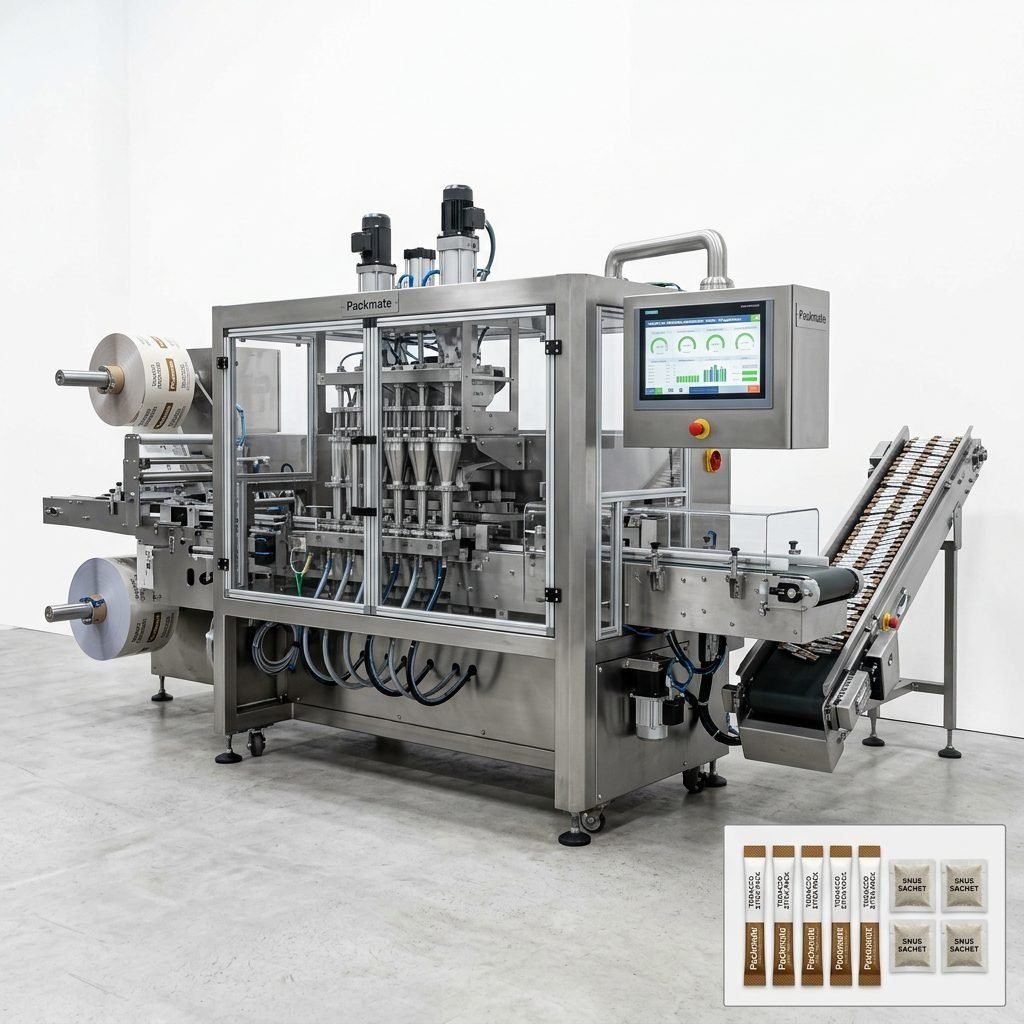
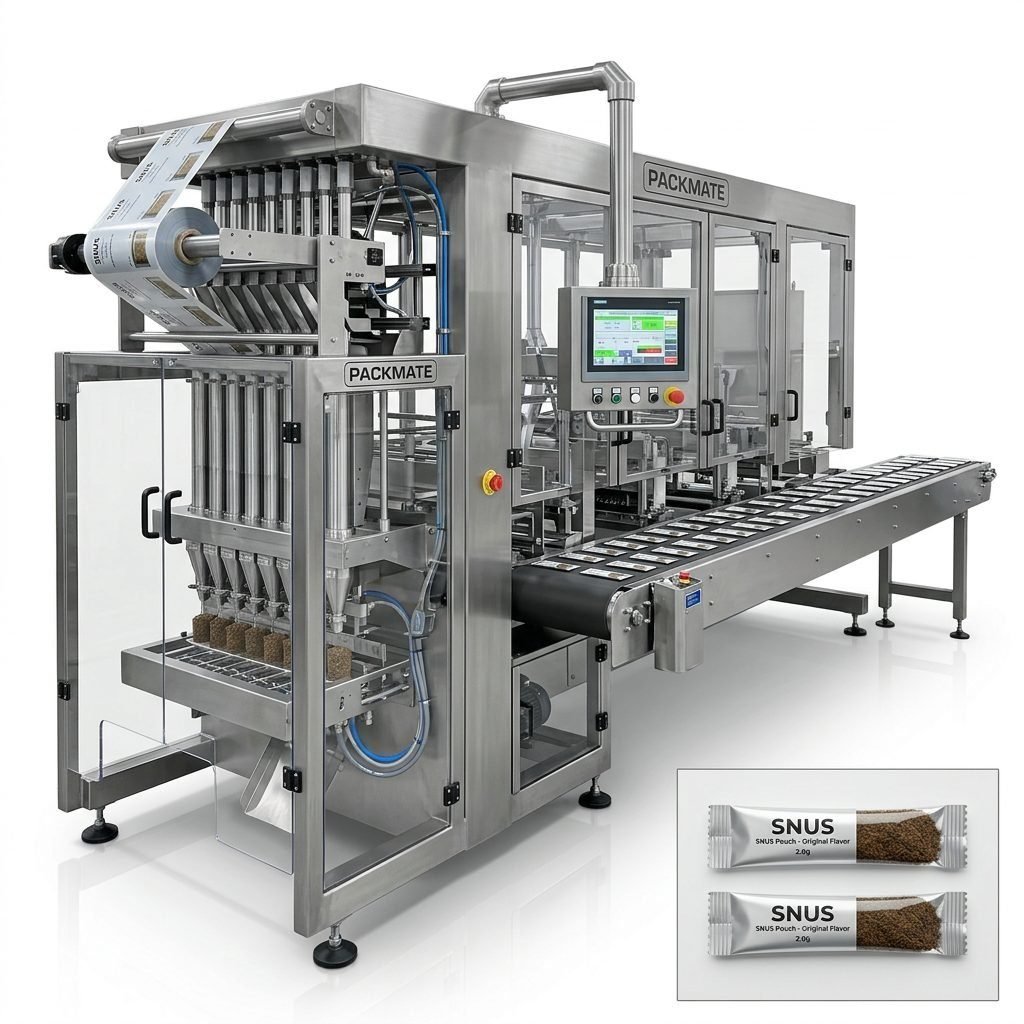
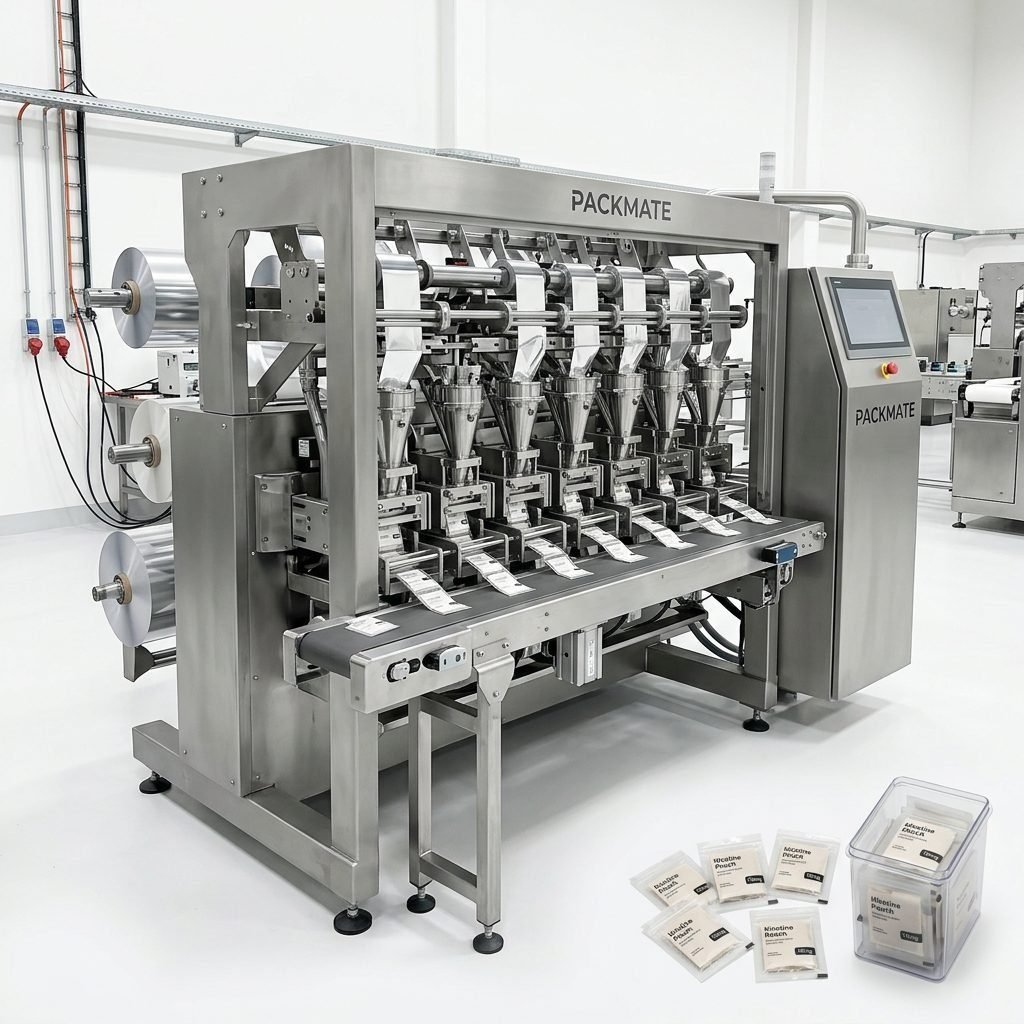
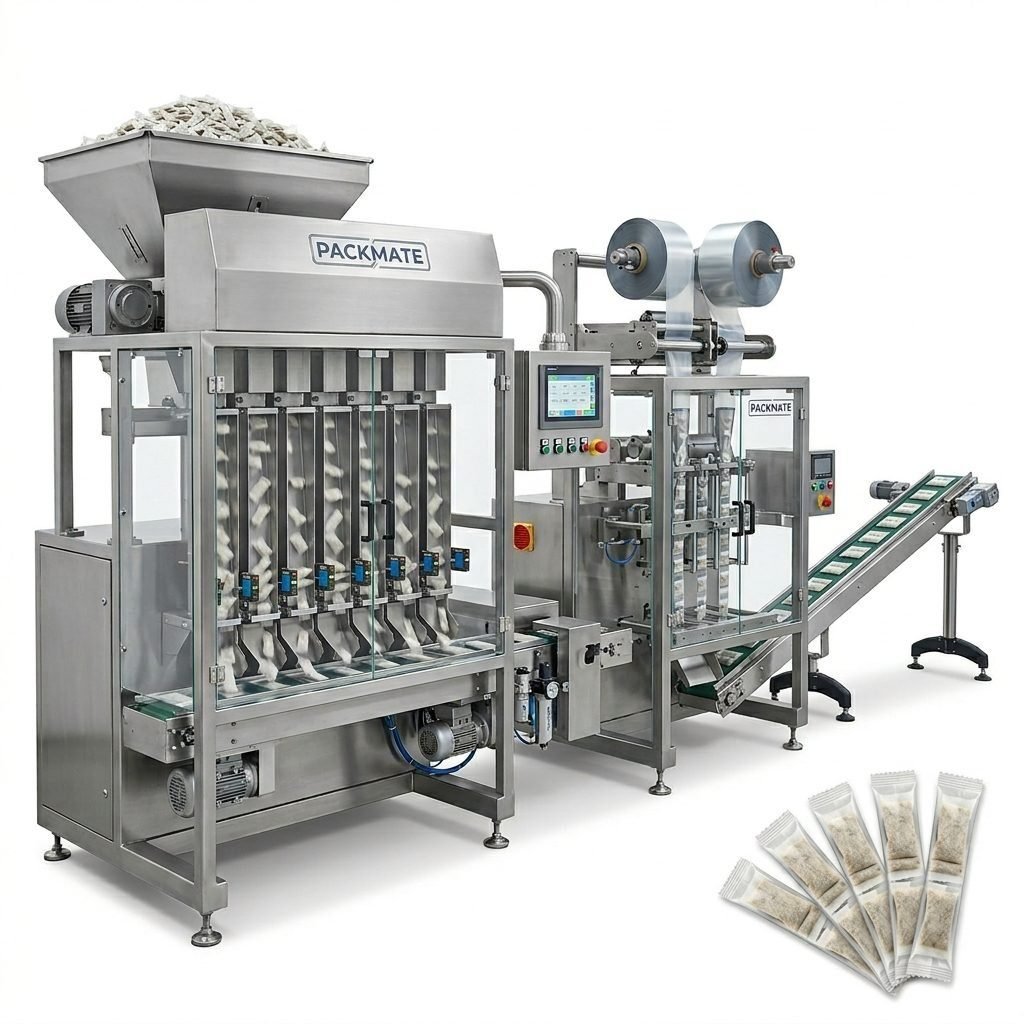
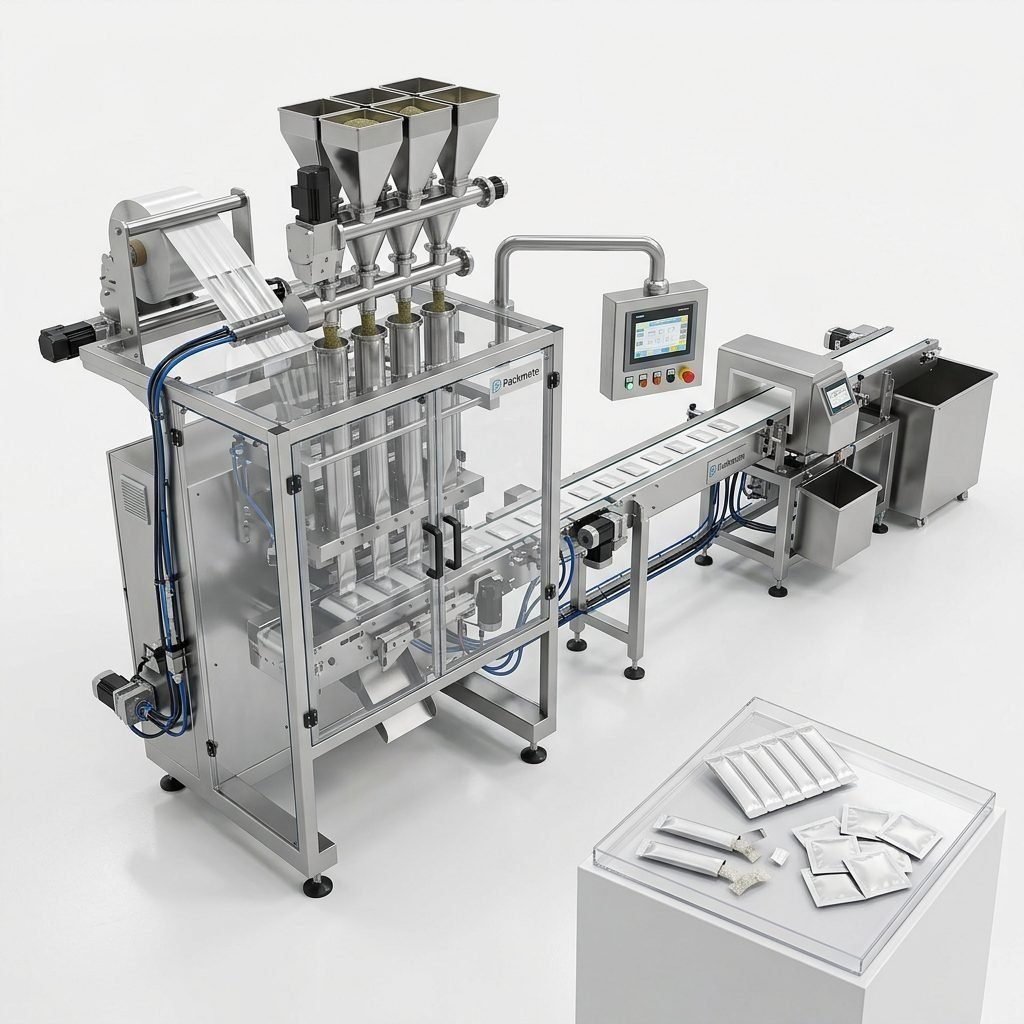
Depending on volume, consider multi-lane snus pouch machines for high output, stick pack or sachet machines for smaller SKUs, and integrated weighing systems for precise dosing. Browse product categories to match your needs: Snus & Nicotine Packaging Machines, Sachet & Stick Pack Machines.
Assess after-sales support and spare parts availability
A reliable supplier provides rapid technical support, training and genuine spare parts. For Tanzanian buyers, factor in:
⚙️ Local service partners: Does the supplier have regional agents or third-party technicians trained on their machines?
📦 Spare parts lead time: Verify shipments to Tanzania and stock of critical wear parts.
🎓 Training & documentation: Request operator manuals in English and virtual or onsite training packages.
Factory visit, video demos and reference checks
If possible, inspect the manufacturer’s production facility or request a live video demonstration of your intended machine. Ask for references in Africa or similar climates — successful installations in nearby regions demonstrate adaptability. Explore the supplier’s case studies and exhibition presence for credibility: Case and Our Exhibition.
What to inspect on a factory visit
Inspect machining accuracy, assembly practices, QC documentation, and test runs under working loads. Confirm the manufacturer’s ability to customize electrical systems to Tanzania’s 220V/50Hz grid and local safety requirements.
Understand certifications and regulatory compliance
International certifications such as CE and ISO signal compliance with global standards. For nicotine products, follow local packaging and labeling laws in Tanzania and ensure the supplier can provide documentation for customs clearance. Check the supplier’s certificates: Certificate.
Total cost of ownership over sticker price
The lowest purchase price can mask higher lifecycle costs. Consider:
- Energy consumption and maintenance intervals.
- Availability and price of spare parts shipped to Tanzania.
- Warranty coverage and response times for technical support.
- Modularity for future capacity expansion and upgrades.
Logistics, customs and shipping to Tanzania
Packaging machines are high-value, often heavy items. Plan shipping routes through Dar es Salaam port or Dar es Salaam International Airport depending on size and urgency. Confirm the supplier’s export experience, documentation support for customs (commercial invoice, packing list, CE/ISO certificates), and recommended freight forwarders familiar with Tanzanian import procedures.
Tips for smooth clearance
Work with a customs broker who understands machinery HS codes, duties, and potential exemptions. Ask the supplier to pre-test and properly pack sensitive components to avoid damage during transit.
Customization and turnkey solutions
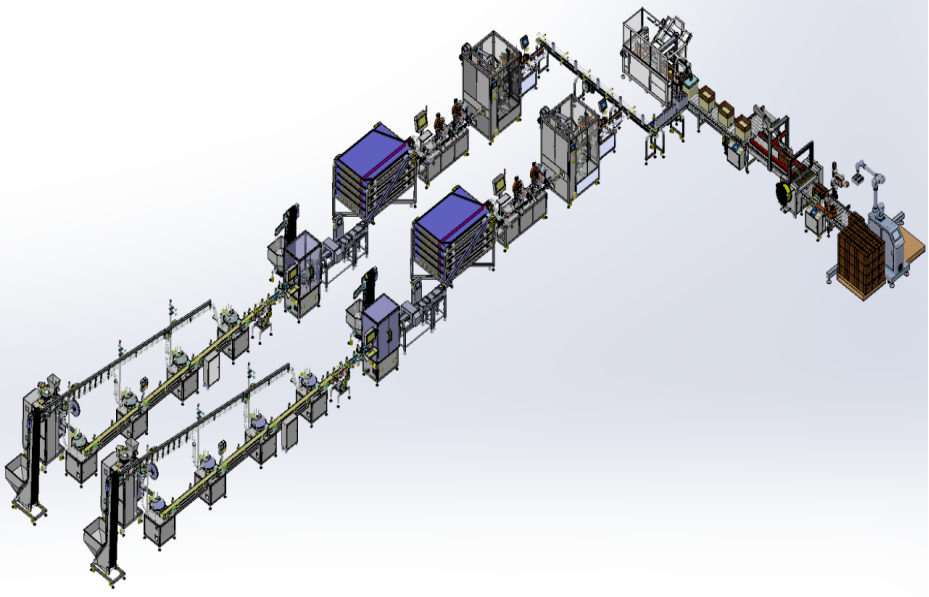
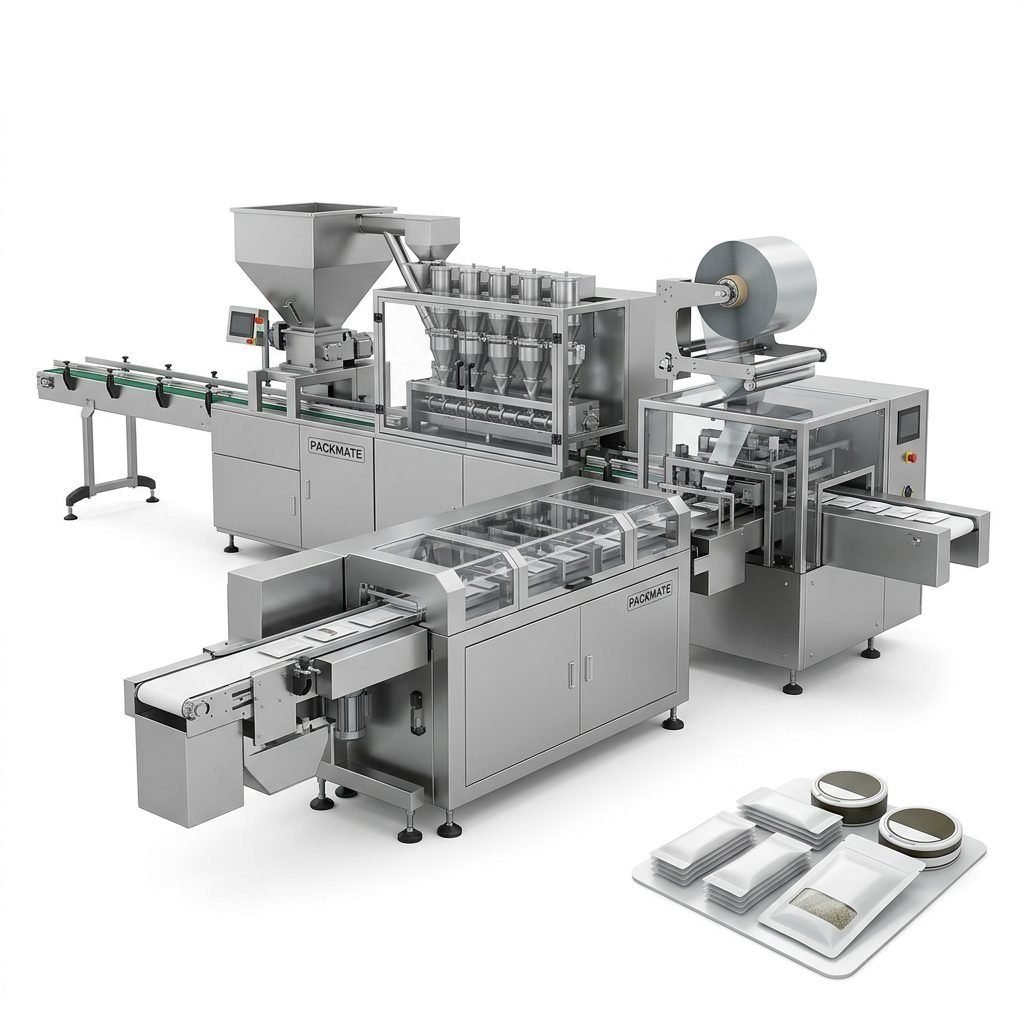
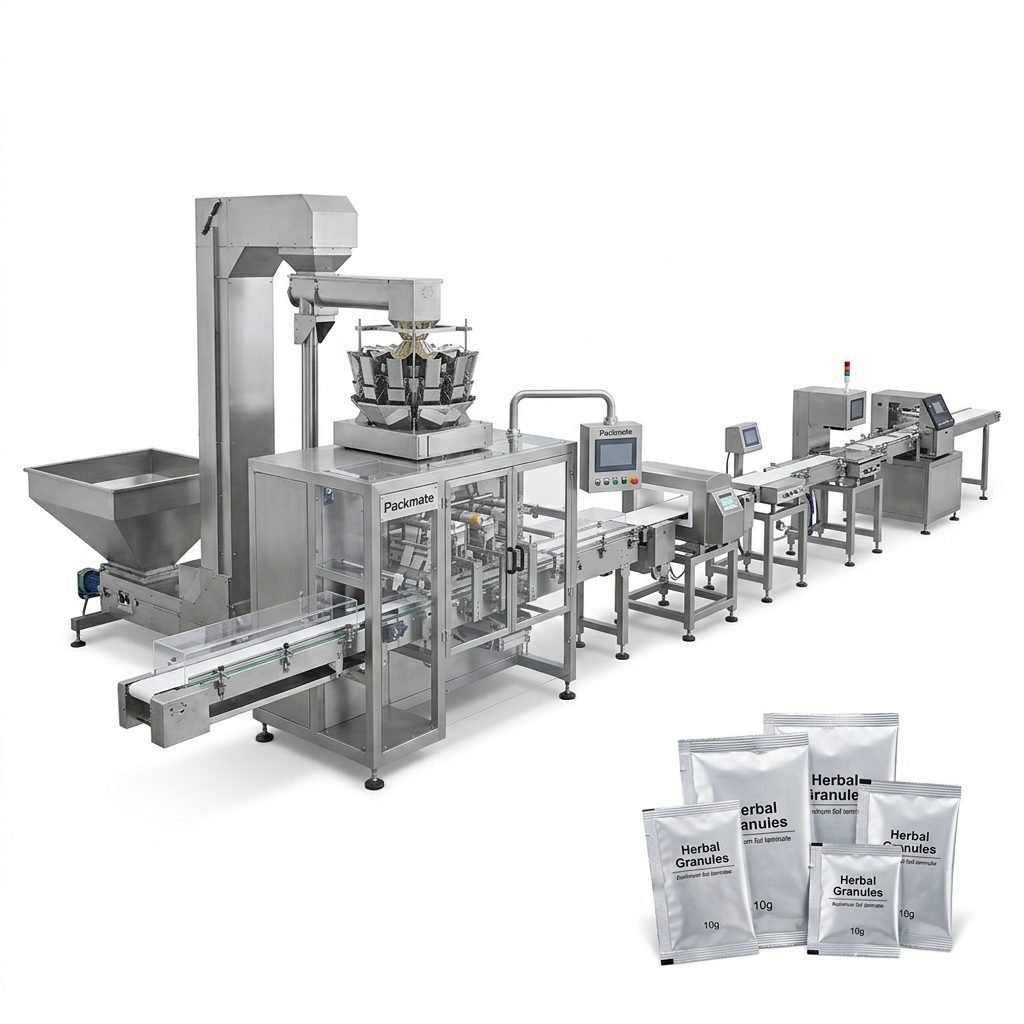
Many buyers prefer turnkey lines that include filling, weighing systems and packaging — reducing integration headaches. Evaluate whether the supplier can deliver a complete line and handle project management from layout to commissioning. Learn more about full-line options at Filling & Packaging Lines and Weighing & Packaging Systems.
Installation, commissioning and staff training
A reliable supplier includes commissioning and thorough operator/maintenance training. Confirm whether training is offered onsite in Tanzania or remotely, and whether training materials are available in English. Clarify the number of training days and what is covered: mechanical adjustments, daily maintenance, troubleshooting and safety procedures.
Financial terms, warranty and purchase contracts
Negotiate clear contract terms: payment milestones, performance acceptance tests, warranty length and scope, spare parts packages, and penalties for late delivery. Ask about flexible payment options or supplier-supported financing when needed.
⚠️ Red flags to avoid:
– Unwillingness to provide factory references or live demos.
– Vague warranty terms or unclear spare-part policies.
– No documented quality control or missing international certifications.
Checklist for a confident purchasing decision
Before placing an order, ensure you have:
- Detailed technical specification sheet and acceptance criteria.
- Confirmed lead time, delivery terms and validated packing lists.
- Written warranty and spare parts agreement.
- Training schedule and commissioning plan.
- Signed contract with payment milestones and penalties.
Why choose an experienced manufacturer like Packmate
Experienced providers bring reliability and long-term support. Packmate Snus Machine has over 30 years of engineering experience, a 20,000㎡ factory and an array of multi-lane snus and nicotine pouch solutions. Their history of turnkey packaging lines and global installations can shorten your ramp-up time and reduce integration risks. Learn more about the company and their capabilities: About Packmate.
Additional resources
Explore product catalogs, FAQs and service offerings to deepen your evaluation: Catalog, FAQs, and Service.
Practical next steps for Tanzanian buyers
1) Define your production targets and packaging formats. 2) Request detailed quotes and acceptance tests. 3) Schedule a factory visit or live demo. 4) Arrange for customs broker consultations for import timing and duties. 5) Confirm training and spare parts packages prior to shipment.
✔ Quick buyer reminder: Always balance machine speed with product quality. High speed is valuable only when dosing repeatability and seal integrity meet your standards.
Final verdict: buy for long-term reliability
A strategic purchase of nicotine packaging equipment in Tanzania should prioritize manufacturer expertise, documented performance, responsive after-sales service and clear logistic support. By following the steps in this guide and validating suppliers with demos, factory checks and references, you can reduce downtime and accelerate market entry for your nicotine pouch products.
Contact and support
When ready to request a quote or factory tour, contact a trusted manufacturer directly to discuss tailored options and timelines. For direct inquiries about product lines and after-sales support, consider visiting the supplier’s contact page: Contact Us.
Frequently Asked Questions (FAQs)
Q1: What machine type suits small-batch nicotine pouch production?
For small batches, consider single-lane or dual-lane sachet and stick pack machines with quick changeover tools. These machines offer lower initial investment and greater flexibility for multiple SKUs.
Q2: How long does commissioning typically take in Tanzania?
Commissioning usually takes 3–7 working days depending on line complexity and the need for on-site adjustments. Plan additional days for operator training and validation runs.
Q3: What spare parts should I stock locally?
Keep a local inventory of critical wear parts such as sealing jaws, belts, cutting knives, sensors and PLC modules. Discuss recommended spare kits with your supplier to avoid extended downtime.
Q4: Can suppliers adapt machines for Tanzania’s humidity and power supply?
Reputable manufacturers design for environmental conditions and offer electrical configurations for 220V/50Hz systems. Confirm corrosion-resistant materials and dehumidification options for better performance in coastal regions.