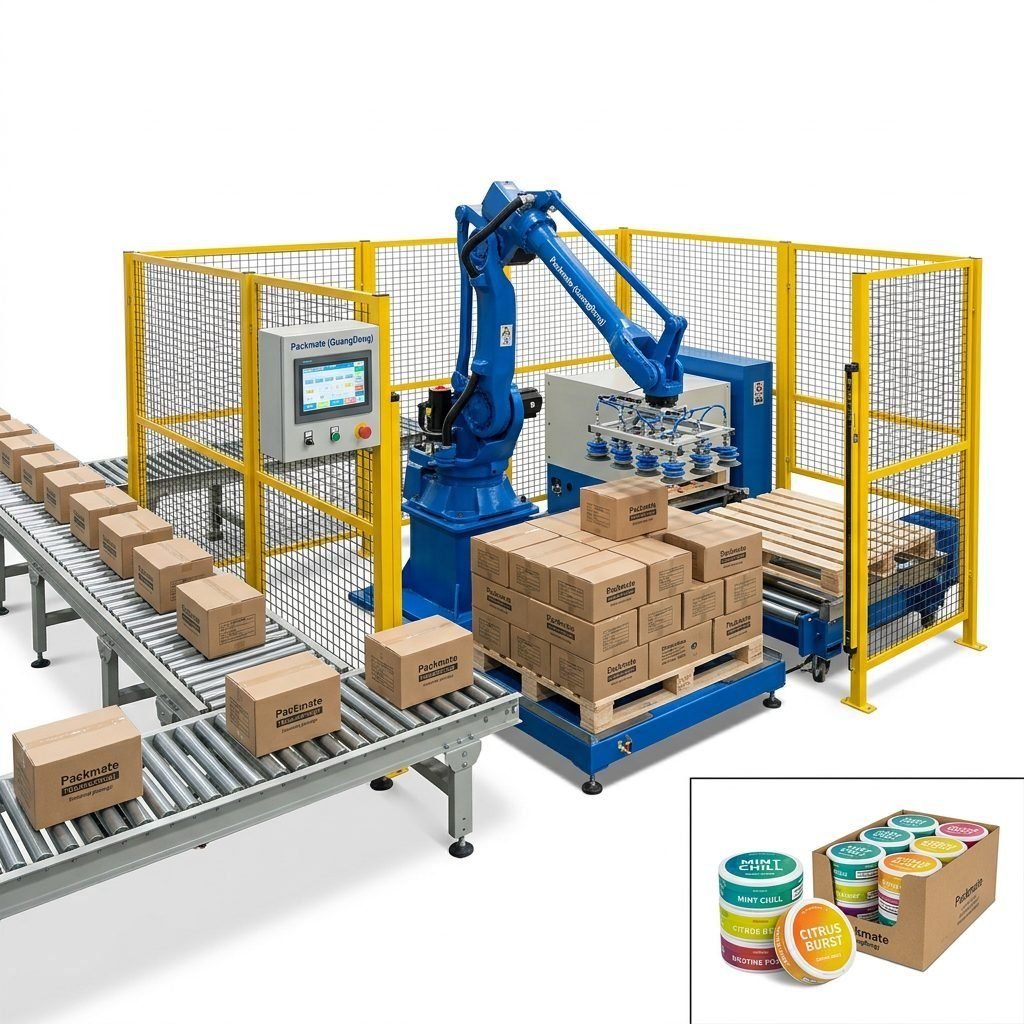
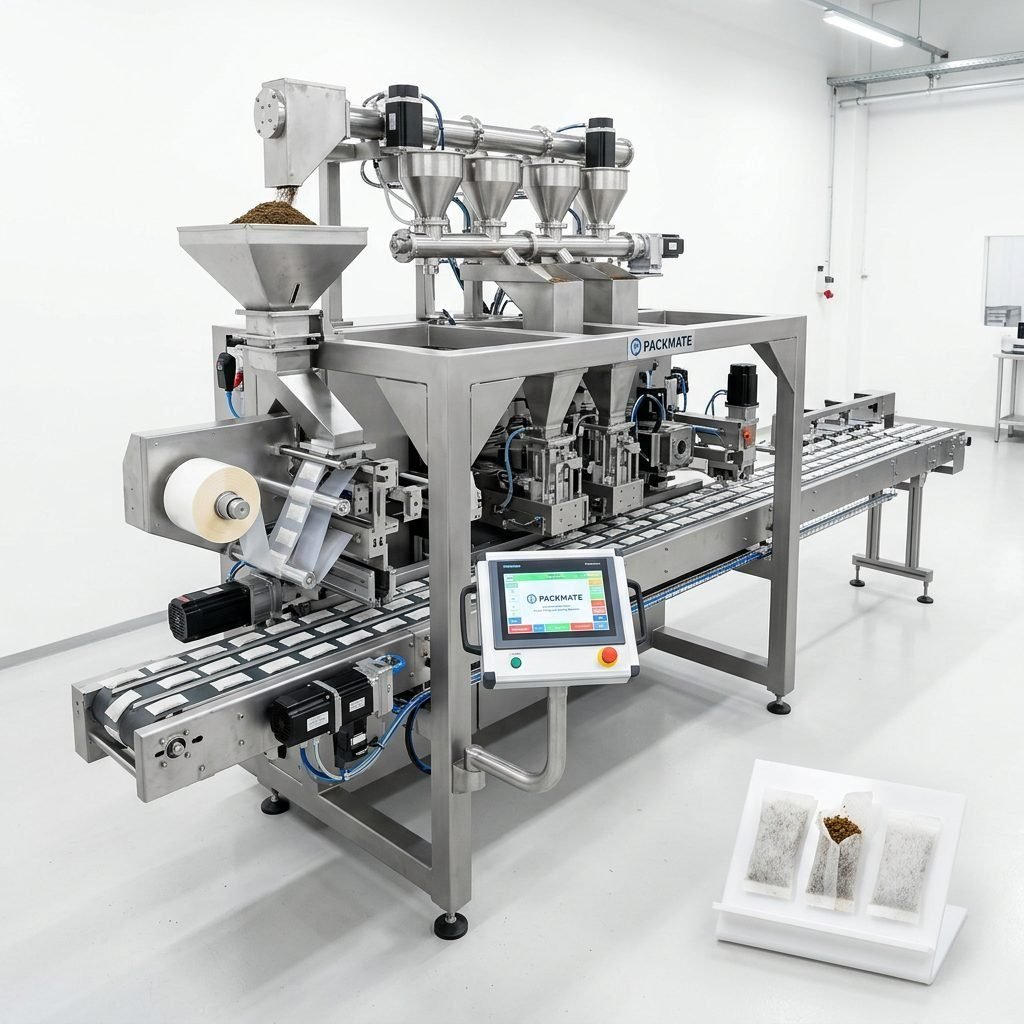
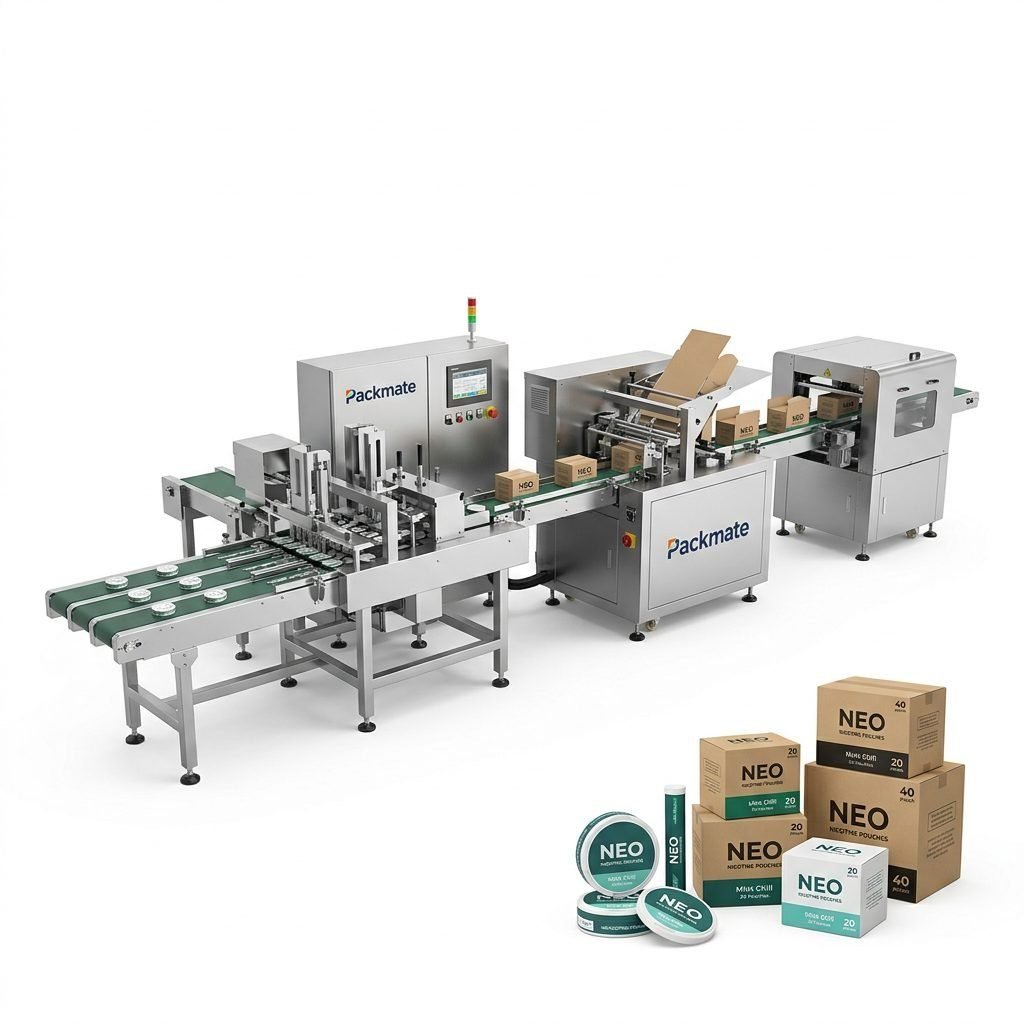
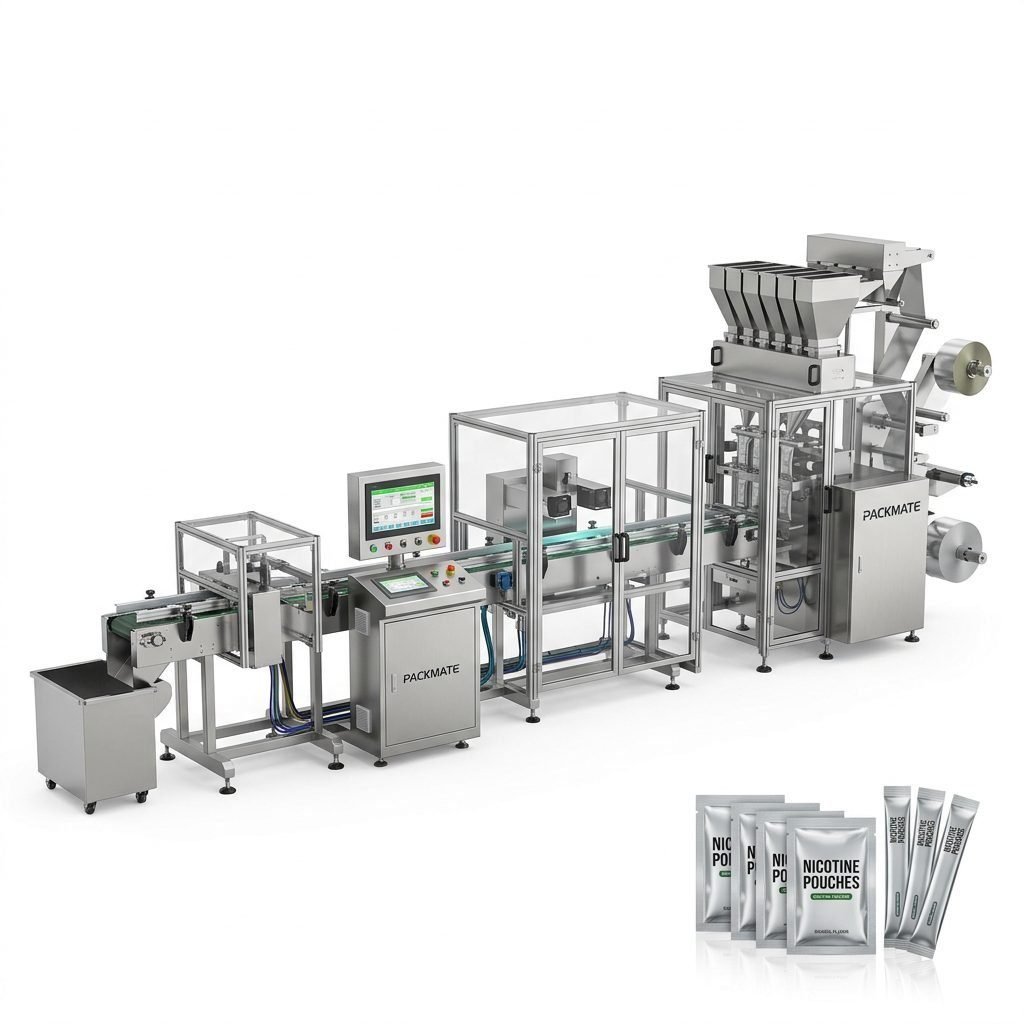
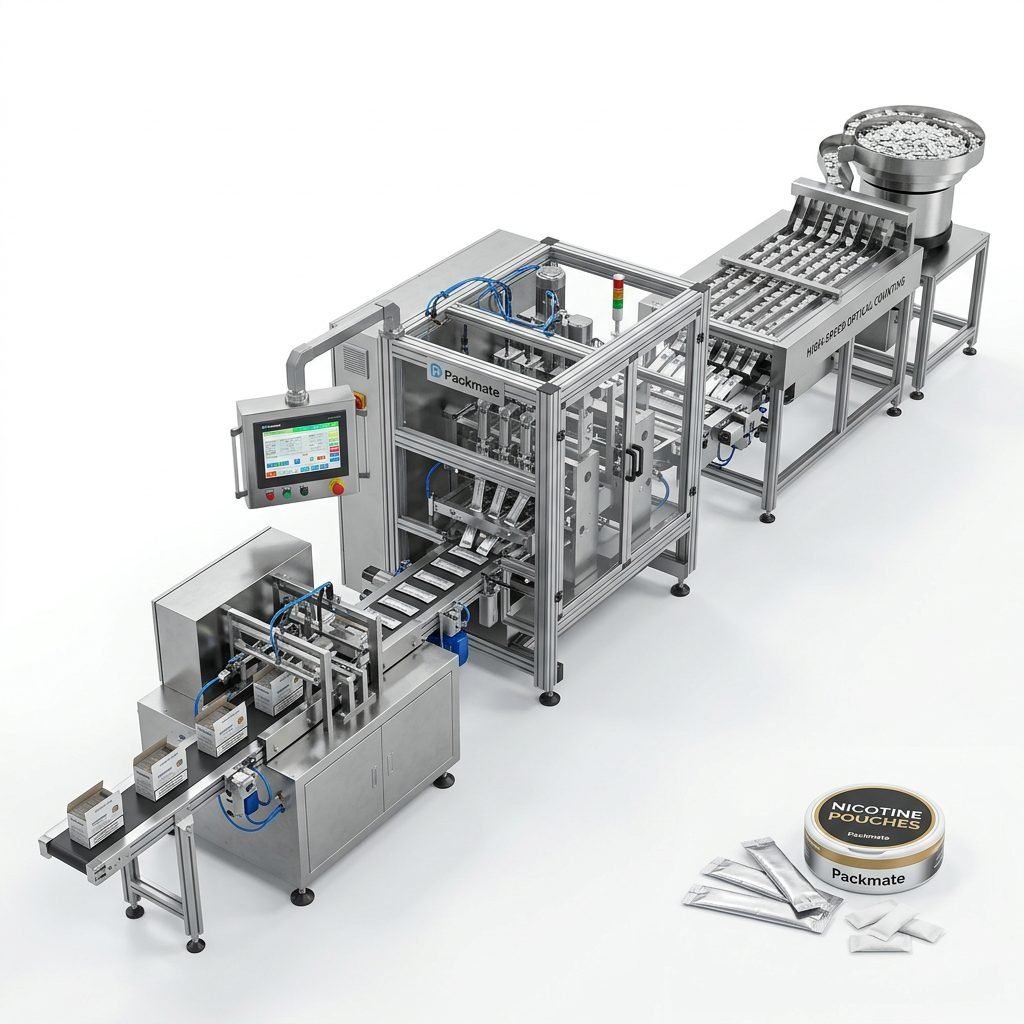
Finding a reliable snus packaging machine supplier in Japan requires a mix of technical due diligence, cultural understanding, and practical logistics planning. This guide walks you through the key steps to evaluate suppliers, what to check in machines and service offers, how Japanese market habits affect your choices, and practical buying tips to reduce risk while securing high-performance equipment for nicotine pouch and snus production.
Why Japan Needs a Tailored Supplier Search
The Japanese market values precision, consistency, and compliance. Manufacturers and packers operating in Japan expect machinery that integrates smoothly with strict hygiene standards, compact factory spaces, and reliable long-term support. When evaluating a supplier, prioritize partners who understand: local workplace safety preferences, language and documentation needs, and the importance of minimizing downtime for continuous production.
Cultural and operational notes for Japan
In Japan, considerations such as detailed operation manuals in Japanese, scheduled preventive maintenance, and timely spare-part delivery are often non-negotiable. Local buyers also prefer suppliers that can demonstrate stable quality records and on-site training capability. Keep these preferences in mind when you shortlist potential machine vendors.
Step 1 — Define Your Production Needs
Before contacting suppliers, clarify your product specifications: pouch type (loose snus pouch, nicotine pouch, stick pack, sachet), daily output targets, pouch size ranges, filling weight accuracy, and multi-lane vs single-lane configuration. These parameters shape the recommended models and line layouts. Typical questions to answer:
- What is your target throughput per minute or per hour?
- Do you need multi-lane capability for small-dose pouches?
- Will you handle powders, granules, or wet-filled nicotine formulations?
- Is automatic weighing and dosing required?
Tip: If you expect future variety in product formats, choose modular systems that allow upgrades (e.g., changeable filling heads, optional multi-lane conversion). This saves capital and minimizes future downtime.
Step 2 — Shortlist Reputable Suppliers
Start with suppliers who have proven experience in snus and nicotine pouch packaging. Look for companies with extensive product pages, factory details, and case studies. Reputable vendors typically provide:
- Detailed machine specifications and videos of machines in operation.
- Factory photos, machining and assembly capabilities, and capacity statements.
- Third-party certifications and clear warranty terms.
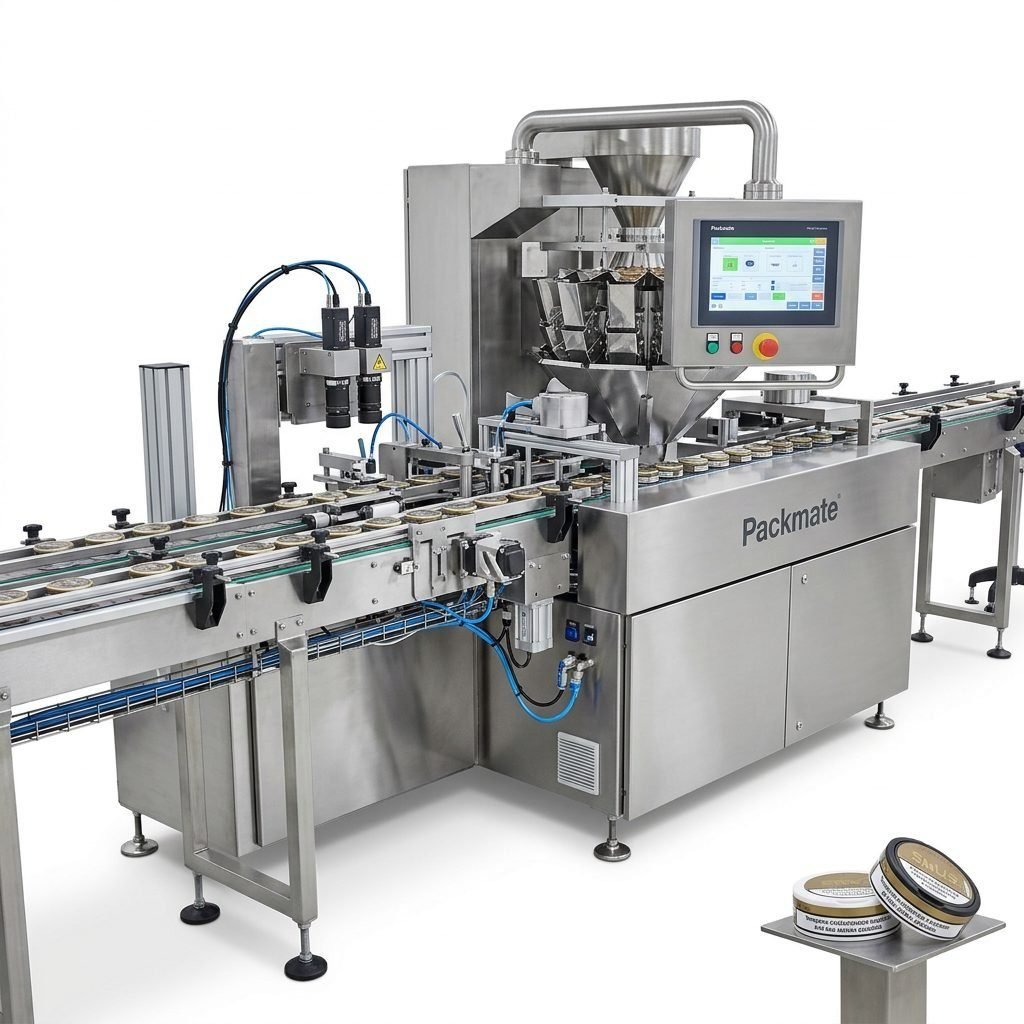
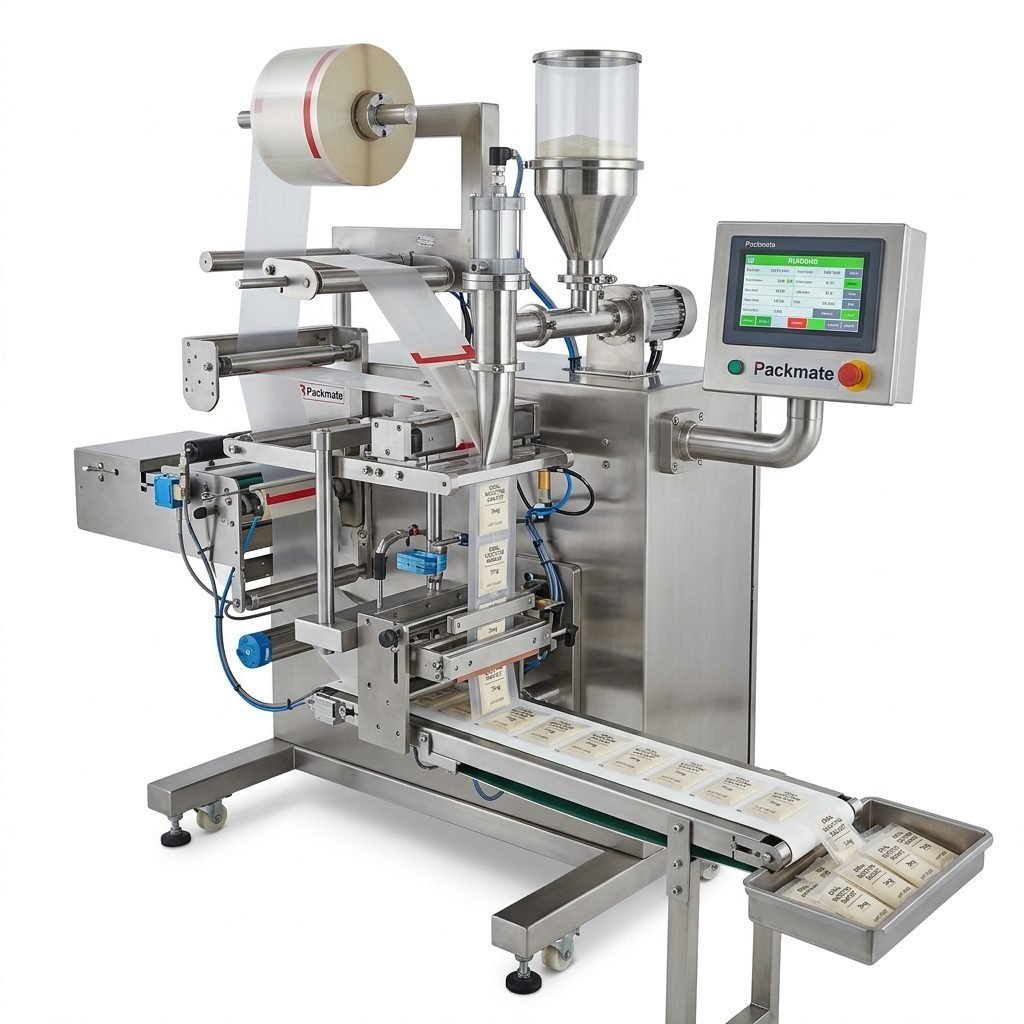
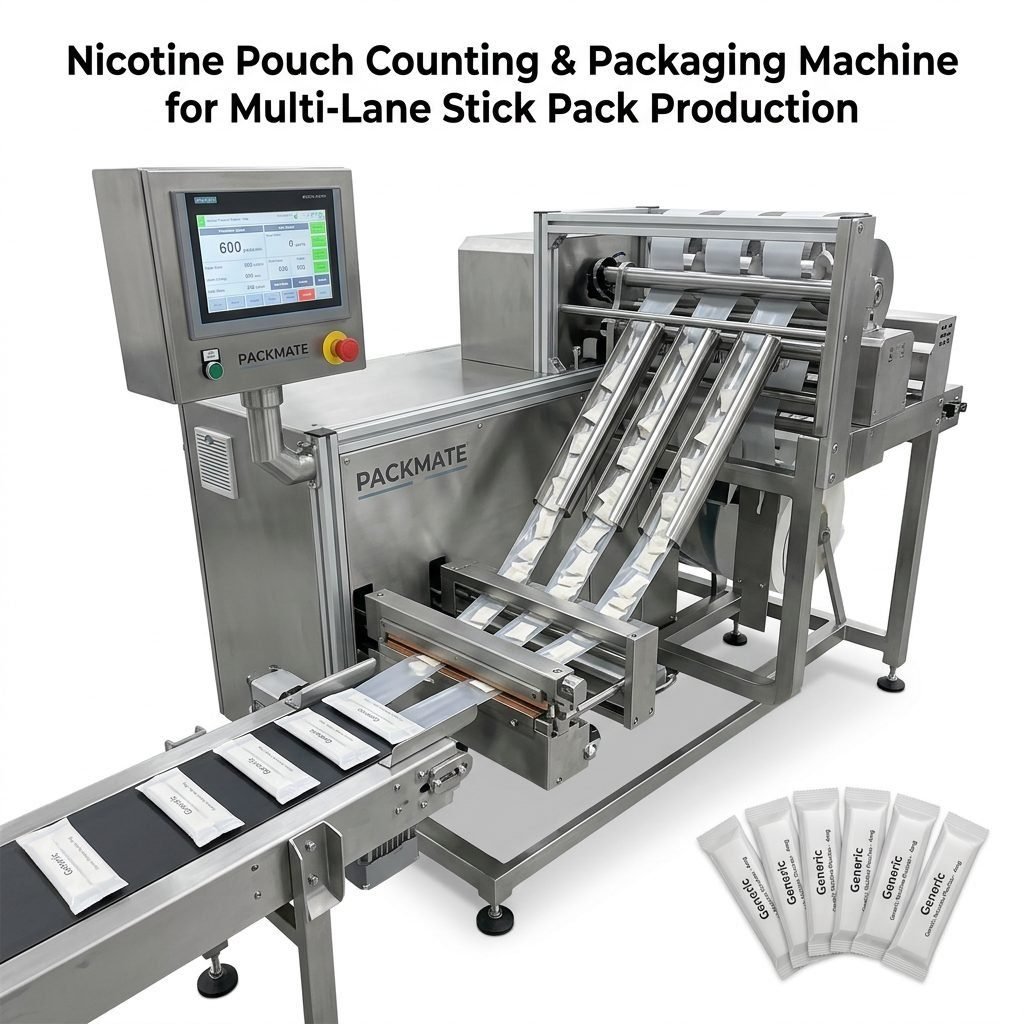
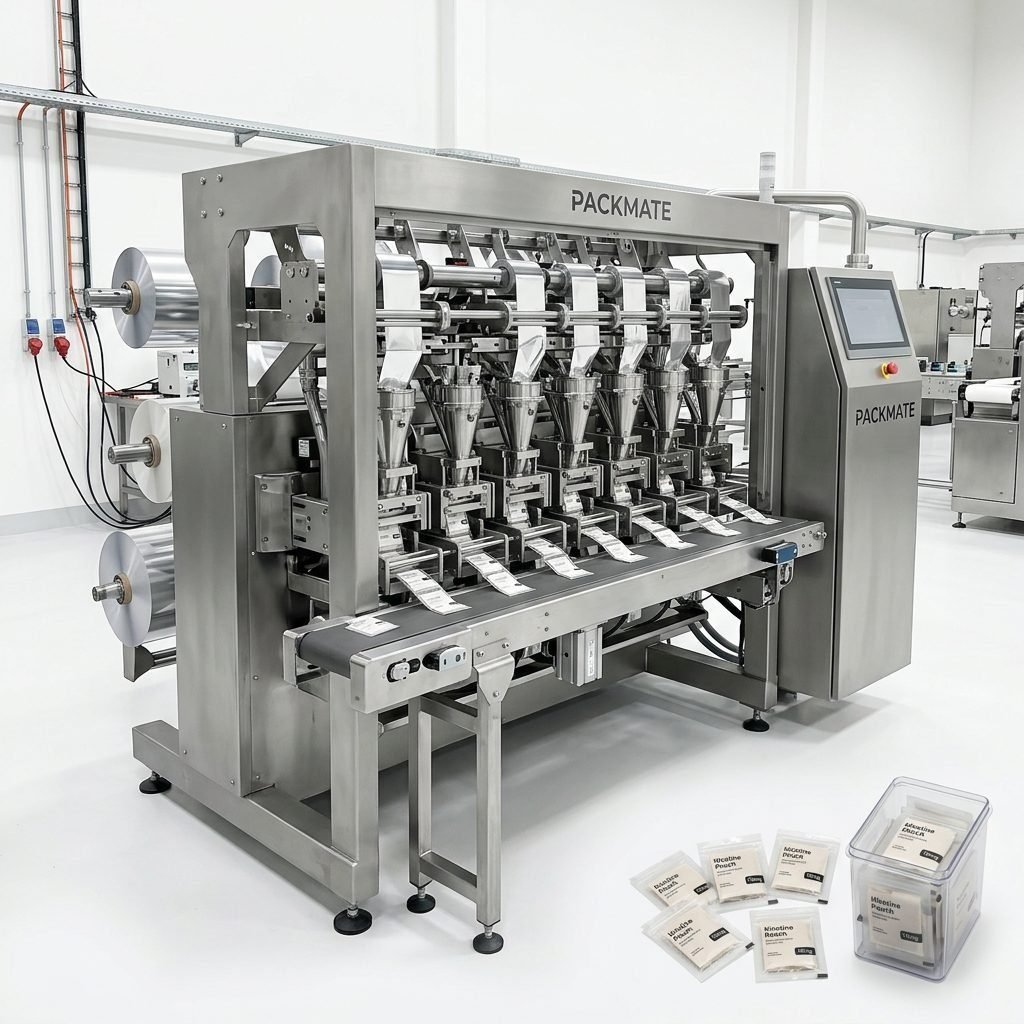
For example, you can review specialized options like the Snus & Nicotine Packaging Machines or browse multi-function solutions on the Bag & Pouch Packaging Machines pages to understand typical machine features and options.
Step 3 — Verify Factory Strength and Experience
A strong factory footprint is a major indicator of reliable production and spare parts availability. Confirm:
- Factory size and production lines (e.g., a 20,000㎡ facility with CNC centers demonstrates scale).
- Years of experience in packaging machine R&D and production — companies with 20–30+ years are often more stable.
- Custom manufacturing capability and availability of spare parts inventory.
Factory fact to consider: A supplier with advanced CNC machining centers and precision assembly lines is better positioned to deliver consistent machinery and support long-term operations.
Step 4 — Technical Evaluation: What to Check on the Machine
When evaluating machine models, assess these critical technical aspects:
- Filling accuracy: Tolerance for nicotine pouch dosing must be tight to ensure consistent product weight.
- Sealing quality: Good sealing prevents contamination and leakage; ask for heat-seal and seam test data.
- Changeover time: Short changeovers matter in Japan, where small batch runs are common.
- PLC and HMI: Confirm language support (Japanese) and intuitive controls for local operators.
- Material compatibility (laminate films, foil, biodegradable films) and recommended film supplier list.
Request live demos and sample runs
Always request video demonstrations or, when possible, an on-site trial with your actual product formula. Samples run on the exact film and fill material give you conclusive evidence of performance and help avoid surprises after installation.
Step 5 — Certifications, Compliance, and Documentation
Components of a trustworthy supplier include valid certifications and clear documentation. Look for:
- CE and ISO certifications as indicators of international standards adherence.
- Electrical and safety documentation compatible with Japanese regulations.
- Complete manuals, wiring diagrams, and spare parts lists delivered in Japanese and English.
Step 6 — After-Sales Support and Spare Parts
After-sales support is the single most important factor after the initial machine performance. Confirm:
- Warranty terms, response time for technical support, and remote troubleshooting capabilities.
- Availability and lead-time for critical spare parts in Japan or through a nearby distributor.
- Training offerings, including operator and maintenance courses, ideally performed in Japanese.
Important: Ensure the supplier commits to remote support tools (video calls, annotated photos, and PLC parameter sharing) and to stocking fast-moving spare parts for at least the first two years.
Step 7 — Pricing, Payment Terms, and Total Cost of Ownership
Base price is only the starting point. When comparing quotes, analyze:
- What is included: installation, commissioning, training, spare parts kit, and any tooling changes.
- Payment milestones — staged payments tied to factory acceptance testing (FAT) and shipping are standard.
- Estimated operating costs: energy consumption, maintenance intervals, and consumables such as sealing jaws or belts.
Step 8 — Logistics, Installation, and Customs in Japan
Shipping bulky equipment to Japan requires careful planning:
- Confirm crate dimensions and weight for port handling and plant access.
- Clarify Incoterms (FOB, CIF, DDP). For many buyers, DDP reduces custom clearance hassles in Japan.
- Plan installation window and local labor requirements; some suppliers offer local field engineers or partner networks to speed up commissioning.
Step 9 — Reference Checks and Case Studies
Ask for customer references and documented case studies. A reliable supplier will provide examples of similar installations—preferably in regions with high regulatory or quality demands. Reviewing operational case histories helps validate uptime claims and real-world performance. Explore available case pages or client testimonials to gain confidence.
You can view real-world project summaries and factory examples on the Case page to compare solutions and outcomes.
Step 10 — Final Checklist Before Purchase
✔ Confirm machine performance via FAT with your materials and film.
✔ Ensure Japanese language HMI and translated manuals.
✔ Secure spare parts list and lead times.
✔ Finalize installation timeline and local support plan.
✔ Agree on warranty coverage and remote support SLA.
Leveraging Trusted Suppliers — A Practical Example
Consider Packmate — a manufacturer with decades of packaging engineering experience, a 20,000㎡ facility, and multiple machine models for nicotine pouch production. Their portfolio includes Snus & Nicotine Packaging Machines and full filling and packaging lines. Reviewing such vendors’ product catalogs and factory credentials helps you benchmark offerings and select the right machine architecture for Japan’s market.
Learn more about product ranges and company history on the About Packmate and Product Catalog sections, and review their exhibitions to see real demonstrations.
Useful links
Explore detailed machinery options and resources:
Snus & Nicotine Packaging Machines,
Case,
About Packmate,
Contact Us.
Buying Tips Specific to the Japanese Market
– Prioritize suppliers who can provide clear documentation in Japanese and can offer local-language training.
– Consider smaller footprint machines or modular layouts to fit compact factories common in Japan.
– Emphasize uptime guarantees and scheduled preventive service to align with Japanese expectations for continuous, high-quality production.
Conclusion — Make an Informed, Low-Risk Purchase
Buying a snus packaging machine for the Japanese market involves balancing technical capability, local compliance, and reliable long-term service. Follow the steps above—define needs, verify factory strength, validate technical performance, secure solid after-sales support, and account for logistics and local customs—to ensure your investment delivers consistent production and peace of mind.
Frequently Asked Questions
1. What certifications should a snus packaging machine have for use in Japan?
At minimum, look for ISO quality management compliance and CE indications of safety design. Additionally, ensure electrical components and safety documentation align with Japanese electrical and workplace safety standards. Suppliers should provide detailed compliance documents and machine certificates.
2. How important is a factory acceptance test (FAT)?
FAT is critical. It validates real performance using your materials and film, verifies fill accuracy and sealing, and reduces risk at installation. Request recorded video of FAT and, if possible, attend virtually to approve parameters before shipment.
3. What spare parts should I stock for nicotine pouch lines?
Keep an inventory of high-wear items: sealing jaws, belts, sensors, pneumatic seals, and critical electronic modules. Suppliers often provide a spare parts kit for the first year; verify what’s included and local availability or speedy shipping options.
4. Can suppliers provide local support in Japan?
Many established suppliers maintain partner networks or dispatch engineers for commissioning and training. Confirm the supplier’s ability to provide on-site or fast-response remote service in Japan and ask for clear SLAs and contact points.
5. How do I choose between single-lane and multi-lane machines?
Choose based on production targets and product size. Multi-lane machines increase throughput for small-dose pouches but are more complex to set up. Single-lane systems suit lower throughput or frequent formula changes. Analyze your SKU mix, batch sizes, and changeover priorities before deciding.