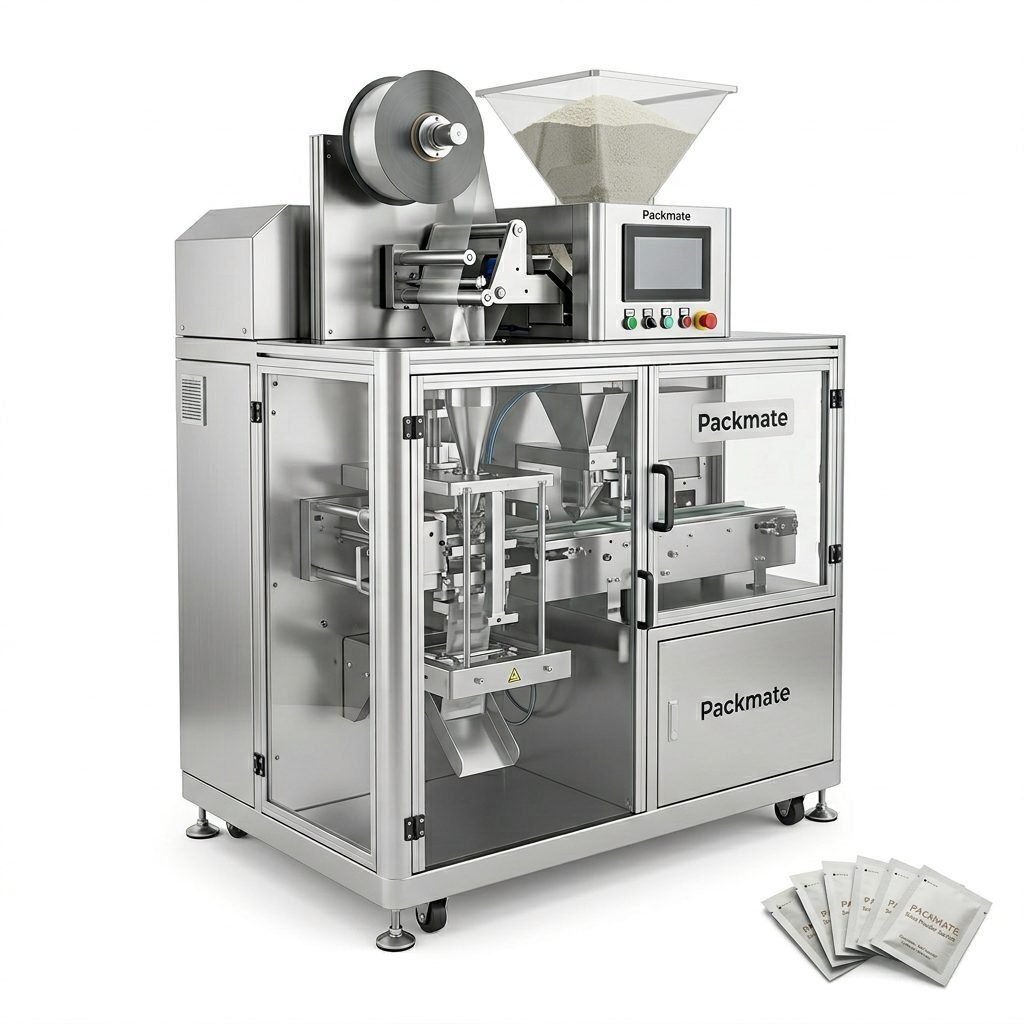
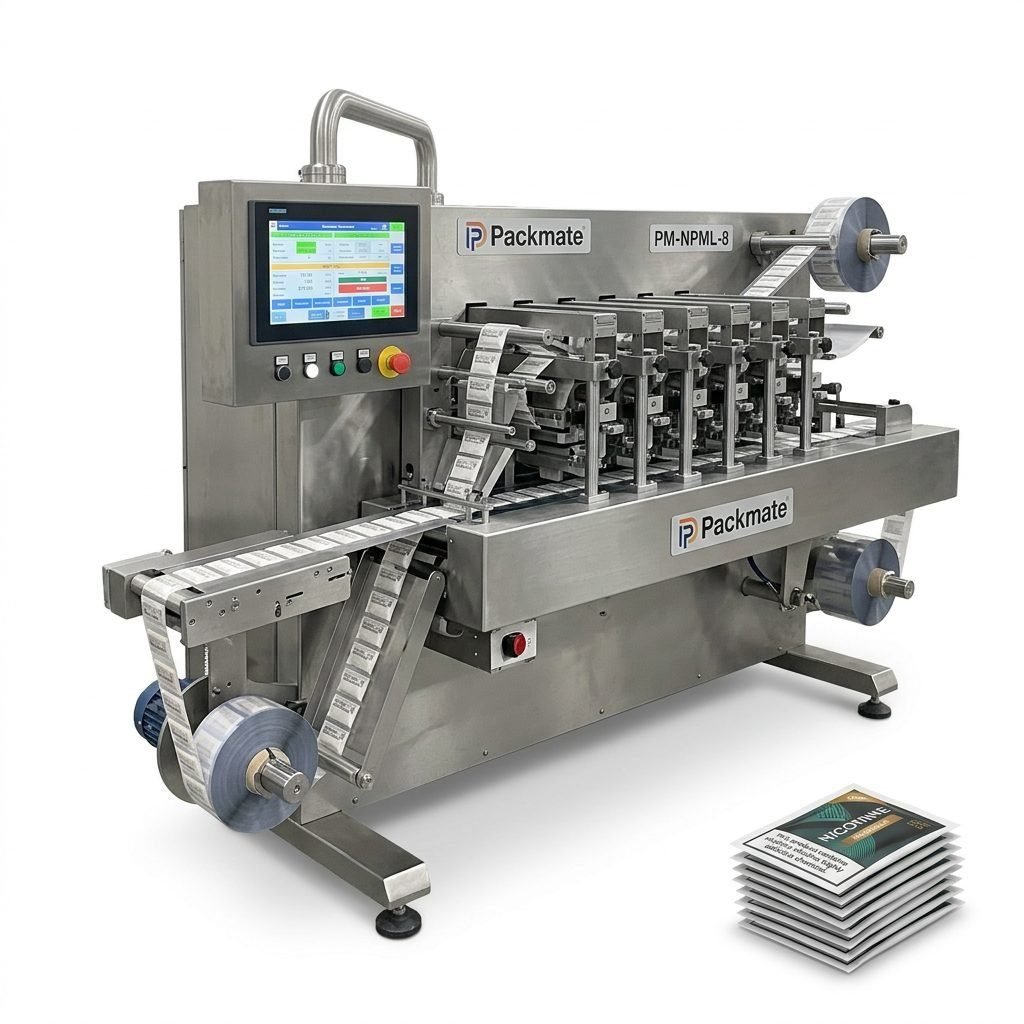
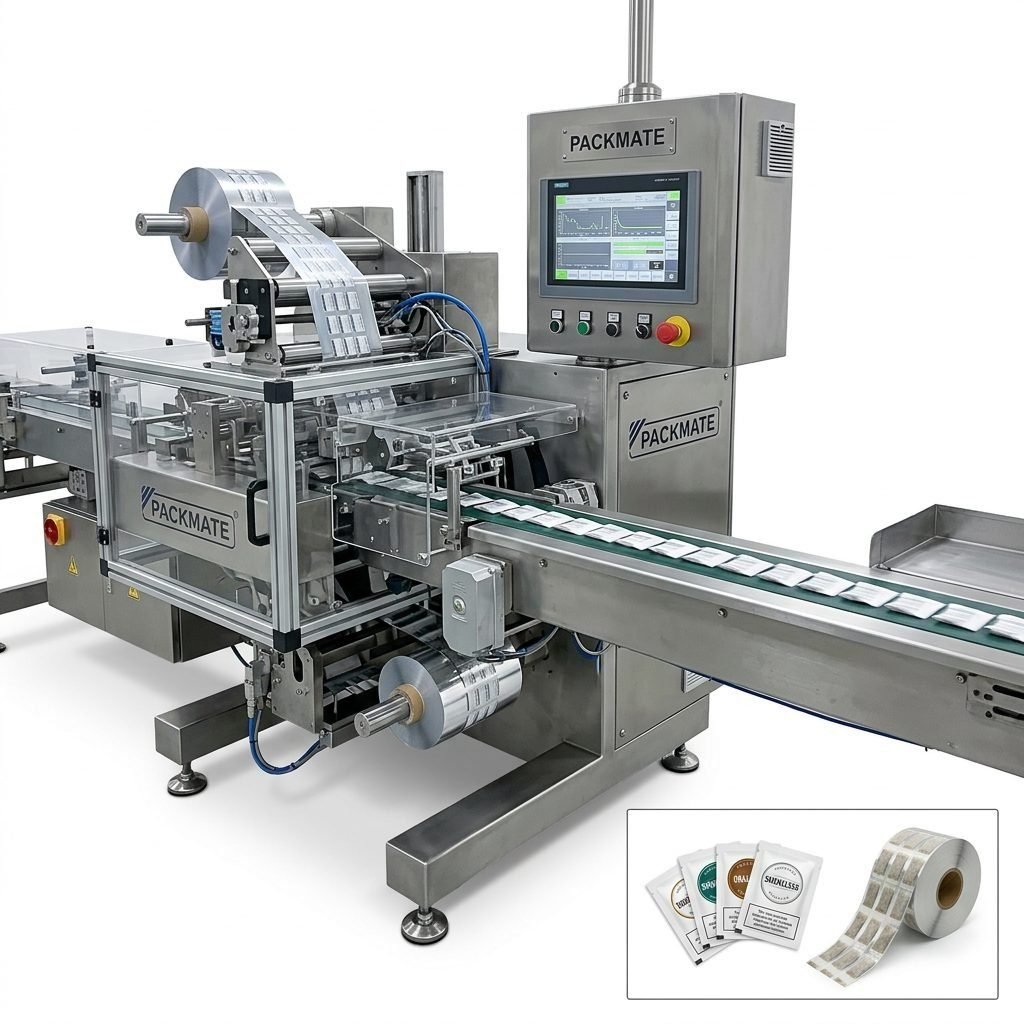
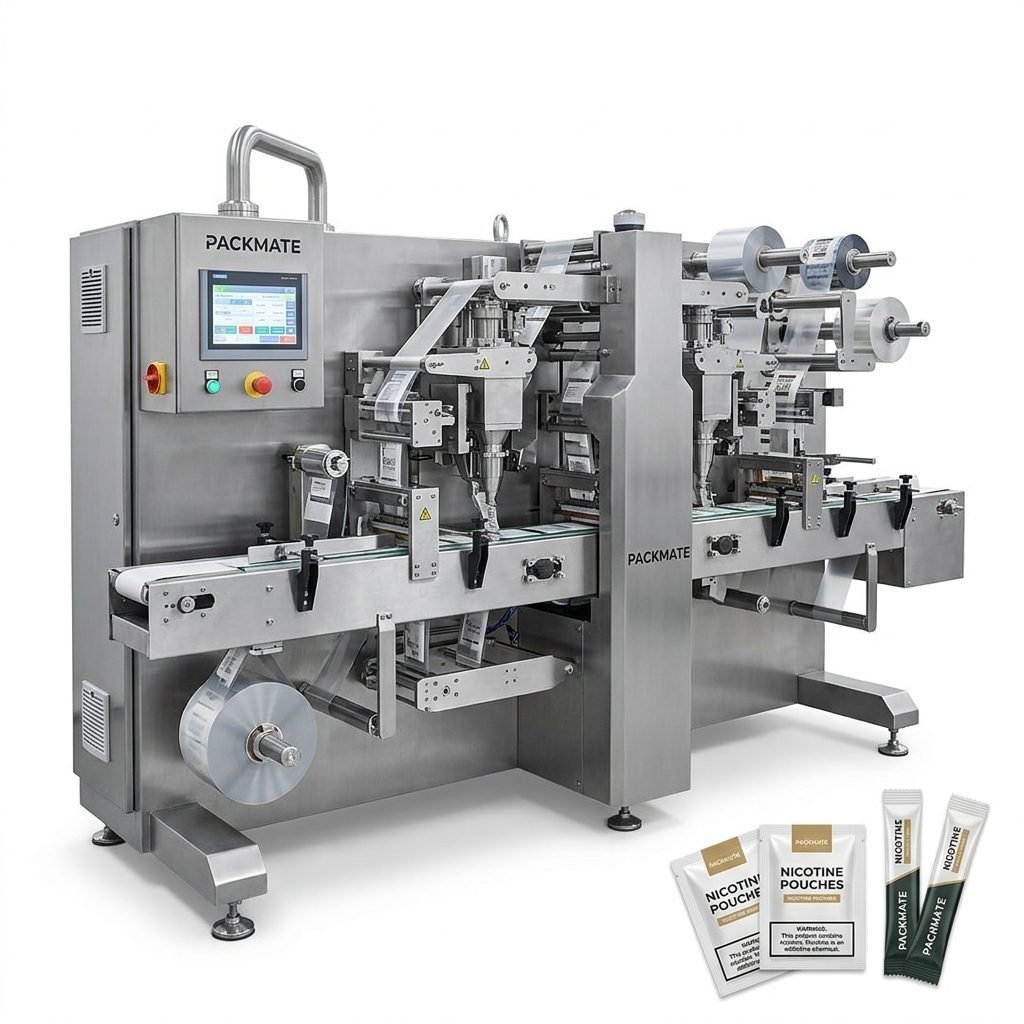
Entering the Egyptian market with nicotine pouch or snus production requires more than choosing a machine that fills and seals — it demands a reliable packaging machine supplier who understands product specifications, regulatory constraints, and local business culture. This guide walks you through practical steps to find a trustworthy nicotine packaging machine supplier in Egypt, compare technical options, navigate import and after-sales challenges, and establish a long-term partnership that keeps your line running smoothly.
Understand Your Production Needs First
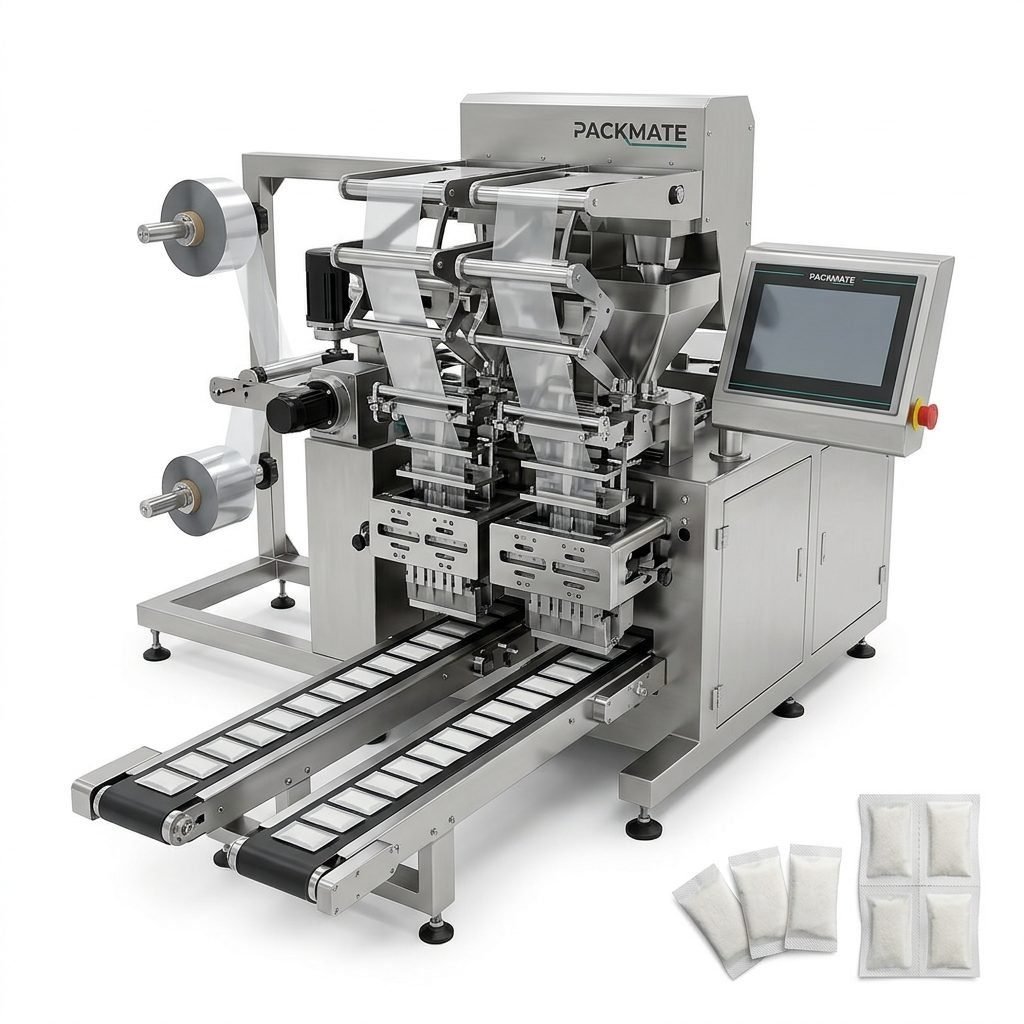
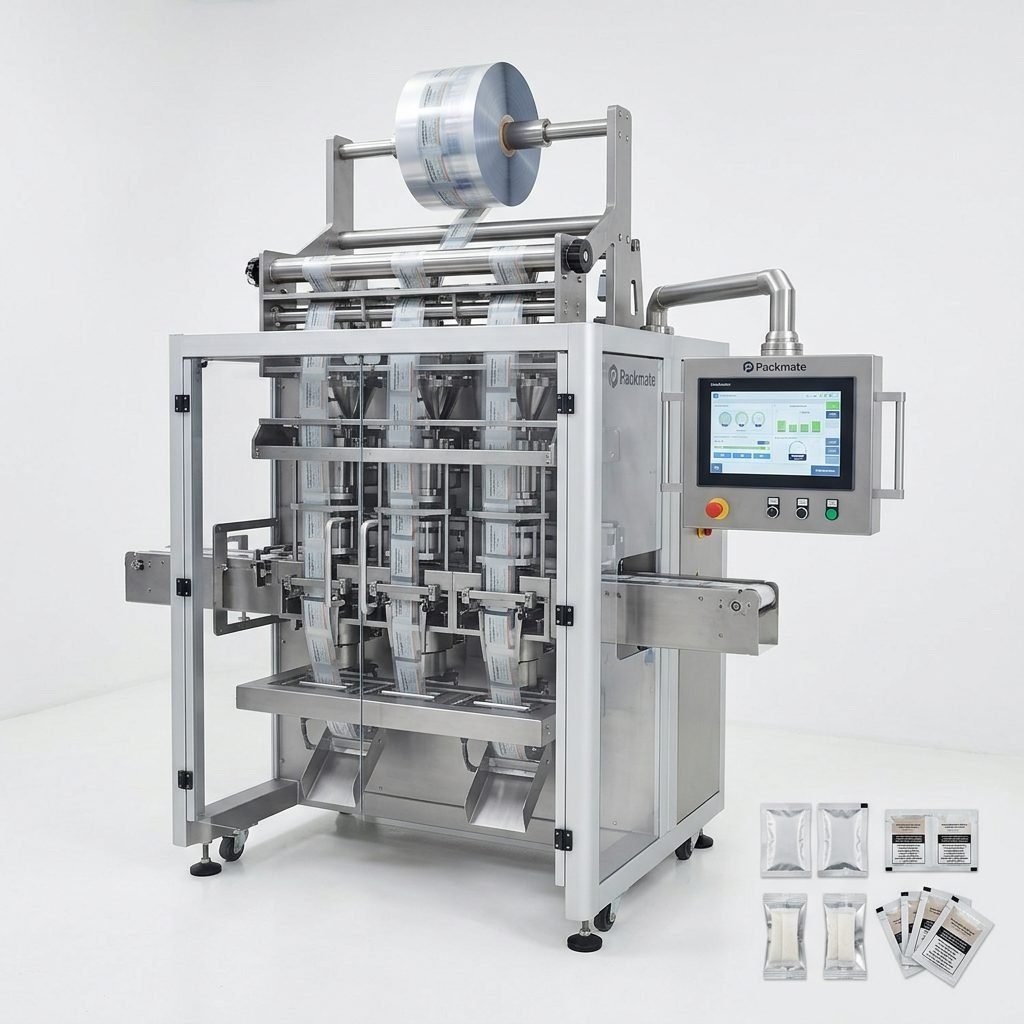
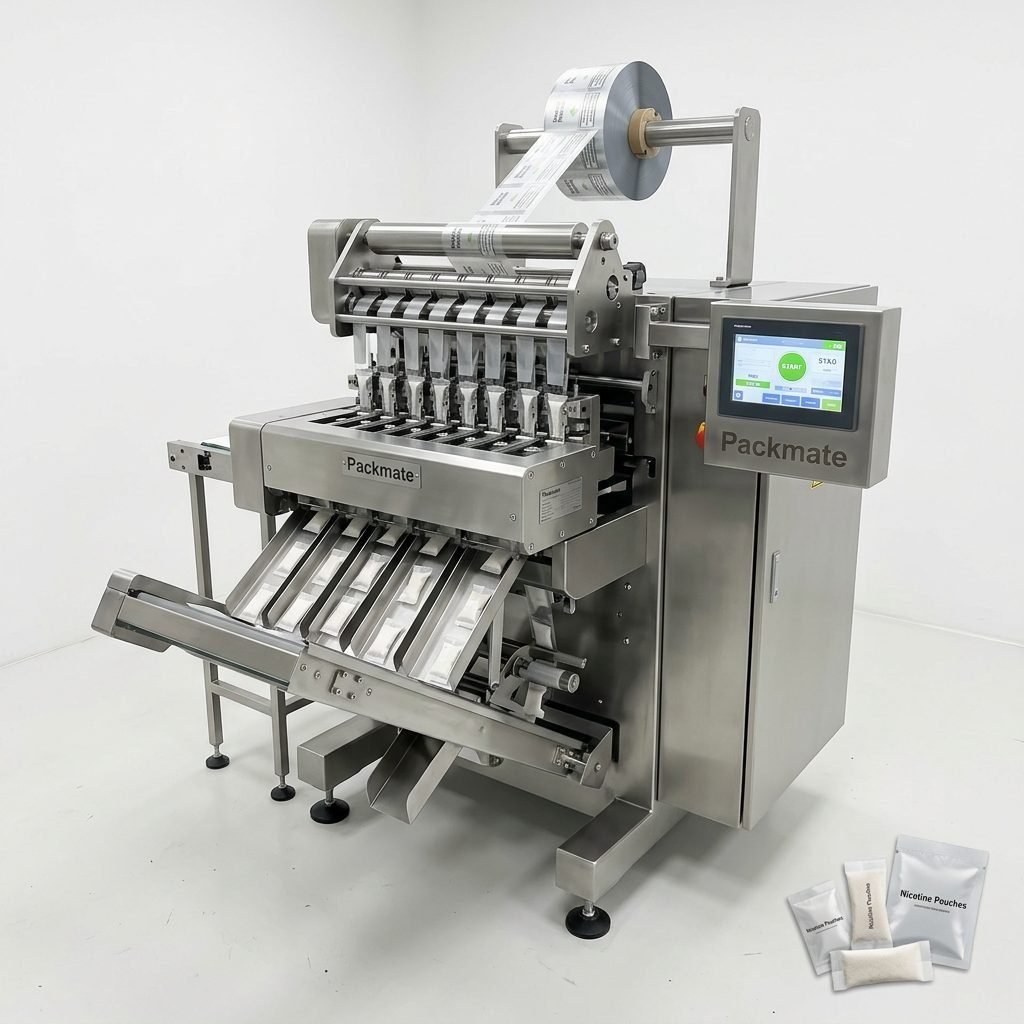
Before contacting suppliers, document your product and packaging needs: pouch format (snus pouches, sachets, stick packs), target throughput (pouches per minute), dosing accuracy, multi-lane vs single-lane production, and any secondary operations (cartoning, case packing). If you plan to produce nicotine pouches in small-dose multi-lane setups, prioritize suppliers with proven multi-lane systems and experience in low-dose precision filling.
target format, production speed, dosing accuracy, multi-lane capability, secondary equipment needs.
Why Supplier Experience Matters — What to Look For
Choose suppliers with deep engineering backgrounds and a strong track record in nicotine pouch or snus packaging. Look for:
- Years of industry experience and a range of machine models (single-lane, multi-lane, stick pack and sachet systems).
- Factory size and machining capabilities (CNC centers, precision assembly) — these indicate production consistency and spare-part readiness.
- Certifications (CE, ISO) that reflect quality control and safety compliance.
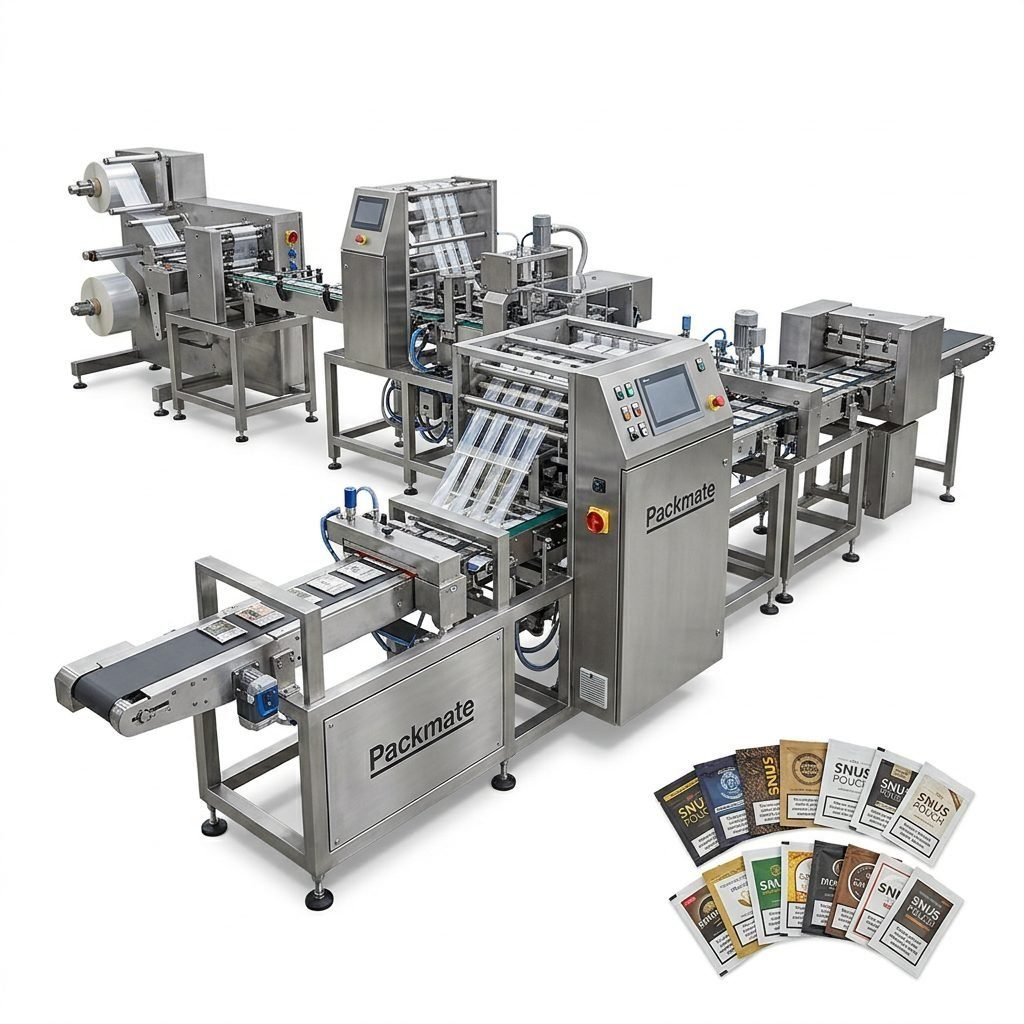
Suppliers who provide turnkey production lines and on-site commissioning save time and reduce integration risk.
Technical Criteria: Machines and Customization
Evaluate machines on engineering details rather than price alone. Important technical factors include:
- Dosing accuracy: critical for nicotine pouches; check repeatability specifications and tolerance values.
- Material compatibility: ability to handle powders, granules, liquids or mixed fillings without frequent changeovers.
- Changeover time: quick tooling swaps reduce downtime across flavor or dose variations.
- Automation & controls: PLC integration, touchscreen HMI, remote diagnostics and data logging.
- Spare parts availability: local stock or fast shipment options for wear parts.
For examples of specialist equipment, review dedicated product lines such as Snus & Nicotine Packaging Machines and explore multi-function lines including Filling & Packaging Lines.
Factory Verification: How to Vet a Supplier
A factory audit ensures the supplier can deliver consistent quality. If an in-person visit is not feasible, request a virtual tour or live machine demonstration. During verification, focus on:
- Manufacturing facilities, assembly lines, CNC capacity and tooling accuracy;
- Quality control systems, test rigs and inspection records;
- Past project references, global cases and client testimonials (ask for contactable references);
- After-sales team structure and availability of training for your technicians.
machine run videos, CE/ISO certificates, spare-part lists, and a typical commissioning schedule.
Regulatory & Market Considerations in Egypt
The Egyptian market has its own compliance and commercial nuances. When evaluating suppliers, confirm they can support:
- Documentation for customs clearance (commercial invoice, packing list, certificate of origin, machine manuals and CE/ISO certificates).
- Local regulations and import licensing — check with Egyptian customs and any tobacco or nicotine-specific requirements. Engage local customs brokers early to avoid delays.
- Logistics planning for major ports such as Alexandria and Port Said; confirm crating and lifting plans for heavy equipment.
- After-sales support, spare-part delivery times and local service partner possibilities to minimize downtime during Ramadan and public holidays when schedules shift.
Cultural & Business Tips for Dealing with Egyptian Partners
Building trust is central in Egypt. Consider these practical tips:
- Invest time in relationship building — personal meetings and factory visits (or live virtual tours) create strong bonds.
- Respect local business rhythms — be mindful of Ramadan and national holidays which affect response times and work schedules.
- Language: Arabic is common in business contexts; English is widely used in technical negotiations but having Arabic-speaking support helps.
- Payment norms: suppliers may expect letters of credit or staged payments; negotiate clear milestones for deposits, production, inspection, shipment and final acceptance.
Questions to Ask Every Prospective Supplier
Use a standardized questionnaire so you can compare suppliers objectively. Essential questions include:
- What is your machine’s throughput and accuracy for our product specification?
- Can you provide CE/ISO certificates and machine test reports?
- What warranty, spare parts policy and technical support options do you offer for Egypt?
- Do you provide onsite commissioning and operator training? If so, what is included?
- Can you customize tooling and controls to match our dosing and packaging artwork?
Always obtain a clear spare parts kit list and estimated lead times for critical components.
Comparing Costs: Price vs Total Cost of Ownership (TCO)
A low purchase price can hide high lifecycle costs. Evaluate:
- Installation and commissioning fees;
- Training costs for operators and maintenance staff;
- Annual maintenance, spare parts consumption and mean time to repair;
- Energy consumption and consumables costs;
- Potential revenue loss from downtime — factor in average response times for remote support or local engineer dispatch.
Inspection, Testing and Acceptance Criteria
Define acceptance criteria in the contract. Recommended items:
- Factory Acceptance Test (FAT) with your product or equivalent simulant;
- Pre-shipment inspection and video verification;
- On-site installation and Site Acceptance Test (SAT) demonstrating required throughput and dose accuracy;
- Clear criteria for rejection, rework, or remedial actions if performance thresholds are not met.
After-Sales Support and Local Resources in Egypt
Reliable after-sales support is essential. Ask about:
- Availability of spare parts in regional warehouses;
- Remote diagnostics and software update policies;
- Training programs and manuals provided in English/Arabic;
- Local service partners or authorized agents in Egypt or nearby Middle East locations.
Firms with global operations typically offer stronger long-term support. Explore documented case studies and references to see how suppliers handled installations in markets similar to Egypt: see Case examples.
Negotiation and Contract Tips
When formalizing the relationship, ensure the contract covers:
- Detailed technical specifications and acceptance tests (FAT & SAT);
- Clear payment milestones tied to delivery and testing phases;
- Warranty period and scope, including travel costs for service visits;
- Spare part kits and lead-time guarantees;
- IP and confidentiality clauses if you share formulations or packaging designs.
Include a service-level agreement with defined response times for critical failures.
How to Use Local Partners & Distributors Effectively
A local distributor or agent can streamline customs, local licensing, and maintenance. When engaging one:
- Verify their technical competence and references on machine servicing;
- Confirm contractual visibility — ensure supplier agrees to honor warranties when local agents perform work;
- Use local partners for routine maintenance and stocking fast-moving spare parts to minimize downtime.
Finding Reputable Suppliers — Where to Start
Start with specialized manufacturers who focus on snus and nicotine pouch machinery. Review their full product portfolio and credentials, for example:
- Explore dedicated lines at Sachet & Stick Pack Machines and supporting systems like Auxiliary Packaging Equipment.
- Read the company’s history and manufacturing strengths on their About Packmate page to confirm long-term stability and engineering depth.
Installation, Commissioning and Operator Training
Insist on supplier-provided commissioning and operator training. Effective onboarding includes:
- Hands-on training for operators and maintenance technicians;
- Spare parts handover and initial wear part inventory;
- Run-in period where supplier supports optimization of recipes, speed and maintenance intervals;
- Provision of manuals and troubleshooting guides in English and Arabic where possible.
Final Checklist Before You Buy
Use this quick checklist to confirm readiness:
- Technical specs and acceptance criteria signed off.
- FAT performed with acceptable results.
- Warranty, spare part lists and service SLA agreed.
- Installation, commissioning and training schedule confirmed.
- Customs documentation and logistics plan for shipment to Egypt in place.
Plan for heavy-lift equipment at Egyptian ports and obtain a local customs broker early to speed clearance.
Useful Resources & Next Steps
If you’d like to evaluate specialized machines or request quotes, start with supplier product pages and contact forms. For complete turnkey options and tailored solutions, review the manufacturer’s product lines and service offerings such as Bag & Pouch Packaging Machines or reach their Contact Us page to arrange a consultation.
Closing Thoughts
Selecting a reliable nicotine packaging machine supplier for Egypt means balancing technical capability, verifiable factory quality, robust after-sales support, and an understanding of local market conditions. By using structured evaluations, thorough due diligence, and clear contractual commitments, you can minimize risks and secure a partner who helps scale your production reliably.
Common Questions
Q1: How do I verify a supplier’s factory capabilities if I cannot visit in person?
Request a live virtual factory tour, video of machines running with products similar to yours, and recent FAT documentation. Ask for client references who can confirm delivery and support performance.
Q2: What are typical lead times for snus or nicotine pouch machines?
Lead times vary by complexity — simple machines may ship in weeks, multi-lane systems and turnkey lines commonly require months for customization, assembly and FAT. Always confirm current factory schedules and shipping slots.
Q3: What if spare parts take too long to arrive in Egypt?
Negotiate a spare-part kit with commonly consumed items shipped with the machine or stored at a regional warehouse. Consider stocking critical wear parts locally and ensuring the supplier provides rapid courier options for emergencies.
Q4: Should I prioritize cost or supplier credentials?
Focus on total cost of ownership rather than initial purchase price. A reputable supplier with strong engineering, documented references and reliable after-sales service often reduces long-term costs and downtime.
Q5: Where can I see real machine examples and documentation?
Review product pages, case studies and certificates on the supplier’s site to confirm machine types and factory capabilities. For instance, explore product ranges and company information such as Weighing & Packaging Systems and Certificate listings for verification.