Entering the Cuban market with snus or nicotine pouches requires more than a great product — it demands the right packaging partner. In this guide you will learn how to evaluate and choose the best snus packaging machine supplier in Cuba for your business, taking into account local consumer habits, regulatory realities, climate concerns, and the technical and commercial factors that determine long-term success.
Understanding Cuba’s Market and Consumer Habits
Cuba is a country with a deep-rooted tobacco culture and high respect for hand-crafted cigars. However, modern nicotine products such as snus and nicotine pouches are increasingly attracting attention among younger urban consumers and tourists. When choosing a packaging machine supplier, consider these local traits:
⚠️ Local customs to note:
Cubans appreciate high-quality presentation and clear labeling in Spanish. Packaging that respects cultural aesthetics and provides robust shelf-life in tropical humidity will perform better.
Implication for machine selection
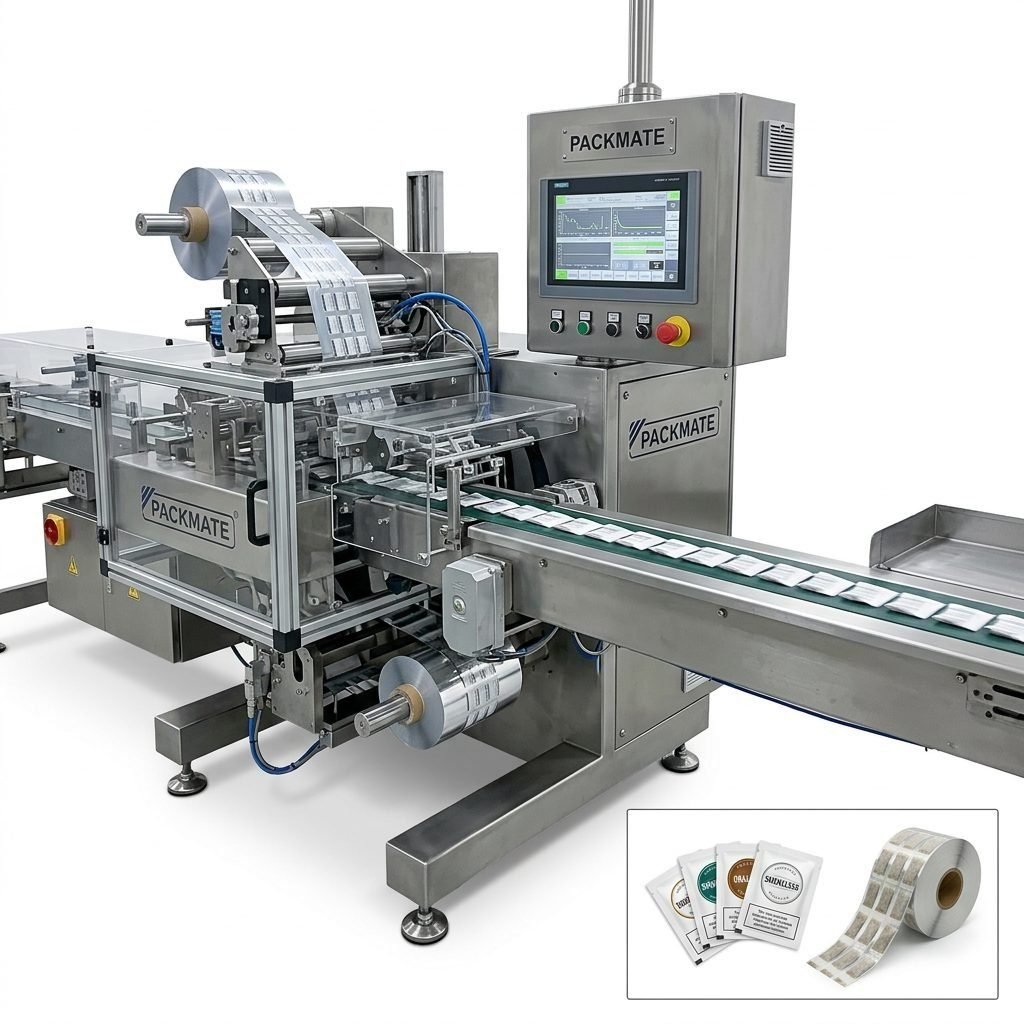
Select machines capable of producing attractive sachets, stick packs, or multi-lane pouch formats with consistent sealing and precise dosing. Machines that support custom printing, barrier films for humidity protection, and small-batch flexibility are particularly valuable for Cuban distributors and boutique brands.
Key Criteria When Choosing a Snus Packaging Machine Supplier
Use the following criteria to evaluate suppliers. These items form the backbone of a robust decision-making process.
1. Product Performance and Range
Look for suppliers offering machines that match your intended formats: snus pouch, stick pack, sachet, or multi-lane production. Machines should deliver stable speed, accurate dosing and reliable sealing — especially critical for nicotine pouches where dose precision affects product compliance.
2. Technical Capabilities & Customization
Can the supplier adjust lane counts, pouch sizes, or integrate custom feeders and printers? Packmate-style manufacturers with decades of R&D often provide highly customizable solutions for small-dose snus production and multi-lane systems.
3. Certifications and Quality Assurance
International certifications such as CE and ISO are a must for global trade. They indicate safety, build quality, and easier import clearance. Verify test reports, quality control procedures, and spare parts traceability.
4. After-Sales Support & Spare Parts
Availability of local technical support, remote diagnostics, training, and a stocked spare parts program will minimize downtime. For Cuba, ensuring timely spare parts shipment (or regional warehousing) is essential due to shipping constraints.
5. Turnkey Solutions & Integration
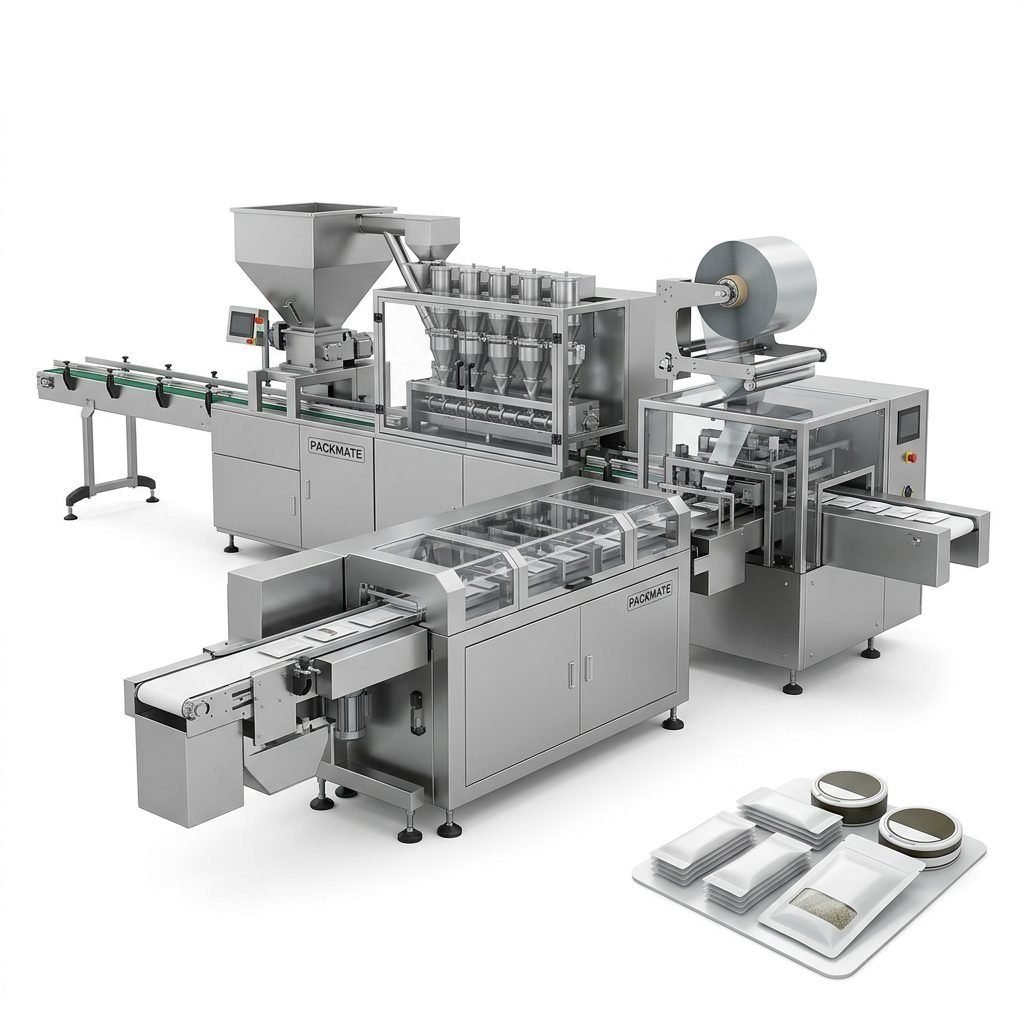
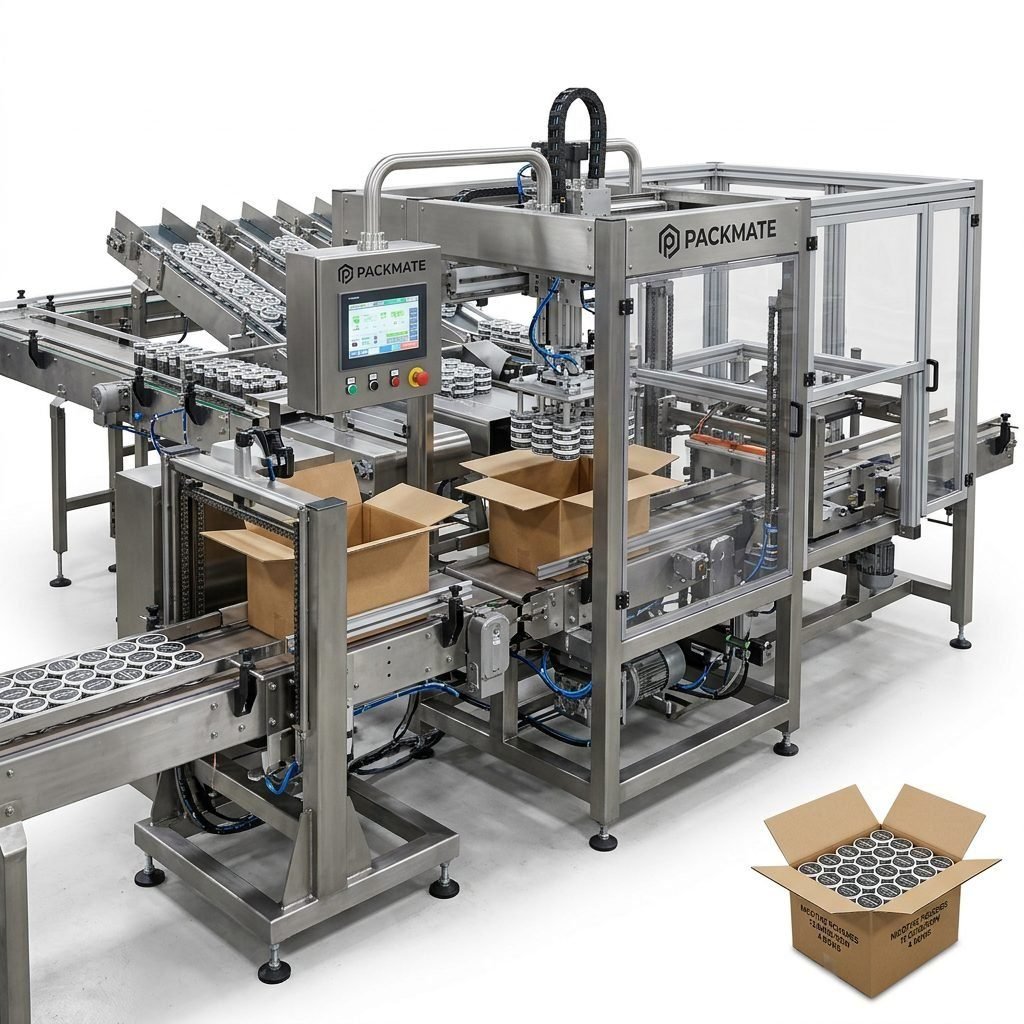
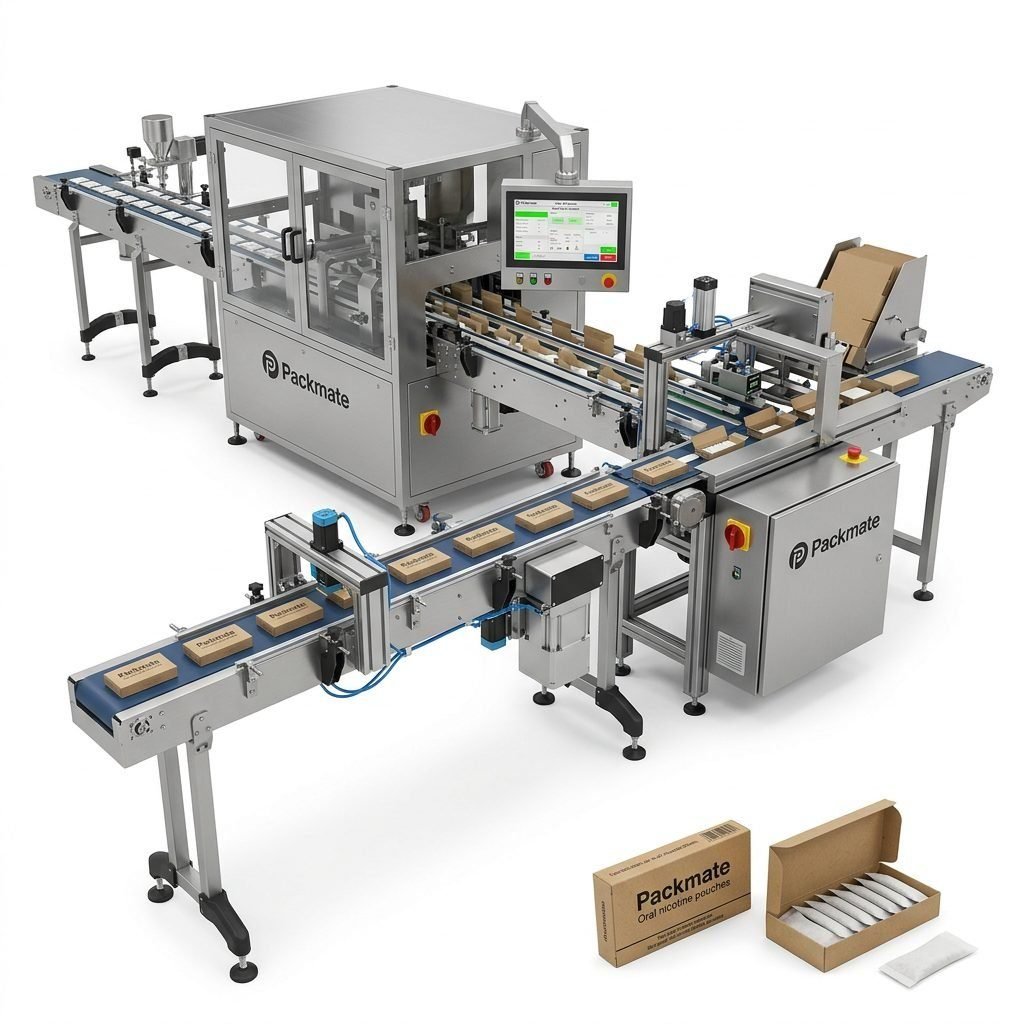
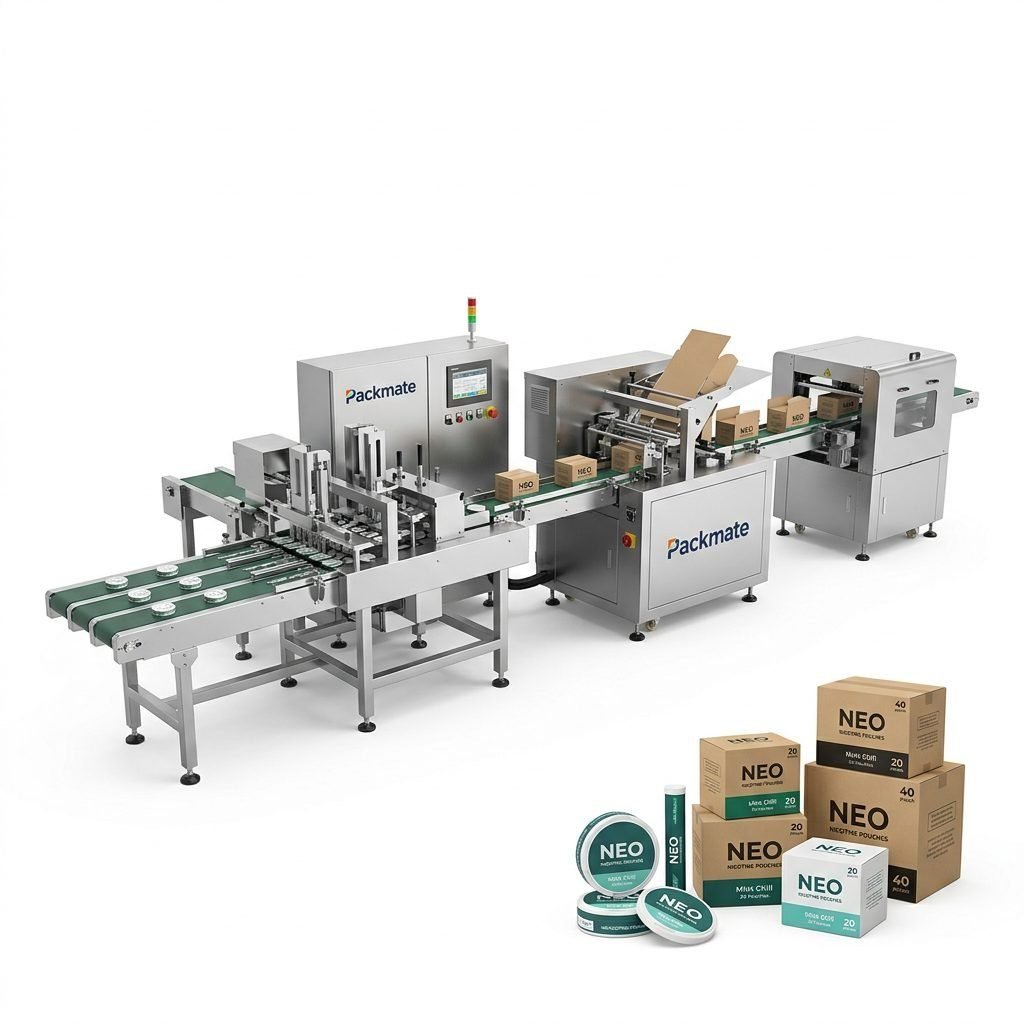
Many suppliers offer full-line systems: dosing/weighing, pouch forming, sealing, labeling, and case packing. Choosing a supplier that can deliver and integrate a complete line reduces complexity. See examples of full lines for reference: Filling & Packaging Lines.
💡 Quick checklist:
Machine format compatibility, certification status, spare parts lead time, integration capability, warranty & training.
Why Manufacturer Reputation Matters — Packmate as a Reference
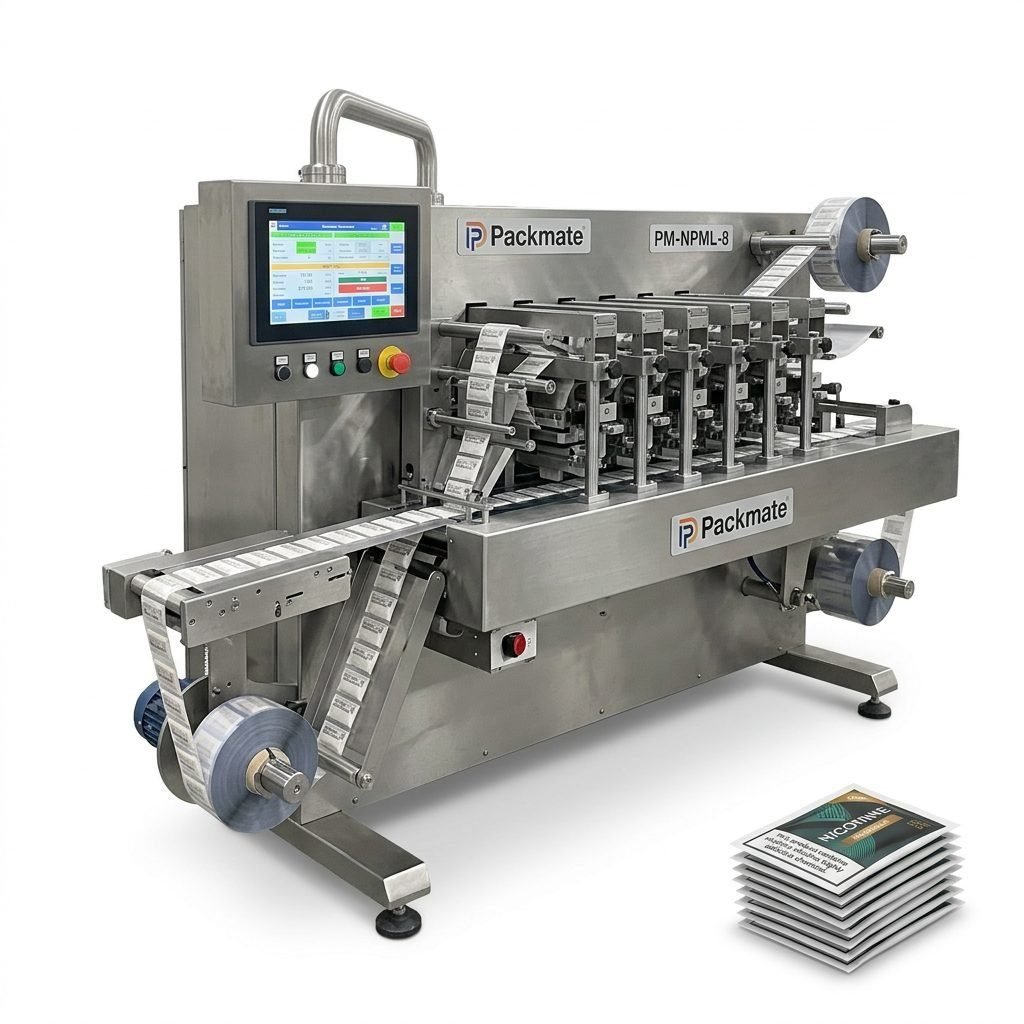
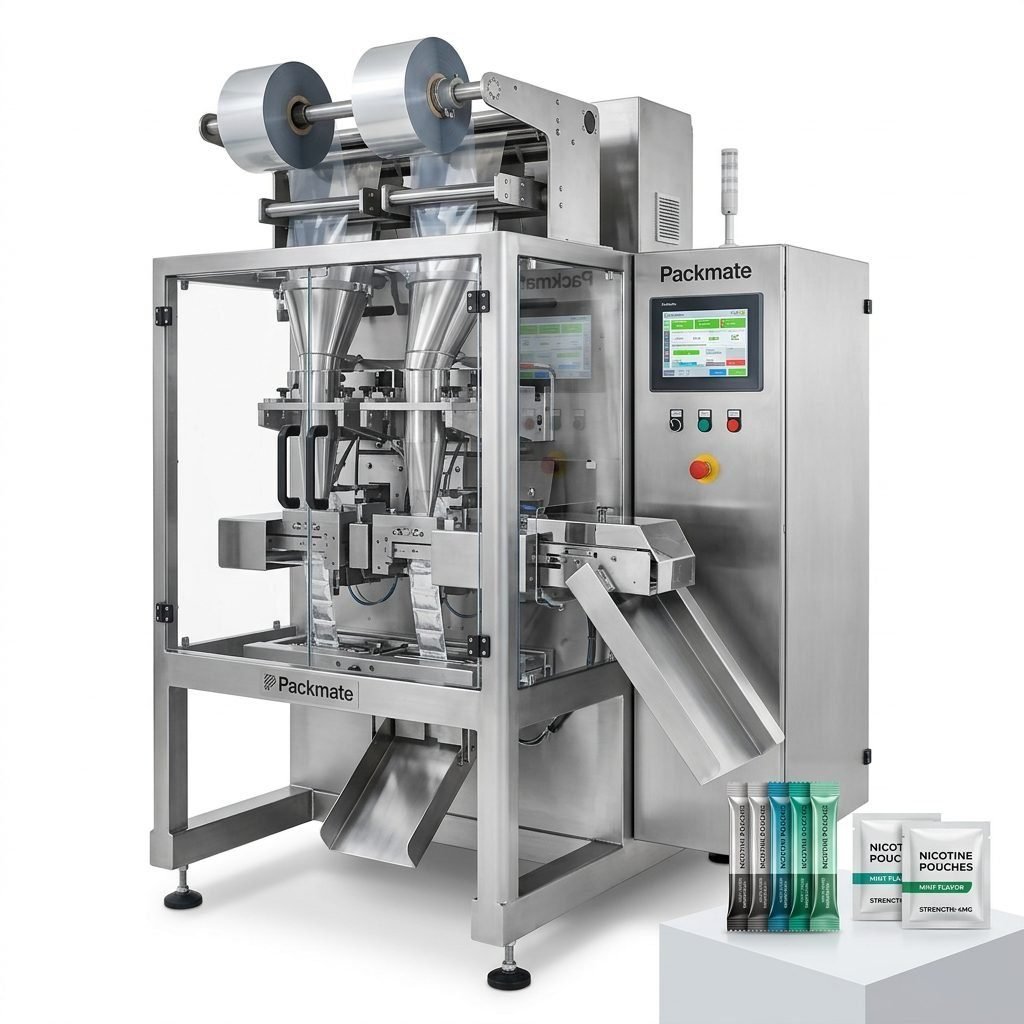
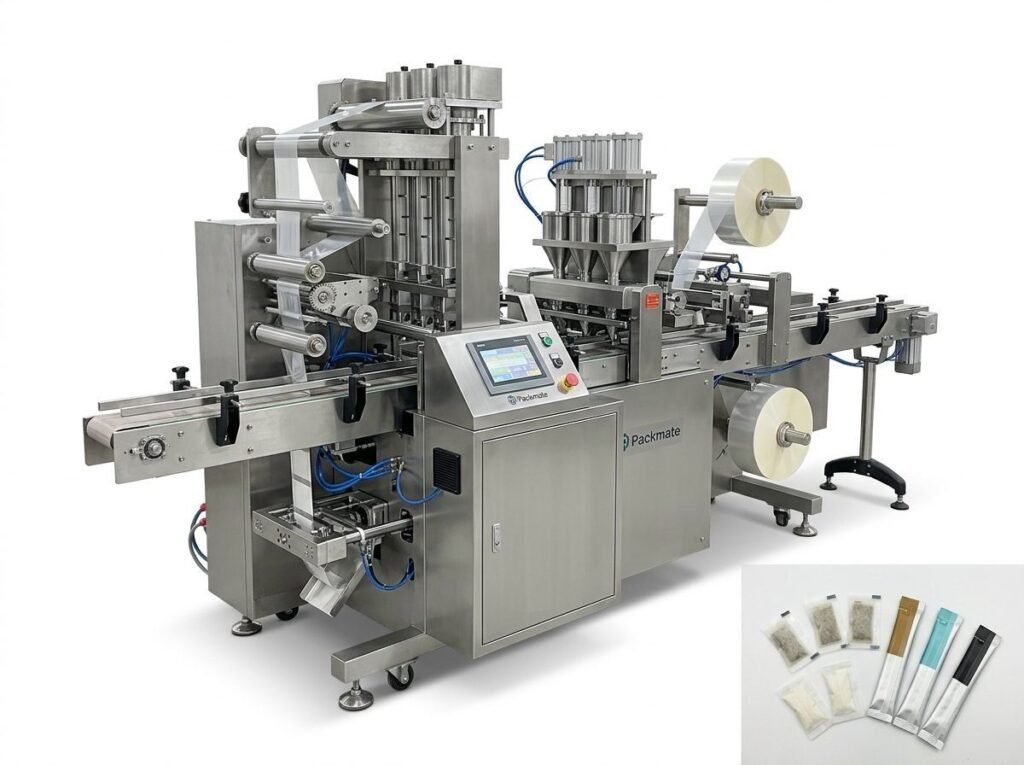
Established firms with decades of engineering experience bring proven designs and continuous improvements. For example, Packmate Snus Machine leverages 30+ years of industry experience, 50+ machine models, and a large manufacturing facility to provide reliable snus packaging solutions worldwide.
Their capabilities include snus & nicotine packaging machines, stick pack & sachet systems, and full weighing & packaging systems. Learn more about product categories here: Snus & Nicotine Packaging Machines, Sachet & Stick Pack Machines, and Weighing & Packaging Systems.
Technical Considerations Specific to Cuba
Operating in Cuba introduces specific technical needs:
- Humidity-resilient sealing systems and barrier film compatibility to prevent moisture ingress.
- Power supply adaptability: machines should handle local voltage fluctuations or include stabilizers.
- Lower-maintenance designs with accessible spare parts since shipping delays can occur.
- Small-batch flexibility: many Cuban businesses prefer to test flavors and pack designs with limited-run capabilities.
Practical Tip
Opt for machines with quick-change tooling and modular components. This reduces downtime when switching formats and simplifies maintenance in locations with limited technical resources.
Commercial & Logistical Factors
Beyond machine specs, assess the commercial capabilities of the supplier:
Delivery Terms & Lead Times
Confirm realistic delivery estimates, shipping methods, and customs documentation support. Suppliers experienced with Latin America will better navigate documentation and transit to Cuban ports.
Training & Installation
On-site commissioning and operator training are invaluable. If on-site support is limited, ensure remote training materials, video guides, and phone support are available.
Warranty, Service Contracts & Spare Parts
Review warranty coverage, response times for technical service, and the cost/lead time for critical spares such as sealing jaws, belts, sensors, and PLC modules.
Regulatory & Labeling Requirements in Cuba
Packaging and labeling for nicotine products must comply with Cuban regulations and any import rules enforced by customs. Important points:
- Spanish-language labeling is essential for consumer understanding and market acceptance.
- Clear ingredient lists, health warnings, and manufacturer/importer contact details minimize regulatory hurdles.
- Barcodes and product traceability can support distribution to both domestic retailers and tourist-facing channels.
If you need documentation or examples of compliant packaging lines, consider discussing labeling and printing modules during supplier negotiations to ensure full compliance.
Steps to Evaluate and Select Your Supplier
- Define your product formats (pouch size, dosing, sealing type, film materials).
- Request detailed technical specifications, performance curves, and video demonstrations.
- Ask for client references and case studies — see examples like industry case overviews: Case.
- Verify certifications and factory capabilities; if possible, schedule a factory visit or virtual tour.
- Request a test run with your formulation or sample product to validate dosing and sealing.
- Negotiate a clear service & spare parts agreement tailored for operations in Cuba.
✅ Must-have asks for suppliers:
live demo videos, spare parts list with lead times, local power compatibility, and a clear training plan.
Installation, Commissioning and Training
A trusted supplier will include or offer installation services, calibration, and operator training. For Cuban operations, focus on:
- Step-by-step commissioning plans and checklists.
- Local language training materials and Spanish-speaking technicians if possible.
- Remote troubleshooting tools and telemetry for faster diagnosis.
- Spare parts kits to be kept locally for common wear items.
Cost Considerations and ROI
Evaluate total cost of ownership (TCO) — purchase price is just one component. Consider:
- Energy consumption and efficiency.
- Maintenance frequency and spare parts costs.
- Operator training time and labor savings from automation.
- Yield, waste rates, and downtime impacting production throughput.
- Flexibility for new SKUs or seasonal product testing.
A higher initial investment in a well-engineered machine from an established supplier often yields better ROI through reduced downtime and fewer quality problems.
Working Successfully with International Suppliers
When your supplier is overseas, clear communication and detailed contracts help avoid misunderstandings. Key elements include:
- Detailed scope of supply and acceptance criteria.
- Agreed test samples, video demonstrations and FAT (Factory Acceptance Test) records.
- Clear delivery INCOTERMS and customs support to Cuba.
- Defined timelines for training, spare parts shipment, and remote support.
For suppliers like Packmate, their exhibition presence and global case portfolio can provide confidence. See company background to learn more: About Packmate and find exhibition events at Our Exhibition.
Maintenance Practices to Extend Machine Lifetime
Proper maintenance is crucial in Cuba’s humid environment. Adopt a proactive maintenance plan:
- Daily cleaning routines to remove dust and residues.
- Lubrication schedules and checks for moving parts.
- Regular calibration of weighing and dosing systems.
- Pre-stocking wear parts like belts, cutters, and sealing jaws.
- Preventive inspections before high-demand periods.
⚙️ Maintenance priority:
humidity control and spare-part availability are top priorities for Cuban installations.
Negotiating Terms and Final Selection
When you have shortlisted suppliers, negotiate to secure:
- Favorable payment terms and staged payments tied to milestones.
- Clear acceptance test criteria and penalties for unmet performance.
- Training and spare parts first-kit included or at discounted rates.
- Post-sale support windows and extended warranty options.
Suppliers with transparent policies and strong global references are easier to work with in cross-border setups.
Conclusion & Next Steps
Final recommendation:
Prioritize suppliers that combine proven machine performance, relevant certifications, spare parts support, and experience serving international markets. Request on-site or virtual demonstrations, validate sealing and dosing with your product, and confirm after-sales commitments to ensure smooth operations in Cuba’s unique environment.
Useful links
Explore sample product categories and service pages for more details:
Bag & Pouch Packaging Machines,
Auxiliary Packaging Equipment,
and if you need direct contact, use Contact Us.
FAQs
Q1: What machine format is best for small Cuban boutique brands?
A1: Small boutique brands benefit from flexible stick pack or sachet machines and low- to mid-speed multi-lane systems that allow small-batch trials, easy tooling changeovers, and attractive print options suited to local tastes.
Q2: How important are CE/ISO certifications when importing to Cuba?
A2: Very important. Certifications demonstrate manufacturer quality and safety, ease customs clearance, and give confidence to local regulators and distributors regarding machine reliability.
Q3: Can suppliers assist with labeling compliance in Spanish?
A3: Many reputable suppliers provide printing and labeling modules or partnerships with local converters. Confirm whether they can supply label templates or integrate printers for Spanish-language compliance.
Q4: What should I expect for spare parts lead-times to Cuba?
A4: Lead-times vary; expect longer transit times compared with regional deliveries. Negotiate an initial spare-parts kit and consider regional warehousing or expedited shipping options to minimize downtime.
Q5: How do I validate a supplier before purchase?
A5: Request Factory Acceptance Tests, video demos, client references, detailed technical specs, and if possible, a trial run with your product to confirm dosing and sealing performance before final payment.