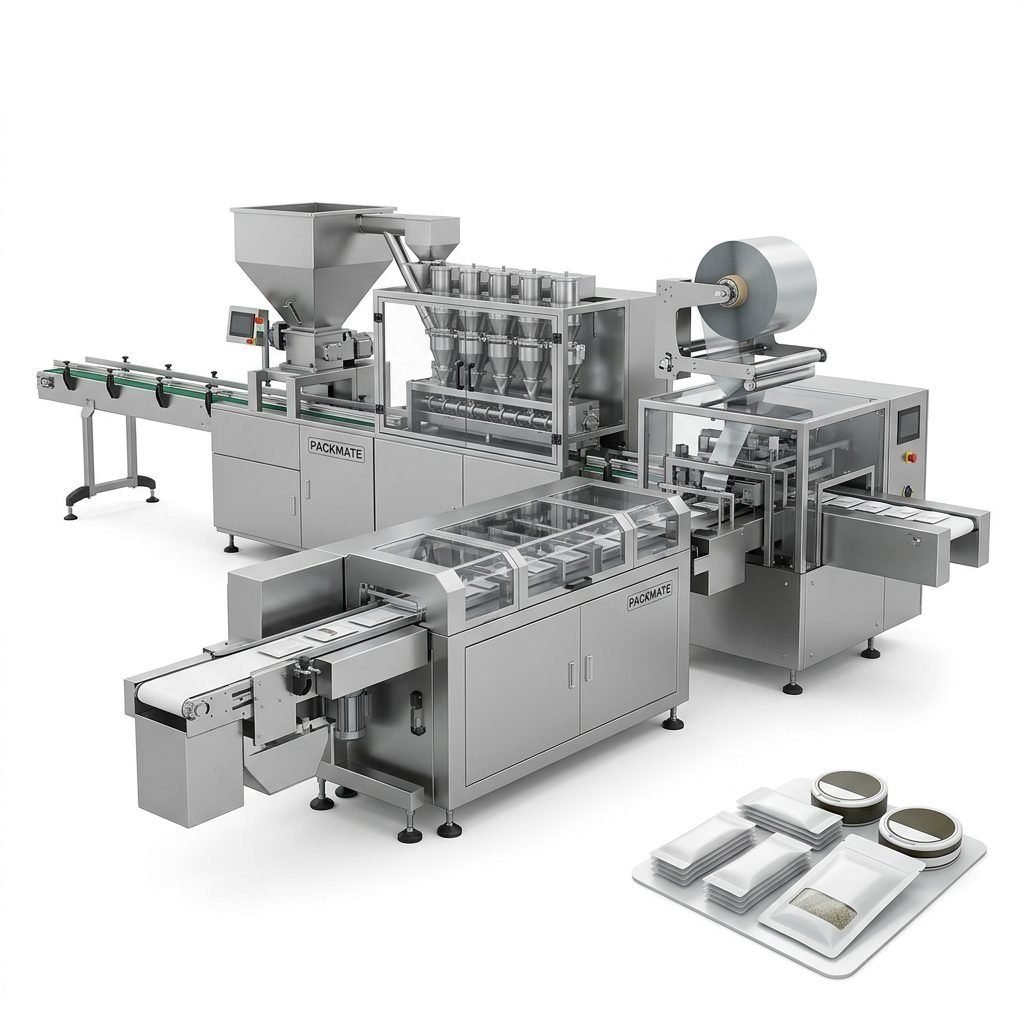
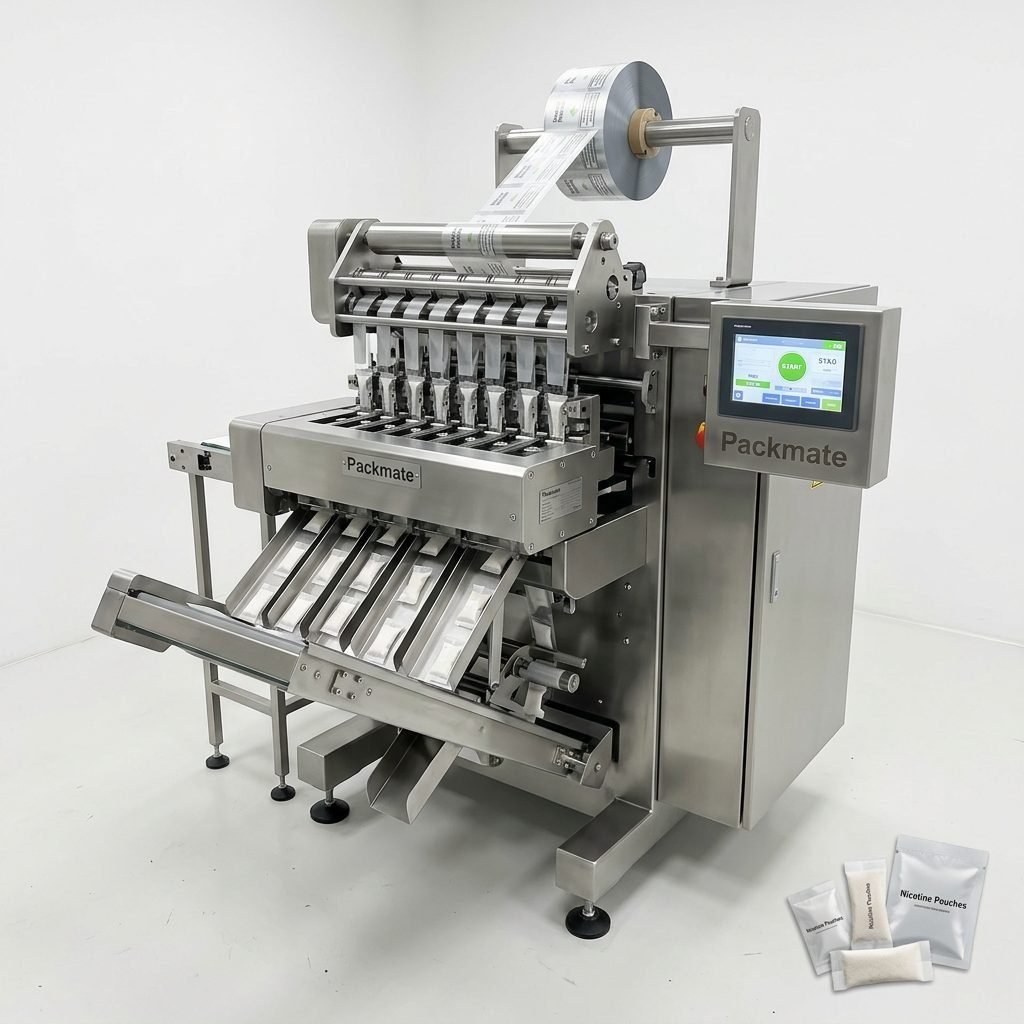
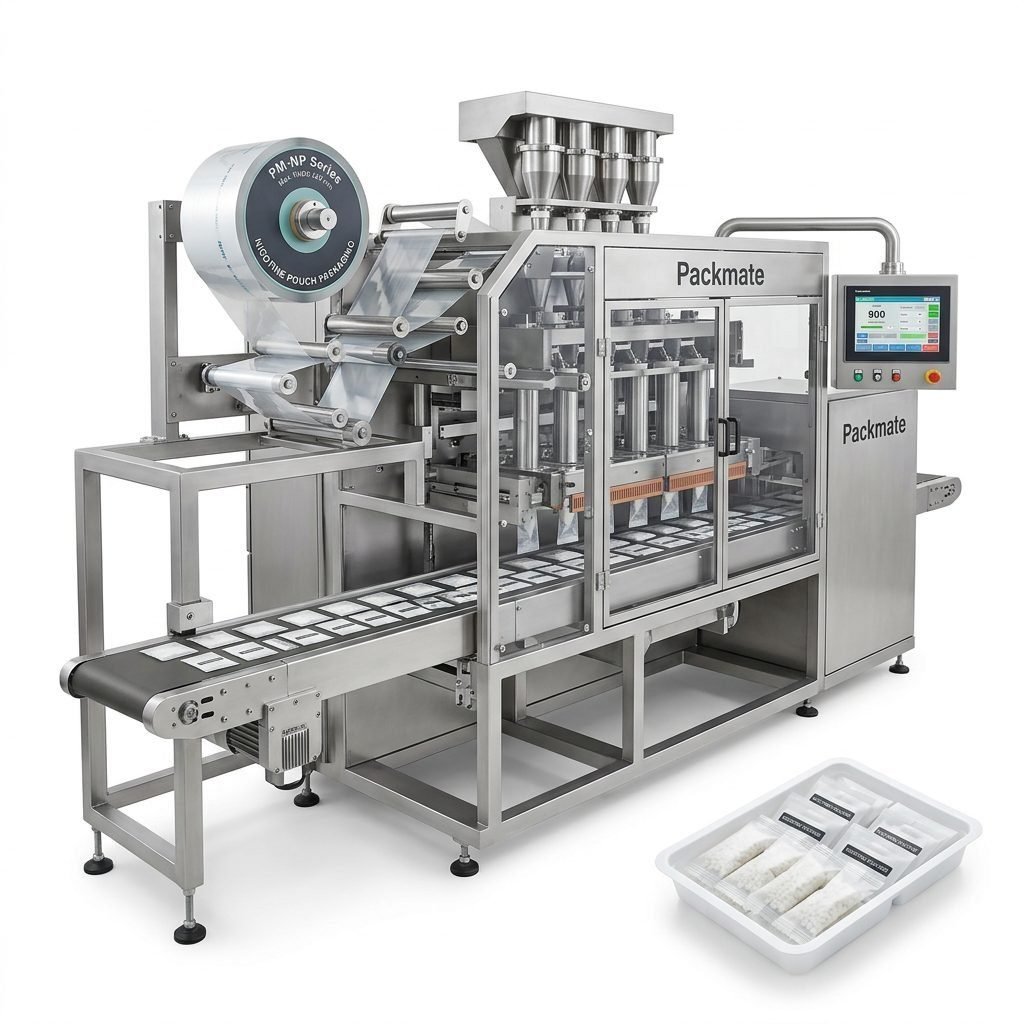
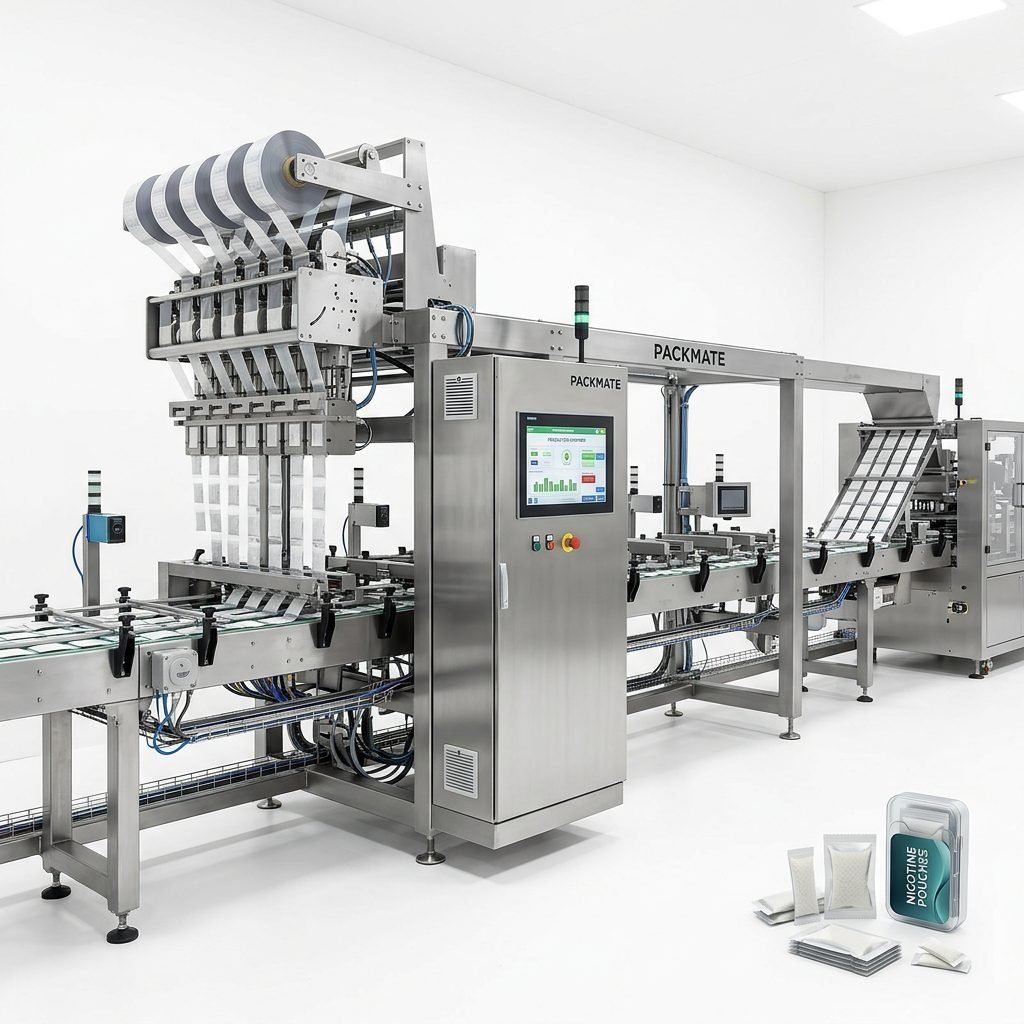
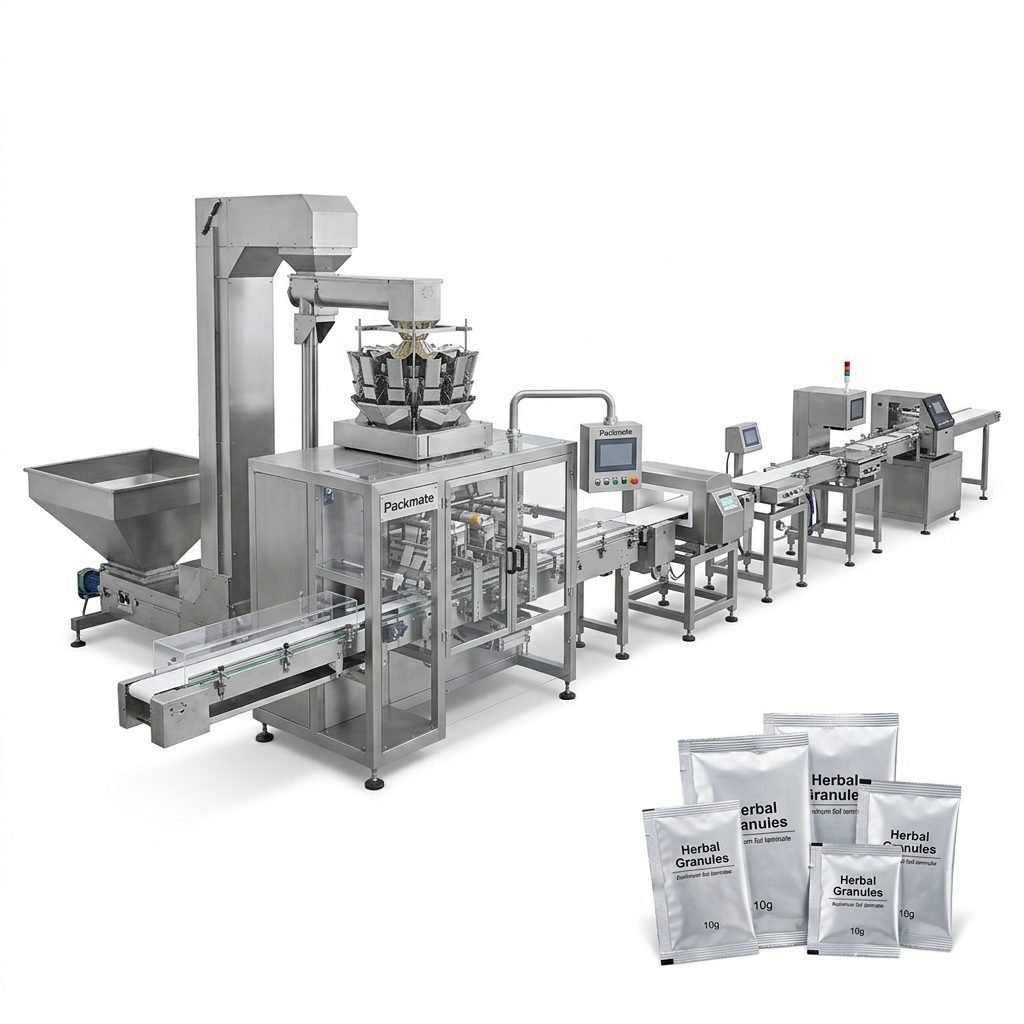
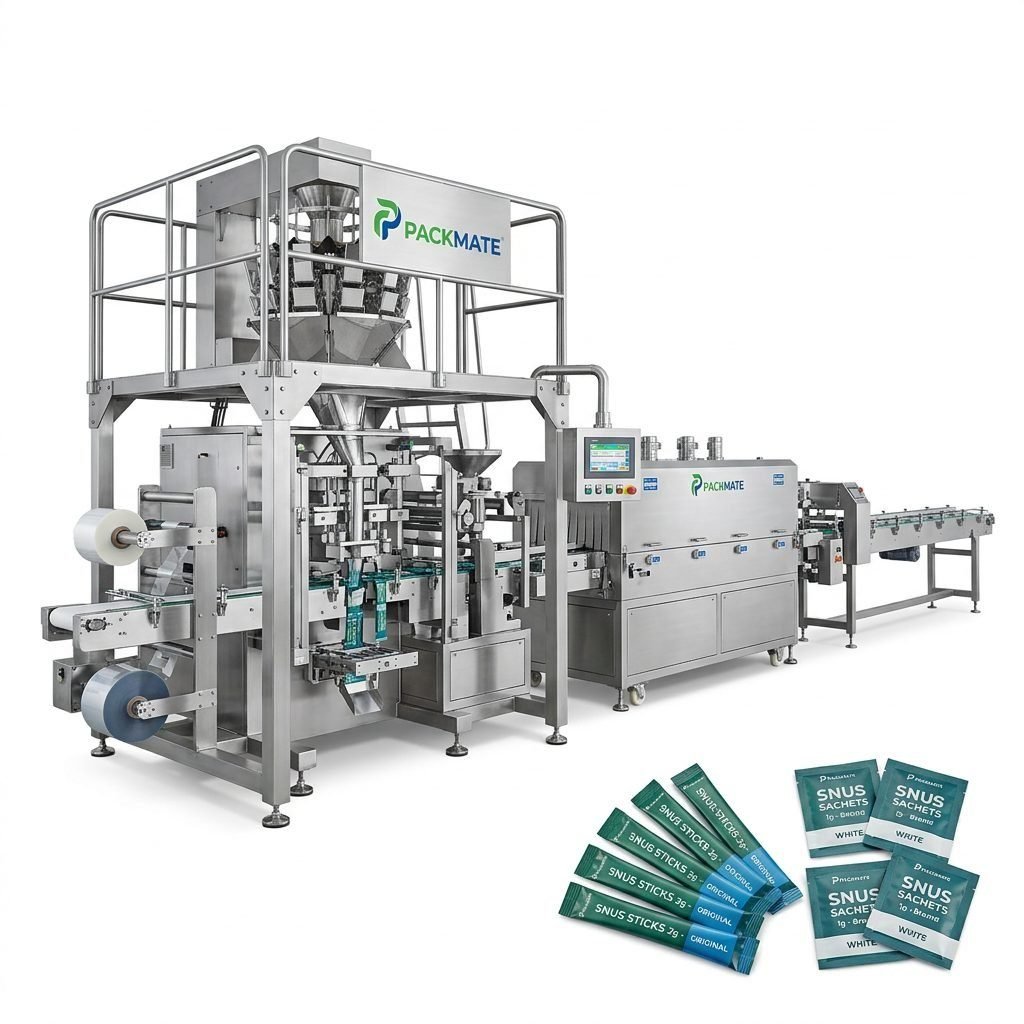
Choosing the right snus packaging machine manufacturer for your business in Armenia is more than a procurement decision — it’s a strategic investment that affects product quality, regulatory compliance, production cost and your brand reputation. Whether you are launching nicotine pouches, snus sachets, or multi-lane small-dose products, understanding technical capability, after-sales support, and local market specifics will help you pick a partner who can scale with you.
Why the choice of snus packaging equipment matters in Armenia
Armenia’s market is characterized by a small but growing demand for alternative nicotine products, influenced by both domestic consumer behavior and returning diaspora trends. Selecting the right packaging equipment affects:
✦ Production stability and uptime — machines with robust components reduce downtime and protect margin. Reliable uptime is critical when batch sizes are small and order cycles are frequent.
✦ Packaging integrity and compliance — nicotine and snus products often require tamper-evident, moisture-resistant packages and clear labeling for customs and local regulators.
✦ Flexibility for product variety — choose equipment that handles sachets, stick packs and multi-lane formats if you expect to expand SKUs.
Key quick-win considerations
⚙️ Machine performance specs (speed, accuracy, lane count)
🧩 Standardization & spare parts availability in your region
🔧 After-sales technical support and training
1. Technical features to evaluate
When comparing manufacturers, prioritize machines with clear, testable technical specifications. Ask potential suppliers for machine datasheets and on-site demonstration videos that show real product runs.
✓ Filling accuracy: For nicotine pouches precise dosing avoids regulatory issues and product waste.
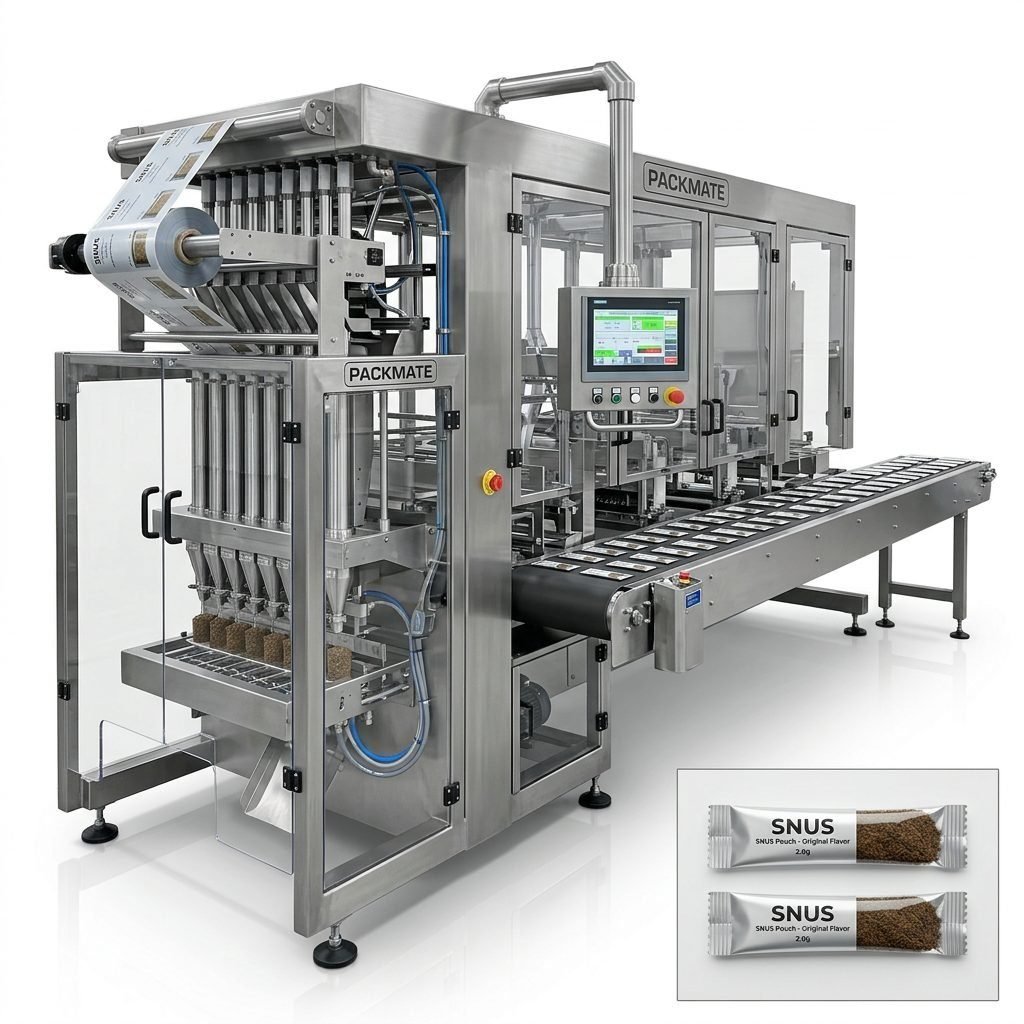
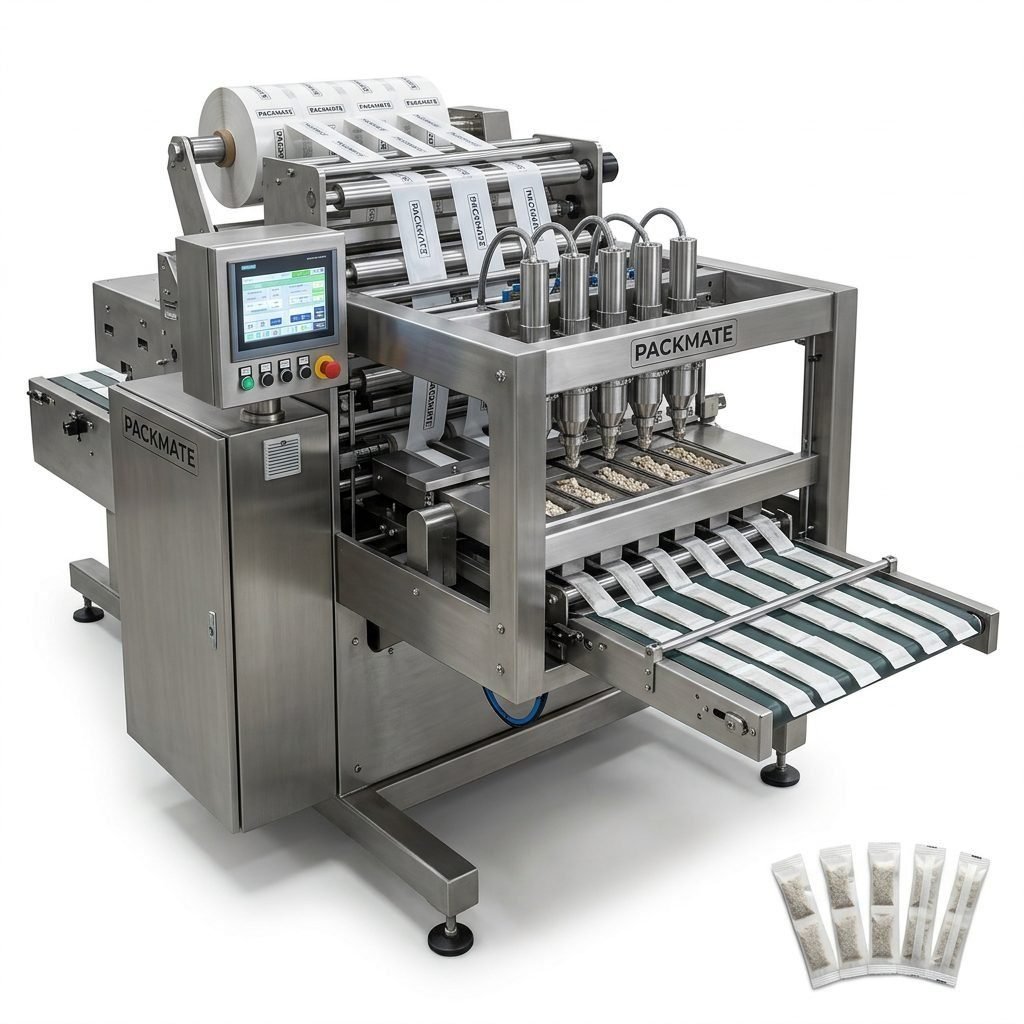
✓ Multi-lane capability: Multi-lane lines increase throughput for small-dose pouches while keeping floor space efficient.
✓ Material compatibility: Ensure the machine supports the film types you plan to use (foil, laminated films, barrier films).
✓ Changeover & tooling: Fast, documented changeover procedures minimize downtime when switching SKUs.
2. Certifications & regulatory compliance
Armenia imports many industrial machines and expects international standards to ensure safety and reliability. Look for suppliers with CE, ISO and relevant electrical or machine safety certificates. Suppliers who can support your import paperwork and provide compliant labeling solutions will reduce time at customs.
Important documentation to request:
• Machine CE certificate and test reports
• ISO quality system statements
• Electrical schematics and user manuals in English (and Russian or Armenian where possible)
3. After-sales support and spare parts in Armenia
Local service capability is a common challenge for Armenian buyers. A few practical steps:
✦ Ask about spare parts lead times and whether the supplier stocks critical parts in regional warehouses or can send parts rapidly by air.
✦ Check whether the manufacturer offers remote troubleshooting, on-site commissioning, and training for operators and maintenance staff. Suppliers that provide clear service packages reduce long-term operational risk.
✦ Verify if local technicians or partners are available who speak Russian or Armenian to ease communication and service scheduling.
4. Factory capability and customization — what to verify
When sourcing from overseas, evaluate the manufacturer’s production capacity and customization experience. Key indicators include:
• Years of engineering experience and a portfolio of customized lines for snus and nicotine pouches. Providers with long histories typically have refined multi-lane and stick pack solutions.
• Factory size and machining capability — look for facilities with CNC centers and precision assembly lines. These reduce risks of quality variability.
• Turnkey solution experience — if you need integrated filling, weighing, feeding and packaging, a single supplier who can deliver a full line reduces integration headaches.
5. References, case studies and trade shows
Ask for case studies, client references in similar markets, and exhibition records. A supplier that demos machines at international shows often provides more transparency and easier verification of live performance.
Explore product pages and case examples to understand real-world applications: Snus & Nicotine Packaging Machines, Sachet & Stick Pack Machines, and view global installation cases at Case.
6. Local market and cultural considerations in Armenia
Armenia’s consumer habits and regulatory environment shape the ideal packaging approach. Keep these local factors in mind:
• Consumers appreciate discreet, compact packaging. Designs that are convenient for daily carry and discreet use can perform better in urban Armenian markets.
• Language & labeling — while many businesses operate in Russian and English, ensure your packaging labels comply with Armenian customs and market expectations; consider Armenian-language labeling for retail distribution.
• Distribution channels are often small retail chains and specialty stores; choose flexible production equipment that supports short, frequent production runs and quick SKU changes.
Practical checklist before signing a contract
1) Verify machine test videos with your product weight and film type.
2) Confirm CE/ISO certificates and spare parts list with lead times.
3) Agree on training, commissioning schedule and spare parts warranty.
4) Ask for references in similar climates or markets.
7. Cost vs. total value — looking beyond the purchase price
The lowest upfront price often leads to higher lifetime cost. Consider:
• Energy consumption, maintenance intervals and mean time between failures (MTBF).
• Availability of interchangeable modules so you can upgrade lanes or add features without replacing the whole machine.
• Warranty scope and inclusive services (installation, spare parts kits, remote diagnostics).
8. How Packmate (example supplier) supports global customers
Companies with long engineering experience and large manufacturing facilities typically offer stronger guarantees on performance and customization. For example, experienced manufacturers provide:
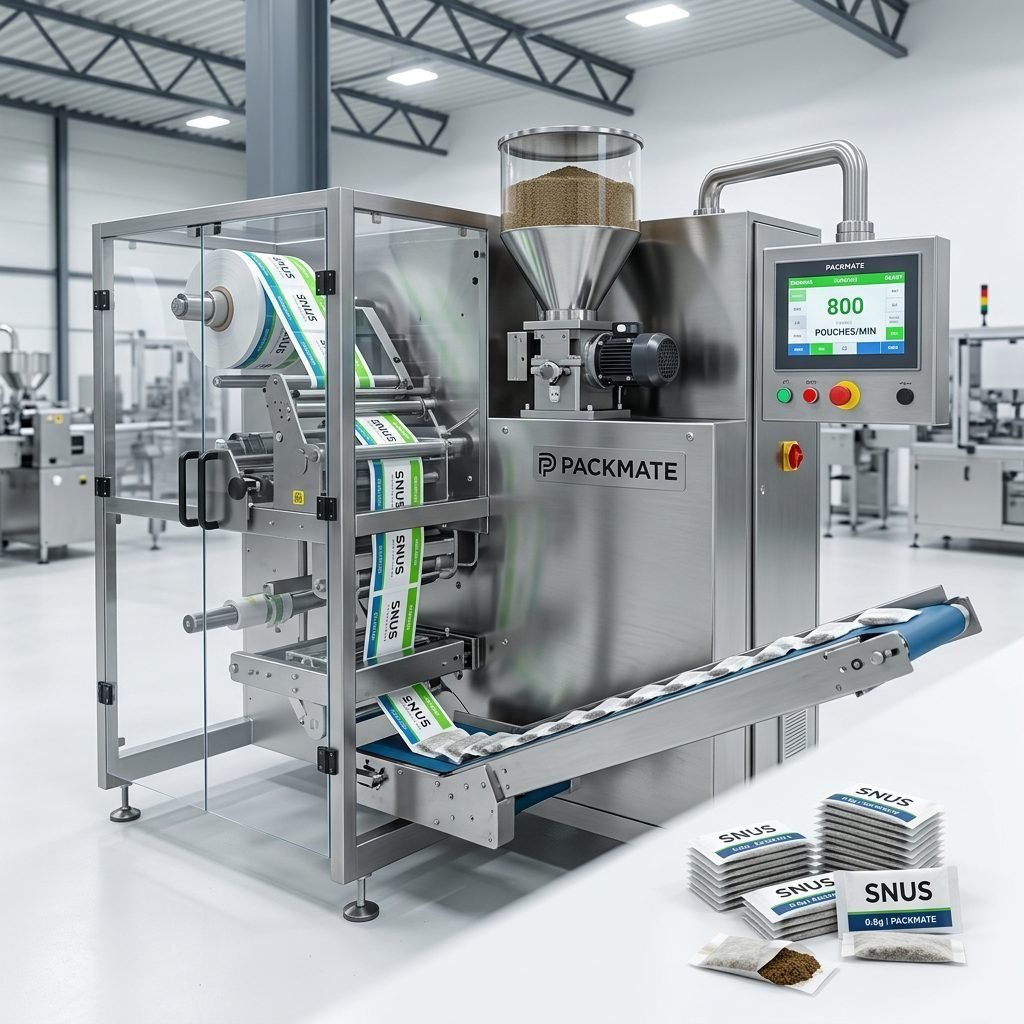
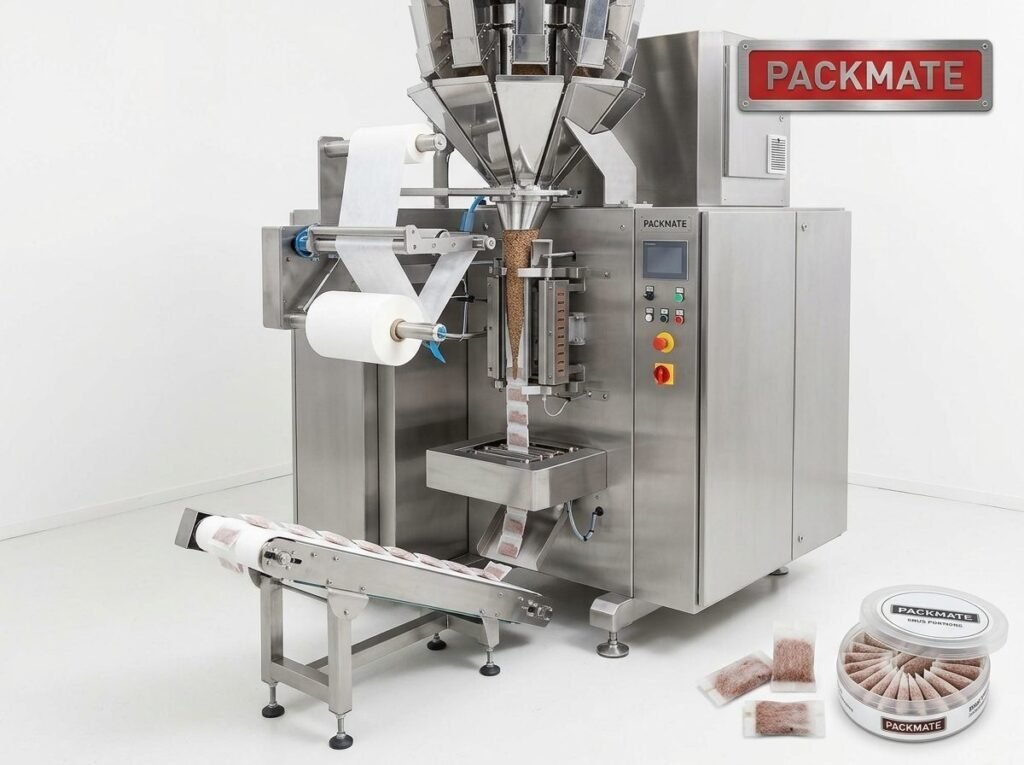
• A wide portfolio of models for snus and nicotine pouch production, including stick pack and sachet solutions — see Bag & Pouch Packaging Machines and Weighing & Packaging Systems.
• Large workshops with CNC centers that ensure precision parts and consistent assembly across multiple models.
9. Remote evaluation and acceptance testing
In many cases you may not be able to visit the factory. Ask the supplier to provide:
• Live video demonstrations of your product running on the machine.
• A factory acceptance test (FAT) report with measured tolerances and production speed metrics.
• A clear installation and commissioning plan, and contact points for on-site engineers.
Useful resources
• About the manufacturer and mission: About Packmate
• Service and support offerings: Service
• Contact for quotations and technical queries: Contact Us
Final steps: putting the decision process into practice
1) Shortlist 2–3 manufacturers that meet technical, certification and service criteria.
2) Request FAT videos, spare parts lists and a written commissioning plan.
3) Validate references and ask for at least one customer in a similar regulatory environment or with similar product formats.
4) Negotiate a clear warranty and spare parts agreement, and ensure language barriers are addressed with bilingual documentation or local technical partners.
FAQs
Q1: How important is CE certification when importing packaging machines into Armenia?
A1: CE certification is valuable because it demonstrates compliance with EU safety standards and often simplifies customs clearance and buyer confidence. Always request supporting test reports and verify certificate authenticity.
Q2: What lead time should I expect for a customized snus packaging line?
A2: Typical lead times vary from a few weeks for standard machines to several months for fully customized turnkey lines. Confirm production schedules, material lead times and FAT availability before signing.
Q3: Can I buy spare parts locally in Armenia?
A3: Some generic parts may be sourced locally, but critical components and machine-specific parts usually come from the manufacturer. Negotiate stocking agreements or priority shipping for key spares to minimize downtime.
Q4: How can I verify a supplier’s real-world machine performance remotely?
A4: Request live video demos using your product, FAT documentation, client references and recorded runs on similar products. Look for consistent metrics (speed, accuracy, rejection rates) across multiple demonstrations.
Q5: Where can I learn more about industry solutions and examples?
A5: Review manufacturer product pages and case studies to see installed solutions and performance results. Helpful links include Filling & Packaging Lines and the manufacturer’s exhibition and certificate pages to verify presence and compliance.