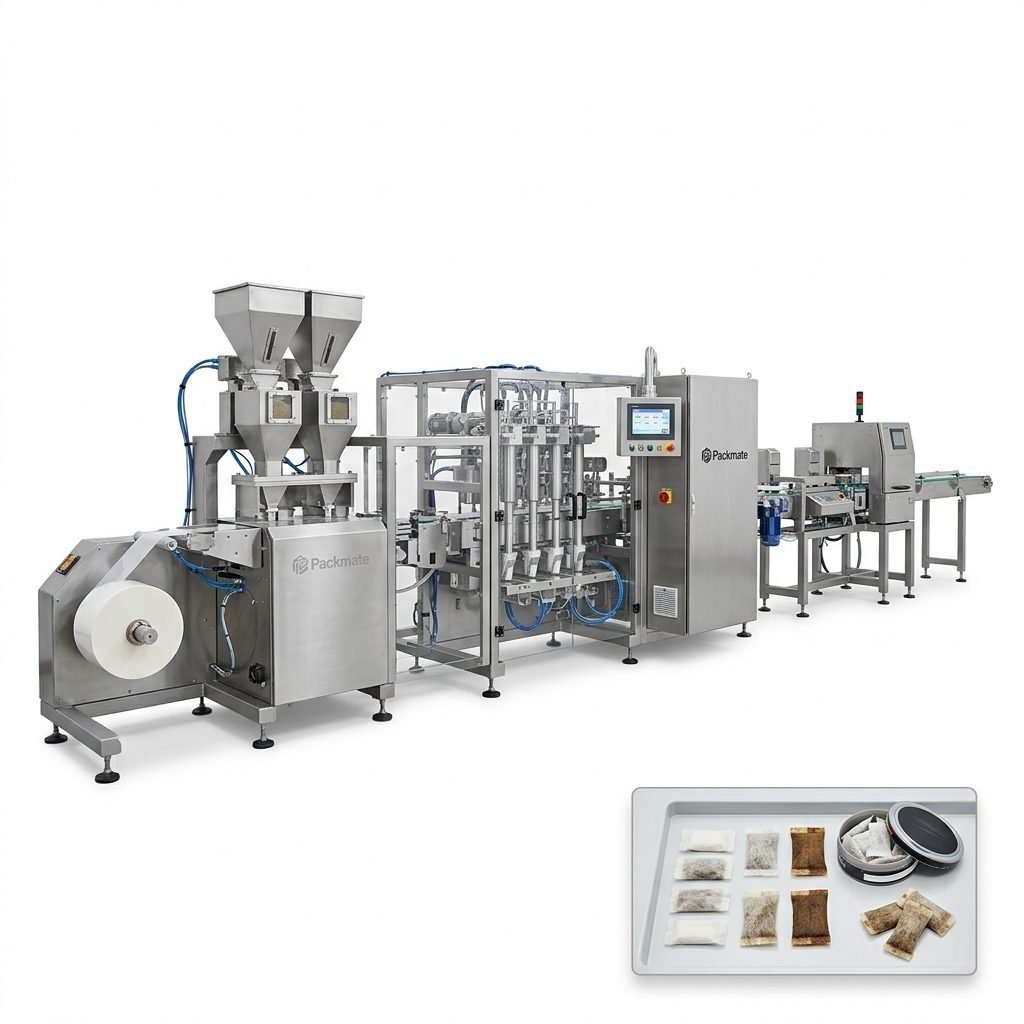
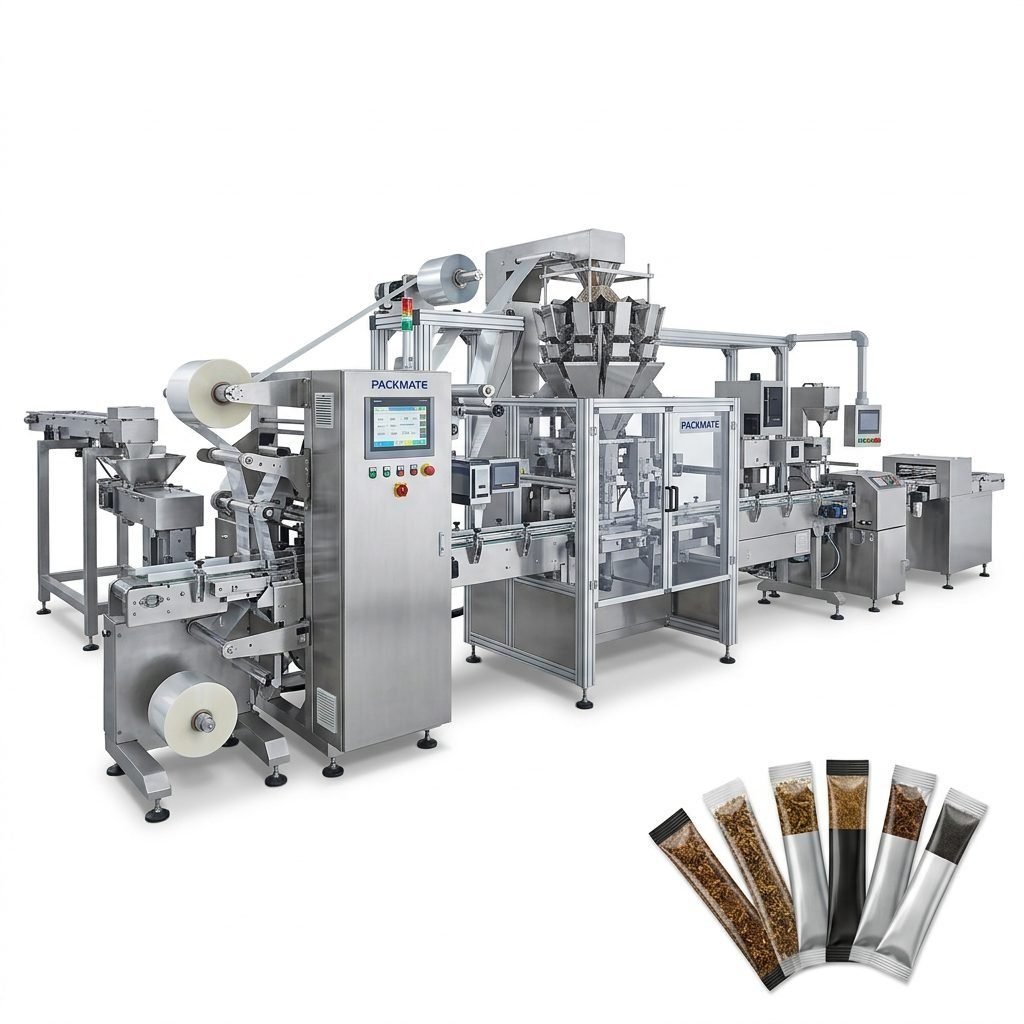
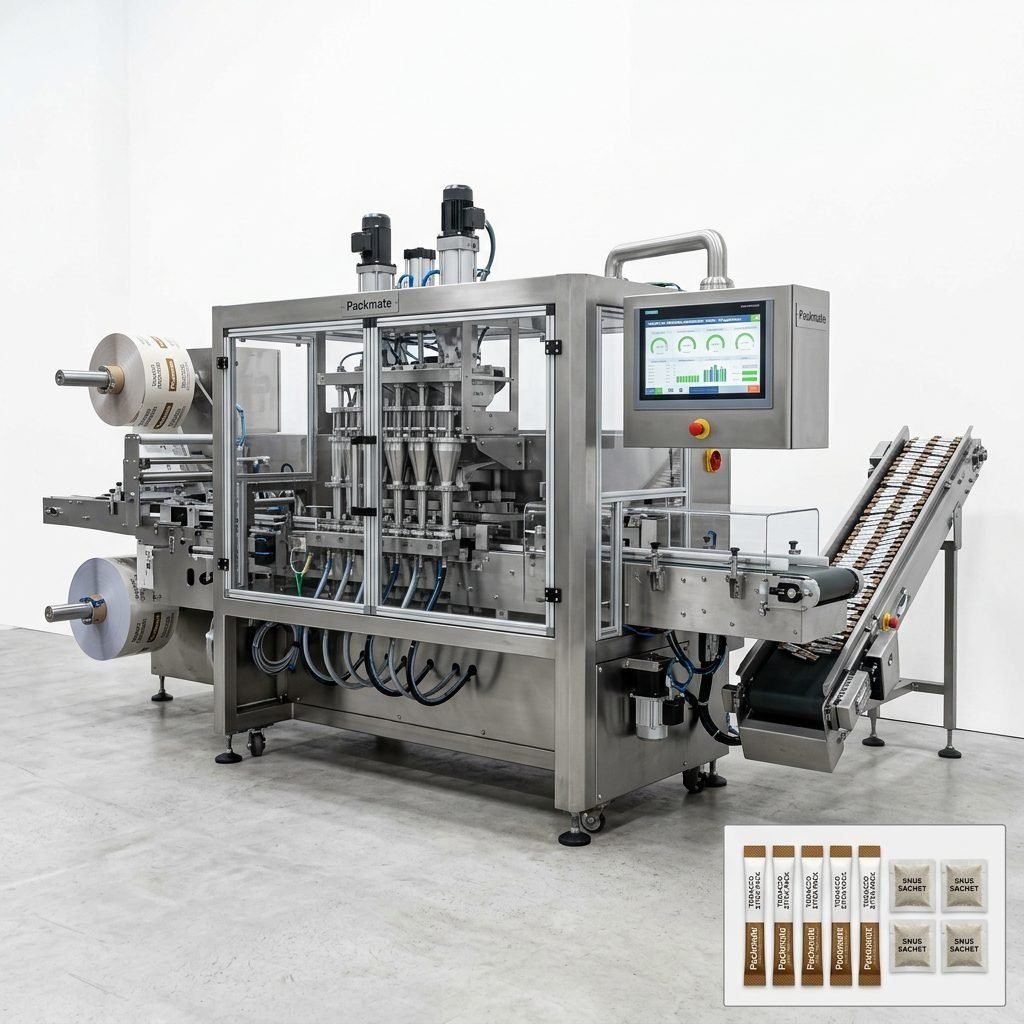
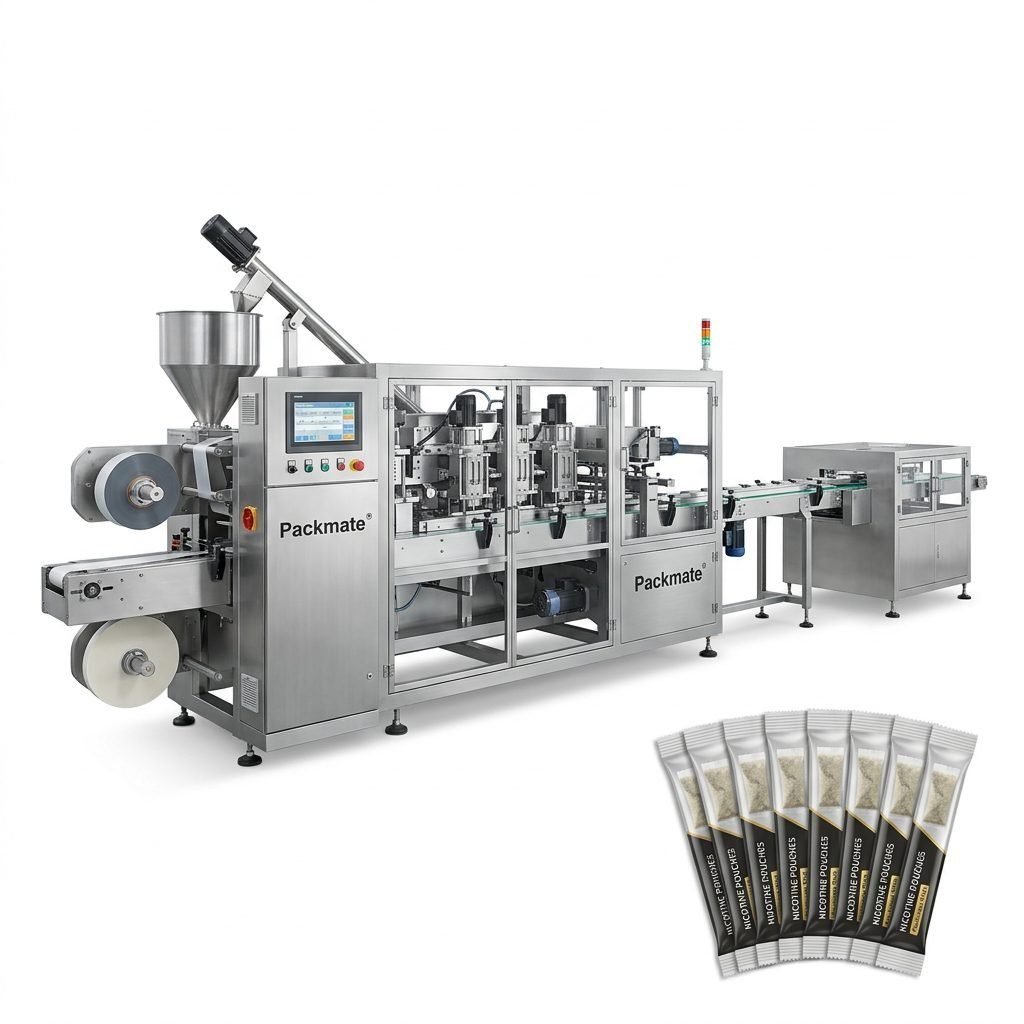
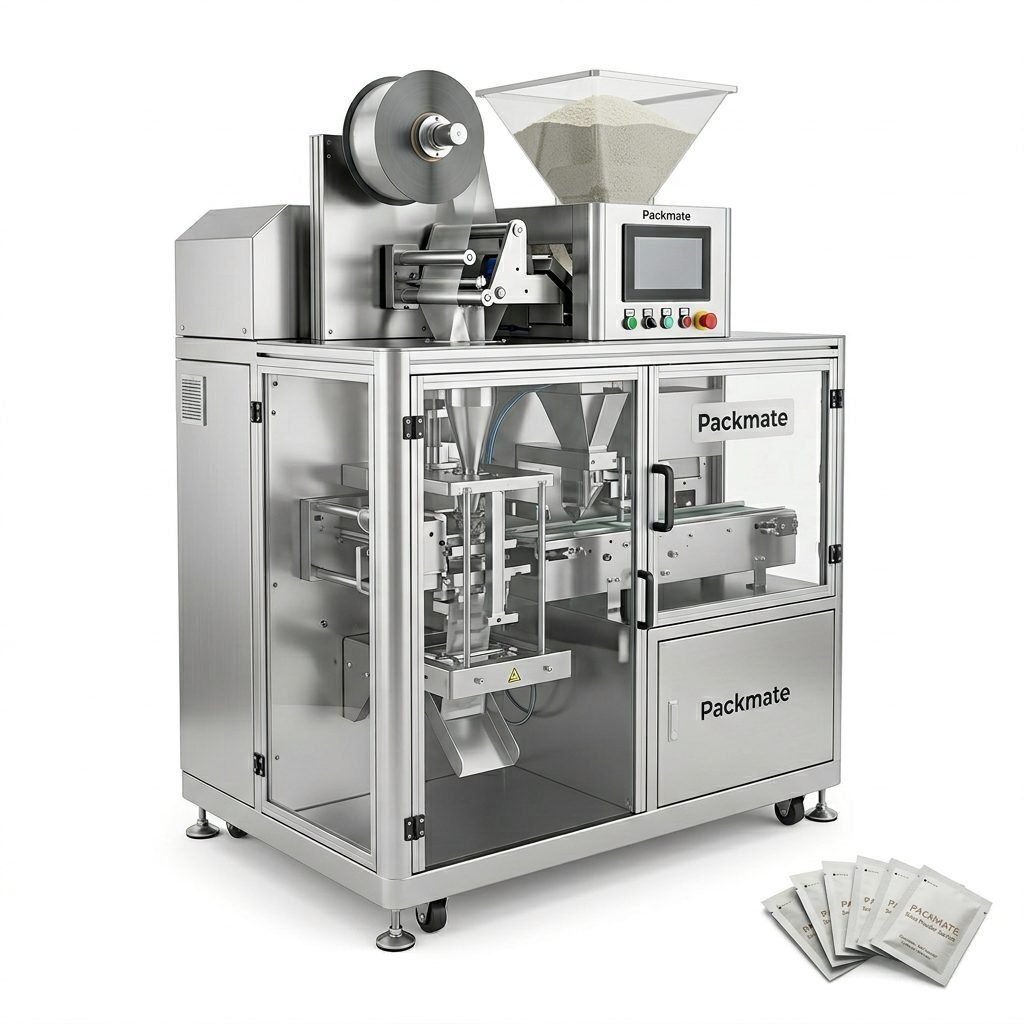
Choosing the best snus packaging machine in Rwanda requires blending technical requirements with an understanding of local market preferences, regulatory landscape, and operational constraints. This guide walks through essential selection criteria, practical tips for procurement, and post-purchase considerations tailored to Rwandan businesses—from startups in Kigali to regional distributors—helping you invest in a reliable snus or nicotine pouch packaging line that fits local realities.
Understand the Rwandan Market and Local Habits
Rwanda’s consumer base is diverse with a strong focus on product safety and compliance. English, Kinyarwanda, and French are commonly used in business; labeling often needs multilingual support. While tobacco consumption patterns differ from Western markets, nicotine pouches and snus are emerging niche products—buyers in Rwanda pay attention to compact packaging, discreet portion sizes, and hygiene standards. Consider packaging that supports small-batch testing, clear labeling, and local aesthetic preferences.
Key Local Factors to Consider
Power supply: Rwanda uses 230V/50Hz—confirm machine compatibility or transformer needs. Humidity and highland climate can affect pouch sealing and shelf life, so consider climate-control options in your production area. Space is often limited in local workshops; modular and compact machines can be advantageous for Rwandan SMEs.
🔧 Tip: For many Rwandan operators, a mid-speed multi-lane sachet or stick pack line (with easy changeover) provides the best balance between investment cost and output flexibility.
Decide the Right Machine Type for Your Product
Understanding the end-product you want to produce is the first step. Typical machine types include:
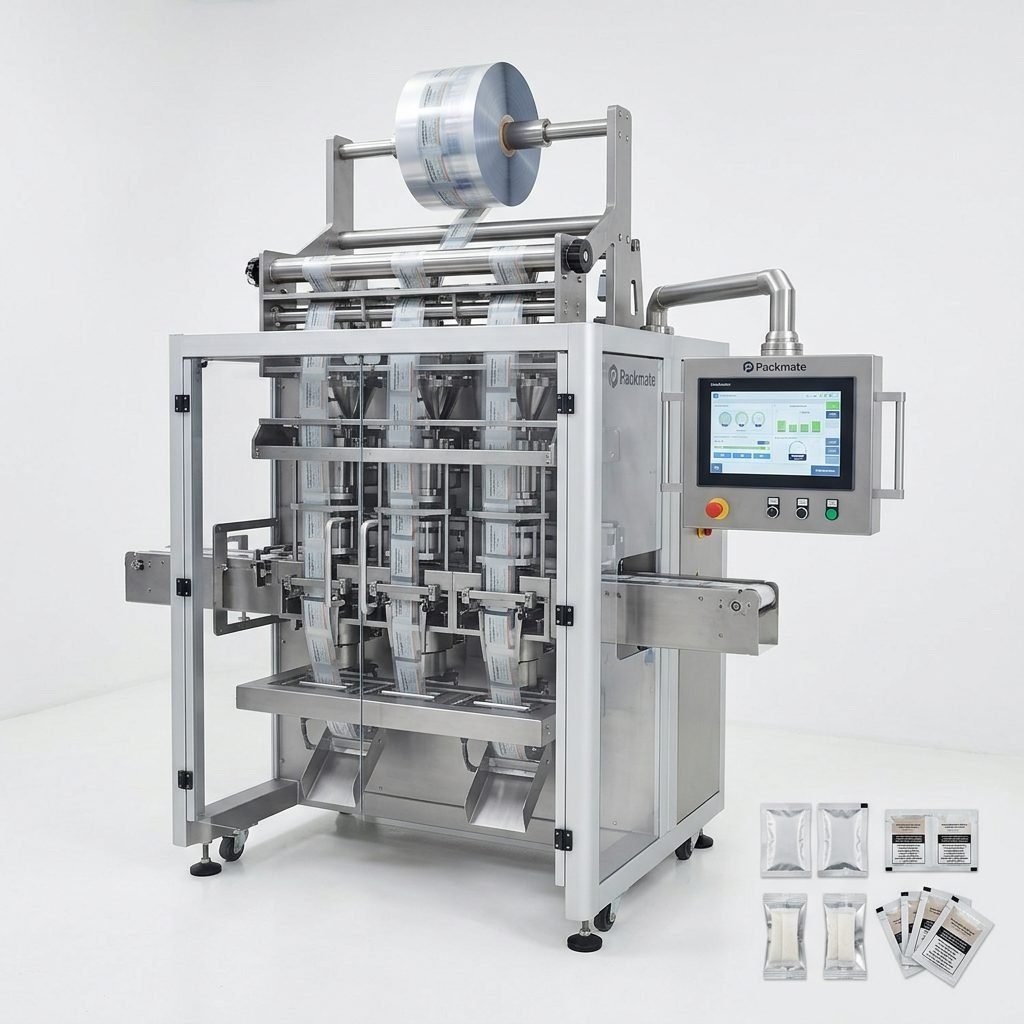
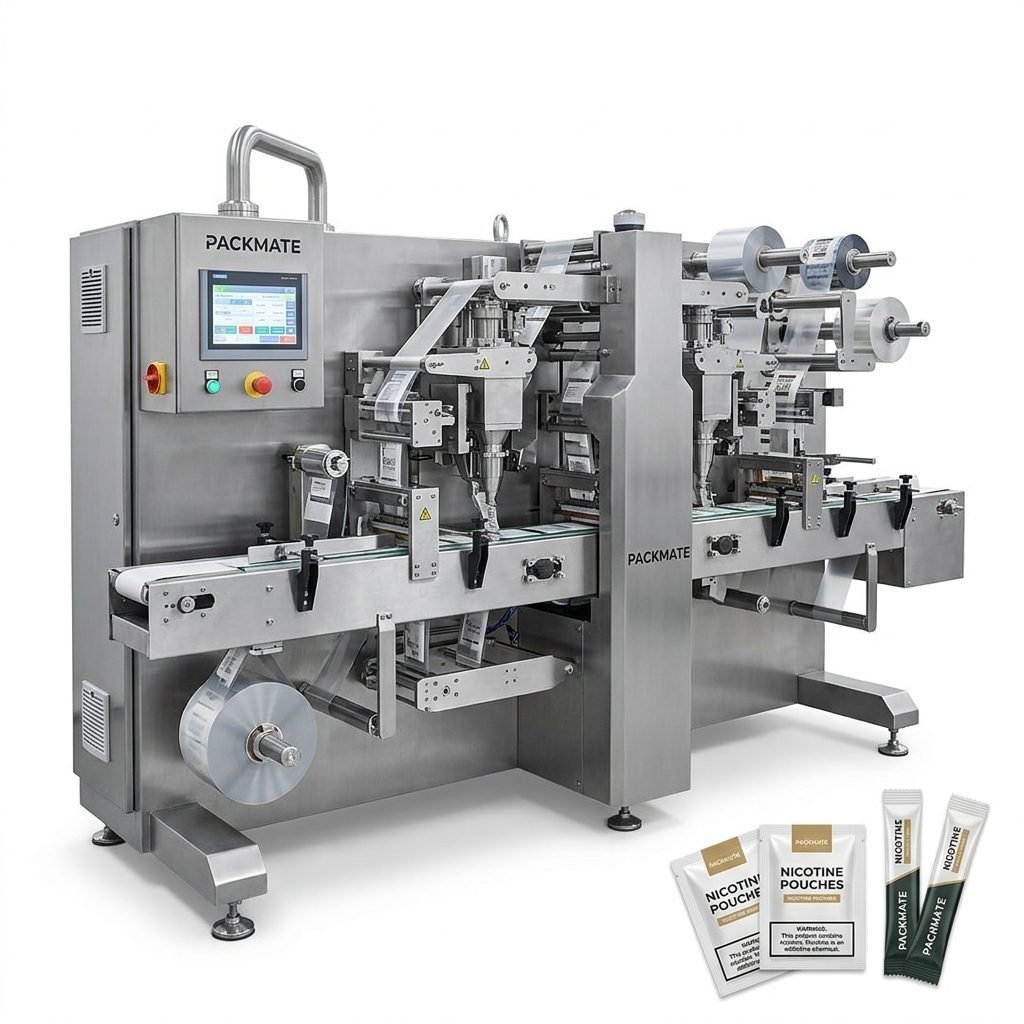
– Sachet & stick pack machines for single-dose pouches and slim portions.
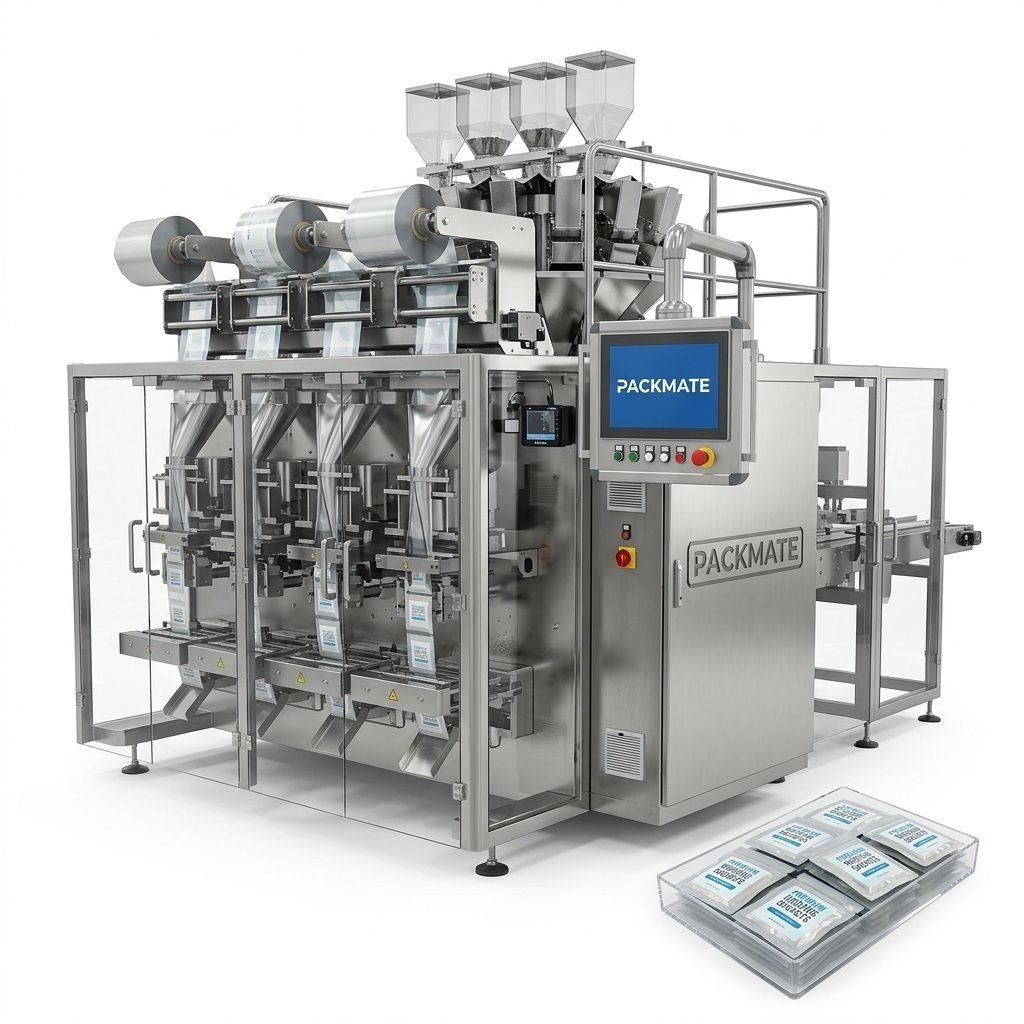
– Multi-lane snus pouch machines for high-output nicotine pouch production.
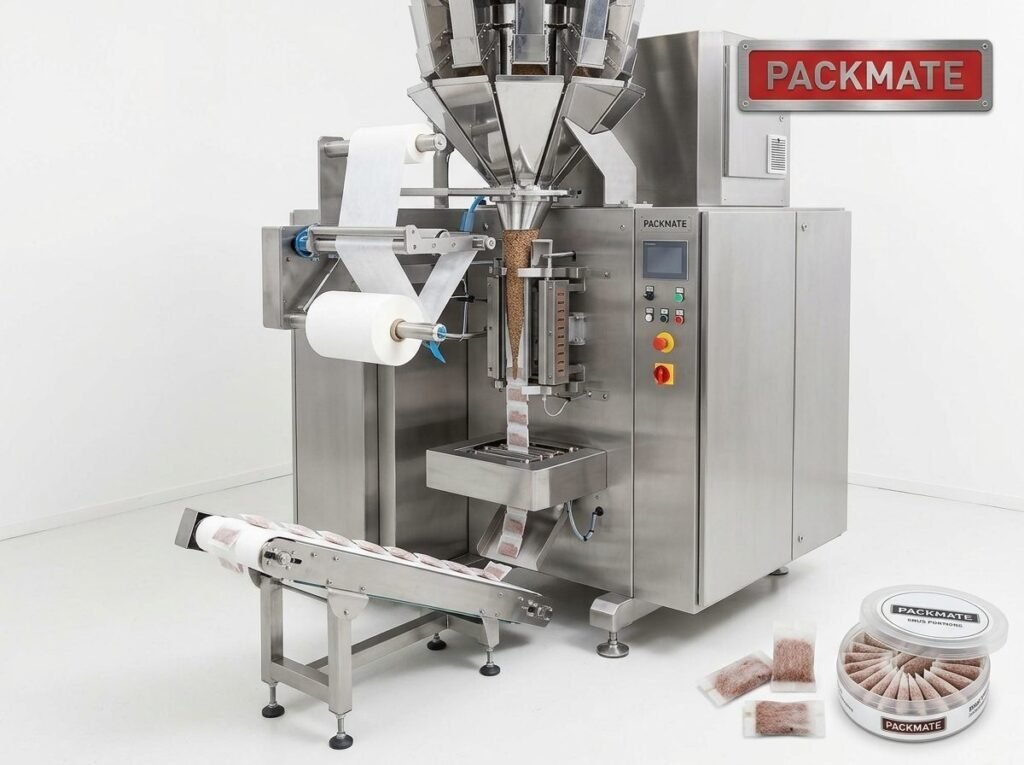
– Filling & packaging lines for combined weighing, filling, and pouch sealing tasks.
When to Choose Multi-lane vs Single-lane
If your target is to scale rapidly or supply regional markets, multi-lane systems yield higher throughput with consistent portioning. For boutique or test-market products in Kigali, single-lane or 2-4 lane machines provide lower capital expenditure and easier maintenance.
Performance Specifications to Compare
Focus on measurable specs: production speed (pouches/min), lane count, dosing accuracy, material compatibility (powder, granules, wet blends), and changeover time. Prioritize hygienic design with stainless steel contact parts and easy-to-clean components—critical in humid environments to avoid contamination and ensure long shelf life.
✅ Essential: Look for dosing accuracy within ±2–3% for nicotine pouches to maintain regulatory compliance and consumer trust.
Materials & Construction
Choose machines constructed from food-grade stainless steel (304 or 316), with sealed electrical cabinets and IP-rated components if the production area is humid or dusty. Sanitary design reduces downtime for cleaning and helps meet export standards if you plan to ship products outside Rwanda.
Automation, Controls & Integration
Modern packaging lines feature PLC control, HMI touchscreens, and easy integration with weighing systems and conveyors. If you need precise dosing, integrate with weighing & packaging systems. Consider future automation upgrades: pick modular machines that accept auxiliary equipment.
Connectivity & Training
Choose suppliers who provide remote diagnostic options, operator training, and spare-part kits. In Rwanda, after-sales support and timely parts delivery can be decisive—look for manufacturers with global presence and clear service pathways.
Regulatory Compliance and Certifications
Ensure the machine meets international standards (CE, ISO) and can be validated for food or nicotine product lines. Suppliers like Packmate emphasize compliance—see their equipment categories for snus packaging at Snus & Nicotine Packaging Machines.
⚠️ Note: Local Rwandan authorities may require specific labeling and ingredient disclosure. Confirm regulatory requirements before finalizing machine selection.
Service, Spare Parts & Local Support
Reliable service is crucial. Ask about spare-part availability, lead times for key components, and whether the manufacturer offers on-site installation and training. Packmate provides global turnkey solutions and after-sales support—review their service offerings at Service and company background at About Packmate.
Shipping & Installation to Rwanda
Factor shipping, customs, and local installation costs into total investment. Containers to the Port of Mombasa plus truck transport or direct shipping to Kigali may affect lead time. Request FOB and CIF quotes and confirm who handles customs clearance and on-site setup.
Total Cost of Ownership (TCO)
Purchase price is only part of the picture. Include maintenance, spare parts, electricity, consumables (films, pouches), operator training, and downtime risk. A slightly higher initial investment in robust equipment often yields lower TCO through reduced repairs and higher uptime.
📦 Investment Example: A compact multi-lane snus line may cost more upfront but can halve per-pouch production cost compared to manual or semi-automatic setups once volume scales.
Choosing a Supplier: Questions to Ask
Vet suppliers with the following checklist: experience in snus/nicotine packaging, customizable solutions, local references, certifications, lead time, warranty terms, spare parts policy, and training packages. See real-world examples and case studies at Case.
Red Flags
Avoid suppliers with ambiguous warranties, no local support options, or poor documentation. Ensure test runs or video demonstrations are available prior to purchase.
Implementation Tips for Rwandan Operators
Start with a pilot line and scale gradually. Train two or three in-house technicians thoroughly, maintain a local spare-parts stock for critical wear items, and schedule preventive maintenance. Work closely with suppliers to adapt packaging films and pouches to local climate conditions.
If you need a turnkey solution, suppliers like Packmate offer integrated filling, weighing, and packaging combinations—explore options under Filling & Packaging Lines.
Final Checklist Before Purchase
Ensure: machine suits your pouch type; construction is stainless and sanitary; spare parts and training are confirmed; supplier provides warranty and documentation; machine can be shipped and installed in Rwanda within your timeline.
🌍 Where to Begin: Start conversations with experienced manufacturers and request production samples and site references. For detailed product categories, visit the manufacturer’s product pages for snus and auxiliary equipment to match technical specs to your business plan.
Common Questions (FAQs)
Q1: What certifications should a snus packaging machine have for Rwandan operations?
A1: Look for CE and ISO certifications, food-grade materials, and supplier documentation for hygienic design and electrical safety. Confirm any Rwanda-specific labeling requirements before production.
Q2: How much space and power will I need for a mid-size multi-lane line?
A2: Typical mid-size lines require a clear factory floor area and 230V/50Hz connections—consult the supplier for exact footprint and power draws; plan for ventilation and climate control in humid regions.
Q3: How long does delivery and installation to Rwanda usually take?
A3: Lead times vary by customization and shipping routes; expect 8–16 weeks from order to installation if parts are in stock. Clarify shipping terms (FOB/CIF) and customs handling with your supplier.
Q4: Can I get training and spare parts quickly in Rwanda?
A4: Many global suppliers offer training and spare-part kits; prioritize vendors with proven global logistics and localized service options. Keep an inventory of critical wear parts to reduce downtime.
Q5: Where can I view trusted product categories and request quotes?
A5: Review specialized product pages such as Snus & Nicotine Packaging Machines and contact suppliers via their Contact Us page for tailored quotes: Contact Us.