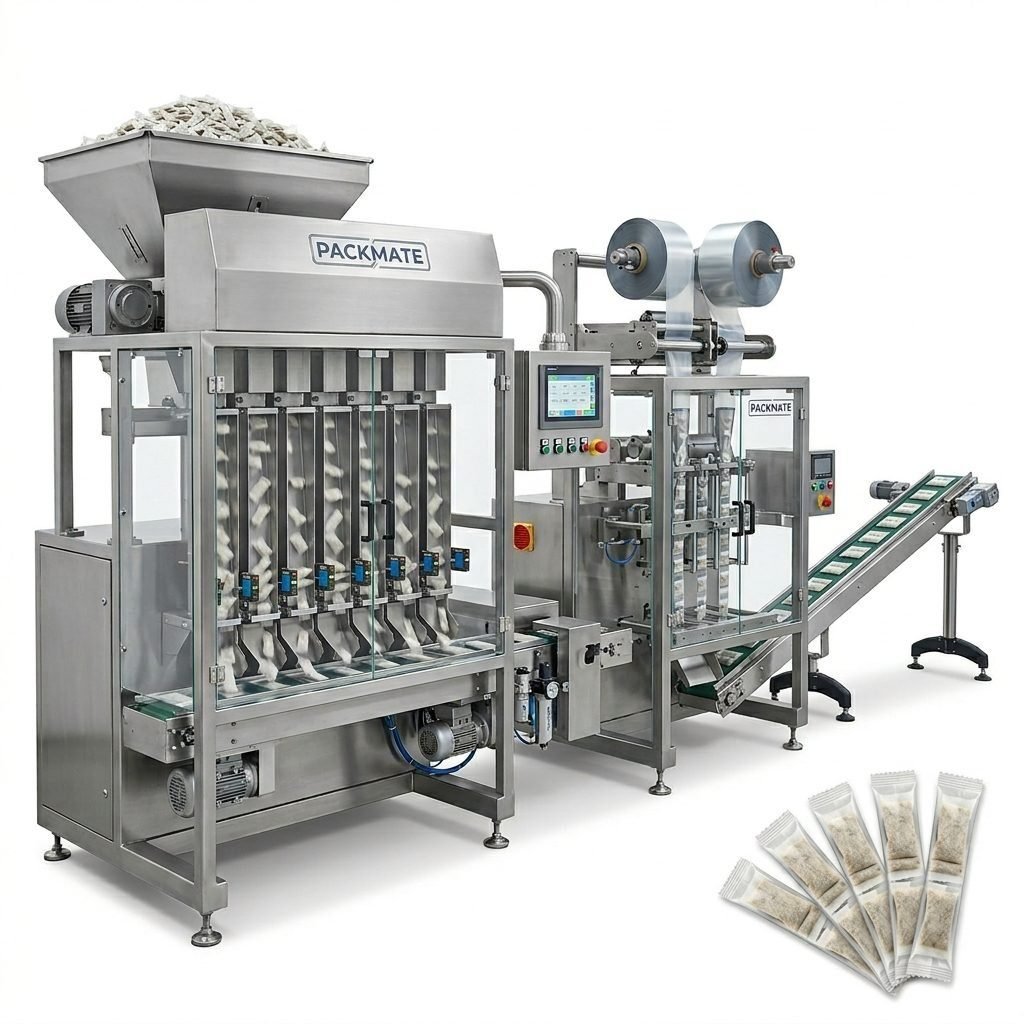
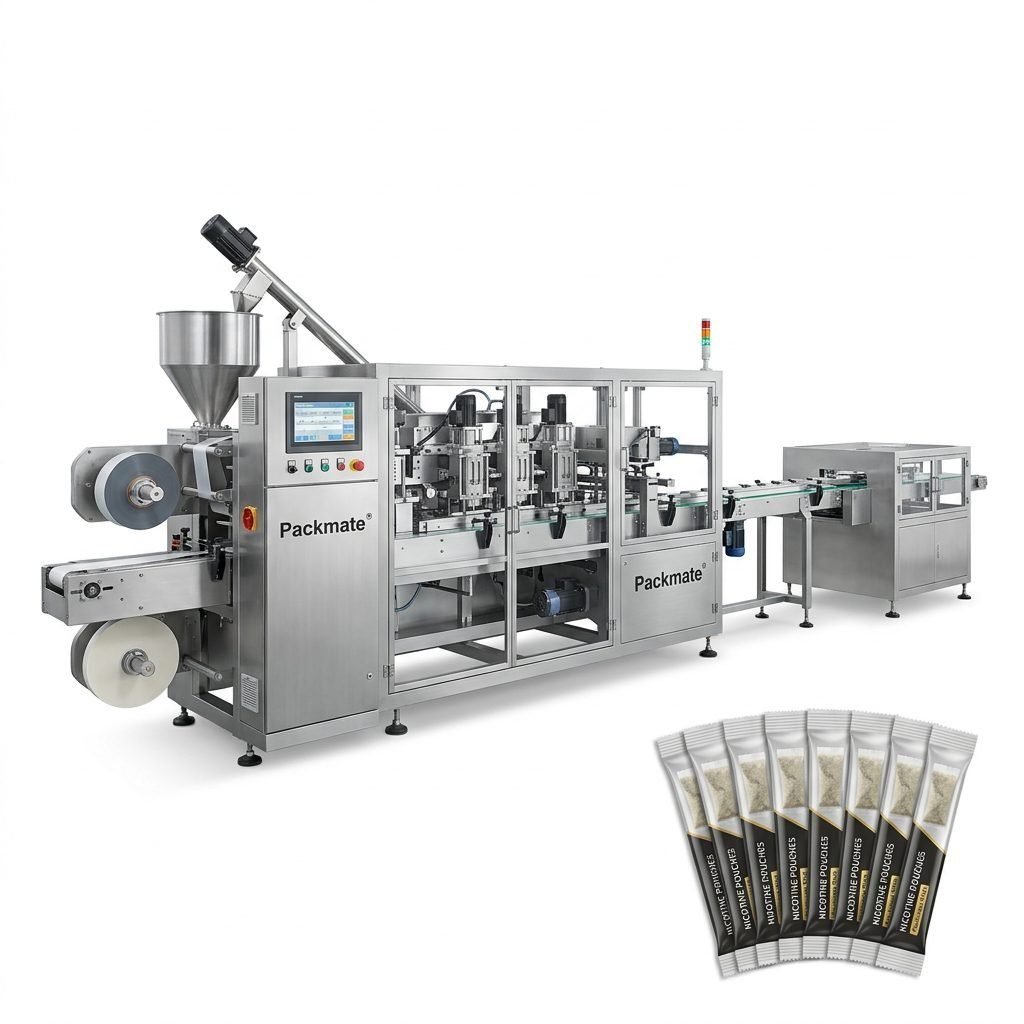
Selecting the right snus packaging machine manufacturer is a pivotal decision for any business entering or expanding in the nicotine pouch market. The choice affects production efficiency, regulatory compliance, product quality, and long-term cost of ownership. This guide walks you through a practical, business-focused approach to evaluate suppliers in Iceland (or serving Icelandic customers), with clear criteria, red flags, and actionable steps to secure a reliable partner.
Why the Manufacturer Choice Matters
A packaging machine is not simply equipment — it’s the backbone of your manufacturing line. A reputable manufacturer delivers machines that run stably, are easy to maintain, meet international safety and hygiene standards, and integrate smoothly into your production flow. Choosing poorly can mean frequent downtime, higher waste rates, non-compliance headaches, and ultimately lost market share. When evaluating manufacturers for snus or nicotine pouch lines, prioritize long-term reliability and service as much as initial cost.
Core Evaluation Categories
Use the following categories as your checklist when screening vendors:
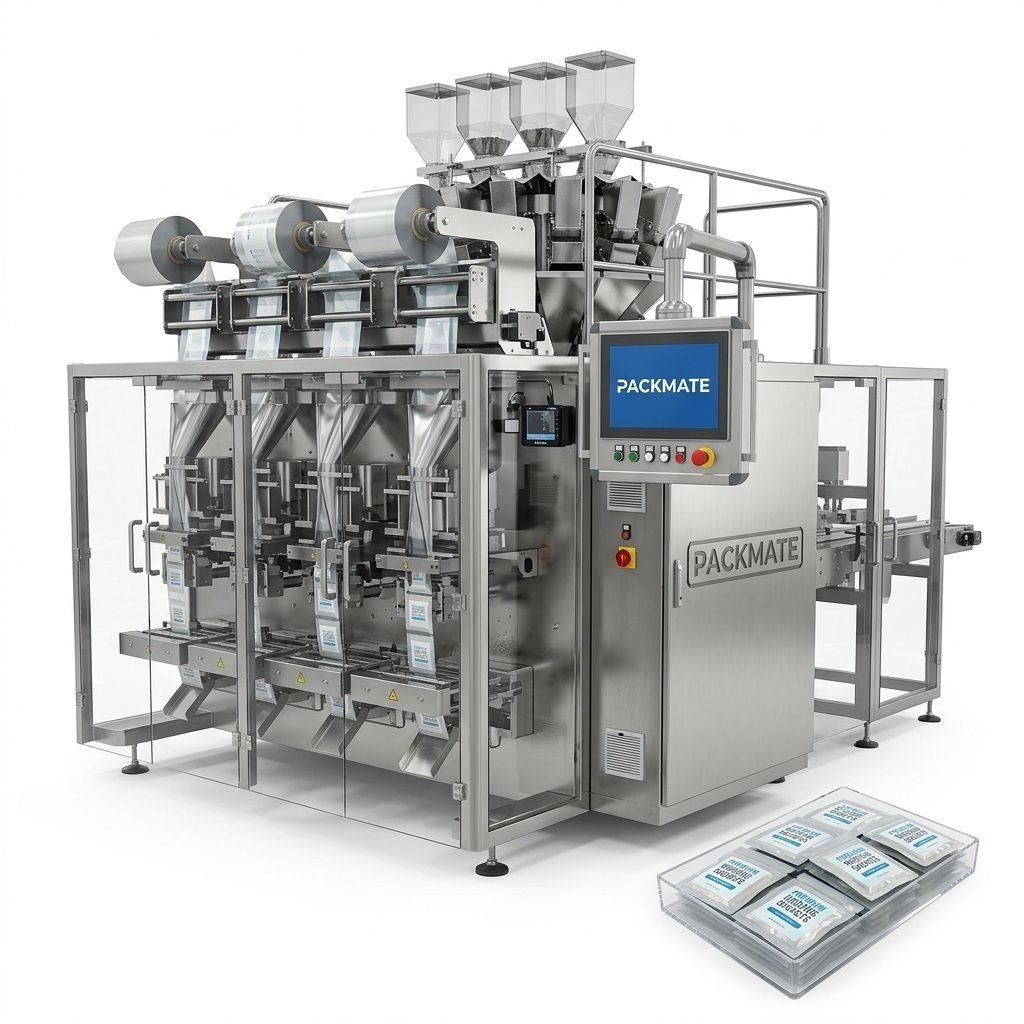
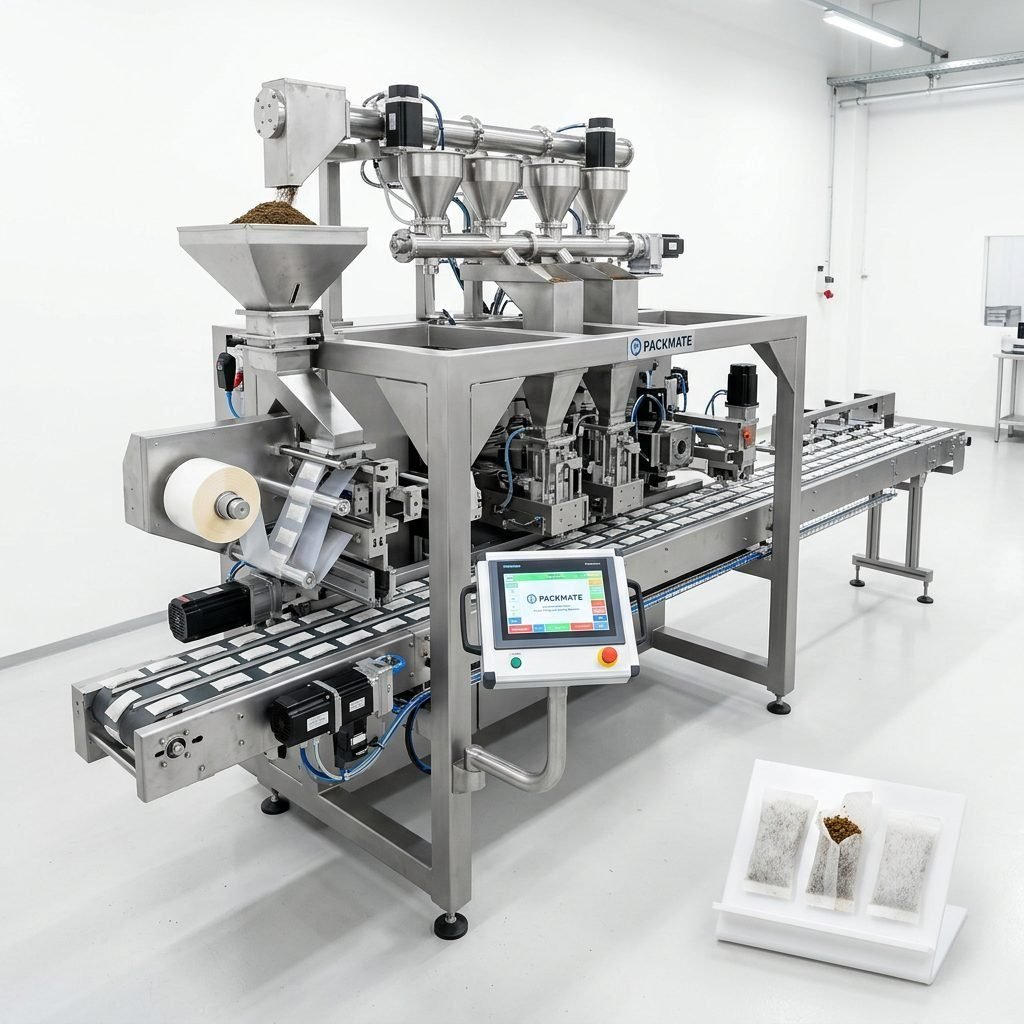
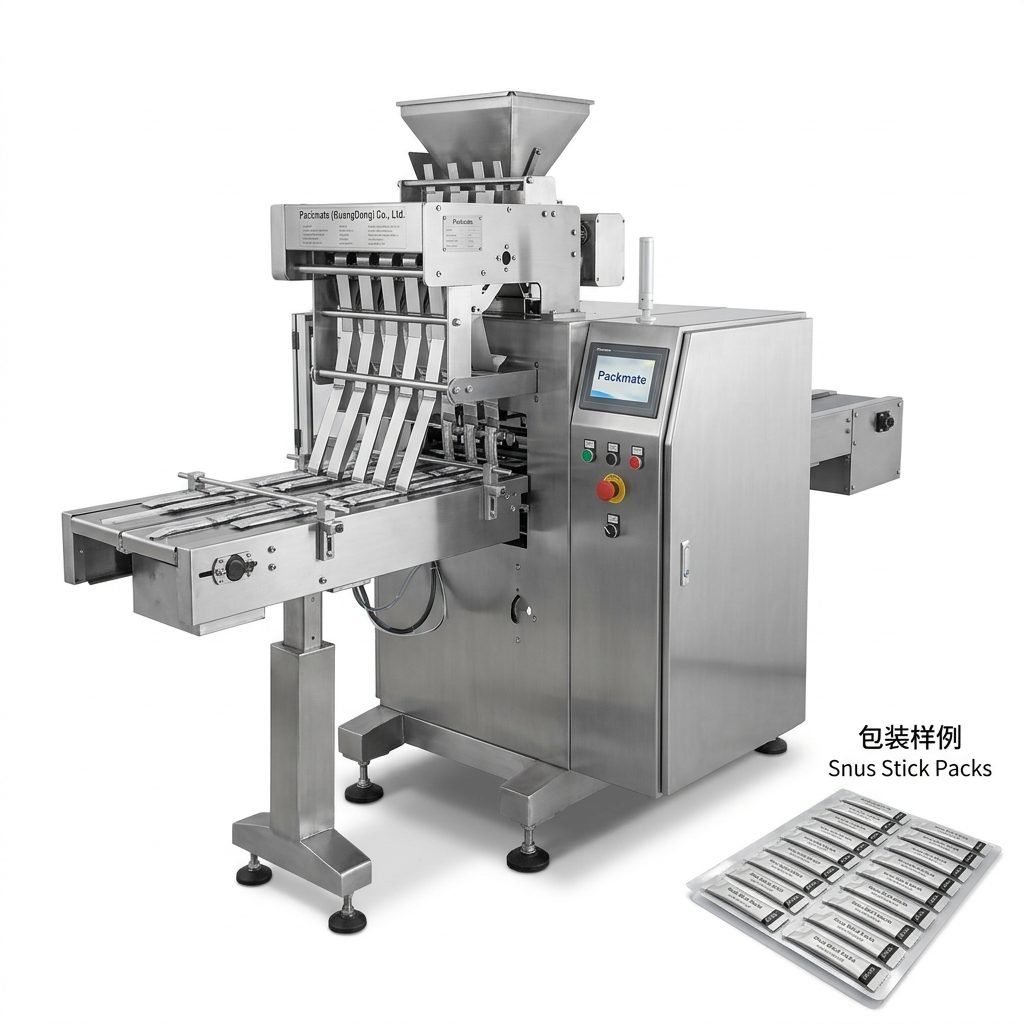
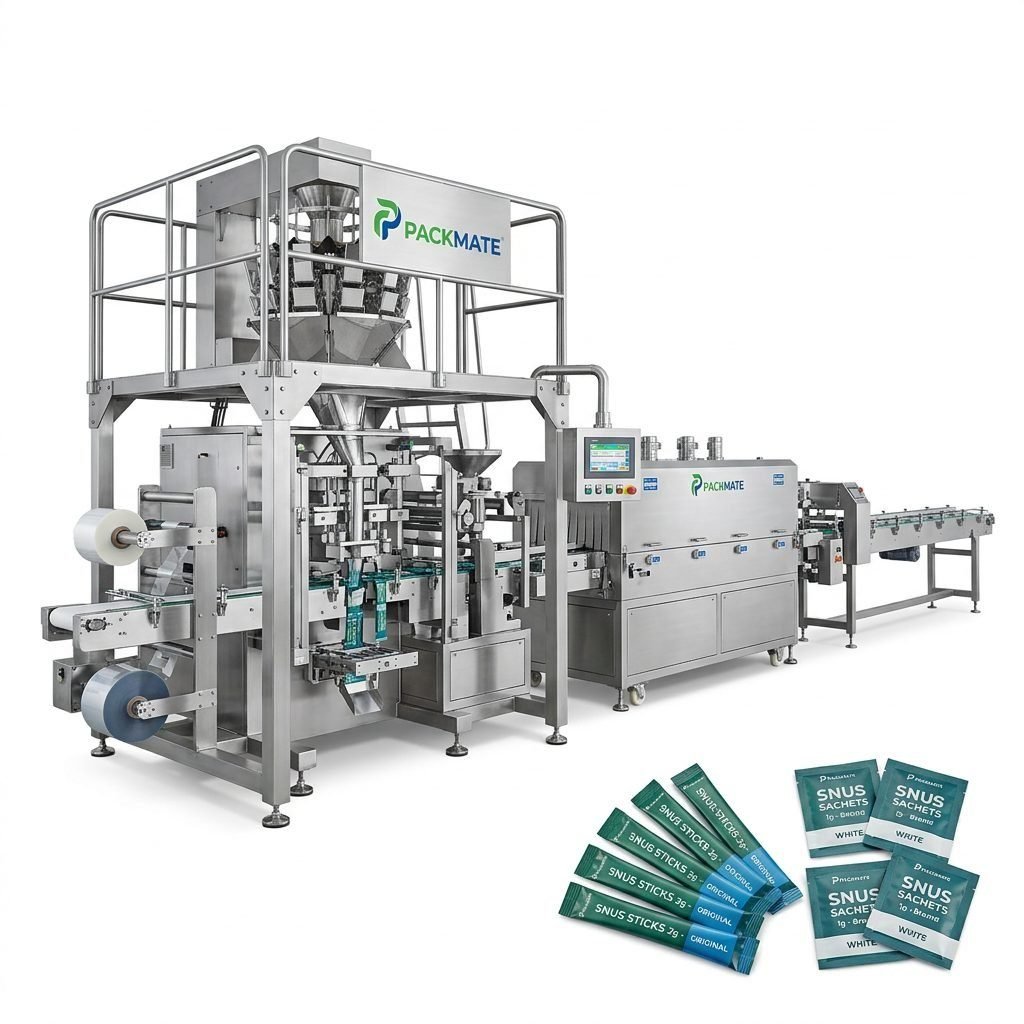
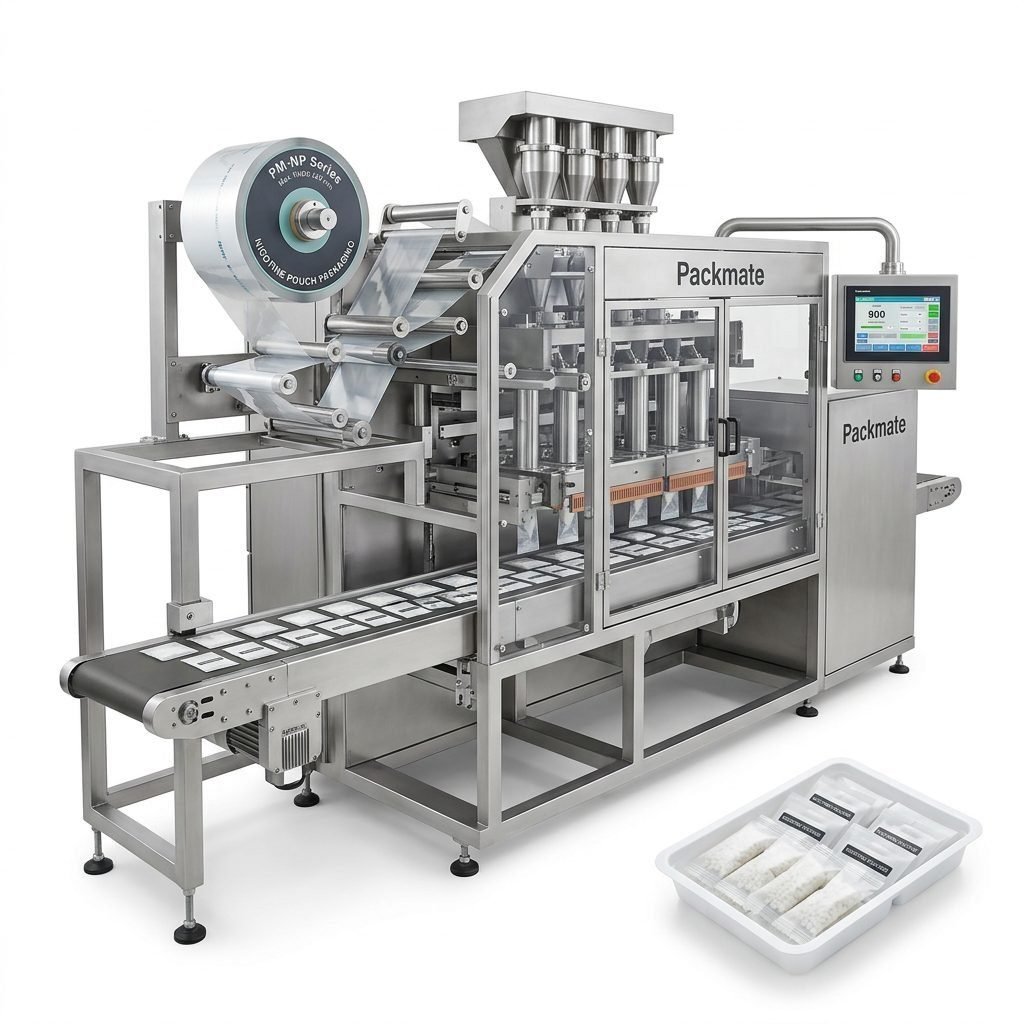
🔍 Technical capability and product range — Does the vendor offer machines tailored for snus and nicotine pouches (small-dose multi-lane systems, stick pack, sachet, or pouch formats)? Evaluate model variety and customization options.
✅ Factory capacity & quality controls — Look for evidence of CNC machining centers, precision assembly lines, QA testing systems, and a documented production process.
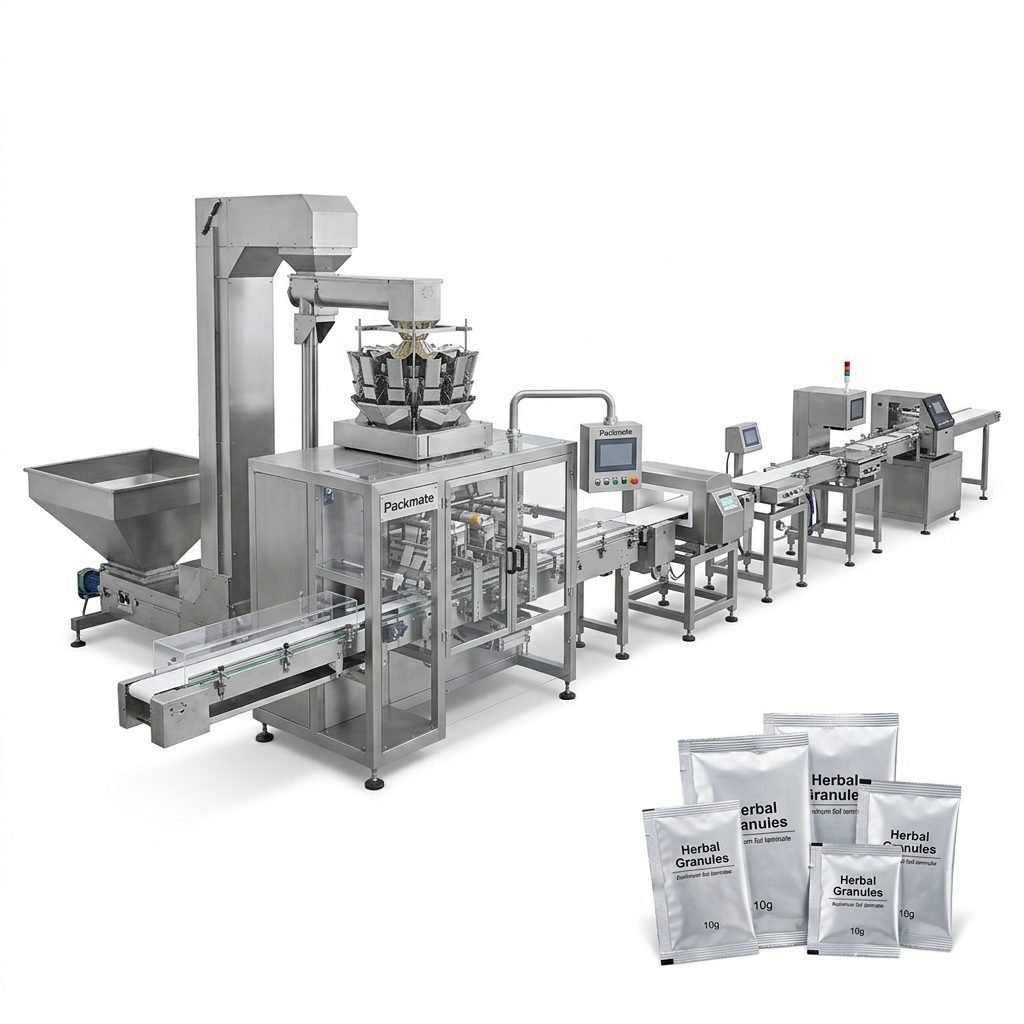
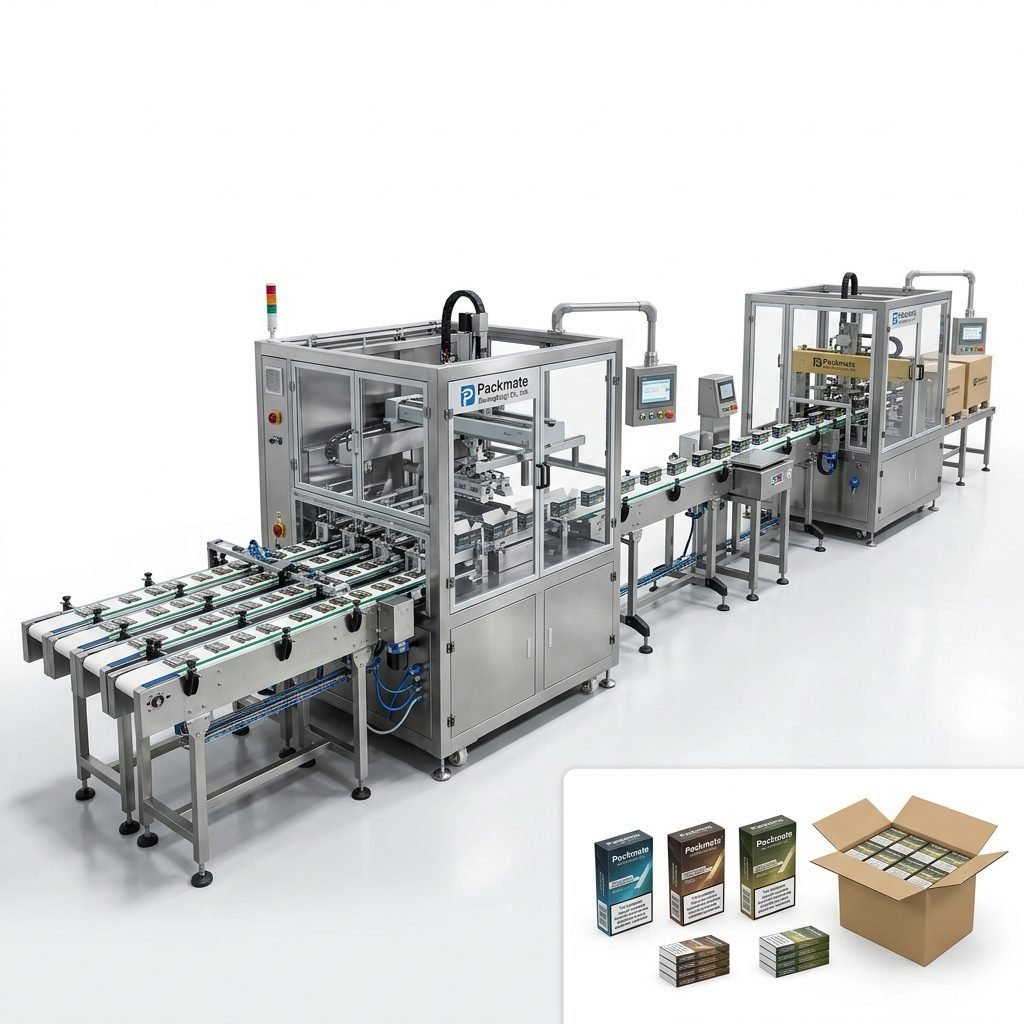
⚙️ Turnkey solution capability — If you need a full production line (weighing, filling, packaging, auxiliary equipment), can the manufacturer provide integrated systems and project management?
🌍 Compliance & certifications — CE, ISO and other certificates indicate the equipment meets international safety and quality norms important for export and local approvals.
🛠️ After-sales service and spare parts — Assess spare parts availability, local support options (or fast shipping), remote diagnostics, and training programs.
Tip: When comparing vendors, weigh the total cost of ownership (TCO) — purchase price, installation, training, spare parts, energy use, and expected lifetime maintenance — rather than only the upfront cost.
Practical Steps to Vet a Snus Packaging Machine Manufacturer
Follow a structured process to reduce risk and validate vendor claims:
1. Gather technical documentation
Ask for datasheets, layout drawings, PLC/HMI specifications, electrical diagrams, and material certificates. A transparent manufacturer will provide clear Machine Performance Specifications (speed, yield, format dimensions, power consumption) and acceptances tests (IQ/OQ/PQ).
2. Request reference cases and factory tour
Verify real-world installations. Ask for references in similar markets or product types (snus, nicotine pouches). If possible, visit their factory or request a live machine demo video. Vendors that invite customers to their production floor usually have nothing to hide.
3. Validate manufacturing strength and company history
Look for details such as years in business, factory size, number of machine models, and whether they offer turnkey lines. A manufacturer with extensive R&D and a broad product range can better handle customizations and complex projects.
Case in point: A vendor with 30+ years of engineering experience and a 20,000㎡ factory footprint typically has robust manufacturing and R&D resources to support new snus format development and multi-lane lines.
Key Technical Considerations for Snus & Nicotine Pouch Machines
Snus packaging has specific technical demands: accurate small-dose filling, multi-lane synchronization, gentle product handling, secure sealing, and effective dust control. Ensure the machine spec covers:
• Filling accuracy and dosing range — especially for low-dose nicotine pouches. Poor dosing leads to product inconsistency and regulatory risks.
• Multi-lane capability — to increase throughput while maintaining uniform pouch quality. Check lane synchronization and lane-specific dosing control.
• Material handling and sealing tech — hygienic contact parts, easy-clean designs, and robust sealing systems to prevent leaks or product contamination.
• Automation & integration — PLC/HMI interfaces, data logging for traceability, and compatibility with upstream/downstream equipment for a complete line.
Service, Spare Parts & Local Support
After-sales support is a major differentiator. Confirm lead times for spare parts, availability of service engineers (local or remote), and whether the manufacturer offers commissioning, operator training, and preventive maintenance programs. The goal is to minimize downtime and ensure quick recovery from faults.
If you are in Iceland, ask whether the vendor has experience exporting to Europe, understands local import procedures, and can assist with documentation for customs and compliance.
Contracts, Warranties & Acceptance Criteria
Negotiate clear acceptance test plans (Factory Acceptance Test – FAT and Site Acceptance Test – SAT), warranty coverage, and penalty clauses for missed delivery milestones. Include spare parts kits and training hours in the contract to avoid surprises.
Quick checklist for the purchase agreement: FAT acceptance criteria, lead times for spares, on-site installation scope, training hours, warranty period, and escalation procedures.
How to Compare Multiple Quotes — a Practical Scoring Approach
Create a scoring matrix with weighted categories: technical fit (30%), service & support (25%), certifications & compliance (15%), price & TCO (20%), references & factory strength (10%). Scoring helps make a rational decision rather than an emotional one.
Sample weightings and evaluation items
• Technical performance (speed, dosing accuracy, multi-lane support) — 30%
• Spare parts & service network — 25%
• Compliance and certifications (CE, ISO) — 15%
• Price, energy consumption, TCO — 20%
• Company history, factory size, installed base — 10%
Where to Find Reliable Manufacturers and Further Resources
Explore manufacturers with proven snus and nicotine pouch expertise. For example, dedicated product lines and case studies provide insights into a supplier’s experience:
• Learn about specific machines and configurations: Snus & Nicotine Packaging Machines
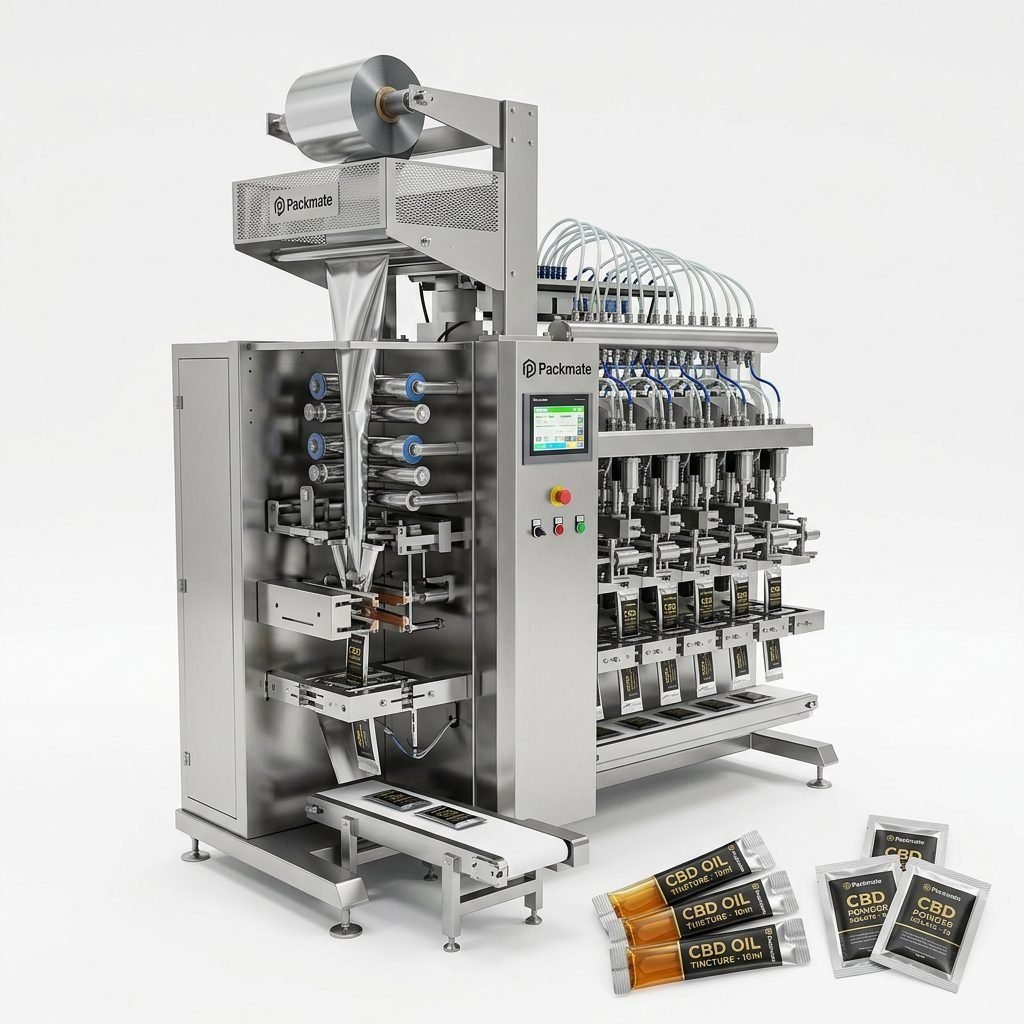
• Review related product families: Sachet & Stick Pack Machines and Bag & Pouch Packaging Machines.
• Check company overview and certifications to confirm manufacturing strength: About Packmate and Certificate.
Red Flags to Watch For
Be cautious if a supplier:
⚠️ Provides vague specs or refuses FAT/SAT demonstrations.
⚠️ Has poor track record on spare parts delivery or no spare parts inventory plan.
⚠️ Lacks compliance documentation (CE, ISO) or cannot share reference installations.
⚠️ Offers significantly lower prices without clear explanations — this often hides inferior components or limited support.
Pro tip: Prioritize transparency and traceability. A strong manufacturer will provide clear documentation, references, and a sensible warranty structure.
Final Selection and Onboarding
Once you select a manufacturer, plan the onboarding phase carefully: schedule FAT, define installation timelines, allocate resources for operator training, and agree on KPIs for machine performance. Include spare parts kits and consumables in your initial order to reduce early downtime risk.
If you need turnkey lines that include weighing, filling, and auxiliary equipment, confirm the supplier’s ability to deliver an integrated solution and provide single-point technical coordination: Filling & Packaging Lines and Weighing & Packaging Systems.
Next steps
Start with a short list of 3 vendors, request detailed proposals, arrange remote or on-site demonstrations, and use the scoring matrix described above to make an informed choice. Contact manufacturers with clear technical questions and insist on FAT acceptance before shipment.
Frequently Asked Questions (FAQs)
Q1: How long does it typically take to receive and commission a snus packaging line?
A: Lead times vary by complexity, customization, and spare parts availability. For a standard multi-lane snus pouch line, expect design, manufacturing and FAT to take several months (often 3–6 months) before shipment, plus installation and commissioning time on-site.
Q2: What certifications should I insist on?
A: CE and ISO certifications are minimum indicators of compliance with international standards. Also verify material contact certificates and any regional documentation required for your market.
Q3: Can I get a turnkey solution including filling and weighing?
A: Yes, many established manufacturers offer turnkey systems that integrate weighing, filling, packaging, and auxiliary equipment. Confirm the scope and single-point responsibility in the contract to avoid integration gaps. See integrated solutions such as Weighing & Packaging Systems.
Q4: What support should be included after installation?
A: Essential support includes commissioning, operator training, preventive maintenance guidance, remote diagnostics, and a fast spare parts supply chain. Negotiate a service level agreement if continuous uptime is critical.
Q5: Where can I see examples of installed lines or get more information?
A: Review manufacturer case studies and exhibition demos to see machines in operation. You can also check company pages for case references and exhibitions: Case and Our Exhibition.
For a detailed discussion tailored to your specific production targets, formats, and regulatory needs, contact the manufacturer directly to arrange a technical consultation and customized proposal.