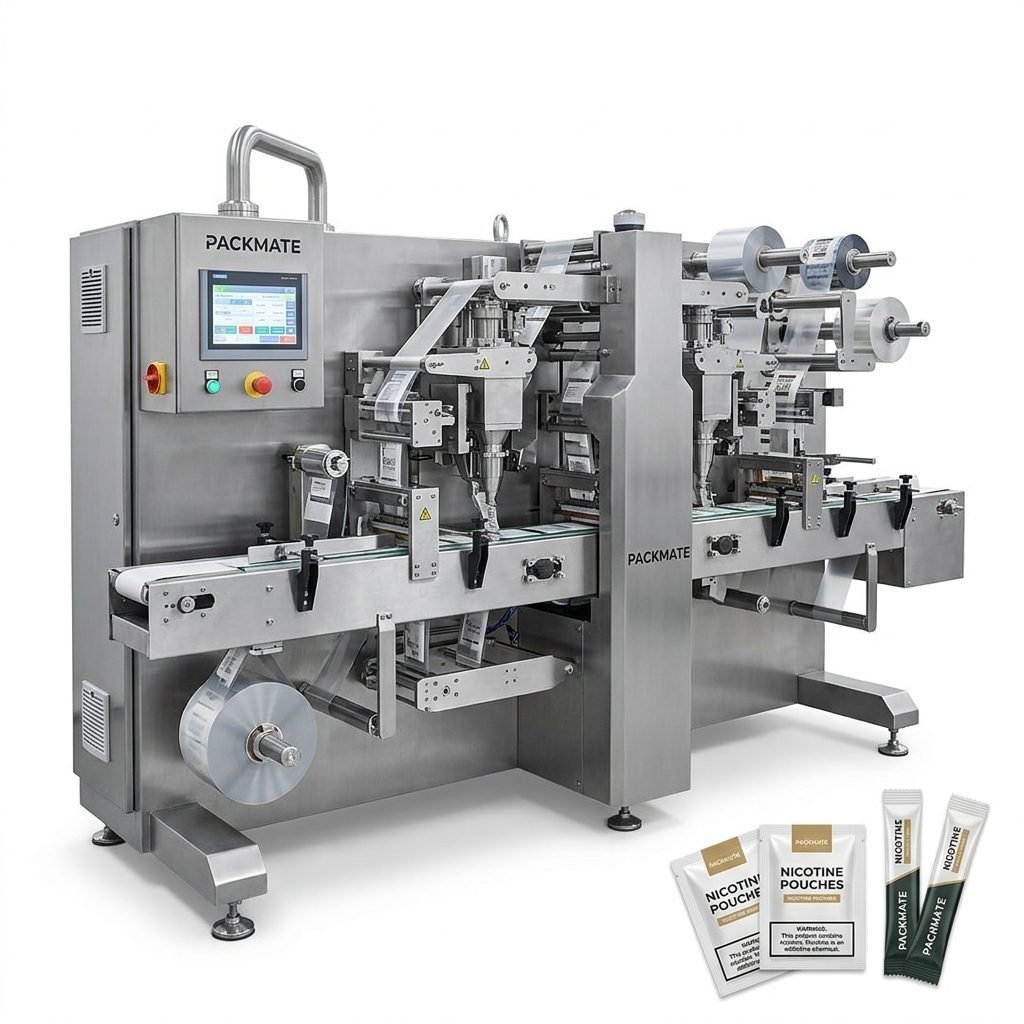
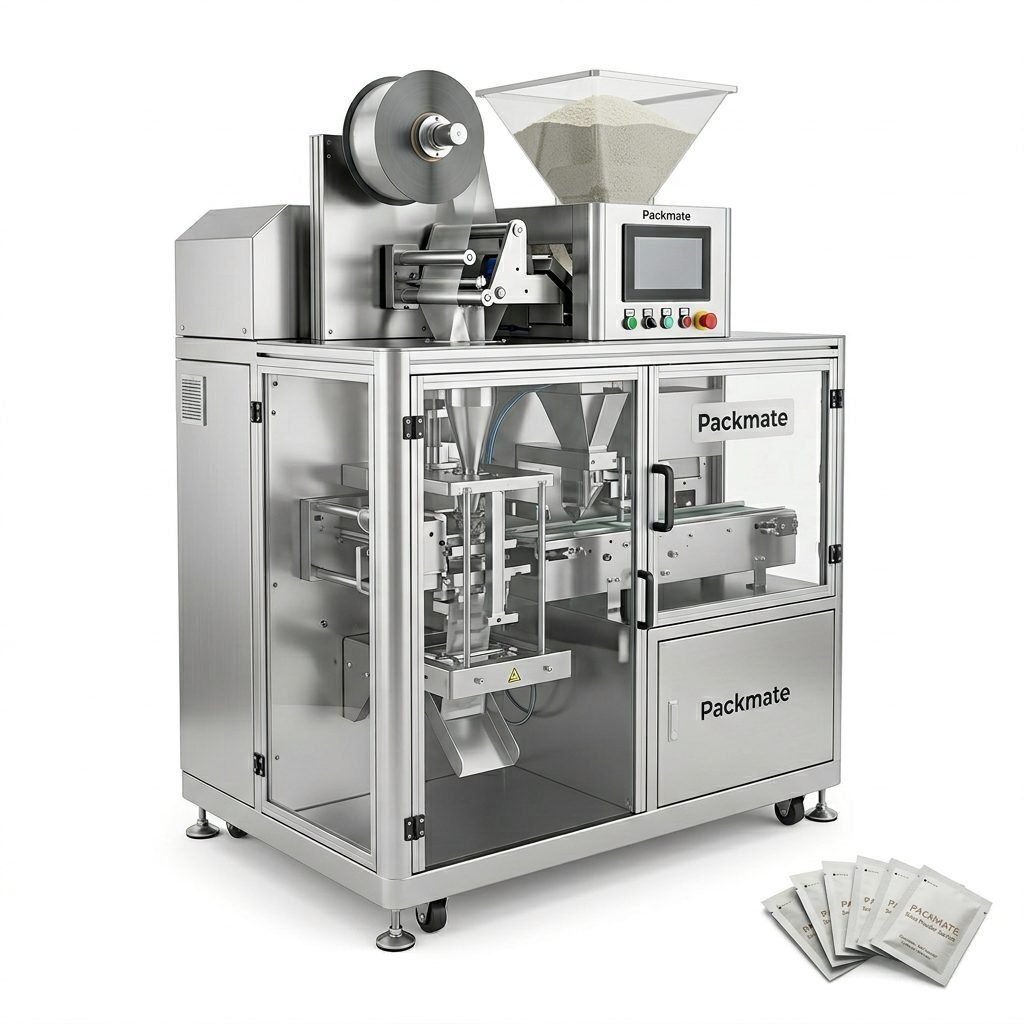
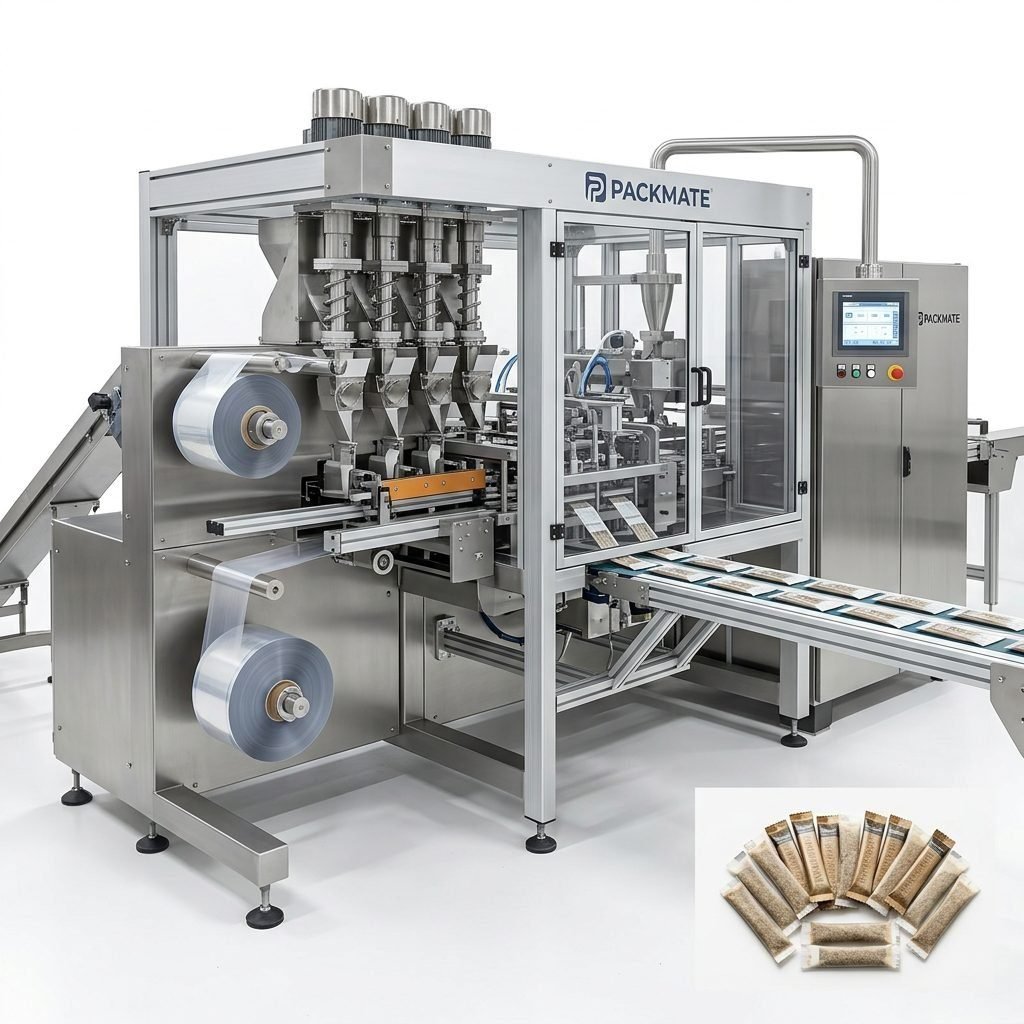
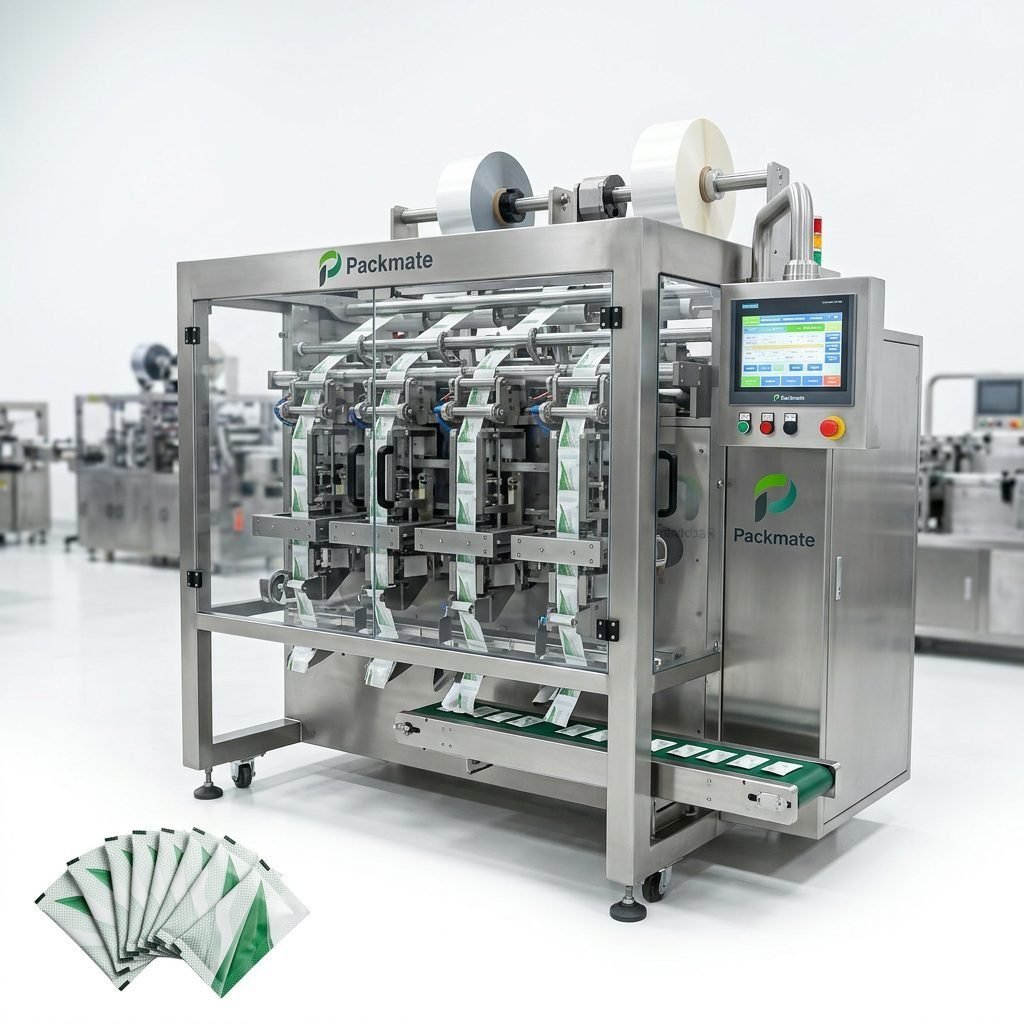
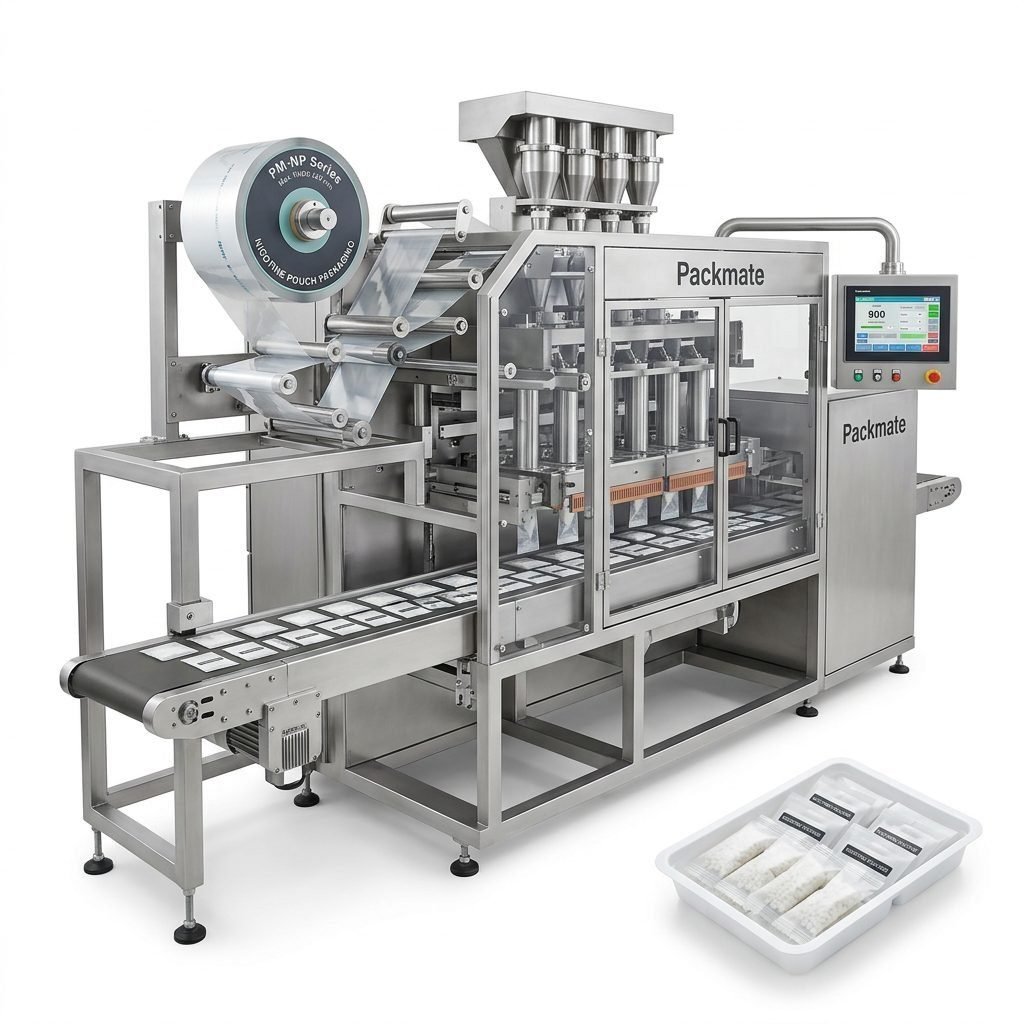
Choosing the right snus packaging machinery manufacturer for your factory in Suriname is a critical decision that affects product quality, production efficiency, regulatory compliance, and long-term costs. This guide walks you through practical, factory-level criteria and Suriname-specific considerations so you can select a supplier who delivers reliable machines, responsive service, and scalable solutions for nicotine pouches, snus, sachets, and other small-dose products.
📦 Why Choosing the Right Manufacturer Matters for Your Suriname Factory
Suriname’s market is unique: small domestic volume, multi-ethnic consumption habits, and growing export orientation. A well-chosen manufacturer will help you:
- Minimize downtime with robust equipment designed for tropical humidity and power conditions.
- Ensure packaging quality that meets both local retail expectations and export standards.
- Obtain timely spare parts and technical support to avoid prolonged production interruptions.
- Customize formats and dosing systems for small-batch production typical of niche markets.
🔍 Quick Manufacturer Profile to Look For
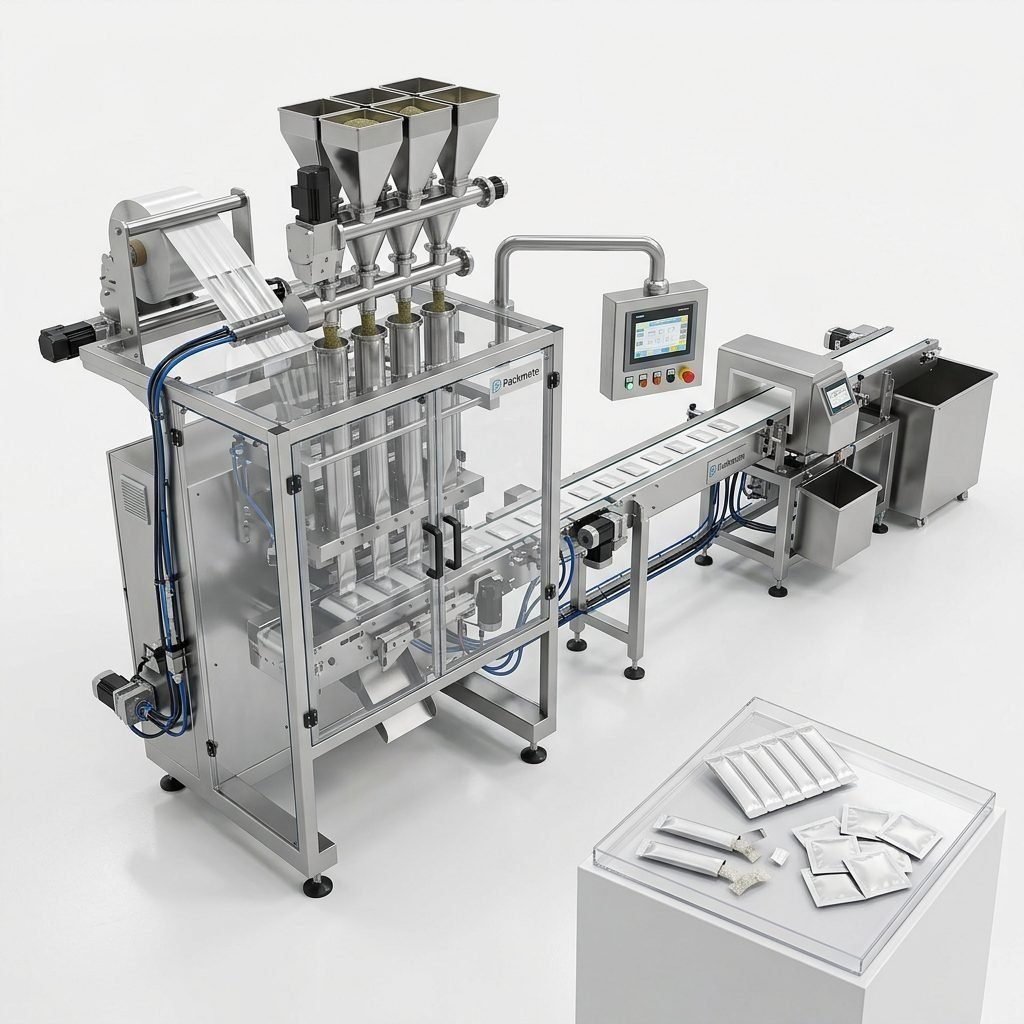
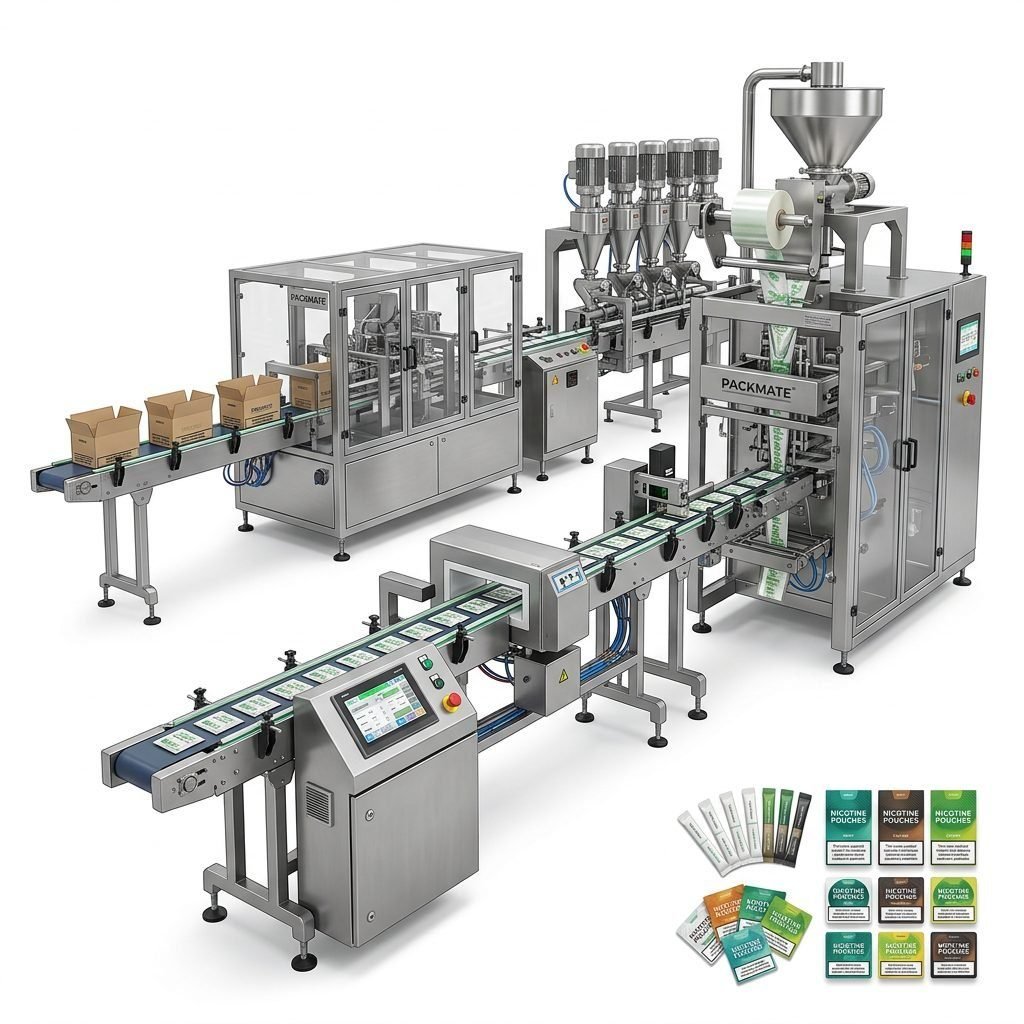
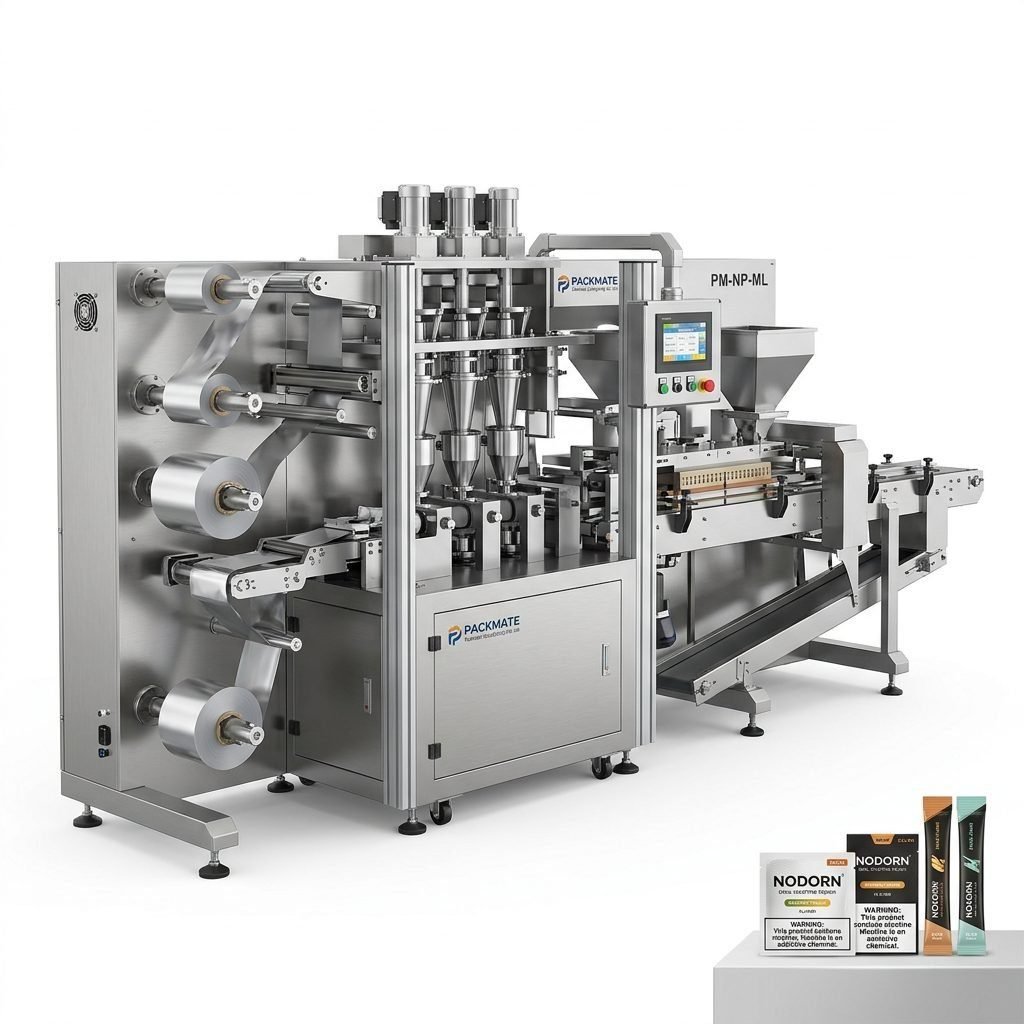
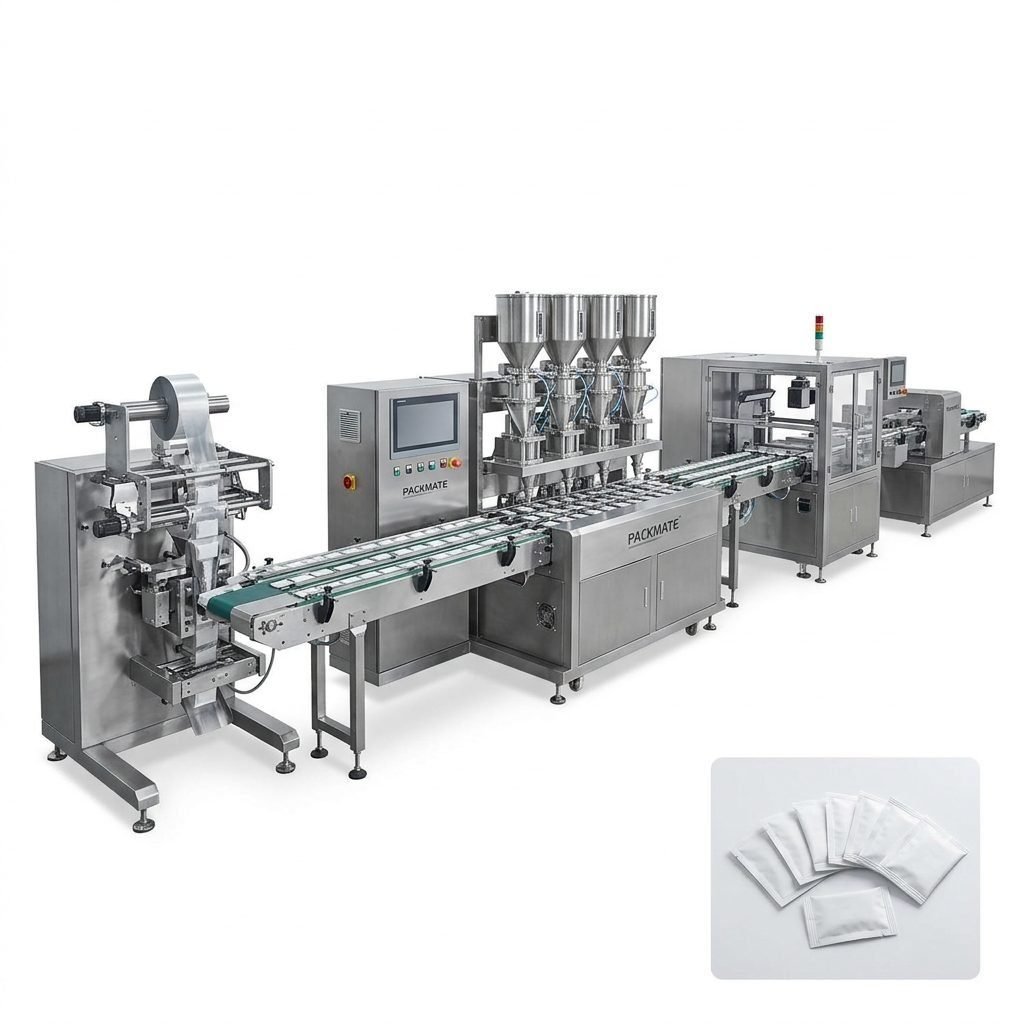
Key signs of a reliable supplier: multi-decade engineering experience, in-house CNC machining, a wide range of machine models, and proven global turnkey deliveries. For example, companies like Packmate combine 30+ years of experience and full production-line capability — valuable when you need both standard machines and customized multi-lane systems.
⚙️ Technical and Production Criteria: What Your Factory Needs
Evaluate manufacturers by technical fit. These factors directly impact daily operations and product consistency.
1. Machine Types & Flexibility
Confirm the supplier offers the formats your plant needs — stick packs, sachets, multi-lane nicotine pouch machines, and auxiliary equipment such as weighing systems and filling lines. Flexibility to switch between pouch sizes and dosing ranges is essential for diverse SKUs.
Useful links:
Snus & Nicotine Packaging Machines,
Bag & Pouch Packaging Machines
2. Throughput, Accuracy & Multi-Lane Options
Check maximum and adaptable throughput rates. Multi-lane systems double or triple output without significantly increasing footprint. Pay attention to dosing accuracy for small-dose nicotine pouches — inconsistency leads to wasted product and regulatory risk.
3. Hygienic Design & Materials
Machines must be designed for easy cleaning and maintenance, with food-grade materials for parts in contact with product. Stainless steel construction and hygienic seals are non-negotiable for consistent shelf life and safety.
🛠 Quality, Certification & After-Sales Support
After-sales support is where many projects succeed or fail. Focus on these service dimensions when comparing manufacturers.
Must-have certifications: CE, ISO, or equivalent quality and safety certificates. These reflect consistent production processes and adherence to international safety norms.
Spare Parts & Remote Support
Confirm parts availability in nearby regions or direct shipping options. Robust remote support (video set-up, PLC program transfer, and troubleshooting) reduces on-site service costs. Ask for a service contract option and spare parts lead times.
🌎 Local Considerations for Suriname
Suriname’s cultural and climatic context affects packaging choices and operations. It’s important to adapt machine selection and packaging design to local needs.
1. Climate & Humidity
Suriname’s tropical climate with high humidity demands machines with sealed electrical cabinets, anti-corrosion finishes, and dehumidified packaging areas or climate control for certain products. Ask manufacturers about protective measures for electronics and belt materials suitable for humid environments.
2. Local Consumption & Cultural Sensitivity
Suriname is culturally diverse (creole, Hindustani, Javanese, Indigenous communities). Consider discreet, portion-controlled packaging due to local social norms; easy-open sachets or resealable pouches can appeal to both urban shoppers in Paramaribo and export markets. If marketing locally, packaging that supports single-use and discreet disposal may improve social acceptance.
3. Distribution Channels
Small kiosks and neighborhood shops are common retail outlets. Choose packaging sizes that fit shelf space and price points typical for Suriname. Also plan for export-focused line setups if you aim to serve nearby export markets in the Caribbean and South America.
💡 Customization & Turnkey Solutions
A supplier who offers turnkey solutions — from dosing, filling, sealing, to secondary packaging — reduces integration risk and simplifies project management. Custom tooling for brand-unique pouches and in-line quality inspection systems are valuable features.
If you need modular systems, verify compatibility of weighing systems and auxiliary equipment. Useful resources for integrated systems include:
Weighing & Packaging Systems and
Filling & Packaging Lines.
Pro tip: Ask suppliers for case studies or references of installations in tropical climates or small-island/nearby markets. A proven track record in similar environments is a big advantage.
💰 Cost, Financing & Return on Investment
Evaluate total cost of ownership, not just machine purchase price. Consider:
- Installation, commissioning, and training costs.
- Projected energy consumption and maintenance needs under Suriname conditions.
- Spare parts pricing and shipping time to Paramaribo.
- Software or PLC licensing fees and upgrade policies.
Financing & Payment Terms
Many manufacturers offer staged payments, leasing options, or factory financing. Negotiate payment terms tied to milestones: deposit, factory acceptance test (FAT), shipment, and site acceptance test (SAT).
📋 Pre-Purchase Checklist & Factory Audit
Before committing, run a structured audit. Bring a checklist and ask for live demos and FAT documentation.
Checklist highlights:
- Production samples from the same machine model and format.
- Maintenance manuals and spare parts list with part numbers.
- Warranty terms and on-site commissioning scope.
- Factory acceptance test (FAT) video and reports.
- References from customers in similar climates or market sizes.
🚚 Logistics, Installation & Local Support
Shipping to Suriname means planning for port customs, inland transport, and installation. Confirm the supplier’s experience shipping to South America and their ability to provide:
- Crating specifications and lifting points for container unloading.
- Spare parts packages for the first 12 months of operation.
- Local service partner introductions where possible or direct field engineer visits.
🔧 Factory Visit & Acceptance Testing
If possible, visit the manufacturer’s plant or attend a virtual FAT. Key items to verify during FAT:
- Consistent pouch sealing and dosage weight stability across multiple runs.
- Changeover time for different pouch sizes and SKUs.
- Noise, vibration, and electrical safety checks.
- Operator training and documentation completeness.
✅ Decision Matrix: How to Compare Suppliers
Create a weighted scoring model to compare suppliers. Suggested criteria and relative weight:
- Technical fit & machine range — 25%
- After-sales & spare parts — 20%
- Local climate robustness & hygiene design — 15%
- Cost & TCO — 20%
- References & delivery record — 20%
📌 Final Selection Tips
Make the decision with these priorities: proven reliability under tropical conditions, clear spare parts logistics for Suriname, accessible technical training, and a supplier willing to execute FAT and provide performance guarantees.
📚 Additional Resources & Supplier Info
For more detail on machine categories and company background, you may review manufacturer catalogs and company pages such as:
About Packmate and
Contact Us to arrange demonstrations or quotations.
🔚 Conclusion
Selecting the best snus packaging machinery manufacturer for Suriname requires balancing technical capability, climate-adapted design, reliable after-sales support, and commercial terms. Prioritize manufacturers with demonstrable experience in multi-lane pouch systems, strong quality control, and a willingness to support FAT, commissioning, and spare part logistics. Doing so will protect your production uptime, product quality, and long-term profitability.
❓ Frequently Asked Questions
Q1: How long does it take to install a snus packaging line in Suriname?
Typical installation and commissioning take 2–6 weeks depending on site preparation, customs clearance, and onsite training. Allow extra time for spare part shipment to Suriname.
Q2: What spare parts should we stock for tropical conditions?
Stock belts, sealing jaws, sensors, PLC spare modules, and common pneumatics. Maintain a one-year spare parts kit for critical wear items to avoid long downtime.
Q3: Are multi-lane machines suitable for small Suriname-volume factories?
Yes — multi-lane systems reduce per-unit labor and footprint costs, but choose modular lane counts so you can scale capacity without over-investing.
Q4: How do I verify a supplier’s claims before purchase?
Request FAT videos, sample outputs, customer references in similar climates, and inspect factory capabilities (CNC, QA systems). A supplier with documented turnkey projects and certifications offers greater reliability.