Choosing the best snus packaging machinery for production in Sri Lanka requires more than a checklist of technical specs — it requires an understanding of local consumer habits, climate challenges, regulatory constraints, and the realities of manufacturing infrastructure on the island. This guide walks you through practical steps to match machine type, speed, and automation with Sri Lankan market needs, and highlights the critical questions you should ask suppliers to ensure reliable long-term production. Whether you are producing nicotine pouches for regulated markets or planning a new line for local distribution, this article will help you make an informed investment.
Understand Sri Lanka’s market context and regulatory environment 🇱🇰
Sri Lankan consumers have long-standing cultural habits around smokeless substances such as betel leaf mixtures and areca nut, which affects local attitudes toward oral products. However, nicotine pouches and modern snus products represent a different category with evolving regulation. Before you buy equipment, confirm the legal status for manufacturing and distribution in Sri Lanka, labeling requirements, and any import/export constraints if you plan to sell regionally. Local climate is also critical: Sri Lanka’s high humidity and warm temperatures can affect packaging films and sealing performance, so your machinery and consumables must be selected accordingly.
Key machine families: choose the right format
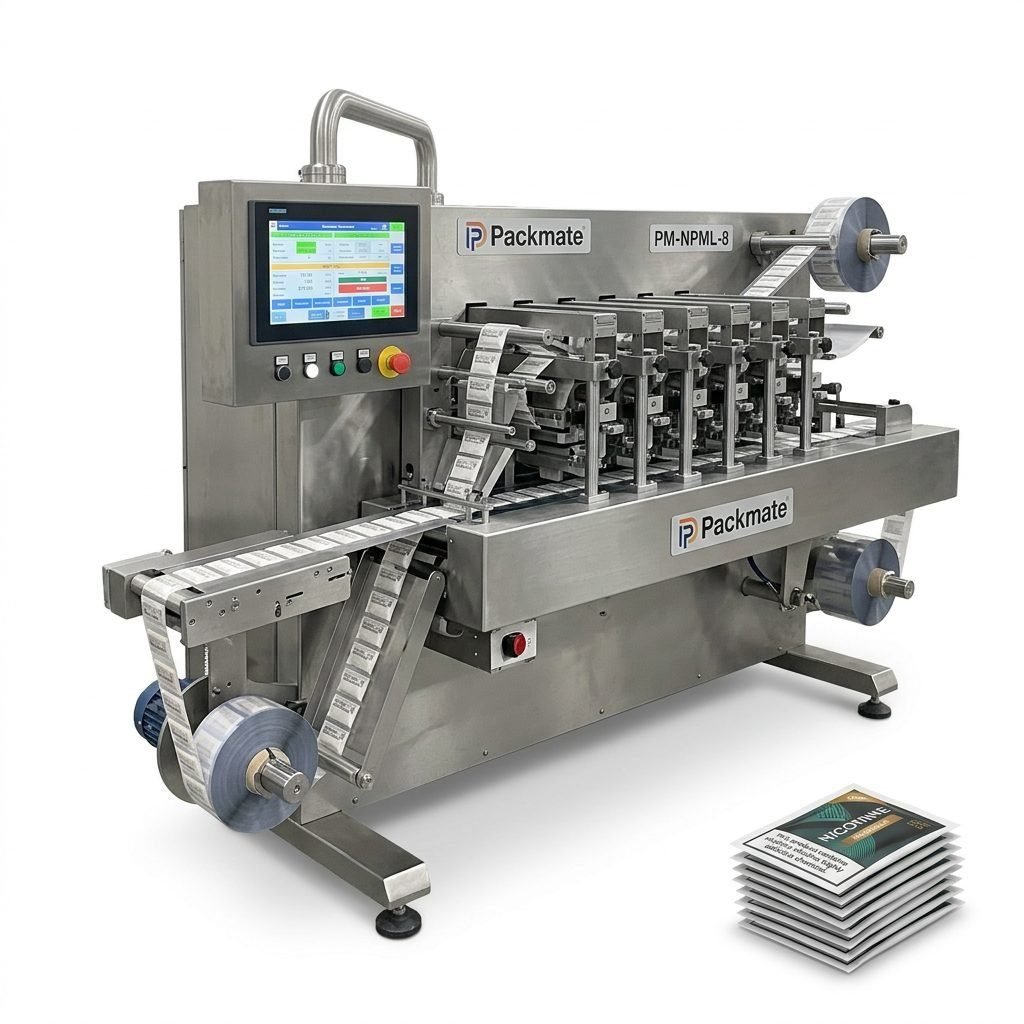
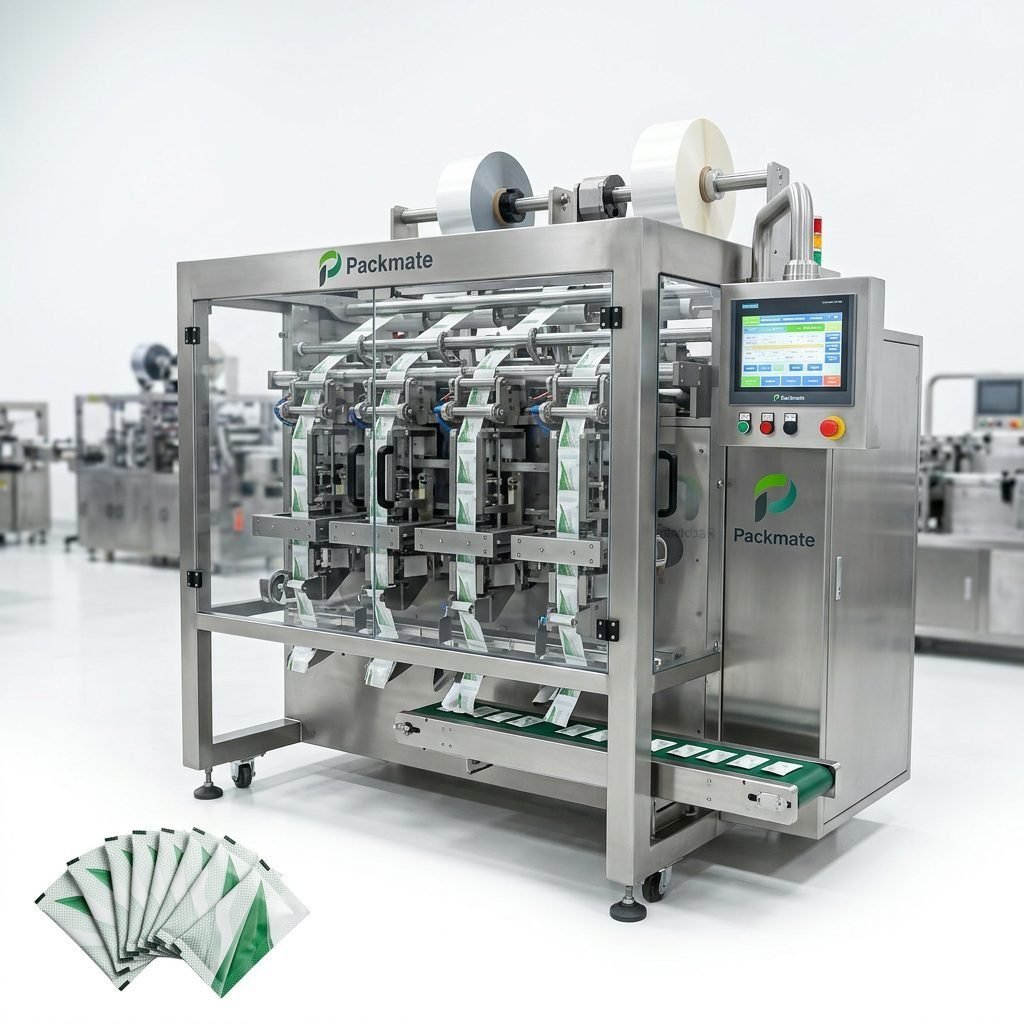
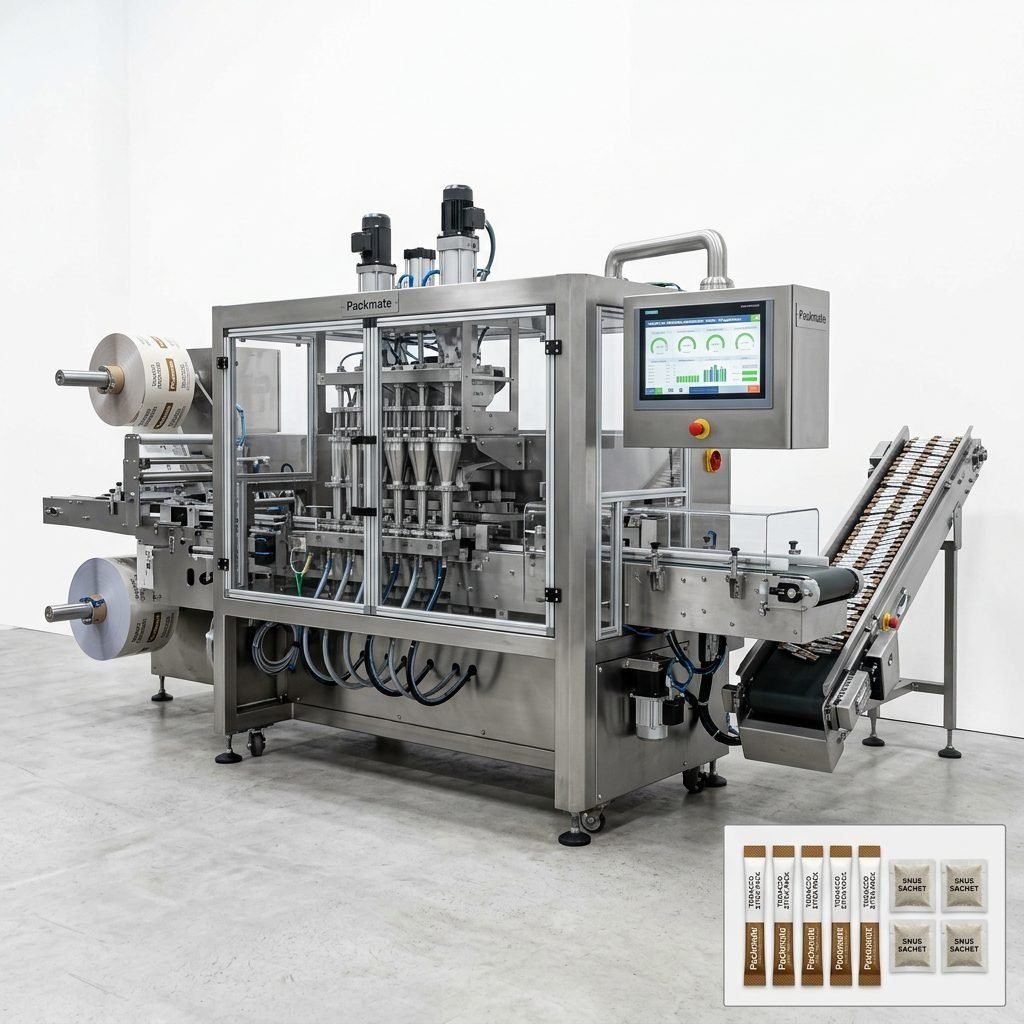
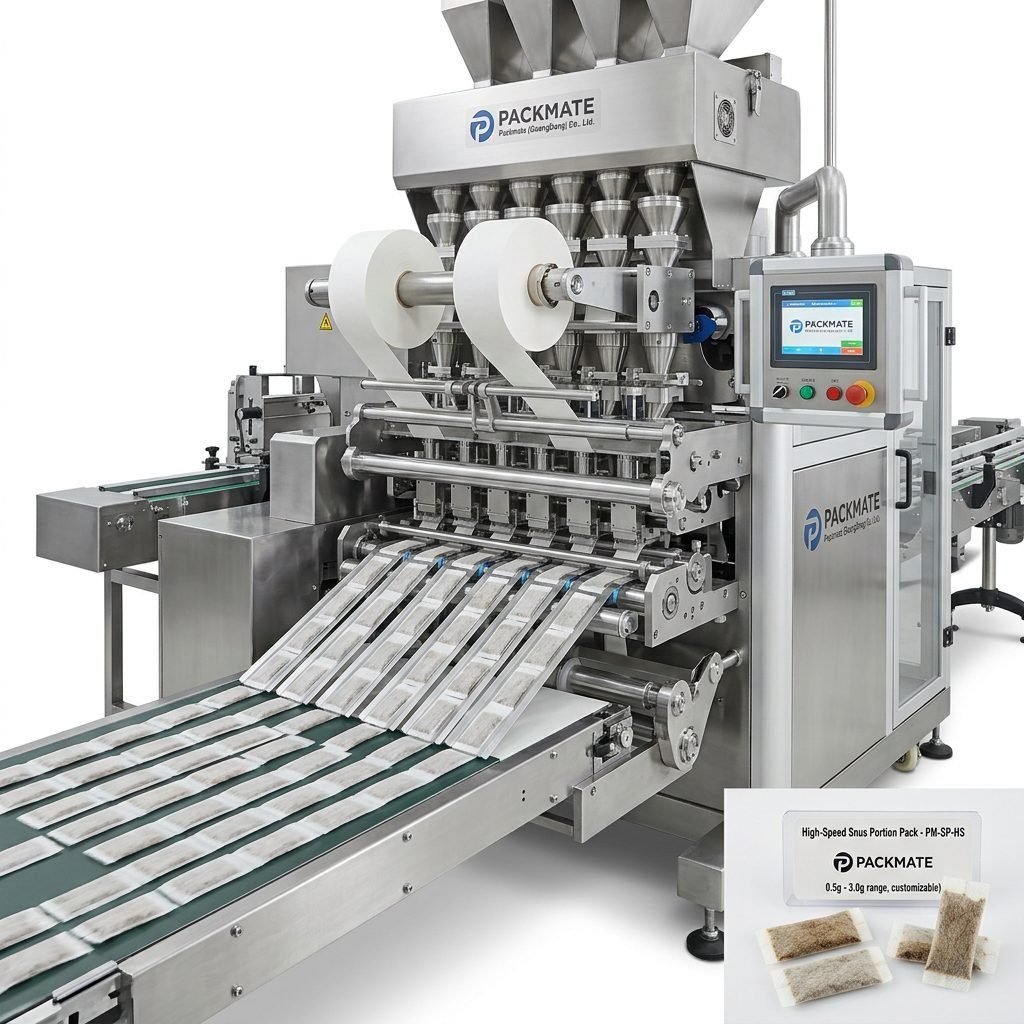
There are several proven packaging formats for snus and nicotine pouches. Each format presents different trade-offs in speed, material use, and consumer perception:
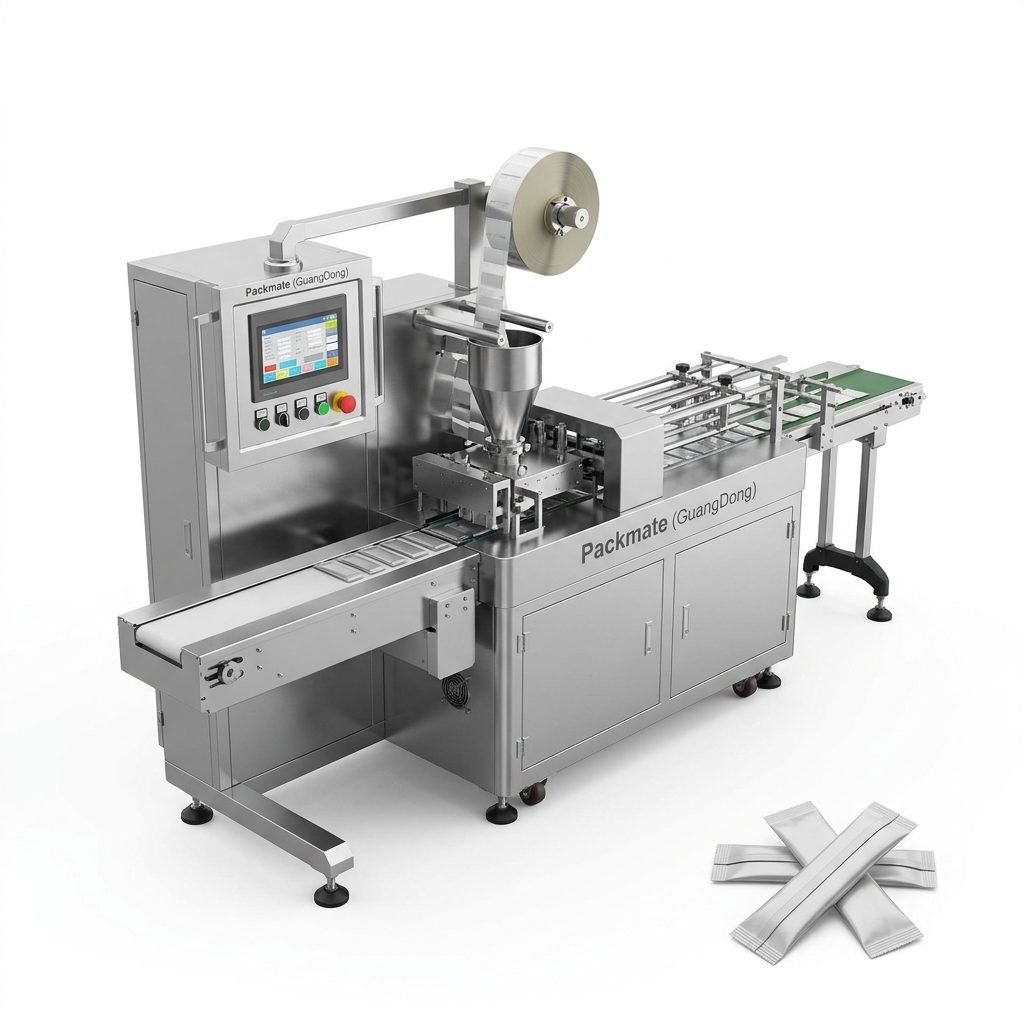
Sachet & Stick Pack Machines — ideal for single-dose sachets and stick-format pouches; good for consumer trial packs and retail sachets. See typical models: Sachet & Stick Pack Machines.
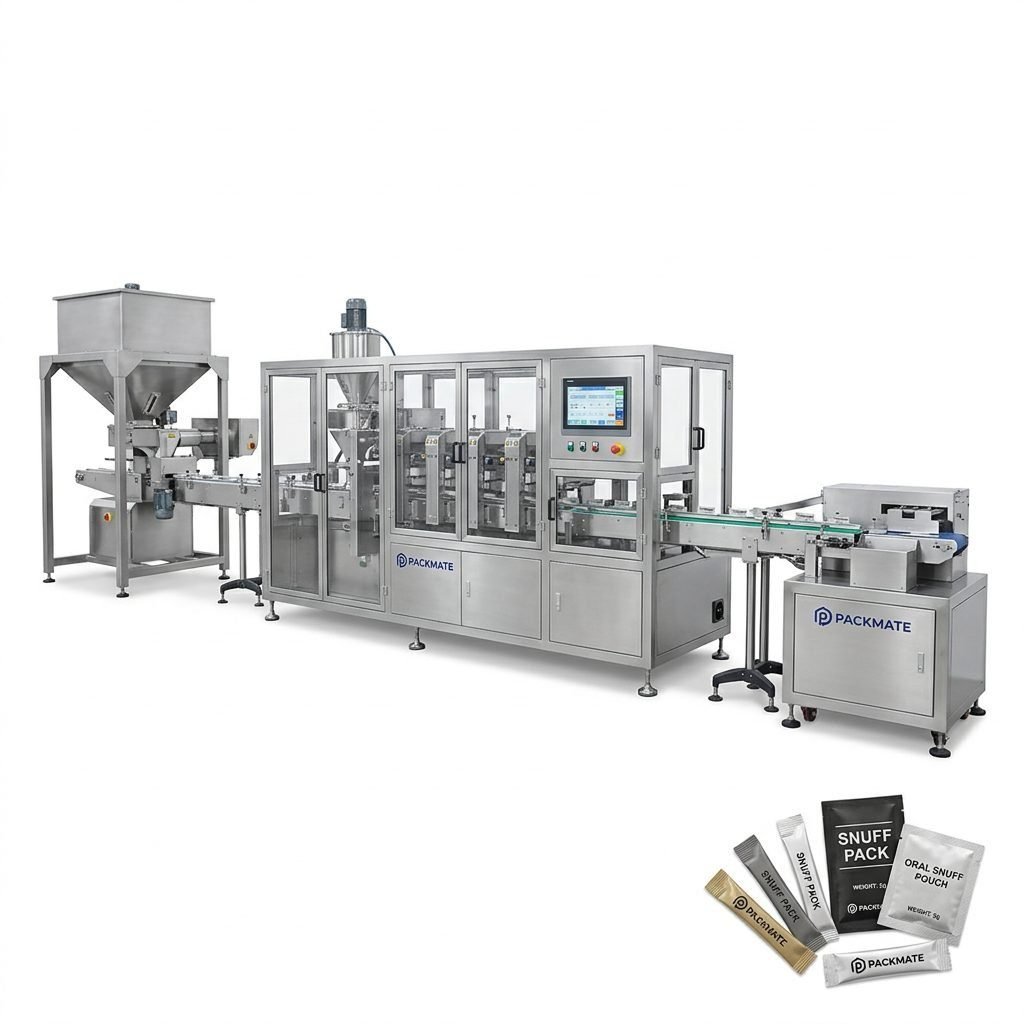
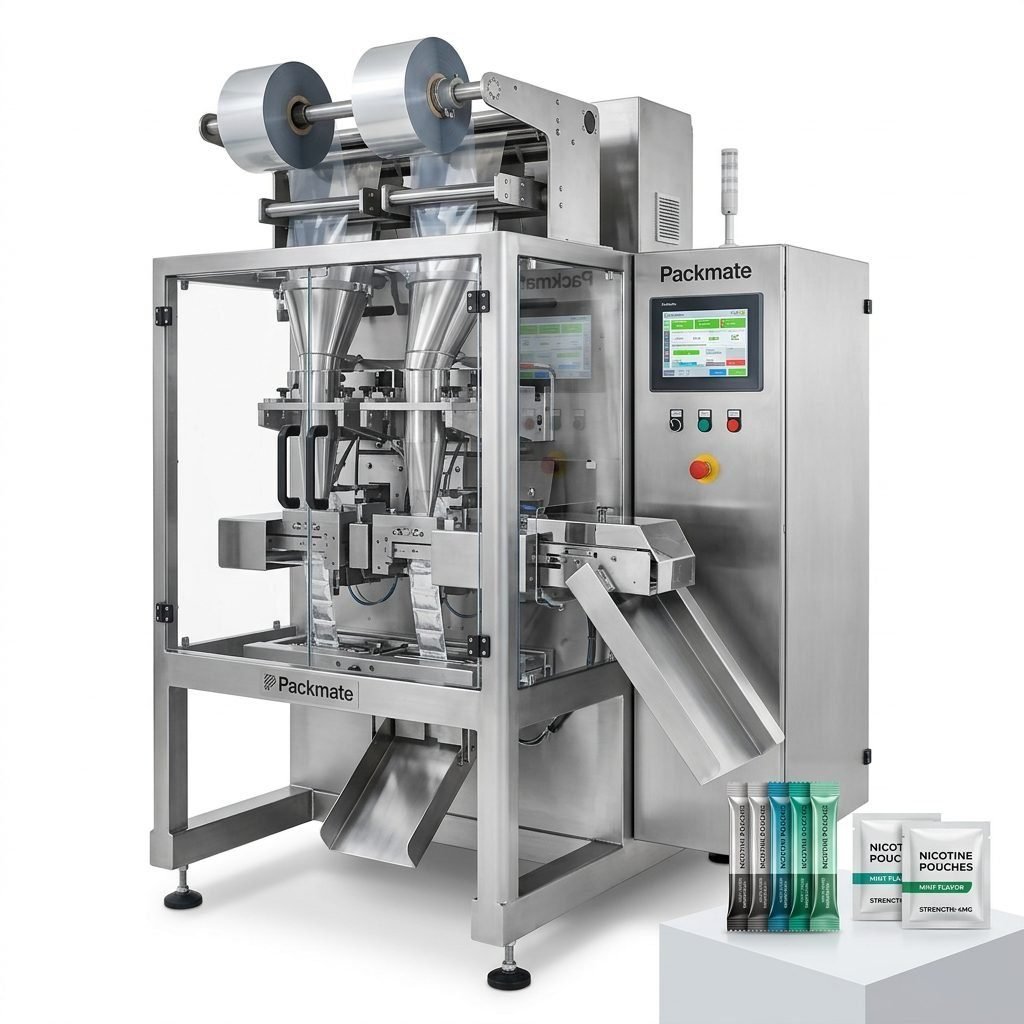
Multi-lane Snus / Nicotine Pouch Machines — high-volume production with multiple parallel lanes, optimized for small-dose pouches; useful for exporters and large domestic brands. Explore: Snus & Nicotine Packaging Machines.
Choosing between these depends on your target pack type, batch sizes, and flexibility demands. Ready-made modular systems are common: start with a reliable filling module, integrate a sealing/formatting module, and add labeling or secondary packaging as needed.
Capacity planning: speed, lanes, and scale
Calculate your annual production target, peak season surges, and SKU variety before selecting machine speed. Small Sri Lankan start-ups often start with a single-lane automatic machine and scale up to multi-lane systems as demand grows. Multi-lane machines reduce unit labor cost and footprint for high throughput, but they require higher initial investment and more advanced maintenance skills.
Rule of thumb: If you expect monthly volumes over several hundred thousand pouches, consider multi-lane or high-speed sachet machines. For boutique or private-label runs under 50,000 units/month, flexible single-lane or stick pack solutions are more cost-effective.
Accuracy & dosing: weighing systems matter
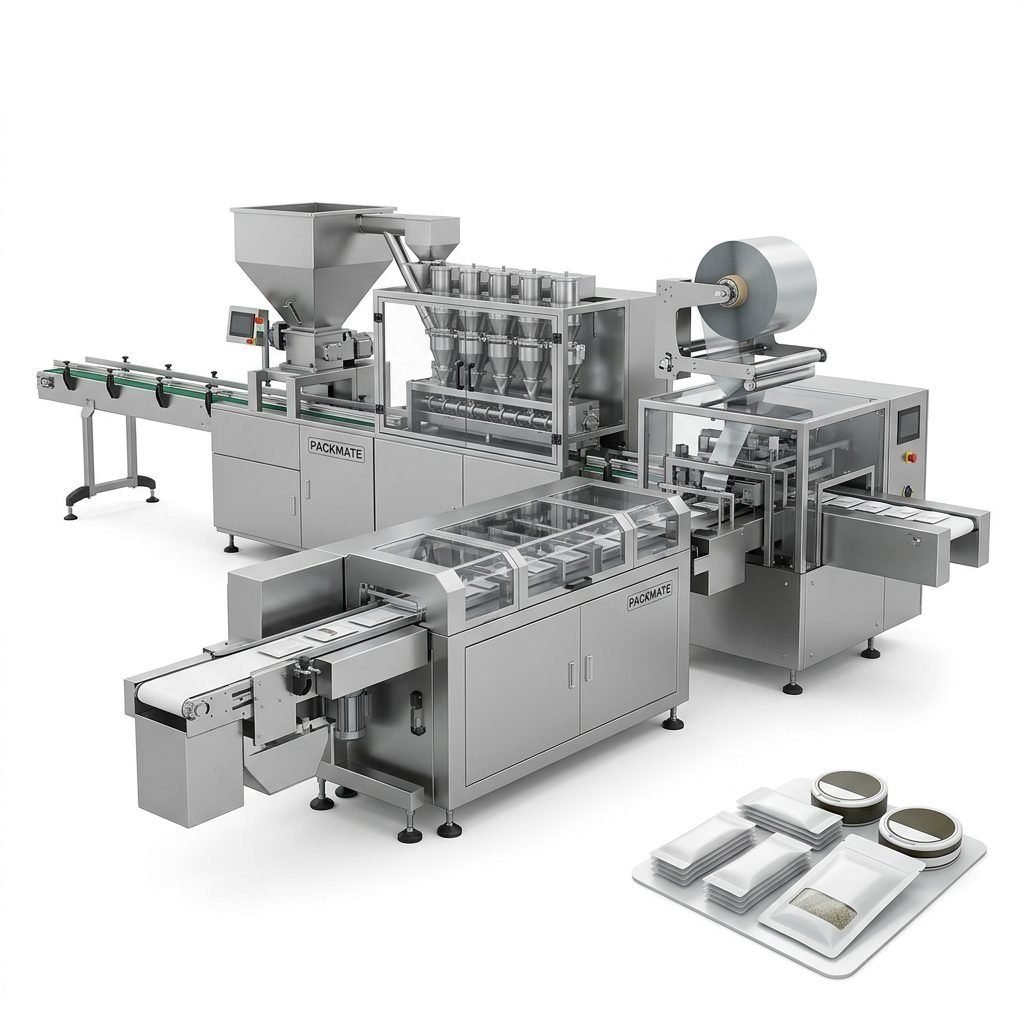
Nicotine pouch production demands strict weight and content control. Inconsistent dosing can lead to regulatory issues and customer complaints. Look for integrated weighing and dosing systems with rapid feedback loops and automatic calibration. For precision at high speeds, gravimetric or multi-head weighers paired with instant-actuating valves deliver consistent fills.
If your line requires complex formulations or micro-dosing, consider machines compatible with advanced weighing platforms. See compatible equipment: Weighing & Packaging Systems.
Material compatibility and pouch durability in humid climates
Sri Lanka’s humidity and heat require barrier films and seals that resist moisture ingress. Ask your supplier for packaging material recommendations suited for tropical conditions — multilayer laminates with moisture barriers, heat-seal compatible layers, and UV-stable inks. Machine sealing units must provide consistent heat and pressure control to avoid variable seals in changing ambient conditions.
Automation, integration and turnkey lines
If you plan to build a full production line, choose a supplier experienced in integrating upstream fillers, dosing/weighing systems, packaging machines, and downstream cartoning or case packing. Turnkey solutions reduce integration time and commissioning risks. For integrated solutions and filling lines, review: Filling & Packaging Lines.
HMI, PLCs and Industry 4.0 readiness
Modern lines should come with intuitive HMIs, PLC control, remote diagnostics, and data logging. Remote support can be a lifesaver when local technicians are still upskilling — insist on remote access options and clear warranties for software and hardware.
Hygiene, cleaning, and material selection for food-grade production
Even if snus products are not ingested, manufacturing hygiene is essential to avoid contamination and odor transfer. Choose machines with sanitary design: stainless steel frames (304 or 316 where necessary), easily removable product-contact parts, and smooth surfaces for daily cleaning. CE and ISO certifications indicate compliance with international manufacturing standards; see supplier credentials on their Certificate page.
Maintenance, spare parts availability, and local service
Downtime in production can be costly. Verify the supplier’s spare-parts lead times and options for local stocking. Training for Sri Lankan operators and technicians is important — hands-on training reduces maintenance errors and speeds up troubleshooting. Check whether the supplier offers installation, commissioning, and ongoing service plans: Service.
Tip: Request a parts list and a local stocking recommendation. Consider stocking high-wear items like belts, cutters, and sealing elements to minimize stoppages.
Budgeting: upfront cost vs total cost of ownership
When evaluating quotes, compare not just machine price but the whole-life cost: energy consumption, spare parts, consumables (films, inks), maintenance contracts, operator training, and expected uptime. Cheaper machines can create hidden costs through lower accuracy, higher scrap rates, and more frequent repairs.
Factory layout and utilities in Sri Lanka
Ensure your facility can deliver stable power, compressed air, and appropriate exhaust/ventilation. Coastal and high-humidity areas in Sri Lanka can corrode poorly protected equipment; choose machines with protective coatings and consider indoor dehumidification for critical assembly and packaging areas. Plan for material handling space, storage for raw materials with humidity control, and a clear maintenance area.
Supplier selection: evaluating Packmate as an option
Packmate Snus Machine has 30+ years of experience in packaging machine design and a 20,000㎡ manufacturing facility. Their product range includes snus & nicotine packaging machines, stick pack and sachet machines, and complete filling and weighing solutions. If you prioritize experience, modular turnkey capability, and CE/ISO compliance, Packmate is a viable candidate. Learn more about the company background and capabilities: About Packmate.
Why this matters for Sri Lanka: a manufacturer with turnkey experience can tailor systems to tropical climates, provide proper training, and shorten commissioning times — all important when local technical resources are limited.
Practical checklist: questions to ask suppliers before you buy
🔎 What is the effective production speed for my chosen pouch type? (ask for tested speeds with similar materials)
🛠️ What spare parts are recommended to stock locally, and what are lead times?
📐 Can the machine run my chosen film laminate and sealing specifications in humid conditions?
🔧 What training and commissioning services are included, and is remote support available?
📜 Provide certifications and references for similar installations in tropical or coastal regions. (Check Case studies: Case)
Commissioning and operator training — what to insist on
Demand on-site commissioning, operator training, and maintenance training. Training should cover start-up/shutdown procedures, emergency stops, basic troubleshooting, and preventive maintenance schedules. Packmate and similar suppliers often offer factory acceptance testing (FAT) prior to shipping — insist on video records or live witness when machines are tested with your chosen materials.
When to consider customization
Customization is justified when your product format, dosing mechanism, or regulatory labeling demands differ from standard models. Common customizations for Sri Lanka include corrosion-resistant finishes for coastal facilities, adjusted film widths to fit local suppliers, or adapted sealing parameters for high-humidity performance.
Next steps: practical procurement roadmap
1) Define product specs (pouch type, weight, materials). 2) Estimate volume and SKU mix. 3) Shortlist 2-3 suppliers and request FAT videos or on-site demos. 4) Verify spare parts and training packages. 5) Plan factory layout and utility upgrades in parallel with procurement. Contact suppliers early to align lead times with your launch schedule — for direct supplier contact see Contact Us.
Selecting the best snus packaging machinery in Sri Lanka is a balance of technical fit, supplier reliability, and sensitivity to local conditions. Take time to validate machine performance with your exact materials and target pack styles, and require clear service commitments before signing a purchase order.
Summary: quick buying checklist
Action items:
✔️ Confirm regulatory & labeling requirements in Sri Lanka.
✔️ Test machine performance with your film in tropical conditions.
✔️ Verify spare parts availability and local training plans.
✔️ Choose suppliers with turnkey capability if you need full-line integration.
Frequently Asked Questions
Q1: How does Sri Lanka’s humidity affect pouch sealing and what can be done?
A1: High humidity can reduce seal integrity and increase the chance of delamination. Use high-barrier laminates, optimized sealing temperature/pressure profiles, and consider dehumidified storage for films. Specify machines with precise temperature control for sealing jaws.
Q2: Do I need a multi-lane machine for export markets?
A2: If your export volumes exceed several hundred thousand pouches per month, multi-lane systems are more efficient. For lower volumes or many SKUs, single-lane machines allow flexibility and lower capital outlay.
Q3: What maintenance support should I require from a supplier?
A3: Insist on initial commissioning, operator and technician training, a spare parts list with recommended stock levels, and remote support capability. Clear SLAs for response times and warranty terms are essential.
Q4: Can Packmate provide turnkey solutions and FAT documentation?
A4: Yes, Packmate specializes in turnkey snus and nicotine pouch lines and offers factory acceptance testing and documentation. Learn more on their About and Case pages.
Q5: How can I ensure my packaging materials are suitable for Sri Lanka?
A5: Work with film suppliers to choose high-barrier laminates and test real-world aging under humidity/temperature conditions. Request trial runs on the actual machine and validate seal strength and oxygen/moisture transmission rates.