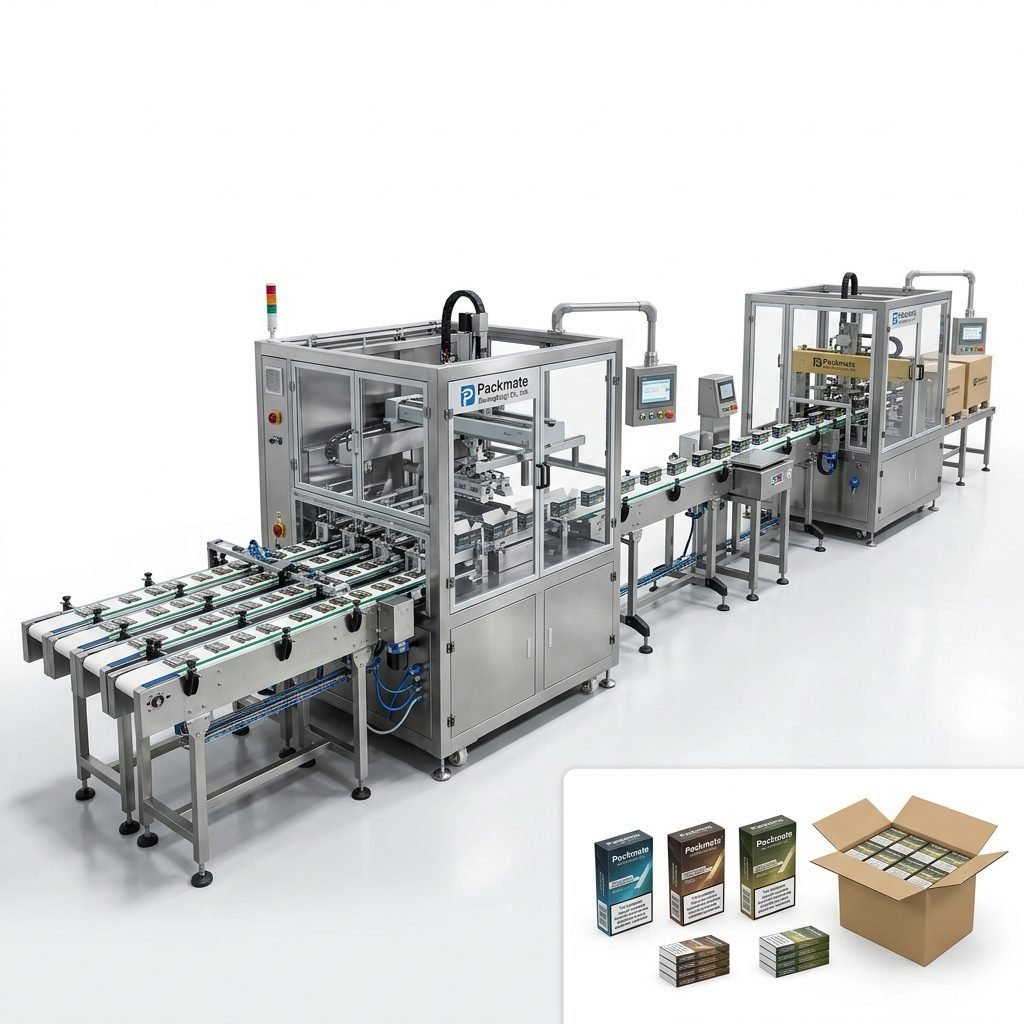
Choosing the right snus packaging machine supplier for a Gabon-based operation requires more than just selecting a machine with attractive specifications. You must evaluate supplier reliability, after-sales service, local logistics, protection against tropical humidity, and regulatory compliance. This guide walks you through practical, locally relevant steps to identify the best supplier and secure a turnkey packaging solution tailored for Gabon’s market and climate.
Why selecting the right supplier matters in Gabon
Gabon is a francophone country on the west coast of Central Africa with coastal ports such as Libreville and Port-Gentil, a hot and humid climate, and growing urban consumer segments. For snus and nicotine pouch producers serving Gabon, reliability, humidity control, and local service are critical. A good supplier reduces downtime, ensures packaging integrity in humid conditions, and helps you meet import and local regulations.
Local realities to keep in mind
In Gabon, many end users prefer discreet, compact packaging formats that travel well across humid highways and into rural markets. Urban centers (Libreville, Port-Gentil) will demand higher variety and faster replenishment, while rural sales need robust packaging resistant to heat and moisture.
Key technical criteria: what your snus packaging machine must offer
When evaluating equipment, prioritize reliability and product protection. Below are the technical attributes that matter most.
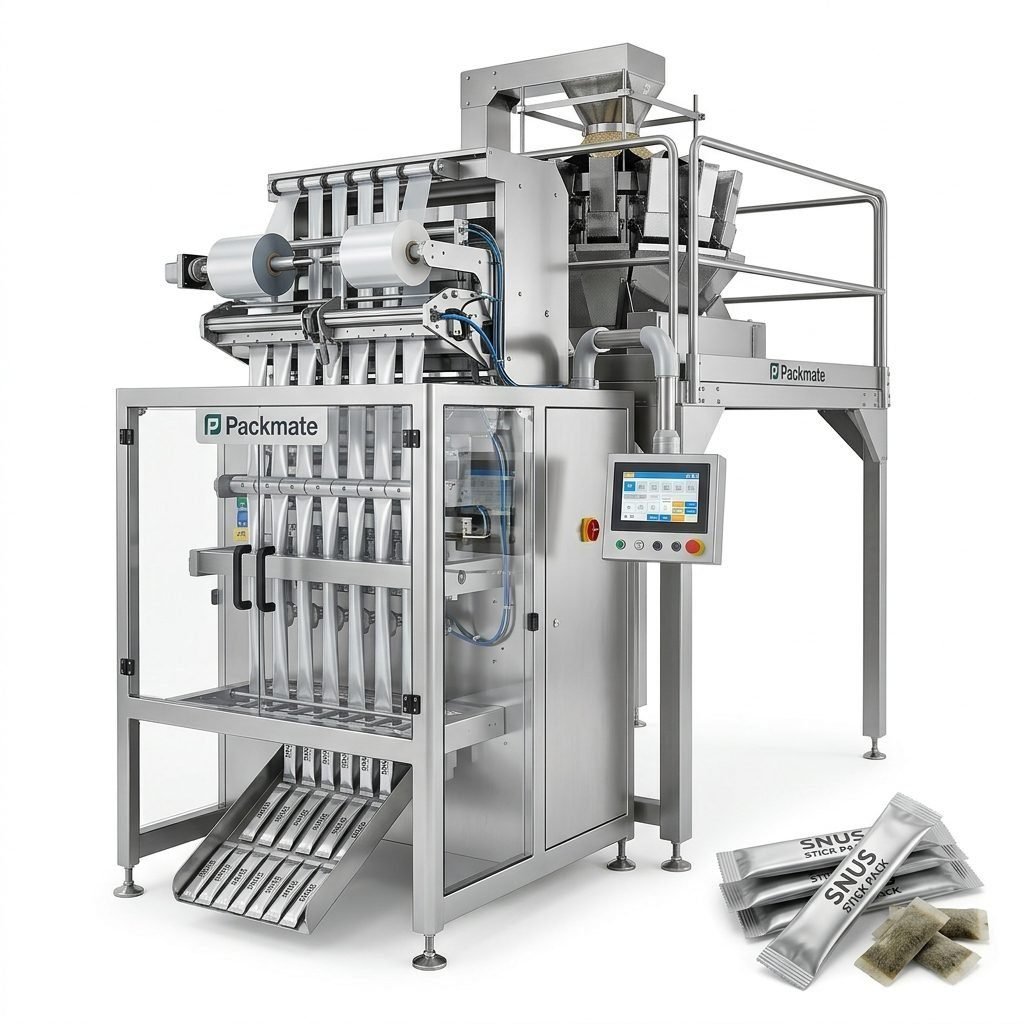
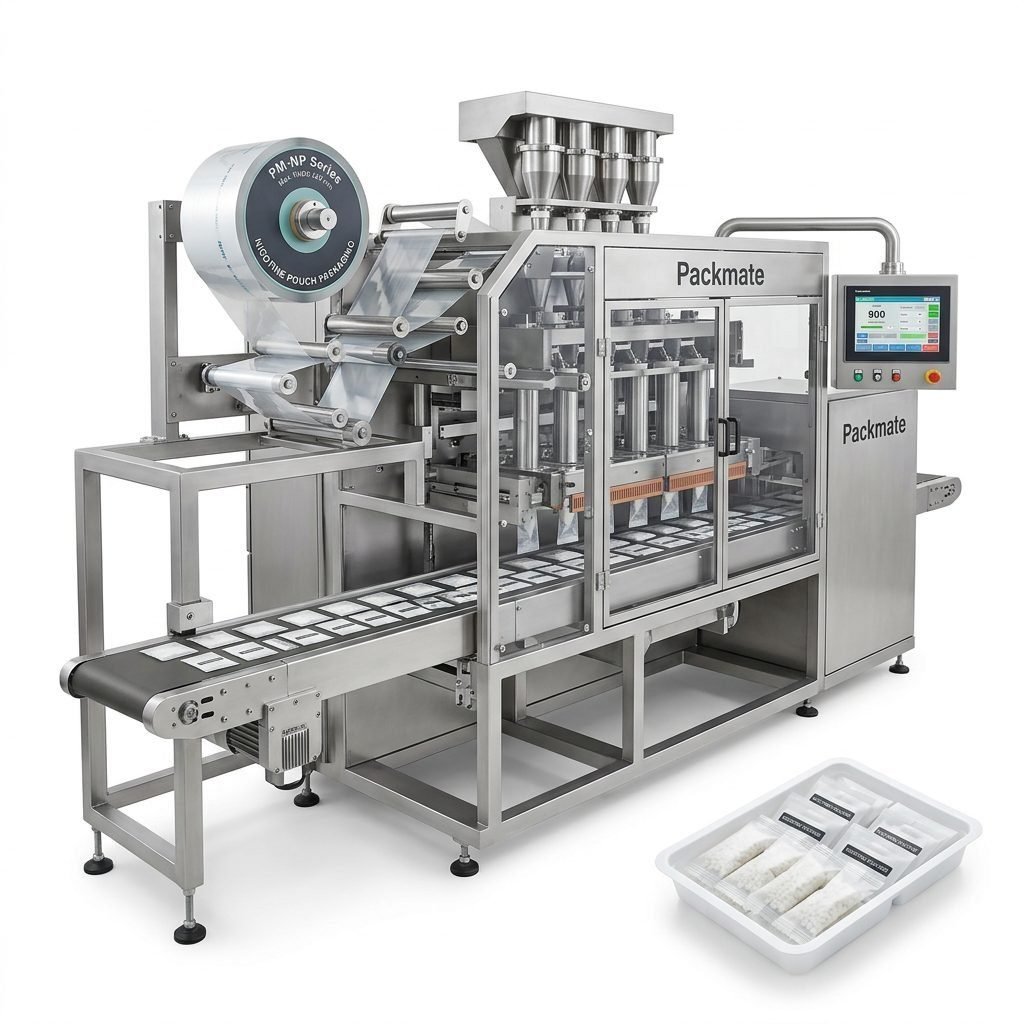
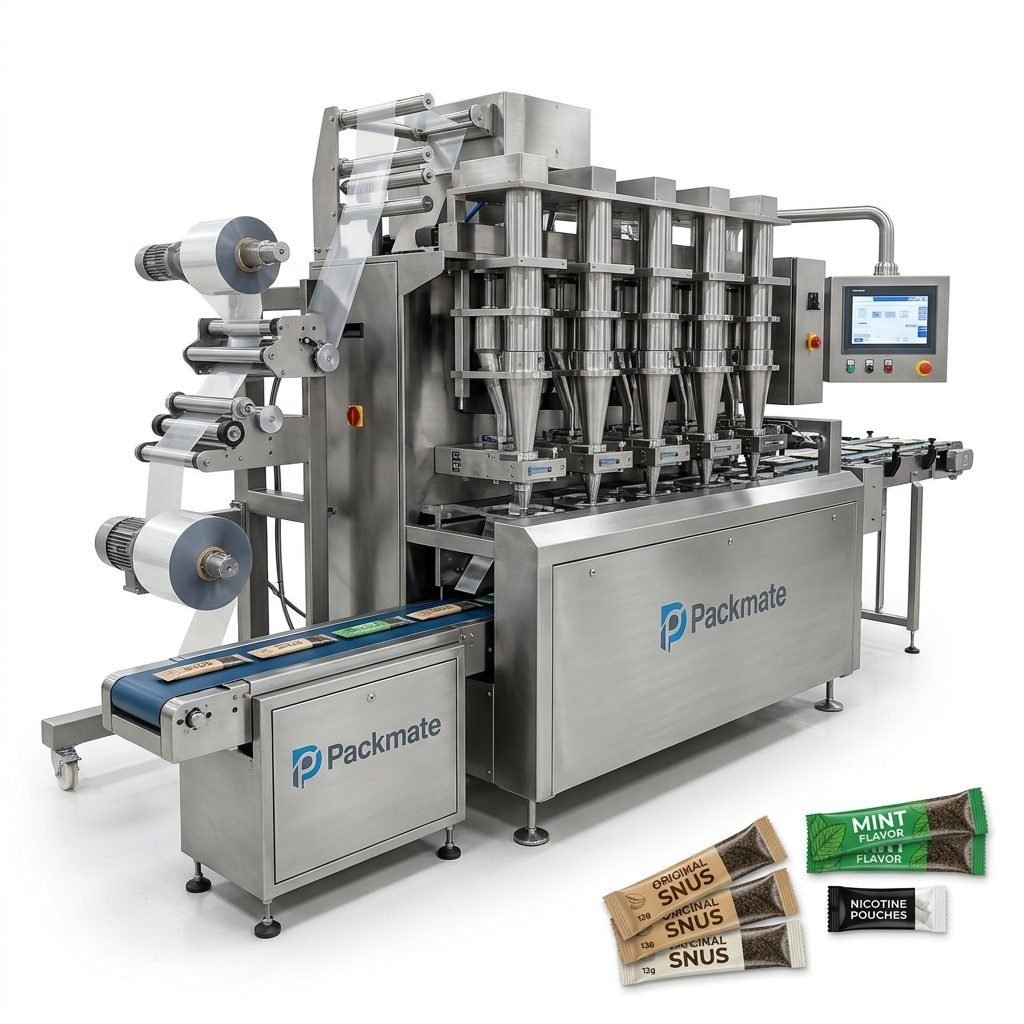
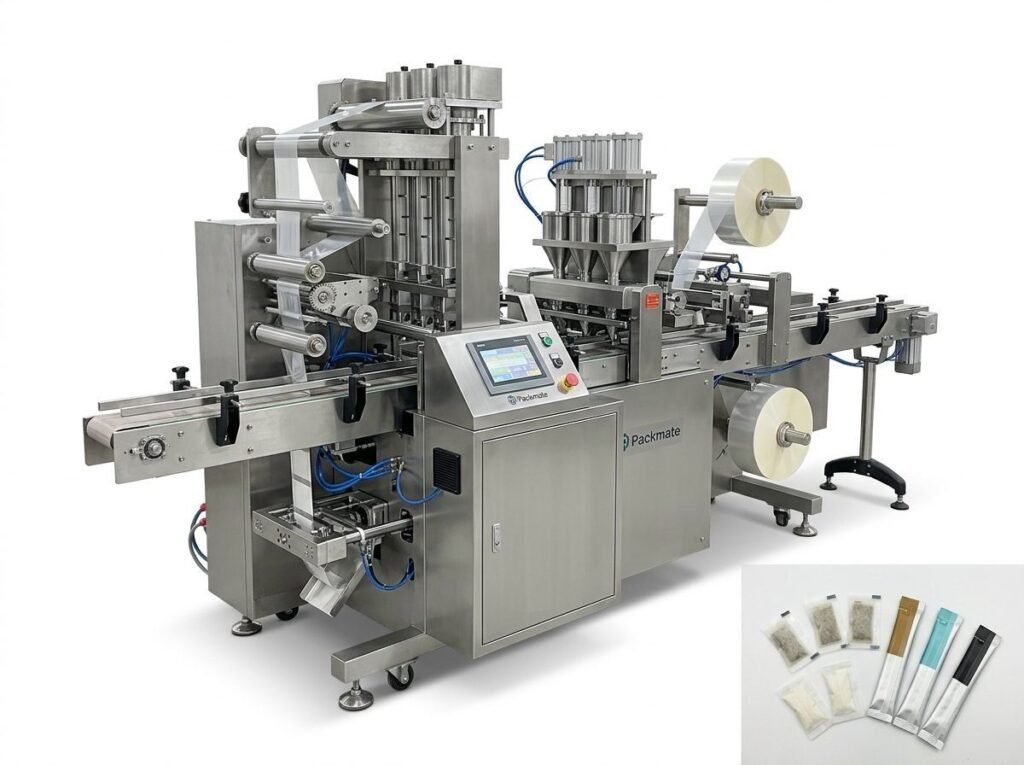
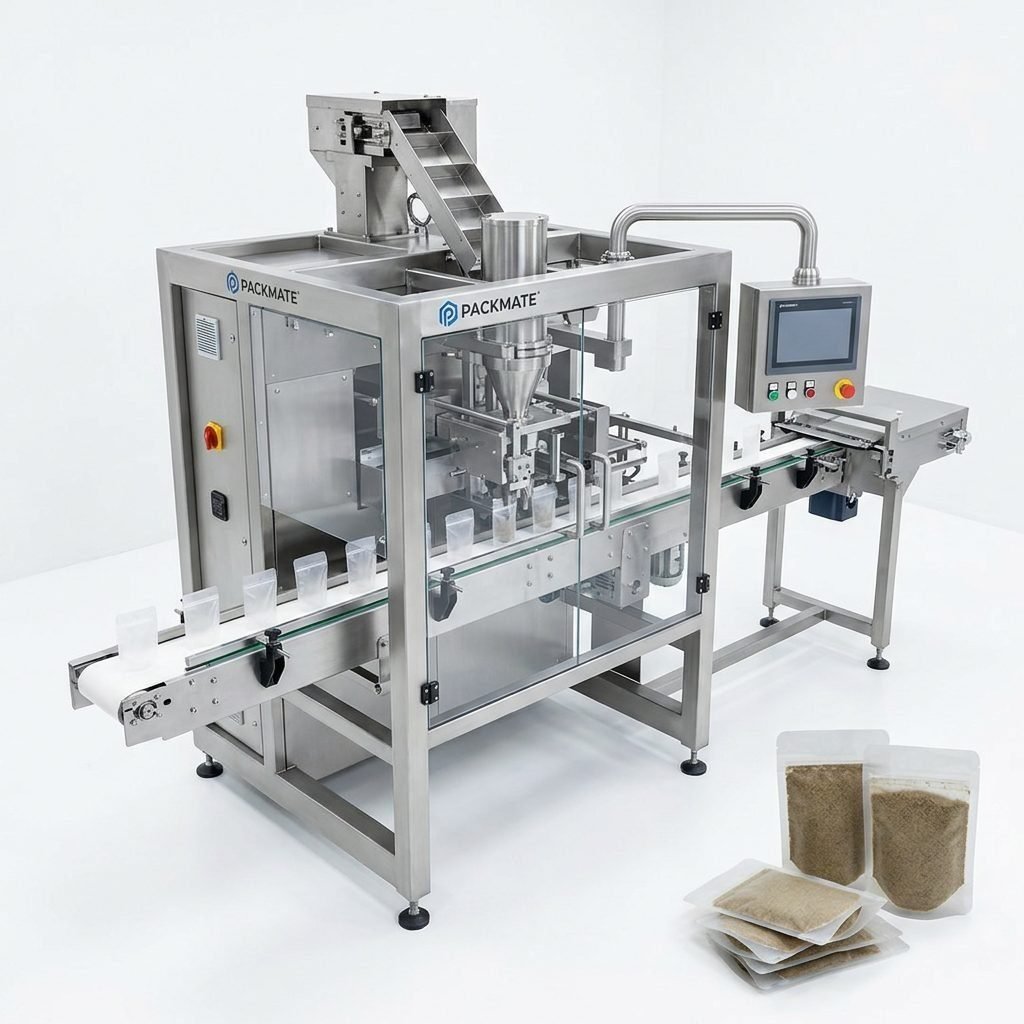
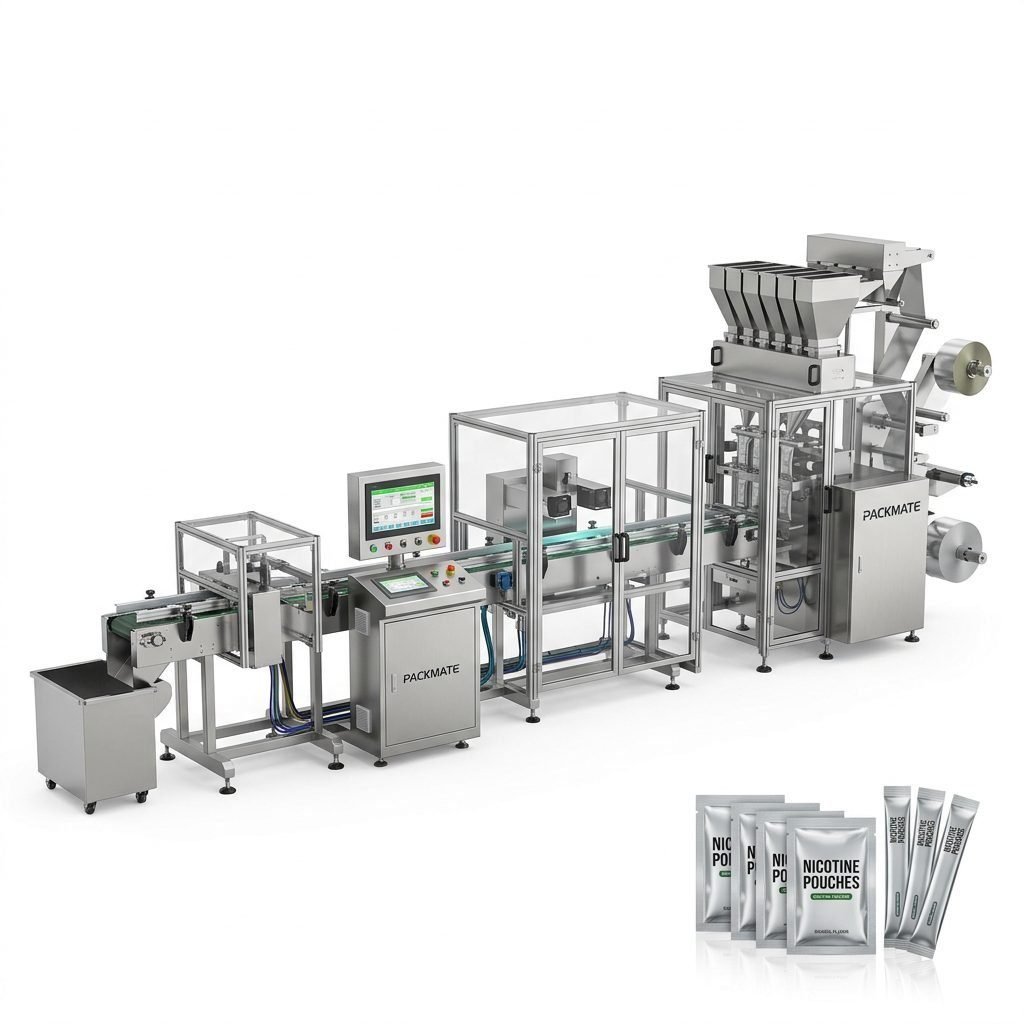
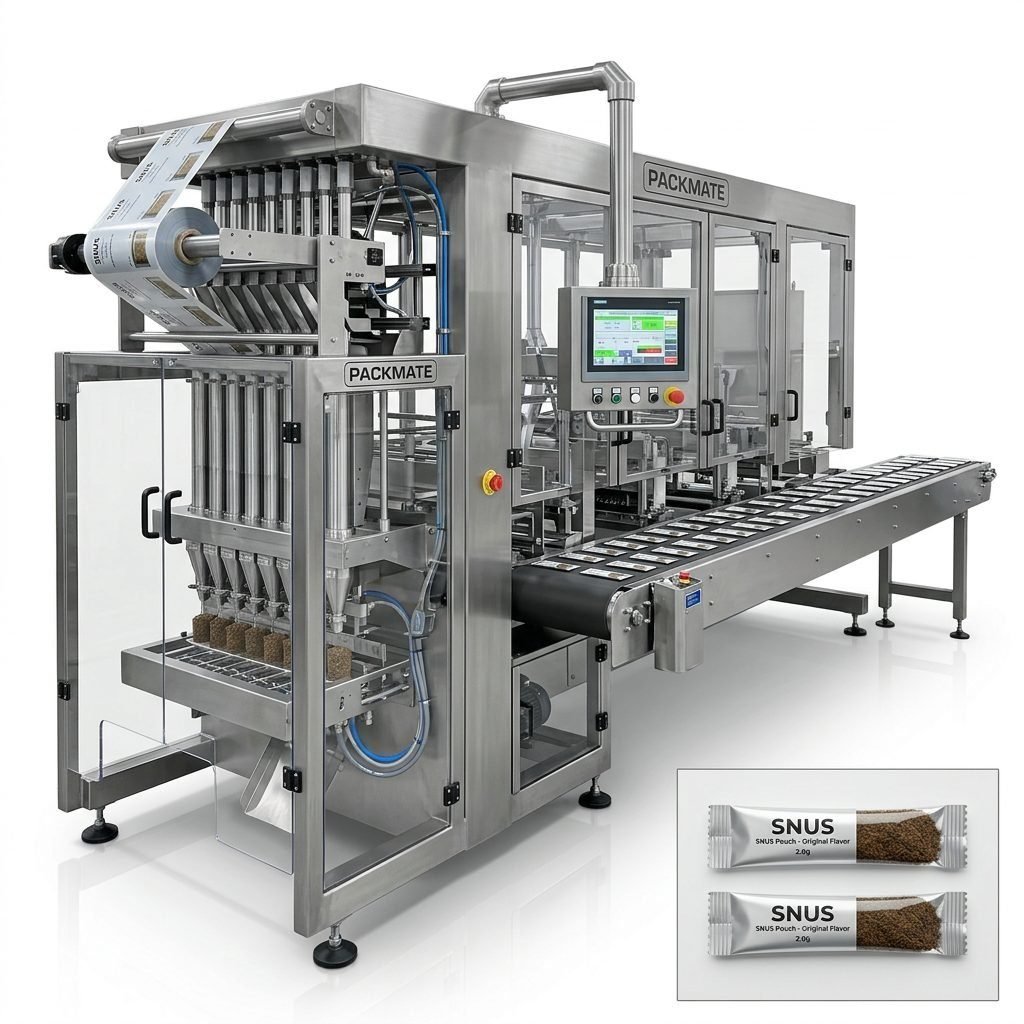
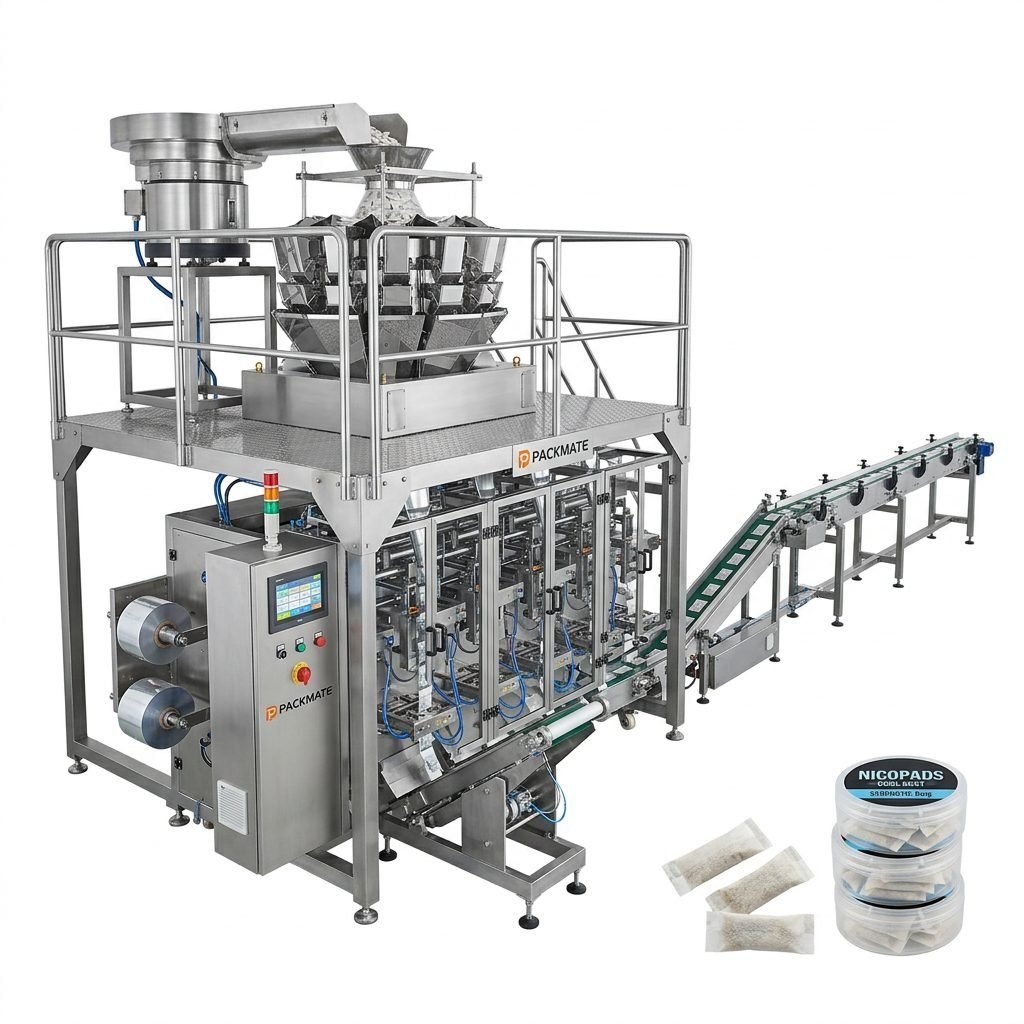
🔧 Production formats & flexibility: The supplier should offer machines for nicotine pouches, snus pouches, stick packs and sachets. Look for multi-format capability so you can switch between formats without expensive retooling.
⚡ Throughput & lane configuration: Choose single- or multi-lane machines depending on your target output. Multi-lane systems massively increase throughput per square meter—important for growing demand in Gabon’s urban markets.
🔒 Sealing & barrier performance: Heat-seal integrity, pouch material compatibility (foil-laminates, barrier films) and humidity-proof sealing are essential in Gabon’s humid climate to preserve nicotine pouches’ freshness and prevent microbial issues.
🧰 Control & automation: PLC controls, recipe memory, HMI with multilingual options (French is essential in Gabon), and remote diagnostic capability speed up changeovers and simplify operator training.
Supplier vetting checklist — practical items to verify
A structured checklist helps you compare suppliers objectively. Below are items you should verify either through documentation, video demo, or an in-person visit.
✅ Factory & production capability: Confirm factory size, machining centers, and assembly lines. A supplier with a dedicated facility and CNC capability demonstrates manufacturing depth and parts stability.
✅ Certifications & compliance: Demand CE, ISO and other applicable certifications. These show adherence to international safety and quality norms that ease import clearance.
✅ References & case studies: Ask for customer references, especially projects similar in scale and climate. Request operation videos and production samples.
For more product options and technical pages, review the supplier’s product overviews such as Snus & Nicotine Packaging Machines, Sachet & Stick Pack Machines, and Bag & Pouch Packaging Machines.
Commercial terms, lead times and spare parts strategy
Commercial clarity is essential. Confirm lead time, payment terms, spare parts availability, and warranty coverage in writing before signing. For Gabon, where shipping windows and customs clearance can vary, build contingencies into schedules.
📦 Shipping & customs: Prefer suppliers with experience shipping to Libreville or Port-Gentil. They should provide a packing list compliant with Gabonese import requirements and support customs documentation.
🛠 Spare parts & local stocking: Identify critical spare parts and consider stocking them locally or with a regional partner to minimize downtime.
Payment & financing options
Discuss staged payments tied to milestones (deposit, factory acceptance test, shipment, on-site installation). If you need financing, some manufacturers or banks provide equipment loans—confirm terms early to avoid delays.
After-sales support, training and local language needs
After-sales service is a top differentiator. For Gabon, insist on French-language manuals and operator training. Remote support via video calls and the ability to dispatch technicians quickly are valuable in reducing production risks.
📞 Local training & HMI language: Ensure the HMI supports French and that the supplier provides on-site or remote training for operators and maintenance staff.
🧾 Documentation & spare-parts lists: A comprehensive spare-parts list with part numbers and lead times will help you plan inventory and avoid production stoppages.
Environmental & packaging material advice for Gabon
Gabon’s high humidity and heat mean packaging must act as an effective barrier. Consider materials with high water-vapor transmission resistance and compatible heat-seal layers.
💧 Use barrier laminates: Aluminum foil laminates or high-barrier metallized films are commonly used to protect nicotine pouches from humidity and oxidation.
♻️ Sustainability considerations: While barrier films are essential, discuss recyclable or mono-material options with suppliers to balance protection and sustainability.
Factory acceptance test (FAT) and site acceptance test (SAT): a practical protocol
A well-run FAT and SAT reduce disputes and ensure the machine meets agreed specifications. Require video-recorded FAT and a witnessed run-off producing your actual product and film.
✅ FAT checklist highlights: Run rates, seal integrity tests under elevated humidity, weight accuracy, lane synchronization, and packaging appearance. Request sample packs for lab testing.
If you want to see proven installations and project examples, review supplier case studies and exhibition evidence such as Case and Our Exhibition.
Choosing between turnkey providers and component suppliers
Turnkey suppliers deliver a full line—feeders, weighers, pouch machines, cartoners, and conveyors—reducing integration risk. Component suppliers may offer lower upfront cost but require more systems integration work.
🔗 Turnkey benefits: Single-point responsibility, compatibility across equipment, simplified commissioning, and single contract terms that include on-site setup and training.
🔩 Component supplier considerations: Potentially lower cost and best-of-breed components, but ensure you budget for integration engineering, PLC mapping, and additional testing time.
Why certifications and factory scale matter — evidence of reliability
Suppliers with ISO and CE certification typically have stricter quality control and documented testing procedures. Larger factories with CNC centers show the ability to produce replacement parts quickly and maintain consistency between machine builds.
For more information about a supplier’s credentials and mission, see About Packmate and their Certificate pages.
Operational tips after installation in Gabon
After installation, track key performance indicators (KPIs) such as OEE, scrap rate, seal failure rate and mean time to repair (MTTR). Schedule periodic preventive maintenance and keep critical spares on the shelf.
📈 KPI examples: Target run efficiency above 85%, scrap rate under 2%, and first-time start rate >95% after maintenance.
Selecting a partner: recommended steps
Follow these step-by-step activities to make a confident purchase decision.
1. Define production targets and formats: Clearly state daily output and pouch formats so suppliers can propose optimized lane configurations.
2. Request BOM, lead times and FAT video: Evaluate real proof of performance and machine build quality before payment milestones.
3. Negotiate support & warranty in French: Ensure manuals, training and support are available in French for effective local operations.
For support options and post-sales services, check Service and the supplier’s Contact Us details.
A note on cultural & regulatory sensitivity
Tobacco and nicotine products are subject to specific laws and cultural sensitivities. Work with legal counsel familiar with Gabonese regulations and labeling requirements. Present products in a way that adheres to local advertising and packaging rules and respects community norms.
Final considerations & recommended next steps
In summary, prioritize suppliers that demonstrate:
• Proven performance in humid climates
• Clear FAT/SAT procedures and sample approvals
• Strong after-sales support with French-language resources
If you need further technical pages or product comparisons, consider viewing the supplier’s catalog for machine families such as Weighing & Packaging Systems and Filling & Packaging Lines.
Selecting the right snus packaging machine supplier for Gabon combines technical evaluation, commercial due diligence, and logistical planning. Prioritize partners who can demonstrate reliable equipment, clear documentation, French-language support, and proven experience shipping and servicing in West/Central Africa.
Frequently Asked Questions
Q1: What documents should I request before ordering?
Request machine specifications, Bill of Materials (BOM), CE/ISO certificates, FAT video runs with your actual material, price breakdown, lead times, warranty terms, and spare-parts list.
Q2: How do I protect pouches from Gabon’s humidity?
Use barrier laminates (foil or metallized films), ensure optimal heat-seal settings, and verify seal integrity under elevated humidity during FAT. Also plan for proper warehouse climate control when possible.
Q3: Should I buy a turnkey line or assemble components?
If you value single-point responsibility and faster commissioning, choose a turnkey provider. If you have integration expertise and want best-in-class components, a modular approach can work—just budget for integration time and testing.
Q4: How long is the typical lead time?
Lead times vary by model and customization. Expect several weeks to a few months for standard machines, and longer for highly customized multi-lane systems. Always confirm lead times in writing and build contingency into your launch schedule.
Q5: Where can I get references and examples of installations?
Request the supplier’s case studies and exhibition records to see installations and demos. Suppliers often maintain a portfolio page—review case references and visit exhibitions or request a factory visit where possible.