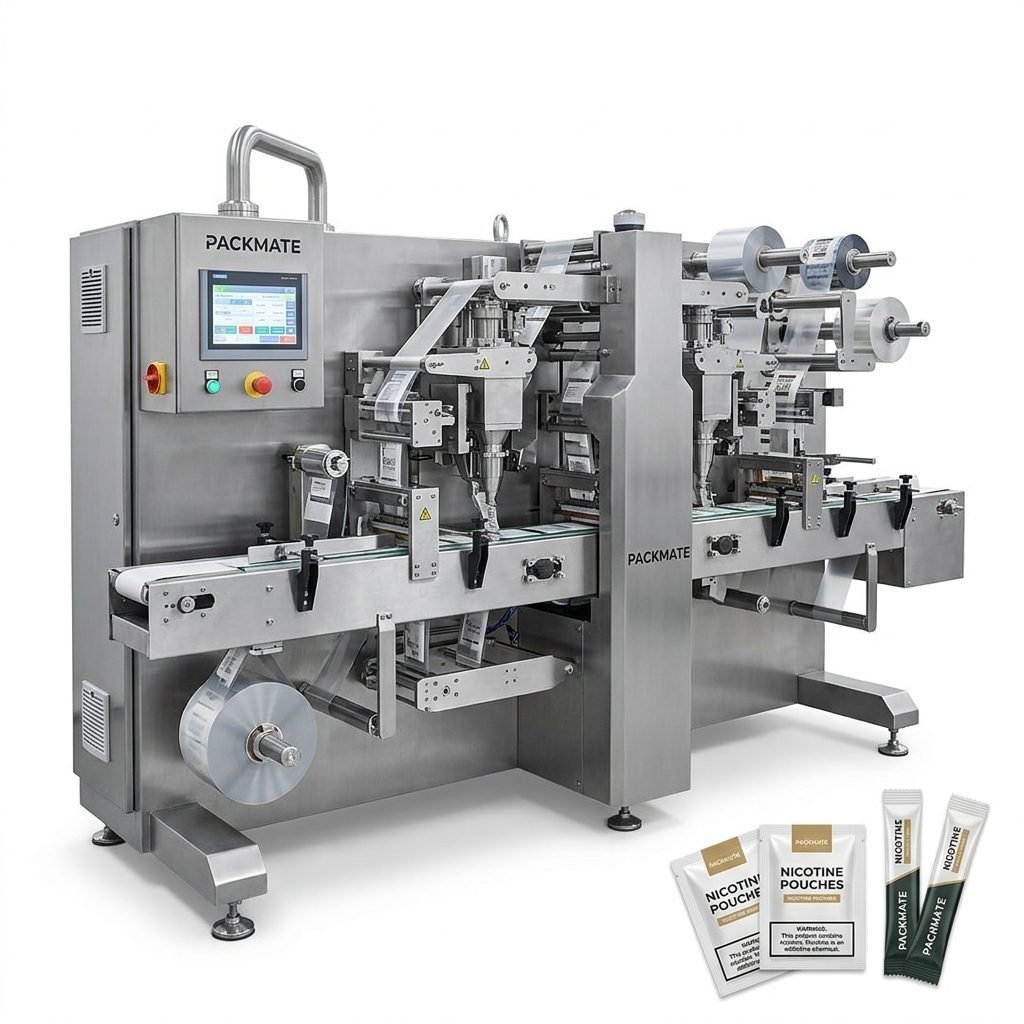
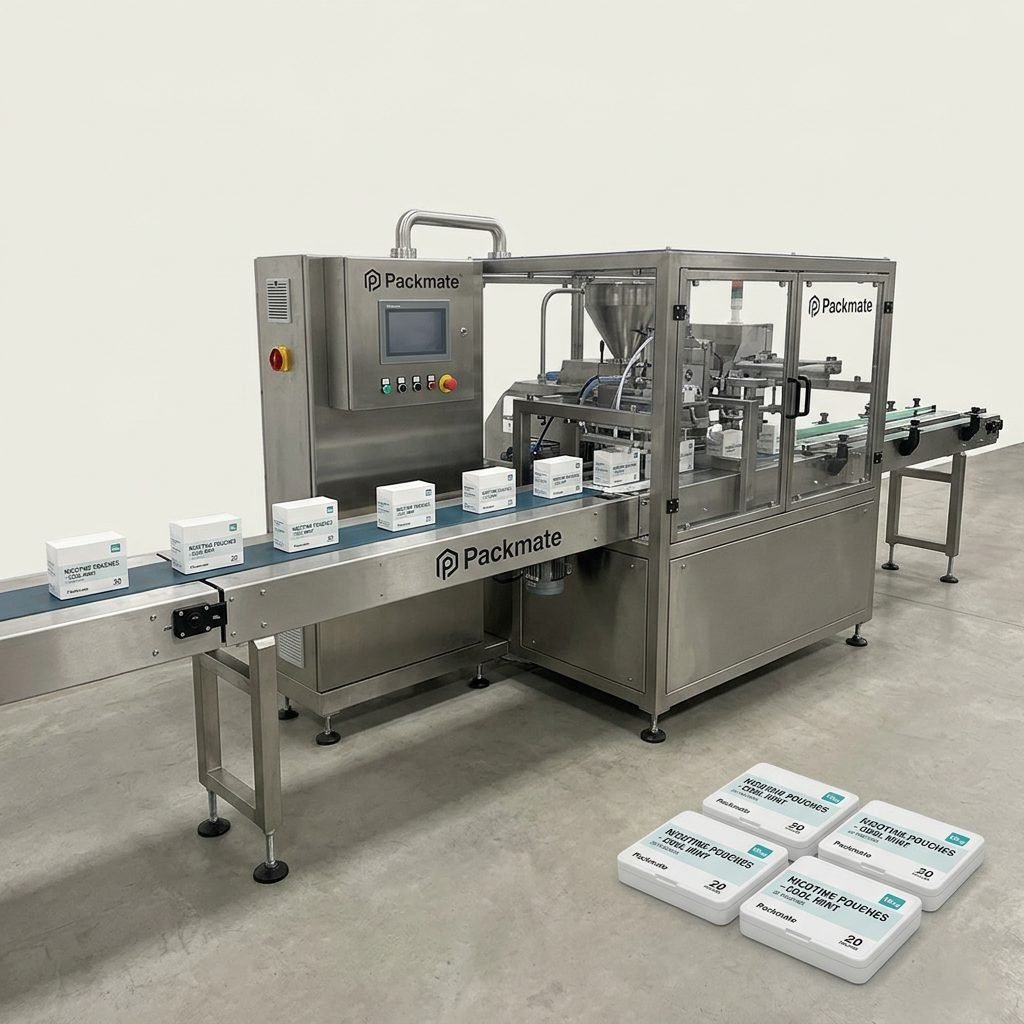
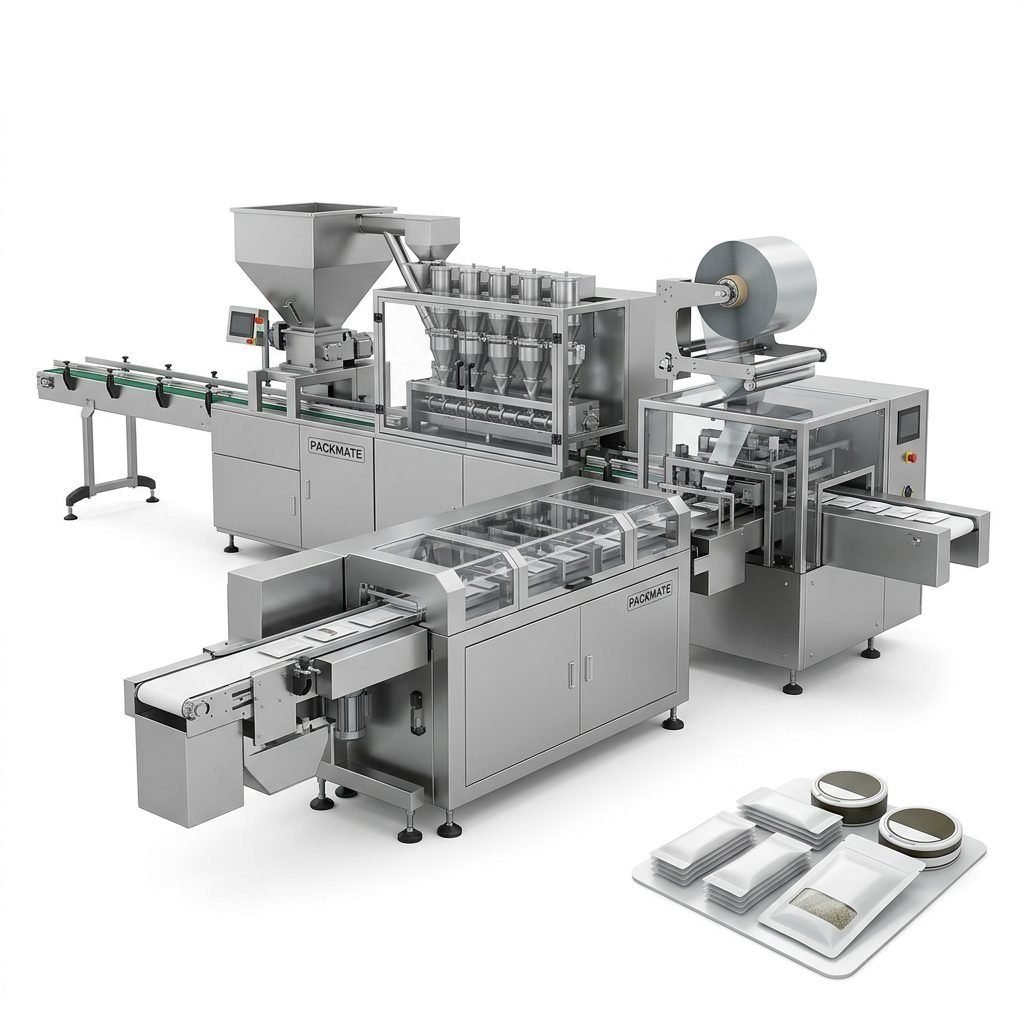
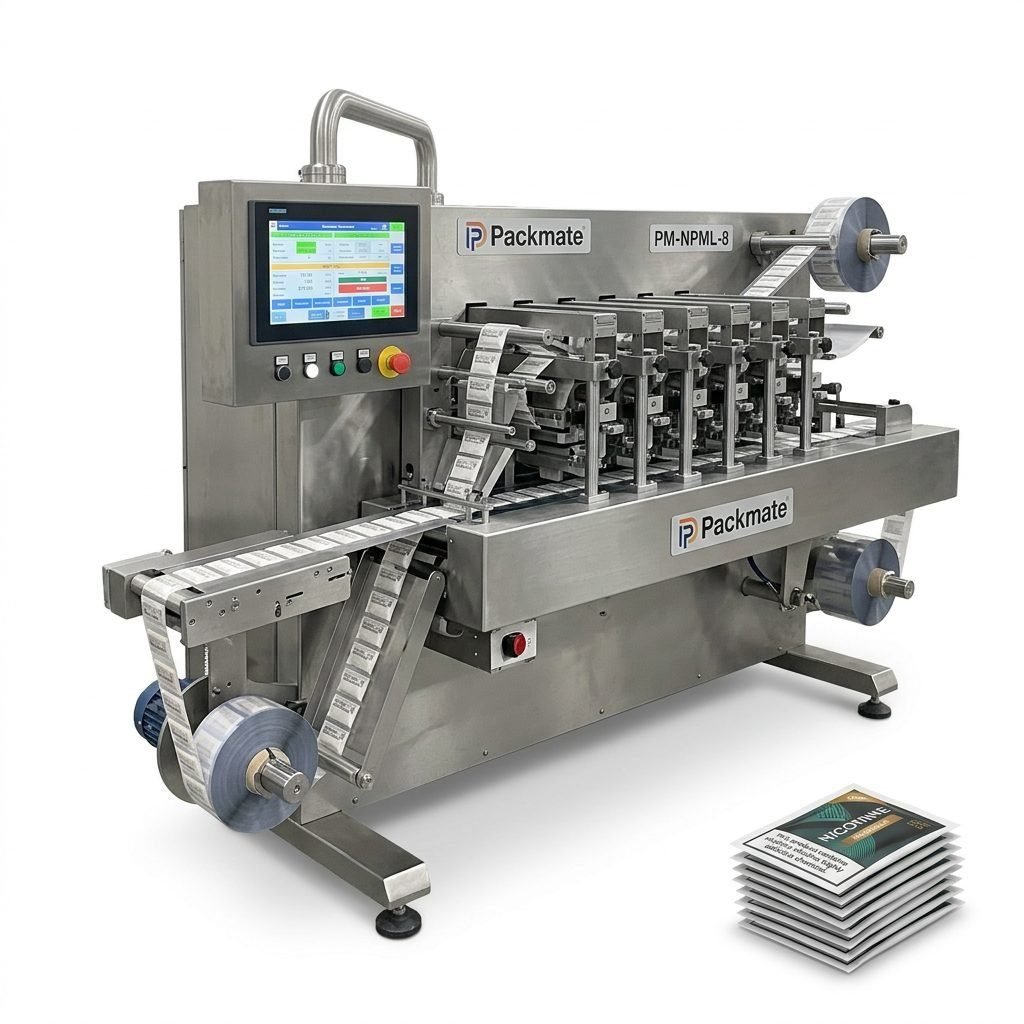
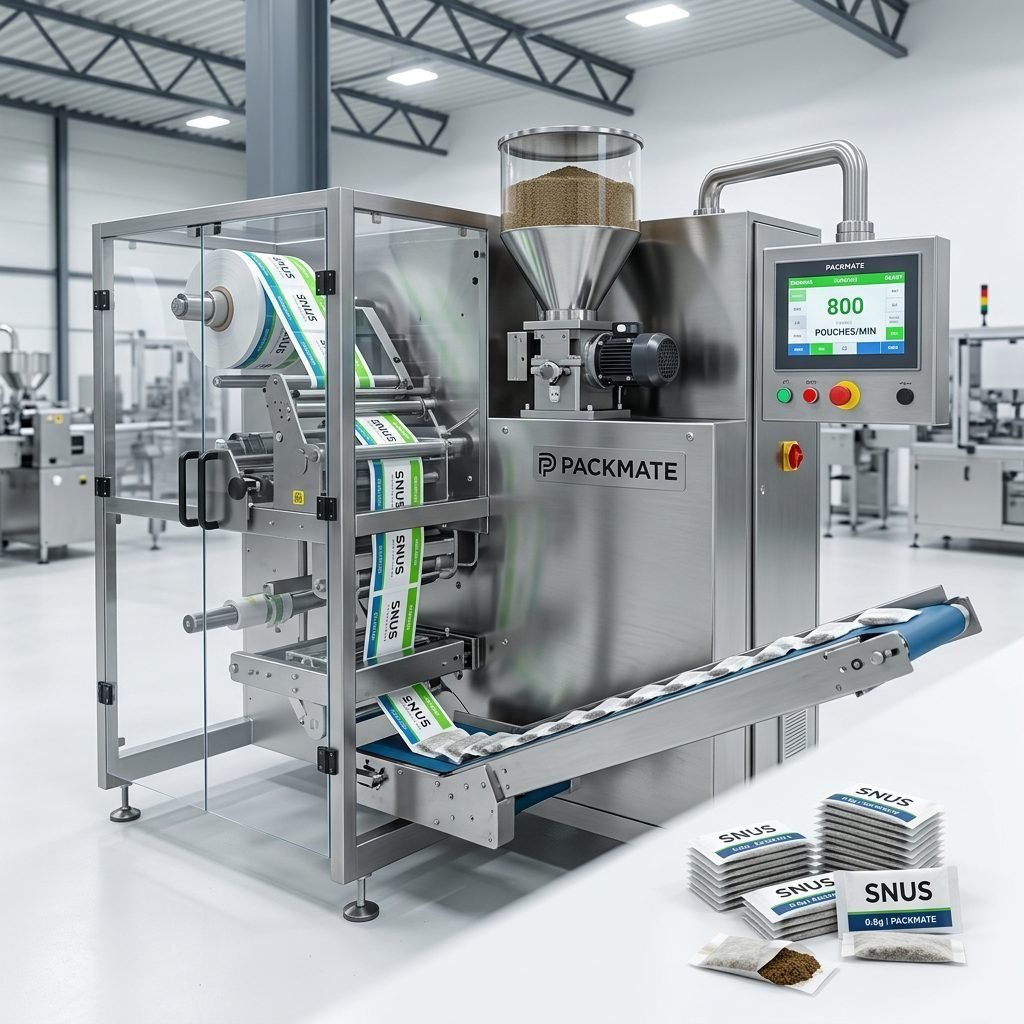
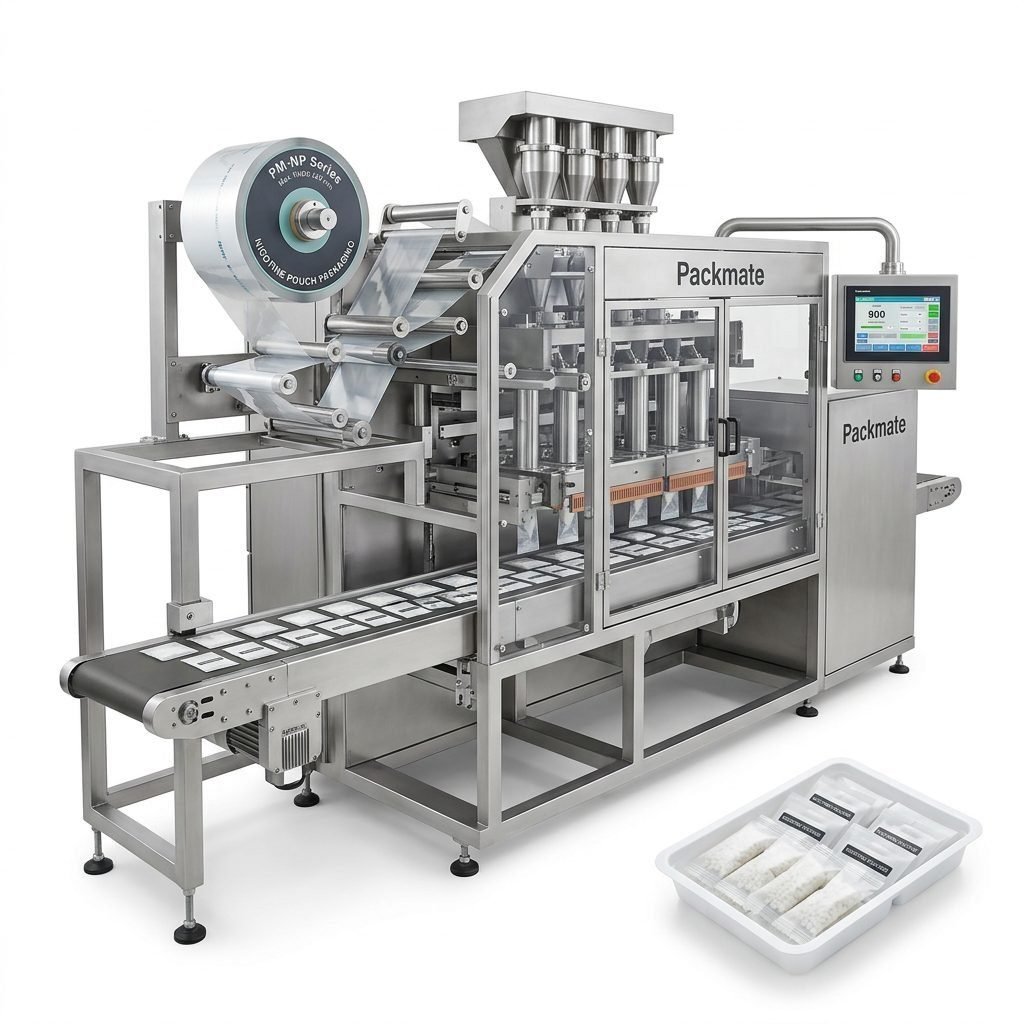
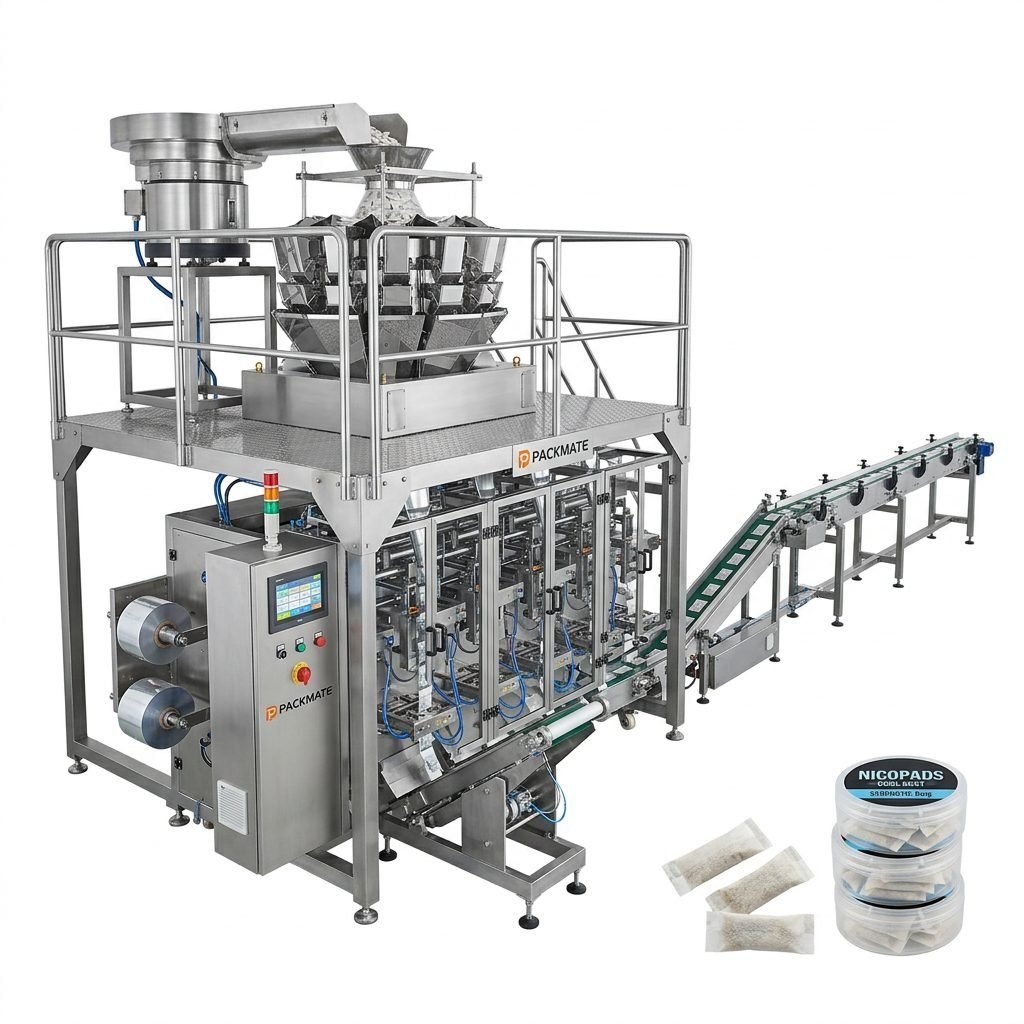
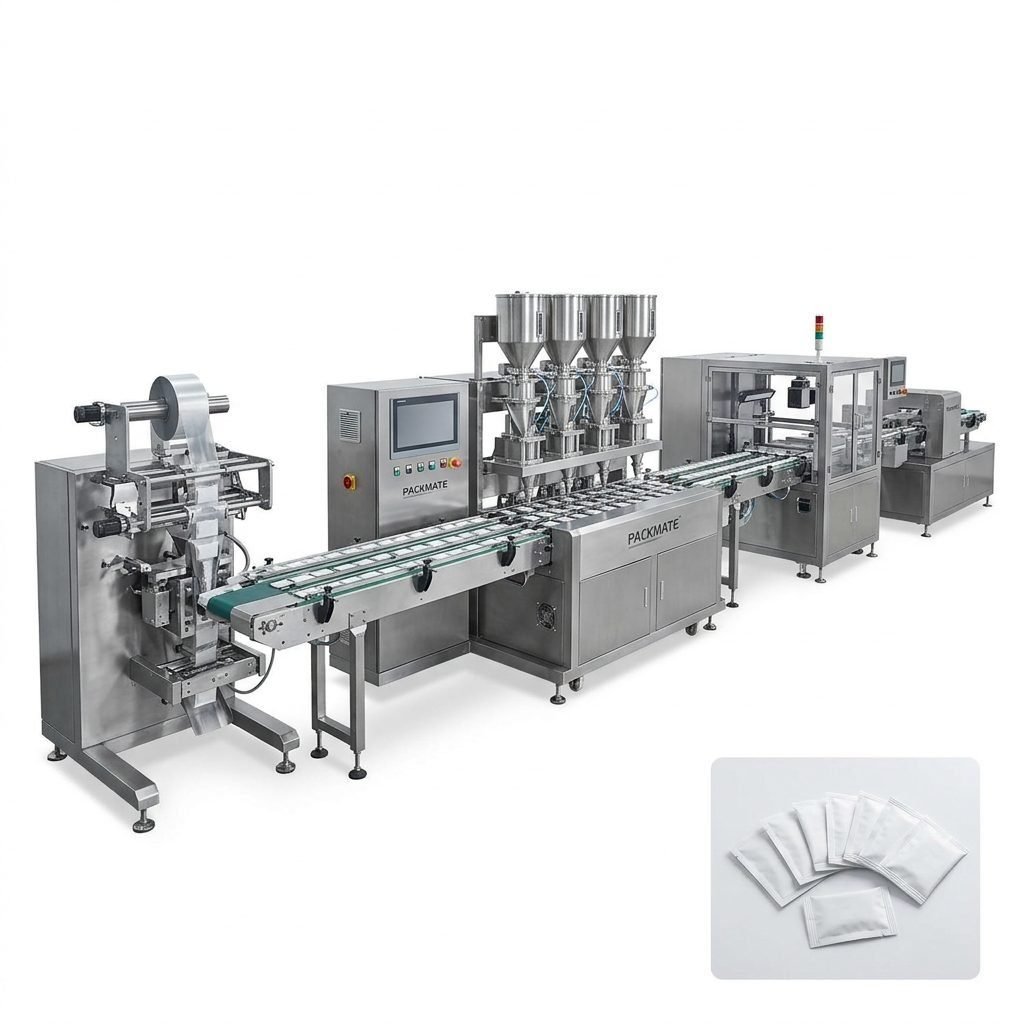
Choosing the right snus packaging machine for operations in Guatemala requires balancing production targets, product format, regulatory compliance, and long-term partnership with a reliable manufacturer. This guide walks production managers, engineers, and procurement teams through the practical steps and decision points to select the best snus / nicotine pouch packaging equipment for your facility, with actionable advice based on real-world packaging line design and supplier evaluation.
Understand Your Production Needs and Product Formats
Start by clarifying the daily output targets, pouch formats (round, oval, sachet, stick), and whether you require single-lane or multi-lane production. Small-batch artisan brands may prefer flexible stick pack or single-lane sachet machines, while high-volume converters serving retail chains benefit from high-speed multi-lane snus packing machines with automated feeding and online checking.
Key production parameters to record:
⚙️ Target throughput: pouches per minute and per shift.
📦 Format flexibility: maximum pouch width/length and dose variations.
📈 Future growth: planned capacity growth over 1–5 years.
Why format matters
The same machine family often supports multiple formats, but some differences—such as dosing head, sealing jaw configuration, or multi-lane indexing—are critical. If you plan to produce nicotine pouches with different fill materials (powder, moisture-controlled fibers, or granules), select machines with modular dosing systems and quick-change tooling.
Automation Level and Integration with Your Line
Assess how automated you want the line to be. Manual operations reduce capital expenditure but increase labor and variability. For consistent quality and lower long-term cost-per-unit, consider automated systems that include:
✓ Automatic feeding and metering to ensure precise dose control.
✓ In-line quality inspection for seal integrity, weight checks, and foreign object detection.
✓ PLC and HMI integration for recipe management and fast changeovers.
Tip: If you plan to scale quickly in Guatemala, choose machines that are famous for modular upgrades — add lanes, automatic infeed, or additional inspection stations without a full line replacement.
Technical Specifications to Compare
When comparing models and suppliers, request clear data on:
• Nominal speed (pouches/min) under real product conditions.
• Dosing accuracy (±% or g) especially for nicotine pouches where precision is critical.
• Changeover time between formats (aim for under 60 minutes for versatile operations).
• Power & air consumption to plan utilities and operating costs.
• Footprint & installation dimensions so you can evaluate factory layout and material flow.
Materials handling and packaging film
Verify compatibility with your chosen pouch materials: single-layer films, heat-sealable laminates, or barrier pouches. Heat-seal temperatures, tension control, and web handling modules determine the final seal integrity and shelf life. A machine with active tension control and servo-driven film spooling reduces waste and downtime.
Regulatory Compliance and Certifications
For export or regulated markets, machine certifications are essential. Check for CE and ISO compliance and ask for documentation. A supplier with internationally recognized certifications signals reliable safety systems, electrical compliance, and traceability processes during manufacturing.
Packmate Snus Machine provides equipment that aligns with international standards; see their product ranges for specialized snus lines at Snus & Nicotine Packaging Machines.
Evaluate Manufacturer Reputation and After-Sales Support
Beyond technical specs, a critical selection factor is service in Guatemala and regionally. Consider:
• Local representation or partner network for quicker spare parts and maintenance visits.
• Training programs for operators and maintenance teams.
• Turnkey solutions capability — suppliers who can design the entire line, from weighing and filling to primary packaging and secondary case packing.
Why it matters: In-country service reduces downtime and shipping costs for spare parts. Ask for references and case studies — proactive suppliers share installation stories and performance metrics. Explore real applications at Case.
Total Cost of Ownership (TCO) — Not Just the Purchase Price
Compare machines on TCO: initial CapEx, energy consumption, spare parts pricing, expected uptime, and labor. A slightly higher capital investment can be justified by lower downtime, better waste reduction, and higher yield.
Ask suppliers for:
• MTBF and MTTR estimates (mean time between failures, mean time to repair).
• Spare parts lead times and pricing for wear items like sealing jaws and dosing nozzles.
• Consumable usage rates to forecast monthly operating costs.
Factory Capabilities and Customization
Suppliers with strong engineering and manufacturing capability can tailor machines to your unique product. Packmate, for example, leverages over 30 years of experience and a 20,000㎡ facility to provide bespoke solutions — from stick pack to multi-lane snus lines. Learn more about the manufacturer at About Packmate.
If your product requires controlled humidity dosing, anti-static measures, or specific sealing patterns for branding, find a partner that offers engineering drawings, pre-installation layout, and on-site commissioning.
Turnkey Lines and Auxiliary Equipment
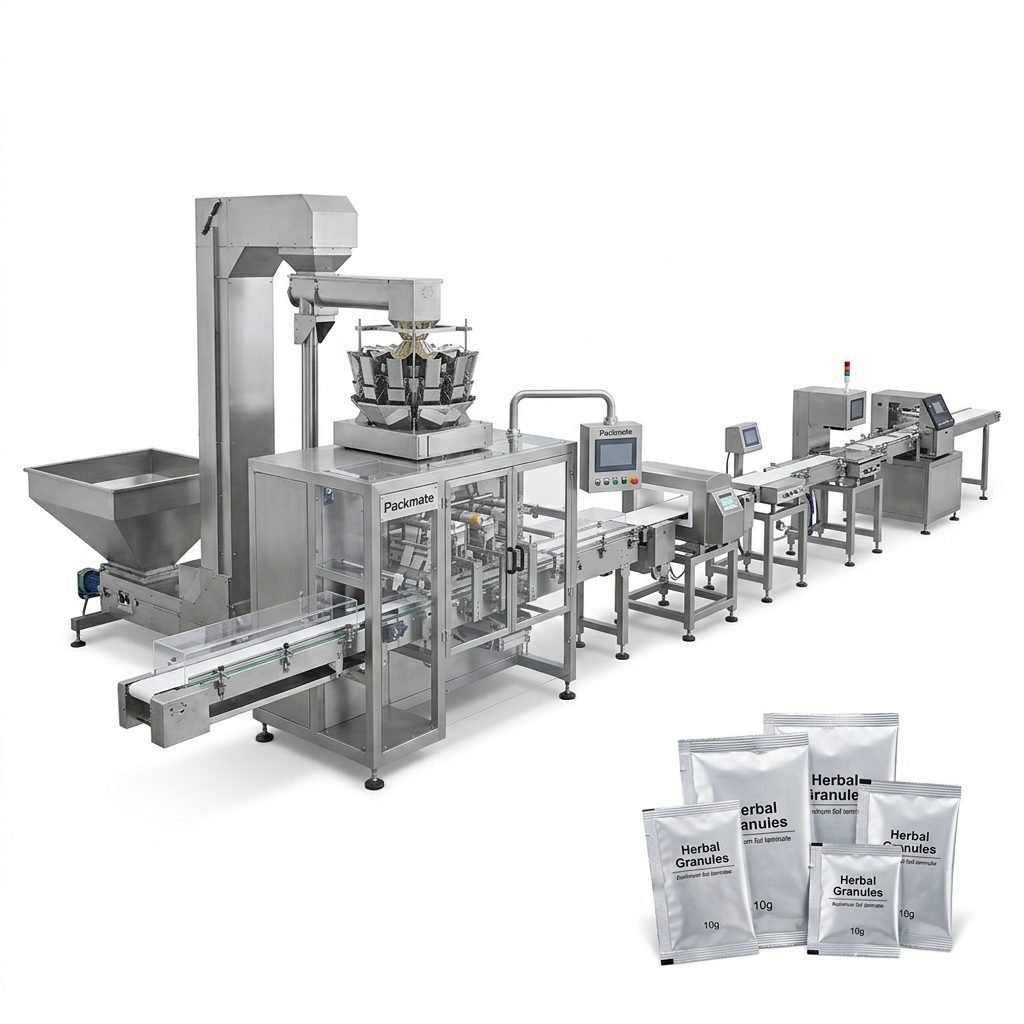
A true turnkey partner can deliver weighing systems, filling lines, infeed conveyors, check weighers, and case packers that are tested as an integrated system. For clients who prefer a one-stop provider, verify that the supplier offers auxiliary equipment and system integration services at competitive terms — view complementary systems like Weighing & Packaging Systems and Filling & Packaging Lines.
Site Preparation and Installation in Guatemala
Early planning avoids delays. Document factory utilities (voltage, phase, compressed air pressure and quality), floor loading capacities, and ceiling heights. Decide whether you need:
• Local installation assistance vs. supplier-provided technicians.
• FAT (Factory Acceptance Test) prior to shipment to ensure the line works with your product recipe.
• Remote commissioning support and training for operators.
Checklist for installation: utilities list, spare parts kit, operator training schedule, acceptance criteria, and warranty terms.
Warranty, Spare Parts and Long-Term Support
A solid warranty and transparent spare parts policy protect your investment. Negotiate:
• Duration and coverage of the warranty.
• Availability of critical spare parts with lead times to Guatemala.
• Options for preventive maintenance contracts and remote diagnostics.
Cost-Benefit Analysis and ROI
Build a simple ROI model comparing alternatives across CapEx, operating expenses, and production yield. Include scenarios for product mix changes and seasonality. Consider non-monetary benefits such as improved product consistency, reduced regulatory risk, and faster time-to-market for new SKUs.
Selecting a Supplier — Final Considerations
When narrowing to finalists, ask for:
• References from similar projects and live demos.
• Clear delivery timelines and penalties for missed milestones.
• A detailed contract covering acceptance criteria, training, spare parts, and service arrangements.
If you’re evaluating suppliers, review their product catalog and service offerings — for example, Packmate’s extensive portfolio covers Sachet & Stick Pack Machines and a wide range of Auxiliary Packaging Equipment.
Negotiation Tips
Negotiate not just price but value: include training, spare parts, FAT, and acceptable downtime terms. Seek flexible financing if capital is a constraint and ask for staged payments tied to milestones.
Why Choose a Proven Manufacturer for Guatemala Operations
Proven machine builders with global installations reduce implementation risk. They offer tested designs, spare parts networks, and documented performance. If possible, visit a reference installation or request a demonstration video of the machine running your product to validate performance.
For direct inquiries and tailored proposals, manufacturers typically provide contact routes and catalogs; a good next step is to reach out via the supplier’s contact page: Contact Us.
Quick Decision Map: Define production targets → Select machine family (single vs multi-lane) → Verify dosing & sealing compatibility → Check certifications & references → Plan installation & service.
Next Steps: From Quote to Production
Request a formal quote with a line drawing, FAT plan, spare parts list, and training schedule. Schedule a FAT with real product samples. Prepare your facility for installation and plan operator training before machine arrival.
For more detailed product options and full catalogs, review the Catalog and service descriptions at Service.
Final Remarks
Selecting the best snus packaging machine in Guatemala is a strategic decision that will shape your product quality, operational costs, and market speed. Focus on throughput needs, product compatibility, supplier reliability, and long-term support. A careful selection process that includes site readiness, FAT, and a clear service agreement will help you avoid common pitfalls and maximize ROI.
Common Questions
Q1: How long does it take to install a snus packaging line in Guatemala?
A1: Installation timelines vary by complexity; a single machine may require 2–4 weeks including FAT and commissioning, while a full turnkey line can take 8–16 weeks from delivery to start-up. Plan additional time for training and local permits.
Q2: What spare parts should I keep on hand for the first year?
A2: Keep wear parts (sealing jaws, belts, cutting knives), dosing nozzles, sensors, and a basic electrical spare kit. Your supplier should provide a recommended spare parts list based on expected usage.
Q3: Can machines be adapted for multiple pouch types?
A3: Yes. Many modern snus machines are modular and support quick-change tooling for different pouch sizes and formats. Confirm changeover time and tooling costs with the supplier.
Q4: How do I ensure compliance with export markets?
A4: Choose machines with CE and ISO certifications, maintain detailed production records, and work with material suppliers that provide regulatory documentation for packaging films and ingredients.
Q5: Where can I see references or live demonstrations?
A5: Ask potential suppliers for case studies, references, and recorded or live demos. Many manufacturers host demos at trade shows or their factory; view exhibition schedules via Our Exhibition.