Choosing the right snus packaging machine in Zimbabwe means balancing local consumer habits, regulatory realities, production targets and long-term cost of ownership. This buyer’s guide walks you through practical considerations — from machine types and production throughput to installation, servicing and return on investment — so you can make a confident purchasing decision that matches Zimbabwean market needs and cultural preferences.
Understand Zimbabwean Market & Consumer Habits
Zimbabwe has a strong heritage of tobacco farming and widespread use of oral tobacco products. Local consumers often favor small-dose pouches and discreet packaging. Retail distribution frequently relies on kiosks, small shops and informal traders, which increases the demand for compact, durable retail sachets and multi-pouch retail packs. When evaluating machinery, keep in mind:
Tip: Packaging that is moisture-resistant and tamper-evident appeals to Zimbabwean consumers and retailers, especially for export to neighboring countries.
Key Machine Types and When to Choose Them
Selecting the right machine type depends on pouch format, speed requirements and future product plans. Common snus packaging solutions include:
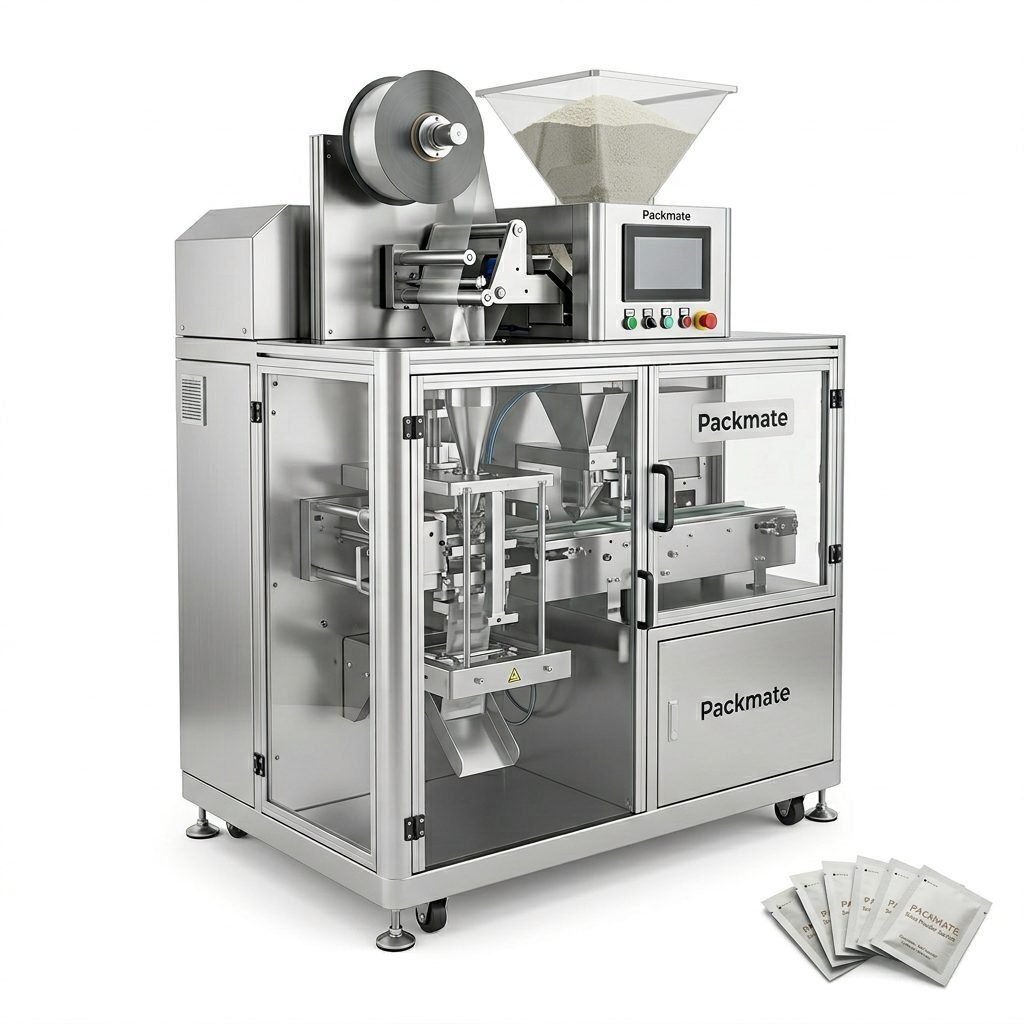
Sachet & Stick Pack Machines
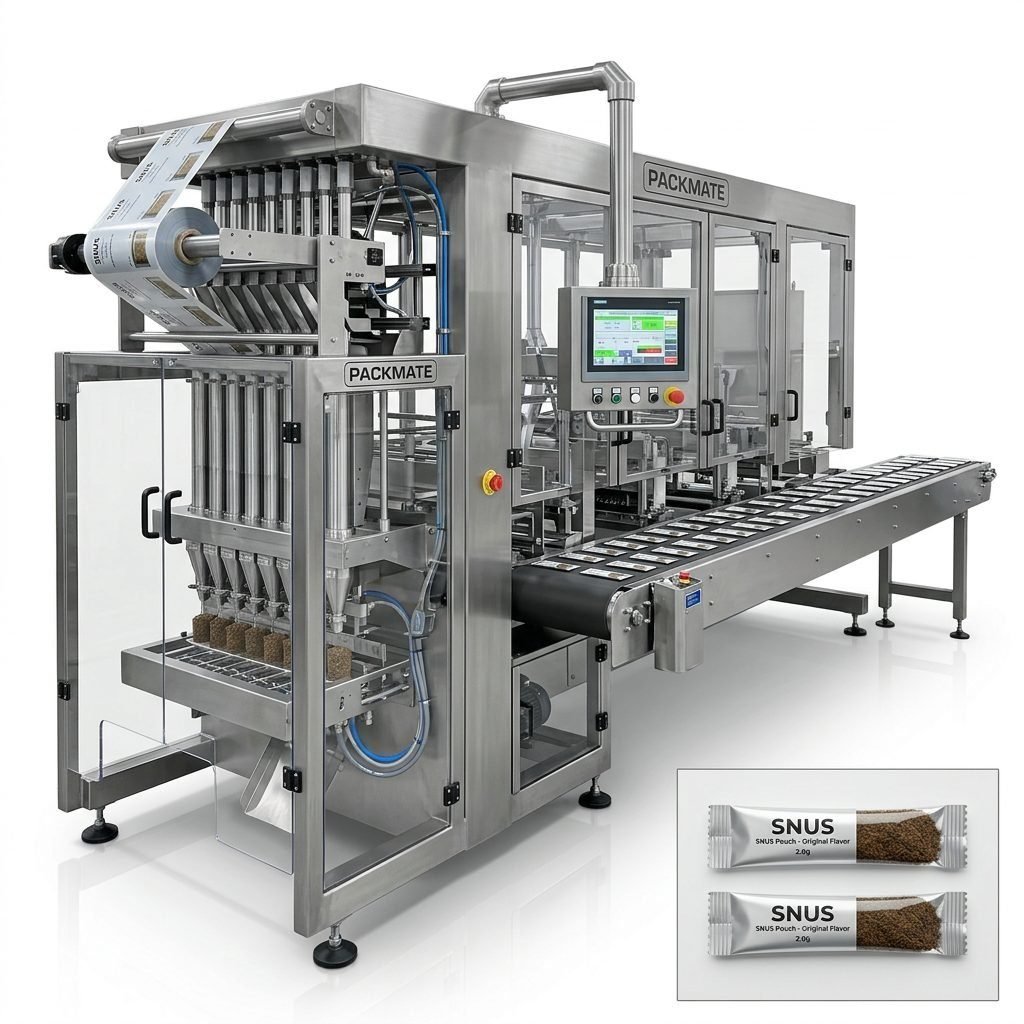
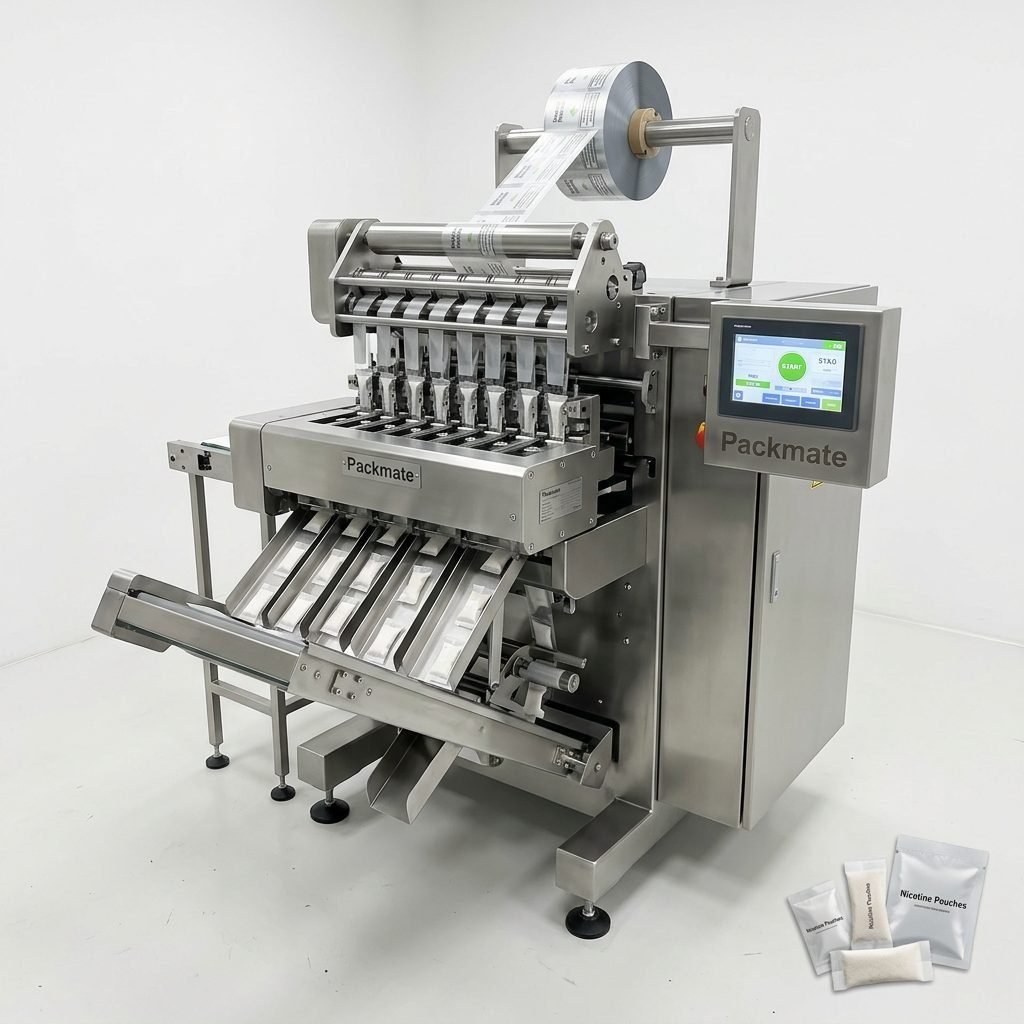
Ideal for single-dose pouches and stick formats. These systems are compact, cost-efficient and suitable for small to medium batches. If your target market prefers individual single-use pouches, a stick or sachet machine is a good starting point. See modular systems here:
Sachet & Stick Pack Machines.
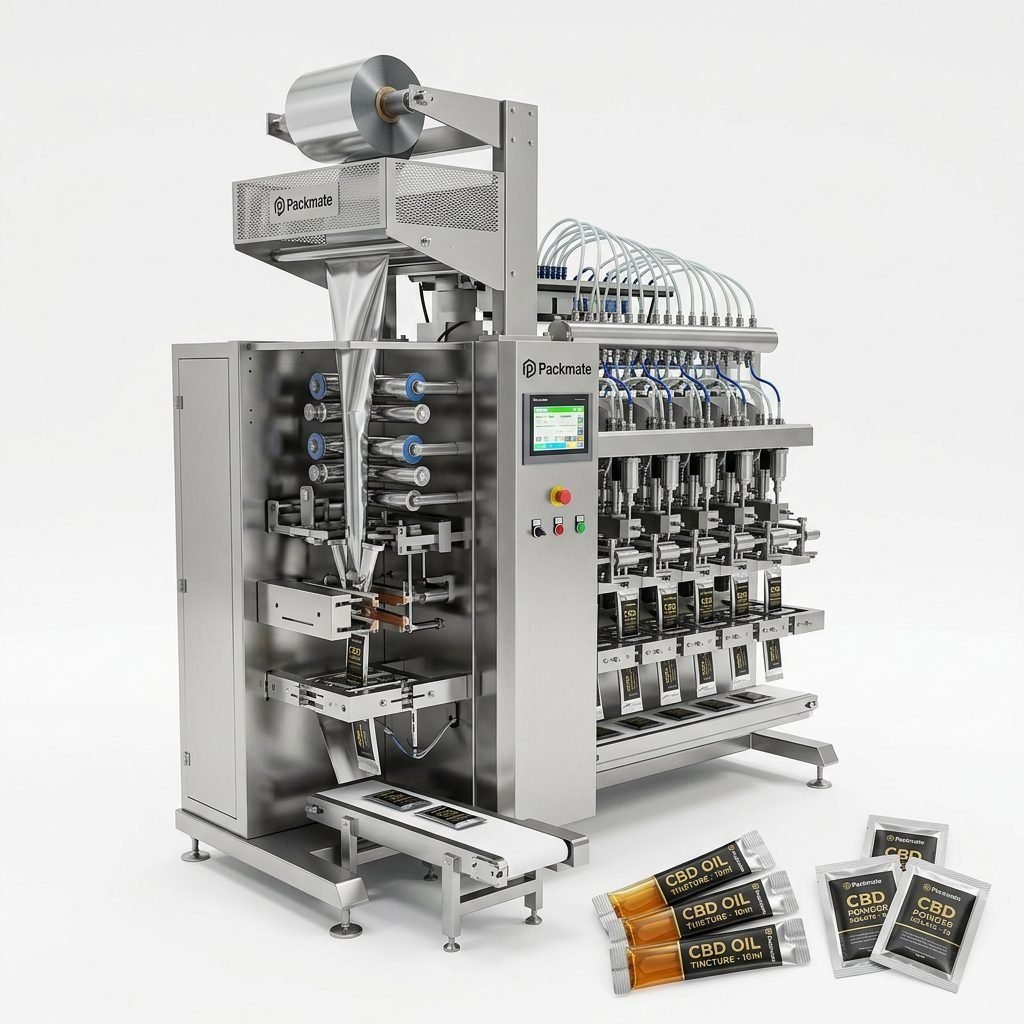
Multi-lane & High-speed Systems
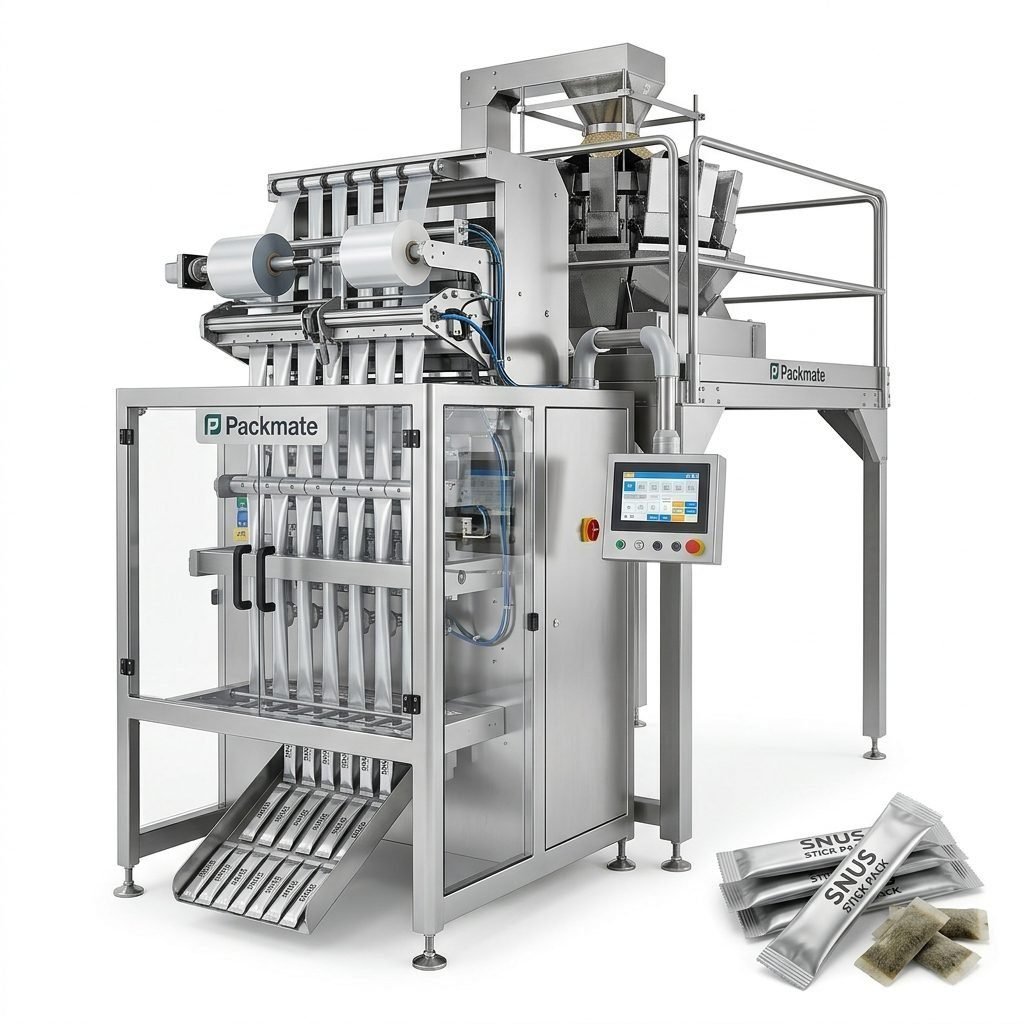
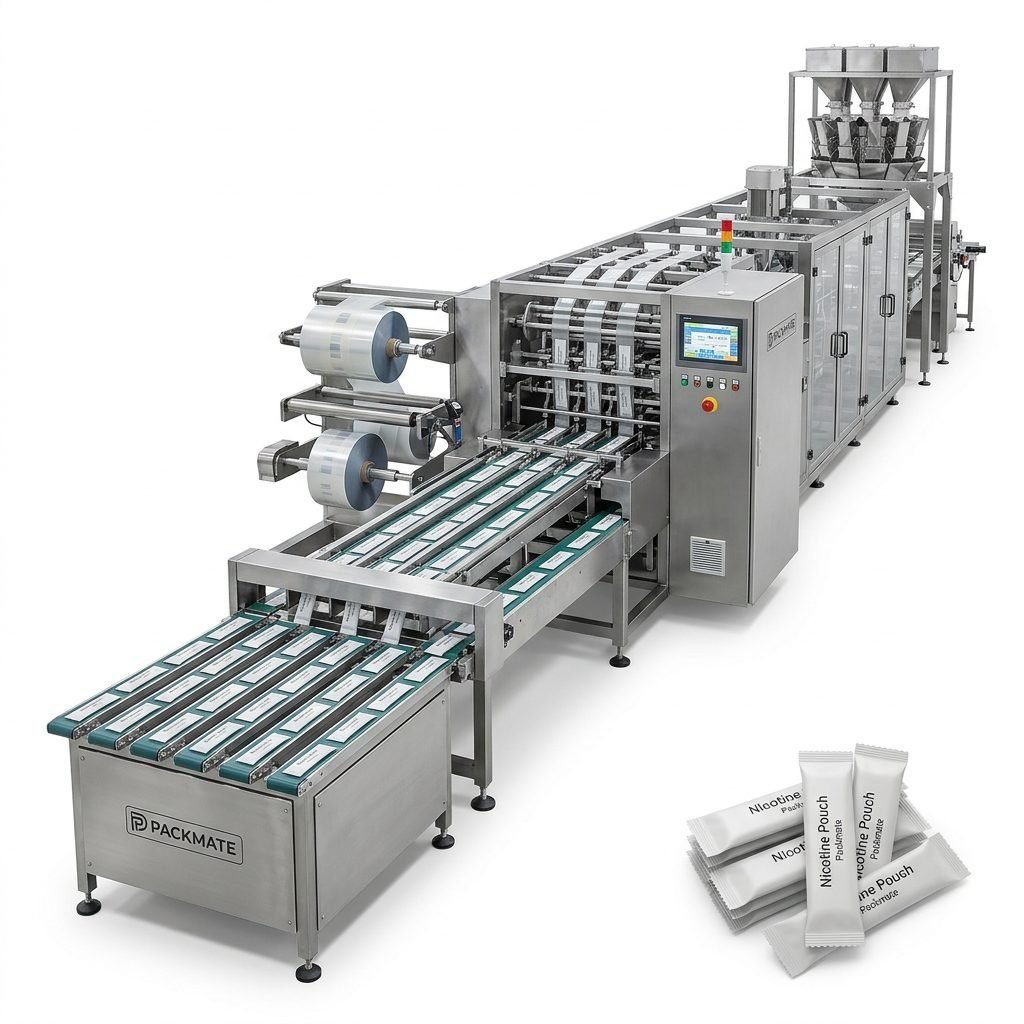
For larger volumes and export-oriented operations, multi-lane machines increase throughput without a proportional increase in floor space. They are perfect when scaling up production for national distribution or regional export.
Weighing, Filling & Integrated Lines
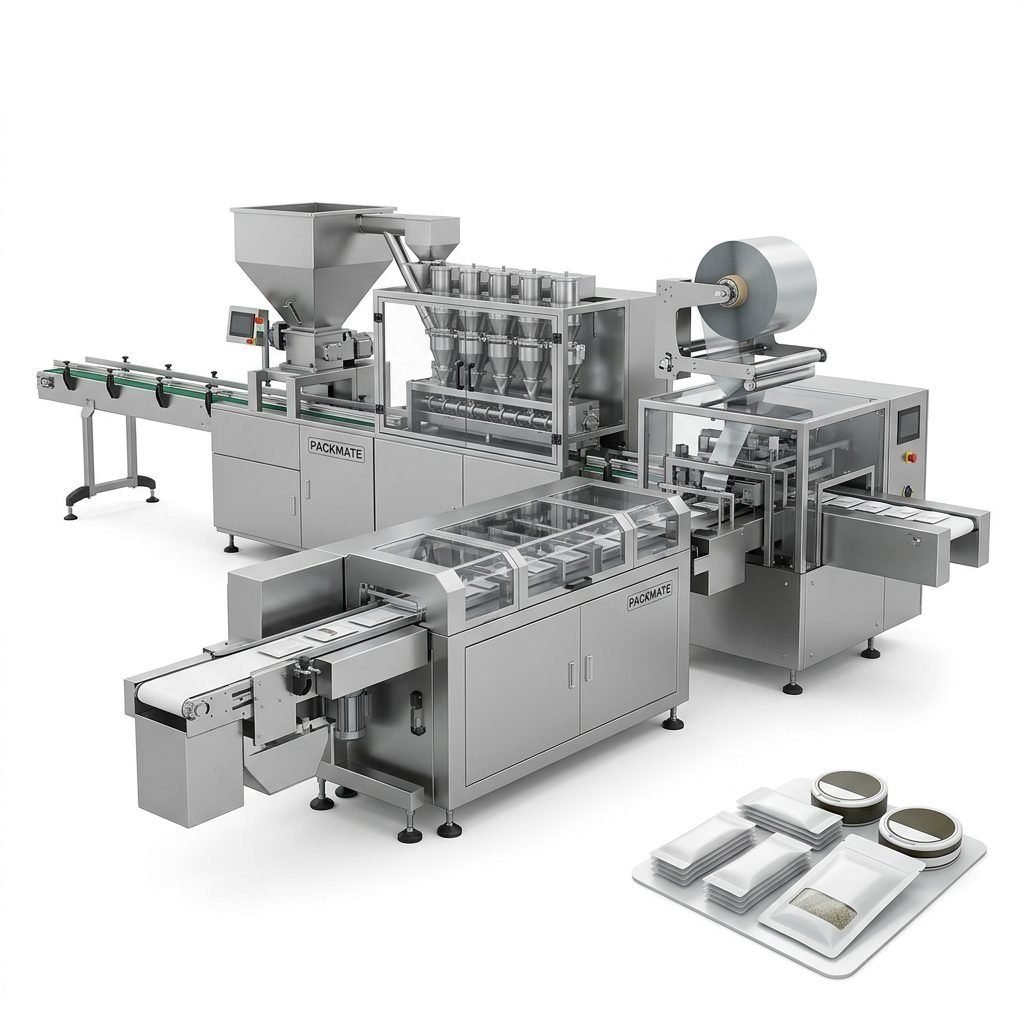
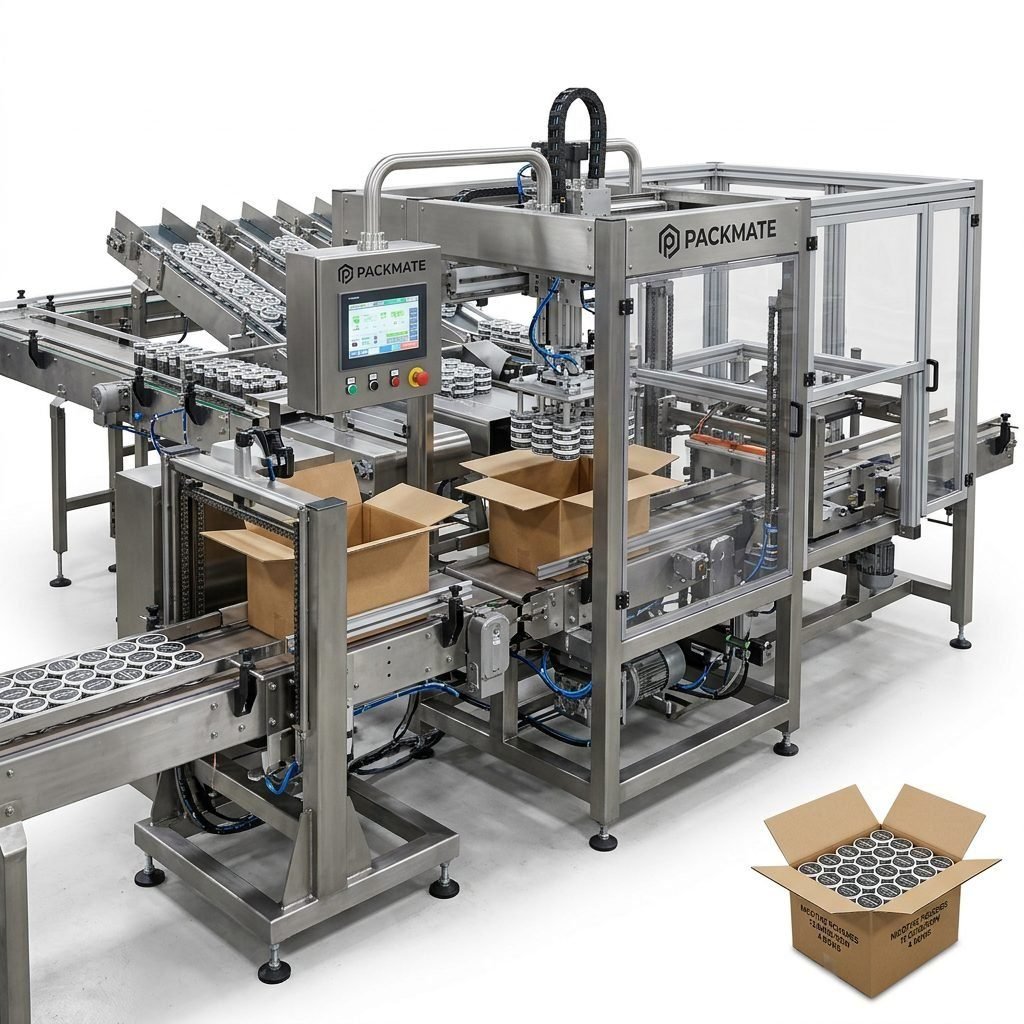
Accurate filling is critical for small-dose nicotine pouches. Integrating weighing and filling systems reduces product giveaway, improves consistency and speeds up line changeovers. Explore full line solutions:
Filling & Packaging Lines.
Production Capacity: Match Speed to Demand
Estimate both current demand and growth over 3–5 years. Under‑sizing limits sales; over‑investing ties up capital. Consider:
- Daily/weekly target pouches
- Shift patterns and operator availability
- Downtime allowances for maintenance
- Scalability: ability to add lanes or modular units
Production Insight: For many Zimbabwean startups, a 1-2 lane sachet machine is often the most cost-effective initial investment. Exporters usually step up to multi-lane lines.
Material Compatibility and Packaging Formats
Machines must handle the films and pouches you plan to use: laminated barrier films, foil, paper-laminate and biodegradable options. Ensure the machine vendor supports:
- Different film thicknesses and rewinder types
- Heat-sealing control for local humidity conditions
- Compatible pouch sizes and unusual shapes
- Labeling, embossing or date-coding modules
Hygiene, Safety & Regulatory Compliance
Food and nicotine pouch production has strict hygiene expectations. Machines should be easy to clean, made of stainless steel components in contact zones, and comply with international standards. Packmate machines adhere to CE and ISO requirements, which simplifies export certifications and local approvals. Learn more:
Certificates & Standards.
Total Cost of Ownership (TCO) and ROI Considerations
Evaluate beyond purchase price. Key factors that impact TCO:
- Installation & training costs
- Spare parts availability and lead times
- Local technical support or remote service options
- Energy consumption and maintenance frequency
ROI Example: A machine that reduces product giveaway by 1–2% and increases uptime by 10% can pay for itself within 12–24 months for many medium-sized producers.
After-sales Service, Spare Parts & Local Support
Reliable after-sales support is critical in Zimbabwe where lead times for spare parts can be long. Ask vendors about:
- Local agent or certified service partner in Southern Africa
- Availability of common wear parts and belts
- Remote diagnostics and software updates
- Operator training packages and documentation
Packmate offers global turnkey solutions and aftercare — you can read about their company and service history here:
About Packmate and
Service & Support.
Workshop Layout, Utilities & Installation Needs
Plan your production area to match machine footprint, material flow and maintenance access. Key points:
- Stable power supply and recommended voltage breakers
- Compressed air quality and consumption figures
- Floor load capacity and vibration isolation
- Access for bulk raw material rolls and finished goods storage
Customization & Flexibility for Local Tastes
Zimbabwean consumers value recognizable branding and clear labeling. Opt for machines that can:
- Handle multiple pouch sizes with fast changeovers
- Incorporate printing, date-coding and embossing
- Support tamper-evident features and child-resistance options
- Allow bilingual or multilingual labeling (English plus Shona or Ndebele)
Vendor Selection Checklist
Use this checklist during vendor conversations:
🔴 Are spare parts stocked regionally?
✅ Does the machine have a proven uptime record?
🛠️ What training and commissioning services are included?
📦 Can the machine run the film types you source locally?
Financing, Import & Local Regulations
Consider financing options and customs/import duties. Zimbabwean distributors often work with local banks or leasing companies. Also, verify nicotine product labeling rules, taxes and advertising restrictions before scaling up. If you plan on exporting, ensure your line meets regional standards and traceability requirements.
How to Pilot & Scale Safely
Start small with a pilot line to validate product formats and market acceptance. A phased approach reduces risk:
- Run small batches and adjust fill accuracy and pack aesthetics
- Collect retailer feedback on pack sizes and branding
- Document downtime and maintenance needs
- Scale to multi-lane once demand is repeatable
Why Choose an Experienced Manufacturer
Working with a manufacturer that has decades of experience brings engineering maturity and reliable performance. Packmate Snus Machine, for example, offers over 30 years of experience and a wide range of snus and nicotine packaging machines, including turnkey solutions that speed up commissioning and reduce integration risks. For product lines and machine models, see:
Snus & Nicotine Packaging Machines and
Bag & Pouch Packaging Machines.
Quick Vendor Check: Request references and case studies from similar markets. Packmate publishes case examples and exhibition summaries that demonstrate global deployment and field performance:
Case Studies •
Exhibitions.
Final Practical Checklist Before Purchase
Before signing, confirm the following with the supplier:
- Guaranteed throughput and acceptance criteria for test runs
- Clear warranty terms and spare parts list
- Commissioning timeline and training details
- Consumables compatibility and recommended suppliers
- Installation requirements and site acceptance test (SAT)
How to Contact a Reliable Supplier
Reach out to experienced vendors with a brief of your targets: desired pouch formats, daily output, power and air supply, and any special labeling needs. Use direct contact channels to request technical datasheets, layout drawings, and references. You can start here:
Contact Packmate.
Local Cultural Notes — Packaging That Resonates in Zimbabwe
– Practical size: smaller sachets that fit in pockets or small retail displays perform better.
– Clear labeling: include safety and ingredient information in English; add local language lines if possible.
– Visual cues: earthy tones or traditional motifs can help local brand recognition, while tamper-evidence builds trust.
Summary
Choosing the best snus packaging machine in Zimbabwe involves matching machine type to consumer habits, planning for scalable throughput, ensuring regulatory compliance, and securing reliable after-sales support. Start with a pilot, verify materials compatibility, and partner with an experienced manufacturer that offers local support or fast spare parts shipping. This reduces operational risk and speeds your path to profitable production.
Frequently Asked Questions
Q1: How do I know which machine speed I need?
A1: Calculate your weekly sales target, divide by planned shifts, and add a margin for downtime. Discuss this number with suppliers to match machine throughput and recommended operating parameters.
Q2: Can machines be adapted to local film suppliers?
A2: Most modern machines are adaptable, but you must confirm film thickness, seal temperatures and core diameters. Ask for a test with your actual film before purchase.
Q3: What after-sales support should I insist on?
A3: Insist on clearly defined spare parts lead times, remote diagnostic options, commissioning training and a local or regional service partner to minimize downtime.
Q4: Are there financing options for buying packaging machinery?
A4: Yes — many suppliers and local banks offer leasing or financing. Explore vendor financing or local leasing firms to spread the investment cost.
Q5: Where can I see real-world examples of machines in operation?
A5: Request case studies and exhibition demonstrations from reputable manufacturers. Packmate provides case examples and participates in international shows where live demos are available:
Case Studies •
Exhibitions.