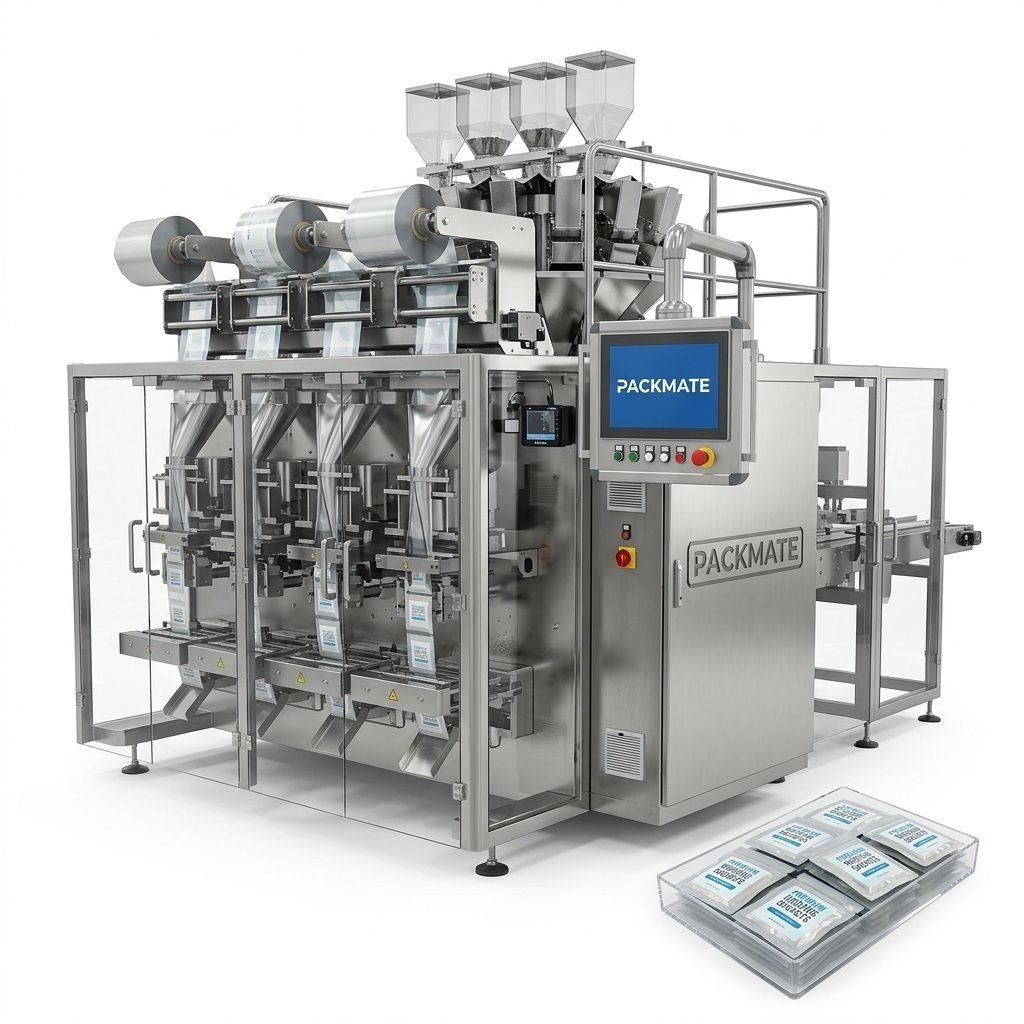
Choosing the right nicotine packaging machine manufacturer for your business in Sri Lanka is a strategic decision that affects product quality, regulatory compliance, production efficiency, and long-term cost of ownership. This guide walks you through the practical steps, technical criteria, and commercial considerations to evaluate manufacturers — focusing on what matters most for small-dose nicotine pouches, snus products, and broader tobacco-adjacent packaging needs.
1. Understand Your Production Requirements
Before reaching out to potential suppliers, document your production targets and product characteristics. Key variables include daily output, pouch format (stick pack, sachet, multi-lane pouches), pouch material combinations, dosing accuracy, and any special handling for nicotine powder or moisture-sensitive fillings. A clear spec sheet will help prospective manufacturers give accurate proposals and prevents costly misunderstandings later.
What to specify
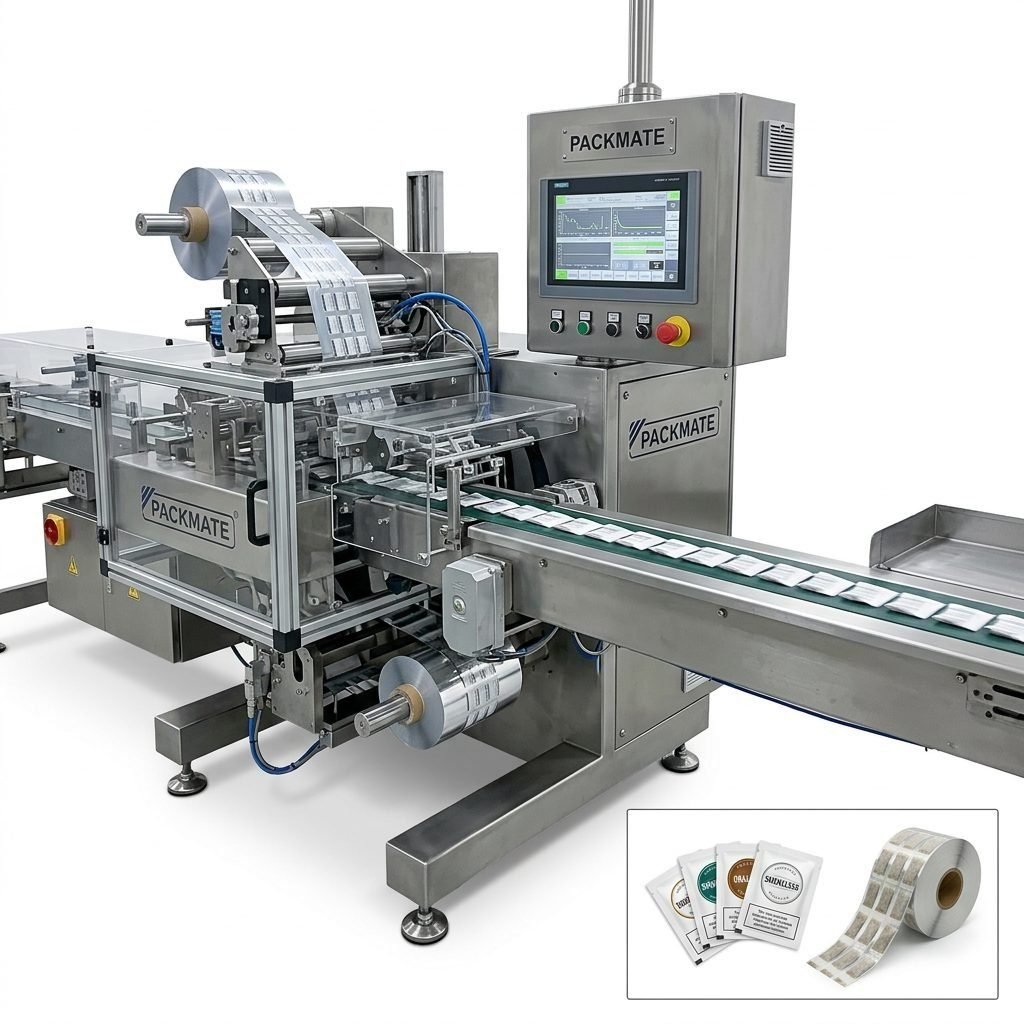
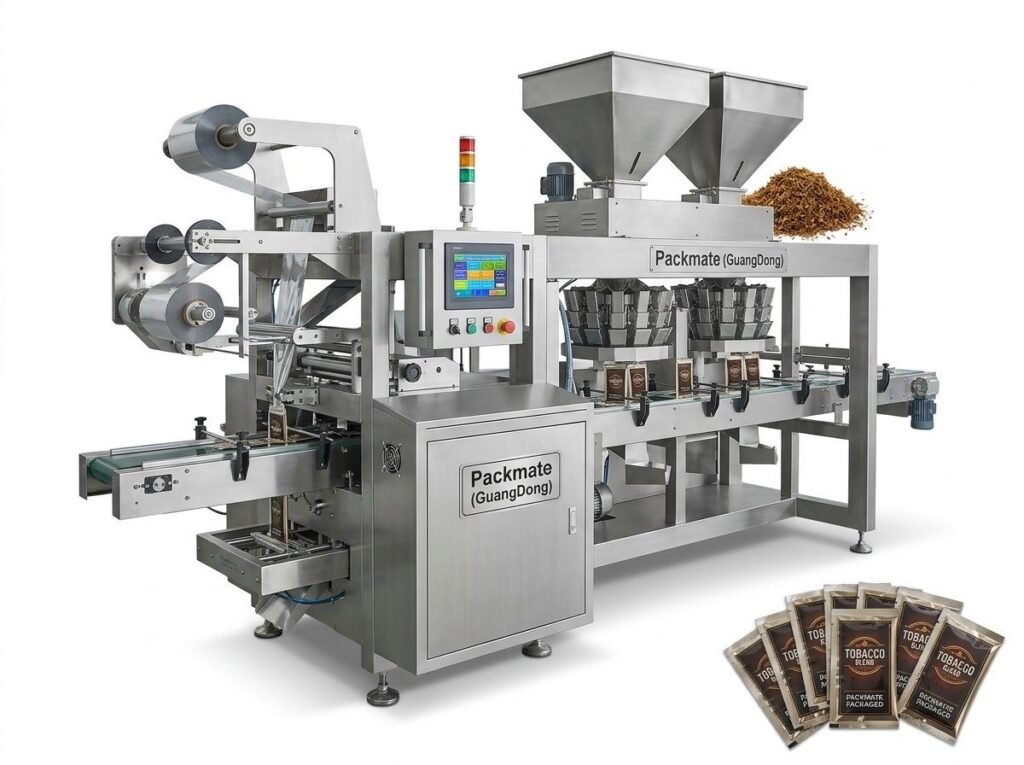
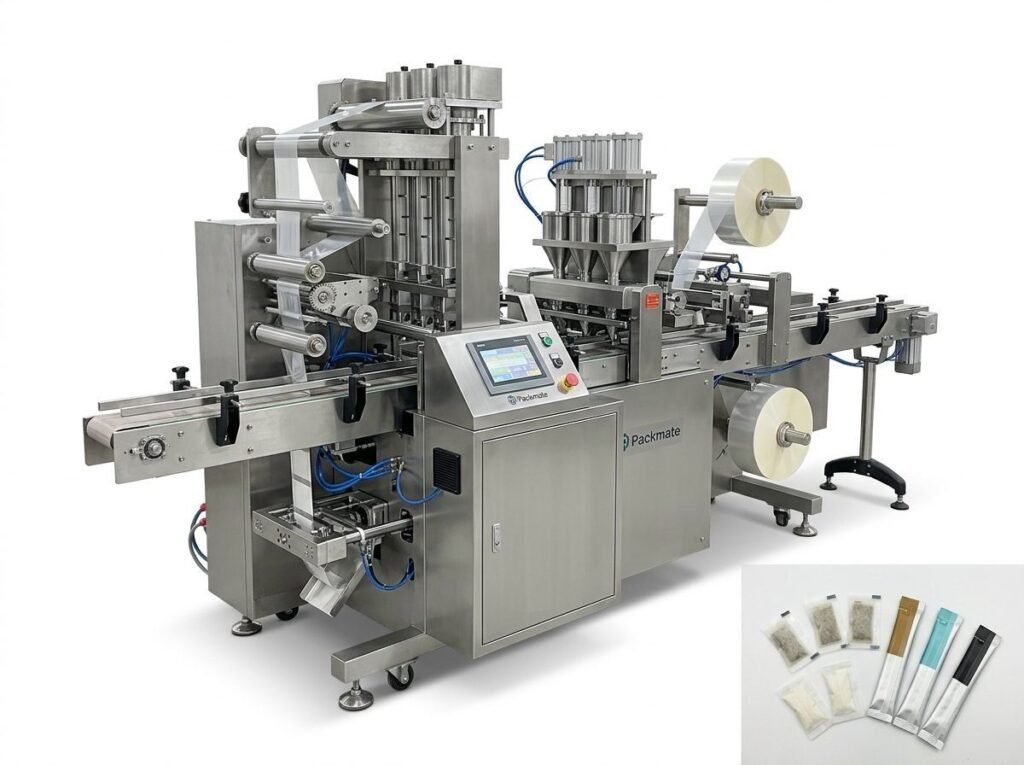
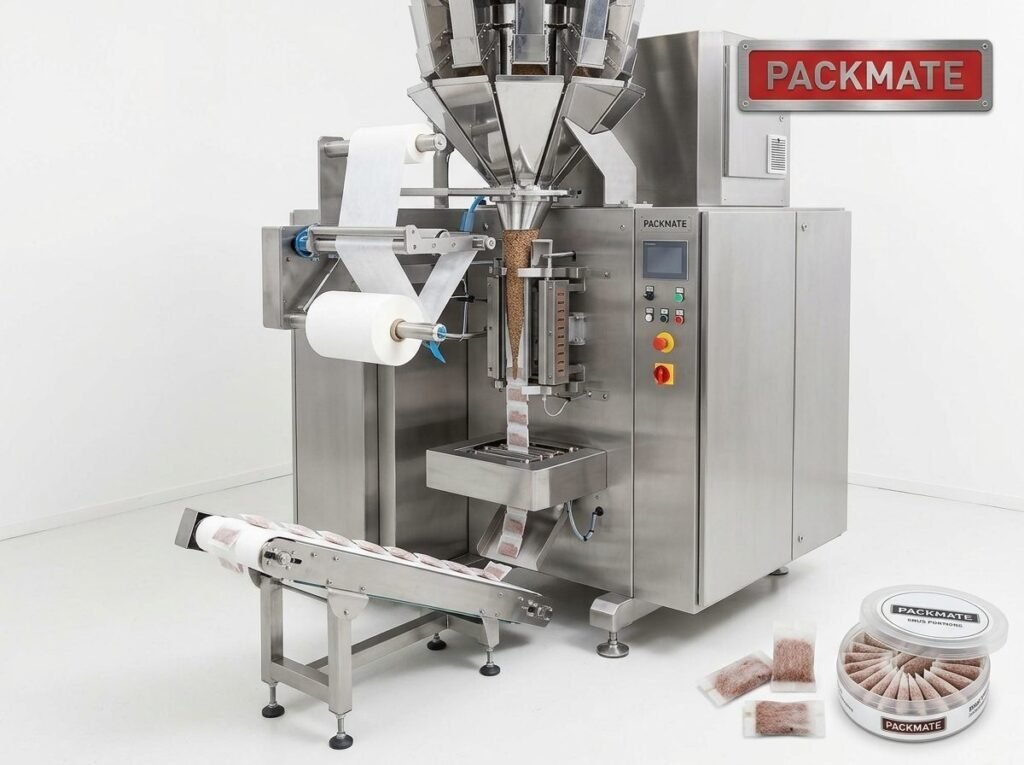
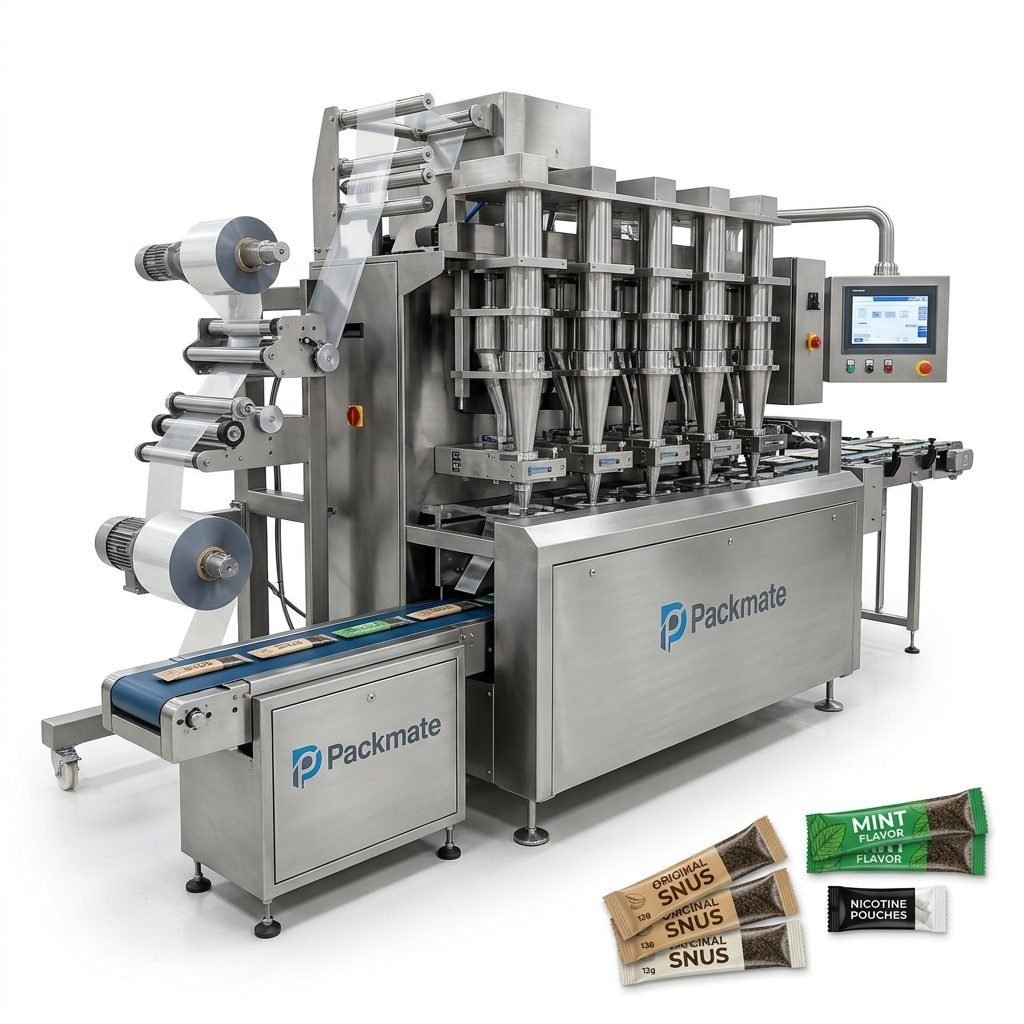
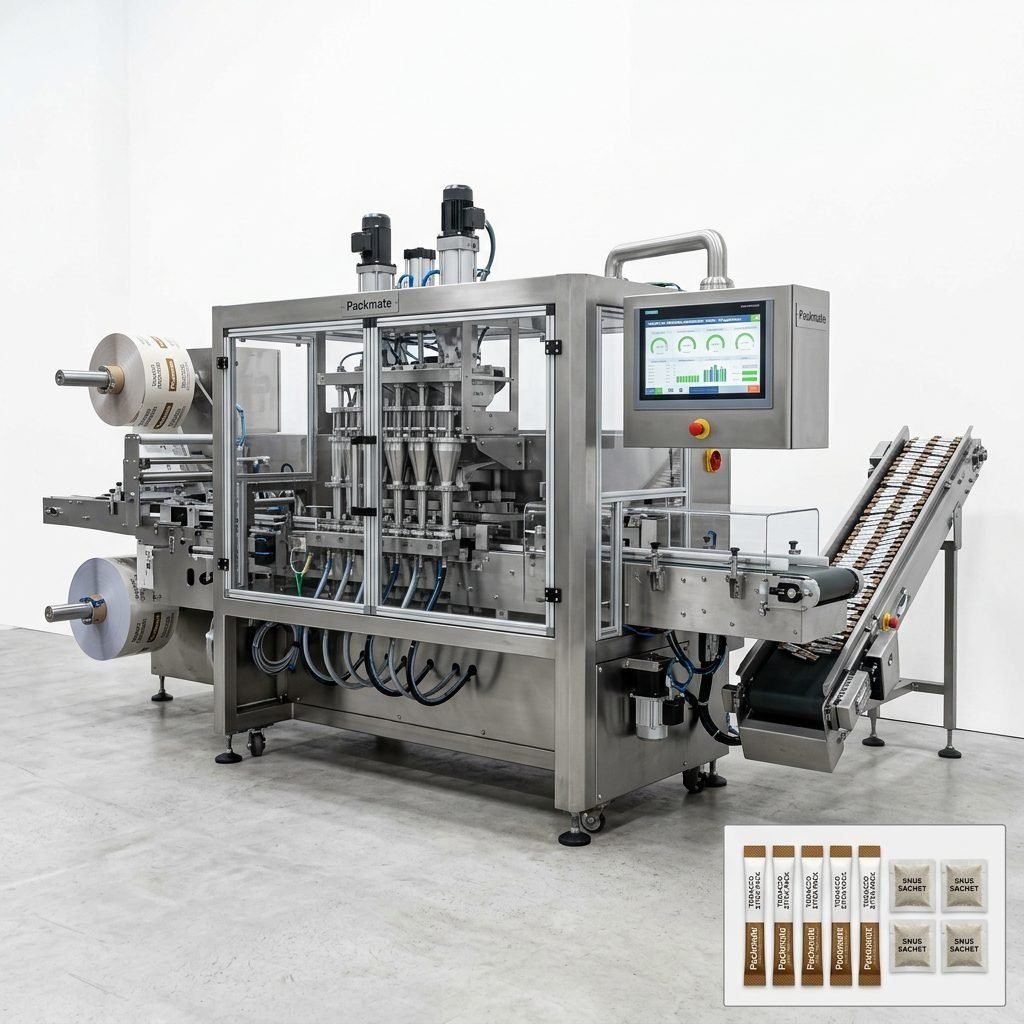
Include target throughput (pieces/minute), pouch sizes and tolerances, expected shift patterns, and whether you need a fully integrated line (weighing, filling, forming, sealing, and secondary packaging). If your product is a snus or nicotine pouch, identify whether you require multi-lane precision systems designed for small-dose units — these are specialized machines that manufacturers like Packmate Snus Machine design and build.
Tip: For small-dose nicotine pouches, prioritize machines with high-precision dosing and multi-lane capability to maximize OEE (Overall Equipment Effectiveness).
2. Evaluate Manufacturer Experience and Track Record
Experience in packaging machines for nicotine-related products is a major advantage. Look for manufacturers with a proven history of designing machines for snus, nicotine pouches, and similar low-dose formats. A company with decades of R&D and multiple machine models will better understand the unique challenges of nicotine packaging — from static control to specialized pouch shapes and multi-lane synchronization.
Example credentials to look for: 10+ years servicing nicotine pouch customers, a portfolio of multi-lane snus lines, or a manufacturing facility with advanced CNC machining centers and ISO/CE certifications. These indicators often correlate with better build quality and long-term support.
Relevant links and references
Research manufacturers’ product pages and case studies to verify real-world installations. For example, see product lines and demos for Snus & Nicotine Packaging Machines and read customer Case pages to understand delivered projects and outcomes.
Useful links:
Snus & Nicotine Packaging Machines,
Case,
About Packmate.
3. Inspect Manufacturing and Quality Control Capabilities
A manufacturer’s factory and quality systems are critical. Verify if their facility uses modern CNC machining centers, precision assembly lines, and documented quality checks. On-site inspections (or virtual factory tours) revealing disciplined assembly areas and test rigs indicate robust build quality.
Checklist: CNC equipment, ISO/CE certifications, testing rigs, sample run reports, and documented FAT (Factory Acceptance Test) procedures.
4. Machine Design: Stability, Modularity, and Upgradability
Design choices impact uptime and future flexibility. Favor machines with modular designs so you can add lanes, upgrade dosing modules, or switch pouch formats without replacing the entire system. Look for robust frames, stainless-steel contact parts for hygiene, easy-access panels, and smart sensors for quick fault diagnosis.
Prioritize manufacturers who offer multi-lane systems specifically engineered for snus and nicotine pouches — these are optimized to keep lane synchronization and dose accuracy across higher throughput.
Key technical specs to request
Speed ranges, dosing accuracy, lane expandability, PLC and HMI brands, servo control systems, and recommended materials for wear parts. Also ask for reference videos of the model running your product type.
5. After-Sales Support, Spare Parts, and Local Service in Sri Lanka
Good after-sales support reduces downtime. Evaluate response times for remote troubleshooting, availability of spare parts, and whether the manufacturer has regional partners or service agents who can provide on-site assistance in Sri Lanka. If spare parts inventory is limited, clarify lead times and shipping options.
Must-ask: SLA for parts, remote diagnostic support, training for your operators, and spare parts kits included with purchase.
6. Regulatory Compliance and Certifications
Ensure the equipment meets international standards (CE, ISO) and local regulatory requirements for nicotine product handling. Certification demonstrates safety, electrical compliance, and quality control. Ask for copies of certificates and inquire how the machine design supports hygienic cleaning, containment of powders, and safe handling of nicotine.
Manufacturers who publish certifications and factory test reports show transparency and are typically easier to work with on compliance issues.
7. Total Cost of Ownership (TCO) vs. Initial Purchase Price
The lowest initial price is rarely the best value. When evaluating vendors, calculate TCO: predicted maintenance costs, spare parts consumption, energy usage, training, and expected uptime. High-quality machines with better support can yield lower costs per pouch over time due to fewer stoppages and higher consistency.
Ask for reference customers and run the numbers on payback period based on your expected production volumes.
8. Factory Acceptance Test (FAT) and Acceptance Criteria
A formal FAT mitigates risk. Define acceptance criteria in writing: consistent pouch weight, sealing quality, sampling frequency, and maximum allowable downtime during FAT. Insist on witnessing a FAT with your product or equivalent material before shipment.
A robust FAT process should include performance runs, electrical checks, software verification, and operator training sessions.
9. Software, Automation, and Data Integration
Modern lines offer data collection, OEE dashboards, and traceability features. Assess the machine’s HMI, data export options, and whether it can interface with your MES or ERP. Remote monitoring capabilities help resolve issues faster and can be essential for teams operating in different time zones.
Ask whether the manufacturer provides PLC/HMI code documentation and whether upgrades or custom interfaces are supported.
10. Trial Runs, Samples, and Reference Visits
Request production samples from the exact machine model and, if feasible, a visit to a reference site where the machine is running similar products. Seeing a machine in operation helps assess build quality, noise levels, accessibility, and real-world throughput.
If travel is difficult, ask for detailed videos, sample logs, and client contact details for references.
Pro move: Negotiate a pilot run clause: short-term trial with acceptance metrics and the option to adjust before final payment.
11. Packaging Lines and Auxiliary Equipment
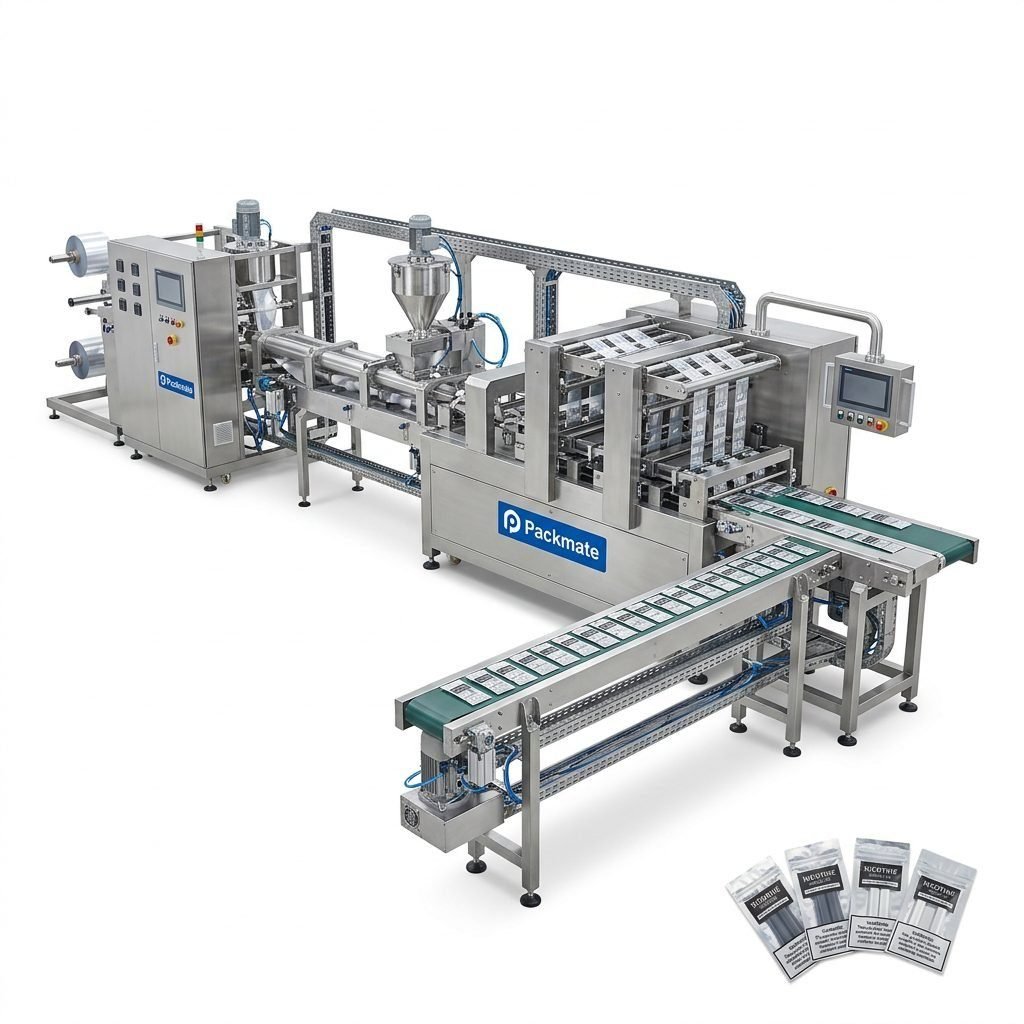
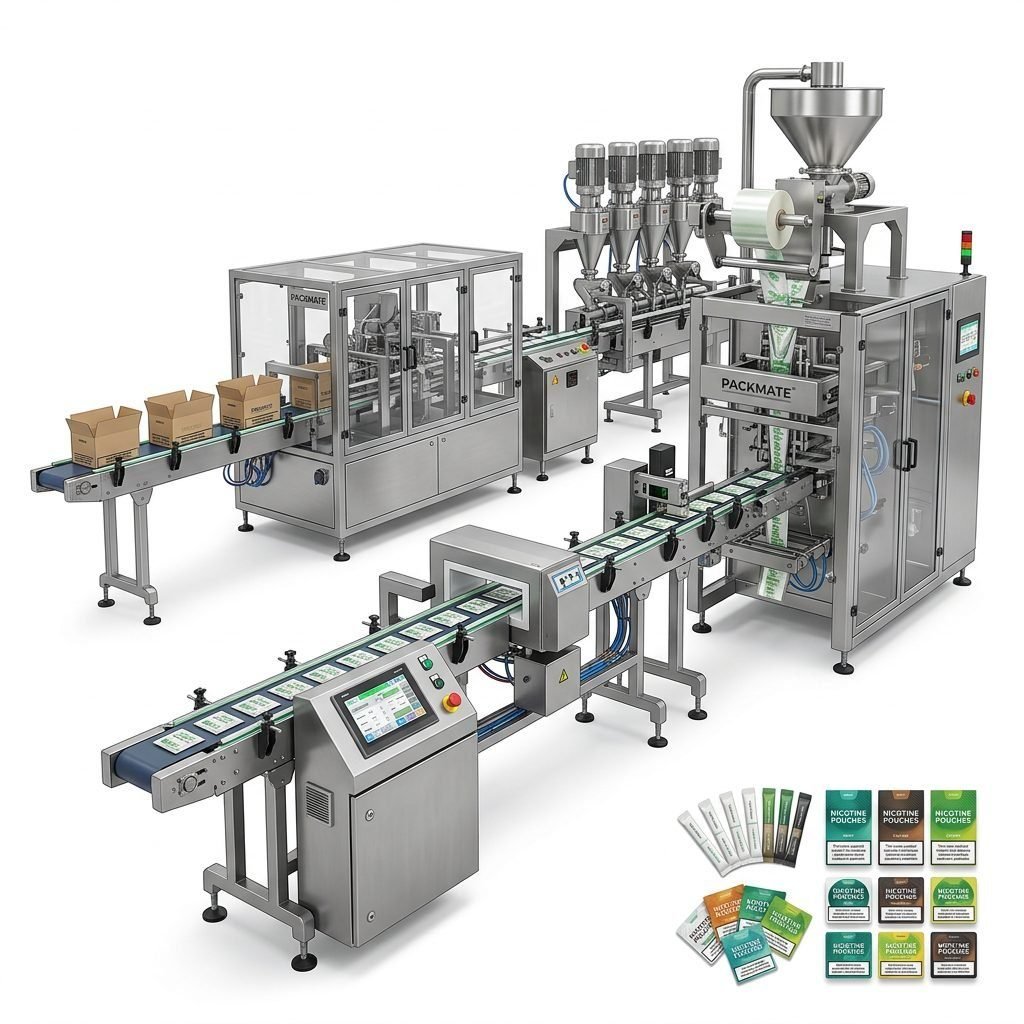
Confirm whether the manufacturer can supply complementary equipment such as weighing systems, feeders, inspection stations, and secondary packaging lines. Integrated suppliers reduce compatibility issues and simplify after-sales support. For full production lines, review the Filling & Packaging Lines and Weighing & Packaging Systems to see common integrations.
12. Commercial Terms and Warranty
Negotiate warranty terms, spare parts packages, training, and onsite installation support. Clarify payment schedules tied to milestones (design approval, FAT, shipment, installation, and acceptance), and ensure the contract specifies remedies for missed performance guarantees.
13. Choosing a Long-Term Partner
The ideal manufacturer is more than a supplier — they are a partner invested in your success. Look for companies that offer lifecycle support, continuous improvement programs, spare part availability, and training resources. A partner with global exposure can help you navigate regulatory changes, scale production, and adopt new formats as your product line expands.
Partner attributes to prioritize: strong R&D, factory certifications, global case studies, clear service paths, and transparent communication.
Final selection checklist (quick reference)
🔍 Define your specs and throughput needs.
✅ Verify manufacturer experience and factory capabilities.
⚙️ Inspect machine design, modularity, and multi-lane options.
🔧 Confirm after-sales support, spare parts, and local service availability.
📄 Require FAT, warranties, and clear commercial terms.
Where to begin your supplier search
Start with specialized manufacturers who publish snus and nicotine-specific lines. Review product pages, request brochures and machine videos, and arrange FAT demonstrations. You can explore catalogs and product categories such as Sachet & Stick Pack Machines and Bag & Pouch Packaging Machines to assess available technologies.
Contact suggestion: When you’re ready, request a detailed proposal that includes FAT criteria, spare parts list, training plan, and reference customers.
If you need direct manufacturer information, explore the company profile and service resources at Packmate to evaluate models, certifications, exhibitions, and global cooperation examples. Their product pages and service sections can help you shortlist vendors quickly.
Helpful pages: Service, Contact Us.
Frequently Asked Questions (FAQs)
Q1: How do I verify a manufacturer’s claims about multi-lane snus machines?
A1: Ask for FAT videos, sample pouches produced on the exact model, client references from similar installations, and detailed performance logs showing sustained throughput and dosing accuracy.
Q2: What is the typical lead time for a custom snus packaging line?
A2: Lead times vary by complexity. Standard modular machines can take 8–16 weeks; fully customized multi-lane lines with integrated systems could require 16–28 weeks including FAT and shipping. Confirm timelines in writing.
Q3: What support should be included after installation?
A3: Include operator training, spare parts kits, remote support, and a defined warranty period. Clarify SLAs for on-site service and parts delivery in Sri Lanka.
Q4: Can a supplier help with regulatory compliance?
A4: Reputable manufacturers provide documentation, hygienic design recommendations, and certifications (CE/ISO). They often assist with machine validation and can supply documentation needed for local regulatory processes.
Q5: How do I evaluate long-term costs?
A5: Calculate TCO including maintenance, spare parts consumption, energy use, downtime risk, and training. Request a typical spare parts consumption list and expected MTBF (Mean Time Between Failures) from the supplier.