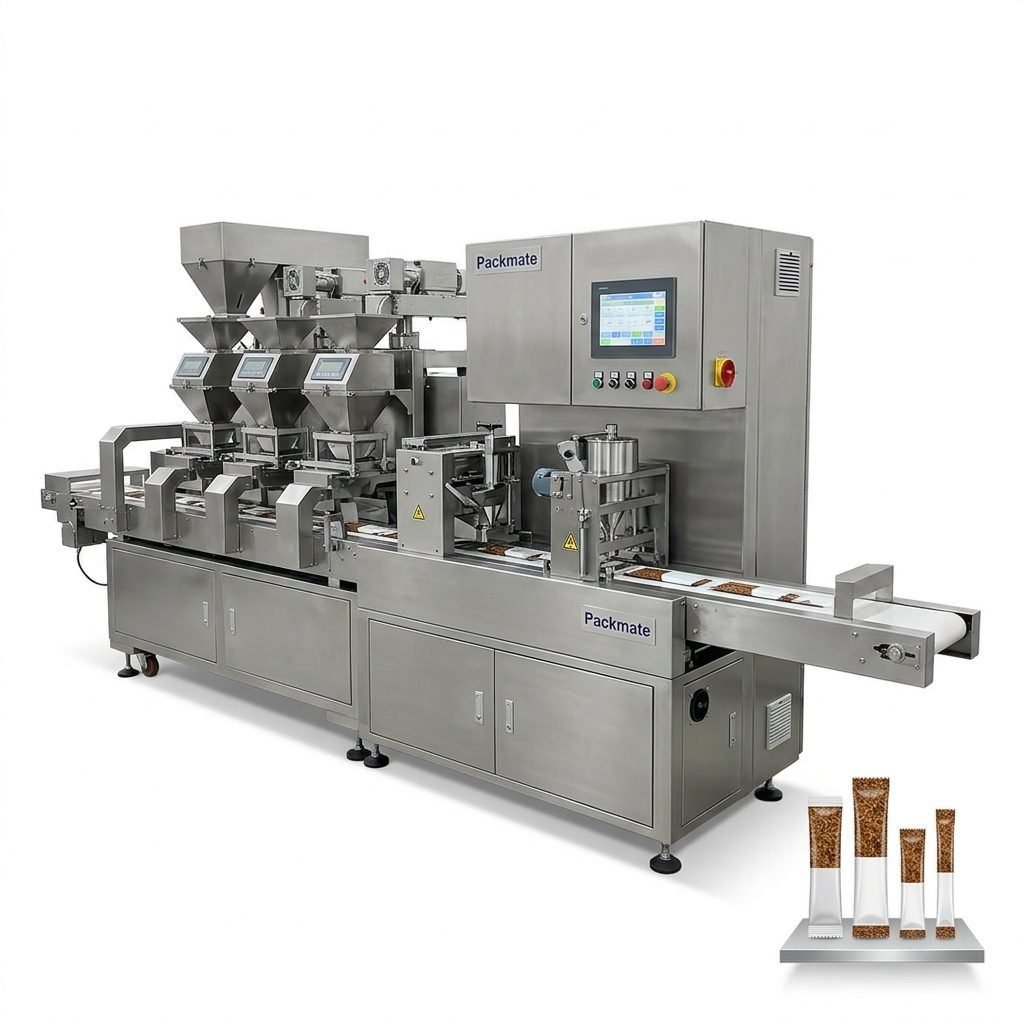
The rise of next‑generation oral nicotine products — commonly known as nicotine pouches or modern snus — has reshaped both consumer habits and the packaging demands of manufacturers. As consumers look for cleaner, smoke‑free nicotine experiences, packaging technology must evolve to meet speed, accuracy, regulatory compliance, and brand differentiation needs. This article explores how innovative nicotine pouch technology and advanced packaging machinery are changing the market, what manufacturers should consider when upgrading lines, and how solutions from experienced suppliers can accelerate time-to-market.
Market dynamics driving technology adoption
Global consumer demand for smoke-free alternatives is driving rapid adoption of nicotine pouches. These products require precise dosing, discreet pouch formats, and high-quality seals to preserve aroma and shelf life. Manufacturers face pressures to scale production while keeping variability low — factors that favor automated, multi-lane packaging equipment. In regions where snus has historic usage, such as parts of Northern Europe, traditional products are being complemented by a new generation of flavored, low‑odor pouches targeted at adult consumers seeking convenience and discretion.
🔬 Key trend: Manufacturers are moving from single‑lane, manually loaded systems to high‑precision multi‑lane automated lines that deliver consistent pouch weight, accurate filling, and sealed integrity at high throughput.
Core technological advances in nicotine pouch production
Several innovations are central to modern nicotine pouch packaging: improved dosing systems that handle small, hygroscopic powders; servo-driven multi-lane speed synchronization; cleanroom-compatible materials and finishes; and integrated quality inspection using cameras and sensors. These capabilities reduce waste, improve regulatory traceability, and help brands maintain a stable product profile across production runs.
Dosage accuracy and metering
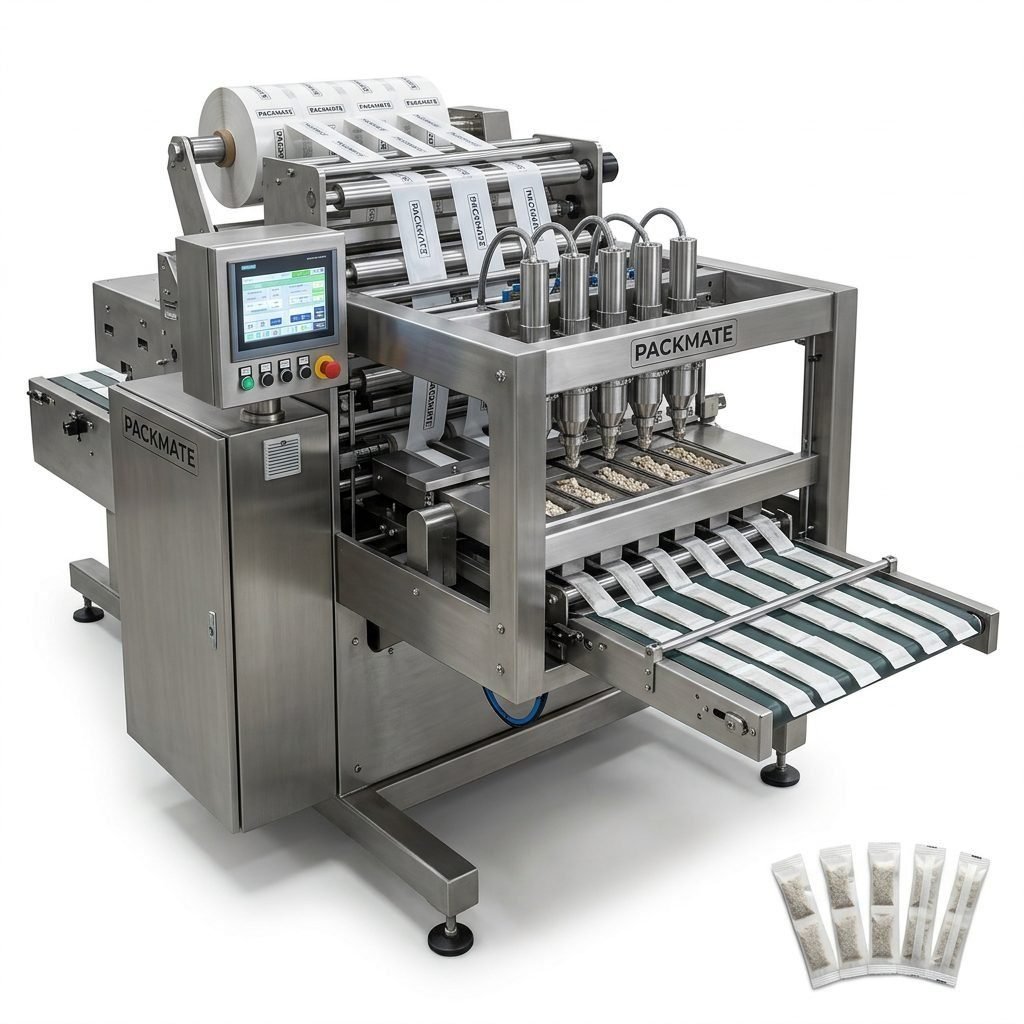
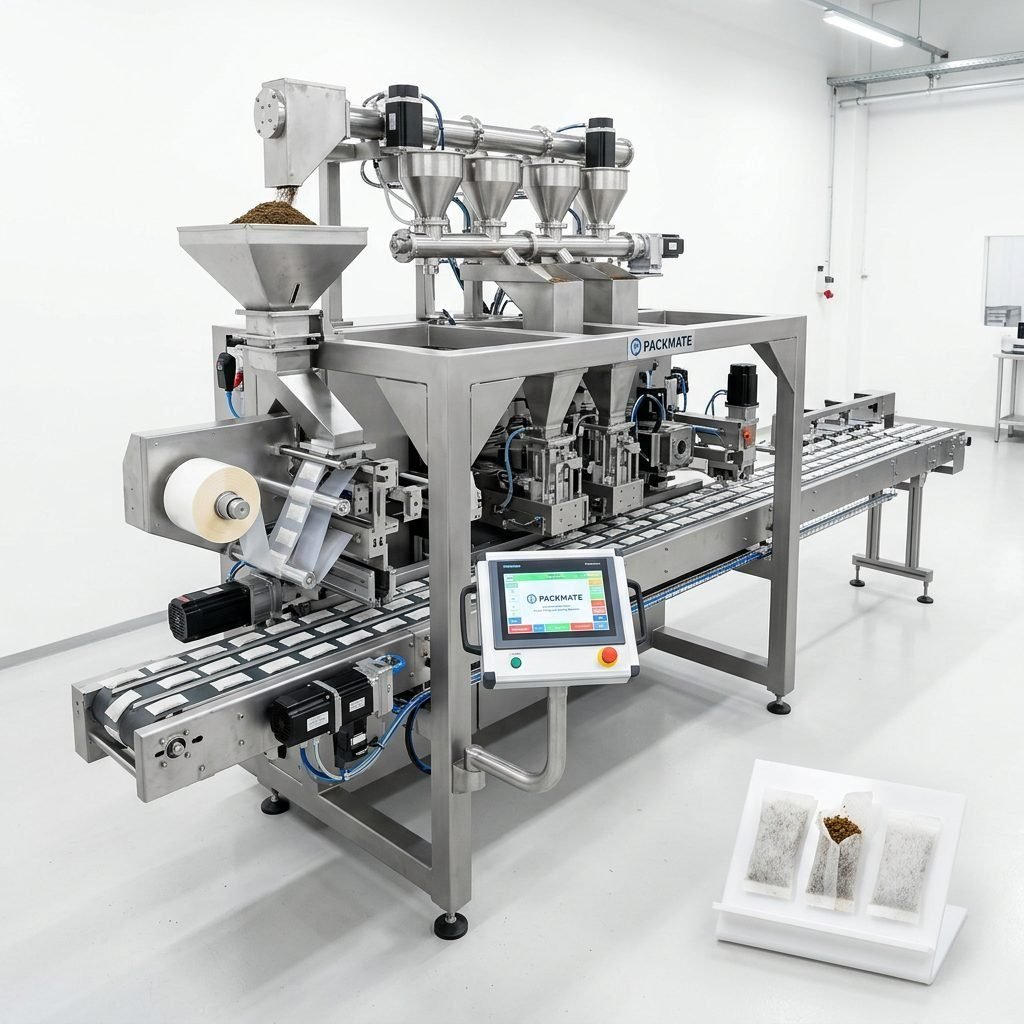
Accurate micro-dosing is essential for nicotine pouches. Modern metering units are engineered to maintain consistent fill weights for low-dose products while preventing clogging and cross-contamination. Whether using volumetric augers, loss-in-weight feeders, or vibratory dosing with active leveling, manufacturers must choose systems that suit their material properties and target throughput.
Multi-lane synchronized packaging
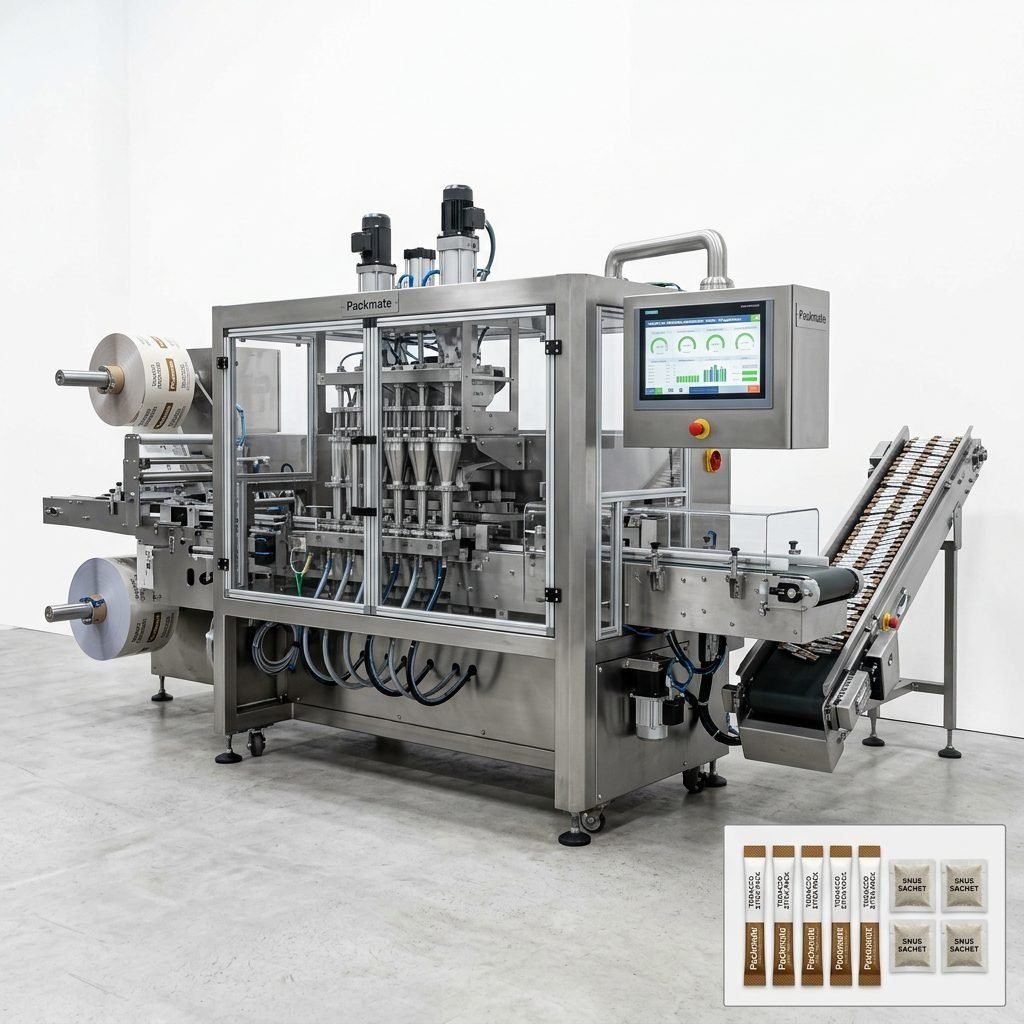
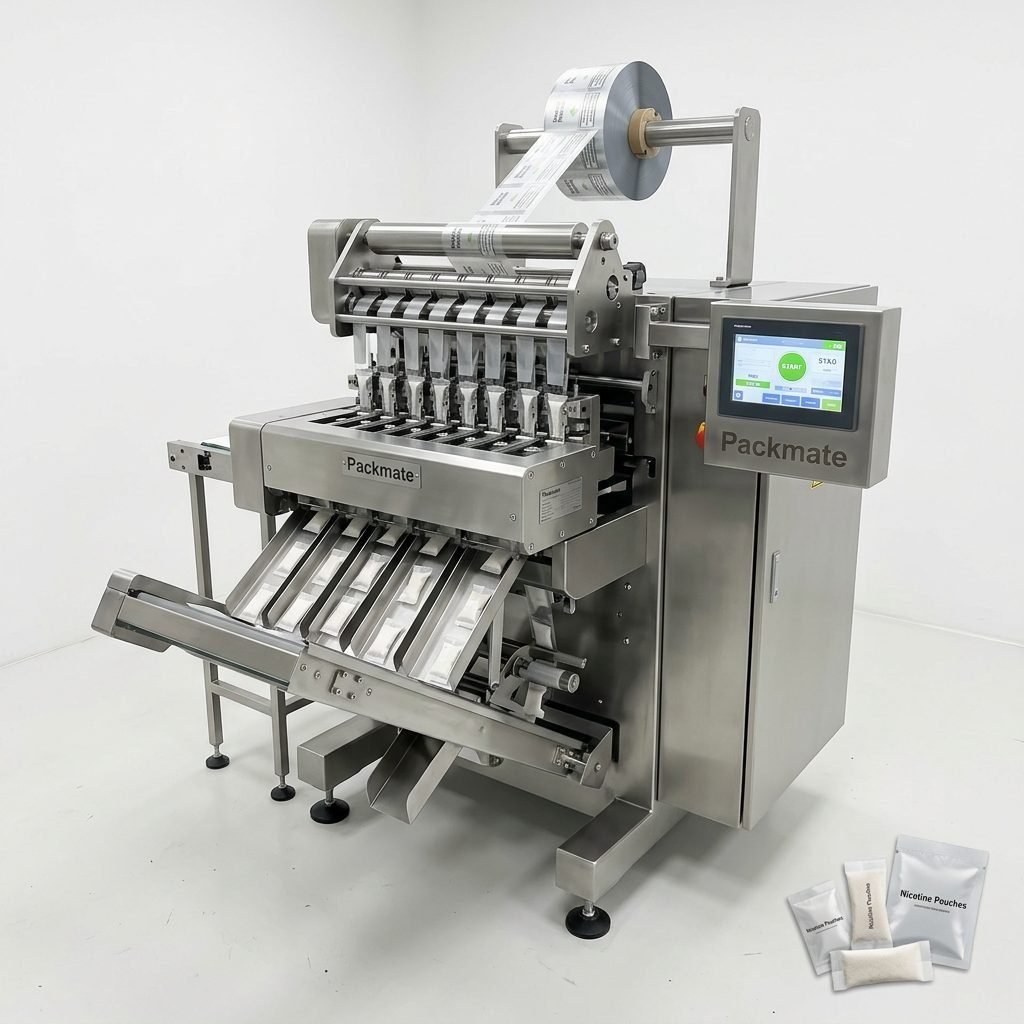
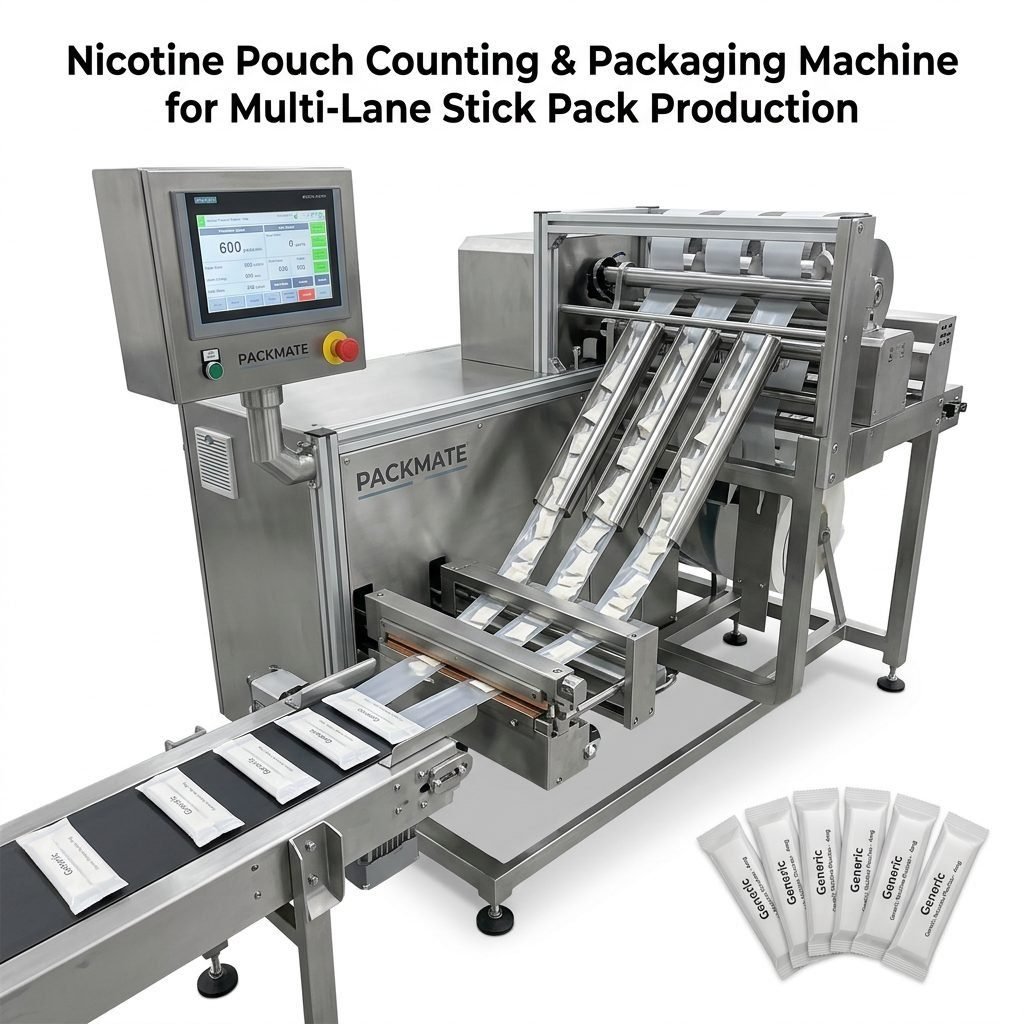
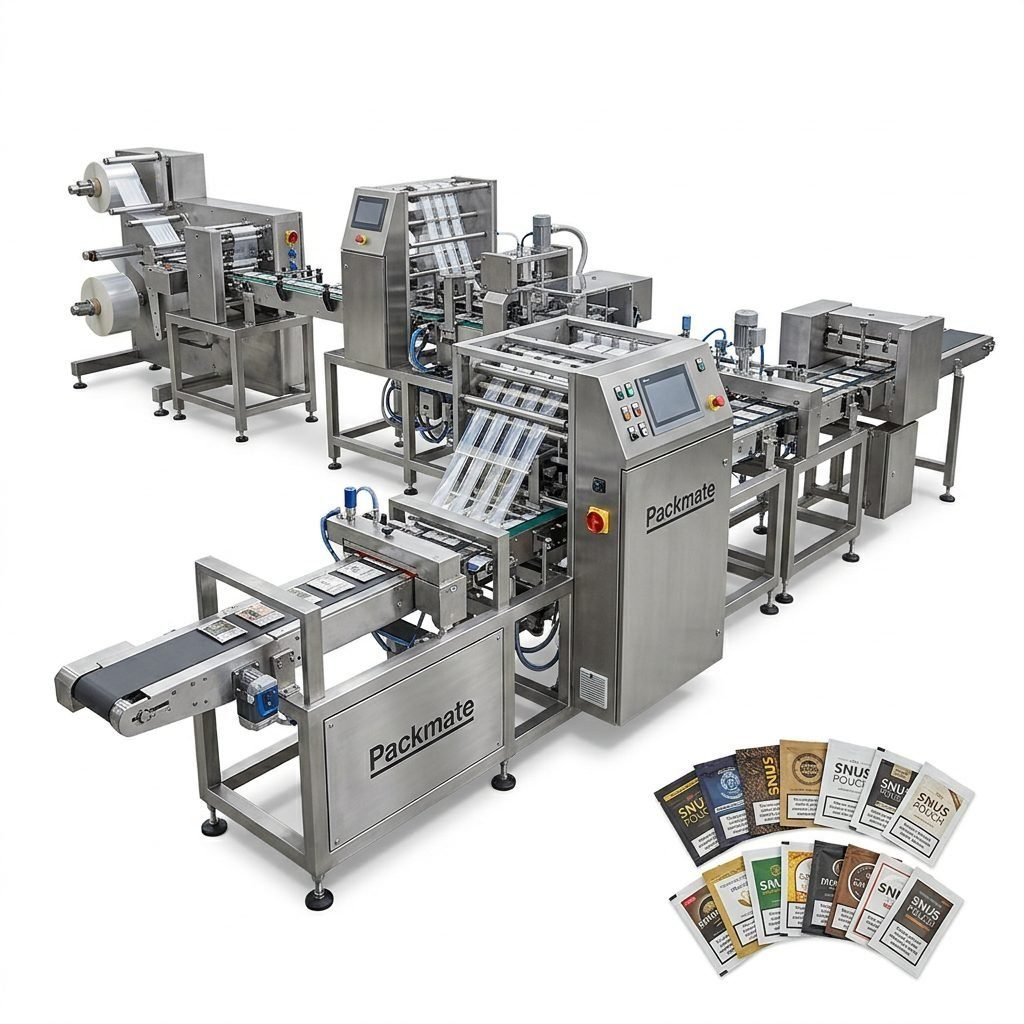
To achieve high output without compromising pouch uniformity, multi-lane pouch machines synchronize lanes using servo motion control. This allows several pouches to be formed, filled, and sealed simultaneously with millimeter-level repeatability. For companies scaling production, selecting a modular machine that can expand lanes is often a cost-effective growth strategy.
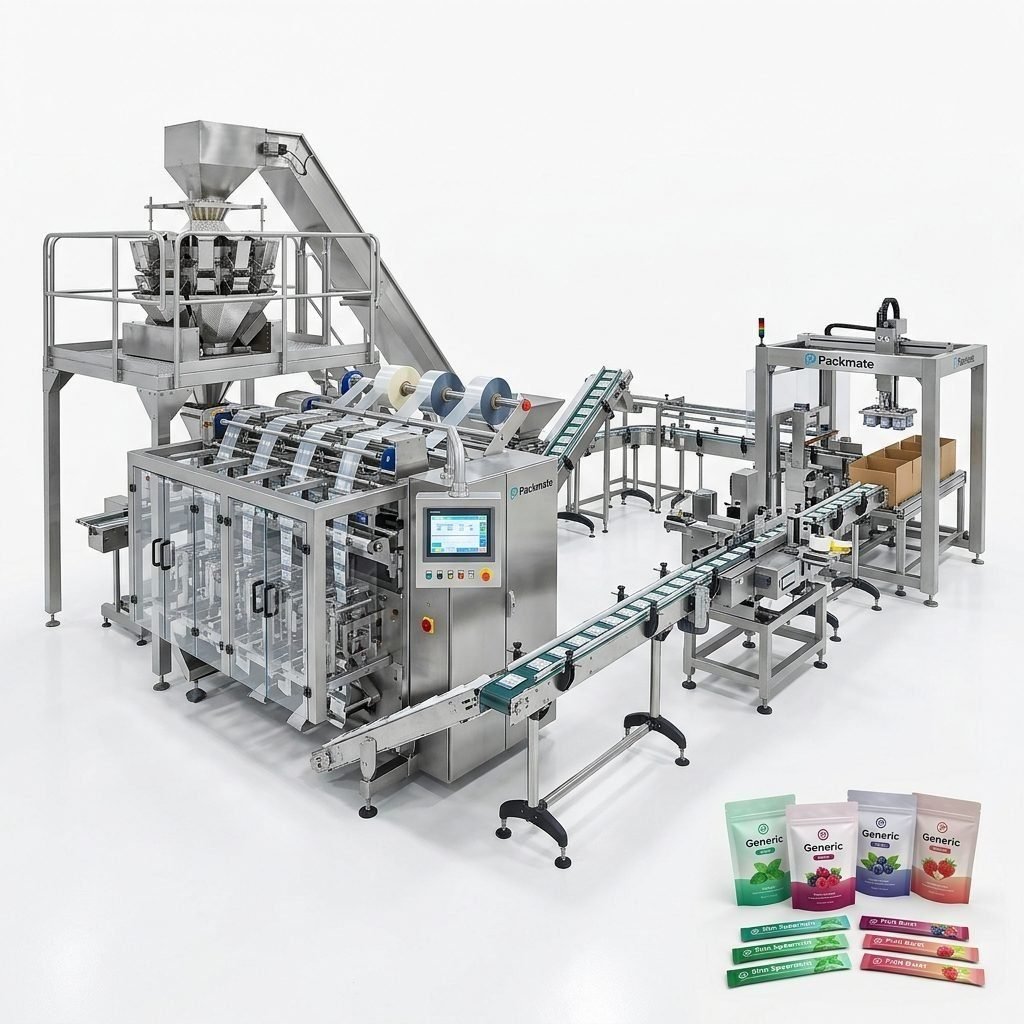
⚙️ Manufacturing note: Integrating packaging machines with upstream feeding and downstream cartoning or case packing lines reduces manual handling and improves overall OEE (Overall Equipment Effectiveness).
Packaging formats and consumer experience
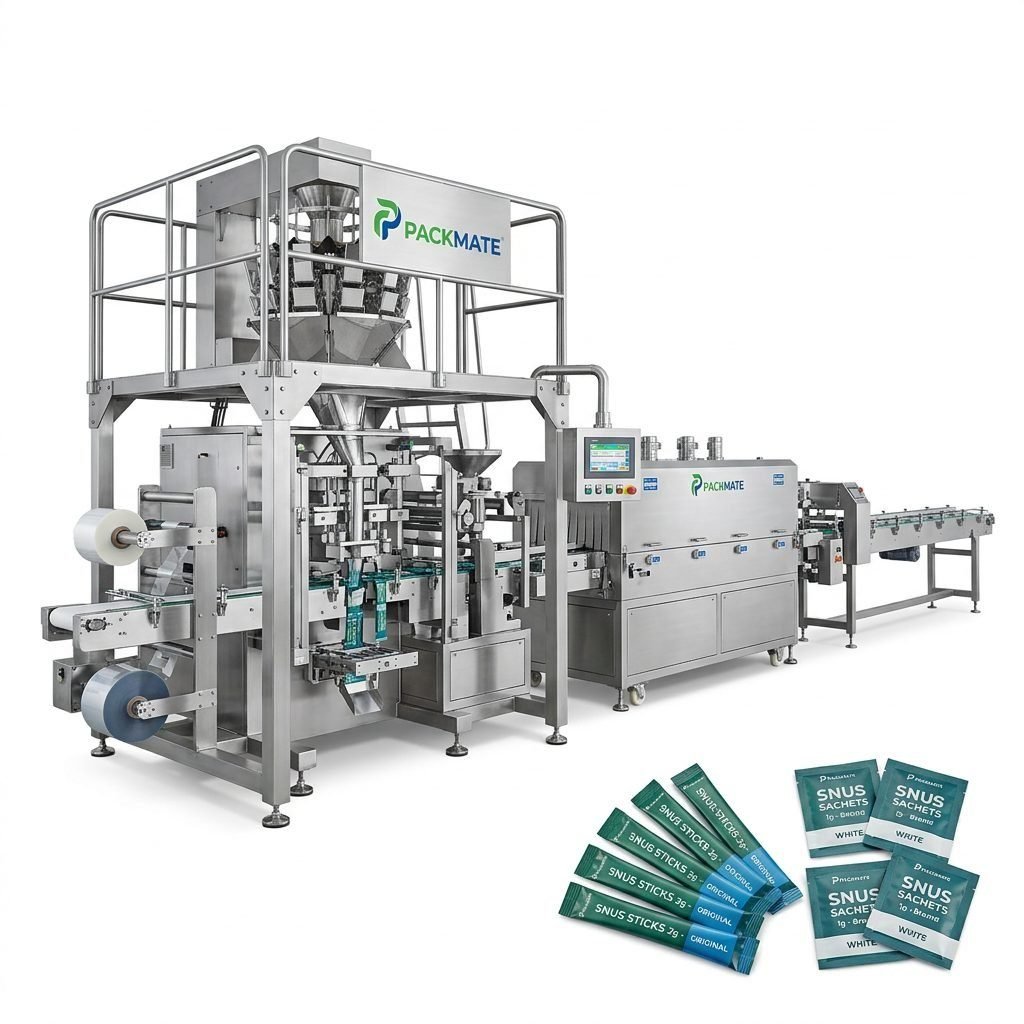
Nicotine pouches come in a range of formats — portioned pouches in tins, single-dose sachets, stick packs, and slim pouches for on-the-go use. Packaging design influences perceived quality, ease of use, and shelf presence. For brand owners, the packaging line must support a variety of bag and pouch formats while ensuring barrier properties to guard against moisture and oxidation.
Barrier materials and sealing
Barrier films with controlled oxygen and moisture transmission rates extend shelf life and protect flavor. Heat-sealing profiles must be precise to avoid leaks while preventing film distortion. Machines offering adjustable sealing parameters and inline seal integrity checks help maintain consistent product quality.
User convenience and portion formats
Consumer expectations for discreet and comfortable pouches have led to thinner, softer formulations and compact packaging designs. Packaging machinery must handle delicate pouch materials without crushing or deforming the product, which requires careful pick-and-place solutions and soft-contact feeding mechanisms.
Regulatory and safety considerations
Nicotine is a regulated substance in many markets. Manufacturers must ensure accurate labeling, child‑resistant packaging where required, and production traceability. Equipment suppliers often provide compliance features such as serialization printing, tamper-evident options, and sanitary machine design to meet GMP (Good Manufacturing Practice) and CE/ISO standards.
📈 Compliance impact: Inline printers, vision inspection, and reject systems ensure only correctly labeled and sealed products leave the line — reducing regulatory risk and costly recalls.
Why manufacturers choose automated snus and pouch systems
Automated packaging systems deliver measurable benefits: higher throughput, better weight control, lower labor costs, and improved hygiene. For startups and established producers alike, a turnkey solution that integrates weighing, filling, pouch forming, and secondary packaging accelerates launch timelines and reduces technical complexity.
Operational efficiency and uptime
Robust mechanical design, easy access for cleaning, and clear maintenance protocols minimize downtime. Suppliers with strong after-sales service and global spare parts networks can dramatically reduce Mean Time To Repair (MTTR), making a meaningful difference in annual output.
Quality control and traceability
Inline checkweighers, metal detectors, and vision systems integrated into the line deliver continuous quality assurance. Coupled with digital batch records and PLC/SCADA interfaces, manufacturers can trace product history and comply with audits more effectively.
Case study snapshot: deploying a multi-lane snus line
A mid-size manufacturer transitioning from artisanal tins to high-volume retail distribution implemented a multi‑lane snus pouch line. By integrating a synchronized 4-lane pouch former with loss-in-weight feeders and an automatic cartoner, the company increased throughput sixfold while improving fill-weight consistency by over 30%. Downtime for changeovers was reduced thanks to quick-change modular tooling and recipe-driven machine setups.
✔️ Result: Faster launch of new SKUs, better retail acceptance, and measurable cost-per-unit reduction across the production line.
Choosing the right equipment partner
Selecting a machine supplier is more than a purchase — it’s a long-term partnership. Important selection criteria include engineering experience in snus and nicotine pouch equipment, the ability to customize for specific pouch geometries, factory testing capabilities, and post-sale technical support. Companies should request factory acceptance testing and line trials using representative materials.
Suppliers with comprehensive portfolios — from pouch forming to ancillary systems like feeding, weighing and cartoning — simplify project coordination. Explore product categories such as Snus & Nicotine Packaging Machines, Bag & Pouch Packaging Machines, and Weighing & Packaging Systems when assessing full-line options.
Service, spare parts and training
A reliable spare parts supply chain, remote diagnostics, and operator training programs reduce startup friction. Many manufacturers value a partner who can provide turnkey installation and commissioning services at the client’s site, followed by scheduled preventive maintenance plans.
Sustainability and waste reduction
Packaging sustainability is a growing priority. Efficient filling systems that reduce overfills, film optimization that minimizes material use, and energy-efficient machine designs help reduce environmental impact. Recycling programs for production scrap and designs that enable thinner barrier films without compromising protection are important industry targets.
Design for recyclability
Choosing mono-material films where possible and considering end-of-life disposal during package development can align product lines with evolving regulatory and consumer expectations. Equipment that supports quick format swaps also reduces the amount of obsolete packaging stock.
Integration with enterprise systems and Industry 4.0
Modern packaging lines benefit from connectivity: SCADA systems, MES integration, and cloud-based monitoring enable real-time performance insights and predictive maintenance. Data-driven operations unlock continuous improvement and empower manufacturers to scale with confidence.
🔗 Pro tip: Require OPC UA or standard API capabilities for easy integration into existing plant IT architectures and for future-proofing your investment.
Packmate Snus Machine: engineering background and capabilities
With over 30 years of packaging engineering experience and a 20,000㎡ manufacturing facility, Packmate specializes in snus and nicotine pouch packaging solutions. Their offerings include stick pack, sachet, multi-lane systems, and full turnkey lines for powder, granules and liquid products. Customers can review equipment families and case examples to match their production goals.
Learn more about the company’s history and capabilities on the About Packmate page, and browse real-world implementations in the Case section. For detailed machine specs and customization options, check the Sachet & Stick Pack Machines lineup.
Practical checklist for upgrading or building a nicotine pouch line
When planning a new line or upgrades, consider these practical steps: define target throughput and SKUs; run trials with representative materials; confirm regulatory requirements for your markets; evaluate total cost of ownership including spares and service; and plan for future scalability and digital integration.
Checklist summary: Throughput goals, material compatibility, changeover time, hygiene standards, spare parts availability, and integration capabilities.
Future outlook: what’s next for nicotine pouch technology?
Expect continued refinement of dosing accuracy, smaller footprint multi‑lane machines, and broader adoption of smart sensors for real-time quality control. Sustainable packaging innovations and modular lines that support rapid SKU changes will be in high demand. The most competitive manufacturers will combine product innovation with nimble manufacturing systems to meet diverse market preferences.
Innovation areas to watch
– Automated in-line blending for flavor consistency
– Advanced vision AI for detecting subtle defects
– Modular platforms that let brands test small batches economically
– Smart maintenance systems that predict component wear before failures
Conclusion
The evolution of nicotine pouch technology is driven by consumer preference for discrete, smoke‑free nicotine delivery and by manufacturers’ need for efficient, reliable production. Automated, multi‑lane packaging systems with accurate dosing, robust sealing, and integrated quality controls enable brands to scale while maintaining product integrity. Partnering with experienced equipment manufacturers that provide complete solutions — from weighing and feeding to pouch forming and secondary packaging — can shorten time-to-market and improve overall competitiveness.
Frequently Asked Questions
Q1: What is the typical output of a multi-lane nicotine pouch machine?
Typical outputs vary by machine configuration, lane count, and pouch format. Multi-lane systems can range from several thousand to tens of thousands of pouches per hour. Consult suppliers for machine-specific throughput metrics and factory acceptance tests.
Q2: How do I ensure dosing accuracy for low‑dose pouches?
Use metering systems designed for micro-dosing such as loss-in-weight feeders or precision auger systems, paired with inline checkweighers and closed-loop control. Material trials and calibration are essential.
Q3: What regulatory features should packaging equipment include?
Look for options like serialization/printing, tamper-evident packaging capability, hygienic stainless steel construction, CE/ISO compliance, and vision inspection systems to ensure product safety and traceability.
Q4: Can I retrofit existing lines with modern modules?
Many suppliers provide retrofit modules for feeding, dosing, or inspection that can integrate with legacy lines. Full benefits often require evaluating the entire line for electrical, mechanical, and control compatibility.
Q5: How do I choose a reliable partner for snus and nicotine pouch packaging?
Prioritize suppliers with proven industry experience, robust factory facilities, references, and after-sales support. Review their product portfolios (for example, Filling & Packaging Lines and Auxiliary Packaging Equipment) and request demonstrations and case studies relevant to your product type.