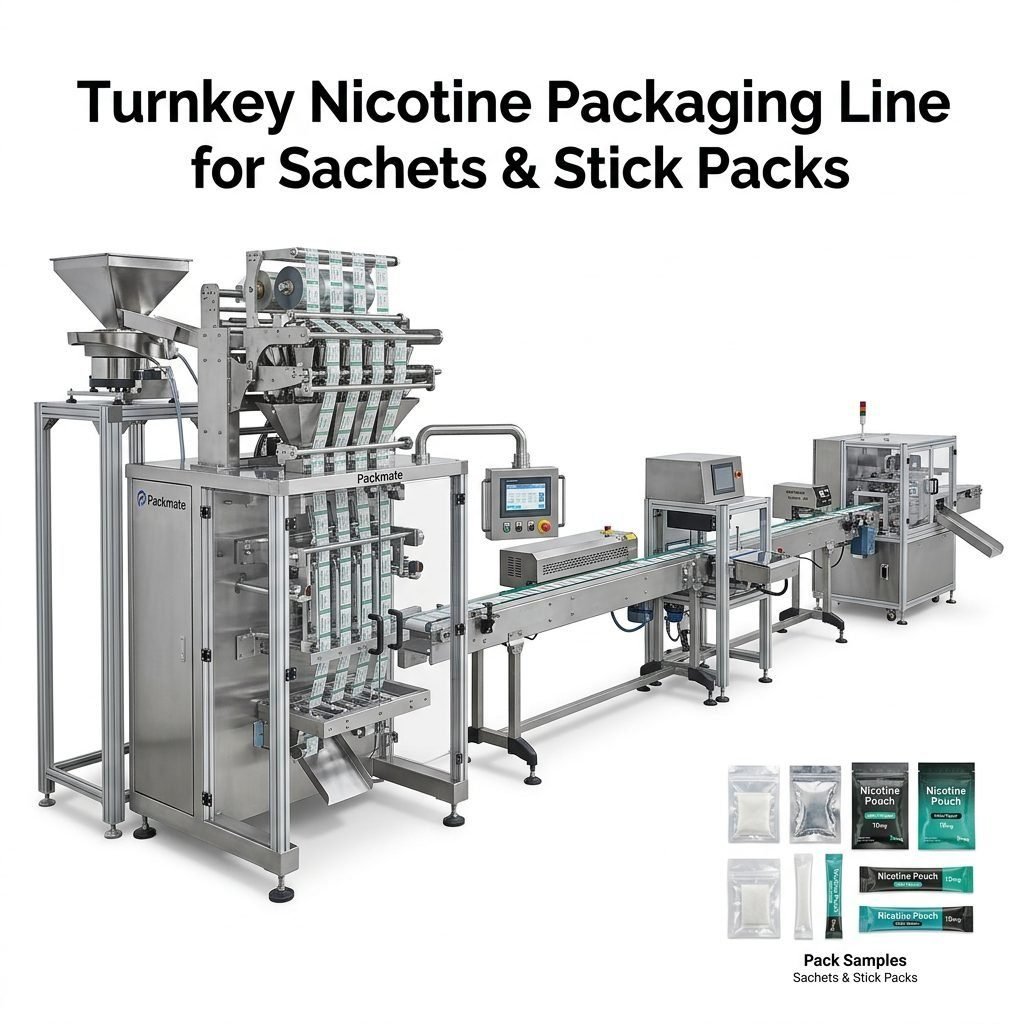
Selecting the best snus packaging machine manufacturer for your business in Trinidad and Tobago requires more than comparing catalog specs and prices. You need a partner who understands nicotine pouch production, local market habits, tropical climate challenges, import logistics through Port of Spain, and compliance with local regulations. This guide walks you through practical selection criteria, questions to ask suppliers, and tips to get a reliable turnkey solution that fits the Trinidad and Tobago market.
Why the right manufacturer matters for your business in Trinidad and Tobago
Trinidad and Tobago’s market has unique traits: strong festival-driven retail demand (Carnival and other cultural events), a warm humid climate that affects packaging materials, and a compact island logistics system that favors reliable lead times. A reputable manufacturer helps you reduce downtime, minimize material waste, and deliver consistent pouch quality that meets consumer expectations during peak seasons.
Local consumer habits and sales patterns
Consumers here respond to compact, travel-friendly packaging and clear labeling in English. Retailers often buy based on seasonality—Carnival and holiday periods spike demand—so machines must deliver consistent throughputs at different run lengths. Choose equipment that supports multiple pack sizes and flexible changeovers.
Regulatory and compliance considerations
Nicotine pouches and snus fall under health regulations in many jurisdictions. In Trinidad and Tobago you must confirm labeling, ingredient disclosures, and import requirements with local authorities. A manufacturer with international certification (CE, ISO) and experience exporting to regulated markets reduces compliance risk.
Look for manufacturers with 20,000㎡+ facilities, advanced CNC machining, and a track record of turnkey snus packaging lines.
Technical features to prioritize when evaluating snus packaging machines
Not all packaging machines are built the same—especially for small-dose nicotine pouches. Focus on core capabilities that directly affect product quality, uptime, and operating cost.
1. Multi-lane speed and synchronization
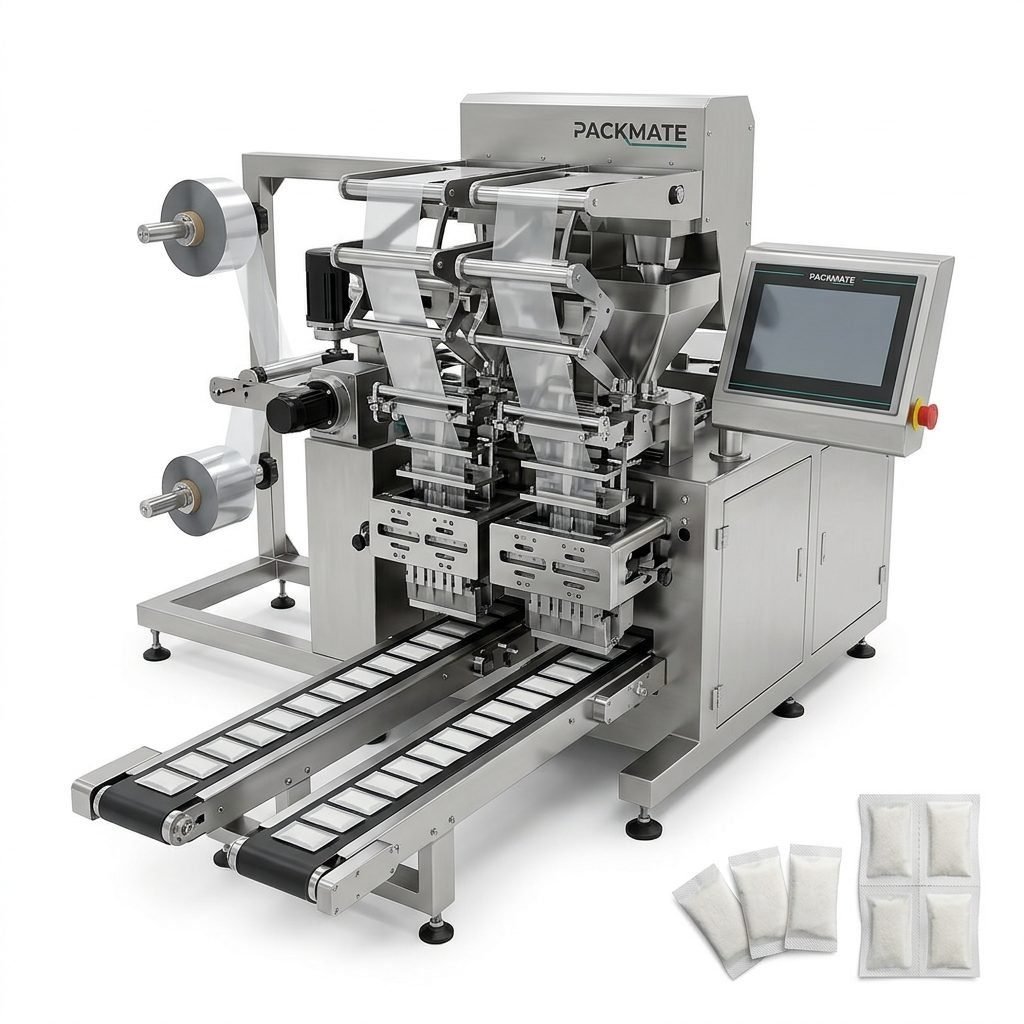
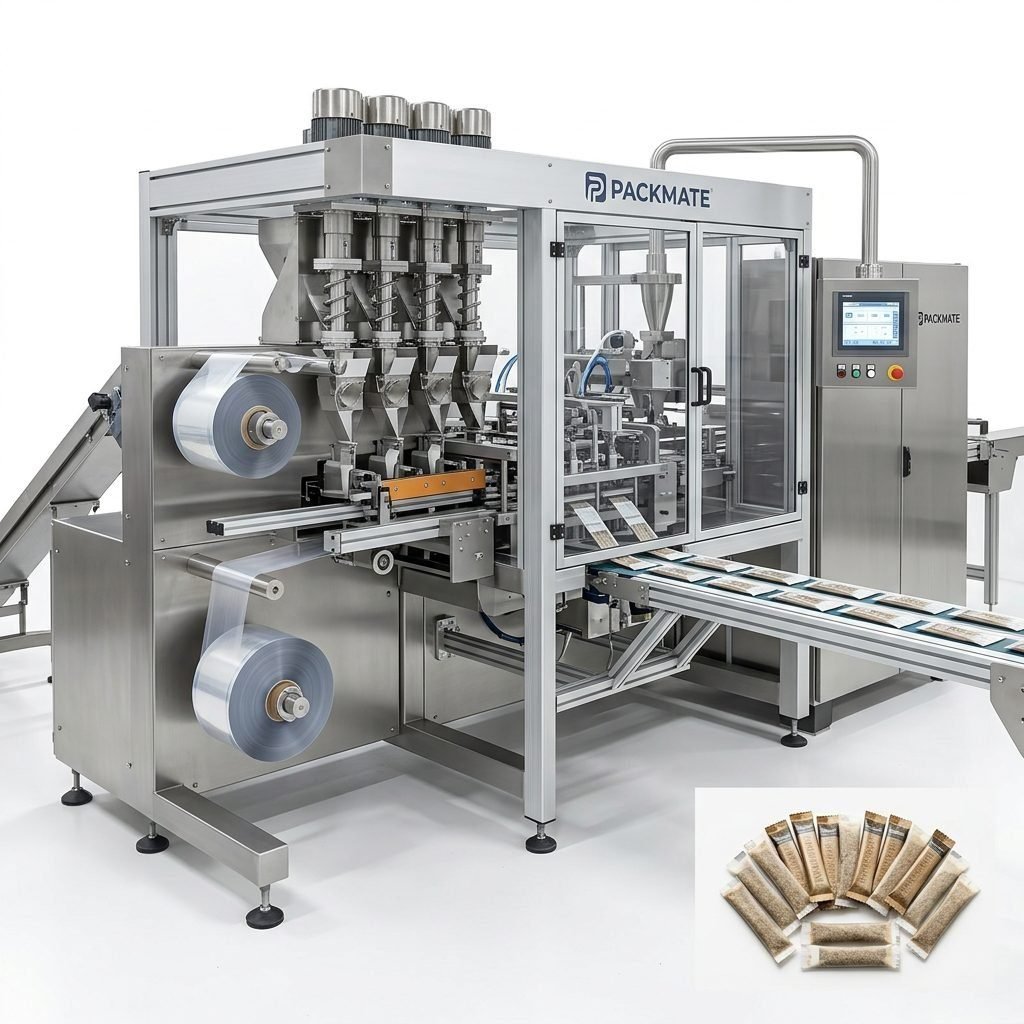
✔️ Multi-lane systems dramatically increase throughput for small, lightweight pouches. Ask about lane synchronization technology, maximum lanes supported, and how lane failures are isolated to avoid full-line shutdowns.
2. Filling precision and flexibility
✔️ Precise weighing and filling systems reduce material waste and ensure consistent dose per pouch—critical for consumer trust. Inquire whether weighing modules can handle powders, granules, and small solids, and how fast they stabilize when changing SKUs.
3. Material compatibility and packaging formats
✔️ Choose equipment that supports the formats you need: stick packs, sachets, multi-lane nicotine pouches. Confirm seal integrity on common barrier films used for humid climates to prevent moisture ingress.
servo controls, PLC with remote diagnostics, tool-less changeovers, CIP (if wet processes), and CE/ISO certification for safety and compliance.
Questions to ask potential manufacturers (and why they matter)
When you contact suppliers, use precise questions to separate vendors who sell machines from partners who deliver solutions.
Operational & performance
⚙️ What is the guaranteed throughput for a specified pouch size? Ask for real-world case studies and video of similar machines running at target speed.
Quality assurance & testing
🧪 Do they perform acceptance testing with your materials? Insist on factory acceptance testing (FAT) that uses your film and product samples to validate sealing and dosing.
After-sales & spare parts
🔧 What are spare parts lead times to Trinidad and Tobago? Is there a local service partner or remote support capabilities? Machines without rapid support increase risk in island markets.
Request total cost of ownership including installation, commissioning, spare parts package, and training—beyond the headline machine price.
Evaluating manufacturer credibility and manufacturing strength
A manufacturer’s facility, certifications, and global cases tell you how repeatable their machines are.
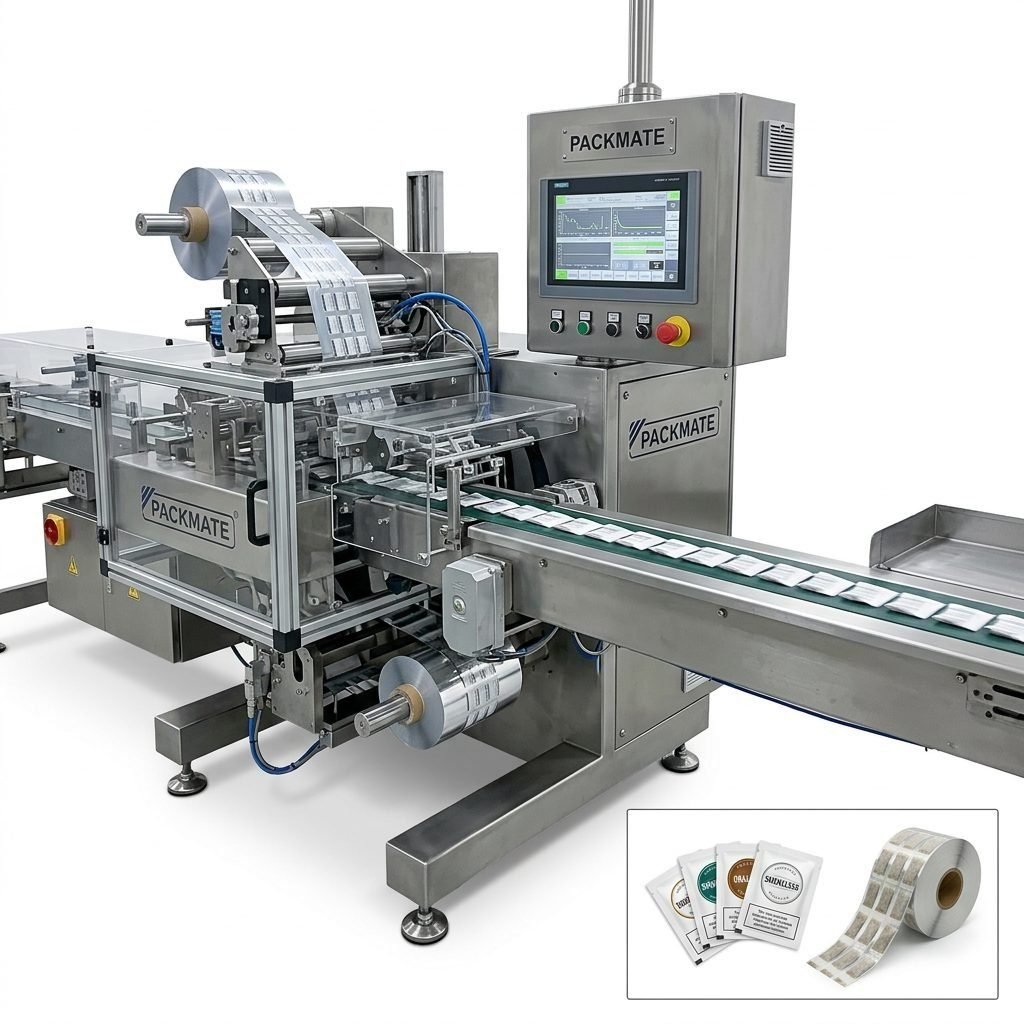
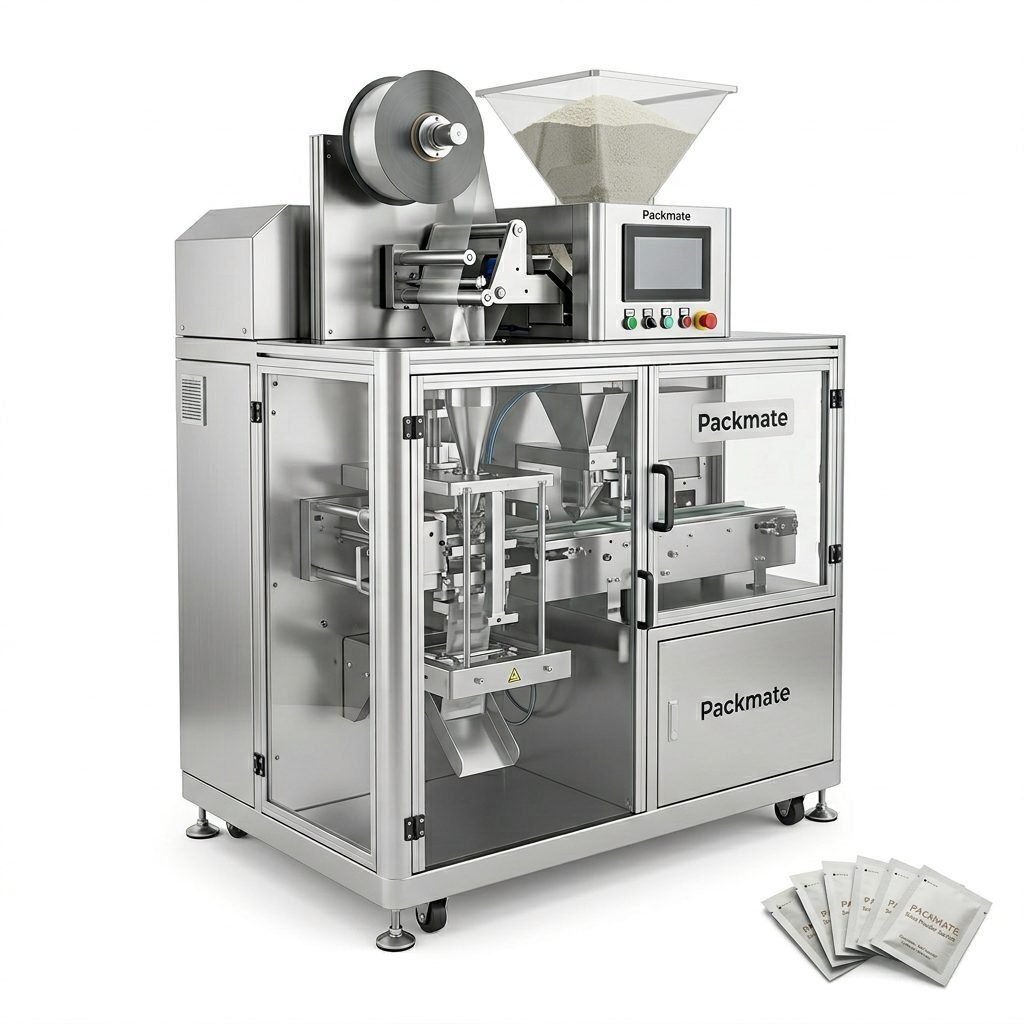
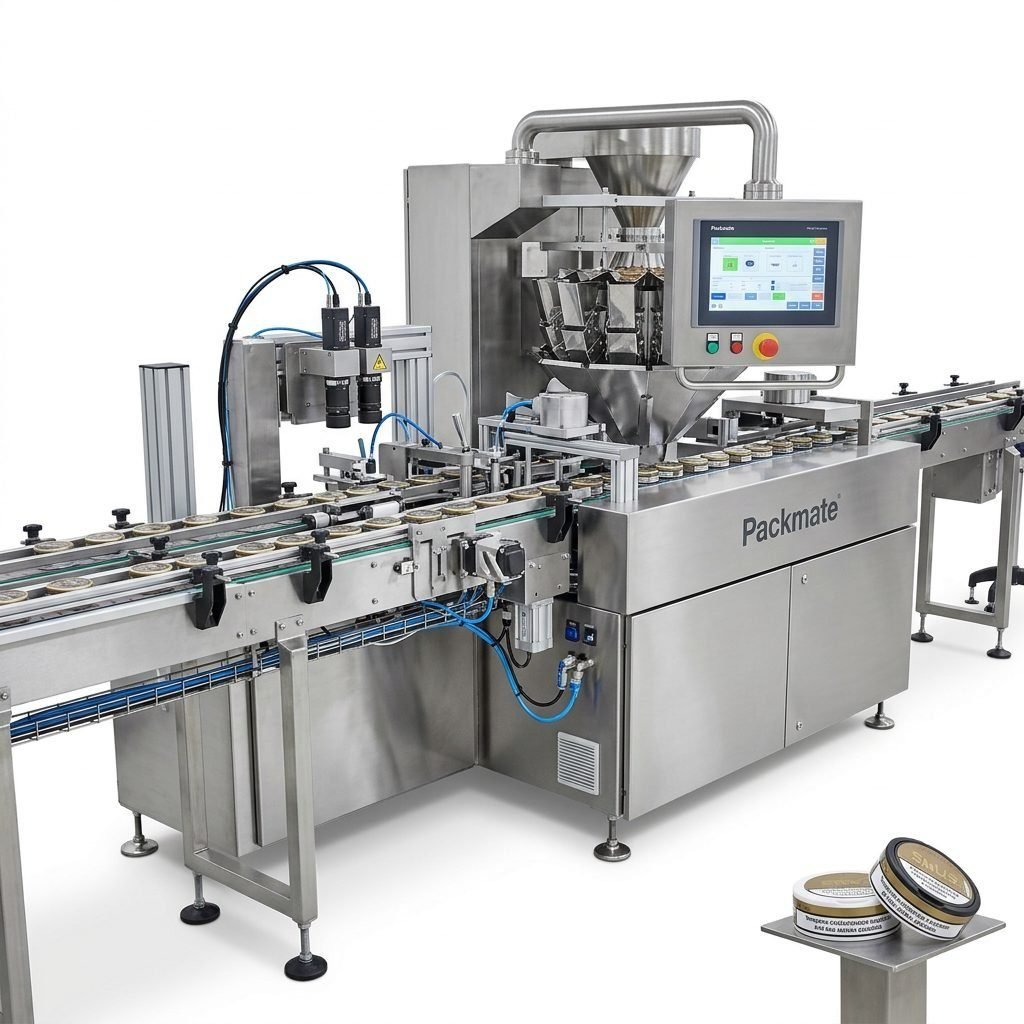
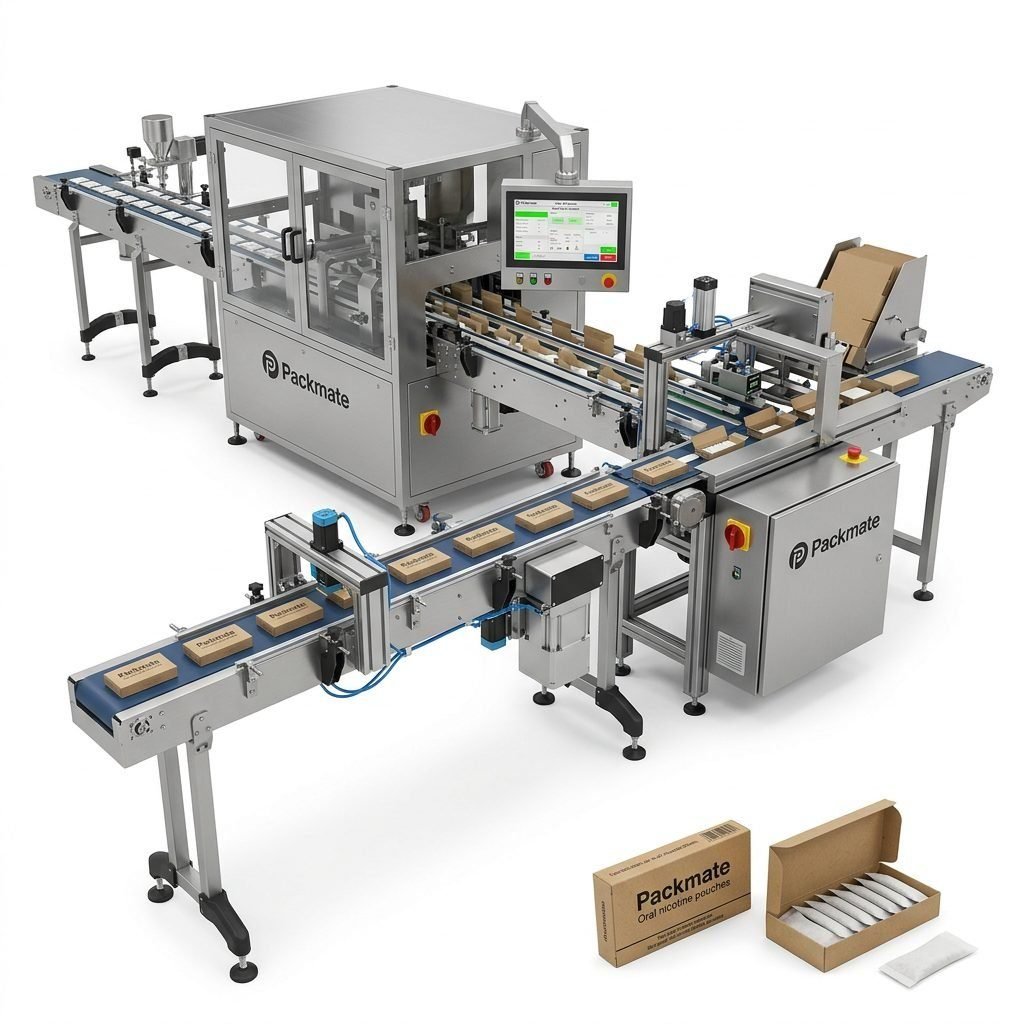
Packmate Snus Machine, for example, offers a sizeable factory and decades of experience—important signals when you need long-term support. Check for:
📌 Factory scale and CNC capability — larger, well-equipped workshops typically produce more consistent machine parts.
📌 CE and ISO certifications — these support export compliance and workplace safety.
📌 Global turnkey cases and exhibition presence — real customer examples show how machines perform in similar production contexts.
For further details about production lines and cases you can review product pages like Snus & Nicotine Packaging Machines, Sachet & Stick Pack Machines, and documented Case studies to compare capabilities and installed references.
Turnkey solutions, installation and training — what to demand
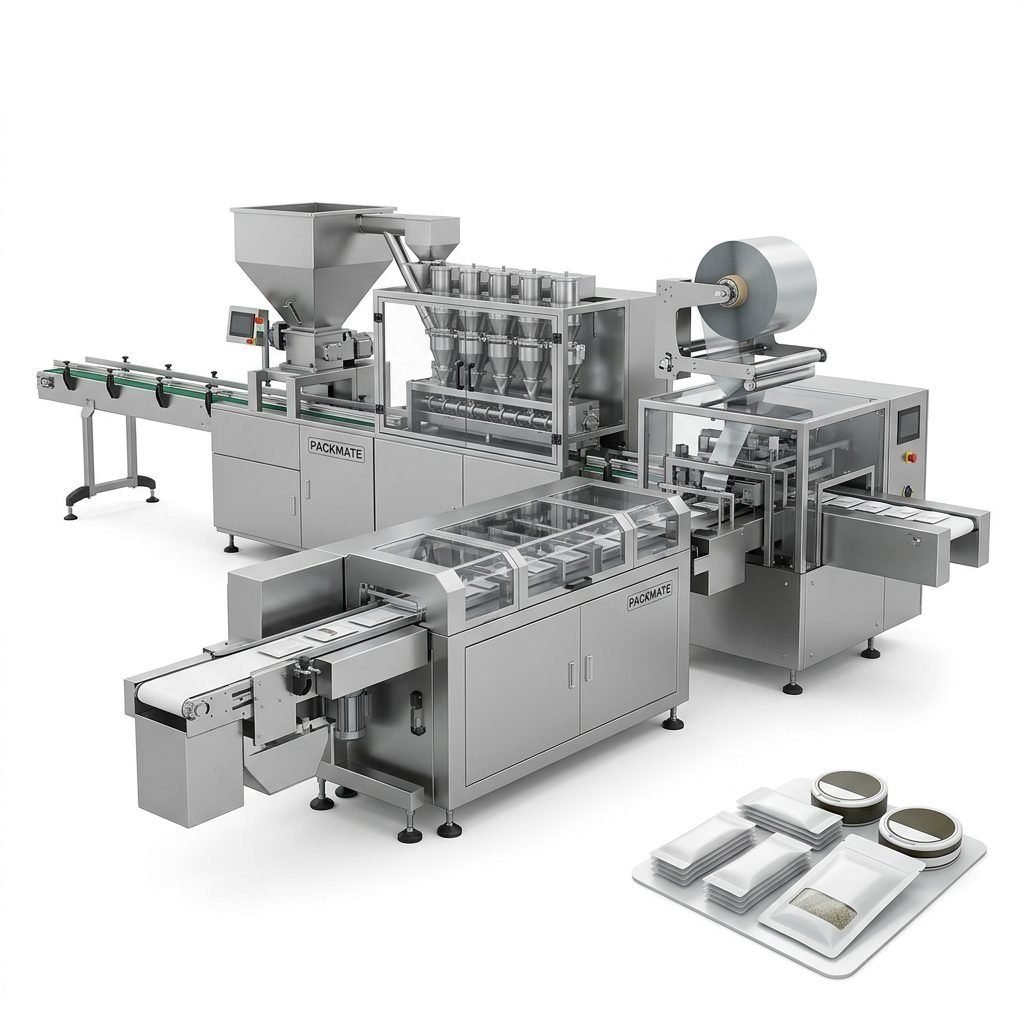
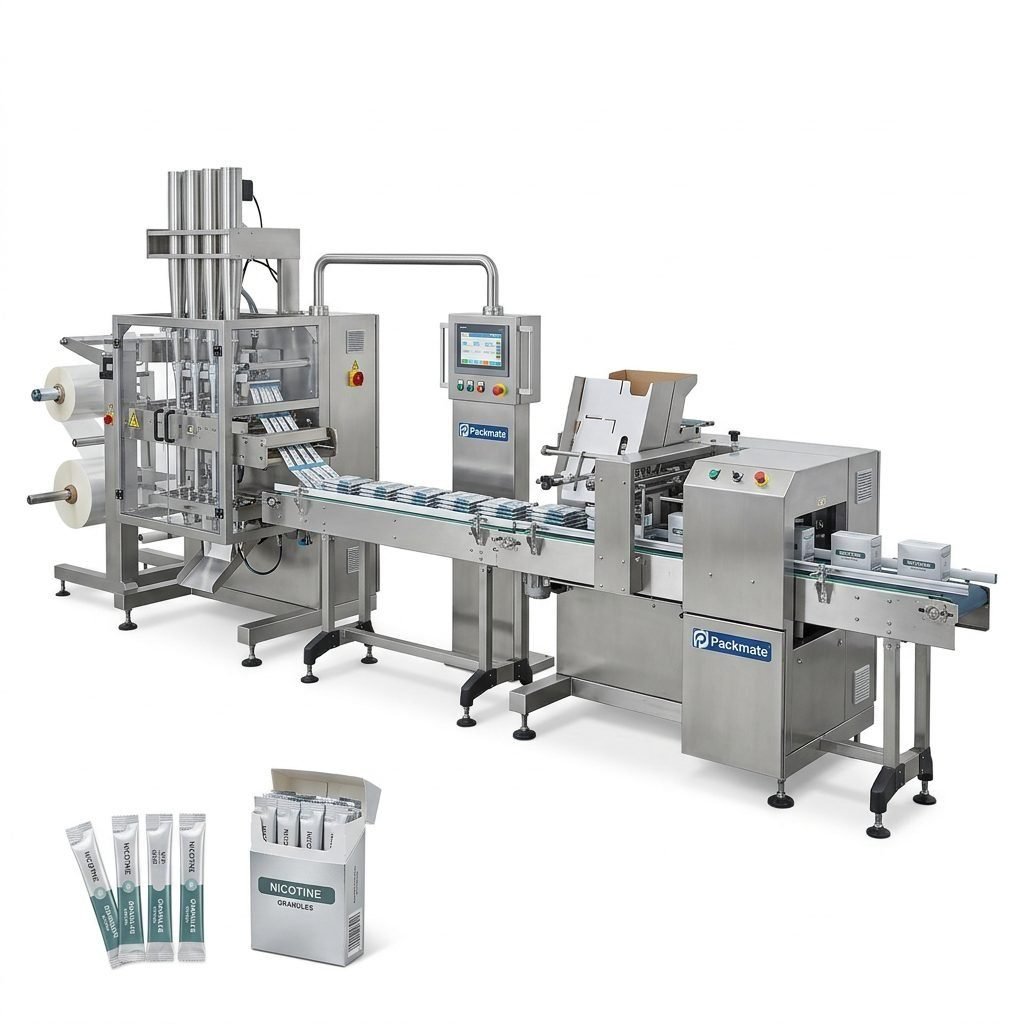
A turnkey supplier simplifies setup: they provide integrated weighing, filling, packaging, auxiliary equipment, and production flow design. For island operations, confirm whether they offer:
✅ Pre-shipment FAT and video walk-throughs.
✅ On-site commissioning in Trinidad and Tobago or remote commissioning packages.
✅ Operator training and maintenance manuals in clear English.
✅ Spare parts kits sized for your expected run rates and lead times.
Insist on a clear service SLA for the first 12 months and check the supplier’s ability to provide remote diagnostics and video support — vital for quick problem resolution in Trinidad and Tobago.
Logistics, import and local delivery considerations
Shipping heavy machinery to Trinidad and Tobago involves freight planning, customs clearance, and local transport. Ask your manufacturer about:
– Crating standards for sea freight and whether they provide export documentation optimized for Caribbean customs.
– Local partner recommendations for offloading at Port of Spain and road transport to your site.
– Insurance options for marine transit and on-site transit coverage.
Climate-adapted packaging advice
The hot, humid environment in Trinidad and Tobago can accelerate moisture ingress and film delamination. Choose films and sealing parameters proven in tropical conditions and confirm the machine’s ability to produce high-barrier seals consistently.
Cost vs long-term value: how to think beyond price
Low upfront cost can hide high maintenance and downtime expenses. Prioritize:
– Reliability metrics (MTBF) and documented uptime from installed lines.
– Energy efficiency and consumable usage rates.
– Availability of local technicians or remote troubleshooting for tropical time zones.
Calculate TCO: purchase price + shipping + installation + spares + expected downtime costs over 5 years. Use this to compare suppliers fairly.
How to run a successful sample and pilot run
A pilot run validates real-world performance. Steps to follow:
1) Provide your actual powder/pouch formulation and intended film materials for FAT.
2) Request a video-recorded run at target speeds and inspect seal quality and pouch weight variance.
3) Test storage under simulated local humidity and temperature conditions to confirm shelf behavior.
4) Ensure the manufacturer documents setup parameters for repeatability during future runs.
Choosing a partner: more than a machine supplier
The best supplier acts as a partner—offering tailored engineering, packaging material guidance, and long-term service. Explore partners who publish detailed product lines and services such as Filling & Packaging Lines and Service options, and who actively participate in exhibitions like Our Exhibition for live demonstrations.
- Machine performance validated with your materials.
- Clear spare parts & service plan for Caribbean shipping times.
- Local regulatory and climate considerations addressed.
- Training, commissioning, and remote support guaranteed.
- Transparent TCO and documented case references.
Next steps to get started in Trinidad and Tobago
1) Prepare product and film samples for vendor tests.
2) Request a detailed proposal including FAT, spare parts kit, commissioning timeline, and service SLA.
3) Confirm export logistics, insurance, and customs paperwork with supplier.
4) Schedule operator training and a pilot production window to validate ramp-up during a non-peak sales period.
If you want to learn more about manufacturer capabilities and product catalogs, explore the company introduction at About Packmate and contact their team via Contact Us to request customized proposals.
Frequently Asked Questions
Q1: How do I verify that a snus packaging machine works with my specific pouch film and product?
A1: Insist on a factory acceptance test (FAT) where the manufacturer uses your exact film and product samples. Document the running parameters and request video proof of seal integrity and weight control.
Q2: What certifications should a trustworthy manufacturer provide?
A2: Seek CE and ISO certifications as a baseline for safety and quality. Also ask for export documentation and any third-party testing relevant to pharmaceutical or food-contact packaging.
Q3: How can I ensure spare parts and service are available quickly in Trinidad and Tobago?
A3: Choose manufacturers with global spare parts logistics, offer spare kits shipped with the machine, and provide remote diagnostics. Confirm typical lead times for critical wear parts and whether local agents exist.
Q4: Are there special packaging materials recommended for Trinidad and Tobago’s climate?
A4: High-barrier films with strong heat-seal strength and good moisture barriers are recommended. Validate sealing parameters during FAT and consider desiccants or secondary retail packaging if storage conditions are uncontrolled.
Q5: What should I expect in terms of training and commissioning?
A5: Expect a multi-day commissioning period with machine calibration, sample production, operator training, and maintenance instruction. Remote support should extend for the first months to ensure smooth ramp-up.