Choosing the right supplier for nicotine packaging machinery in Uzbekistan involves more than comparing prices and machine specifications. You must evaluate engineering capability, after-sales support, compliance with local regulations, and how well a supplier can adapt their equipment to local production habits and workforce skills. This guide walks factory managers and procurement teams through a practical decision-making process tailored to Uzbekistan’s market, culture, and logistics environment.
Understand Uzbekistan’s Market and Cultural Context
Uzbekistan has a growing manufacturing sector and a strategic location in Central Asia. When selecting a supplier, consider local consumer preferences (flavor profiles, pouch sizes, and discreet packaging), religious and cultural sensitivities, and the regulatory environment for nicotine products. Building trust and long-term relationships is essential — Uzbek business culture emphasizes face-to-face meetings, clear contracts, and respect for hierarchy. Visiting potential suppliers and inviting them to visit your facility can greatly improve communication and mutual understanding.
Key local considerations
- Regulatory compliance: Check Uzbek laws and any import restrictions or labeling requirements for nicotine products.
- Payment and trade terms: Letters of credit and escrow arrangements are common; clarify warranty and spare parts policies.
- Language & documentation: Ensure manuals and training can be supplied in Russian or Uzbek, or that translators are available.
- Service expectations: Local teams prefer suppliers who provide reliable on-site commissioning and fast spare parts delivery.
Technical Capabilities: What to Inspect on a Site Visit
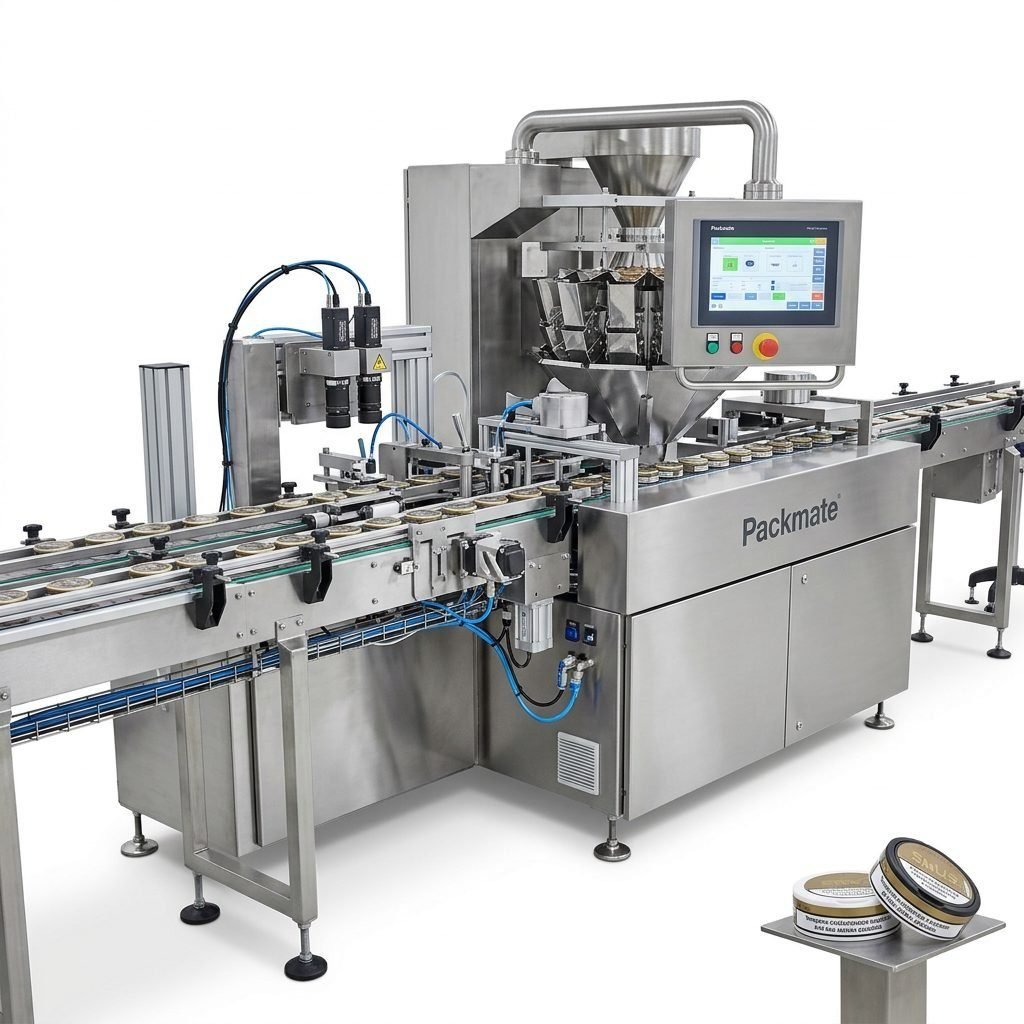
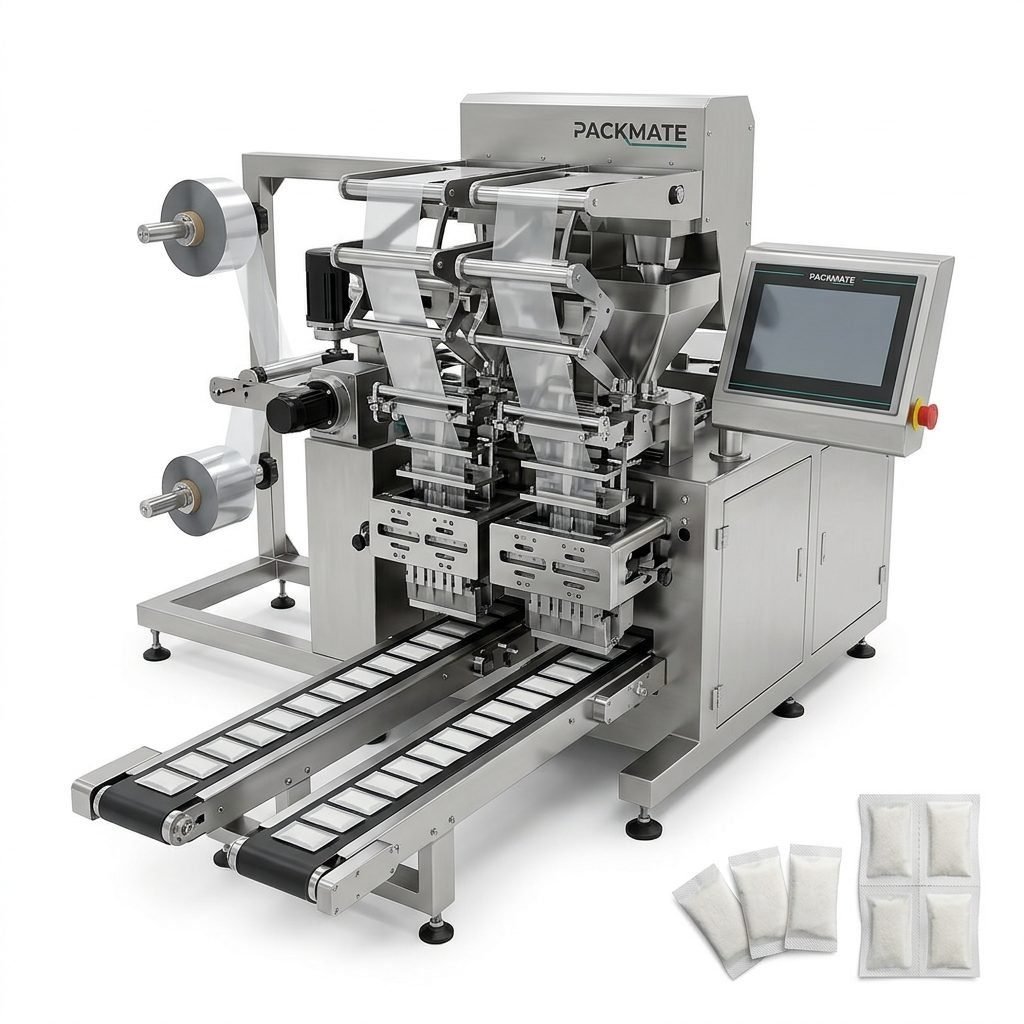
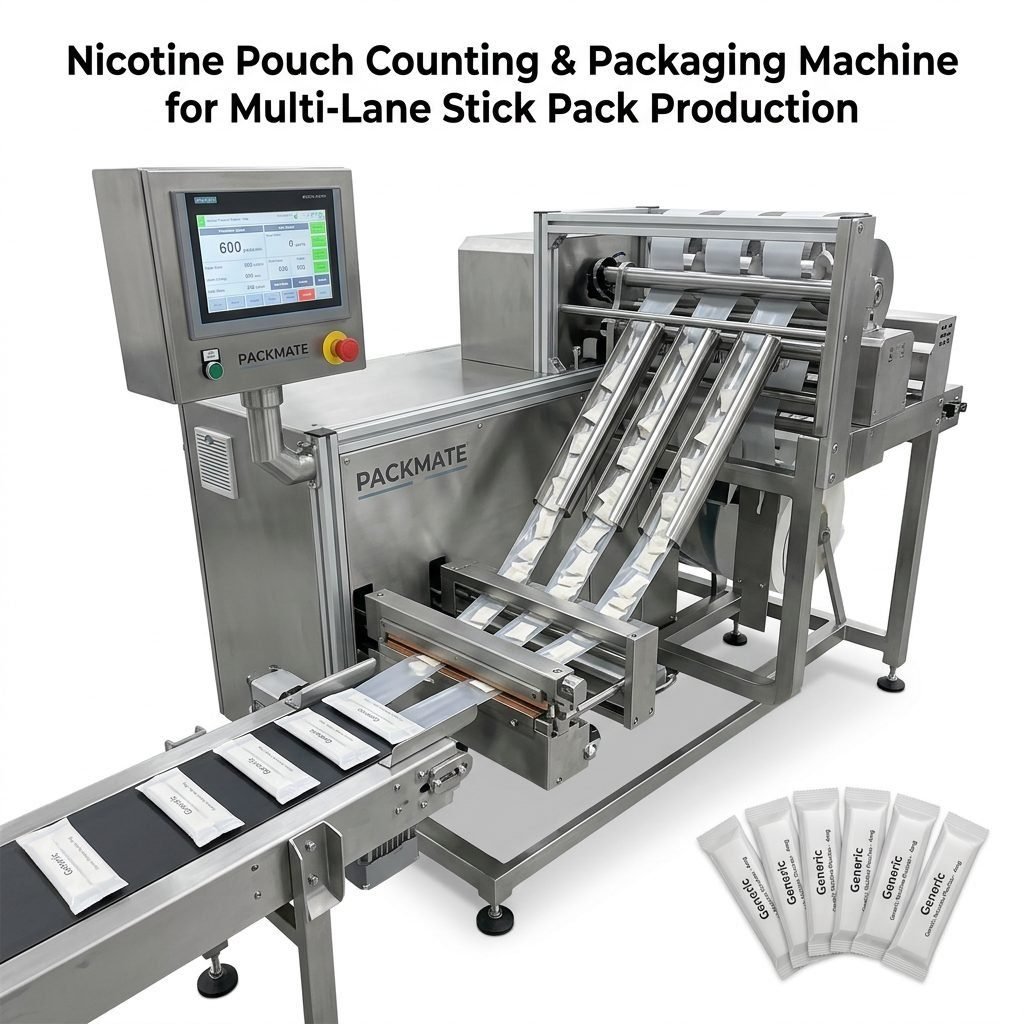
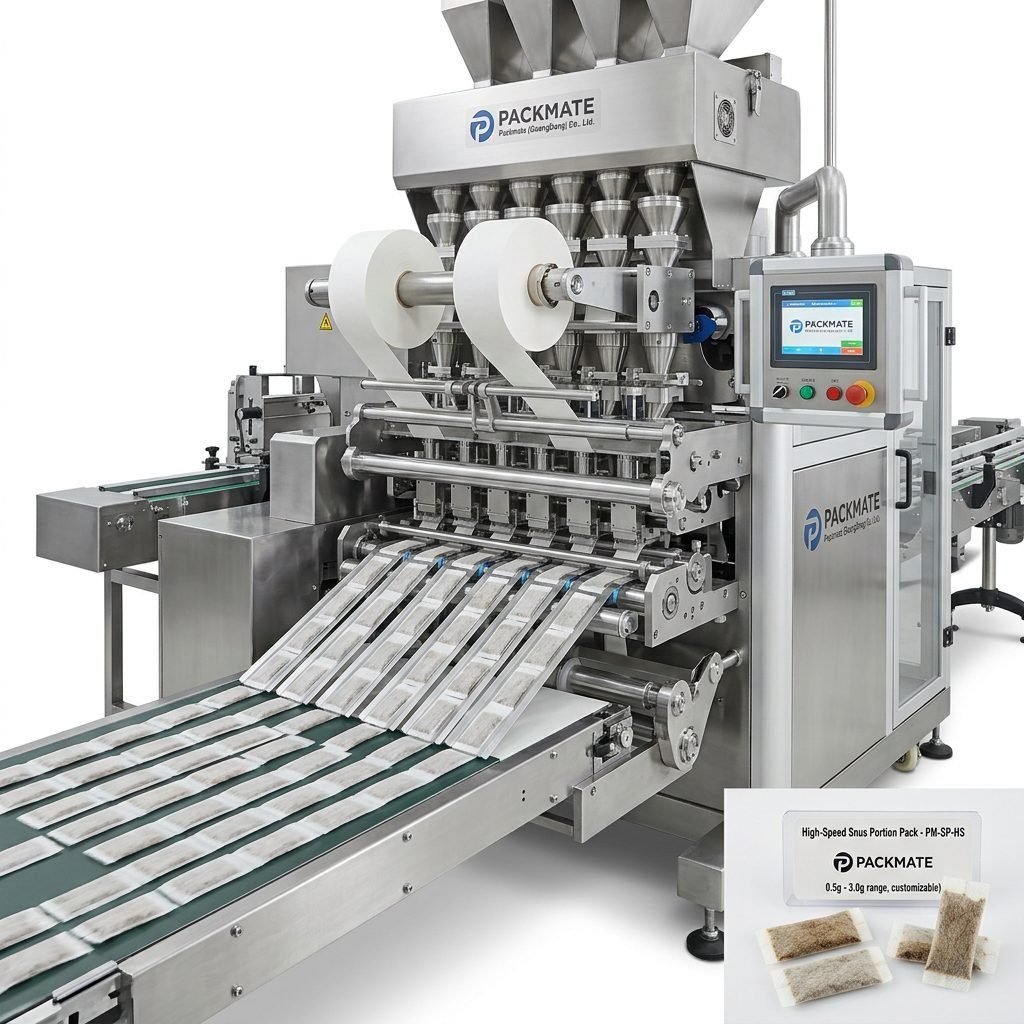
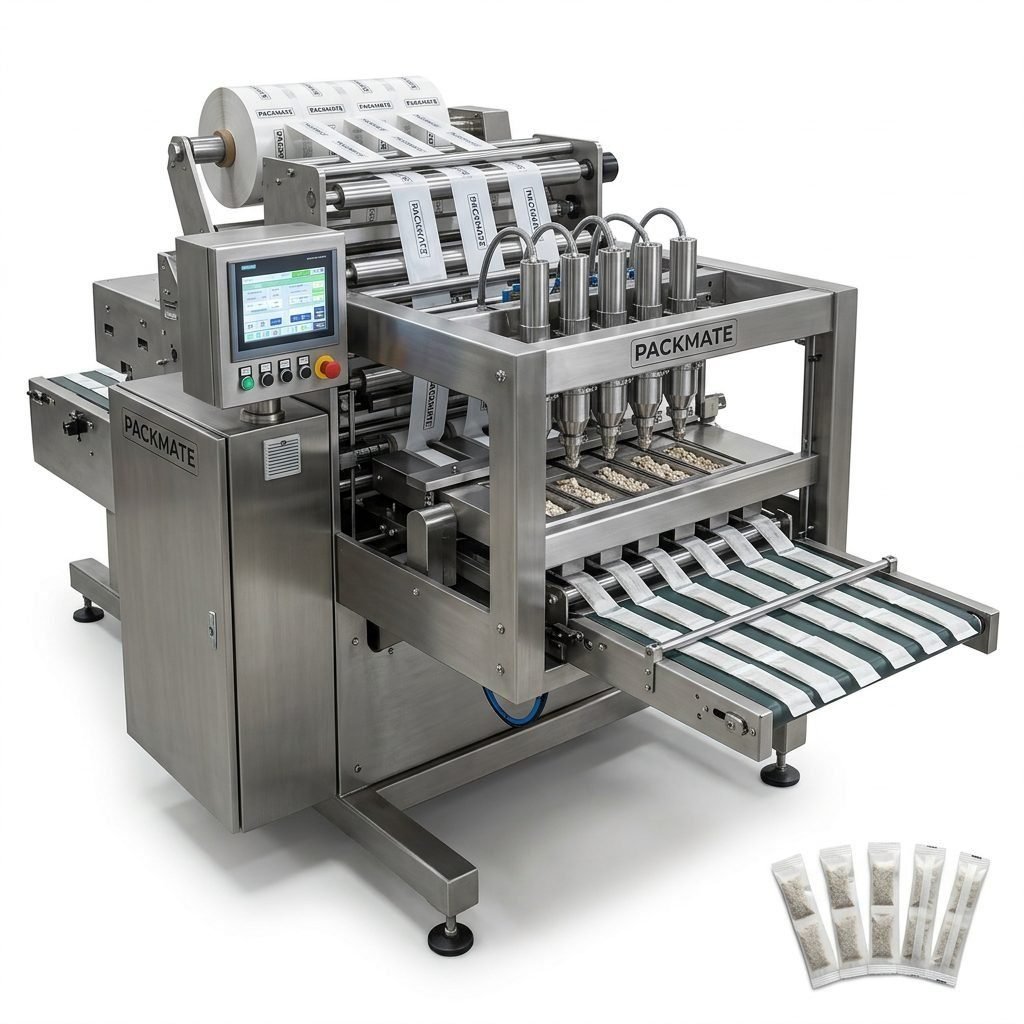
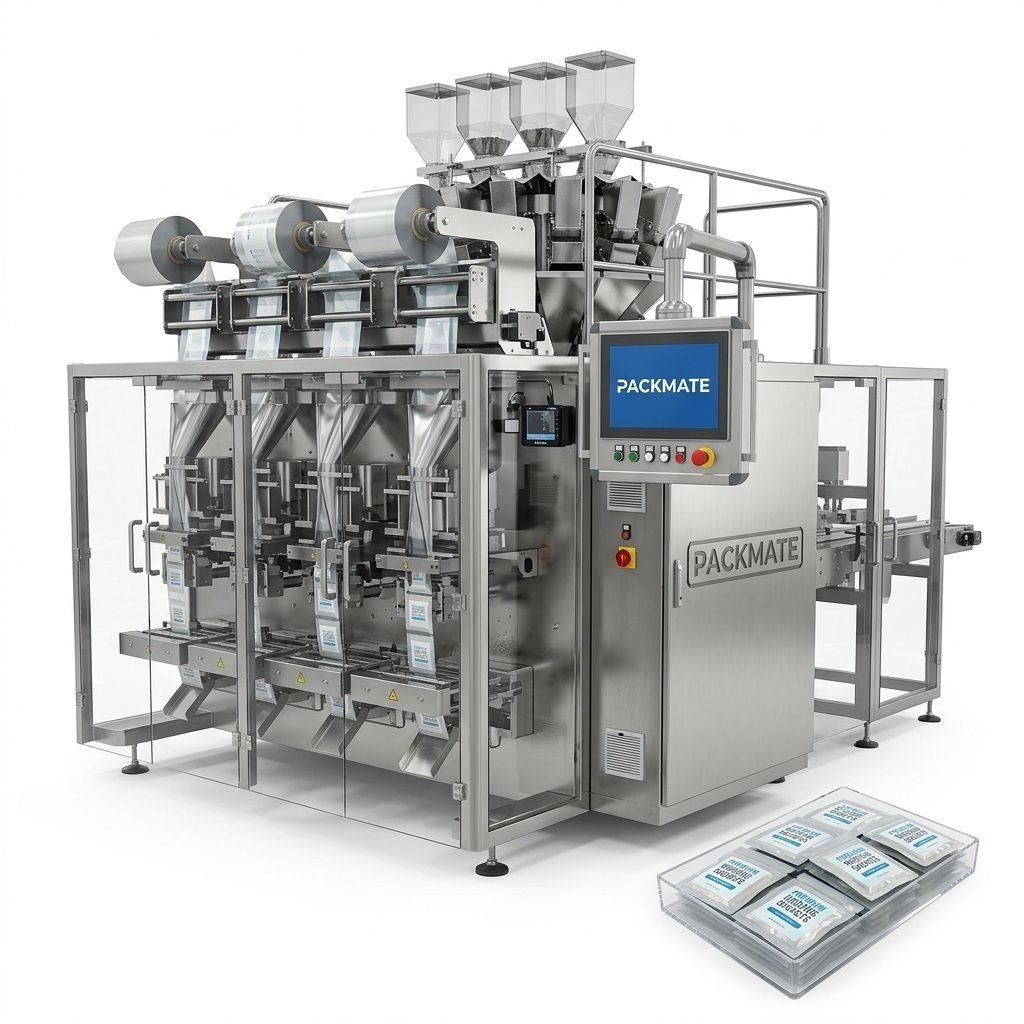
A supplier’s technical credibility is visible in their factory and demo facilities. During a visit, evaluate machine build quality, precision machining, and assembly standards. For nicotine pouch production, look for experience with high-precision multi-lane systems, accurate dosing for micro-doses, and reliable sealing across various pouch materials.
Must-check factory features:
- Advanced CNC machining centers and precision assembly lines
- Quality control stations and testing rigs for pouch integrity
- Demonstration lines for continuous run trials
- Documentation of CE / ISO certifications
Ask about customization
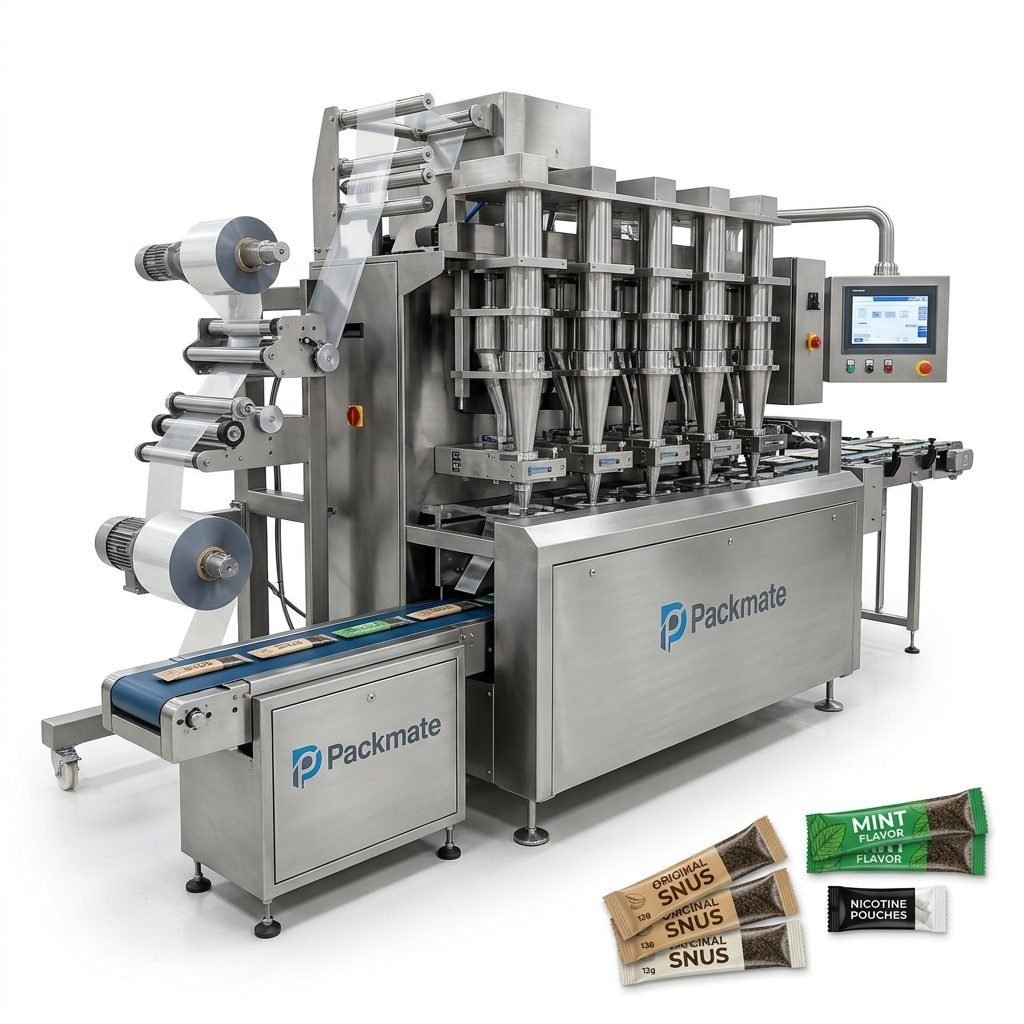
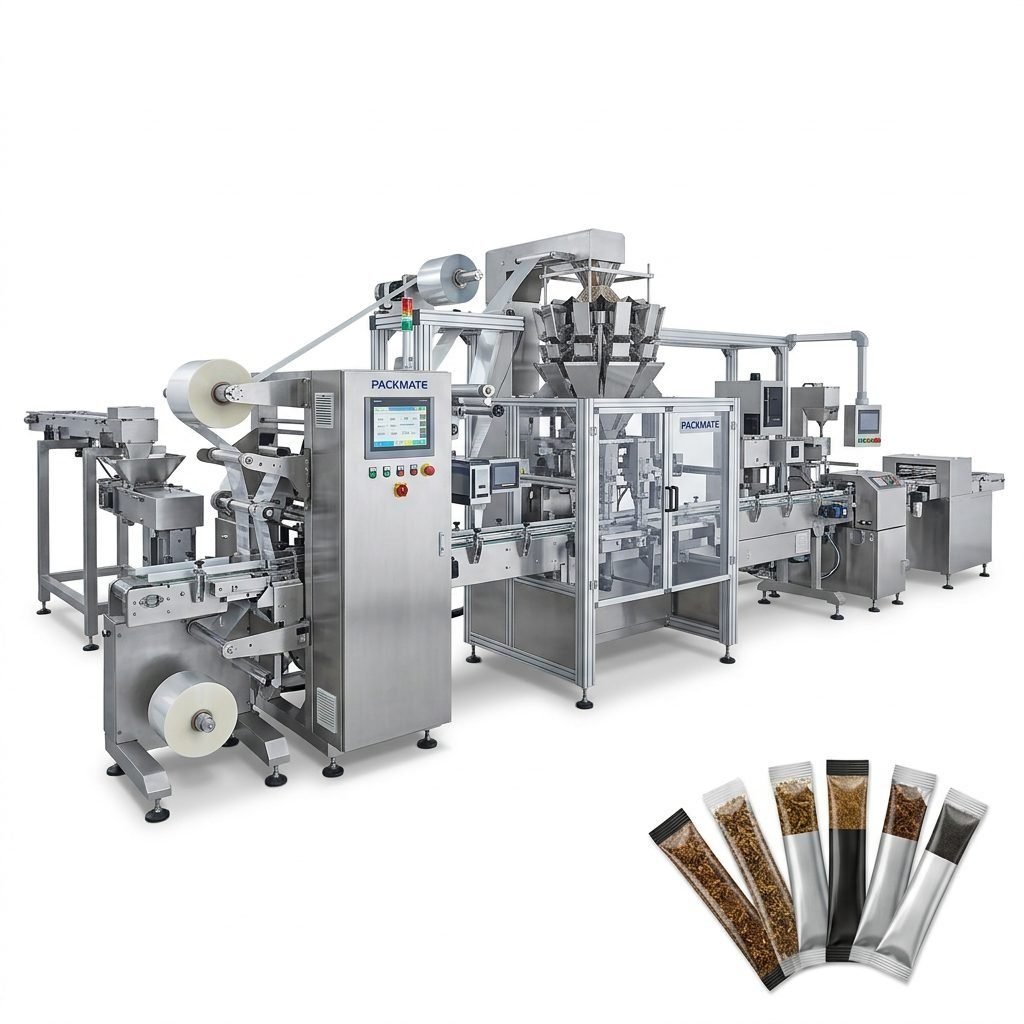
Uzbekistan factories often require minor customizations to match local pouch materials, flavors, or packaging sizes. Confirm that the supplier can provide modular adjustments, custom tooling, and multi-lane options for higher throughput. Packmate’s background in snus and nicotine packaging lines and broad model range can be especially valuable when you need tailored solutions quickly.
Performance Metrics and Machine Selection
When comparing machines, evaluate throughput (pouches per minute), accuracy of dosing, waste rates, and changeover time. For nicotine pouches, consistent dose accuracy is critical for regulatory compliance and consumer trust. Choose machines that balance speed with precision and have robust control systems for easy integration with upstream and downstream equipment.
Practical performance checklist
- Multi-lane capability for small-dose pouches
- Low variability in dosing (<±2% preferred)
- Simple maintenance access and standardized spare parts
- Compatibility with local power supply and control standards
After-sales Service and Parts Availability
In Uzbekistan, downtime can be costly due to limited local access to specialized spare parts and technicians. Prioritize suppliers that offer comprehensive after-sales service plans, local or regional technicians, and rapid spare parts shipping. A supplier with a global footprint and experience in turnkey lines typically provides better long-term support.
Red flags to avoid:
- No clear spare parts list or lead times
- Limited or unclear warranty terms
- Supplier unwilling to provide machine references or running demos
Compliance, Certifications, and Quality Control
Ensure the supplier’s machines meet international safety and quality standards such as CE and ISO. For nicotine products, accurate labeling and hygienic construction are important. Confirm the supplier follows rigorous testing protocols and keeps records for traceability — vital if Uzbek regulators request documentation or audits.
Documentation to request
- CE certificate and ISO documentation
- Test reports from factory acceptance tests
- Spare parts lists, electrical schematics, and control software versions
- Installation, Operation & Maintenance manuals in Russian or Uzbek
Logistics, Installation and Commissioning in Uzbekistan
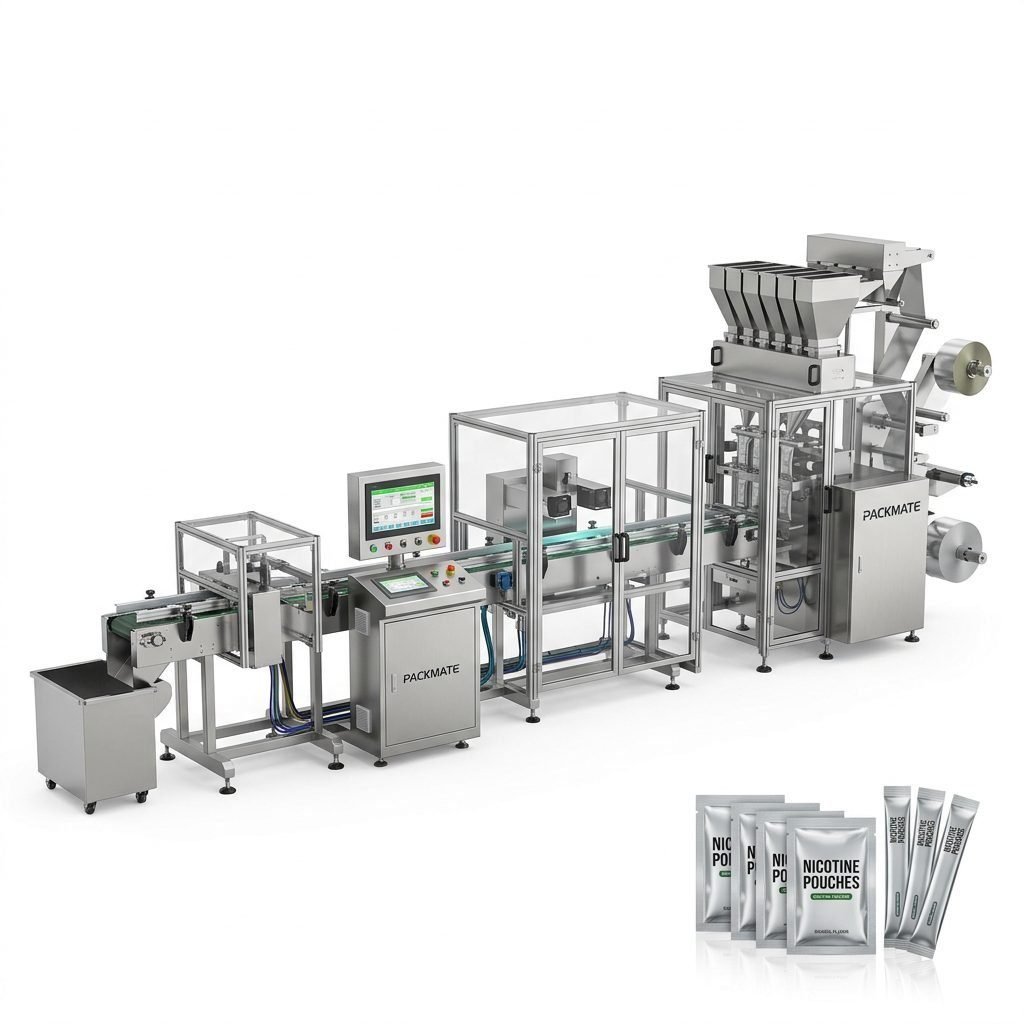
Plan for customs, transport from ports (e.g., Aktau/Caspian or Poti via rail-road connections), and local installation needs. Suppliers that offer full turnkey solutions — including installation, commissioning, and operator training — reduce risk and shorten time-to-production. Consider hiring local engineers who can work alongside supplier technicians to gain knowledge transfer.
Tips for smooth commissioning
- Pre-define utility requirements: power, air, water, and exhaust.
- Schedule spare parts and consumables delivery with the first shipment.
- Plan training sessions in local language and include practical maintenance drills.
Price vs Value: Evaluating Total Cost of Ownership
The cheapest quote is rarely the best long-term choice. Assess total cost of ownership (TCO): initial price, installation, training, spare parts, average uptime, energy consumption, and expected lifetime. Suppliers with solid engineering, local support channels, and proven reliability often deliver lower TCO despite higher initial investment.
Value indicators
- Average uptime guaranteed (SLA)
- Mean time to repair (MTTR) statistics
- Clear spare parts availability and kit options
Supplier Reputation, References and Case Studies
Ask for references, case studies, and visit installations if possible. Suppliers with global experience, especially those serving similar climates and regulatory environments, bring proven solutions. Packmate’s history in snus and nicotine pouch machinery and turnkey systems provides a credible track record for producers entering or expanding in Central Asia and beyond. You can explore more about product ranges such as Snus & Nicotine Packaging Machines and Bag & Pouch Packaging Machines.
Verify real-world performance
Request video demos of machines running the exact product format you plan to produce. If possible, request a trial run at your site or a third-party testing facility. Also check the supplier’s gallery of completed projects and ask about performance metrics from similar installations — Packmate’s Case pages often show real production lines and outcomes.
Contracts, Warranties and Aftercare Agreements
A strong contract clarifies delivery dates, acceptance tests, training, warranty coverage, and spare parts commitments. Ask for a Service Level Agreement (SLA) that defines response times for on-site support and remote diagnostics. For Uzbekistan, where building trust is key, include clauses for training local technicians and offering regular maintenance visits during the first year.
Important contract items
- Clear FAT (Factory Acceptance Test) and SAT (Site Acceptance Test) criteria
- Defined spare parts kit for the first 12 months
- Training plans and language support
- Warranty duration and coverage details
How to Shortlist Suppliers Quickly
Create a scoring matrix covering technical fit, TCO, references, service capability, and cultural fit. Apply a weight to each category based on your factory priorities (e.g., serviceability might be heavier if local technical skills are limited). Narrow to 2–3 suppliers and conduct focused visits or online demonstrations to finalize your choice.
Quick shortlist example weights:
- Technical fit: 30%
- After-sales & spare parts: 25%
- Reference performance: 20%
- Price & payment terms: 15%
- Cultural & language fit: 10%
Useful Supplier Resources and Next Steps
Review suppliers’ catalogs, certifications, and product pages. If you want to explore full packaging lines, including weighing, filling, and auxiliary equipment, check integrated solutions prior to negotiation. Packmate provides extensive resources on Filling & Packaging Lines and About Packmate for detailed technical specs and company background. When ready, arrange Factory Acceptance Tests and plan logistics and commissioning schedules.
Local engagement tips
Invite suppliers to Tashkent or your factory for face-to-face negotiations. Leverage local trade shows and exhibitions to meet multiple vendors — Packmate often participates in global exhibitions and can provide live demonstrations (see Our Exhibition info). Also confirm contact points for Contact Us and service inquiries to ensure fast response times.
Final Checklist Before Signing
Before finalizing the supplier, confirm the delivery timeline, FAT acceptance criteria, spare parts kit, training schedule, warranty terms, and payment milestones. Ensure all promises are in writing and that responsibilities for customs clearance and local installation are clearly allocated.
Final pre-sign checklist:
- FAT and SAT schedules confirmed and dated
- Spare parts list and delivery lead times documented
- Language of manuals and training specified
- Warranty & SLA clearly defined in the contract
Summary
Selecting the best nicotine packaging machinery supplier for your factory in Uzbekistan is a strategic decision that blends technical requirements, cultural fit, and logistic planning. Focus on proven technical capability, strong after-sales support, and clear contractual terms. Prioritize suppliers who demonstrate local understanding, offer language support, and provide robust commissioning and training. Taking these steps will minimize risk and maximize production uptime.
Frequently Asked Questions
Q1: How important is on-site commissioning for nicotine pouch machines in Uzbekistan?
A1: On-site commissioning is very important. It ensures machines run reliably with local materials, trains operators in the local language, and reduces initial downtime. Include commissioning in the contract and specify training language.
Q2: Are CE and ISO certificates necessary when importing machinery to Uzbekistan?
A2: Yes, CE and ISO certificates demonstrate compliance with international safety and quality standards. They facilitate customs clearance and provide assurance for local regulators and insurance providers.
Q3: What spare parts should I order with the first machine shipment?
A3: Order a standard wear kit covering belts, seals, cutters, sensors, and electrical spare modules. Ask the supplier for a tailored first-year spare parts list based on expected throughput.
Q4: How can I verify a supplier’s performance before purchase?
A4: Request FAT videos, client references, and case studies. If possible, visit an installation or arrange a trial run with your product format. Verify MTTR and uptime statistics from similar projects.
Q5: Should I prioritize price or total cost of ownership (TCO)?
A5: Prioritize TCO. A slightly higher initial cost for a reliable supplier with solid after-sales support usually yields lower downtime and maintenance costs over the machine’s life.