Choosing the right snus packaging machine in Tanzania requires more than just price comparison — it demands understanding machine types, production capacity, regulatory compliance, and long-term service. This guide walks you through practical steps, real-world considerations, and proven criteria to select the best snus (nicotine pouch) packing machine that fits your production goals and budget.
Understanding the Main Types of Snus Packaging Machines
The first decision is machine format. Each format suits different product styles and production volumes:
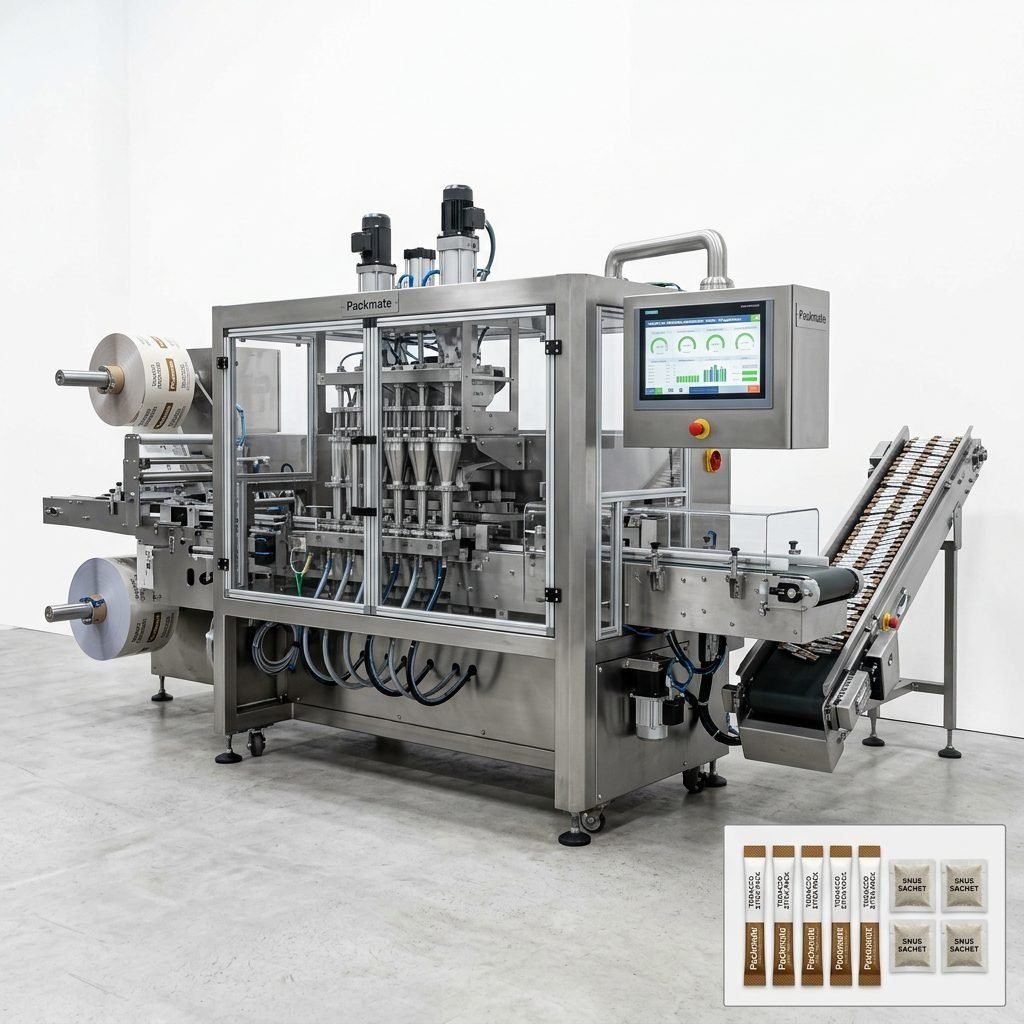
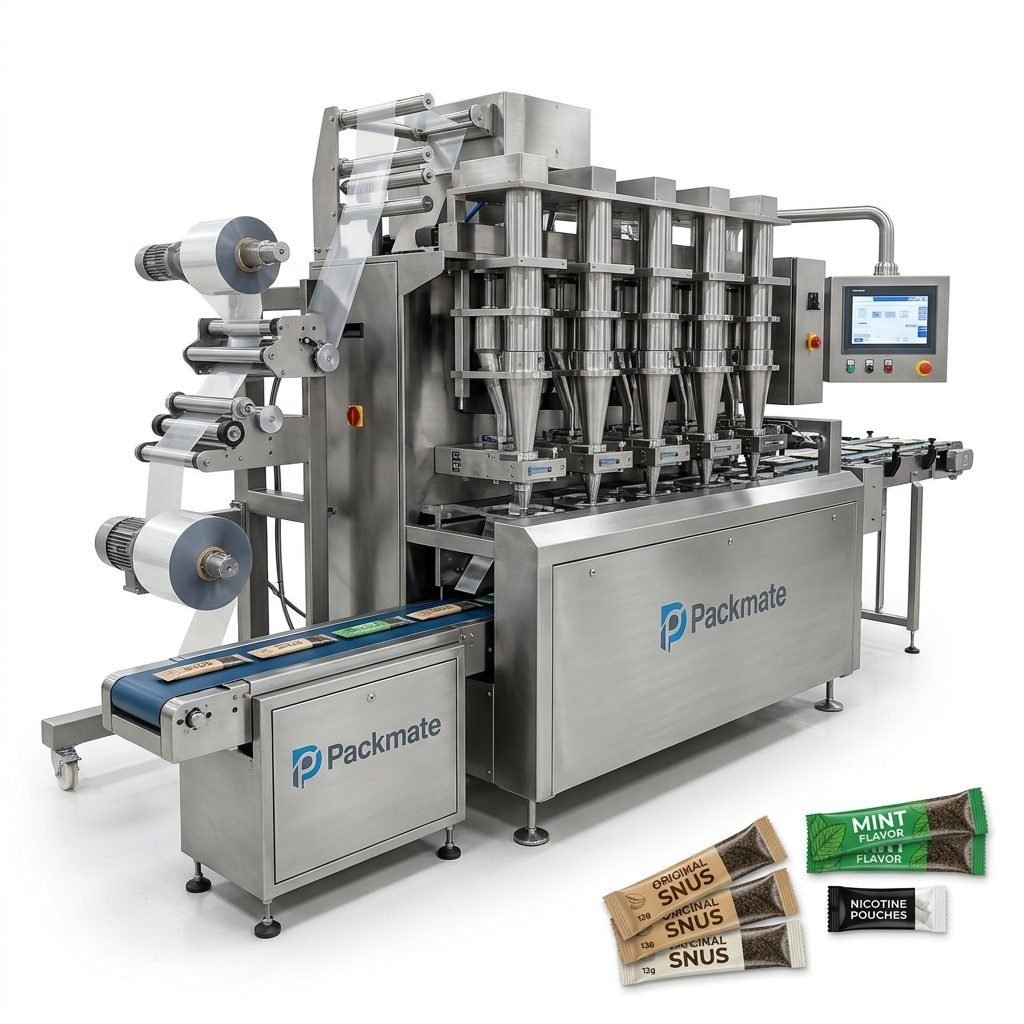
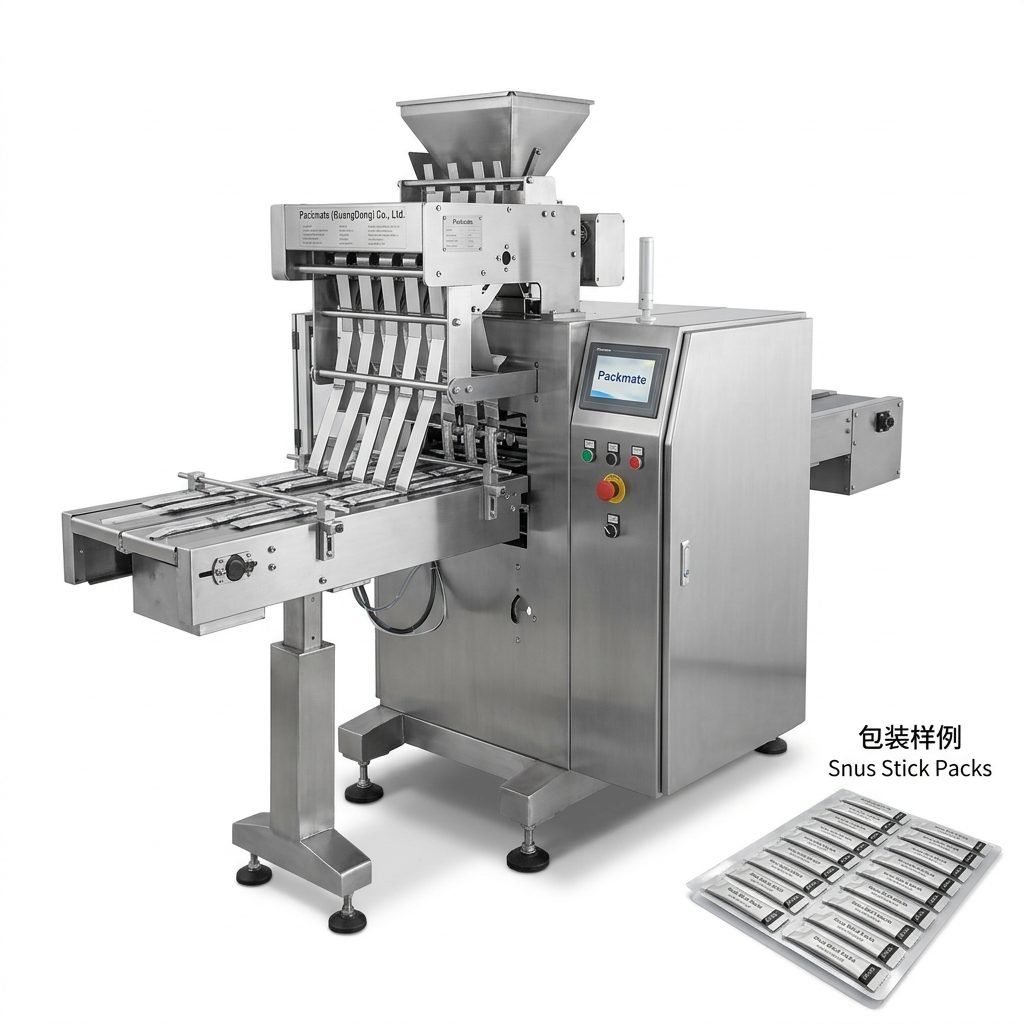
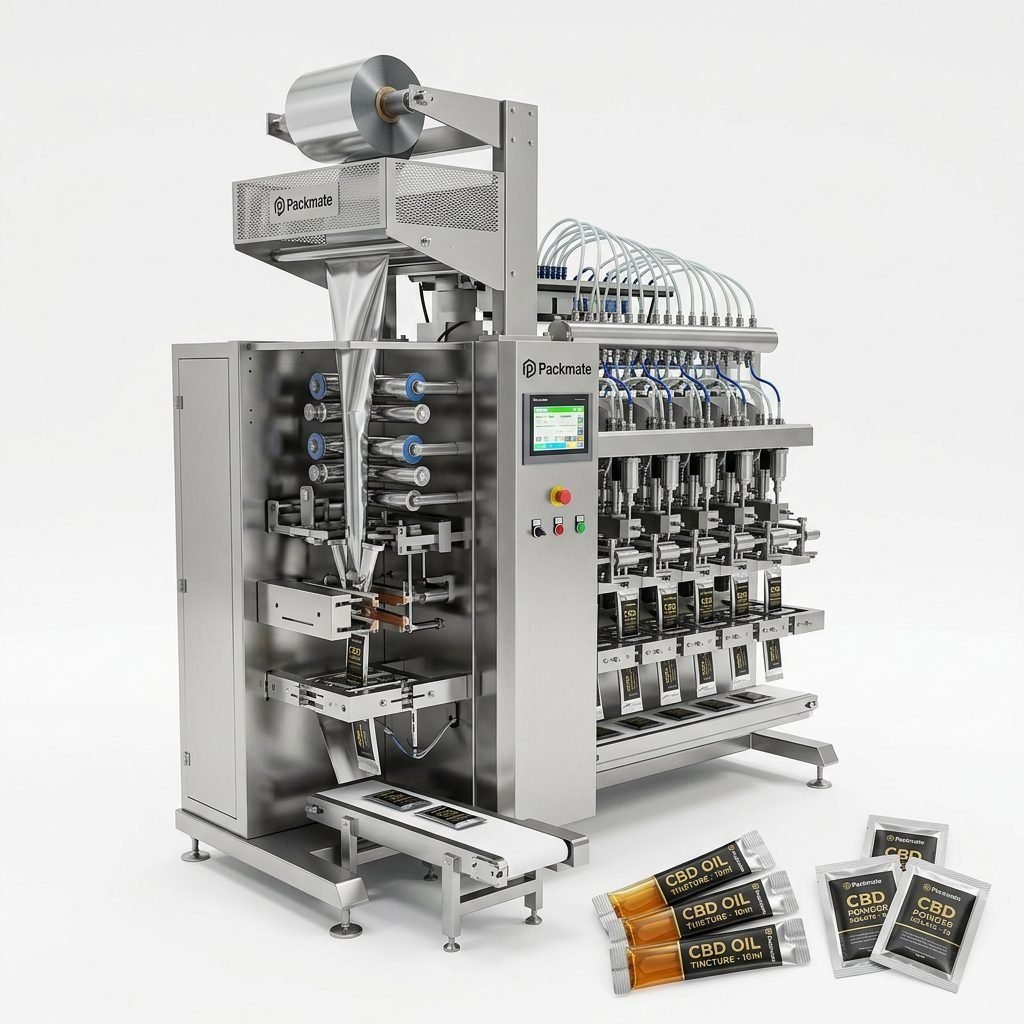
🔧 Stick pack machines — ideal for single-portion nicotine pouches in stick-like sachets. Excellent for continuous high-speed output and precise dose control.
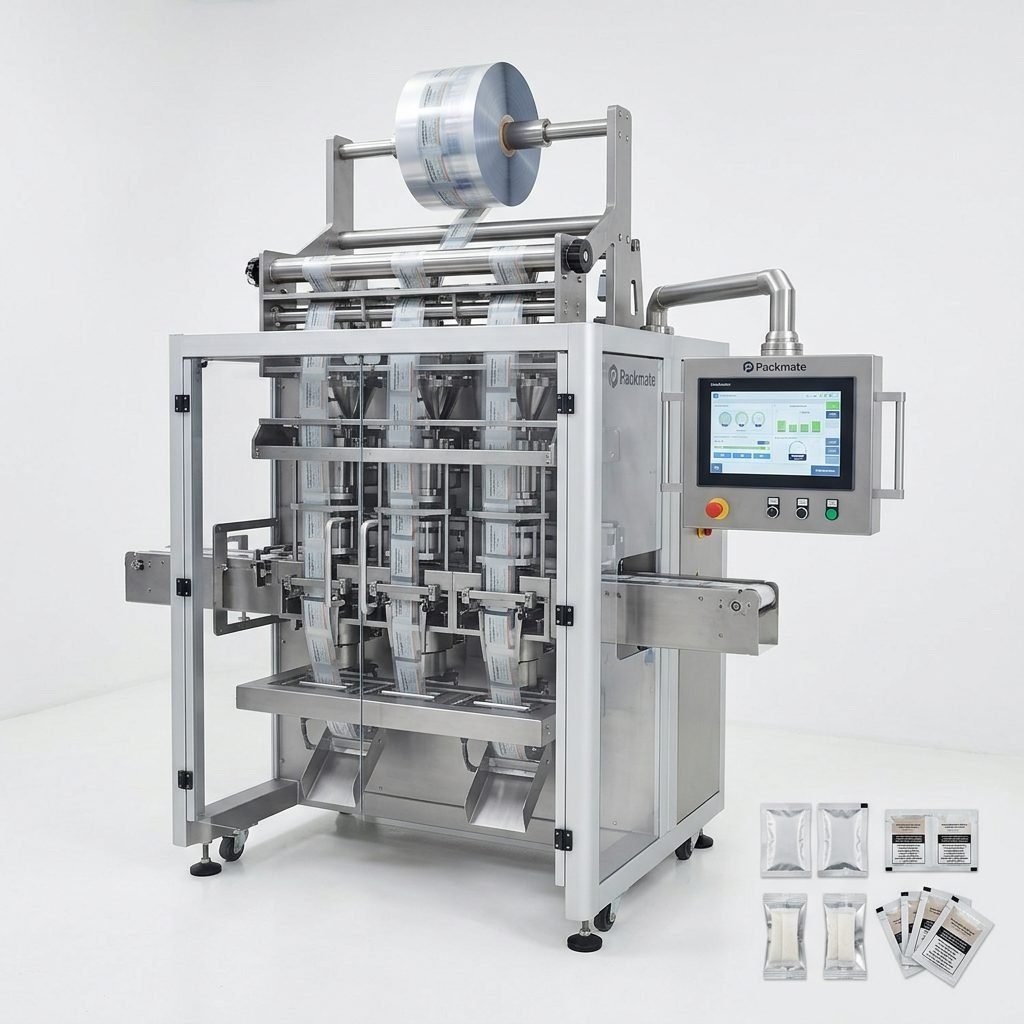
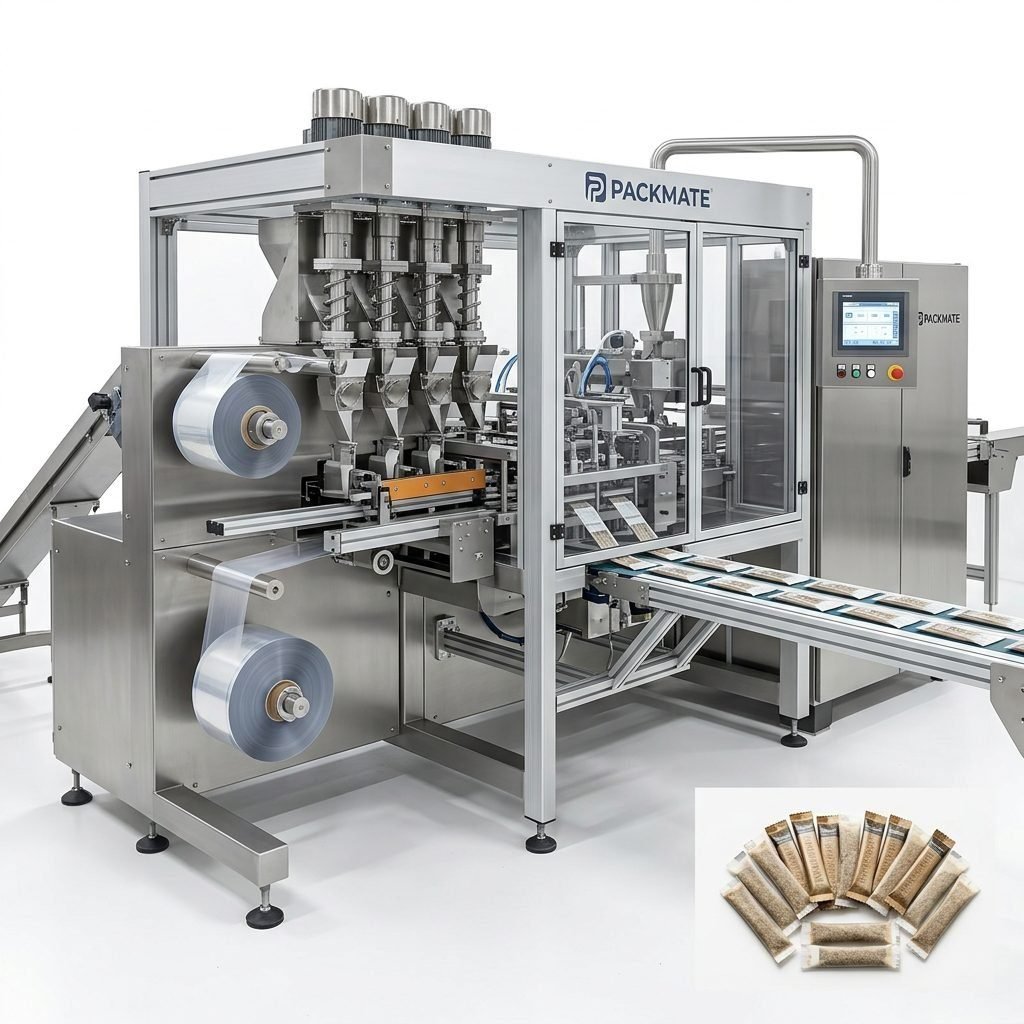
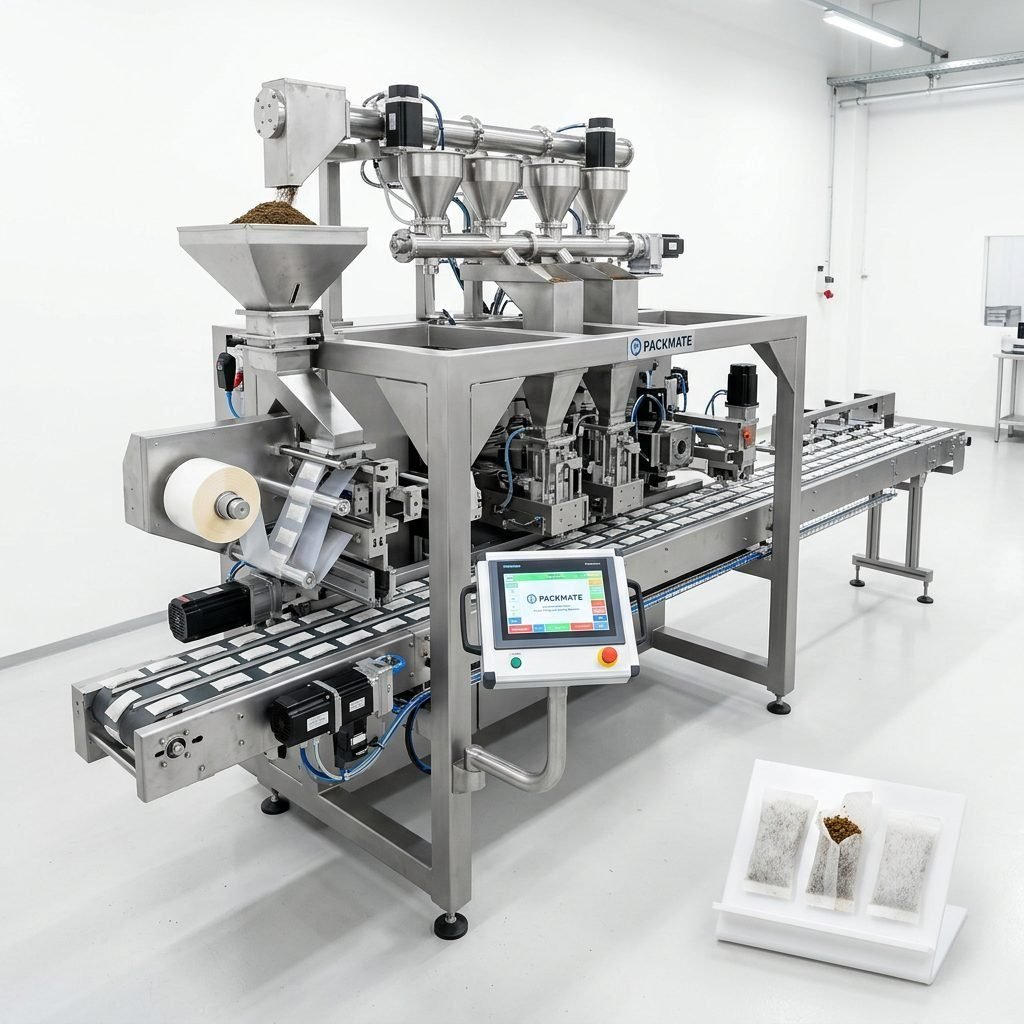
📦 Sachet & multi-lane machines — support compact sachets and multi-lane setups for higher throughput without increasing footprint. Great for small-dose pouch production across many lanes.
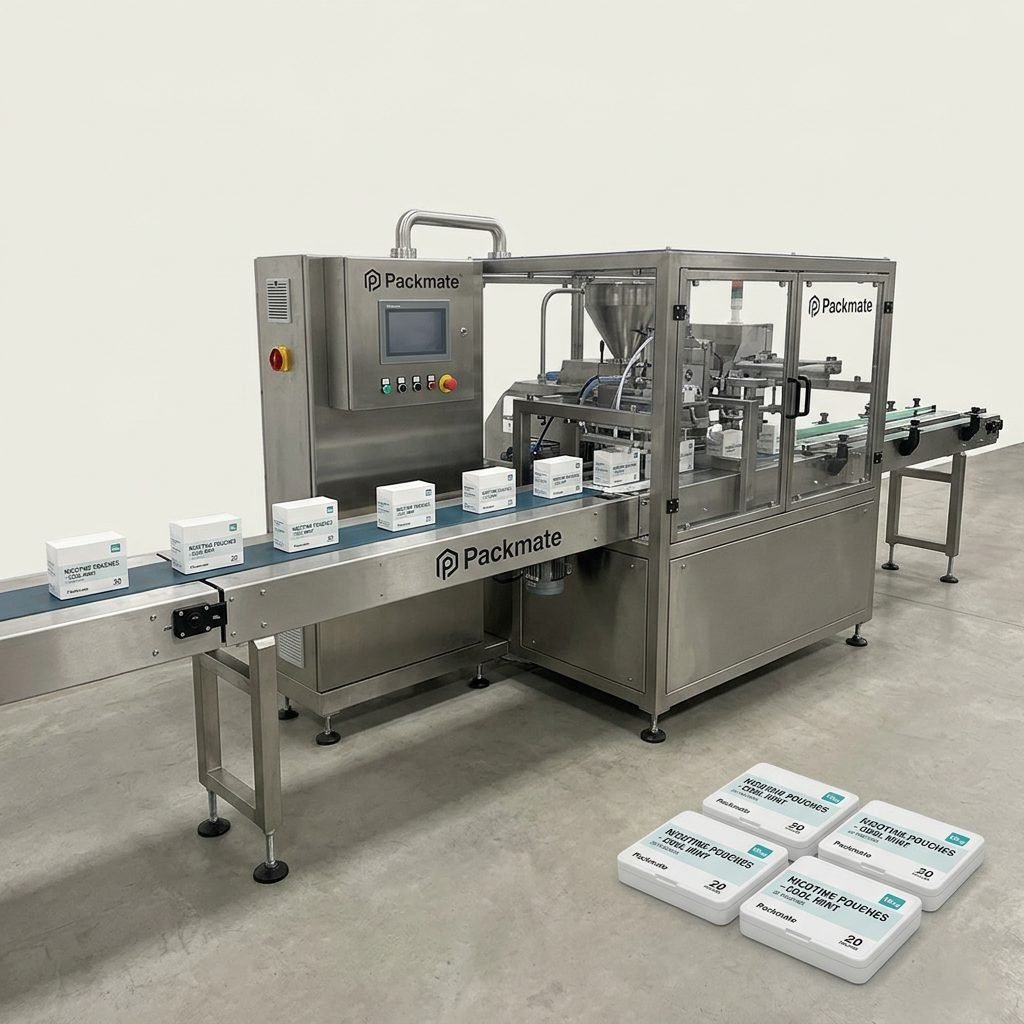
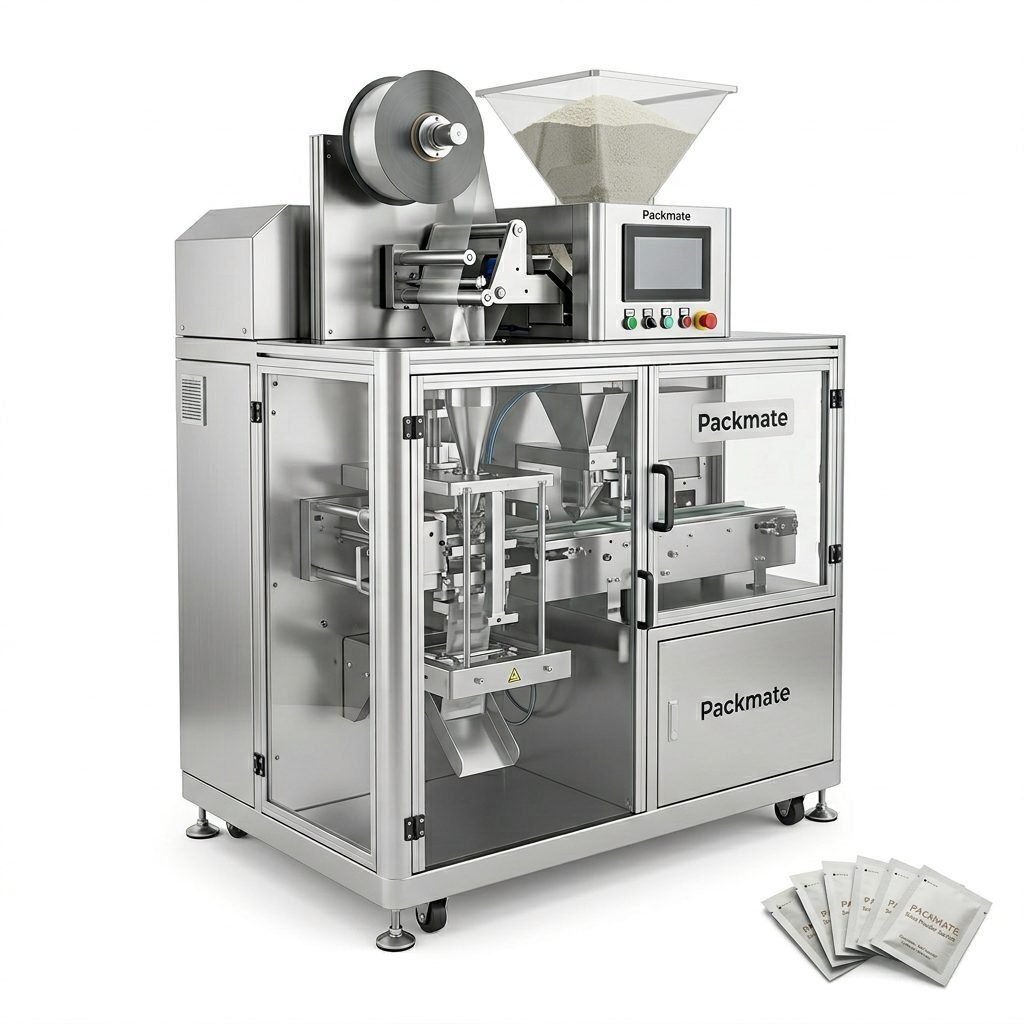
🧩 Pouch and bag systems — best when you need finished pouches, zipper bags or complex secondary packaging.
Where to explore these models
For a quick product overview and model selection, check specialized lines such as Snus & Nicotine Packaging Machines and Sachet & Stick Pack Machines.
Key Technical Criteria to Evaluate
Evaluate machines using measurable technical specifications that affect output, consistency, and operating cost.
✅ Production capacity (pouches/min) — choose a machine that reliably meets your target daily output while leaving margin for growth.
✅ Accuracy & weight control — for nicotine pouches, dose accuracy is critical for regulatory and consumer safety.
✅ Multi-lane capability — multi-lane systems reduce cost per pouch by multiplying lanes within one machine footprint.
✅ Changeover time — quick changeovers reduce downtime when switching SKUs or pouch sizes.
Materials & construction
Look for stainless steel contact parts, precision-machined rollers, and modular components for easy maintenance. Reliable electrical components and PLC-driven control with HMI are standard in quality machines.
Compliance, Safety & Certification
Regulatory compliance is non-negotiable. Your chosen machine must support hygienic manufacturing and safety requirements.
⚠️ CE & ISO certifications — verify machine documentation for CE marking and ISO compliance where applicable.
⚠️ Material traceability & hygiene — critical for nicotine products; choose equipment designed for easy cleaning and GMP-compatible operation.
Operational Cost Considerations
Beyond the purchase price, estimate total cost of ownership (TCO): energy use, spare parts, maintenance labor, and downtime risk.
🔍 Spare parts availability — ensure the manufacturer or local agent can supply parts quickly in Tanzania.
🔍 Local support & training — onboarding and operator training reduce human errors and improve uptime.
🔍 Energy efficiency — modern servo-driven machines usually reduce power consumption and improve consistency.
Choosing Between New vs. Refurbished Machines
New machines deliver warranty, latest features, and longer lifecycle — often the best choice when scaling a commercial snus line. Refurbished options can be attractive for tight budgets but require rigorous inspection and verification of parts and controls.
📌 Warranty & Service Packages — new machines come with warranty; confirm what’s included: on-site, remote diagnostics, and spare parts package.
📌 Upgradeability — prefer modular machines that can be upgraded for higher speed, additional lanes, or automated feeding systems.
Supplier Reputation & Factory Capabilities
Choose suppliers with proven track records in snus or nicotine pouch packaging — look for manufacturing scale, engineering experience, and turnkey project delivery.
🏭 Factory scale & precision — a large, CNC-equipped factory with specialized assembly lines indicates capability to deliver high-quality machines. For example, manufacturers with 20,000㎡ facilities and advanced CNC machining centers typically offer consistent build quality.
🌍 Global experience — global turnkey projects and exhibition presence show the supplier handles diverse regulatory environments and complex installations.
🔗 Learn more about a reputable supplier’s background at About Packmate and browse real-world installations at Case.
Site Preparation & Installation Tips for Tanzania
Proper site prep ensures a smooth installation and efficient operation. Consider floor load, power supply, compressed air quality, and dust control.
🔌 Electrical compatibility — confirm machine voltage and frequency with local supply or arrange transformers/inverters if needed.
🛠️ Foundation & mounting — ensure a level, vibration-free foundation and proper anchoring points.
💡 Operator access & safety — plan for ergonomic operator stations, clear maintenance access, and safety interlocks.
After-Sales, Training & Spare Parts Strategy
A strong after-sales plan reduces downtime and protects ROI. Prioritize suppliers offering training, local agents, and spare parts commitments.
📚 Operator training — on-site commissioning and operator training shorten the learning curve and ensure consistent product quality.
🔁 Spare parts kit — obtain a recommended spare parts kit for critical wear items like sealing jaws, belts, and sensors.
📞 Remote support — ensure the supplier supports remote diagnostics and quick guidance for common issues.
Choosing Add-ons & Complete Lines
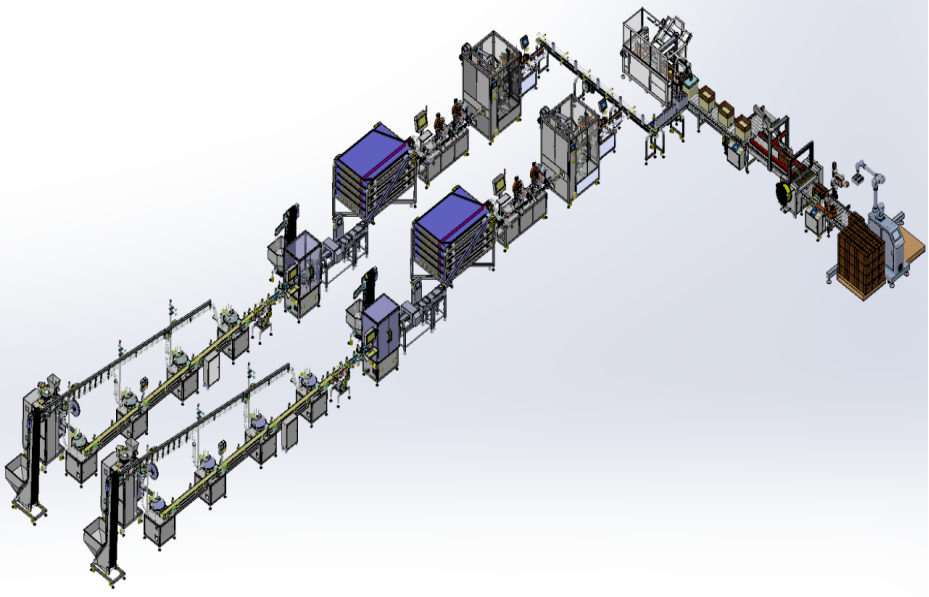
For turnkey production, consider integrated upstream and downstream equipment: dosing/weighing, conveying, and secondary packaging.
Recommended complements:
• Weighing & Packaging Systems — ensure accurate dosing before pouch formation.
• Filling & Packaging Lines — full integration for automatic feeding and secondary packaging.
• Auxiliary Packaging Equipment — labeling, carton erectors, and palletizers to complete the line.
Finance & Procurement Tips
Negotiate payment milestones tied to FAT (Factory Acceptance Test), shipping, and successful commissioning. Ask for a clear lead time and delivery schedule, and confirm incoterms for shipping to Tanzania.
Final decision checklist
• Production capacity meets current and near-future demand.
• Manufacturer provides CE/ISO certificates and clear warranty terms.
• Spare parts availability and local support are confirmed.
• Total cost of ownership analyzed (energy, parts, downtime).
Why Packmate-Style Manufacturers Are a Strong Consideration
Experienced manufacturers with decades in packaging engineering often deliver reliable machines, modular upgrades, and global service networks. A supplier that offers 50+ machine models, advanced CNC machining, and 30+ years of R&D can significantly reduce procurement risk.
🌟 Proven engineering — decades of development means fewer field issues and better lifecycle support.
🌟 Turnkey solutions — one-stop lines reduce integration headaches and accelerate commissioning.
Explore credentials and exhibitions for validation at Our Exhibition and certifications at Certificate.
Next Steps — How to Request Quotes and Compare Offers
Prepare a clear RFQ that includes expected daily output, product specs (weight, pouch size), material characteristics, and ambient conditions. Ask suppliers for FAT videos, reference installations, and detailed spare parts lists.
📩 Request sample run data and video demonstrations.
📦 Ask for complete packaging line options if you want turnkey delivery.
📞 Confirm local contact points for service and spare parts in Tanzania.
Common Questions (FAQs)
Q1: How do I decide between single-lane and multi-lane machines?
A1: If your required throughput is high but floor space is limited, multi-lane machines usually give the best OEE by multiplying lanes. For lower volumes or frequent SKU changes, single-lane systems can be simpler and more flexible.
Q2: What documentation should I ask from the supplier?
A2: Request CE/ISO certificates, electrical schematics, PLC/HMI software details, spare parts lists, and FAT test reports or videos showing your product run.
Q3: Can machines be customized for specific pouch materials?
A3: Yes — reputable manufacturers design sealing jaws, heating profiles, and transport systems to match film types and barrier requirements. Include your film specs in the RFQ for an accurate recommendation.
Q4: How important is local service and spare part stock?
A4: Very important. Fast access to spare parts and trained technicians minimizes downtime. Confirm local partners or distributor presence and lead times for critical components.
Q5: Where can I see machines in operation?
A5: Ask suppliers for case studies and FAT videos. Visiting exhibitions or supplier factories offers the best perspective; view validated examples at their case pages and exhibition listings.
Ready to start? Gather your product specs and desired output, then contact qualified suppliers for detailed quotes and FAT demonstrations — a smart selection now saves time and costs throughout your product lifecycle.