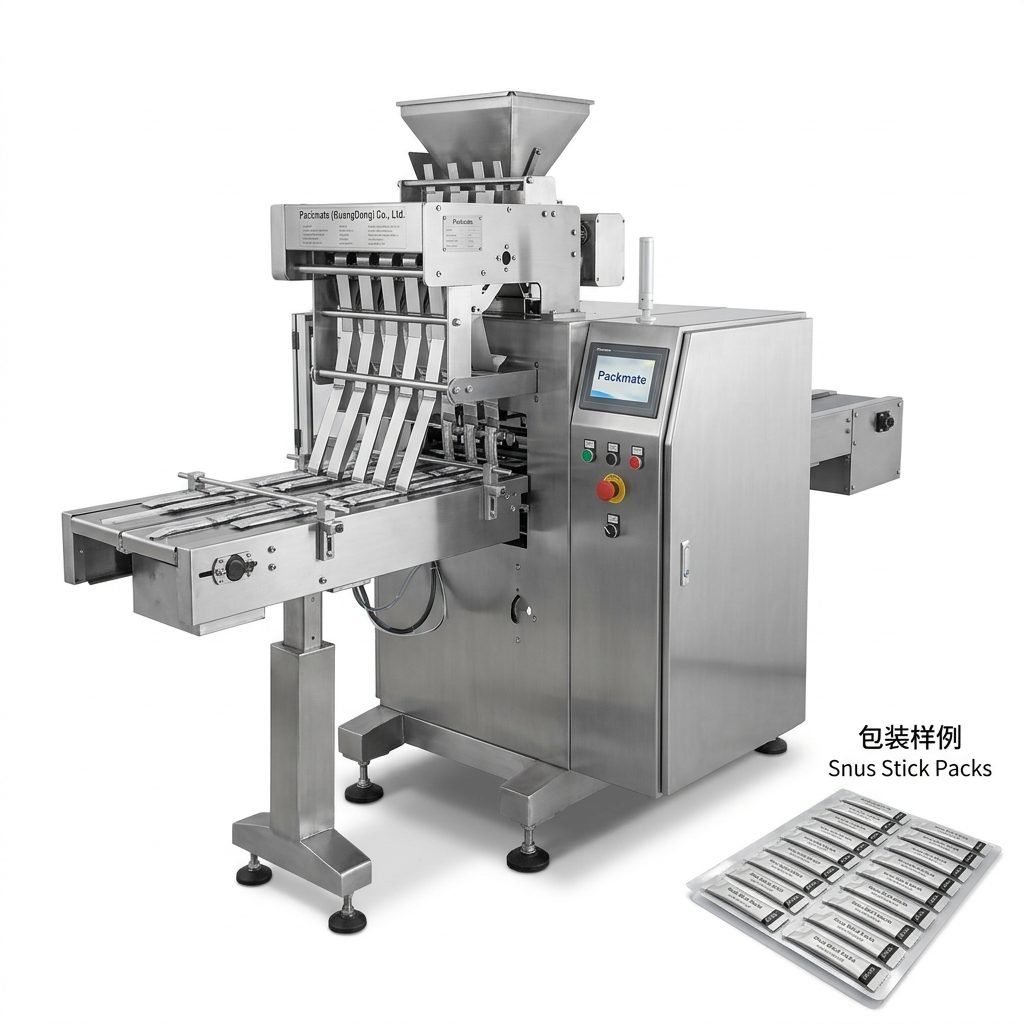
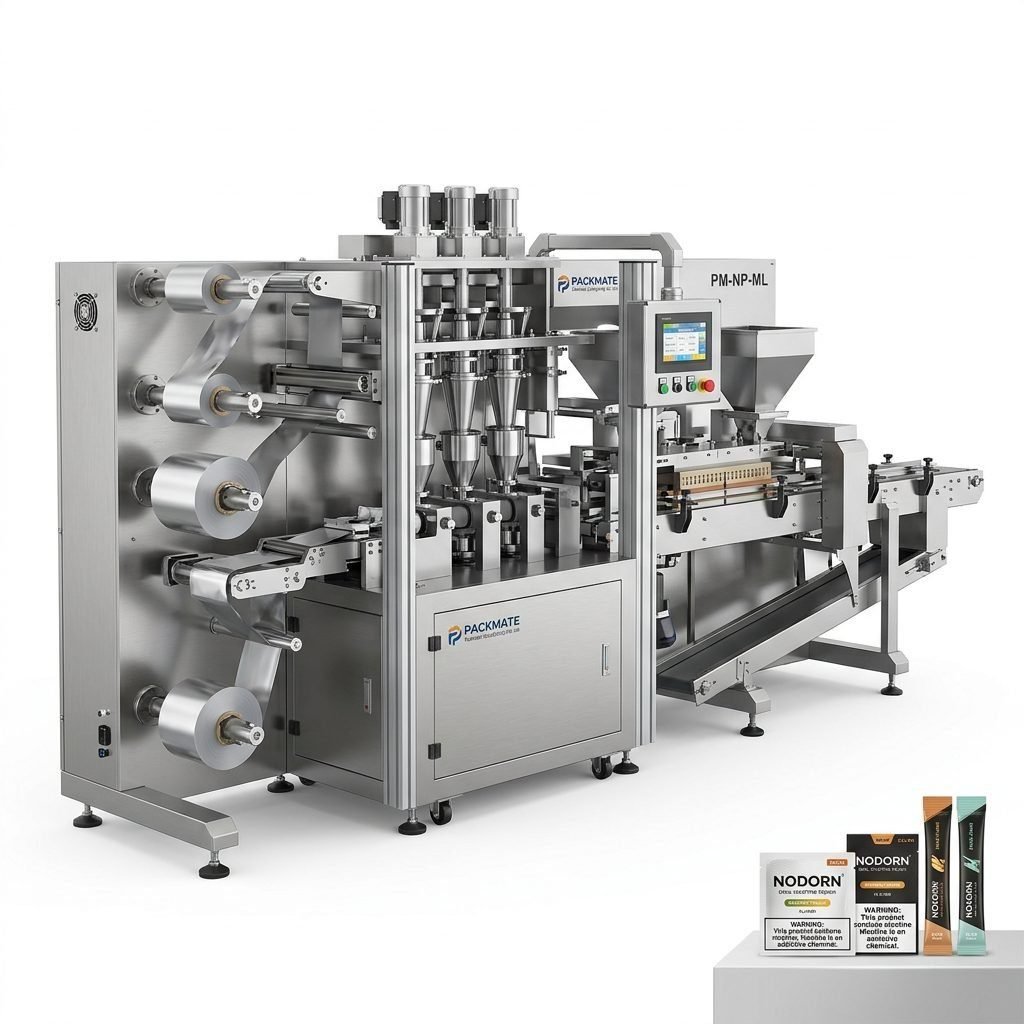
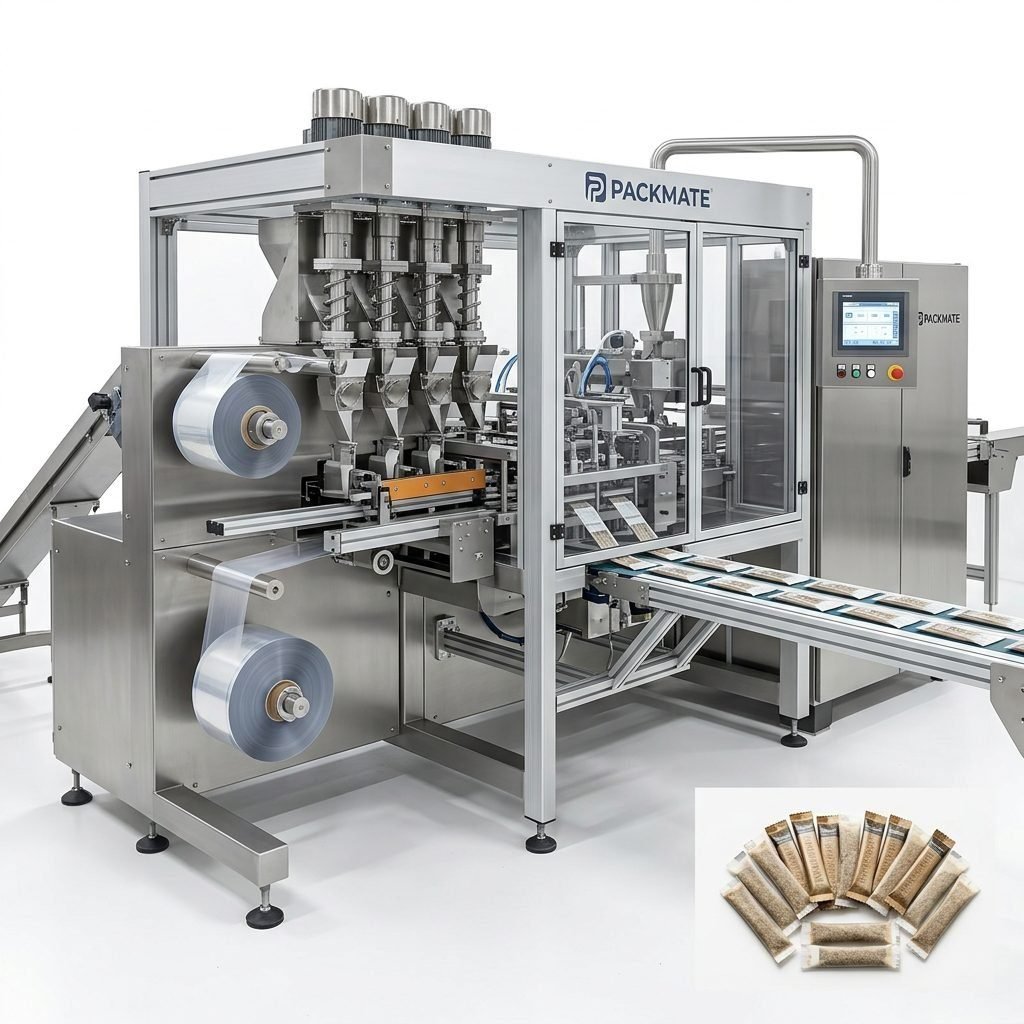
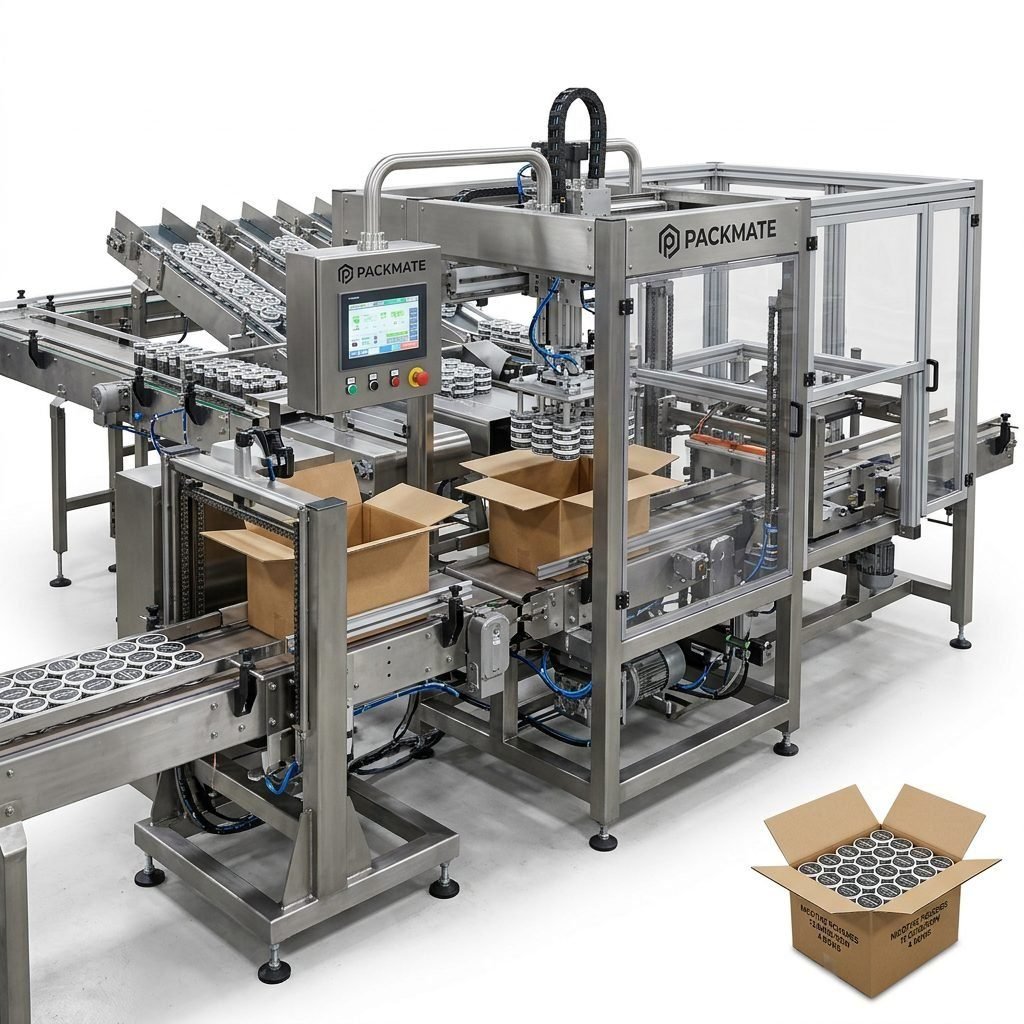
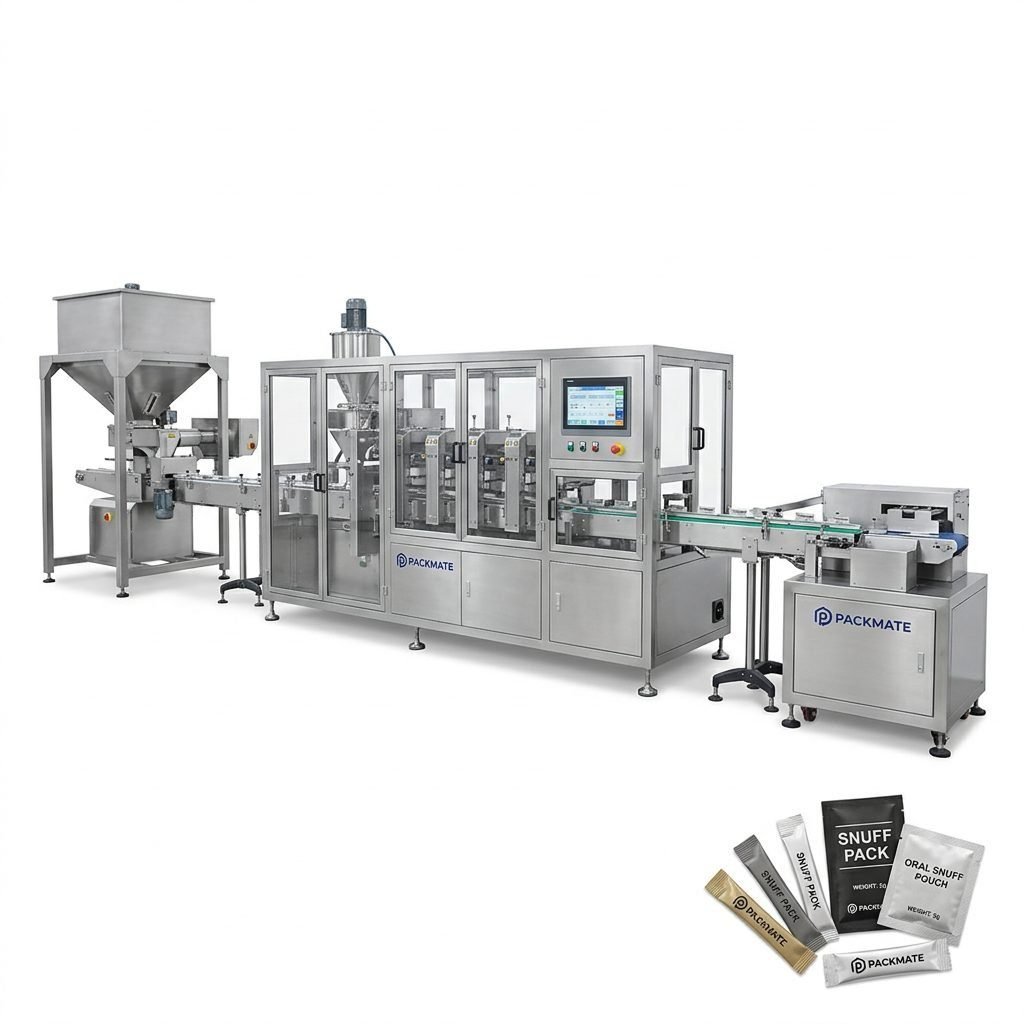
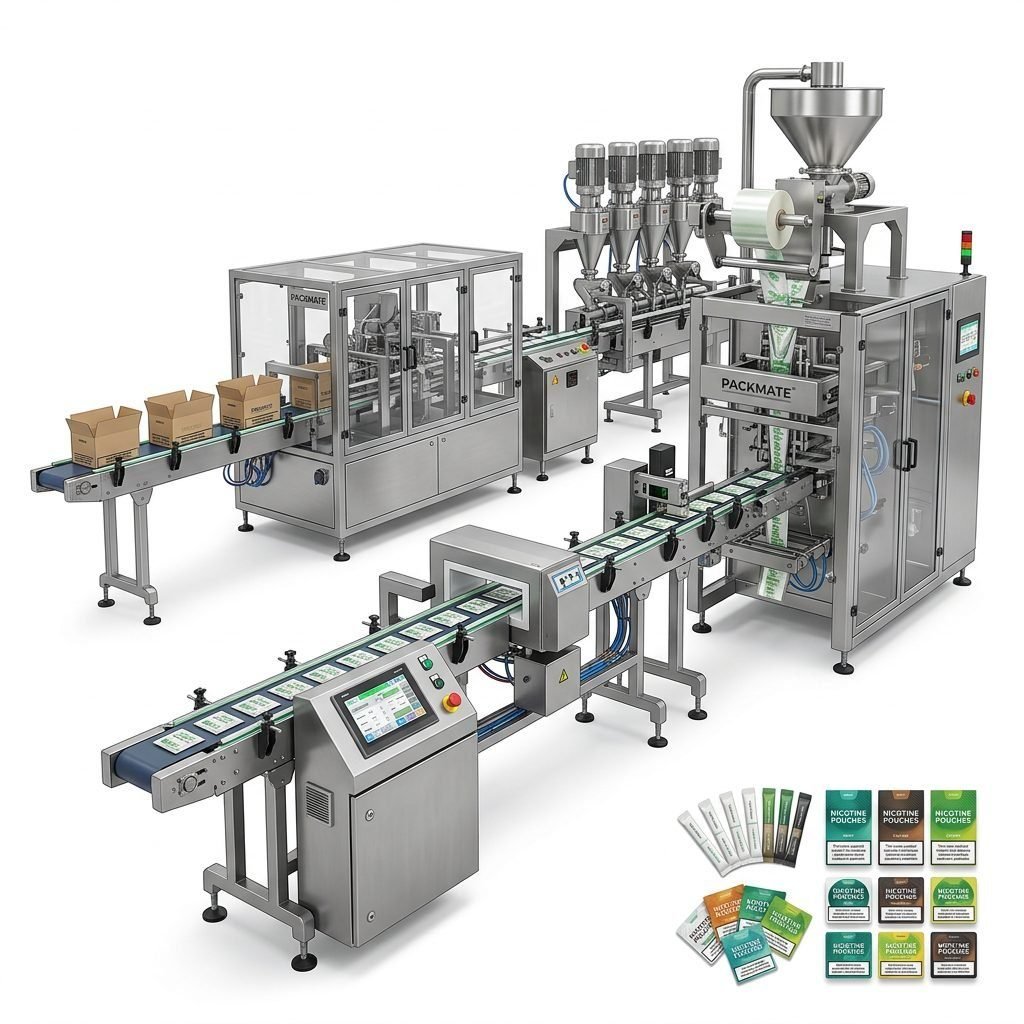
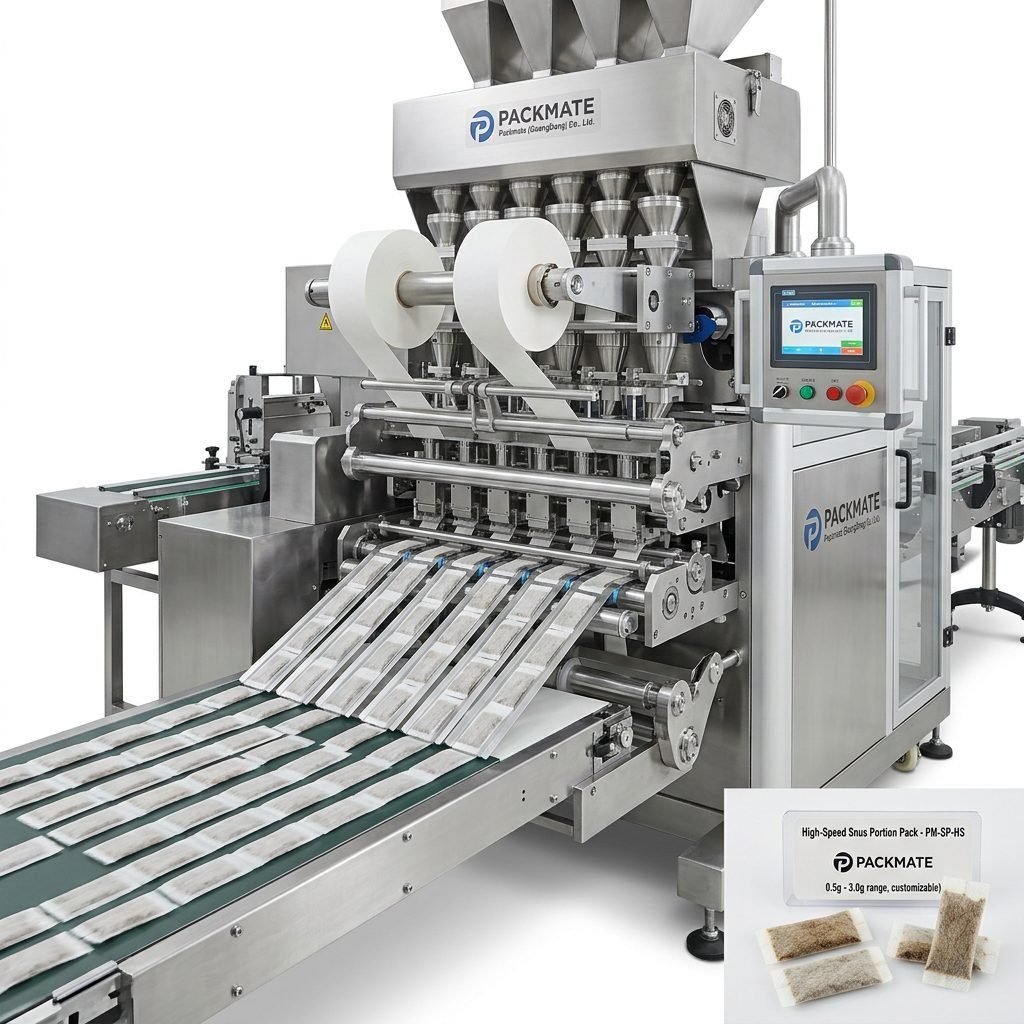
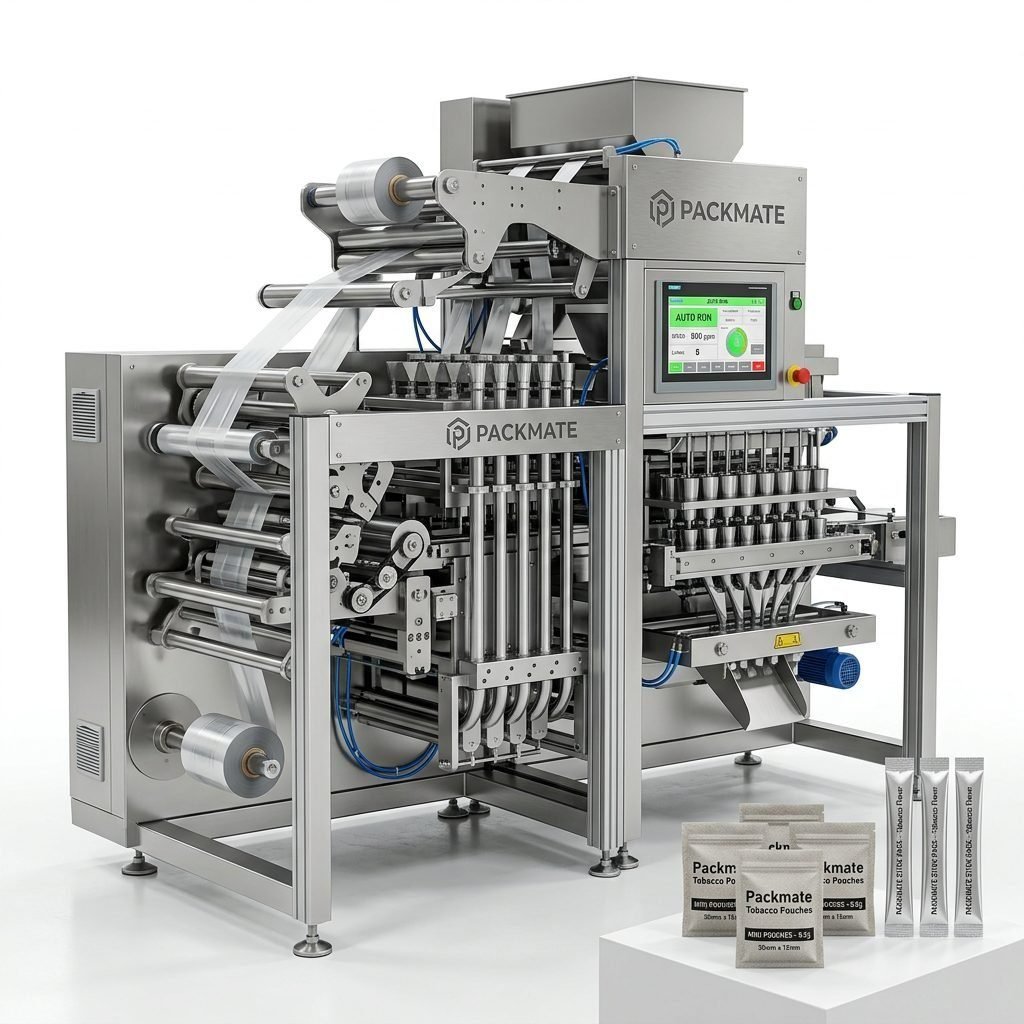
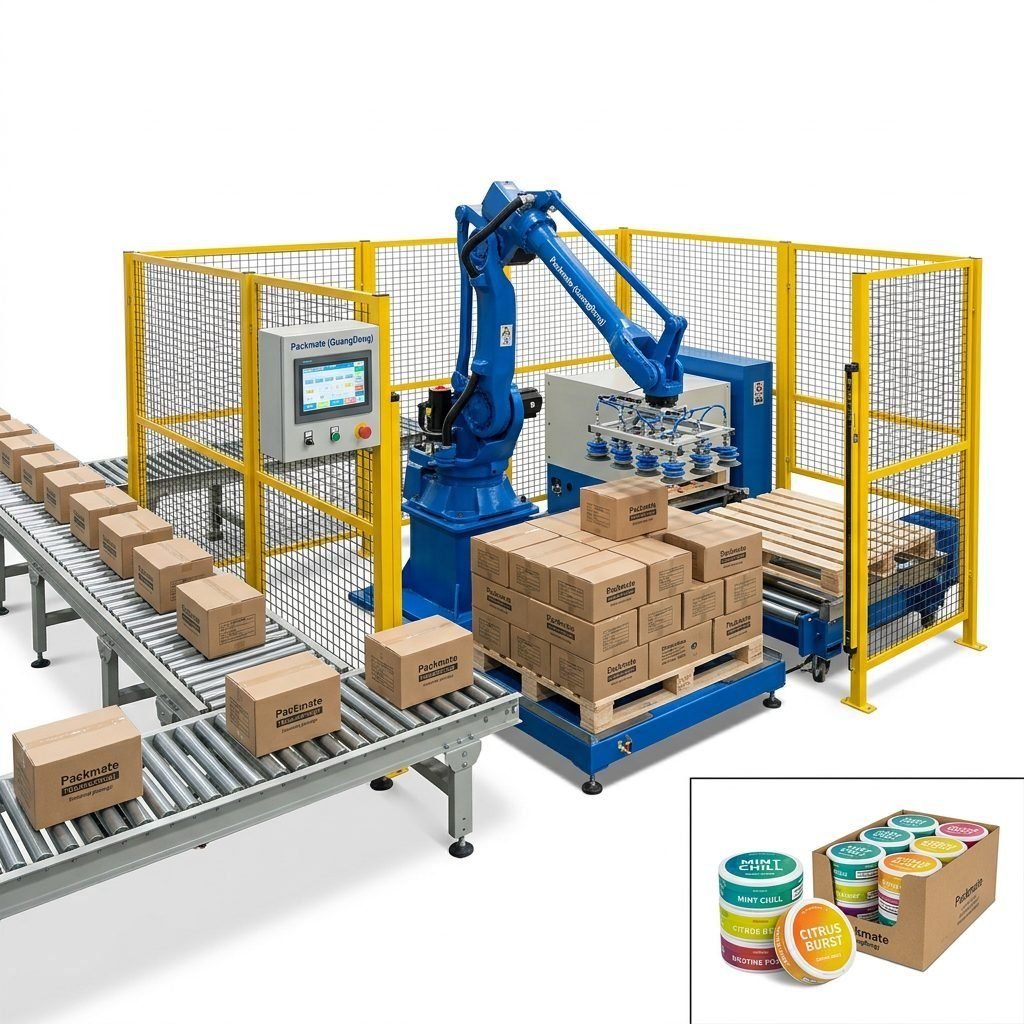
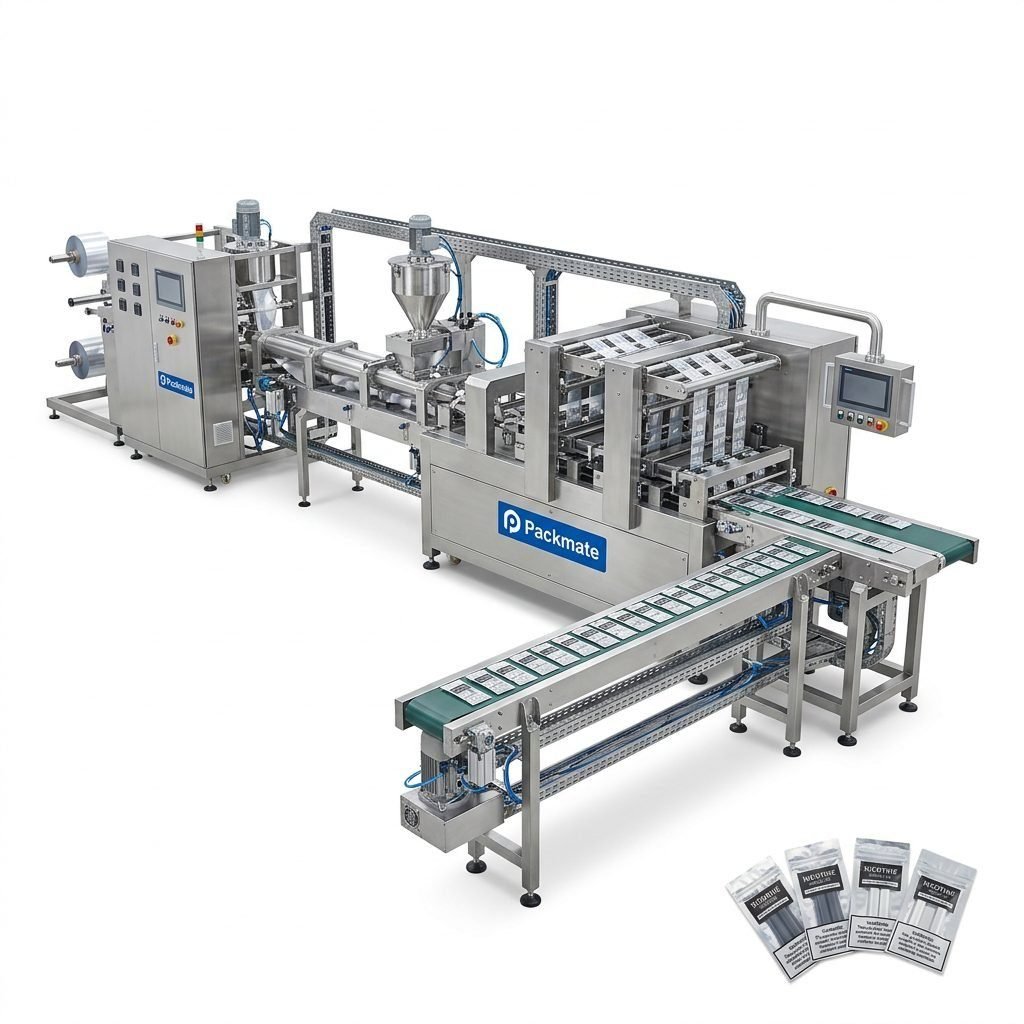
Choosing the right nicotine packaging machine supplier for your factory in Lesotho is a strategic decision that affects product quality, regulatory compliance, production efficiency, and long-term costs. This guide helps manufacturing managers, procurement teams, and entrepreneurs in Lesotho evaluate suppliers, compare technical offers, and secure a partner who delivers reliable machinery, training, and local-aware service.
🔍 Understand Lesotho’s market and operational context
Lesotho’s manufacturing landscape is shaped by small and medium-sized factories, regional trade with South Africa, and local consumption patterns. When selecting a supplier, consider:
✅ Voltage & power: Lesotho uses 220–240V, 50Hz. Confirm machine electrical compatibility or ask for a suitable transformer and local wiring guidance.
✅ Workforce skills: many factories rely on skilled operators trained on the job. Prioritize suppliers who provide onsite or remote training in English and, where possible, simple local language materials.
✅ Supply chain & logistics: Lesotho often depends on road links via South Africa. Choose suppliers experienced with cross-border shipping, customs documentation, and clear lead times.
🎯 Define your production profile and needs
Before contacting suppliers, detail your target throughput, product formats, and quality standards:
• Daily output target (pouches per minute/hour)
• Pouch types: snus/nicotine pouches, sachets, stick packs, multi-lane pouches
• Fill material characteristics: moisture, powder, granules, or liquid
📋 Technical checklist for evaluating suppliers
Use this checklist during supplier conversations and factory visits to compare machines on measurable criteria:
🔧 Mechanical reliability: inquire about mean time between failures (MTBF), critical wear parts, and recommended maintenance intervals.
⚙️ Precision & accuracy: check filling tolerances, pouch sealing integrity, and multi-lane synchronization for small-dose nicotine pouches.
📈 Scalability: ensure modular design so you can add lanes or integrate auxiliary equipment like weighers and band sealers as demand grows.
🧾 Certifications & compliance: validate CE/ISO certificates and ask for documentation proving food/pharma-grade material contact if applicable.
🏭 Why turnkey experience matters in Lesotho
Factories in Lesotho benefit from suppliers who offer turnkey solutions: machine supply, layout design, installation, training, and spare parts. A turnkey supplier reduces coordination time with local contractors and simplifies commissioning across borders.
🔗 Verify supplier credibility and track record
Look for suppliers who can present tangible case studies and references. International exhibition participation, factory tours, and customer testimonials demonstrate reliability. For example, Packmate Snus Machine showcases case projects and exhibitions highlighting real-world installations worldwide — useful proof points when evaluating suppliers.
📦 Spare parts, training, and after-sales service
Prioritize suppliers offering:
• Local spare parts kits and consumable lists with clear lead times
• Comprehensive training: operator, electrician, and maintenance modules
• Remote support and prompt phone/video troubleshooting
💡 Comparing technology: multi-lane vs single-lane systems
If your Lesotho factory plans to produce small-dose nicotine pouches at scale, multi-lane systems offer higher throughput and lower cost per pouch. For smaller operations, a single-lane or modular approach may reduce initial investment and simplify maintenance.
⚖️ Regulatory and quality considerations in Lesotho and the region
Ensure your supplier can help meet local and export regulations. This includes machine hygiene standards if you intend to export to nearby markets, traceability features, and documentation for customs and health inspections. Suppliers with CE and ISO certifications typically provide the paperwork needed for cross-border trade.
🧾 Questions to ask every prospective supplier
1. What is the guaranteed production rate and accepted product variations?
2. Do you provide on-site commissioning and operator training in Lesotho or regionally?
3. What are the lead times for spare parts and major components?
4. Can you share similar project references and factory video demonstrations?
🔧 Case study snapshot: choosing Packmate for snus production
A mid-sized factory in Southern Africa sought a turnkey snus packaging line. They needed multi-lane capability, CE-certified equipment, and reliable after-sales training. They selected a supplier with:
• Proven multi-lane machines optimized for low-dose pouches
• Onsite installation and bilingual training materials
• Clear spare parts list and planned preventive maintenance schedule
Suppliers like Packmate have decades of experience in snus and nicotine pouch systems; you can review product lines such as Snus & Nicotine Packaging Machines and Bag & Pouch Packaging Machines for technical fit and options.
💬 Negotiating commercial terms and warranty
Negotiate clear warranty terms, spare parts pricing, and training packages. Ask for transparent quotes that separate machine cost, shipping, installation, and customs duties. Consider a service agreement for the first 12–24 months to ensure stable operation.
📦 Logistics, customs, and installation tips for Lesotho
• Work with suppliers who provide detailed packing lists and HS codes for smooth customs clearance.
• Arrange for a local agent or customs broker experienced with machinery imports via South African ports.
• Confirm site readiness: floor strength, power distribution, and clearances for cranes or forklifts during installation.
🔁 After-sales support and long-term partnership indicators
A reliable partner provides fast technical response, training refreshers, and planning for upgrades. Verify suppliers that maintain global spare part inventories and remote diagnostics to reduce downtime for your Lesotho operations.
📚 Resources and supplier links
For detailed machine specifications and product lines, review these resources:
✅ Final selection checklist
• Technical fit: performance, fill accuracy, and multi-format flexibility
• Local support: spare parts, training, and remote troubleshooting
• Compliance: CE/ISO and appropriate documentation for exports
• Commercial clarity: transparent pricing, warranty, and service terms
💬 Practical tips for meetings and trials
Arrange video demos before traveling; request sample runs with your actual product and packaging film to verify seals and fills. Insist on clear acceptance criteria for factory acceptance tests (FAT) and site acceptance tests (SAT).
📌 Summary
Selecting the best nicotine packaging machine supplier for Lesotho requires balancing technical capability, regulatory compliance, local-service readiness, and clear commercial terms. Choose suppliers with proven snus and nicotine pouch experience, turnkey project capabilities, and strong after-sales service to ensure your production line runs reliably and scales with demand.
Frequently Asked Questions
Q1: Can suppliers support installation in Lesotho?
Yes—many international suppliers provide regional installation and training or can dispatch engineers. Confirm travel and visa logistics in advance and consider local contractors for site prep.
Q2: What certifications should I request?
Request CE and ISO certificates, material contact documentation for food/pharma-grade components, and test reports demonstrating seal strength and filling accuracy.
Q3: How long is typical lead time?
Lead times vary by model and customization; standard machines may take weeks while fully customized lines can take months. Ask for a clear production and shipment schedule.
Q4: Are multi-lane machines suitable for small factories?
Multi-lane systems are cost-efficient at scale but require higher initial investment and local maintenance capability. For small factories, modular single-lane units with upgrade options may be more suitable.