Entering the snus and nicotine pouch market in Canada requires more than a great product idea — it requires reliable packaging equipment that delivers consistent dosing, high uptime, and regulatory compliance. Choosing the right snus packaging machine manufacturer will determine your line efficiency, product quality, and long-term operational cost. This guide breaks down practical criteria and actionable steps so you can make a confident supplier decision for your business.
Understand Your Production Needs
Start by defining your current and target output. Ask how many pouches per minute you need, whether you require multi-lane systems for small-dose pouches, and what package formats (sachets, stick packs, or tins) you plan to run. A clear production profile avoids overspending or selecting an underspecified machine that you will outgrow.
Quick checklist:
production speed, pouch format, dosing accuracy, footprint, future scalability, regulatory compliance.
Look for Industry-Specific Expertise
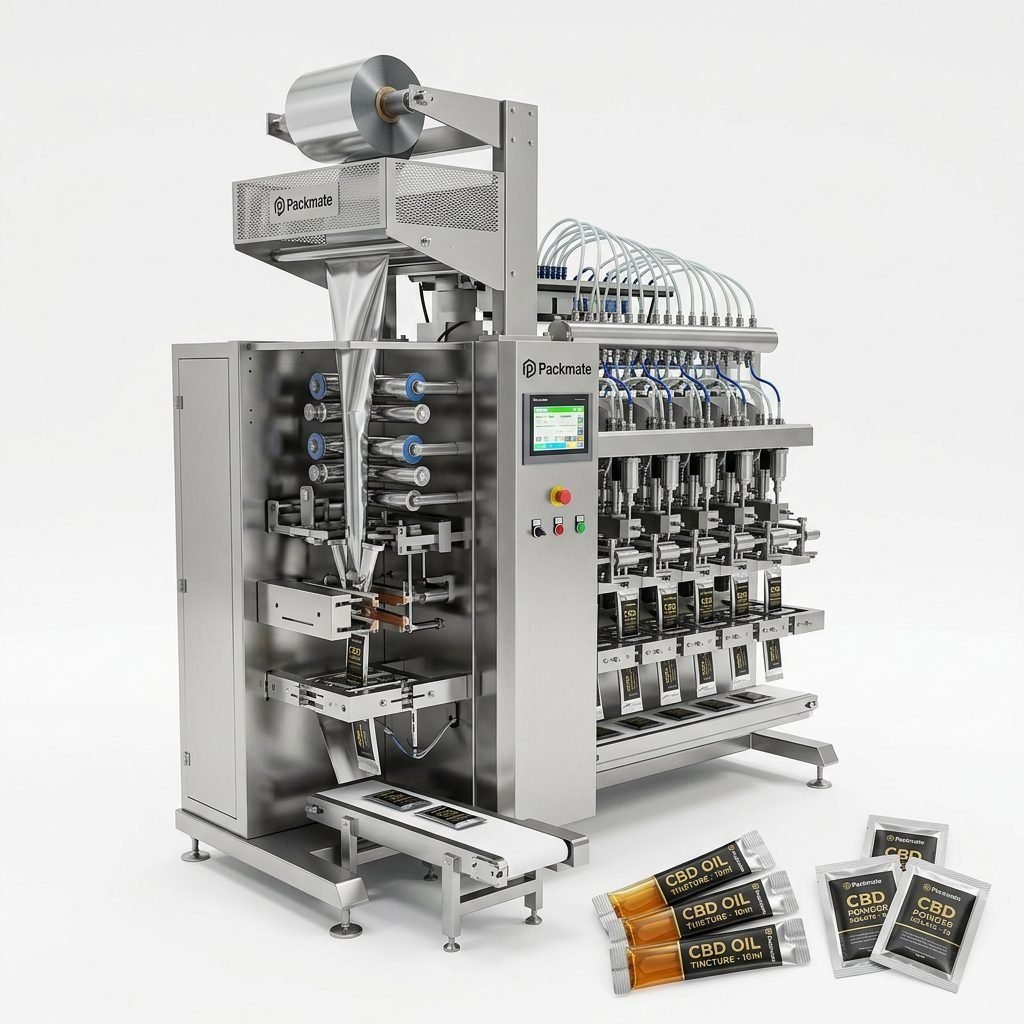
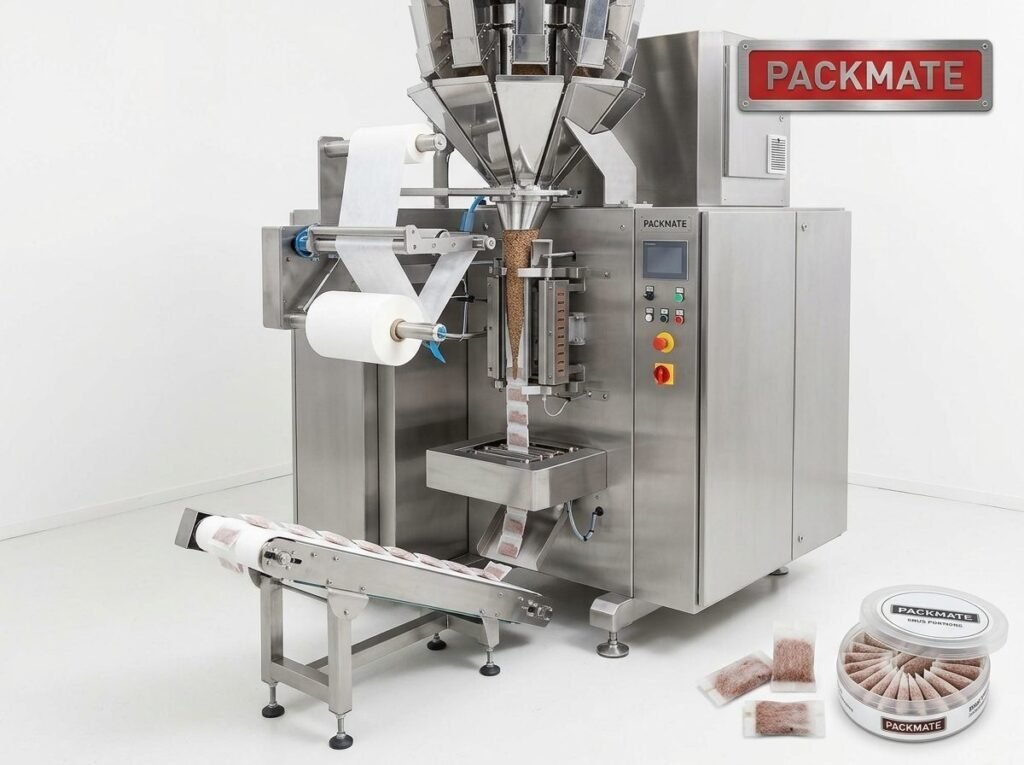
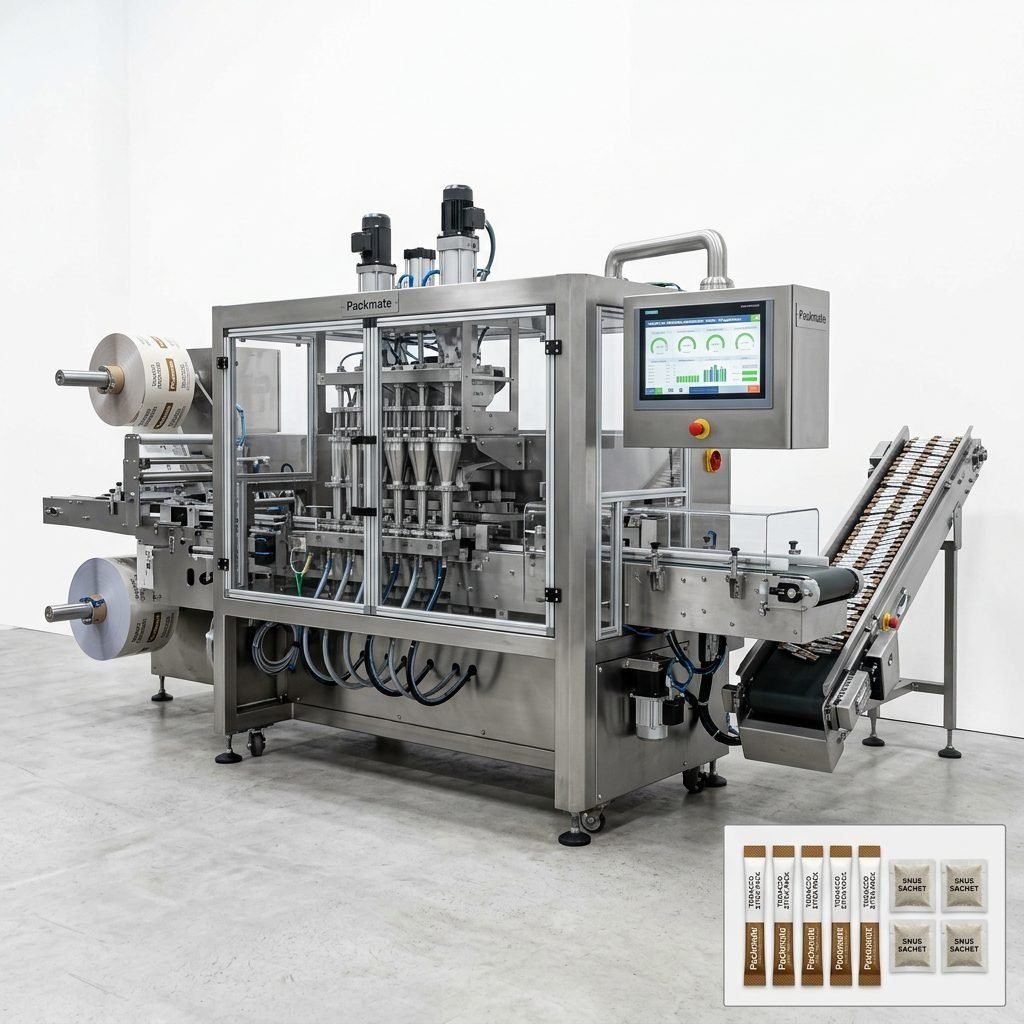
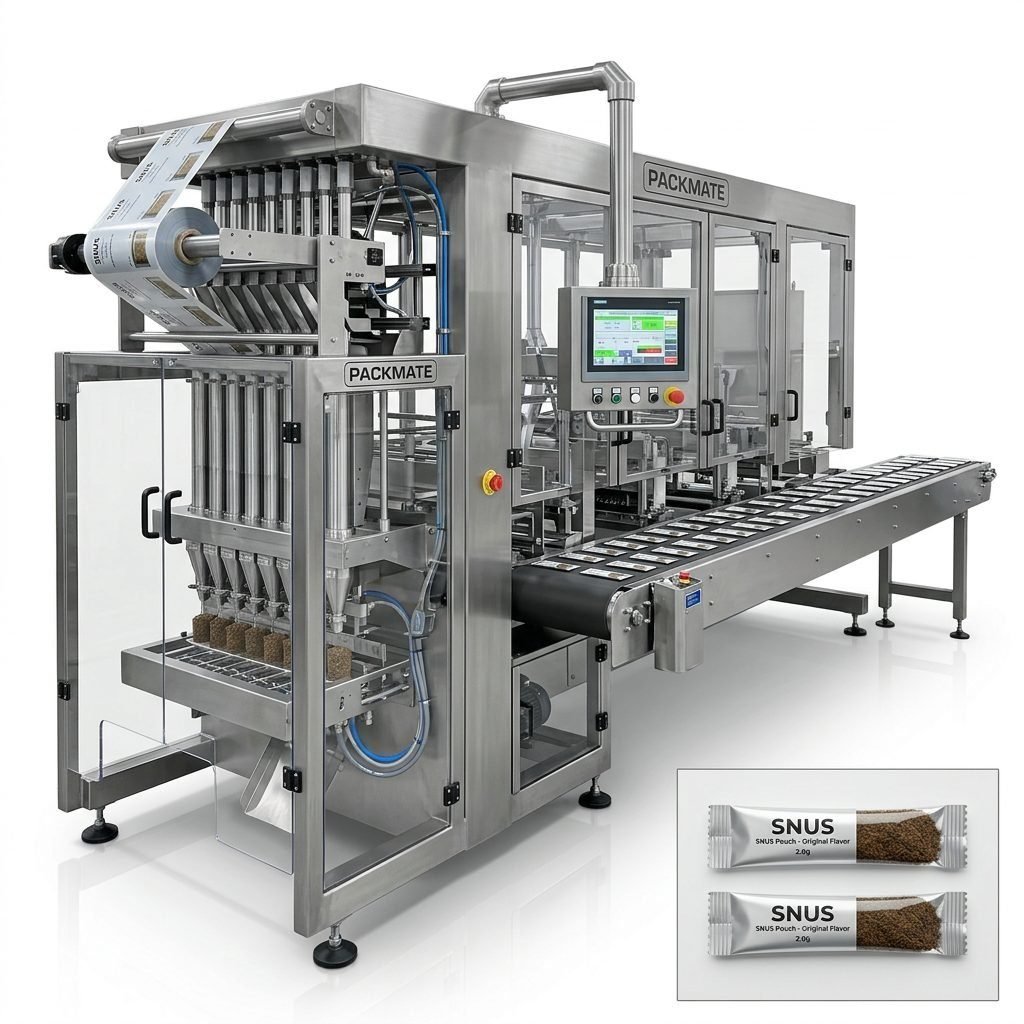
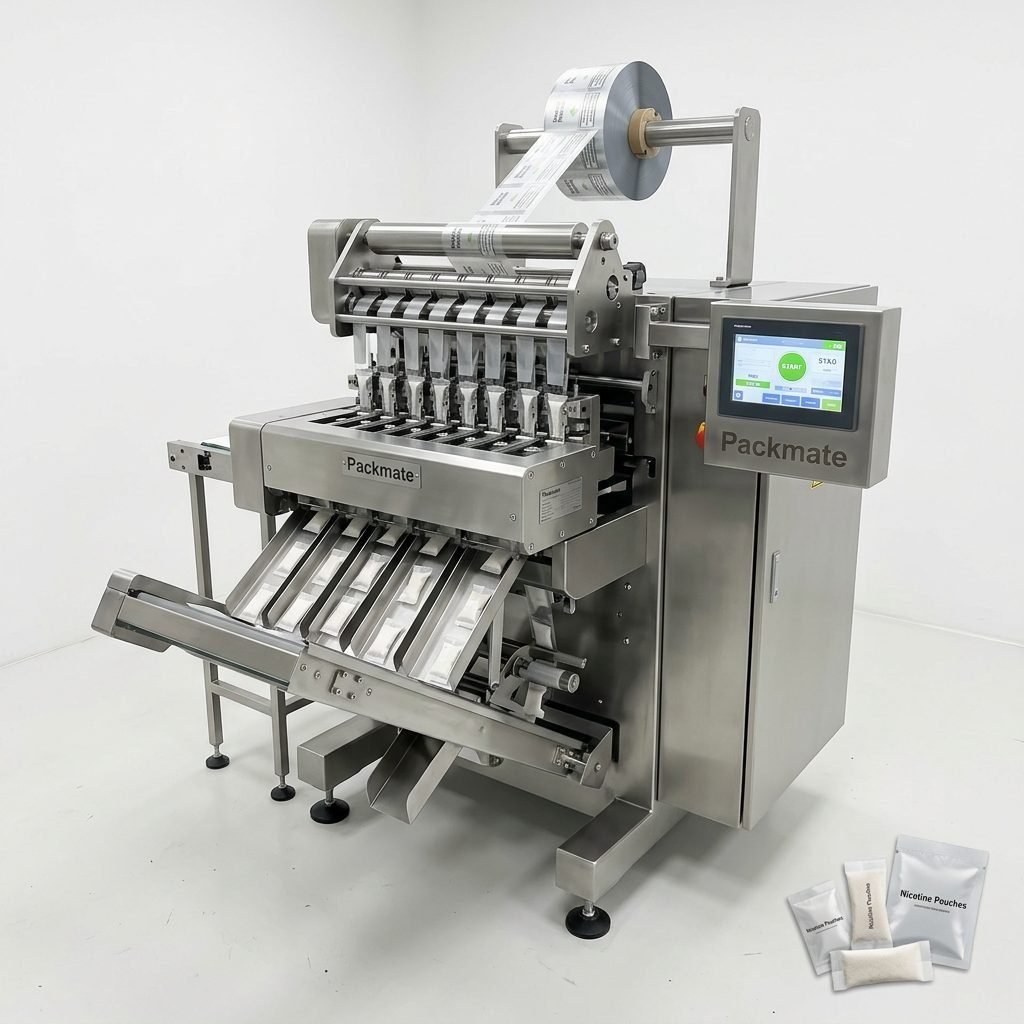
Choose a manufacturer with a proven track record in snus or nicotine pouch machinery. Companies that specialize in nicotine pouch packaging understand small-dose handling, powder and micro-granule flow, and hygienic design requirements. For example, Packmate focuses on snus and nicotine packaging and offers multi-lane systems optimized for small-dose pouches — an important advantage when scaling up production.
Evaluate Machine Models and Customization
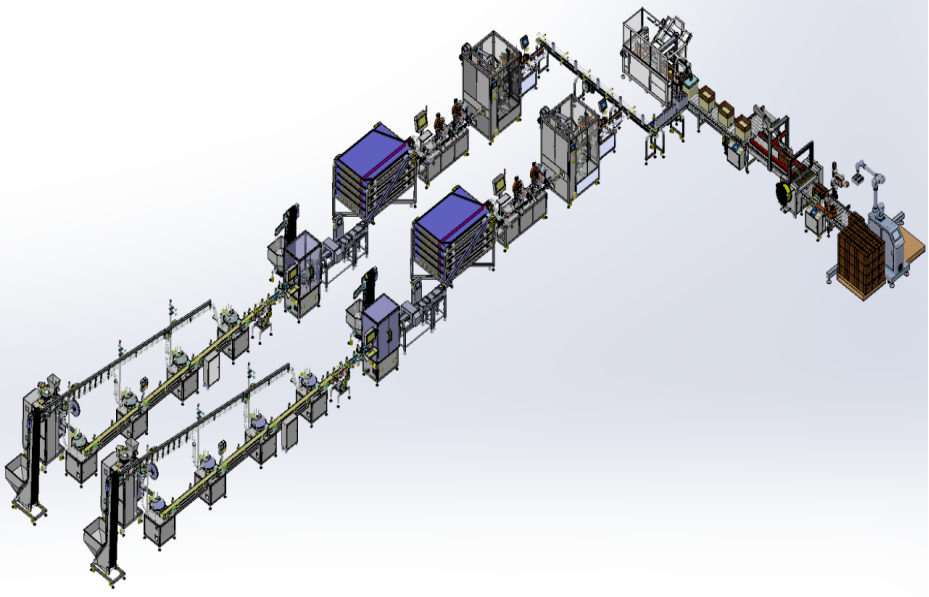
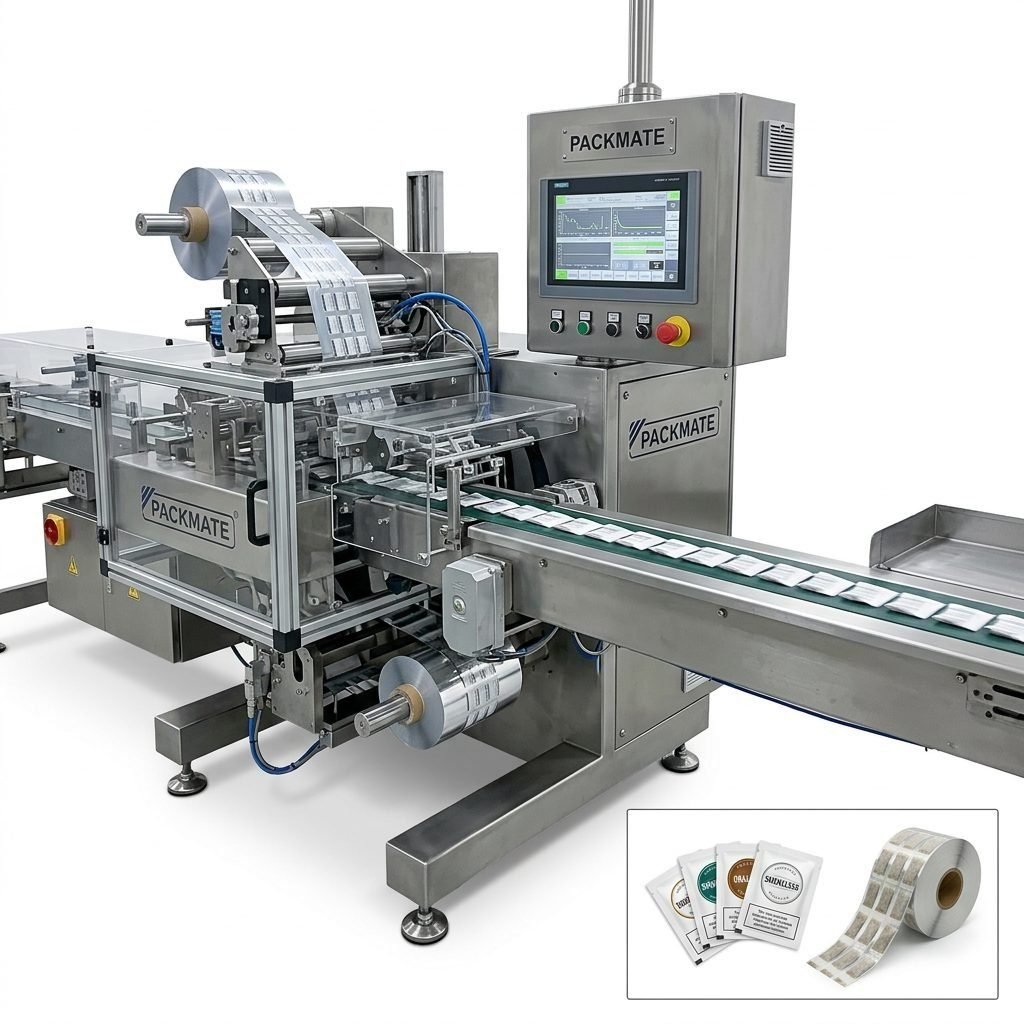
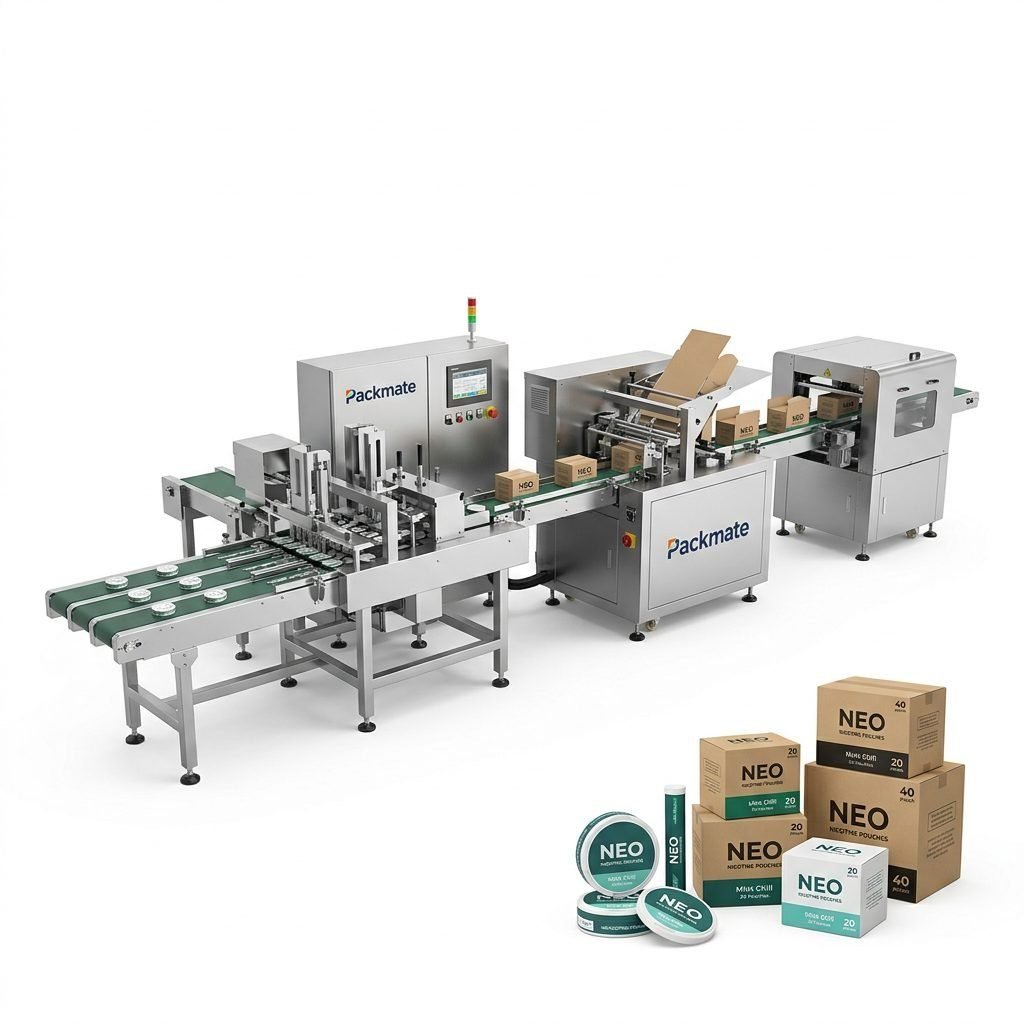
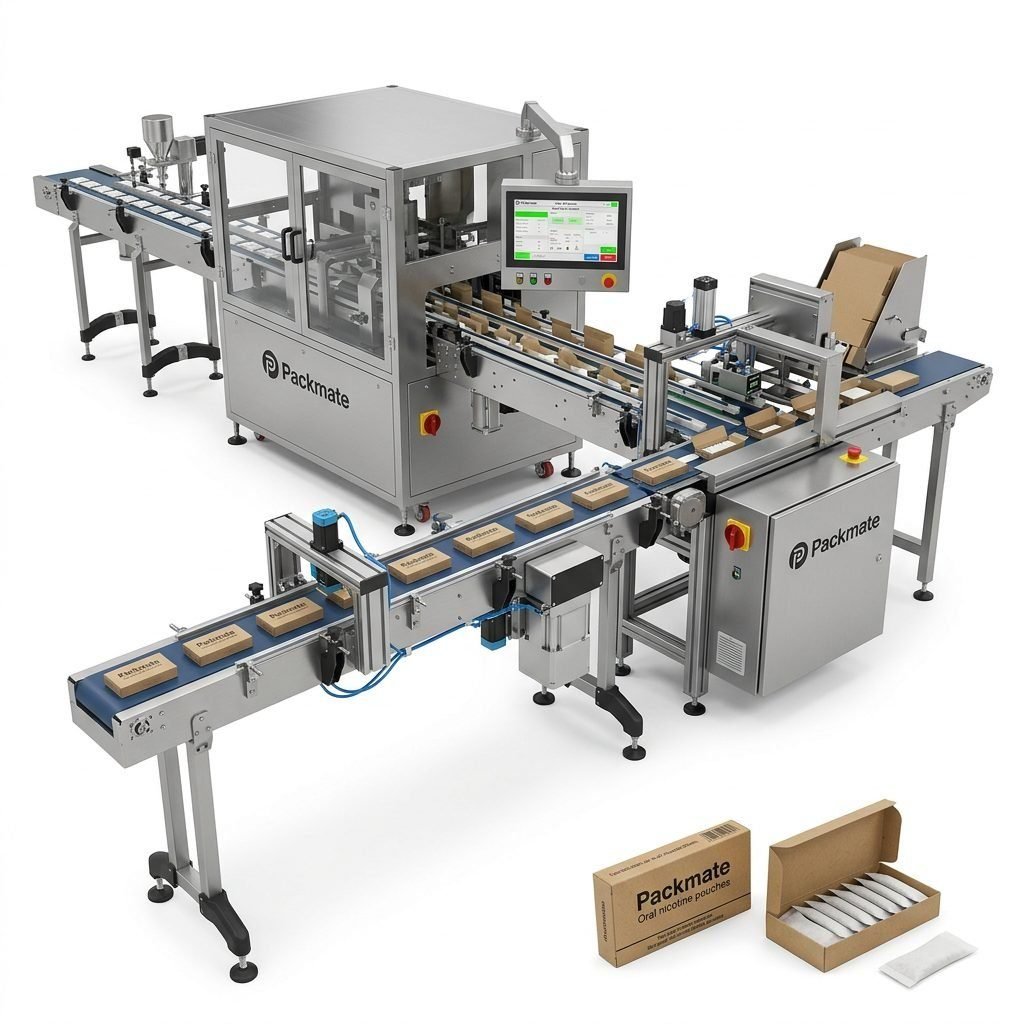
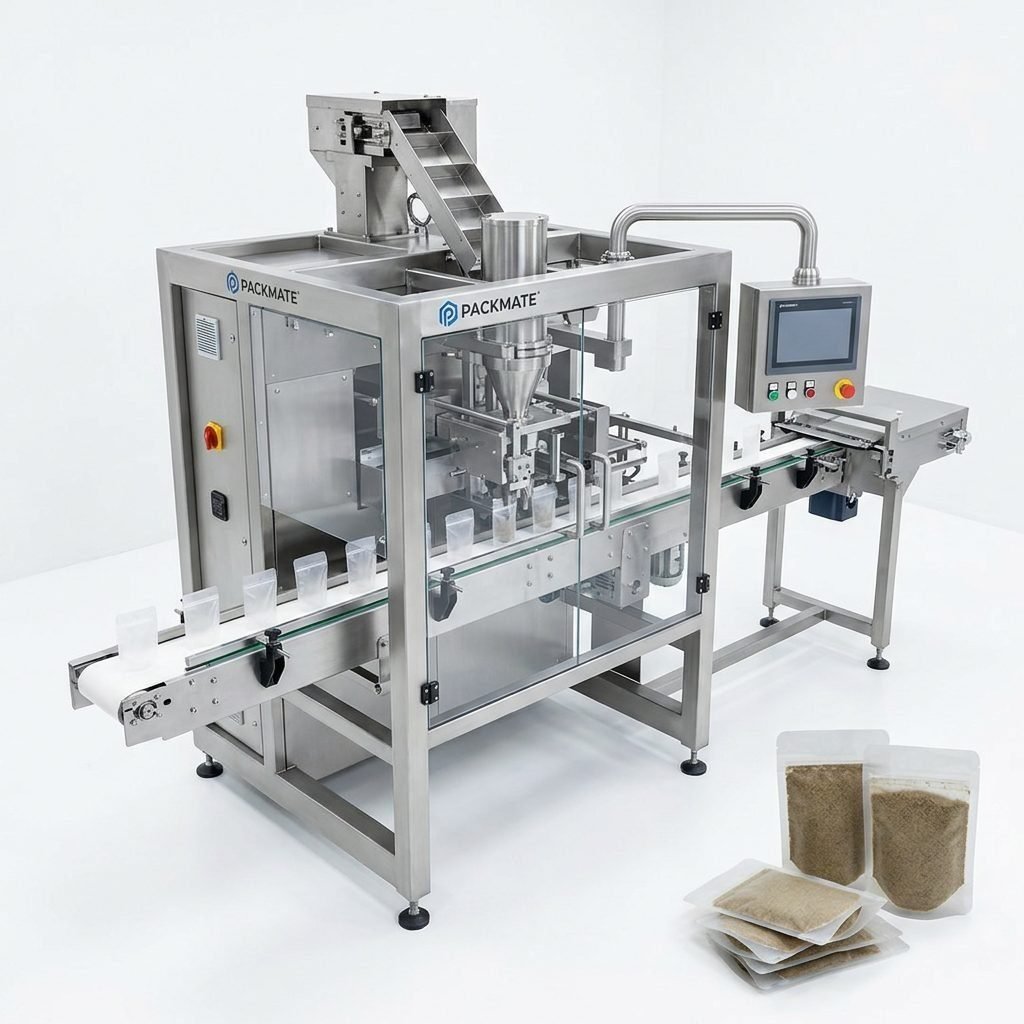
A reputable supplier will offer multiple models and the ability to customize lines — from simple stick pack machines to full turnkey solutions integrating weighing, feeding, and secondary packaging. Check whether the vendor can adapt sealing, cut patterns, and conveyance to your specified materials and pouch sizes. You can also review product lines such as Snus & Nicotine Packaging Machines for reference.
Assess Factory & Engineering Strength
Factory capability matters. Look for manufacturers with advanced CNC machining, precision assembly lines, and rigorous testing facilities. A manufacturer with a dedicated 20,000㎡ facility and 30+ years of engineering experience is more likely to supply durable, high-precision machines and spare parts on time.
Tip: Verify whether the supplier performs factory acceptance tests and offers performance videos or live demo sessions at exhibitions. This mitigates risk and sets realistic expectations for machine performance.
Quality, Certifications, and Compliance
Confirm that machines meet international standards such as CE and ISO — essential for safety and for meeting Canadian market expectations. Manufacturers that publish certificates and inspection reports are typically more transparent about quality control.
Service, Spare Parts, and After-Sales Support
Even the best machines need maintenance. Evaluate the supplier’s service network in or near Canada, spare parts availability, remote support capabilities, and training offerings. A strong after-sales program reduces downtime and protects your investment.
Must-have support features:
remote diagnostics, spare parts kits, operator training, preventive maintenance contracts.
Request References and Case Studies
Ask for customer references, case studies, and details from similar installations. Real-world examples show how machines perform over time and under similar product conditions. You can explore project examples and global cooperation cases to learn more about operational outcomes: Case.
Cost vs. Value: Total Cost of Ownership
Purchase price is only one part of the decision. Calculate total cost of ownership (TCO) including energy consumption, spare parts, routine maintenance, downtime risk, and expected lifespan. A slightly higher-capability machine may cost less over five years if it delivers greater uptime and lower waste.
Key Metrics to Compare
Compare OEE (Overall Equipment Effectiveness), mean time between failures (MTBF), and mean time to repair (MTTR). These indicators reveal how the machine will behave under real production conditions and help forecast ROI.
Practical calculation:
Estimate hourly throughput, waste percentage, labor savings, and annual service cost to model ROI over 3–5 years.
Factory Acceptance, Installation, and Commissioning
Insist on a clear plan for factory acceptance tests (FAT), shipping, installation, and onsite commissioning. FAT should include running your actual or sample materials to validate sealing, dosing, and cut/format accuracy before shipment. Confirm responsibilities and timelines for electrical, mechanical integration, and operator training.
Logistics, Training, and Documentation
Make sure the manufacturer provides detailed manuals, certified drawings, spare parts lists, and training materials. If localized documentation or training in English is available, it will accelerate adoption on your shop floor.
Why Choose an Experienced Partner
Partnering with an experienced supplier reduces risk. Companies with decades of R&D and a broad product portfolio can tailor systems and scale capacity. Learn more about company background and manufacturing strength at the supplier’s About page: About Packmate.
Red flag indicators
-
Lack of verifiable references or case studies.
-
No transparent spare parts or lead-time policy.
-
Unwillingness to run FAT with your materials.
Selecting the Right Machine Type
For snus and nicotine pouches, consider multi-lane systems for high throughput, sachet or stick pack machines for single-portion formats, and integrated weighing systems for precise dosing. Review product categories such as Sachet & Stick Pack Machines and Weighing & Packaging Systems to match line components.
Making the Final Decision
Shortlist vendors, request proposals and compare them side-by-side on performance guarantees, warranty, spare parts terms, and commissioning timelines. Visit their factory or request a live demo at an exhibition if possible — seeing machines run real materials is the best verification. Packmate often participates in industry exhibitions and offers demos; check upcoming events here: Our Exhibition.
Negotiation and Contracts
Ensure contracts cover acceptance tests, penalty clauses for missed performance, agreed spare part kits, and training sessions. Clarify warranty terms and where support will be provided once the machine is in Canada.
Next Steps: Contacting Suppliers
Prepare a clear request for quotation (RFQ) that includes product specifications, target throughput, desired formats, packaging materials, and expected operational hours. Attach samples or representative specifications so suppliers can provide precise proposals. When you’re ready, reach out via the manufacturer contact page to request tailored solutions: Contact Us.
Remember:
a well-documented RFQ speeds up accurate quoting and reduces later change orders.
Conclusion
Selecting the best snus packaging machine manufacturer in Canada is a combination of technical fit, factory strength, service capability, and transparent commercial terms. Prioritize manufacturers with specific snus experience, robust testing protocols, clear after-sales support, and references from similar projects. By following the steps above you can reduce risk, optimize your TCO, and scale your production reliably.
Common Questions
Q1: How do I verify a supplier’s machine performance before purchase?
A1: Request factory acceptance tests (FAT) using your materials or close equivalents, ask for performance videos, and check customer references or case studies.
Q2: What spare parts should I stock initially?
A2: Keep critical wear items, spare sealing jaws, sensors, belts, and a basic electronic kit. Your supplier should provide a recommended spare parts list based on expected MTBF data.
Q3: Can manufacturers provide turnkey lines?
A3: Yes — many experienced suppliers provide turnkey solutions integrating weighing, feeding, primary packaging, and secondary packaging. Review turnkey references to ensure seamless integration.
Q4: How long does installation and commissioning usually take?
A4: Typical commissioning ranges from several days to a few weeks depending on line complexity, but FAT completion and clear documentation can significantly shorten onsite time.
Q5: Where can I learn more about product options and services?
A5: Explore detailed product categories and services on the manufacturer’s site, such as Filling & Packaging Lines and Service, or contact them directly for tailored consultation.