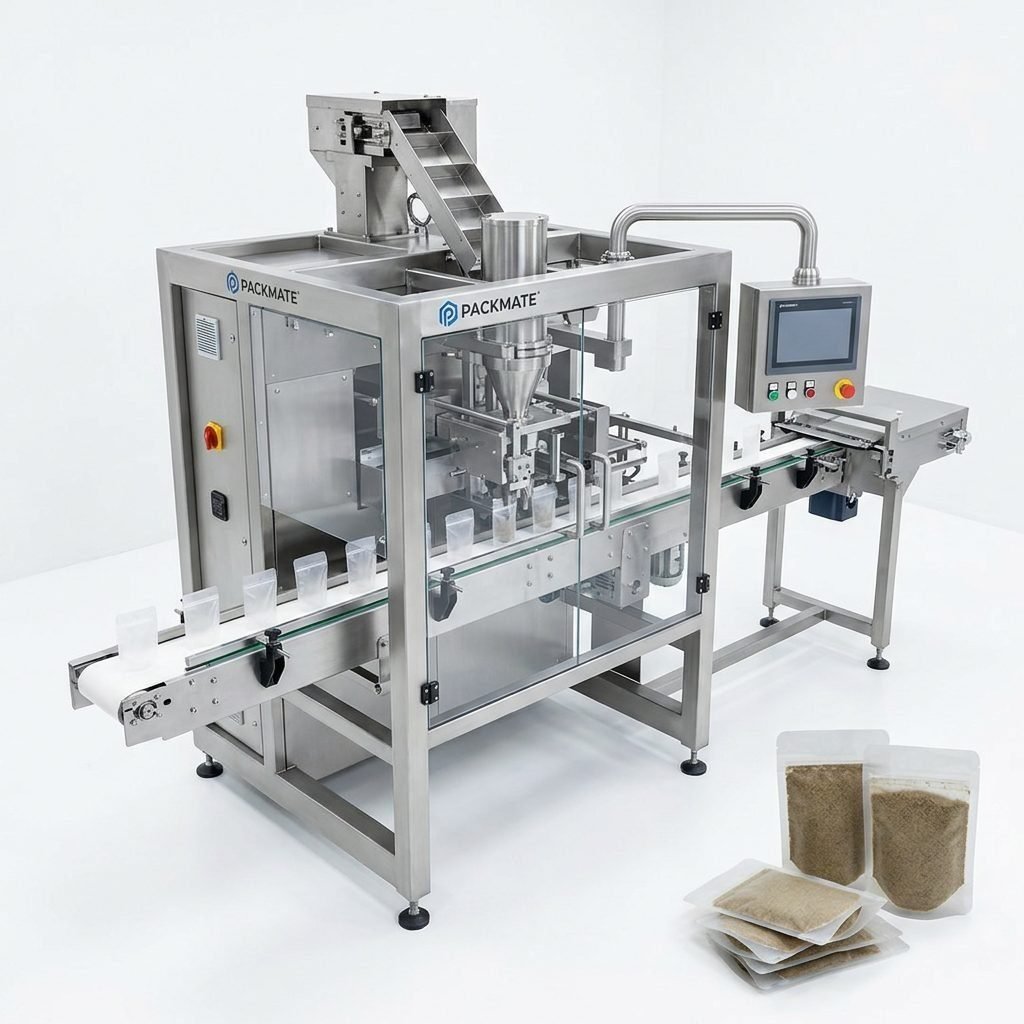
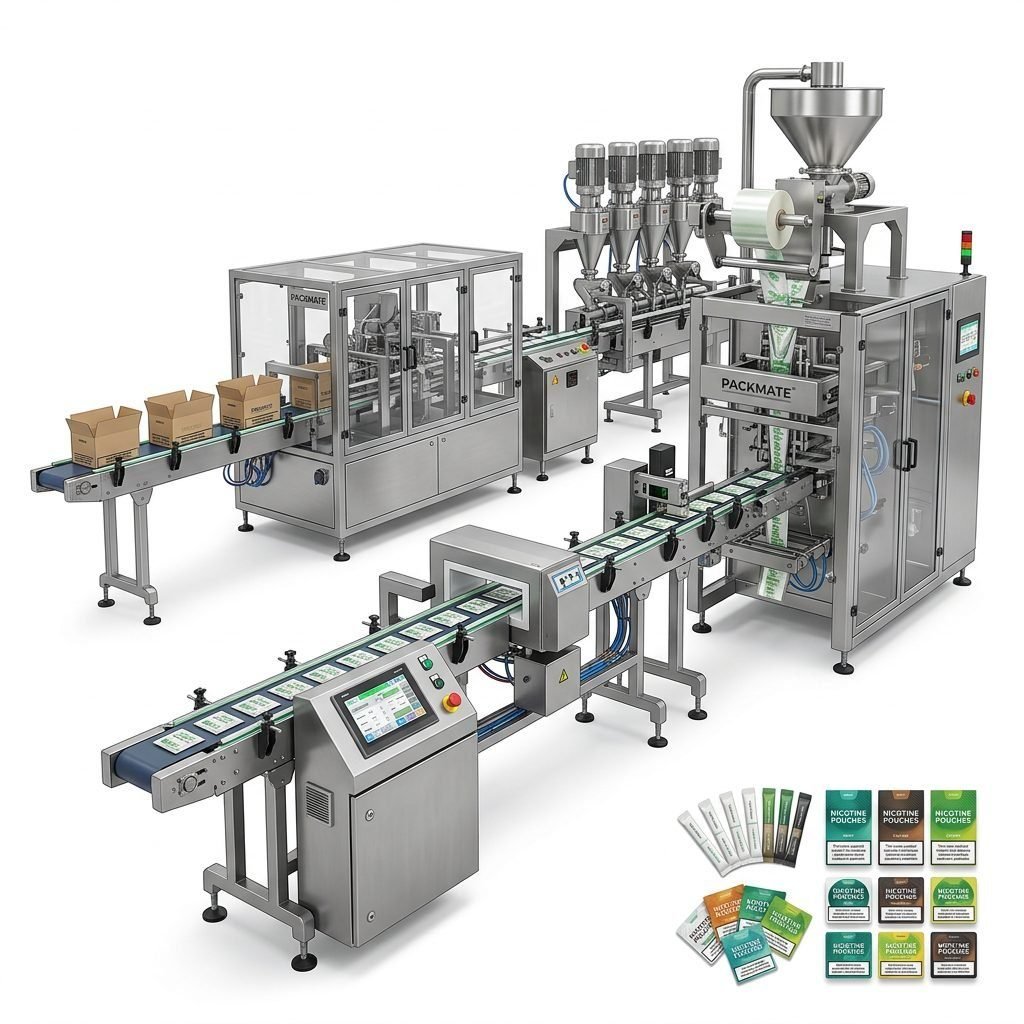
Choosing the right snus packaging machine supplier in Niger requires a mix of technical assessment, cultural awareness, and logistical planning. Whether you are a new nicotine pouch brand exploring small-batch production or an established tobacco company scaling up, this practical buyer guide covers everything from machine types and specifications to local considerations like climate, customs, and market consumption habits in Niger. Use the guidance below to make a confident, cost-effective decision that matches your product, regulatory and operational needs.
Understand the Product and Local Usage Patterns
Snus and nicotine pouches vary in format, dose and moisture content. In Niger, where social and religious norms shape tobacco consumption, discreet low-odor products are often preferred. Many users value portability and discreet packaging due to public sensitivity around tobacco use. When selecting a supplier, ensure the machines can handle the exact pouch style you plan to produce — including dry snus, low-moisture nicotine pouches, and flavored variants.
Key local habits to consider
• Niger is multilingual — French is official, while Hausa and Zarma are widely spoken. Packaging that allows for simple multi-language label integration will be important.
• The climate is generally arid and hot; packaging must protect against humidity and heat to keep product stability during transport and storage.
• Respect cultural sensitivities: consider discreet retail placement and clear compliance with local laws and norms regarding nicotine products.
Match Machine Types to Your Production Goals
Suppliers offer a range of equipment. Identify your production profile before comparing vendors:
• Small-scale or pilot production: look for compact, easy-to-operate machines with quick changeovers.
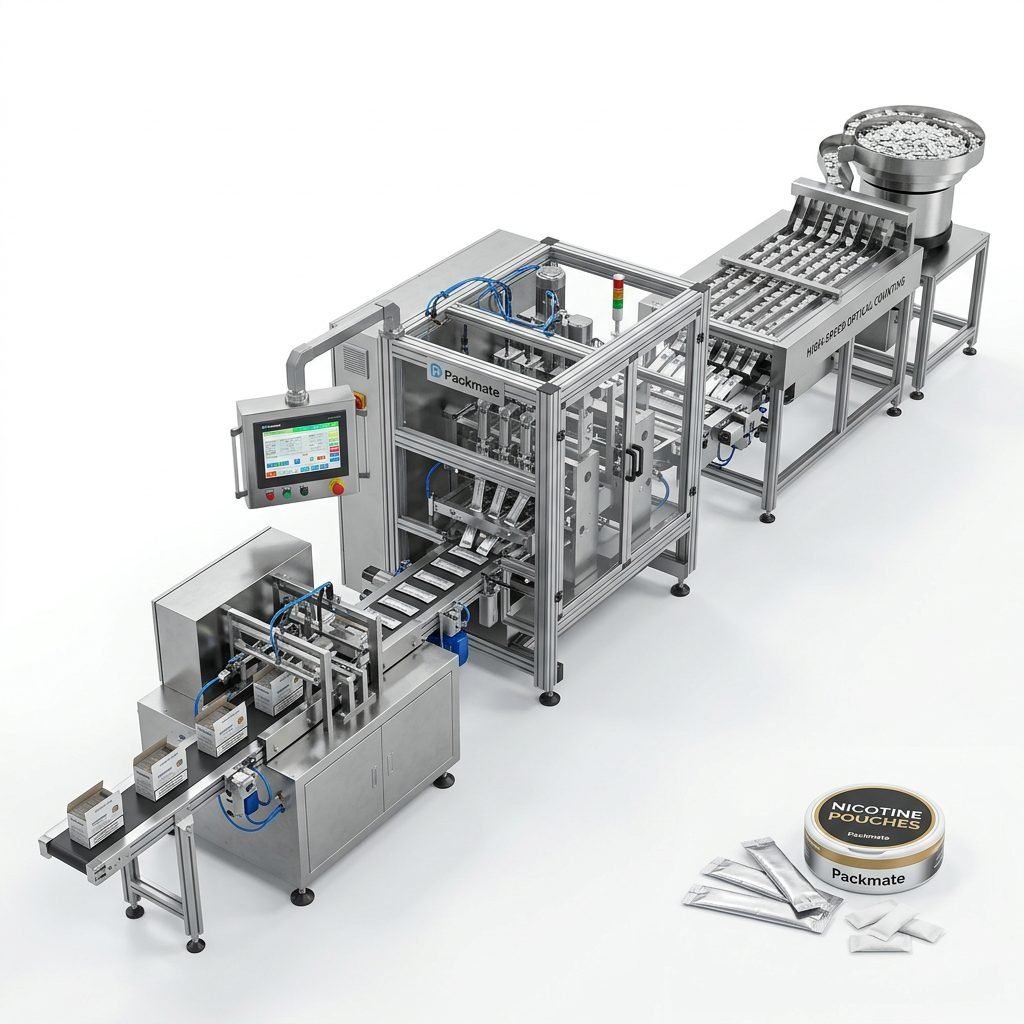
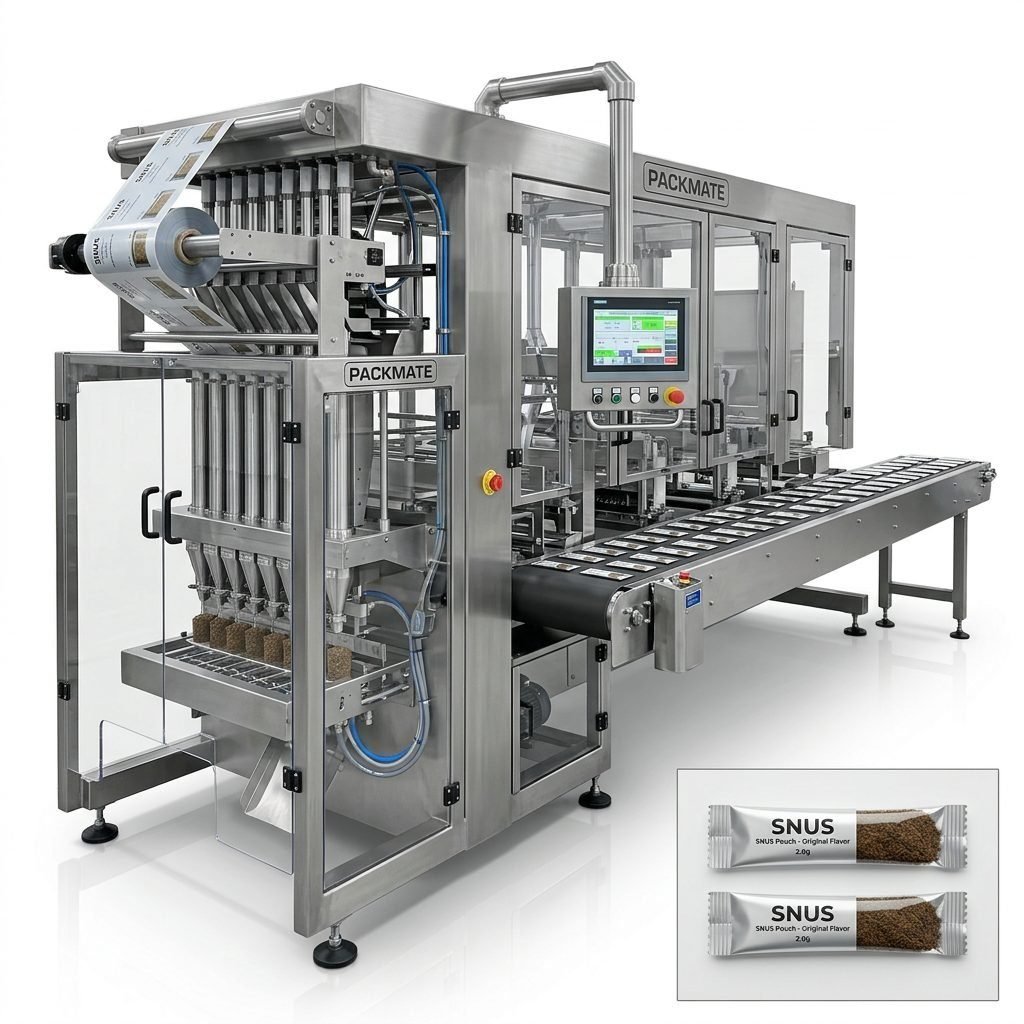
• Medium to high volume: focus on multi-lane, continuous machines capable of higher throughput with consistent dosing and sealing.
• Multi-format needs: if you plan to produce sachets, stick packs and pouches, consider a supplier offering modular lines or several compatible models.
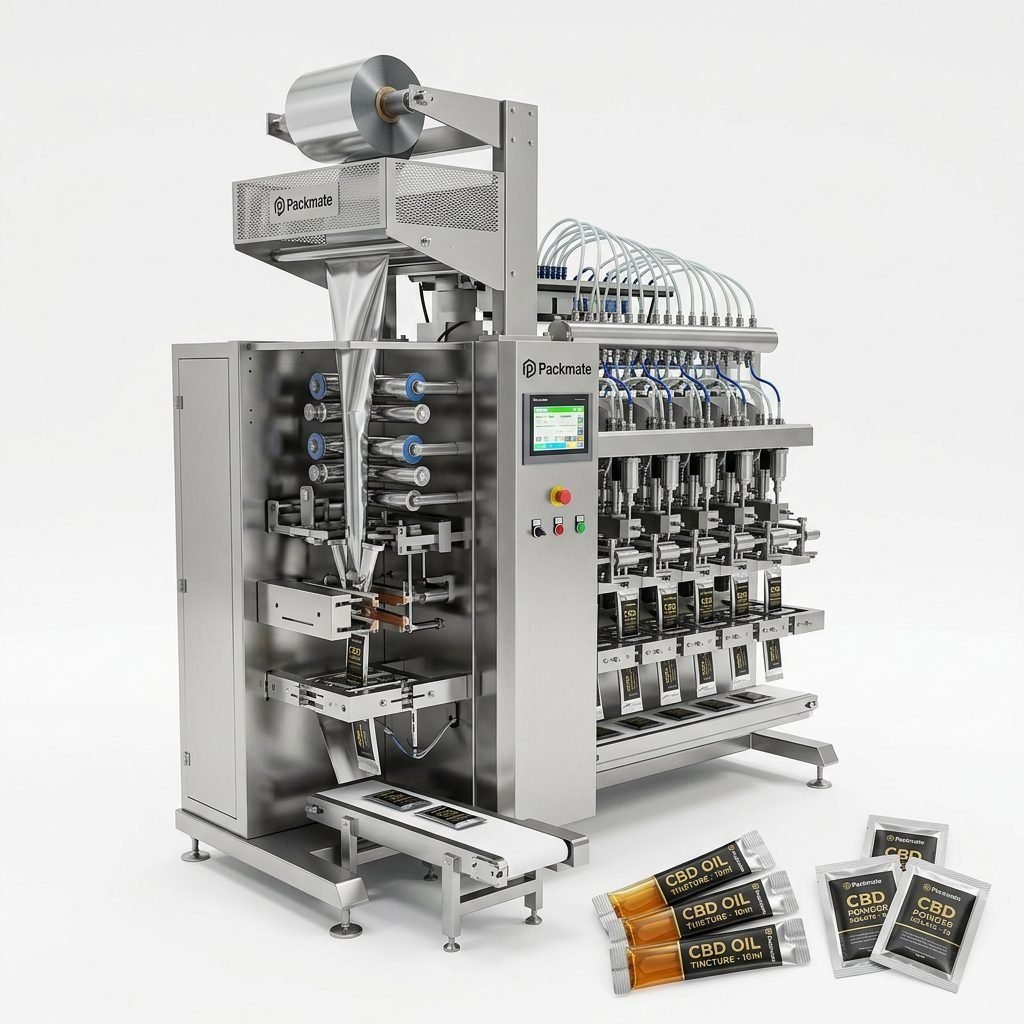
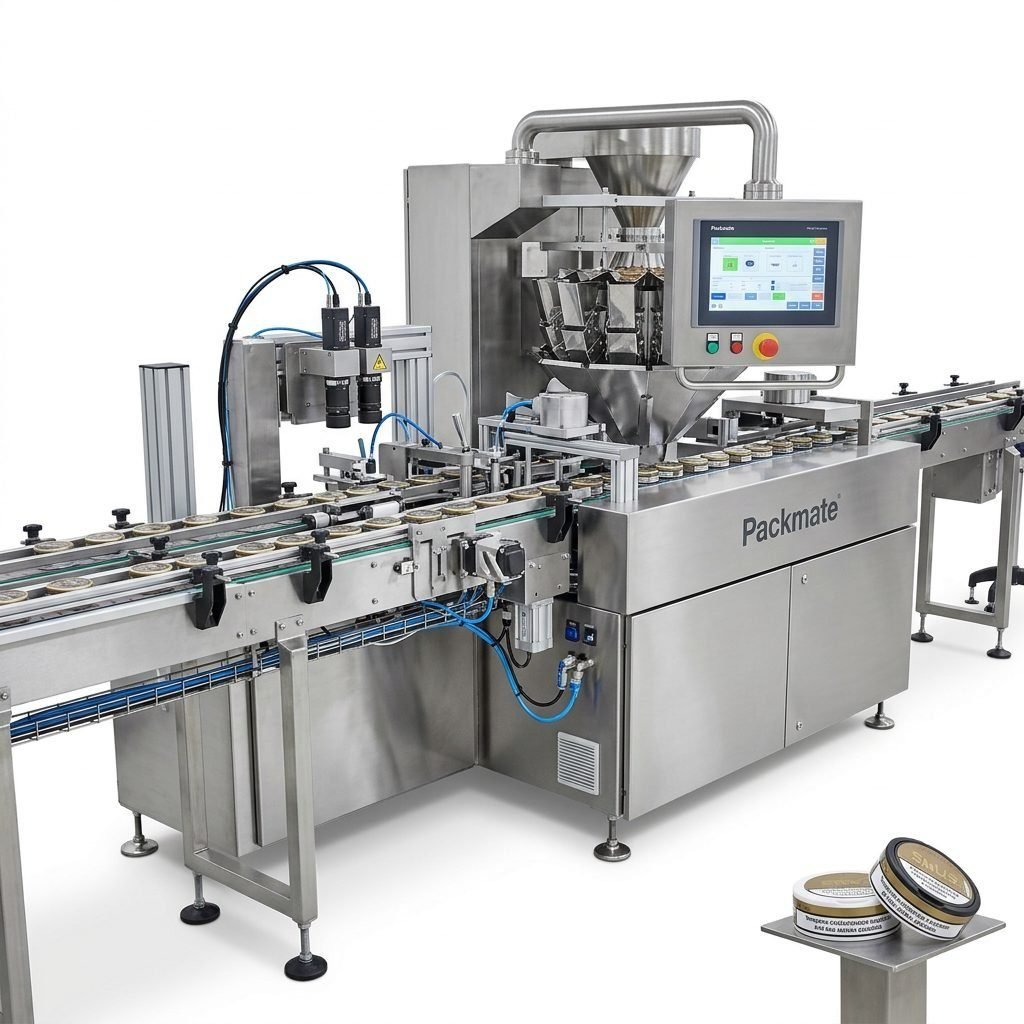
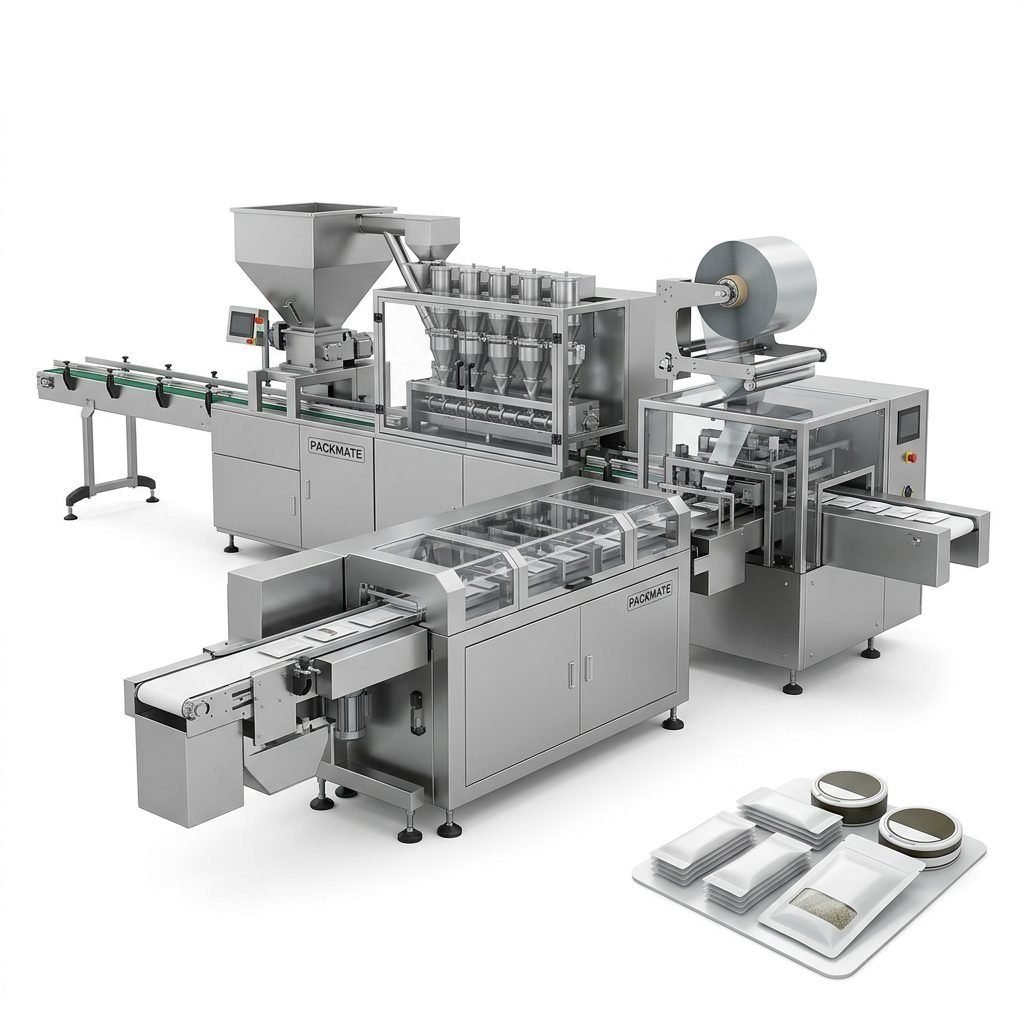
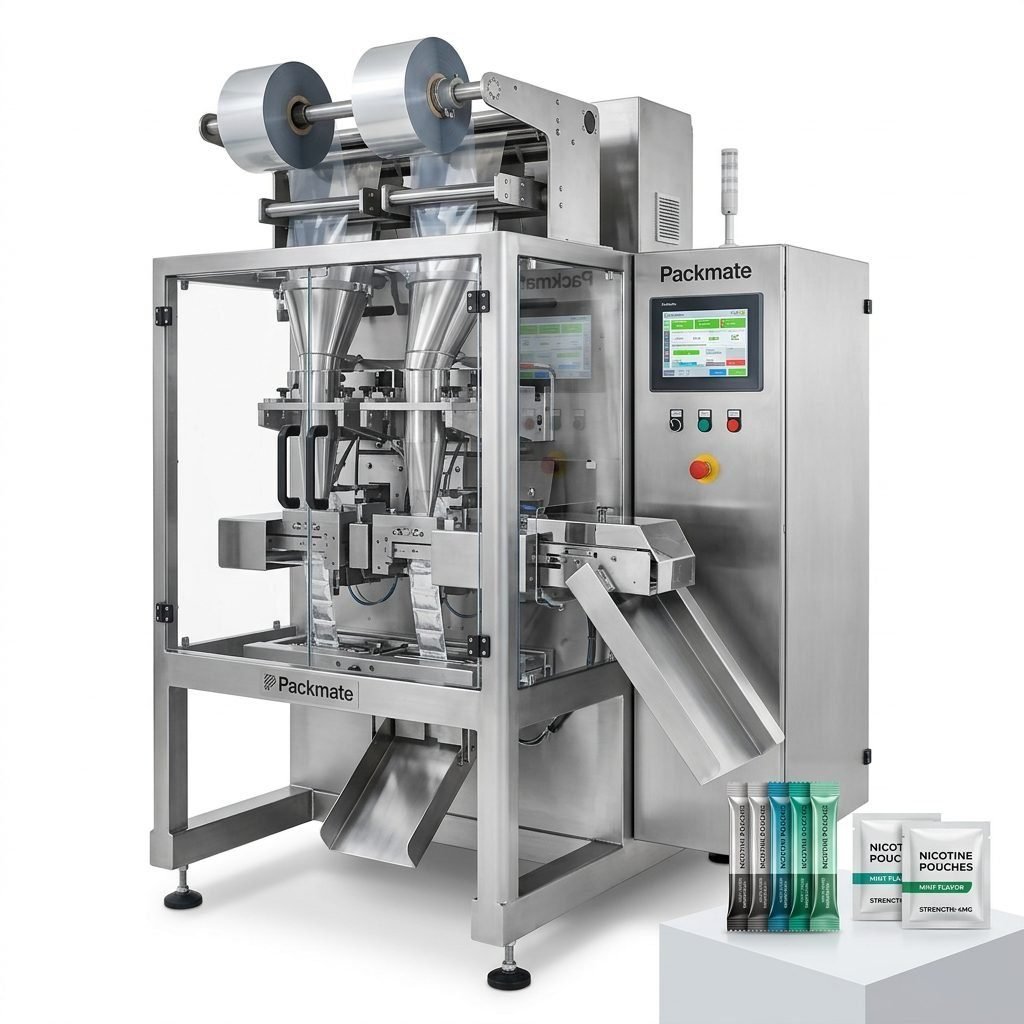
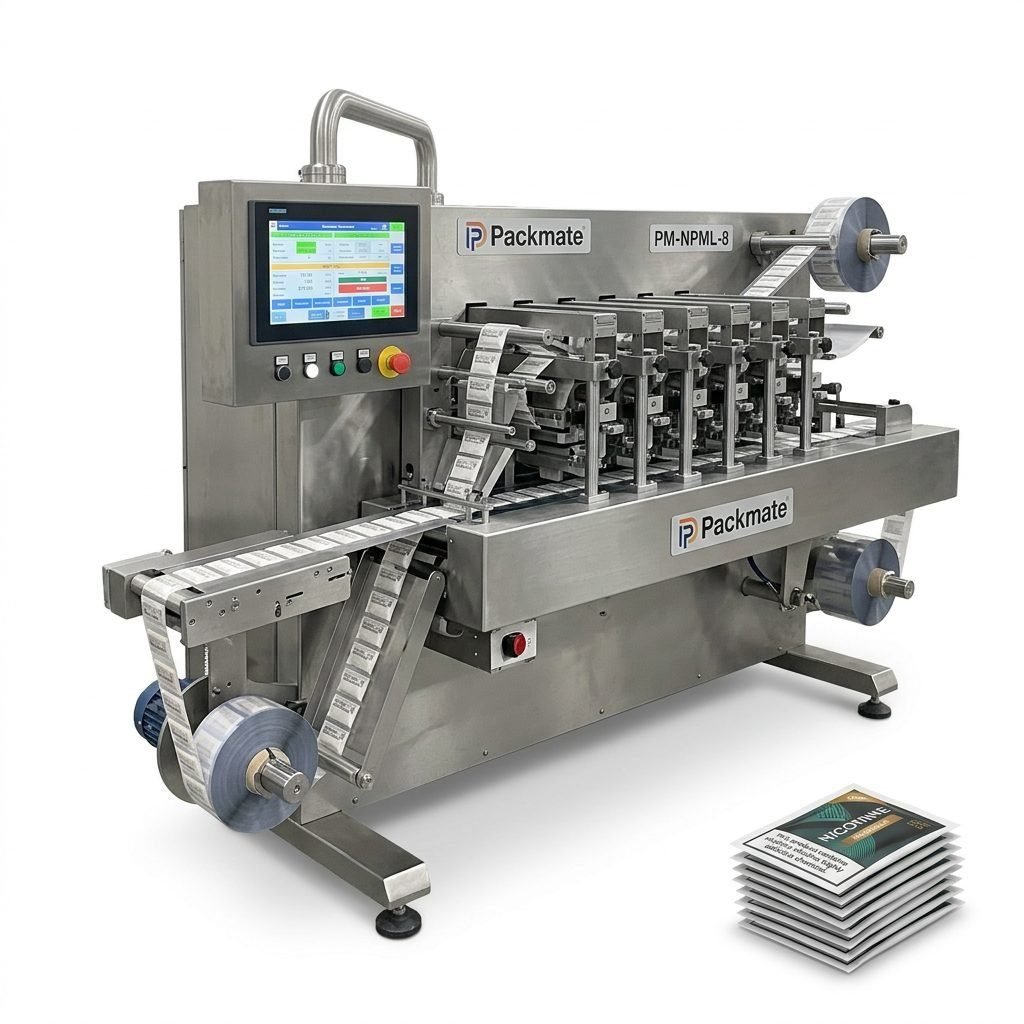
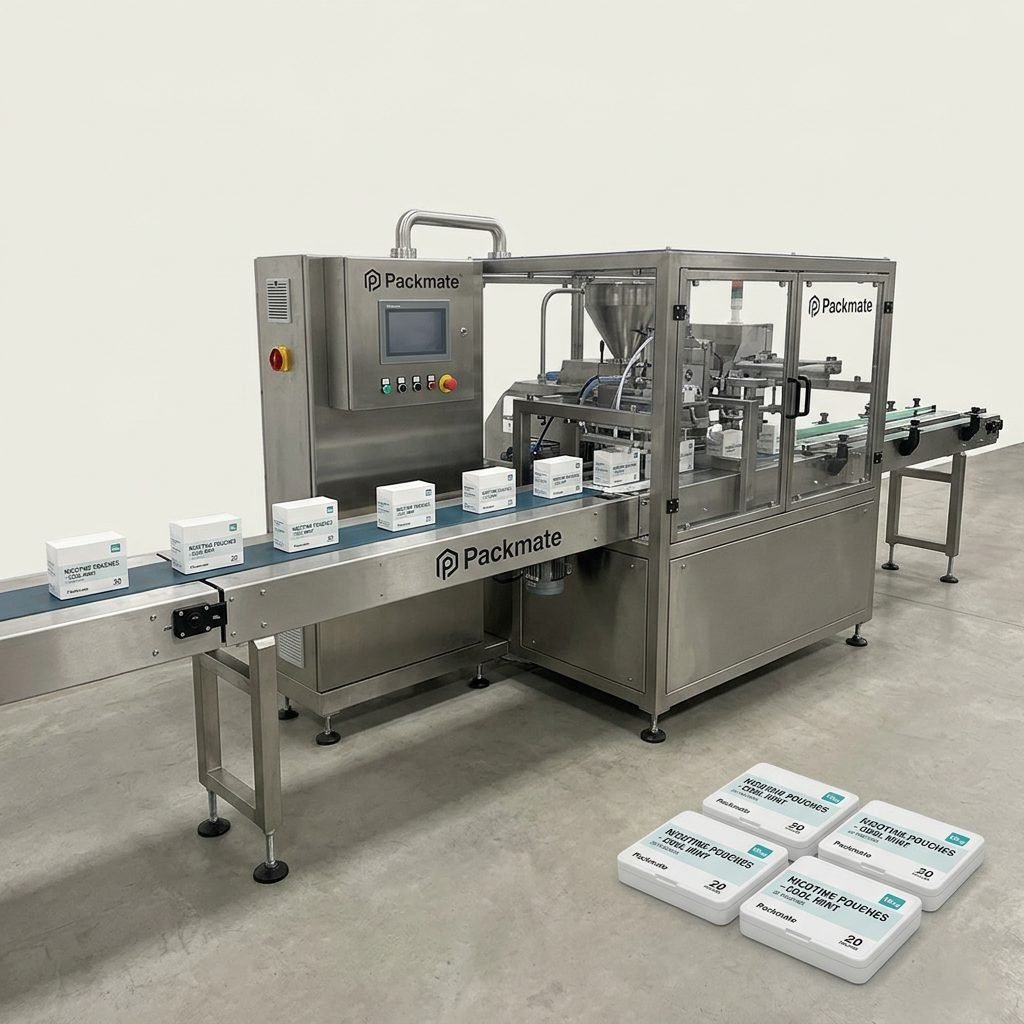
📌 Tip: If you want to explore dedicated options, review specialized models such as those under Snus & Nicotine Packaging Machines to confirm pouch format compatibility — automatic dosing, sealing quality, and lane configuration are critical.
(See models)
Evaluate Technical Specifications Deeply
When comparing suppliers, do not rely solely on top-line speed numbers. Inspect these technical details:
• Dosing accuracy and the range of weights the machine supports. Precision is essential for nicotine products to meet regulatory limits.
• Number of lanes: multi-lane machines increase capacity but require more initial investment and space. Check how lanes are synchronized.
• Sealing methods and materials compatibility: ensure clean, robust seals for heat, humidity and long-term shelf stability.
• Controls and automation level: PLC systems, recipe storage, HMI languages (ask if French or other local languages are available), and remote monitoring options.
Essential certifications and testing
Verify certifications like CE and ISO, which signal compliance with international manufacturing and safety standards. A reputable supplier will provide test reports, machine validation videos and references from existing installations. Packmate’s manufacturing credentials and factory capabilities may be useful to review when evaluating manufacturing strength and quality control.
(Certificates)
Assess Supplier Reliability and After-Sales Support
After-sales service is often more important than the initial purchase price. Ask these questions:
• What is the standard warranty and what does it cover?
• Are spare parts stocked centrally or regionally? Expect longer lead times for parts shipped internationally into Niger.
• Does the supplier provide on-site installation, training and commissioning? Will training be in French or with interpreters if needed?
• Are remote diagnostics or paid service contracts available to reduce downtime? Reliable remote support can be a lifeline if local expertise is limited.
🔧 Must-check: Confirm the supplier’s spare parts list and average lead times to Niger. Suppliers like Packmate emphasize global turnkey solutions and after-sales service — review their service offering to understand typical support options.
(Service)
Consider Total Cost of Ownership, Not Just Price
The purchase price is only part of the story. Calculate the Total Cost of Ownership (TCO):
• Shipping, import duties and customs clearance into Niger can add substantial cost. Factor in local handling and storage.
• Installation, training, spare parts, energy consumption and routine maintenance labor are recurring costs.
• Consider energy efficiency and the machine’s average uptime. Machines with predictable maintenance schedules and straightforward troubleshooting will lower long-term operational costs.
Verify Customization and Packaging Material Compatibility
Packaging materials availability in Niger or nearby ports may be limited. Confirm the supplier’s machine supports:
• Common local film reels and laminate structures, or plan imports for specialized films.
• Custom printed materials and label insertion if you plan multi-language labels or religious/cultural disclaimers.
• Seal integrity for hot and arid climates; films that withstand temperature swings and dust exposure.
Factory Visit, References and Pilot Runs
If feasible, request a factory visit or virtual tour and ask for reference contacts in similar markets. A reliable supplier should allow:
• Pilot runs with your product to validate fill accuracy, seal integrity and packaging aesthetics.
• Machine acceptance testing (FAT) before shipment and site acceptance testing (SAT) at installation. These reduce surprises and protect your investment.
For examples of real installations and use cases, review supplier case studies to see how similar projects were deployed.
(Case studies)
✅ Checklist for supplier visits and quotes: FAT/SAT availability, pilot run samples, spare parts lead times, warranty terms, training languages, and on-site commissioning support.
Logistics, Import and Regulatory Considerations for Niger
Importing heavy machinery into Niger involves port and customs planning. Niger is landlocked and typically routes imports through ports in neighboring countries such as Benin, Togo or through Niger’s logistical corridors. Factor in:
• Additional inland transport costs and transit times.
• Local regulatory approvals for nicotine products: consult local legal counsel to ensure packaging and labeling meet national and regional regulations. Some markets require specific warning texts, ingredient listings or restrictions.
• Consider bonded warehousing and phased customs clearance if you plan to import consumables and spares in bulk.
Training, Documentation and Language Support
Machine manuals, training and HMI translation are operational necessities. Confirm that your supplier provides:
• Detailed machine documentation and spare parts lists in English or French.
• On-site commissioning and operator training sessions, ideally with follow-up remote sessions.
• Remote troubleshooting capability and a responsive support contact for time zone differences.
Why Manufacturer Experience Matters
Experience in snus/nicotine packaging lowers risk. Suppliers with decades of R&D and diverse machine models demonstrate proven engineering, quality machining and better spare parts ecosystems. When evaluating long-term partners, consider manufacturers who publicize their production capabilities and company history to ensure continuity and reliability.
(About Packmate)
Negotiation Points and Purchase Strategy
Negotiate with a focus on value and risk reduction:
• Seek bundled offers: installation, training and a spare parts starter kit.
• Ask for performance guarantees tied to throughput and dosing accuracy.
• Consider staged payments: deposit, shipment and acceptance milestones to protect both buyer and supplier.
⚠️ Warning: Avoid choosing solely on lowest price. Machines with poor support or undocumented parts can lead to extended downtime and higher lifecycle costs.
Next Steps: From Quote to Production
1. Define product specs (pouch type, dose, throughput) and request detailed quotations.
2. Request FAT with your actual materials or a sample product. Confirm dosing, sealing and label positioning.
3. Prepare logistics: calculate import duty, inland transport, and required site preparation (electrical, ventilation, foundation).
4. Schedule installation, training and an initial spare parts shipment. Maintain an inventory of critical wear parts locally.
Useful links to explore supplier offerings
Explore product categories and technical references such as Bag & Pouch Packaging Machines, Sachet & Stick Pack Machines and Weighing & Packaging Systems to find models that fit your needs.
Final selection checklist (quick)
🔎 Checklist: Product compatibility, dosing accuracy, number of lanes, sealing quality, certifications (CE/ISO), FAT/SAT availability, warranty & spare parts, language support, local logistics and TCO calculation.
Summary — Make an informed investment
Selecting the best snus packaging machine supplier for Niger is a strategic decision combining technical fit, cultural awareness and logistical planning. Prioritize suppliers that demonstrate experience with nicotine pouch formats, provide robust after-sales support, and can help you manage import and installation challenges. A thorough FAT, pilot run and sound warranty will protect your production goals and ensure you deliver a stable, culturally appropriate product to your market.
Frequently Asked Questions
Q: How do I confirm a machine will work with my particular snus pouch material?
A: Request a FAT with your exact film, pouch dimensions and formulation. A reputable supplier will run pilot samples and provide sealing and tensile test data.
Q: What spare parts should I stock locally in Niger?
A: Start with wear parts such as seals, knives, belts, bearings and standard electronics. Confirm with the supplier a recommended starter kit and expected mean time between failures.
Q: Are there special considerations for operating packaging machines in Niger’s climate?
A: Yes — protect raw materials and finished pouches from extreme heat, dust and humidity. Ensure the packaging film and seals are suitable for temperature variations and plan storage in climate-controlled areas when possible.
Q: Can supplier training be provided in French or with interpretation?
A: Most international suppliers provide documentation in English; many offer French manuals or training on request. Confirm language support early in negotiations.
Q: Where can I see supplier references and real installations?
A: Ask the supplier for case studies and reference contacts. Many manufacturers publish case examples and exhibition participation details online to demonstrate field performance.
(Exhibitions)