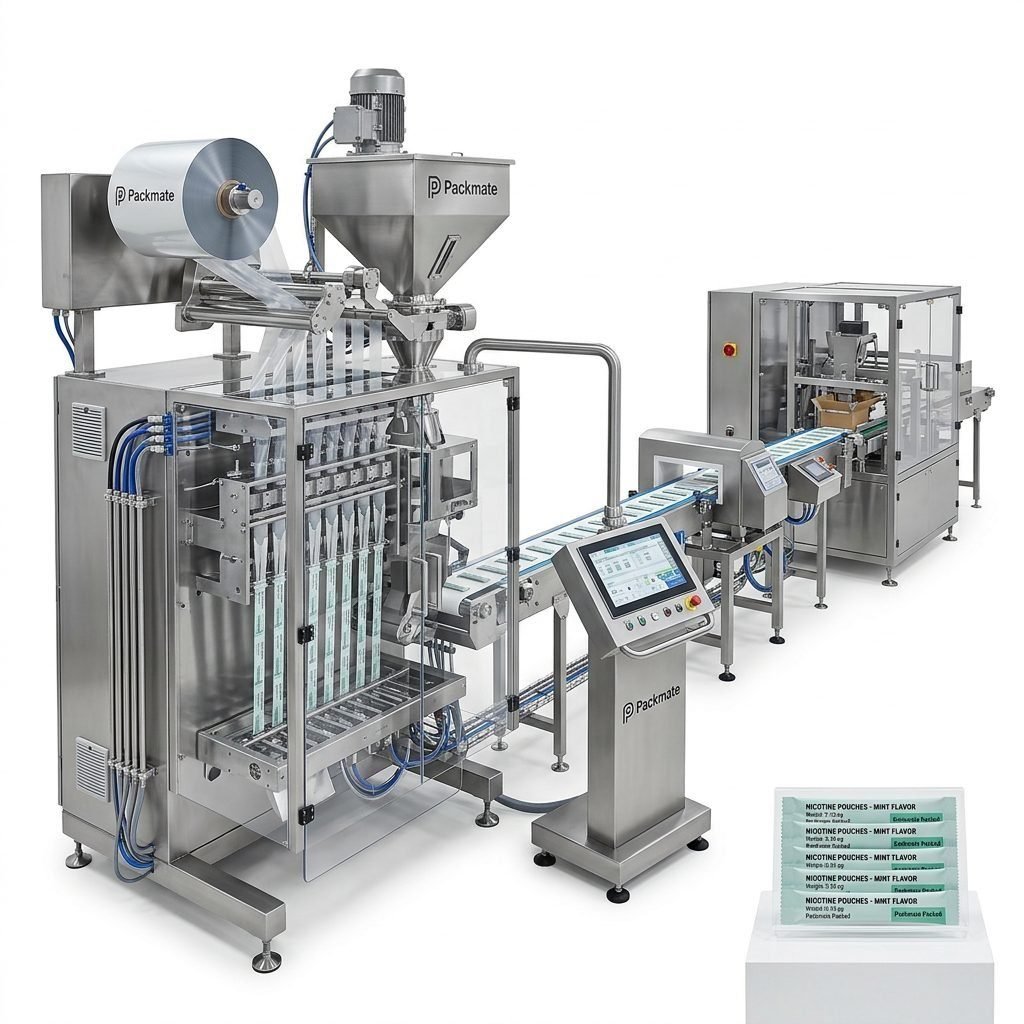
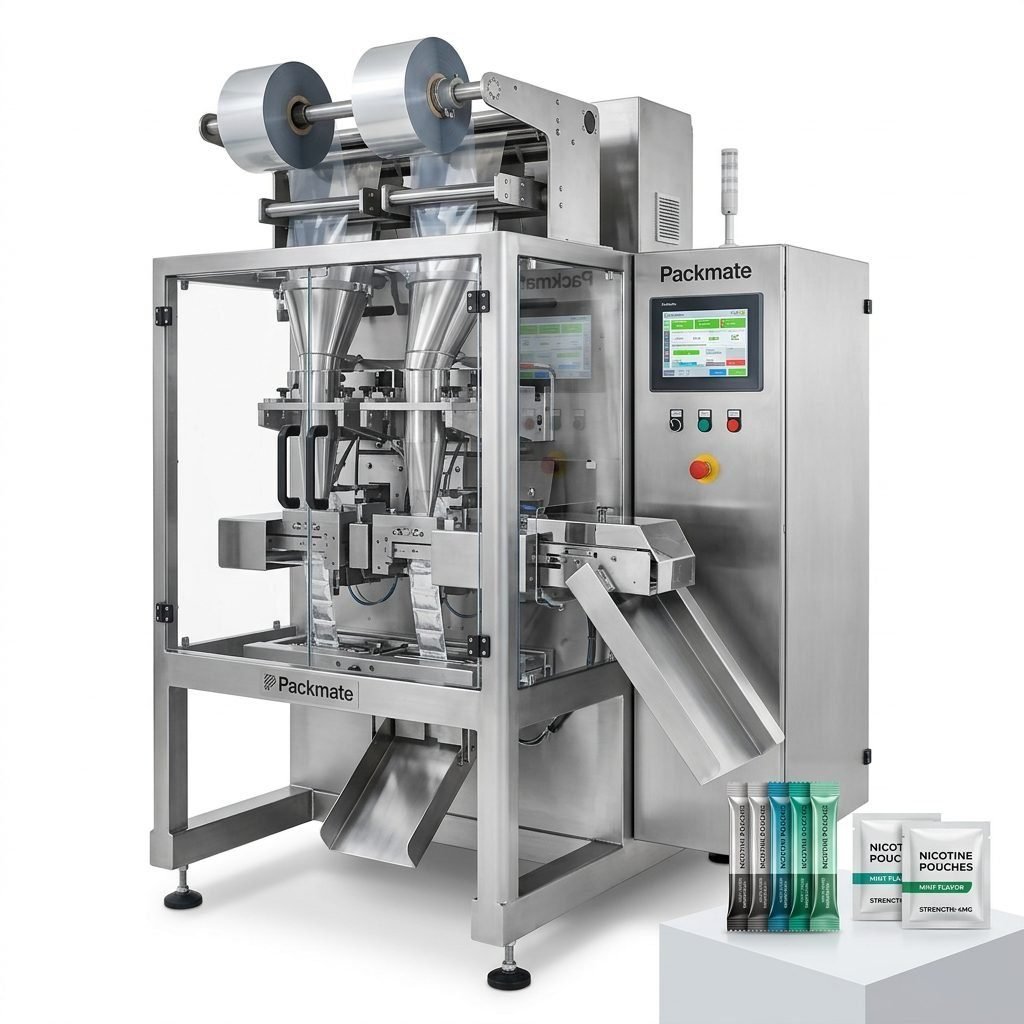
Choosing the right snus packaging machinery manufacturer for your Gambian business is a strategic decision that affects product quality, regulatory compliance, and long-term profitability. This guide explains how to evaluate manufacturers, what technical and commercial details to prioritize, and how local Gambian customs, climate, and business practices influence your purchase and deployment of snus and nicotine pouch packaging lines.
Why the Manufacturer Matters for Your Gambian Operation
A reputable manufacturer provides more than equipment: they deliver stability, spare-parts availability, after-sales support, and compliance documentation that helps you import and sell products legally in The Gambia. In a market where product discretion and small-dose formats are often preferred, the precision of multi-lane and stick-pack systems directly impacts consumer acceptance and your brand reputation.
Understand Gambian Market Traits and Local Customs
The Gambia is a predominantly Muslim country with cultural sensitivities around smoking and nicotine use. Respect local norms and regulations: many consumers favor discreet, hygienic packaging and trusted labeling. Business communication is commonly conducted in English, and relationships matter — Gambian partners value responsive service and straightforward import documentation.
Climate is another practical factor: The Gambia has a hot tropical climate with high humidity in the rainy season. Choose machines and materials designed to operate reliably in warm, humid conditions and ensure packaging materials protect product integrity year-round.
Key Machine Types for Snus & Nicotine Pouch Production
Different production goals require different machines. Evaluate based on capacity, format, and flexibility:
-
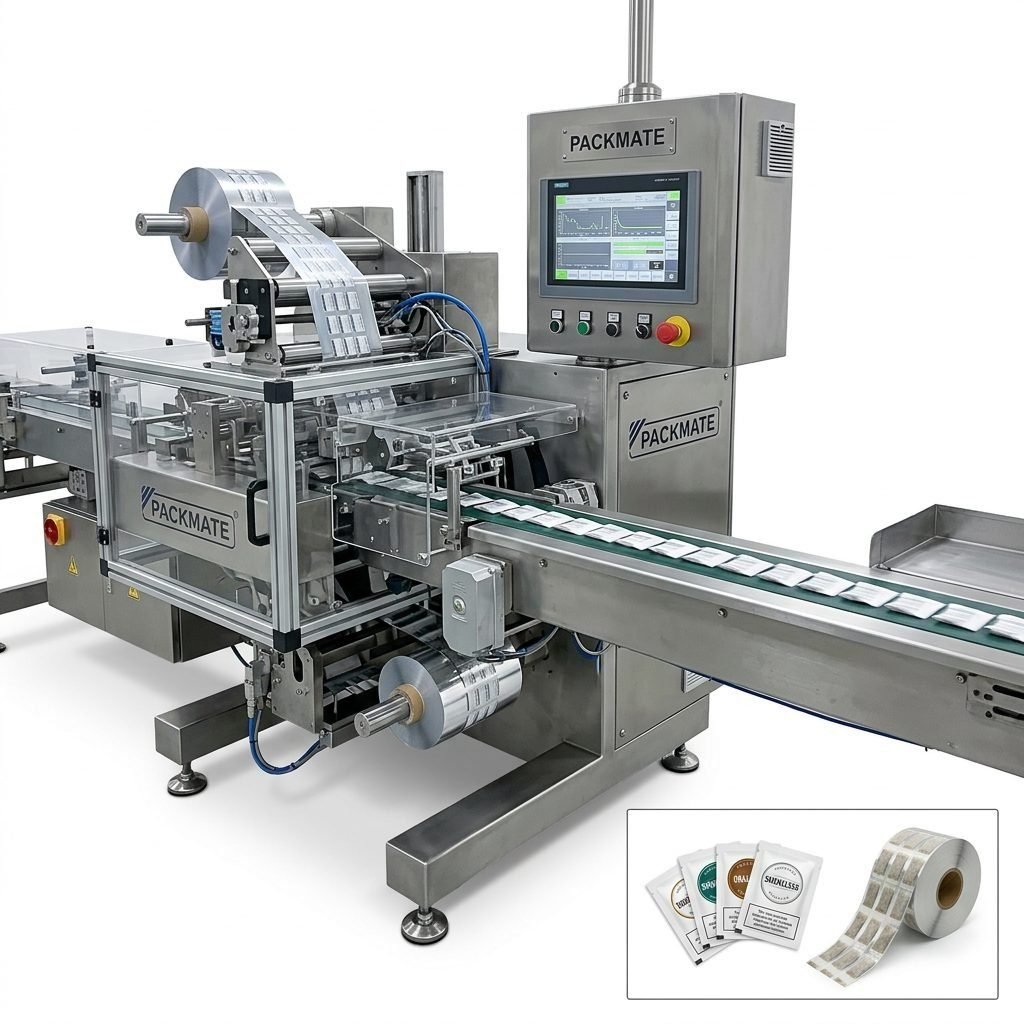
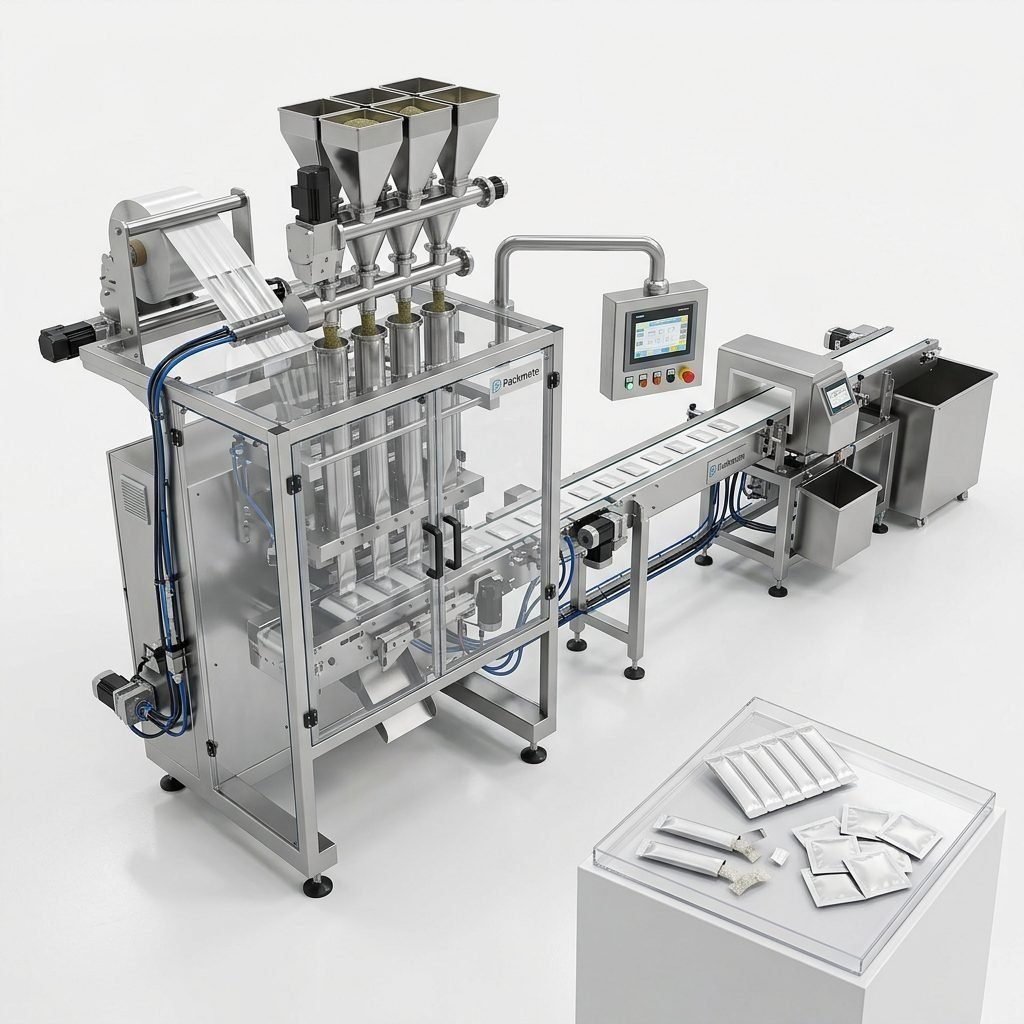
Stick pack machines for single-dose, elongated pouches suitable for retail and vending formats.
-
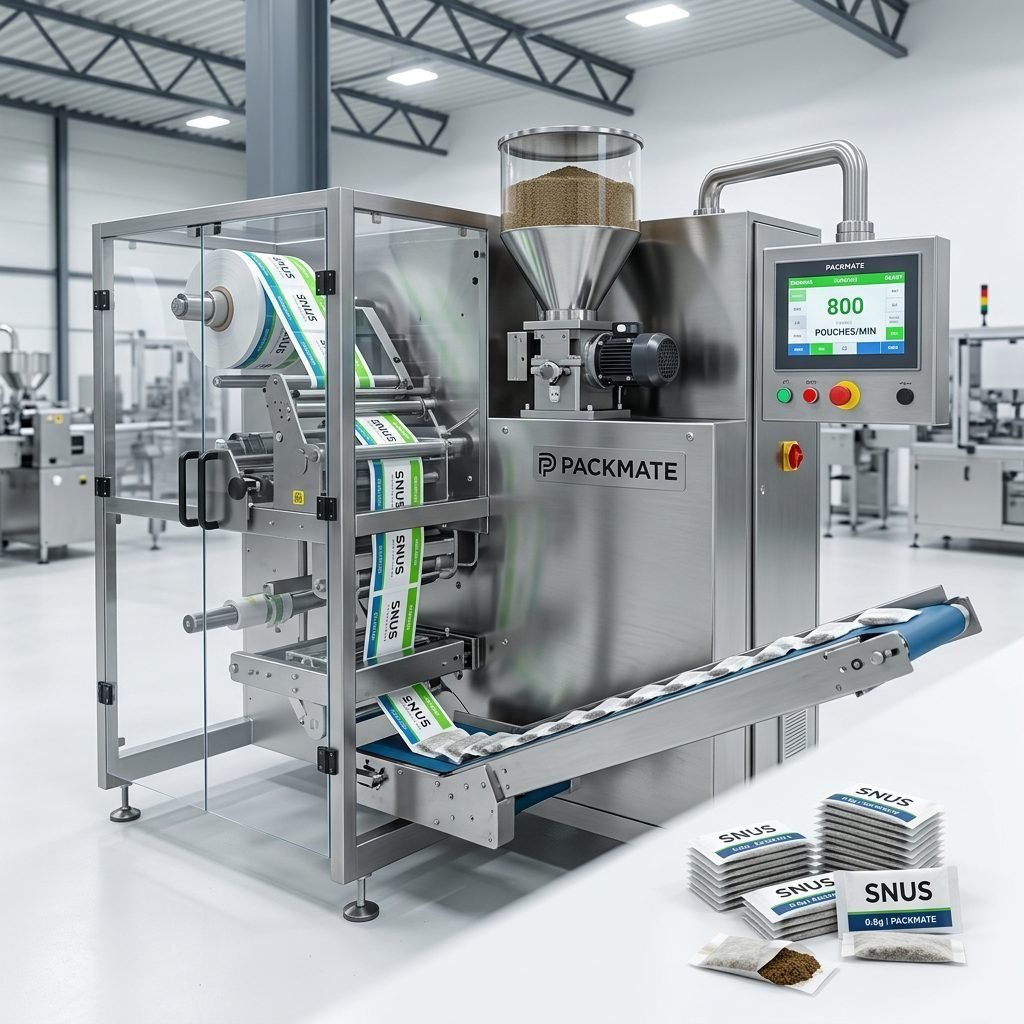
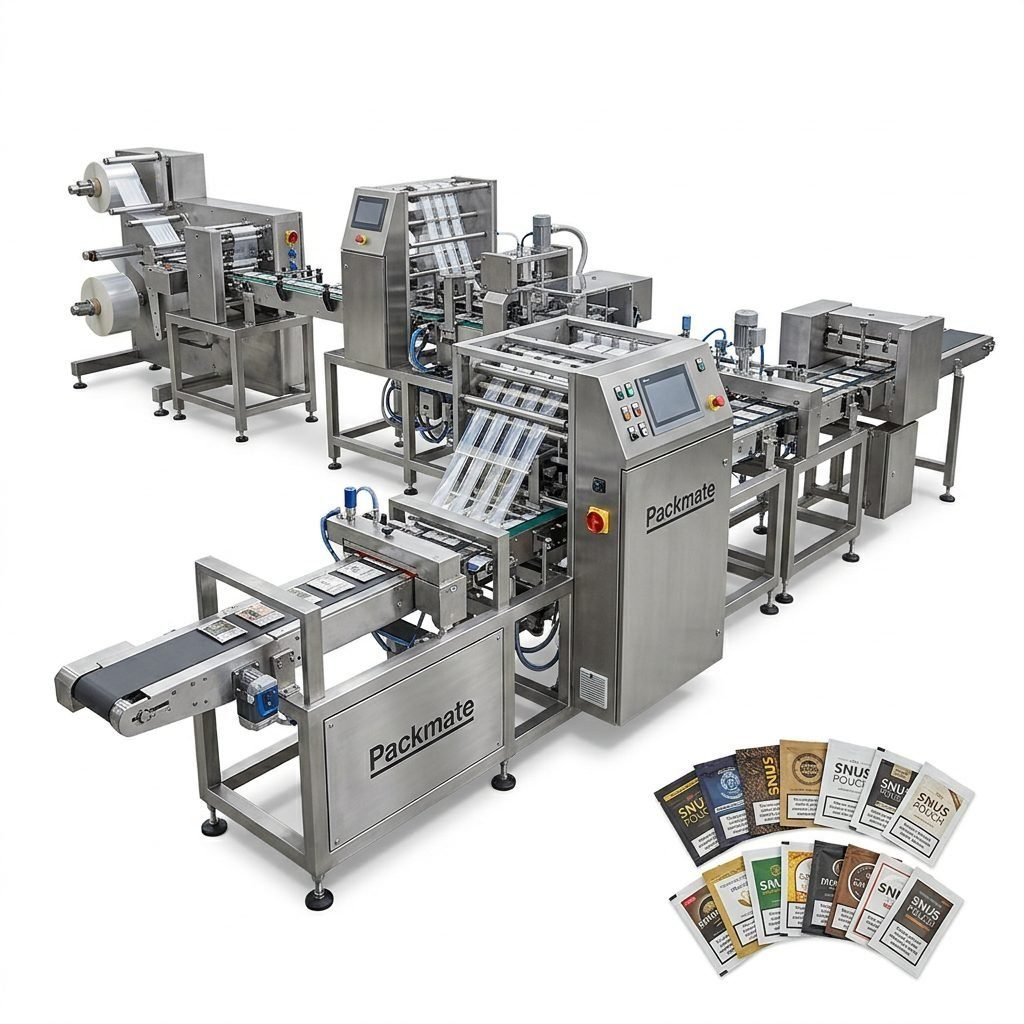
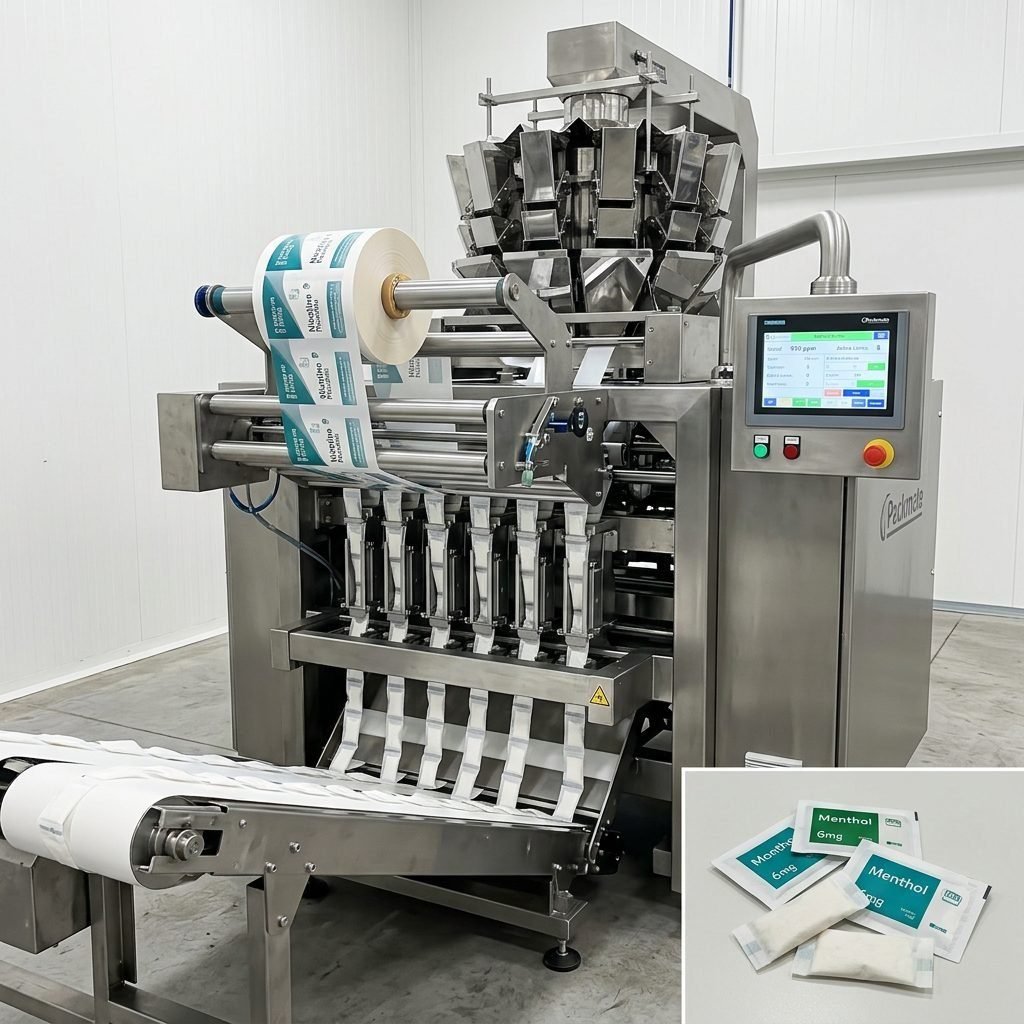
Sachet and multi-lane systems for high-throughput small-dose pouches used in snus and nicotine pouches — ideal for scaling production.
-
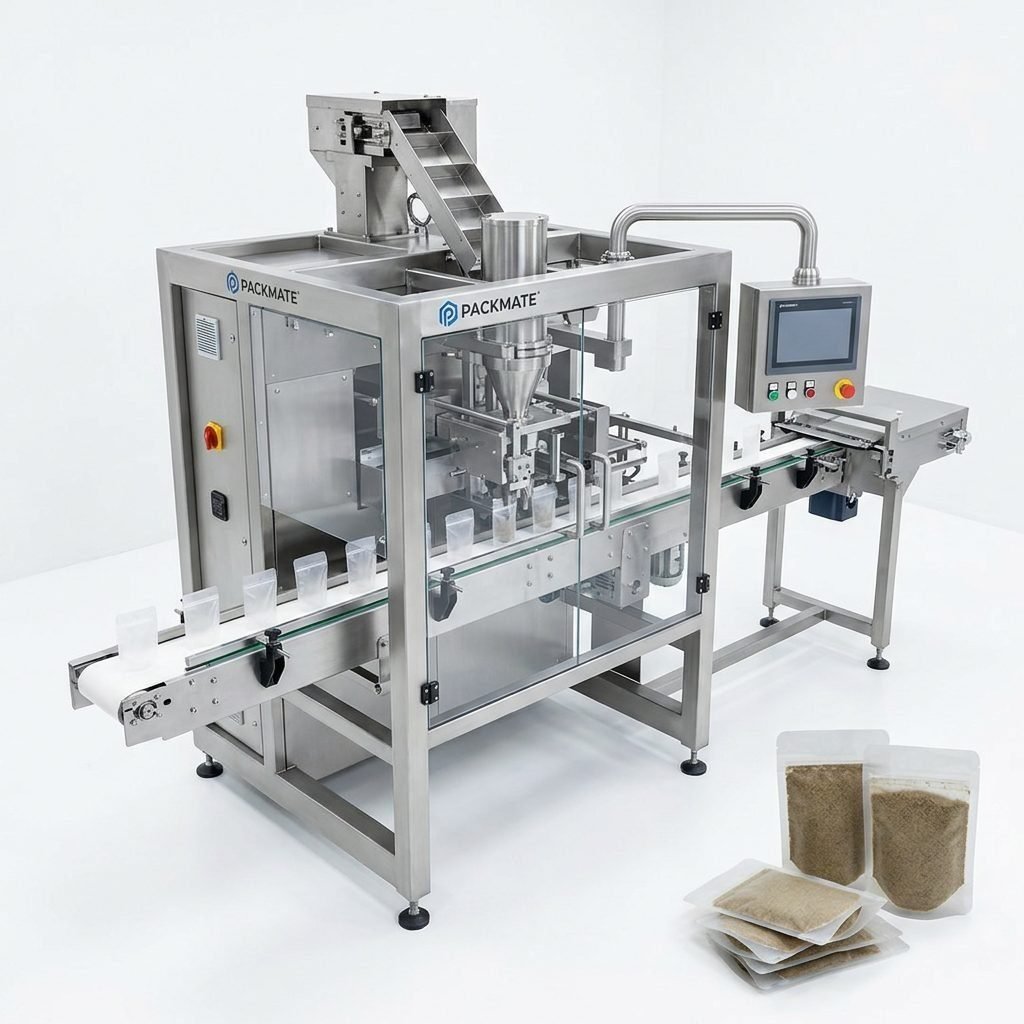
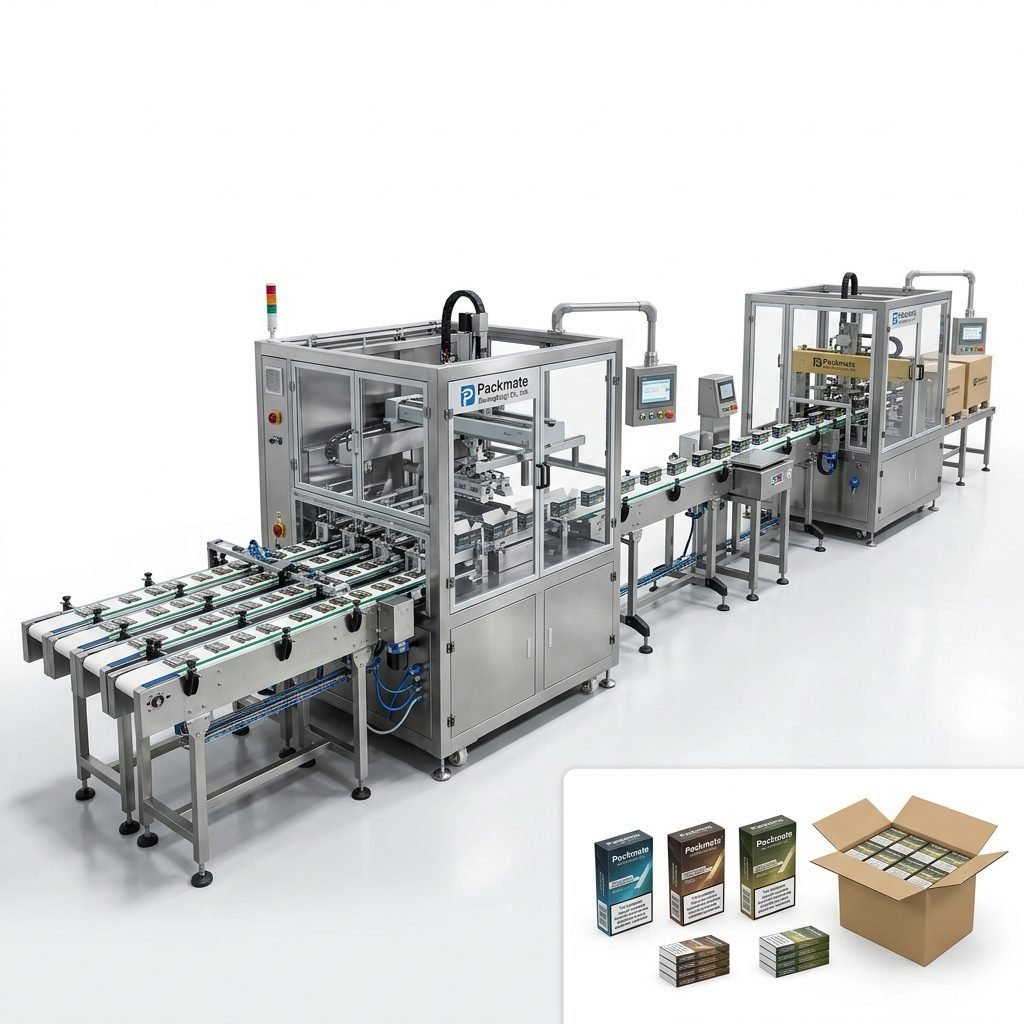
Bag & pouch packaging machines for secondary packaging and retail-ready consumer packs.
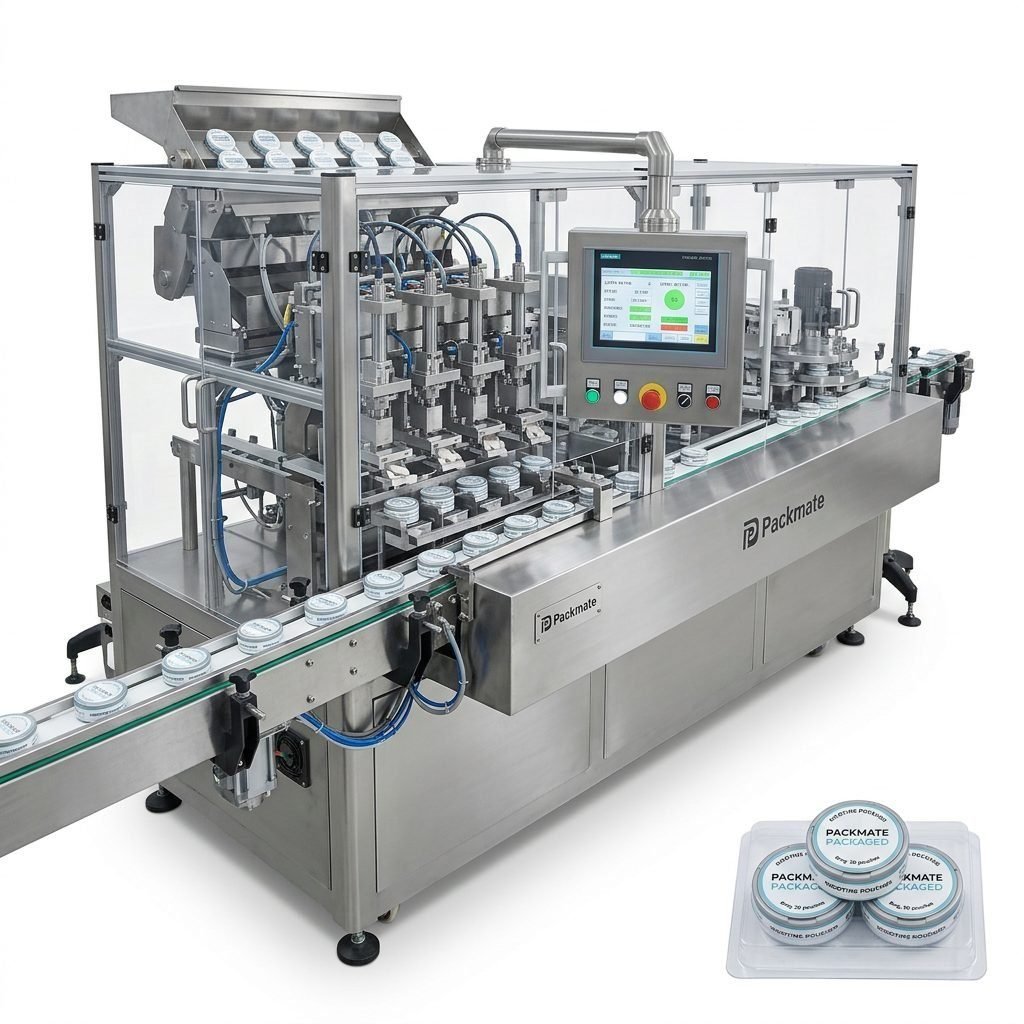
Explore product lines like Snus & Nicotine Packaging Machines, Sachet & Stick Pack Machines, and Bag & Pouch Packaging Machines to find compatible technologies for your production goals.
Manufacturer Credentials and Factory Strength
Prioritize manufacturers with verifiable credentials: CE and ISO certifications, documented factory capabilities, and clear case histories. A well-equipped workshop with CNC machining and precision assembly lines indicates consistent build quality. For example, a factory with a 20,000㎡ facility, 30+ years of engineering experience, and multiple machine models demonstrates the kind of scale and reliability you want when investing in production-critical equipment.
Learn about the manufacturer via their company overview and certificates — check their About Packmate and Certificate pages for proof of compliance and quality systems.
Checklist — Top 8 Things to Verify Before You Buy 📋
-
Certifications (CE/ISO) and export documentation
-
Local climate adaptability (humidity & heat tolerance)
-
Spare parts availability and delivery time to The Gambia
-
After-sales training (on-site/remote) in English
-
Turnkey line options and integration with weighing/filling systems
-
Reference case studies and exhibition presence
-
Warranty terms and maintenance contracts
-
Total cost of ownership, including consumables and energy use
Evaluate Customization, Turnkey Solutions and Integration
If you plan to scale production or produce multiple SKUs, look for manufacturers who offer turnkey solutions: integration with weighing & packaging systems, liquid/powder fillers, and auxiliary equipment. Compatibility with upstream and downstream lines reduces manual handling, improves hygiene, and boosts output consistency. See examples of integrated offerings and case studies on the manufacturer’s Filling & Packaging Lines and Case pages.
Site Preparation: Power, Space, and Environmental Controls
Before importing machinery to The Gambia, ensure your facility meets these basics:
-
Stable power supply and appropriate voltage/phase (arrange transformers or UPS if grid reliability is an issue).
-
Humidity control and ventilation to protect electronic and mechanical components in a tropical climate.
-
Adequate floor loading, space for conveyors and maintenance access, and drainage for cleaning operations.
Spare Parts, Training and After-Sales Support
In regions with longer shipping times, like West Africa, fast access to spare parts is vital. Confirm the manufacturer’s spare-parts inventory policies, shipping times to Banjul, and whether they have local agents or logistics partners. Ask if they provide remote diagnostics, spare-part kits, and training in English — these reduce downtime and ensure your operators can maintain uptime during peak seasons.
Commercial Terms, Warranties and Compliance
Negotiate clear warranty terms, acceptance testing (factory FAT and on-site SAT), and performance guarantees. A solid manufacturer will provide shipping documents, CE/ISO certificates, and technical manuals that simplify customs clearance in The Gambia. It’s also wise to request inspection and testing videos, and to verify the factory’s export experience.
Quick Tip: When comparing quotes, evaluate Total Cost of Ownership (TCO) — initial price, energy consumption, spare parts cost, and expected yield losses due to packaging faults. A slightly higher-capability machine often pays back faster in yield and reduced labor.
Factory Visits and Exhibition Presence
Visiting the factory or meeting the manufacturer at trade shows helps you verify production processes. Manufacturers active in global exhibitions demonstrate transparency and global service readiness. See the manufacturer’s recent activity via their Our Exhibition and exhibition records.
How to Vet a Manufacturer — A Step-by-Step Approach
Follow these practical steps when selecting your supplier:
-
Request machine videos, FAT reports, and customer references in similar climates.
-
Confirm certifications and ask for a spare-parts list with lead times to Banjul port.
-
Negotiate training, commissioning, and a clear SLA for remote support.
-
Plan a pilot production run to validate yields, pouch integrity, and seal strength under local conditions.
Integration with Auxiliaries & Upgrades
Look for modular systems that allow future upgrades — adding multi-lane heads, automatic cartoners, or inline metal detectors. Manufacturers that provide supporting systems (weighing, filling, auxiliary equipment) simplify integration and future scaling. Check their list of auxiliary products like Auxiliary Packaging Equipment.
Final Evaluation Before Purchase
Ensure you have: invoiced equipment specs, FAT acceptance criteria, spare-parts kit, training dates, export paperwork, and a contact plan for after-sales. If possible, request a small onsite acceptance test with your product or a comparable material to verify performance under Gambian conditions.
For further product details, turnkey solutions, and after-sales services, you can visit the manufacturer’s Service and Contact Us pages to establish direct communication and request quotations tailored to The Gambia.
Conclusion
Selecting the best snus packaging machinery manufacturer for your Gambian operation means balancing technical capability, proven quality, regional adaptability, and dependable after-sales support. Prioritize certified manufacturers with turnkey offerings, spare-parts readiness, and demonstrable experience in multi-lane snus and nicotine pouch lines. With proper vetting and site preparation, your investment will deliver consistent product quality and reliable throughput in The Gambia’s unique market environment.
Common Questions
Q: How do I ensure the machine will work properly in The Gambia’s climate?
A: Verify the manufacturer’s experience with tropical deployments, request environmental tolerance specifications, and plan for humidity control (dehumidifiers, air conditioning) in your production space.
Q: What documentation should I request for customs and regulatory clearance?
A: Ask for CE/ISO certificates, commercial invoice, packing list, bill of lading, manufacturer’s declaration, and technical manuals. Clear, accurate paperwork speeds up clearance at Banjul port.
Q: How long does delivery and installation usually take?
A: Production lead times vary by customization level; standard machines may ship in weeks, turnkey lines can take months. Include time for shipping, customs clearance, on-site installation, and operator training when planning.
Q: What after-sales support should I expect from a reliable manufacturer?
A: Expect remote troubleshooting, spare parts availability, documented preventive maintenance schedules, and options for onsite commissioning or training. Request SLA terms that define response times and parts shipping timelines.
Q: Can manufacturers provide references or demo videos?
A: Reputable suppliers will provide customer references, demonstration videos, and FAT reports. Reviewing these materials helps validate machine performance and build confidence before purchase.