Choosing the right snus packaging machine for the Moldova market requires a practical combination of technical insight, regulatory awareness, and sensitivity to local consumer habits. This guide walks you through every step — from selecting the correct format and capacity to planning installation and after-sales support — so you can make a confident, cost-effective purchase that suits Moldovan distributors and end-users alike.
Why Moldova is a unique market for snus packaging
Moldova’s tobacco and nicotine market sits at a crossroads of tradition and change. While many consumers still prefer conventional cigarettes, there is a growing interest in alternative nicotine formats — particularly discreet, smoke-free products such as nicotine pouches and snus. Local habits like social coffee breaks, long conversations in small cafes, and discreet consumption in public spaces create demand for packaging that emphasizes portability, odor control, and discreet disposal. At the same time, price sensitivity and import costs shape what packaging sizes and multi-packs sell best.
Start with regulations and compliance
Before you buy any equipment, make sure you understand Moldova’s import rules, labeling requirements, and nicotine product regulations. Regulations can affect labeling formats, batch traceability, and serialization needs. Choosing a machine that supports variable-data printing and easy label integration reduces future compliance headaches. Look for suppliers with CE and ISO certifications to ensure international compliance and quality; certification documentation can streamline local approvals.
Always verify local regulatory limits and documentation before production.
Match the machine to your product format
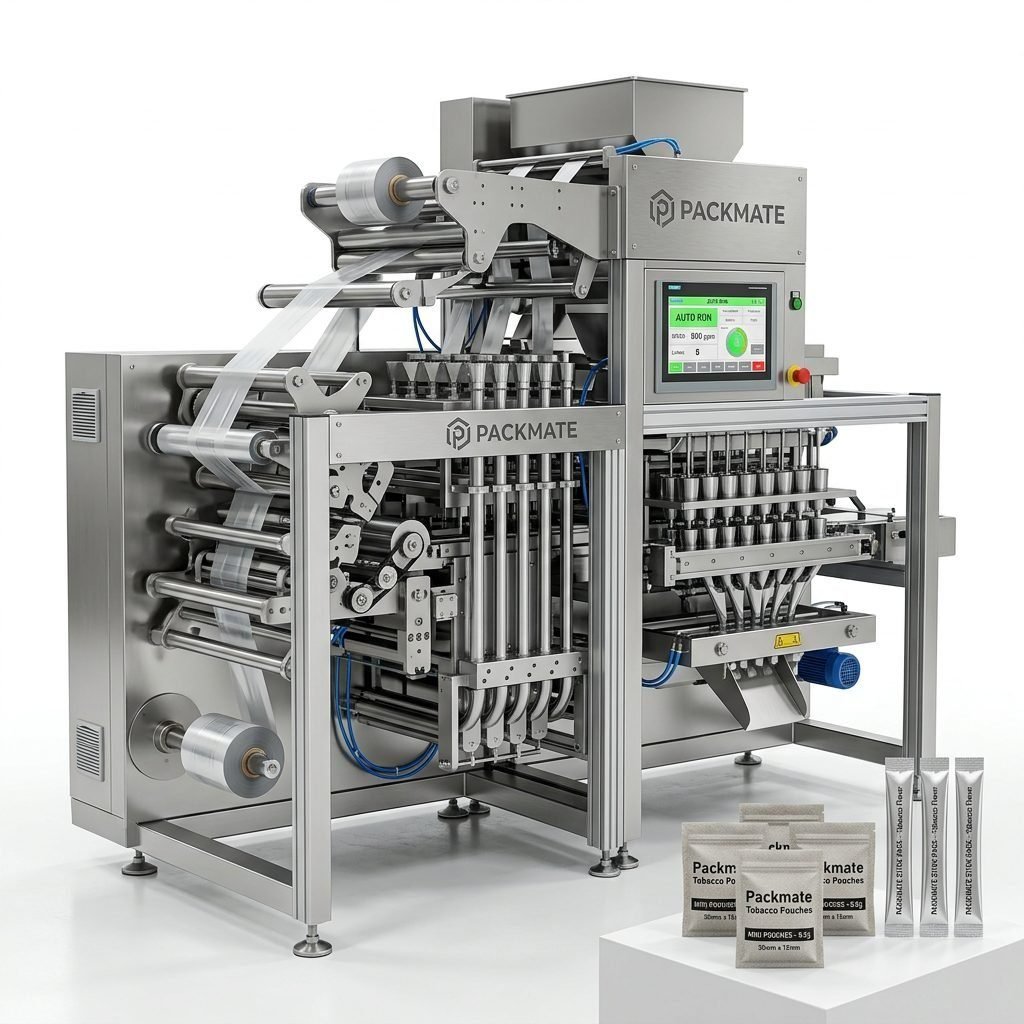
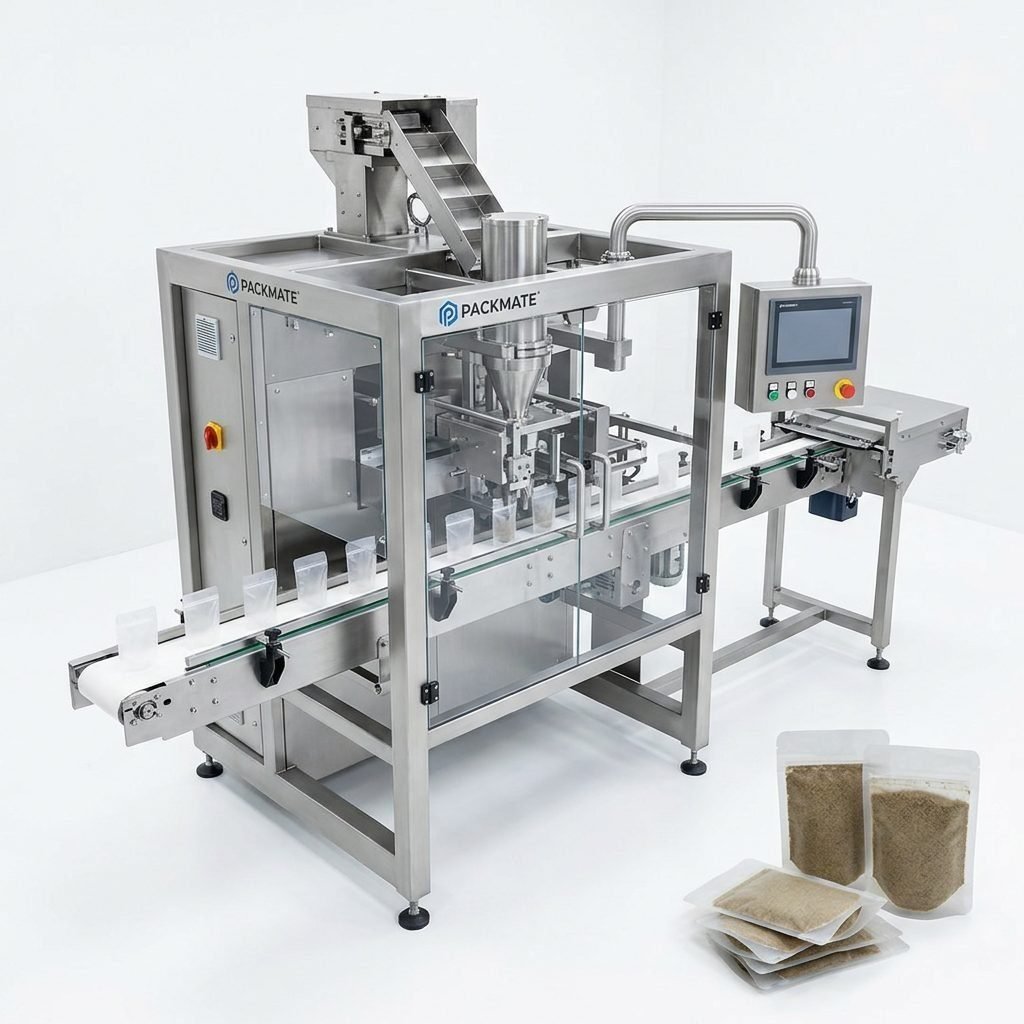
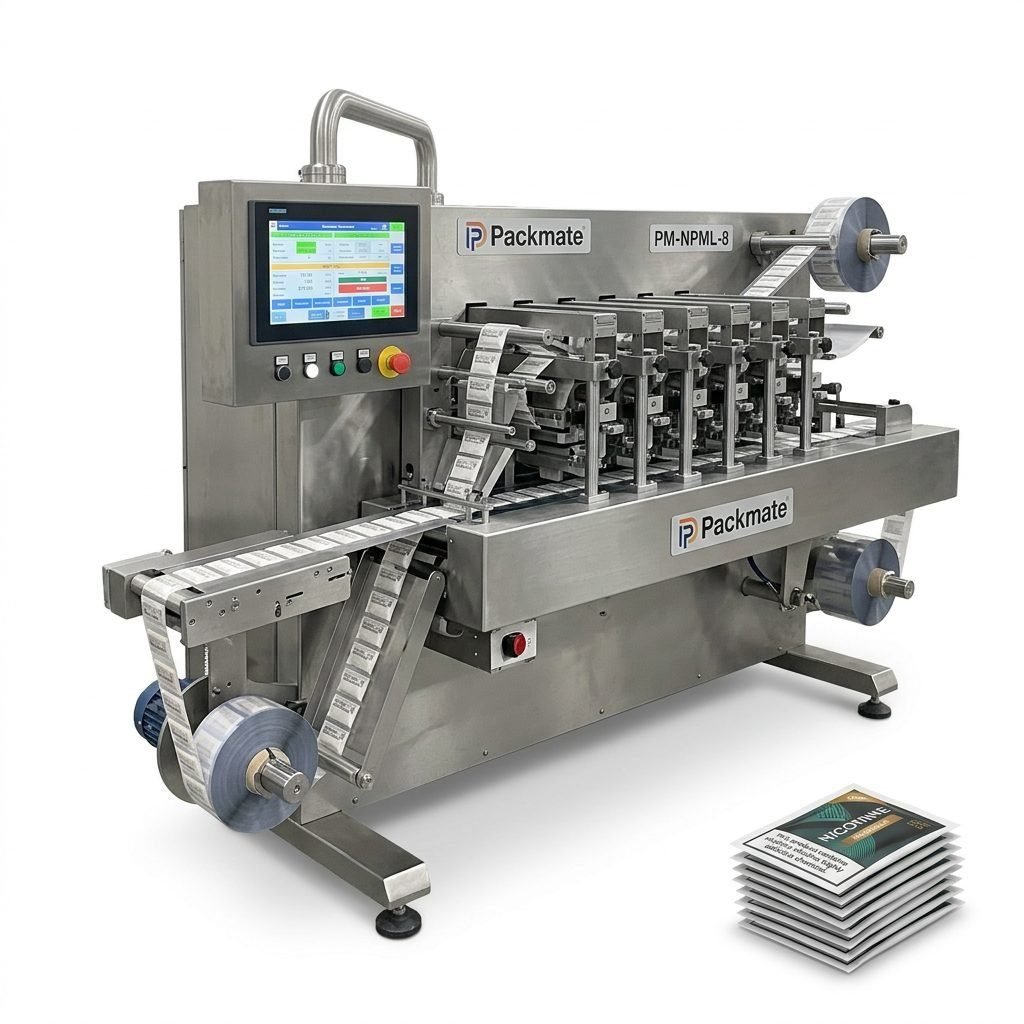
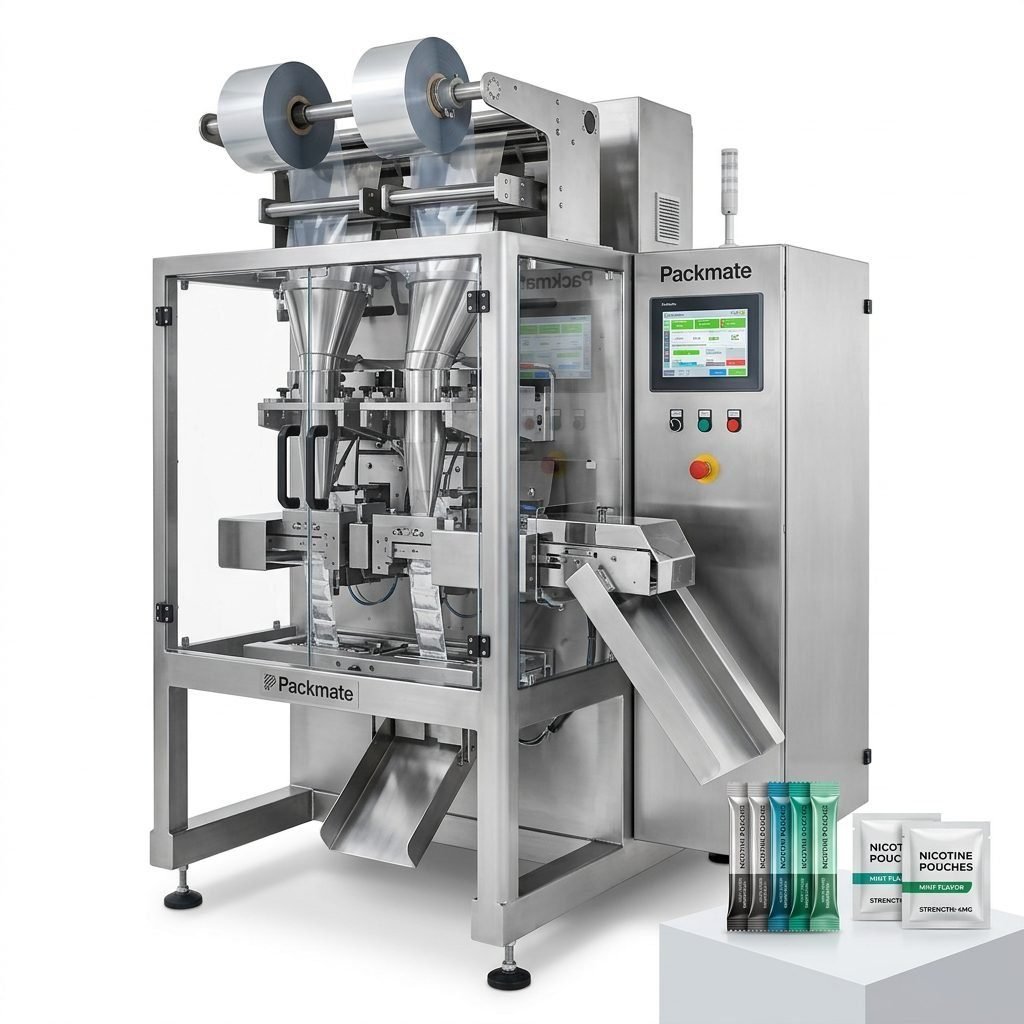
Decide early whether you need equipment for nicotine pouches, traditional snus cans, stick packs, or sachets. Each format has different sealing, filling, and feeding requirements:
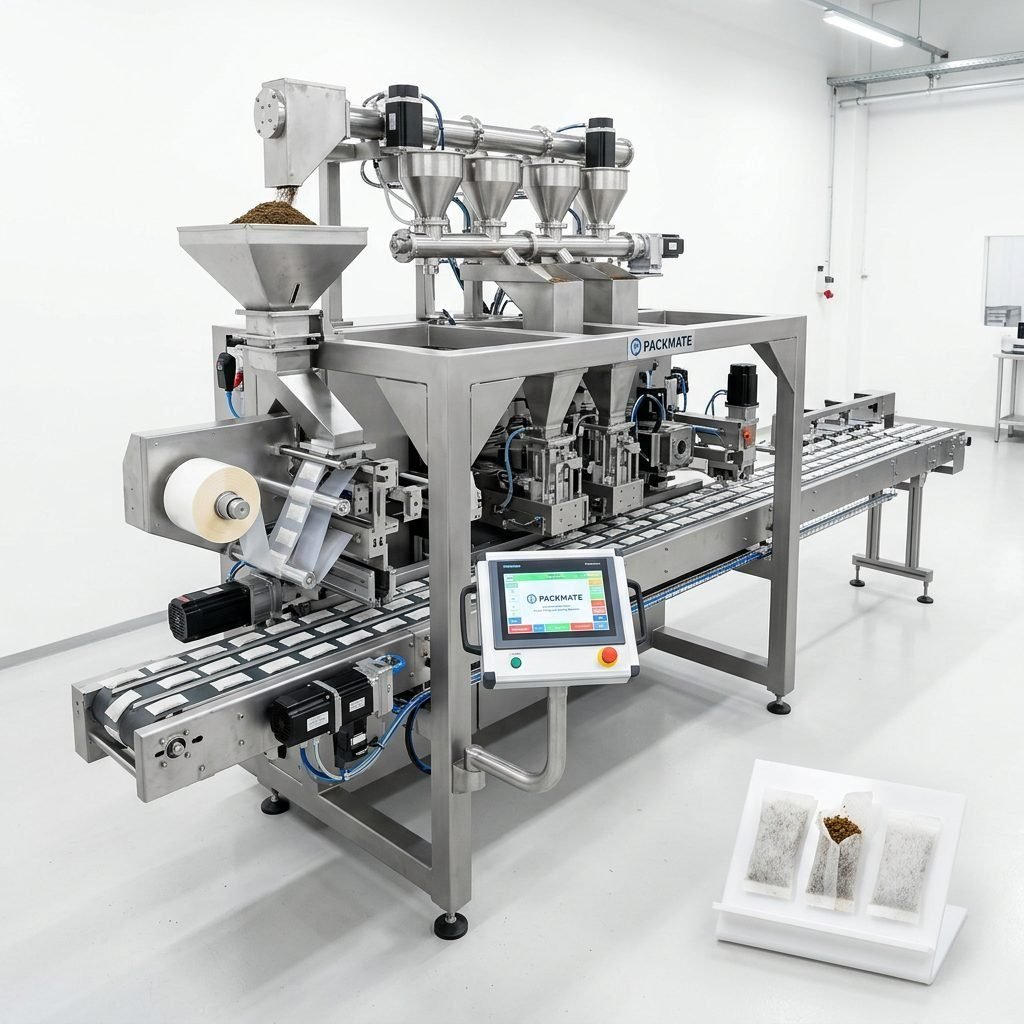
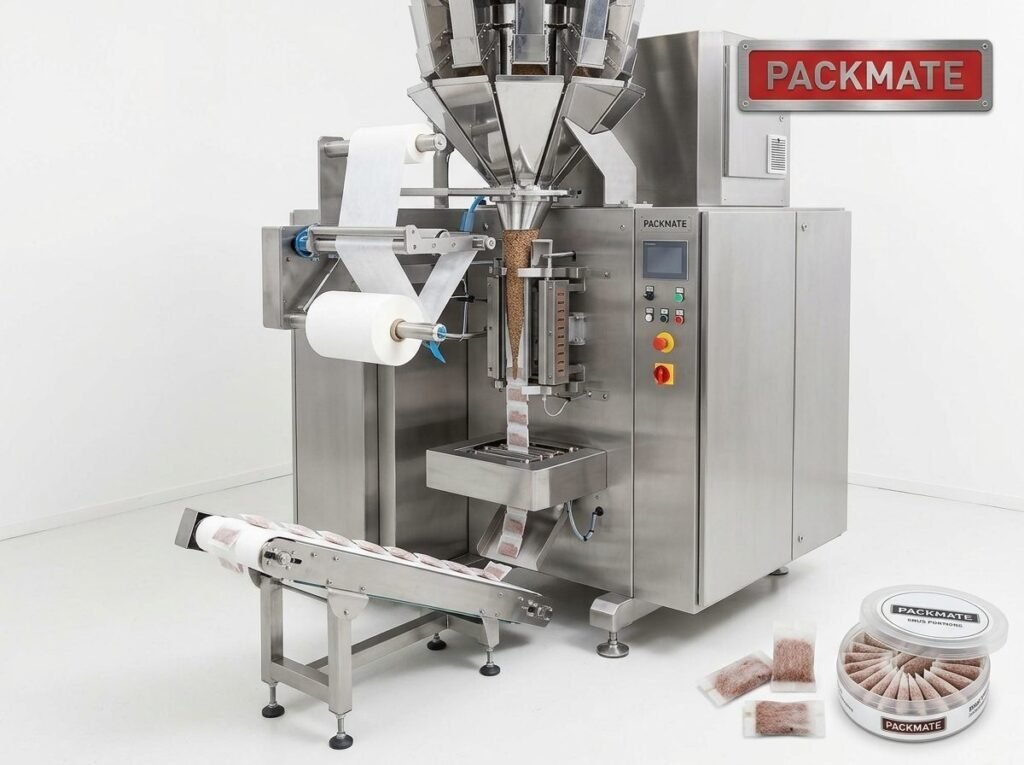
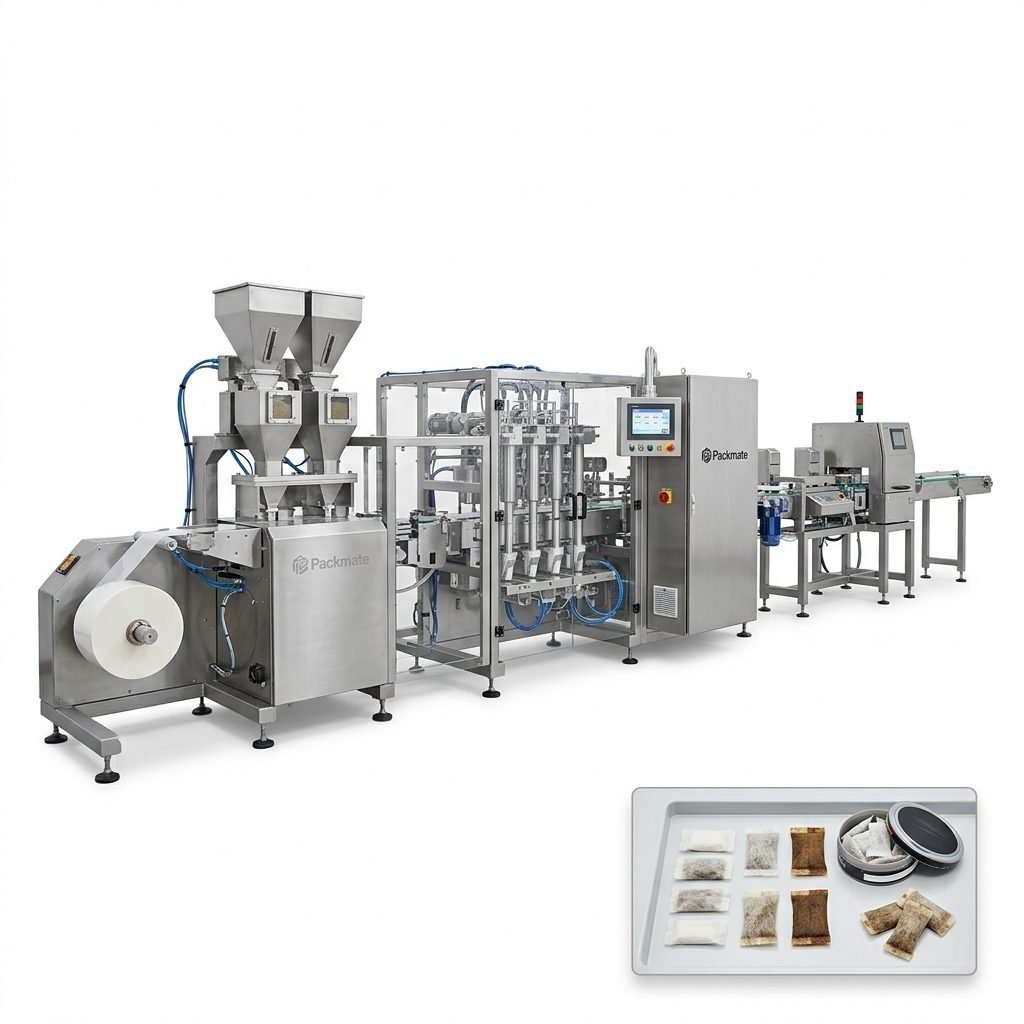
– Nicotine pouches / snus: require precise micro-dosing and soft pouch sealing to preserve texture and moisture. Moisture control and gentle handling are essential.
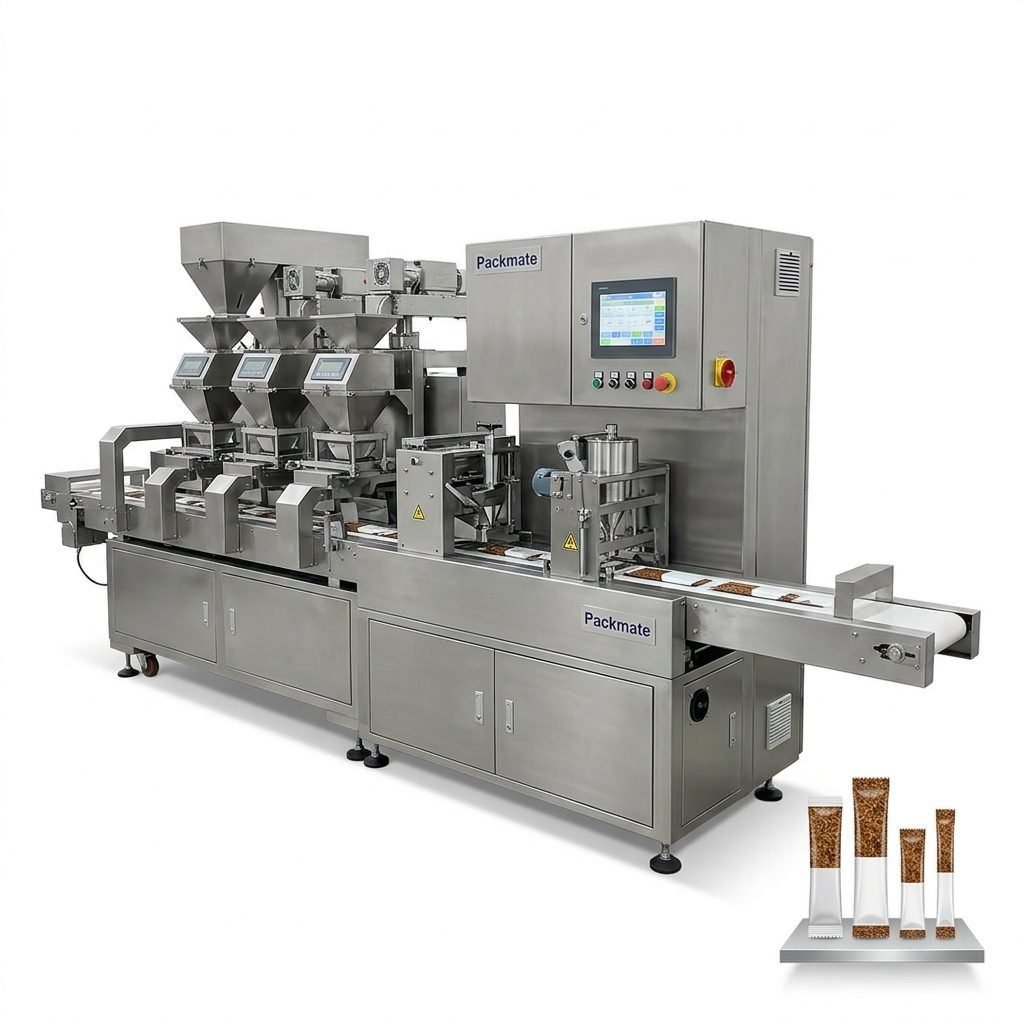
– Stick packs & sachets: popular for single-dose convenience; they need accurate longitudinal sealing and fast indexing.
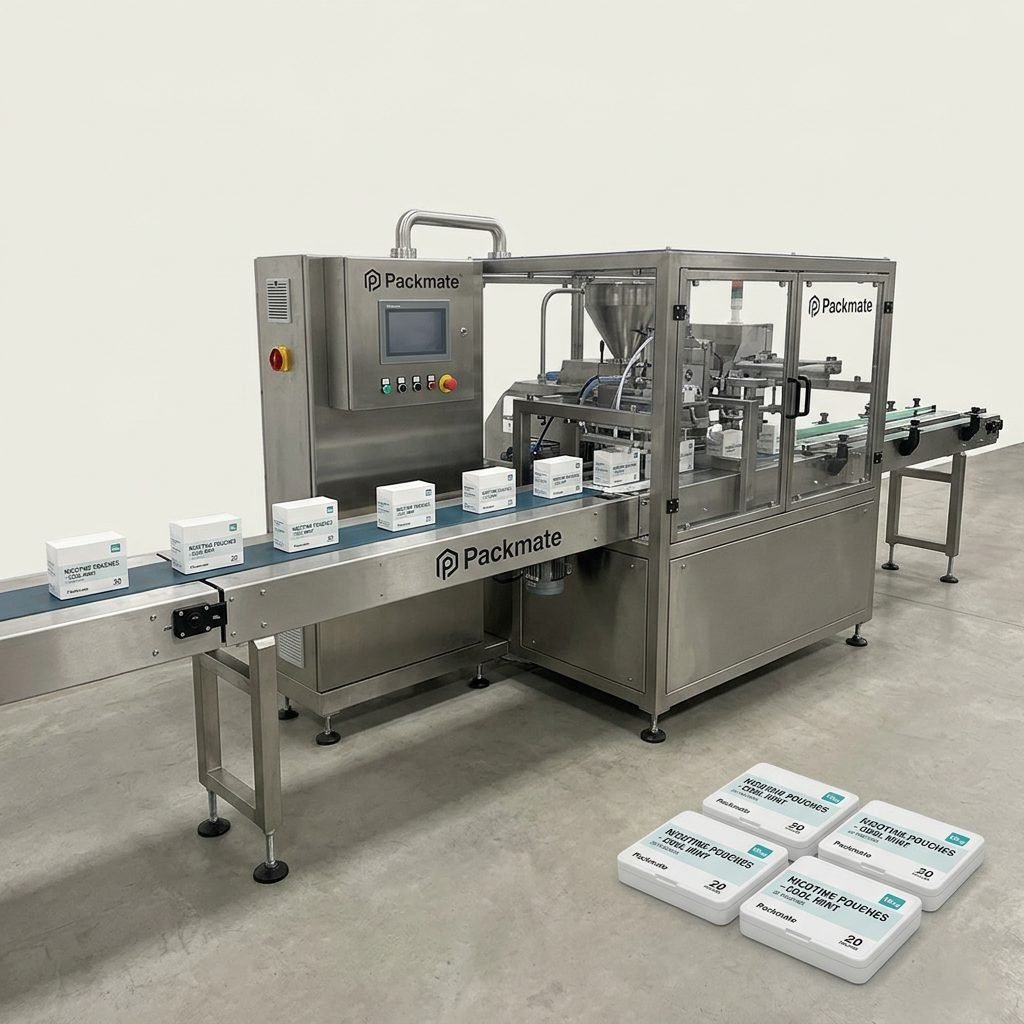
If your plan includes a mix of formats, consider modular machines or a flexible production line to switch between formats quickly. For dedicated snus or nicotine pouch production lines, view specialized solutions like Snus & Nicotine Packaging Machines and Sachet & Stick Pack Machines.
🔧
Quick checklist:
✓ Product format defined (pouch/stick/sachet)
✓ Required output capacity (units/minute or bags/hour)
✓ Material compatibility (films, barrier laminates)
✓ Regulatory and labeling capabilities (serialization, date codes)
Calculate capacity: speed, lanes and uptime
Capacity planning is a key decision: will you produce a few hundred thousand units per month or millions? Machine speed is commonly expressed as units per minute, but real-world output depends on film changes, maintenance, and shift patterns. Multi-lane machines (2, 4, 6 lanes or more) increase throughput without raising individual lane speed, allowing stable dosing and reduced wear. When targeting Moldova, consider seasonal demand spikes and export opportunities to neighboring markets when sizing your line.
Material compatibility and sealing technology
Product integrity depends on correct film and seal selection. Barrier laminates extend shelf life for moist pouches, while heat-seal, ultrasonic, or cold-seal technologies suit different substrates. Ensure the machine supports the specific materials you plan to source in Moldova or import. If you anticipate switching films, opt for equipment with quick-change sealing modules and adjustable temperature controls.
Automation, integration and auxiliary systems
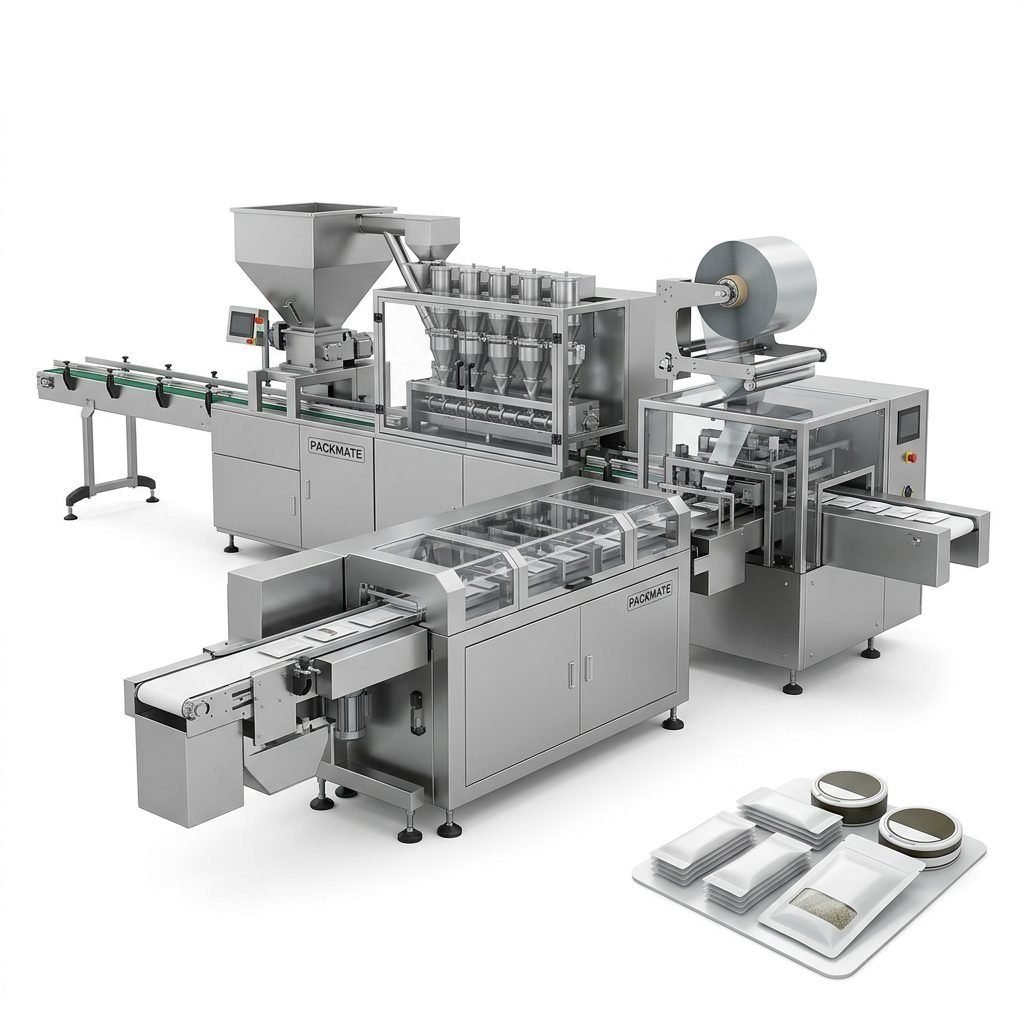
Modern production lines are integrated systems: feeding, weighing, dosing, packaging, labeling, cartoning and palletizing. Selecting a supplier who can provide a turnkey line or modular components saves integration headaches. Consider weighing & checkweighing integration, and choose compatible upstream/downstream modules to maintain traceability and efficiency. Explore systems like Weighing & Packaging Systems to see typical integration options.
Quality assurance, testing and certification
Machines must deliver consistent fill weights, seal integrity, and correct labeling. Insist on in-line inspection tools (vision systems, leak detection, weight checks). Working with manufacturers that hold CE and ISO certifications helps ensure machine safety, electrical conformity, and quality management systems — documentation that also helps with Moldovan customs and regulatory checks. You can review common certifications and references with the supplier before purchase.
📌
Important: request machine test reports, sample production videos, and live demos when possible.
Maintenance, spare parts and local support
In Moldova, timely access to spare parts and technical service can make or break uptime. Choose a supplier with clear spare-parts lists, service contracts, and remote-support capabilities. Preventive maintenance contracts and staff training reduce downtime. Confirm typical lead times for wear parts and whether the supplier can ship spares directly or via regional partners.
Total cost of ownership (TCO) beyond purchase price
Evaluate energy consumption, consumables, labor requirements, planned downtime, and spare parts costs. A cheaper machine with higher energy use and more frequent maintenance often costs more over five years. Consider also packaging material cost per unit and film yield — machines that reduce scrap deliver savings over time.
Site planning and installation in Moldova
Plan your production space for the machine footprint, service access, and material flow. Moldova’s industrial areas generally provide standard European power supplies, but confirm voltage, air supply, and wastewater routing for sealants or adhesives. Customs clearance and import logistics may add lead time: allow extra time for documentation, CE certificates, and customs declarations. Consider working with suppliers who can help coordinate shipping and local installation.
Supplier selection: what to ask
When evaluating vendors, ask specific questions:
– Can you provide references or global case studies in similar markets? (request Case studies).
– Do you offer turnkey lines including weighing and auxiliary equipment? (see Weighing & Packaging Systems).
– What is included in warranty and after-sales service? Is on-site commissioning available?
– Can you adapt machinery for Moldova-specific labeling and language requirements on HMI panels?
Why supplier track record matters
A manufacturer with long-term experience in snus equipment understands dosing challenges, multi-lane balancing, and film behavior with moist pouches. Companies that have invested in precision CNC machining and strict QA — and that provide documented certifications and factory tours — reduce procurement risk. If you want to learn more about manufacturer background and capabilities, visit About Packmate and check certificates to verify manufacturing standards.
Decision checklist before signing
– Confirm product types and expected SKU mix.
– Validate machine speed versus real expected uptime.
– Get a clear spare-parts list, lead times, and recommended spares stock.
– Check integration capabilities with auxiliary equipment.
– Request a factory acceptance test (FAT) or sample runs and ask for recorded demos if travel is limited.
✅
Key performance indicators to track after purchase:
– Actual yield vs. expected yield
– Mean time between failures (MTBF)
– Cost per pack (materials + energy + labor)
Practical local tips for Moldovan operators
– Train local operators in preventive maintenance and basic troubleshooting; local teams with machine knowledge reduce dependency on distant technicians.
– Consider packaging sizes that reflect local purchasing patterns: small multi-packs and trial sizes are often attractive to value-conscious buyers in Moldova.
– Partner with local logistics providers experienced in regulated products to minimize delays at customs.
Where to see proven equipment and case studies
Ask your supplier for real-world case studies and exhibition demos. Visiting a live line or watching a detailed machine trial video reveals real production behavior. Explore manufacturer cases and product pages for examples and technical specs; for instance, check the Snus & Nicotine Packaging Machines and Sachet & Stick Pack Machines to compare common configurations.
If you are comparing suppliers, request contactable references from clients in similar regions or industries. A reputable vendor will provide factory tours, references, and documented performance metrics.
Final thoughts before purchase
Buying a snus packaging machine for the Moldova market is a strategic decision that blends technical fit, regulatory readiness, and local market insight. Focus on long-term reliability, spare parts availability, and the flexibility to adapt to changing SKUs. A well-chosen machine will deliver lower cost per pack, higher uptime, and the ability to scale as demand grows.
For more information on typical equipment layouts and turnkey options, review Weighing & Packaging Systems and consult manufacturer certification pages to confirm standards compliance.
Frequently Asked Questions
Q1: What machine format is best for small-batch nicotine pouches in Moldova?
A1: For small-batch production, flexible modular machines or single-lane pouch machines are ideal because they lower initial investment and simplify changeovers. Multi-lane units are better if you plan to scale quickly.
Q2: How important are CE and ISO certifications when importing equipment to Moldova?
A2: Very important. Certifications help satisfy local customs and safety requirements and demonstrate that manufacturing quality and safety standards are met.
Q3: Can suppliers help with installation and operator training locally?
A3: Many established suppliers offer on-site commissioning and training. Confirm scope and any travel costs upfront and check references for the supplier’s training quality.
Q4: What spare parts should I stock to minimize downtime?
A4: Stock common wear parts such as belts, sealing jaws, temperature sensors, and critical electrical components. The exact list depends on the machine model — request a recommended spare parts kit from the manufacturer.
Q5: Where can I view product pages and manufacturer information?
A5: For detailed product information and manufacturer background, see Snus & Nicotine Packaging Machines, Sachet & Stick Pack Machines, Weighing & Packaging Systems, and About Packmate. For certification details, refer to the supplier’s certificate documentation.