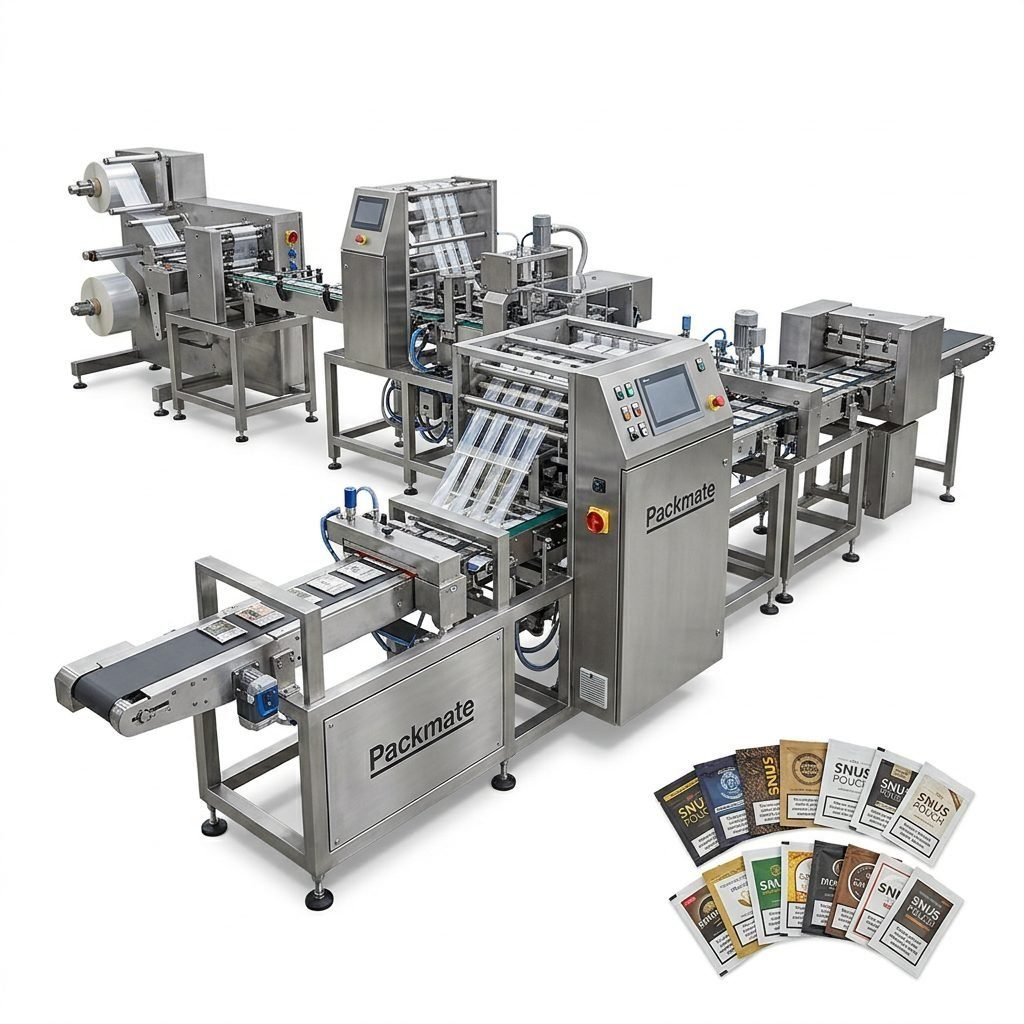
Choosing the best nicotine packaging machine in Peru requires a clear understanding of product types, production capacity, local regulations, and long-term service needs. This guide walks Peruvian manufacturers through technical considerations, supplier selection tips, cost factors, and practical commissioning advice so you can make an informed investment that supports growth, quality, and compliance.
Market Snapshot: Nicotine Pouch Packaging in Peru
Peru’s tobacco and nicotine-related markets are evolving, with demand for nicotine pouches and snus-style products rising among consumers seeking alternative nicotine delivery forms. Manufacturers in Peru prioritise machines that offer stable output, hygienic design, and the flexibility to switch formats quickly for new SKUs. Local manufacturers often prefer suppliers who can provide turnkey lines, spare parts, and training — especially for multi-lane systems that increase throughput while maintaining precision.
Why the Right Machine Matters
The correct packaging machine reduces waste, improves consistency, and helps you meet regulatory and quality expectations. Look for equipment built for low-dust handling, accurate dosing, and airtight seals — features that preserve product moisture, ensure nicotine stability, and enhance shelf life.
Types of Nicotine Packaging Machines to Consider
Manufacturers typically choose between several machine families depending on product form and production goals. Understanding these categories helps you narrow down the best fit for your facility:
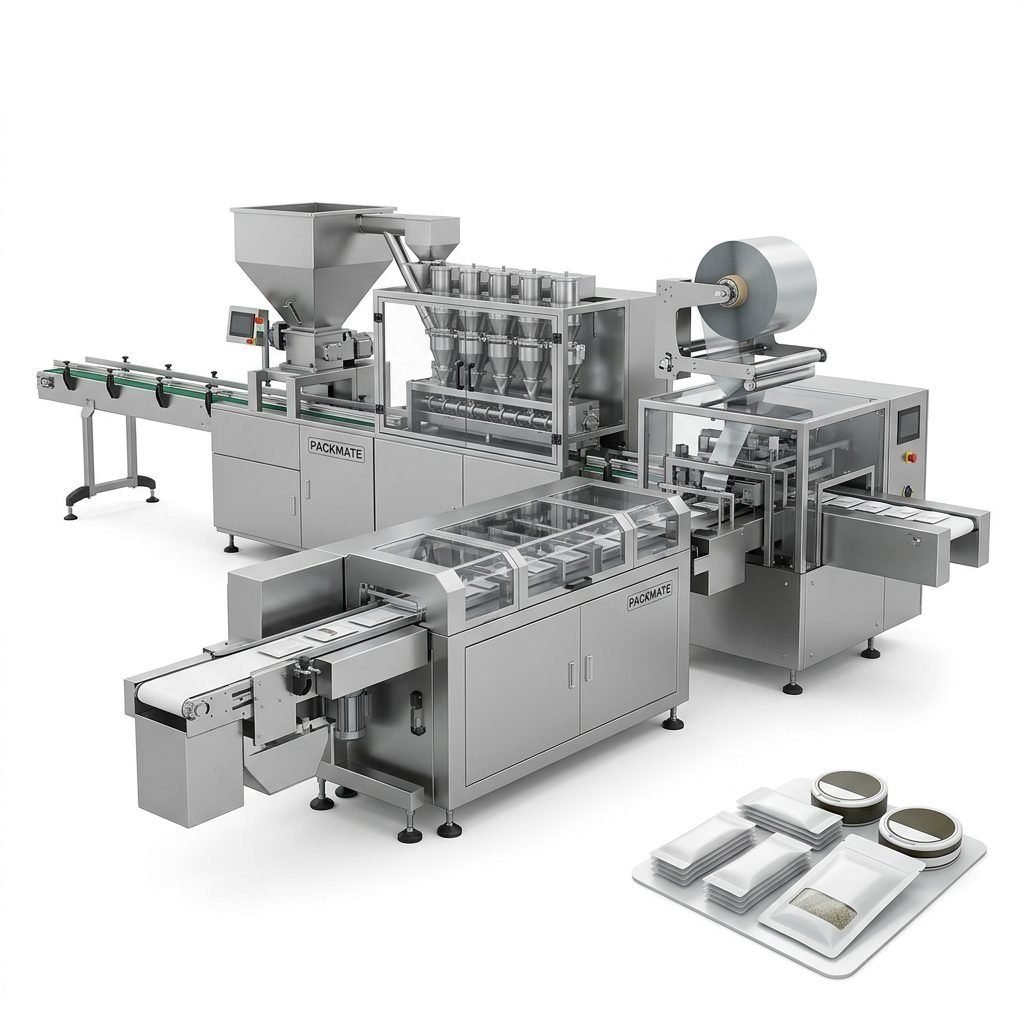
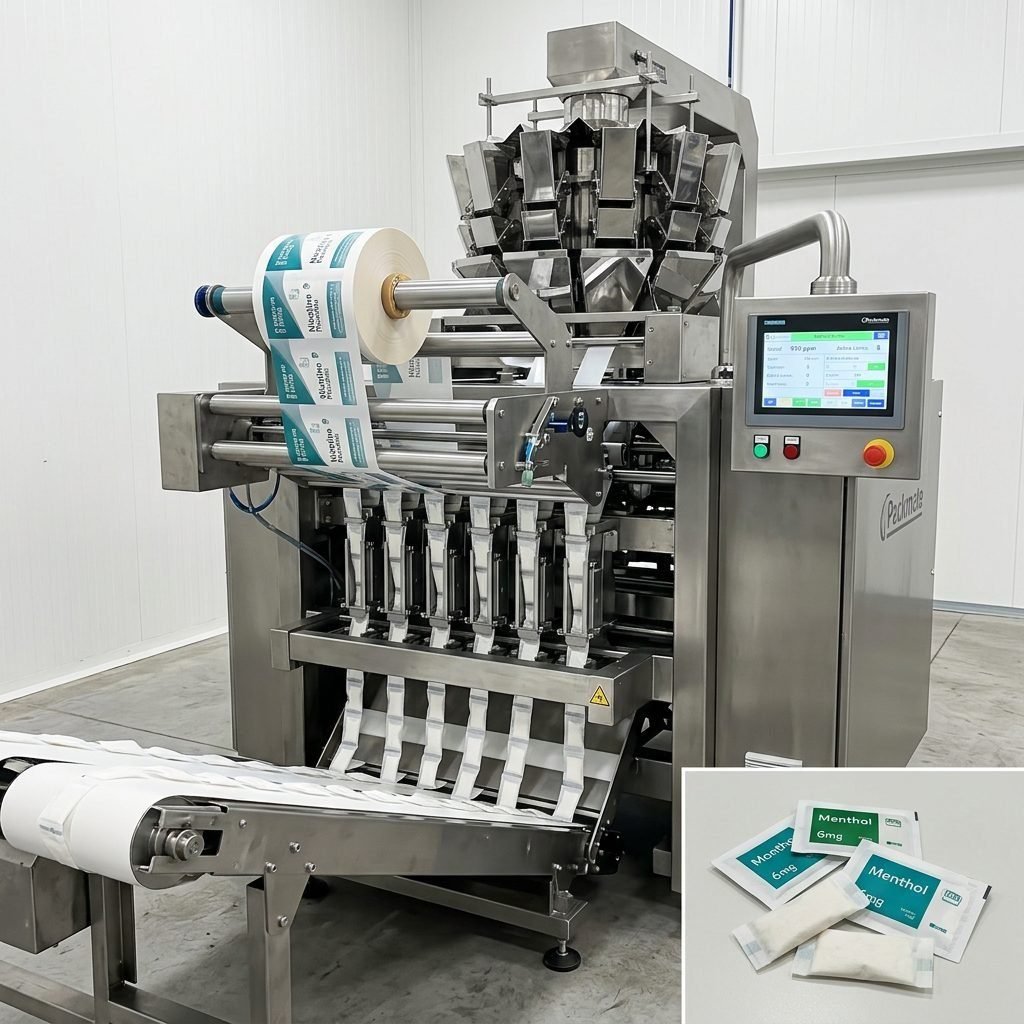
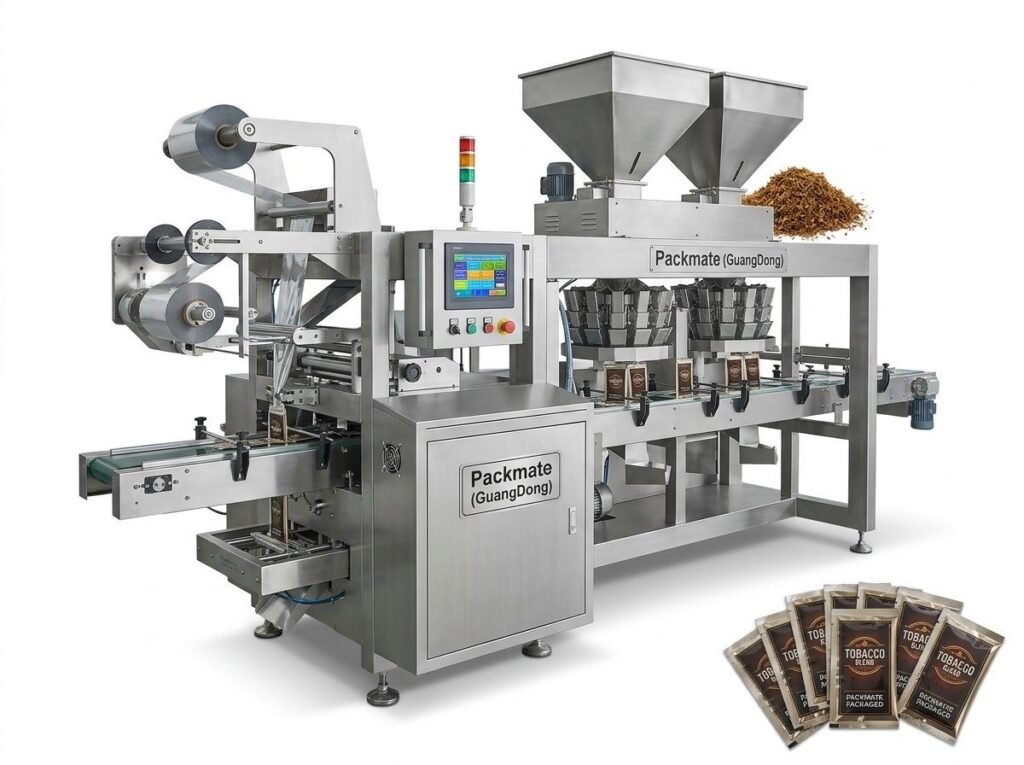
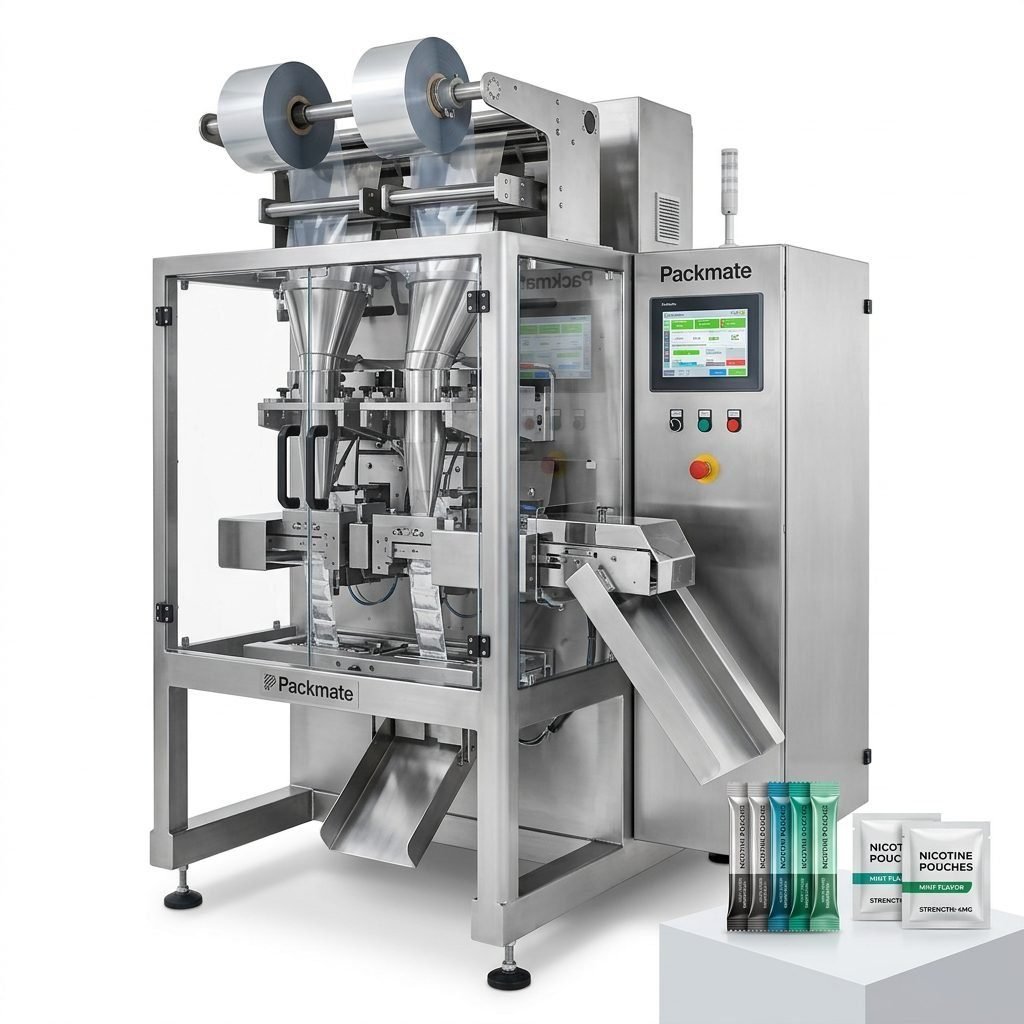
🔧 Pouch & Snus Packing Machines — Specialized for nicotine pouches and snus; provide precision filling, pouch forming, and heat or ultrasonic sealing.
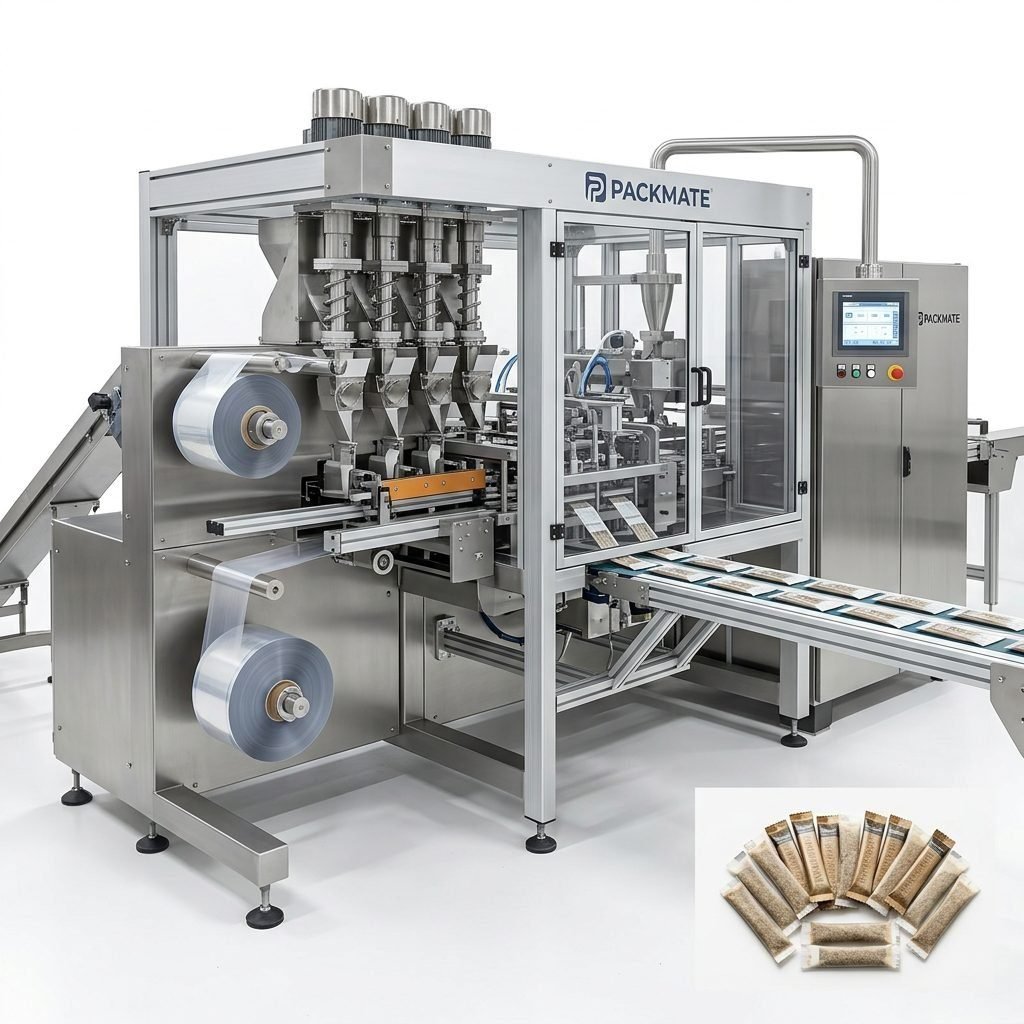
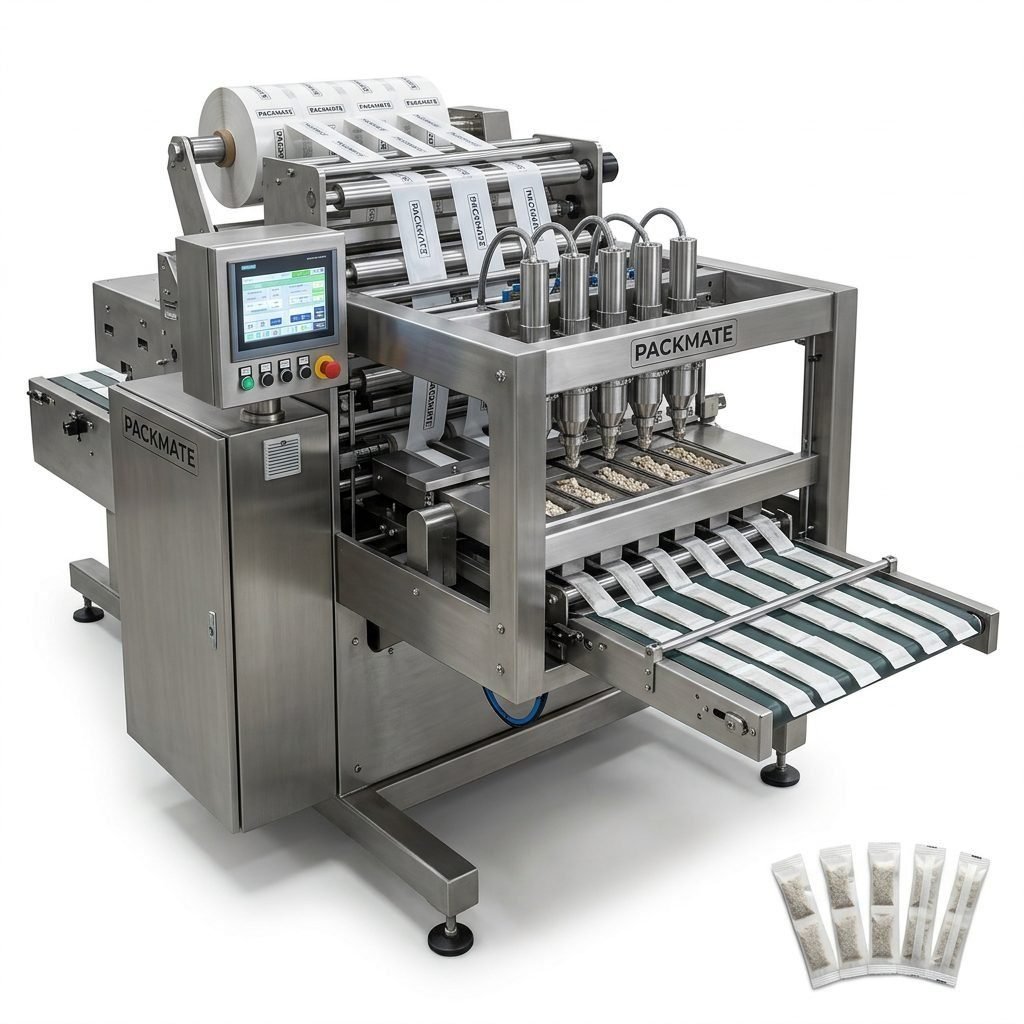
⚙️ Stick Pack & Sachet Machines — Ideal for single-dose sachets and stick packs when your product needs individual portions or promotional sizing.
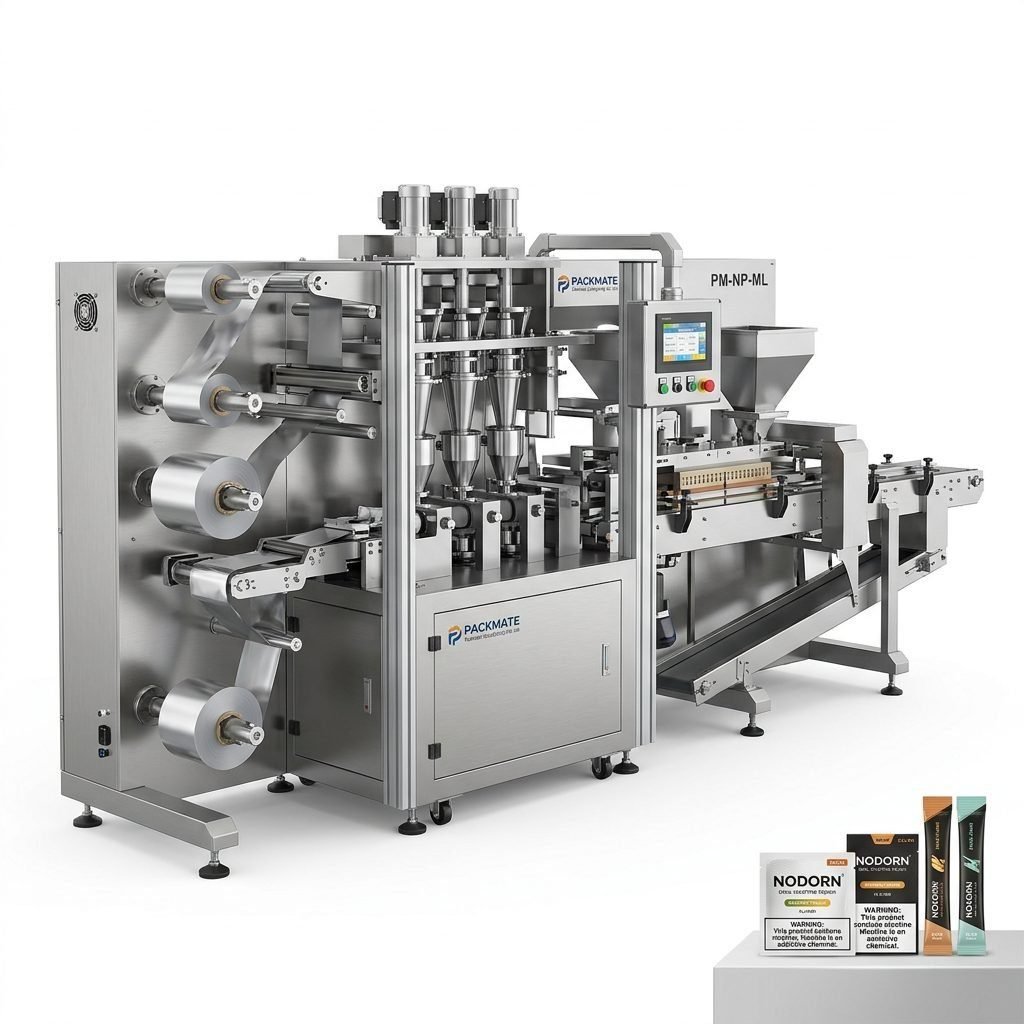
🧪 Multi-lane Systems — Multiply throughput by running several lanes simultaneously; excellent for scaling production without adding footprint proportionally.
Recommended resources
For detailed model overviews and technical specifications, consider product pages such as:
Snus & Nicotine Packaging Machines and
Sachet & Stick Pack Machines.
Key Technical Specifications to Evaluate
When you compare machines, focus on these measurable attributes. They directly impact product quality, yield, and operating cost:
✅ Throughput (pouches/min) — Ensure the machine meets your daily targets; multi-lane units often provide the best capacity-per-floor-space.
✅ Filling accuracy & dosing range — High-precision weighing or volumetric dosing reduces giveaway and ensures compliance with labelled nicotine content.
✅ Sealing method & package integrity — Heat, ultrasonic, or adhesive sealing choices affect barrier performance and production speed.
✅ Changeover time — Quick tool-free changeovers support multiple SKUs and reduce downtime.
Automation & Integration
Consider machines with PLC controls, recipe management, and HMI touchscreens for repeatable setups. Integration with weighing systems, metal detectors, and carton packing modules simplifies compliance and reduces manual handling. Check product families like the Weighing & Packaging Systems for combined solutions.
Customization and Turnkey Options
Many manufacturers benefit from bespoke line design that matches product form, regulatory requirements, and production layout. Ask suppliers about:
🛠️ Custom tooling, dosing heads, and lane configurations for novel pouch sizes or materials.
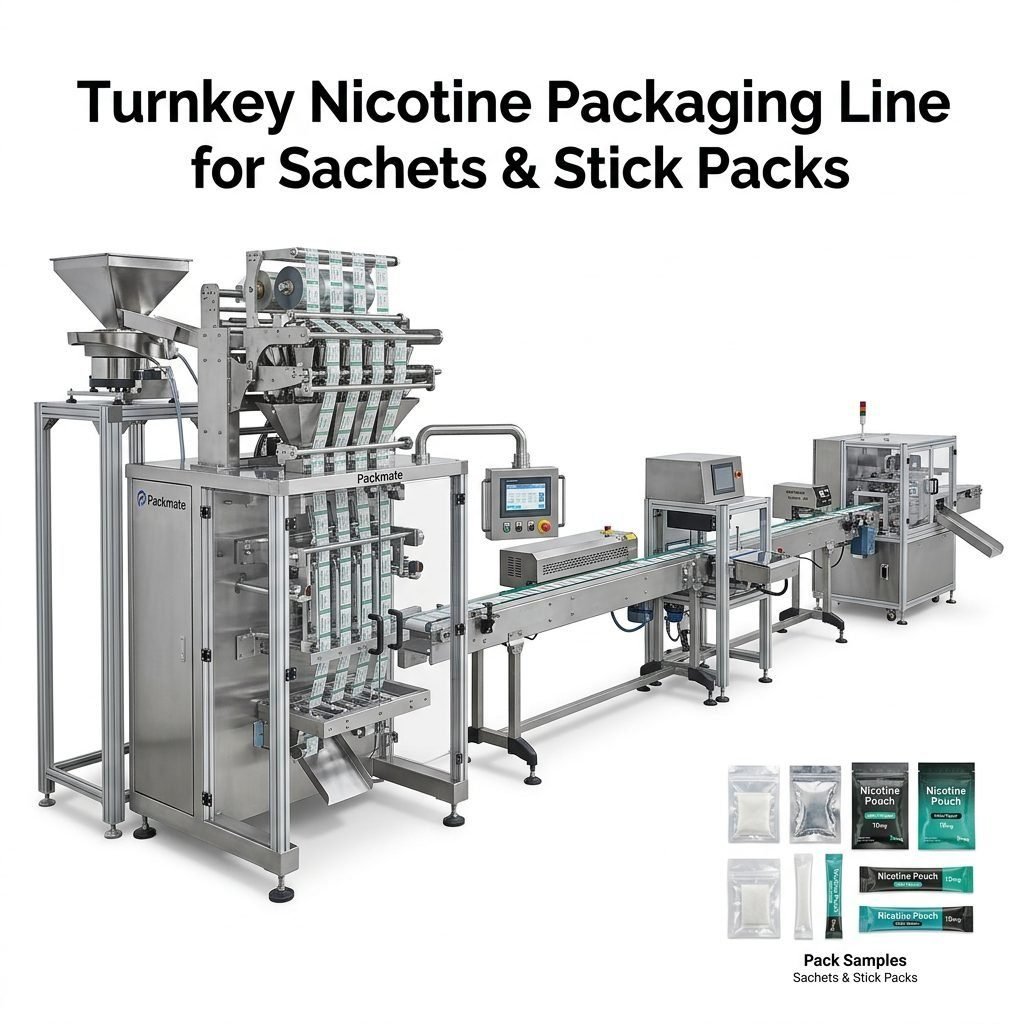
📦 Turnkey production lines that include upstream filling, labelling, metal detection, and downstream case packing.
🌍 Local compliance support and documentation for Peruvian regulatory needs and international export standards.
Selecting a Reliable Supplier
Supplier reliability affects uptime, spare part availability, and the long-term cost of ownership. Use the following checklist when evaluating suppliers:
– Proven industry experience (look for companies with decades of engineering background).
– Factory capability: advanced CNC, precision assembly, and rigorous testing ensure machine durability.
– Certifications such as CE and ISO that demonstrate compliance and quality controls.
– Global support and exhibition presence — suppliers who show machines at international exhibitions and maintain case studies often provide better after-sales support.
Packmate Snus Machine, for example, lists its background, factory capabilities, and case stories — useful references to verify experience and service scope: About Packmate and Case.
Questions to ask a potential vendor
– What is the machine’s expected OEE (Overall Equipment Effectiveness) in a nicotine pouch line?
– Can you provide references or site visits to similar installations?
– What is included in the warranty, and how fast are spare parts shipped to Peru?
– Do you provide installation, commissioning, and operator training on site?
Cost Considerations & Total Cost of Ownership (TCO)
Purchase price is only part of the decision. Estimate the following to understand TCO:
💸 Initial investment — machine, tooling, and any necessary infrastructure upgrades (air, power, dust control).
🔧 Maintenance & spare parts — availability and cost of critical spares (sealers, drive belts, sensors).
👥 Training & labour — automated lines reduce headcount but need skilled technicians for maintenance.
♻️ Waste & yield — precise dosing and reliable seals lower material losses and improve margins.
Regulatory Compliance & Certification
Ensure the selected equipment helps you meet local and export regulations: hygienic designs (stainless steel contact parts), CE/ISO certifications, electromagnetic compatibility, and appropriate documentation for nicotine product manufacturing. Suppliers should provide detailed qualification paperwork, which simplifies audits and permits.
Installation, Commissioning, and Training
A smooth handover maximises early uptime. Plan for:
– Pre-installation site survey (floor loading, utilities, and environmental conditions).
– On-site mechanical and electrical installation by experienced technicians.
– Validation runs with your product to tune dosing, sealing, and speed.
– Comprehensive operator and maintenance training, plus detailed manuals and spare parts kits.
Local service & spare parts strategy
Establish a spare parts plan — keep critical consumables and fast-moving spares in-country to reduce downtime. Confirm the supplier’s lead times for parts shipped from overseas and whether they have local partners or distributors in Latin America who can expedite service.
Practical Checklist Before Purchase
Use this practical checklist to validate potential machines:
– Performance guarantees: test-run data for your product.
– Clear scope: what is included (control cabinets, safety guards, spare kits).
– Acceptance testing: FAT (Factory Acceptance Test) and SAT (Site Acceptance Test) terms.
– After-sales support: response times, remote diagnostics, and training packages.
– References & cases: verify installations in similar markets and products.
Real-World Example & Further Reading
Leading snus and nicotine machinery manufacturers highlight their successful installations and turnkey packaging lines on sites such as the Packmate product pages. Explore product ranges and full production line examples to visualise how a machine will operate within your workflow: Filling & Packaging Lines and Auxiliary Packaging Equipment.
Final Recommendations for Peruvian Manufacturers
– Prioritise machines with proven multi-lane options if you expect to scale production quickly.
– Choose suppliers with long-term engineering experience, documented case studies, and clear service commitments.
– Plan for a complete line rather than a single machine to ensure upstream and downstream compatibility.
– Confirm local compliance and documentation early to avoid delays during regulatory reviews.
🔎 Quick action points: schedule a demo, request FAT data with your product, secure a spare-parts list, and confirm installation timelines.
Common Questions (FAQs)
Q1: What machine type is best for small-batch nicotine pouch production?
A1: For small-batch flexibility, single- to four-lane pouch machines or modular stick-pack systems provide quick changeovers and lower initial costs while still maintaining precision dosing.
Q2: How do I ensure product quality and dosing accuracy?
A2: Choose machines with high-precision weighing or servo-driven volumetric dosing, and request validation runs with your actual product to confirm consistency and yield.
Q3: What after-sales support should I expect from a reputable supplier?
A3: Look for comprehensive packages that include installation, commissioning, operator training, spare parts kits, and responsive remote diagnostics. Suppliers with global exhibition presence and documented case studies tend to offer stronger support networks.
Q4: Are turnkey solutions more cost-effective than buying individual machines?
A4: Turnkey solutions reduce integration risk and often lower total cost of ownership by ensuring all components are matched and optimised. They are particularly valuable when starting a new production line for nicotine products.
Q5: Where can I find trusted machine models and detailed specifications?
A5: Visit dedicated product pages such as Snus & Nicotine Packaging Machines and related product categories to compare models, download catalogs, and contact manufacturers for quotations and FAT arrangements.