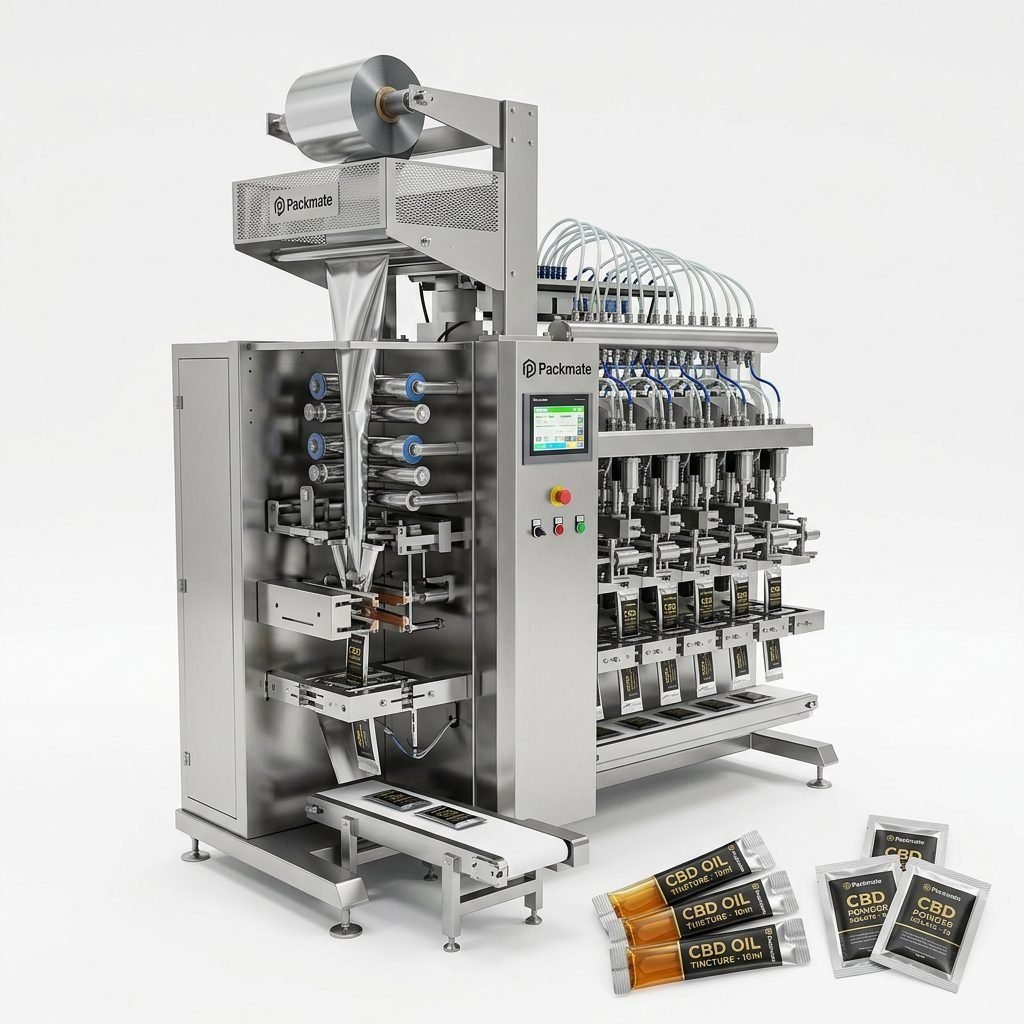
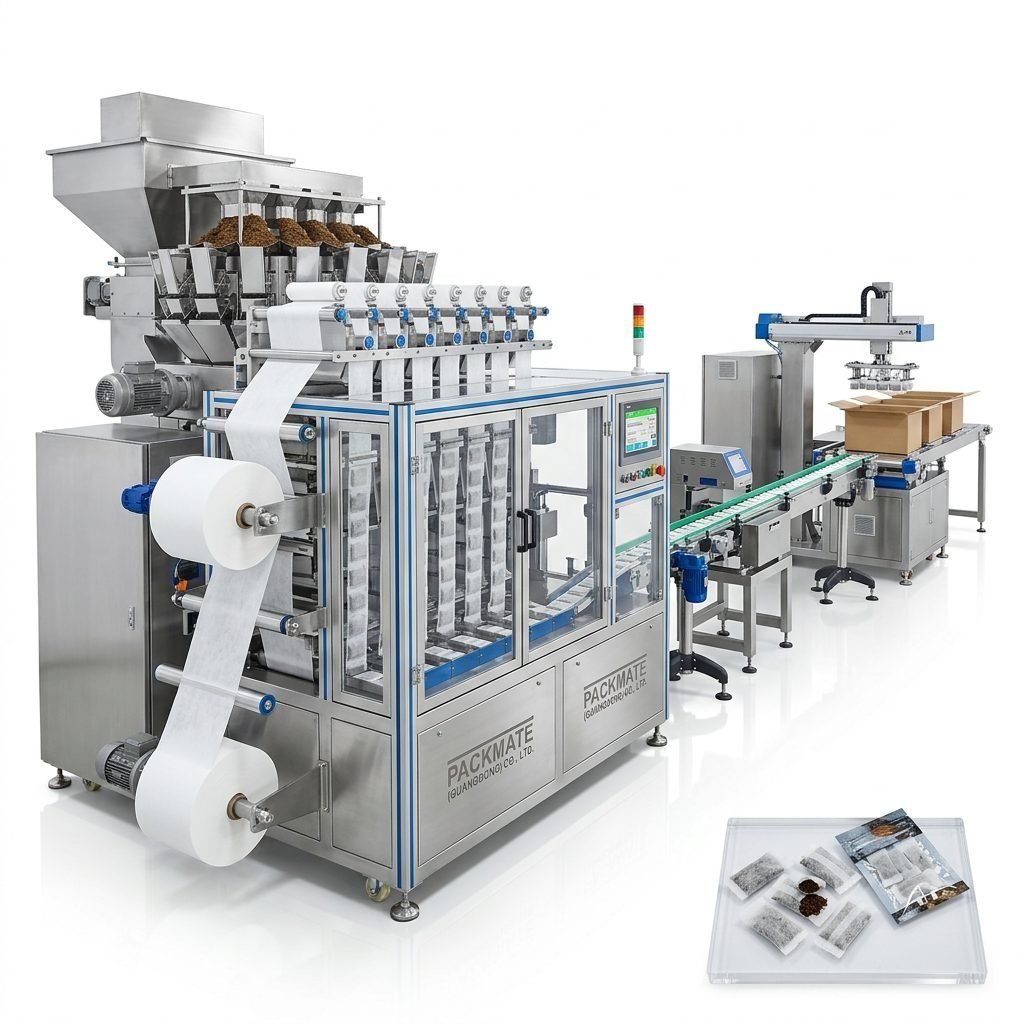
Choosing the right snus packaging machine in San Marino requires balancing regulatory requirements, production volumes, product formats, and long-term service. This practical buyer’s guide walks you through the critical decisions — from machine type and speed to certifications, factory capabilities, and total cost of ownership — so you can make a confident purchase that fits your plant, product and business goals.
Understand Local Regulations & Product Compliance
San Marino and EU markets place emphasis on labeling, child-resistant solutions, and product traceability for nicotine products. Before specifying equipment, confirm requirements for pack labeling, batch coding, and tamper evidence. Machines that support inline date/lot printers, serialization and easy label updates will save time and ensure compliance.
Key regulatory checklist
⚠️ Confirm local nicotine & tobacco packaging rules, required warnings and child-safety closures. Ensure your chosen system can integrate coding and labeling modules.
Select the Right Machine Type for Your Product
Not all snus lines are the same. Make your selection based on final product format, accuracy and presentation:
Stick Pack & Sachet Systems
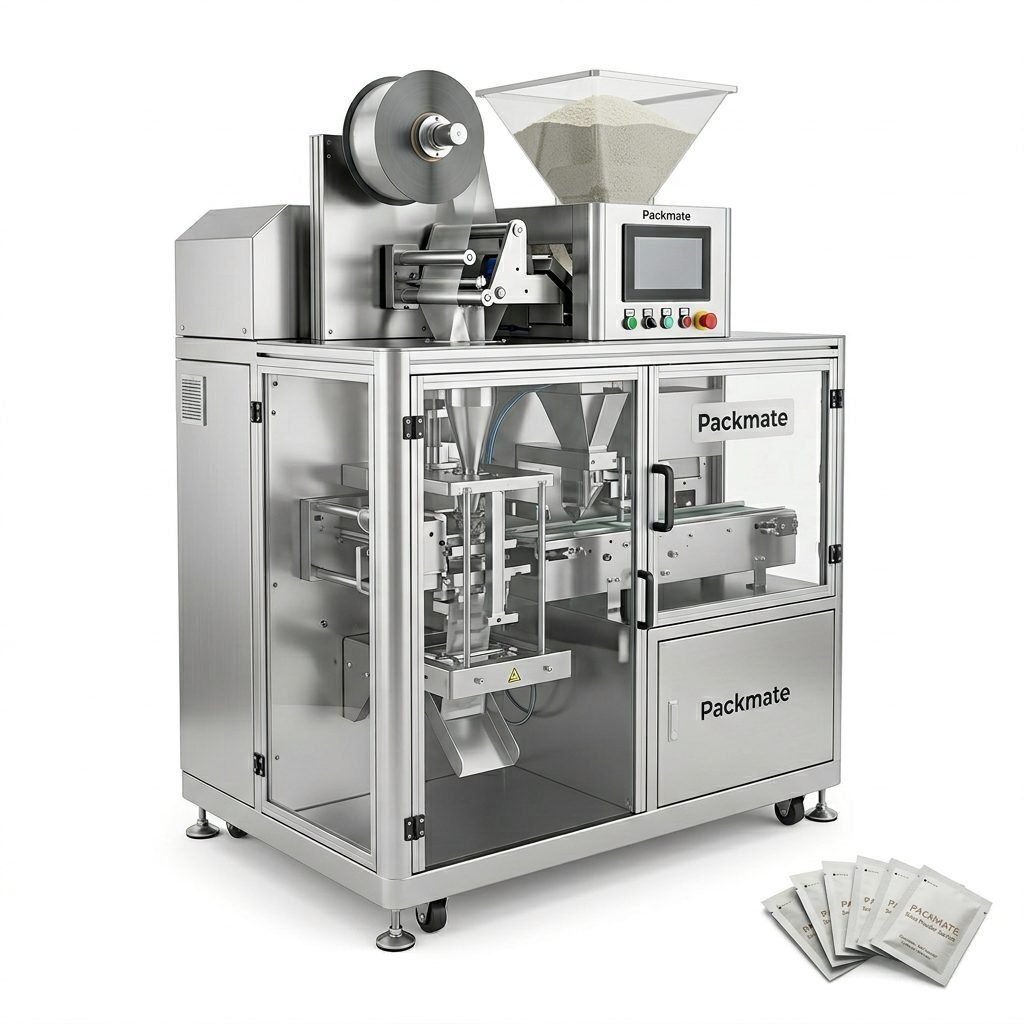
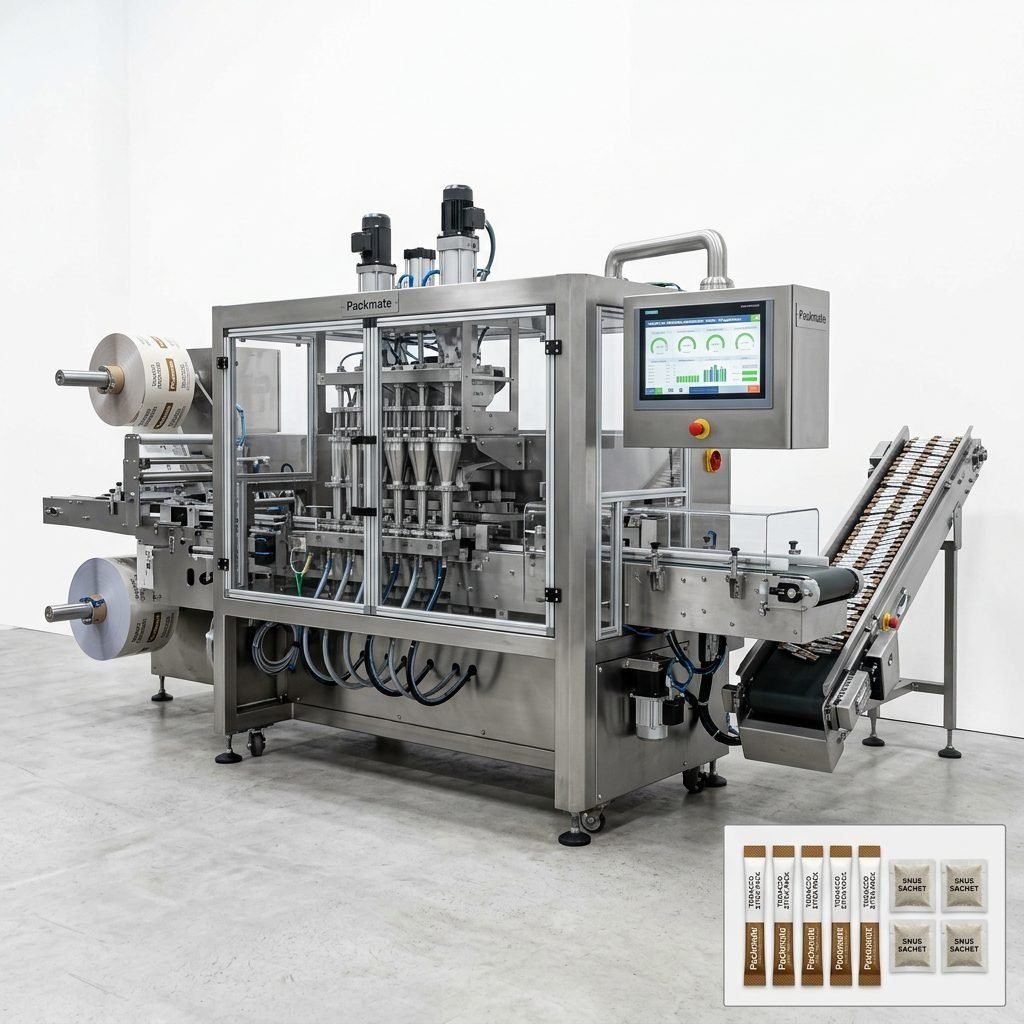
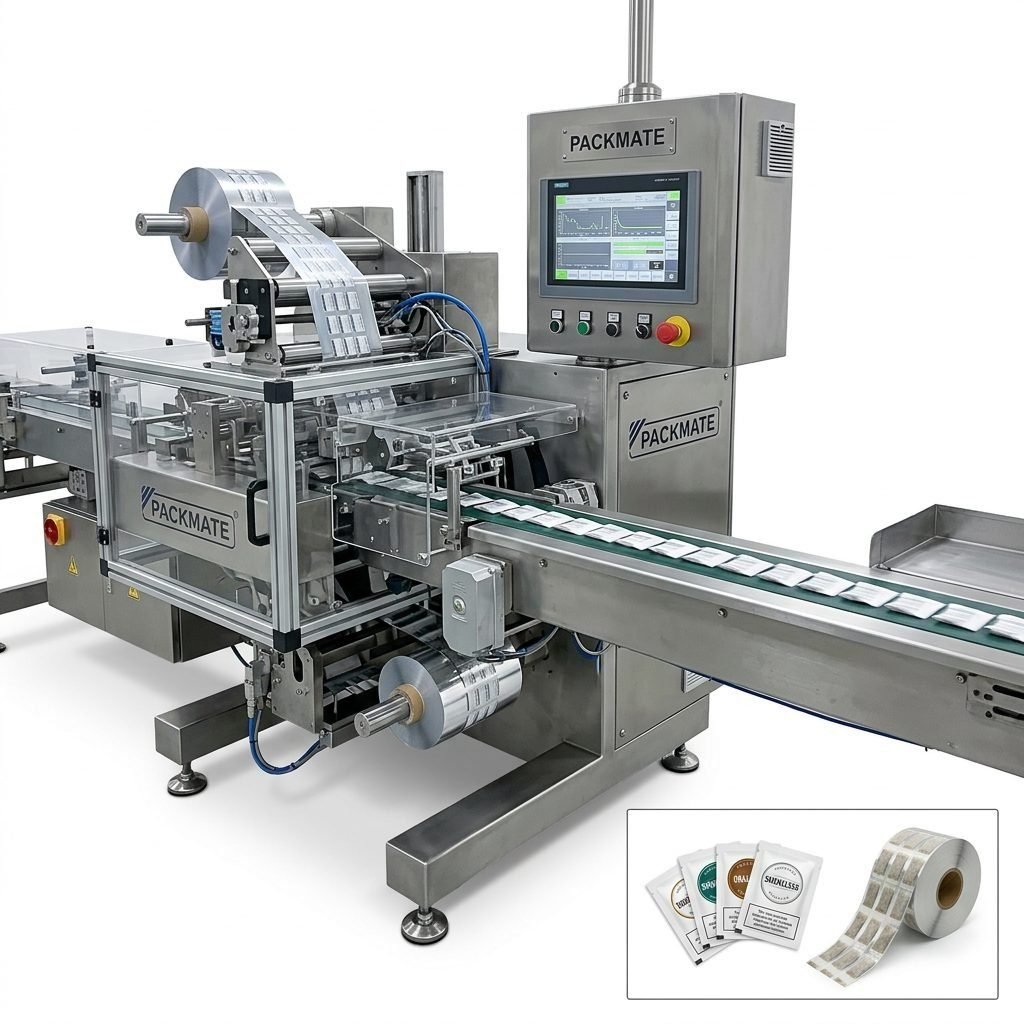
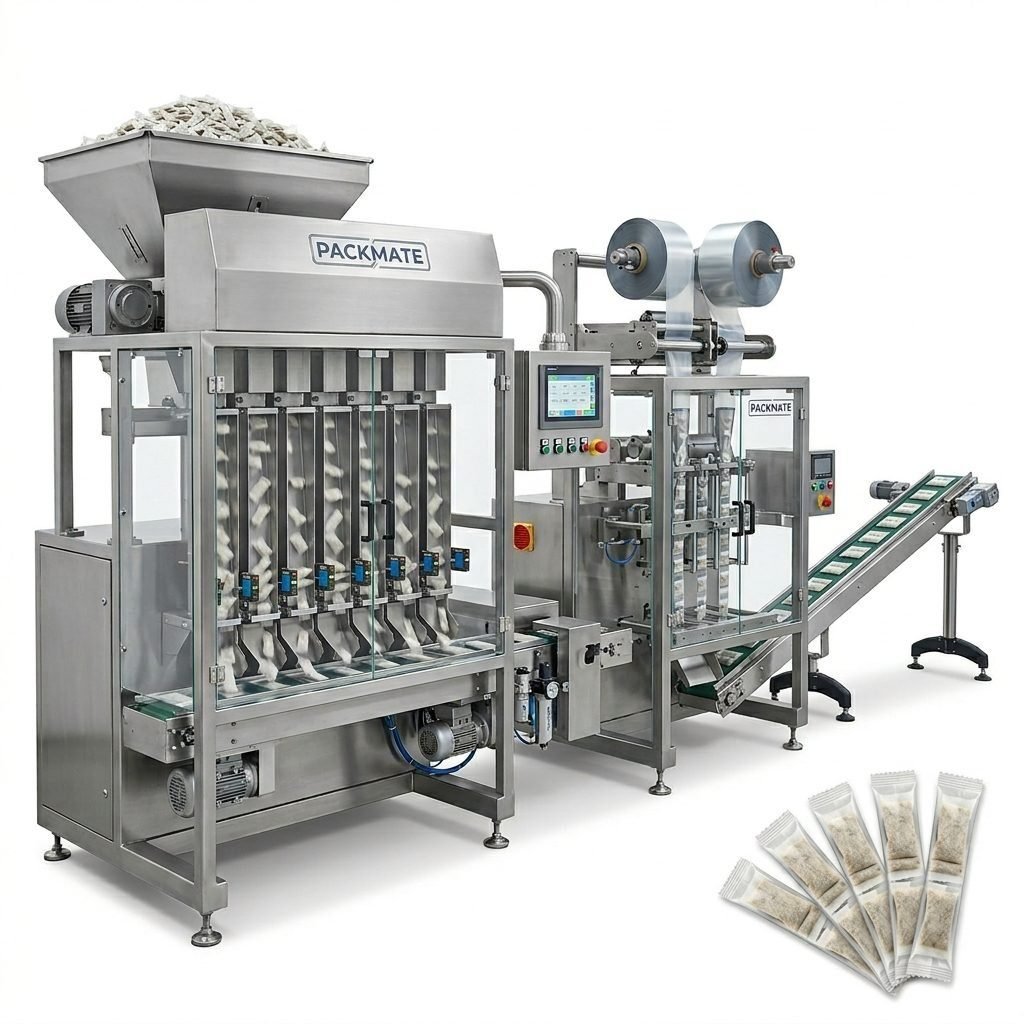
Stick packs are ideal for single-dose delivery and retail convenience; sachet machines offer flexible pouch shapes. Both formats are produced on high-speed vertical form fill seal platforms. If you plan to offer varied portion sizes, choose a system with quick-change tooling and programmable portion weights.
Multi-lane Systems for High Throughput
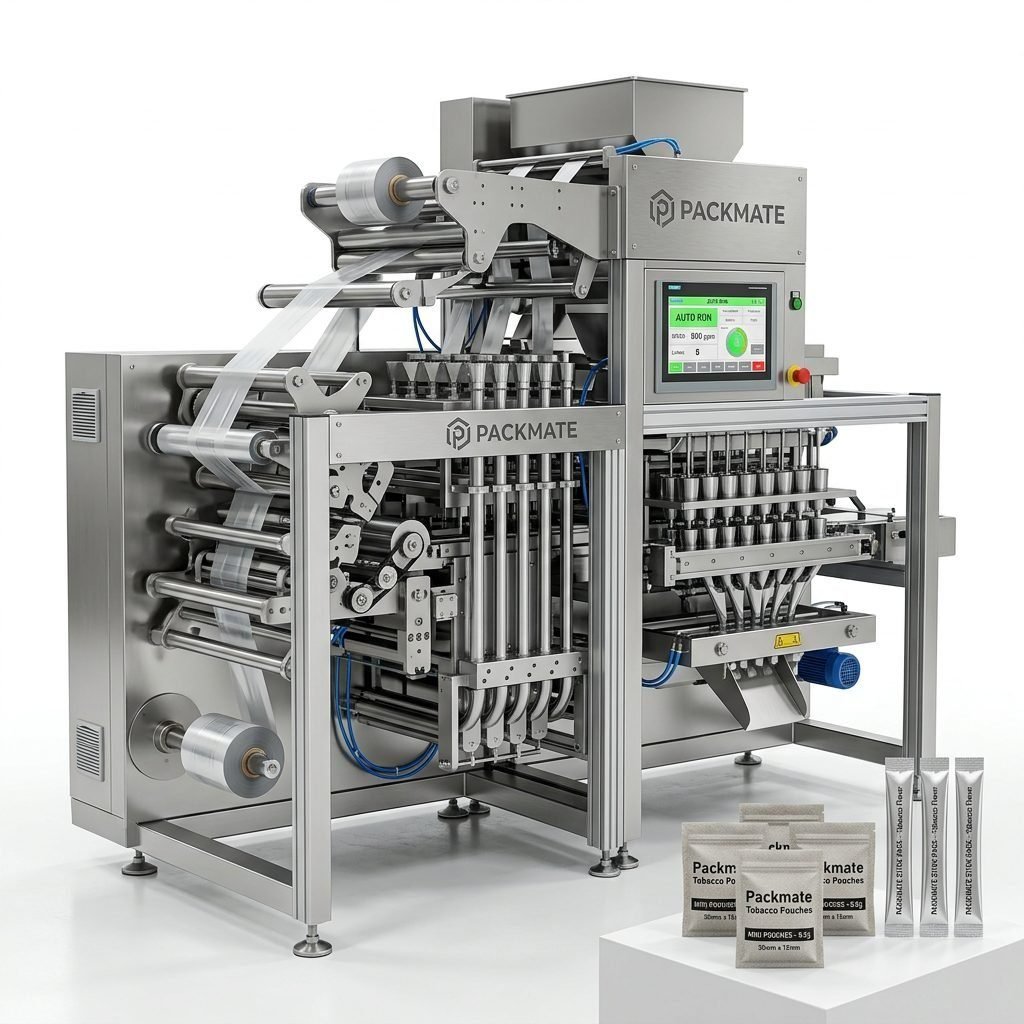
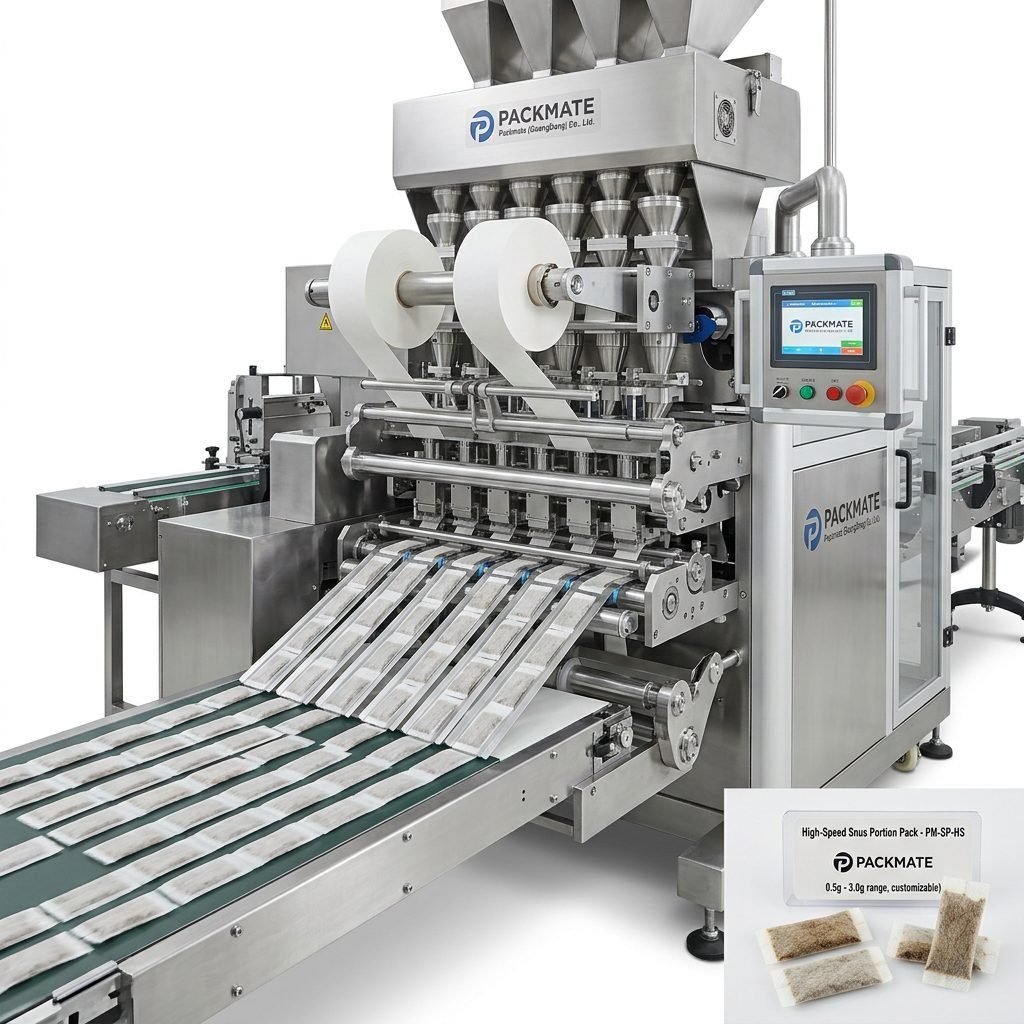
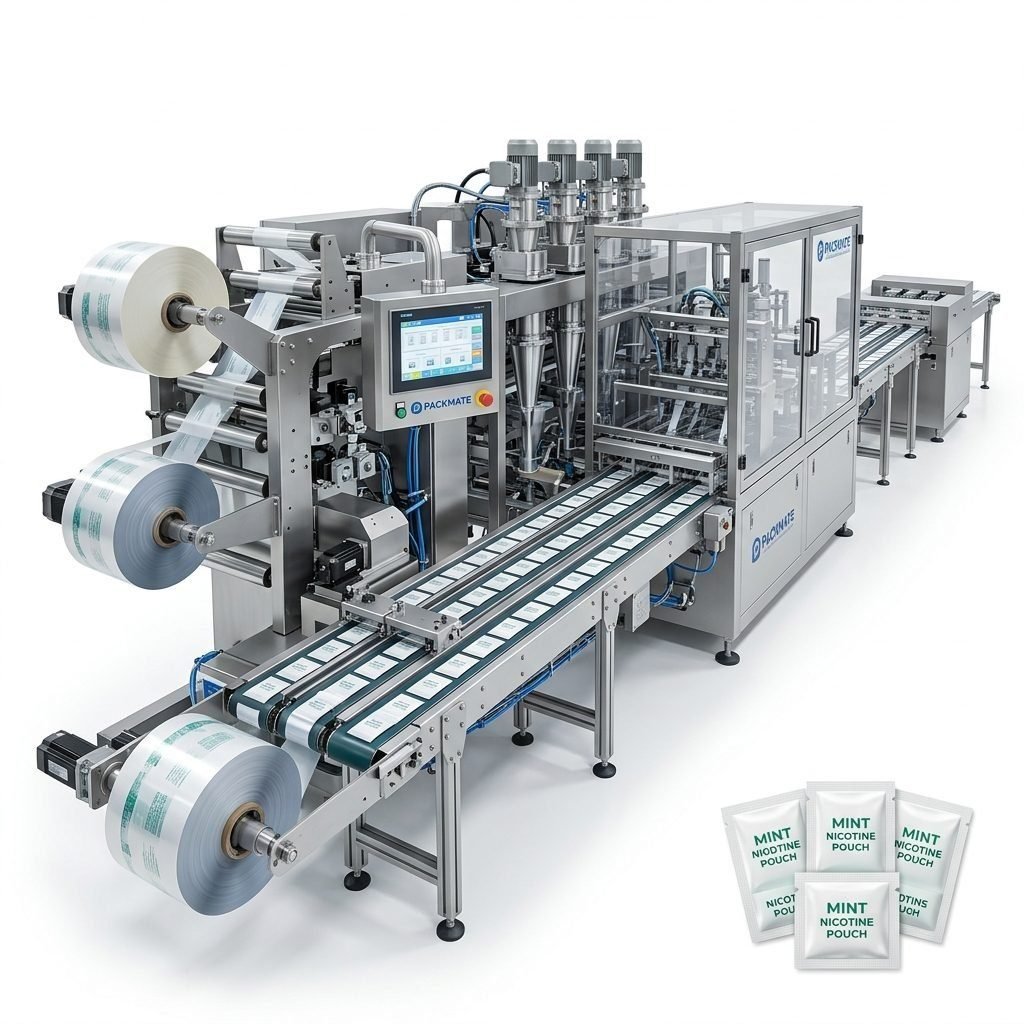
Multi-lane lines dramatically increase output for small-dose nicotine pouches. Look for synchronized servo drives and robust web handling to keep lane registration precise. If your product demand is growing, multi-lane options provide the scalability you need.
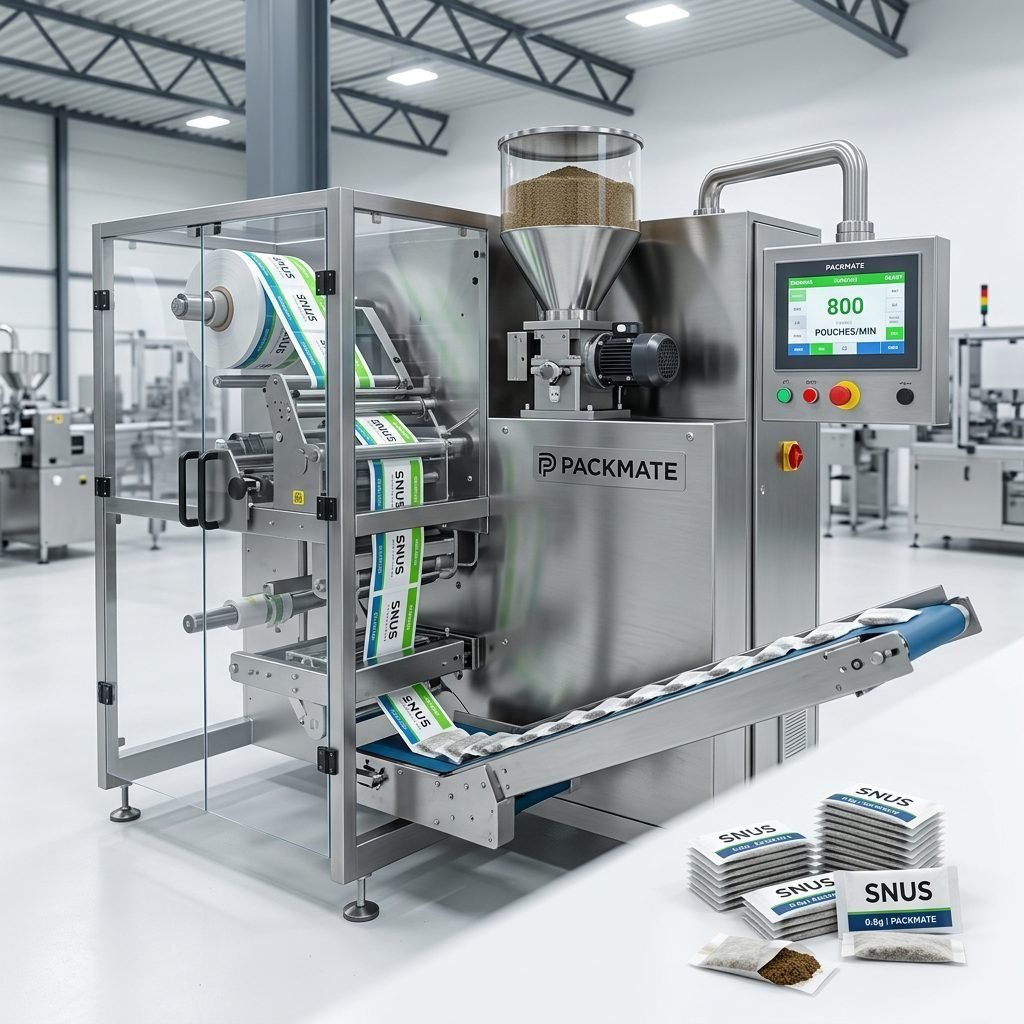
Explore examples of reliable platforms: Snus & Nicotine Packaging Machines and Sachet & Stick Pack Machines provide a range of models covering low to very high speed production.
Key Technical Specifications to Compare
When evaluating offers, focus on technical specs that impact performance and operating cost:
- Throughput (pouches/min per lane and total lines)
- Filling accuracy (g or mg tolerance) and dosing technology
- Changeover time and tool-less adjustments
- Available materials (films, laminate compatibility, barrier films)
- Automation features: HMI, recipe management, remote diagnostics
- Maintenance accessibility and Mean Time Between Failures (MTBF)
🔧 Tip: Prioritize machines with servo-driven motion and recipe-based HMIs — these features reduce waste during changeovers and make multi-product runs efficient.
Production Planning: Capacity, Shift Patterns & Scalability
Calculate intended daily throughput before selecting a model. Factor in product mix, expected downtime, cleaning intervals and staff skill levels. A machine that seems adequate today may constrain growth next year if it lacks modular scalability.
Consider these scenarios:
- Low volume pilot production: choose flexible single-lane systems with fast format changes.
- Medium volume commercial lines: multi-functional sachet/stick pack machines with moderate lane counts.
- High volume mass production: multi-lane automated lines with integrated feeding, weighing, and secondary packaging.
Materials & Packaging Formats
The types of web materials and barrier films you use influence sealing temperatures, dwell time and machine tooling. Verify that the supplier has experience with your chosen materials and can provide test runs or sample processing data.
Quality, Certifications & Factory Capability
Always validate manufacturer credentials. Machines with CE and ISO compliance demonstrate adherence to international safety and quality standards. Ask for factory tour options, production photos, and testing records to confirm manufacturing rigor.
Packmate Snus Machine highlights: 30+ years of engineering experience, a 20,000㎡ manufacturing facility with advanced CNC centers, and a broad portfolio of machines and turnkey solutions. See more on their company profile: About Packmate.
What to request from the factory
✅ Detailed machine drawings and electrical diagrams
✅ FAT (Factory Acceptance Test) videos with your product or a close analogue
✅ Spare parts list and recommended spares stocking plan
After-sales Support, Spare Parts & Local Service
After-sales service is a decisive factor. Confirm lead times for spare parts, availability of remote support, and options for commissioning and operator training. A supplier with an international spare parts network and documented service response times reduces downtime risk.
Look for service offerings such as extended warranty packages, onsite commissioning, training for multiple shifts, and preventive maintenance schedules. You can also review their global cases to gauge experience: Case Studies.
Total Cost of Ownership (TCO) & Return on Investment (ROI)
Beyond purchase price, estimate TCO including installation, training, spare parts, consumables, energy usage and expected life. Compare projected output and yield improvements to calculate ROI. Machines with higher automation may have a higher initial cost but deliver lower labor and waste costs.
📈 ROI example: A multi-lane line reducing labor by two operators and lowering scrap by 3% often pays back within 18–30 months depending on production volumes.
Factory Acceptance & Site Installation
Insist on a comprehensive FAT that demonstrates performance with your product or a close analogue. Document acceptance criteria, test recipes and perform pre-shipment checklists. For installation, ensure the supplier provides detailed utility requirements (power, vacuum, air, drainage) and layout drawings for smooth onsite setup.
Customization & Integration with Upstream/Downstream Equipment
You may need integrated weighing, feeding, or secondary packaging. Choose a partner experienced in turnkey lines who can provide synchronized solutions — from filling and weighing to case packing and palletizing. See complementary systems like Weighing & Packaging Systems and Filling & Packaging Lines.
Commercial & Contract Considerations
Negotiate clear terms on delivery lead times, warranty, training, spare parts pricing and payment milestones. Include acceptance tests in the contract and define remedies for non-conformance. Consider a phased payment structure tied to FAT, shipment and successful on-site commissioning.
Vendor selection checklist
✅ Proven machine performance with nicotine pouches
✅ Relevant certifications (CE / ISO) and FAT documentation
✅ Local or regional service capability and spare parts logistics
✅ Clear contract terms for acceptance, warranty and penalties
Why Visit the Manufacturer or Attend an Exhibition?
A factory visit or meeting at an exhibition allows you to verify build quality and see machines running. Packmate participates in global exhibitions where live demonstrations are available — a great way to validate claims and connect with technical teams: Our Exhibition.
Practical Buying Steps for San Marino Companies
1) Define product formats and regulatory needs. 2) Calculate throughput and shift planning. 3) Shortlist vendors with relevant nicotine/snust experience. 4) Request FAT with your product. 5) Negotiate contract with clear acceptance criteria and service terms.
✅ Quick action checklist: Request machine specs, FAT videos, spare parts list, and a site utilities plan from shortlisted suppliers. Ask for customer references in similar markets.
Final Recommendation
Choosing the right snus packaging machine in San Marino is a strategic decision that blends compliance, flexibility and long-term cost efficiency. Partner with an experienced vendor who demonstrates factory capability, strong after-sales support and proven success in nicotine pouch packaging. Packmate Snus Machine is one example of a supplier with decades of experience, multiple machine models and turnkey solutions — review product lines and get in touch for tailored advice: Contact Us.
Frequently Asked Questions (FAQs)
1. What machine type is best for small-scale snus production?
For small-scale pilots, single-lane stick pack or sachet machines with tool-change flexibility and simple dosing are the most cost-effective. They reduce initial capital outlay while allowing quick format testing and low-volume runs.
2. How important are certifications like CE and ISO?
Certifications signal compliance with safety and quality standards and are often required for importing equipment in Europe. They also indicate that the manufacturer follows standardized production and quality control practices.
3. What is included in a Factory Acceptance Test (FAT)?
A FAT typically demonstrates machine performance with sample materials, verifies throughput and dosing accuracy, shows HMI recipes, and records video of the machine running under load. Insist on documented acceptance criteria tied to contract milestones.
4. How do I ensure fast spare parts delivery in San Marino?
Choose suppliers with global spare parts distribution and defined lead times. Keep an agreed spare parts list with critical SKUs on hand, and ensure remote diagnostics are available to minimize downtime.