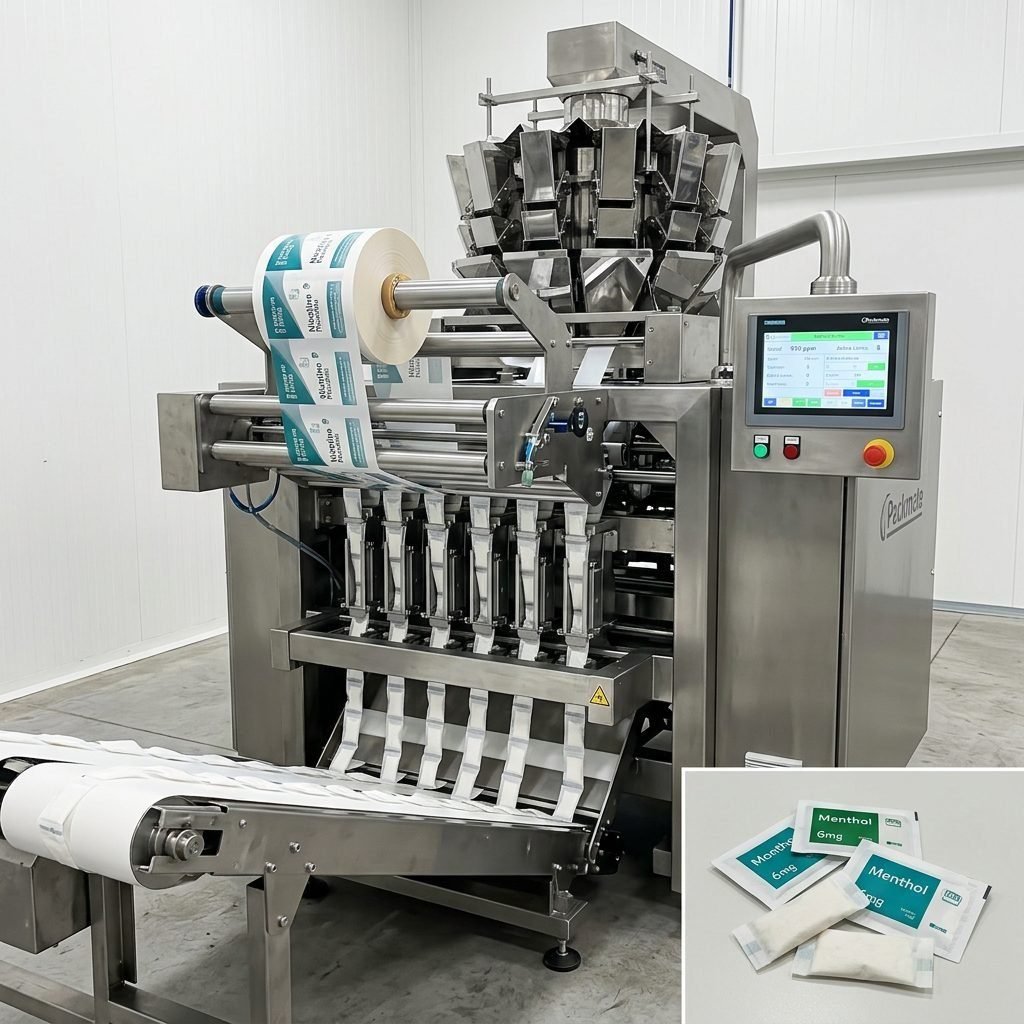
Choosing the right snus packaging machinery in Palau requires a practical, locally-aware approach. This guide walks you through the technical criteria, logistical realities, regulatory considerations and the cultural context that matter most when buying snus and nicotine pouch packaging equipment for Palau’s market. Whether you are a small island manufacturer, a distributor serving tourists, or a regional buyer evaluating turnkey lines, the following advice will help you make a cost-effective, compliant and future-ready investment.
Why Palau Is a Unique Market for Snus Packaging
Palau is a small Pacific island nation with a population concentrated in Koror and a steady flow of international tourists. Market demand for snus or nicotine pouches is likely niche and seasonal, influenced by visitor trends, local regulations, and conservative social norms. Buyers must balance machine capacity with flexibility: too large a line increases idle time and cost, while too small a machine may not support growth or export opportunities.
ℹ️ Local note: Palauan businesses often prioritize environmental respect and community relationships. Choose packaging designs and materials that are easy to recycle or that align with local disposal practices. Consider machines that reduce waste and enable minimal, travel-friendly packaging for tourists.
Top Technical Criteria for Selecting Snus Packaging Machinery
1. Production Capacity and Scalability
Match machine speed to realistic demand forecasts. For Palau, many operations find that medium-speed multi-lane machines deliver the best balance: they support small-batch runs and can scale for export to neighboring islands. Look for modular machines where extra lanes or upstream equipment can be added later.
✓ Practical tip: Avoid overbuying capacity; prioritize modular lines that allow incremental upgrades.
2. Format Flexibility (Pouches, Sachets, Stick Packs)
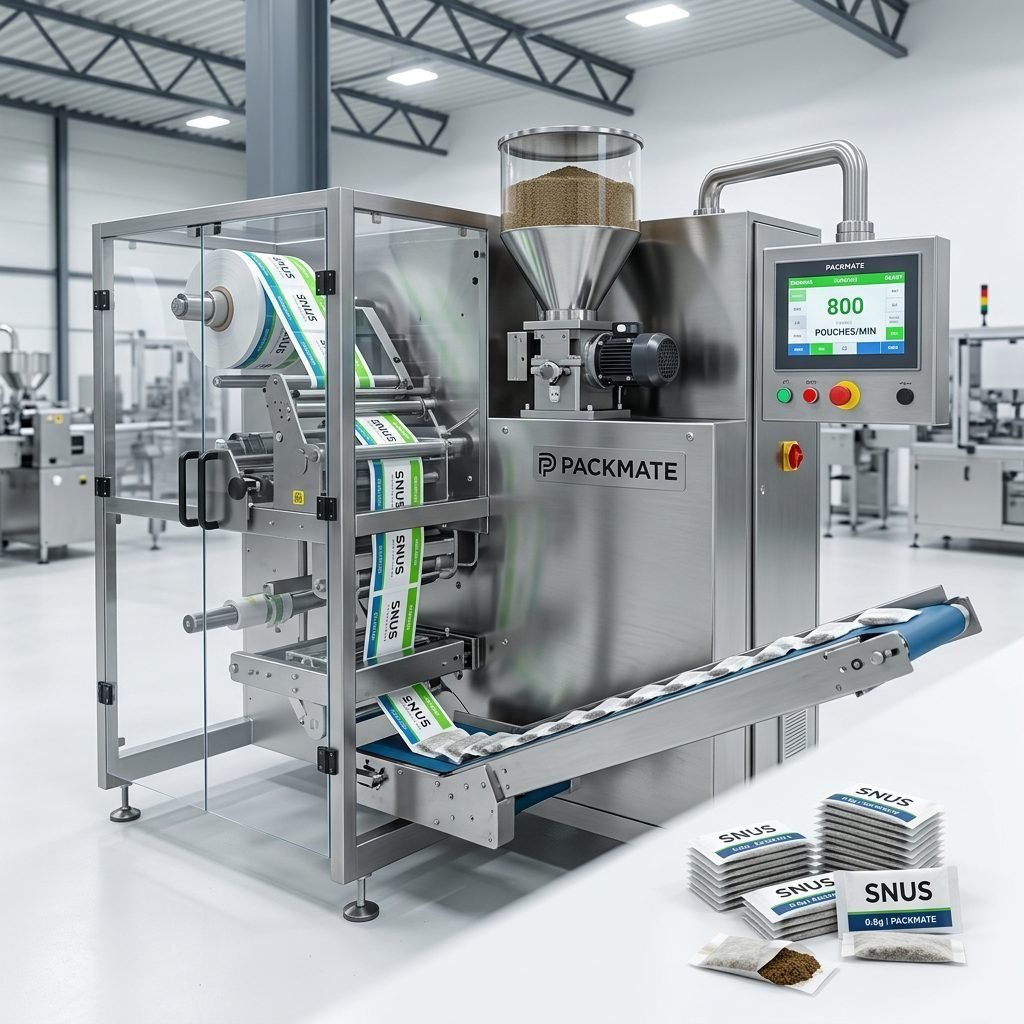
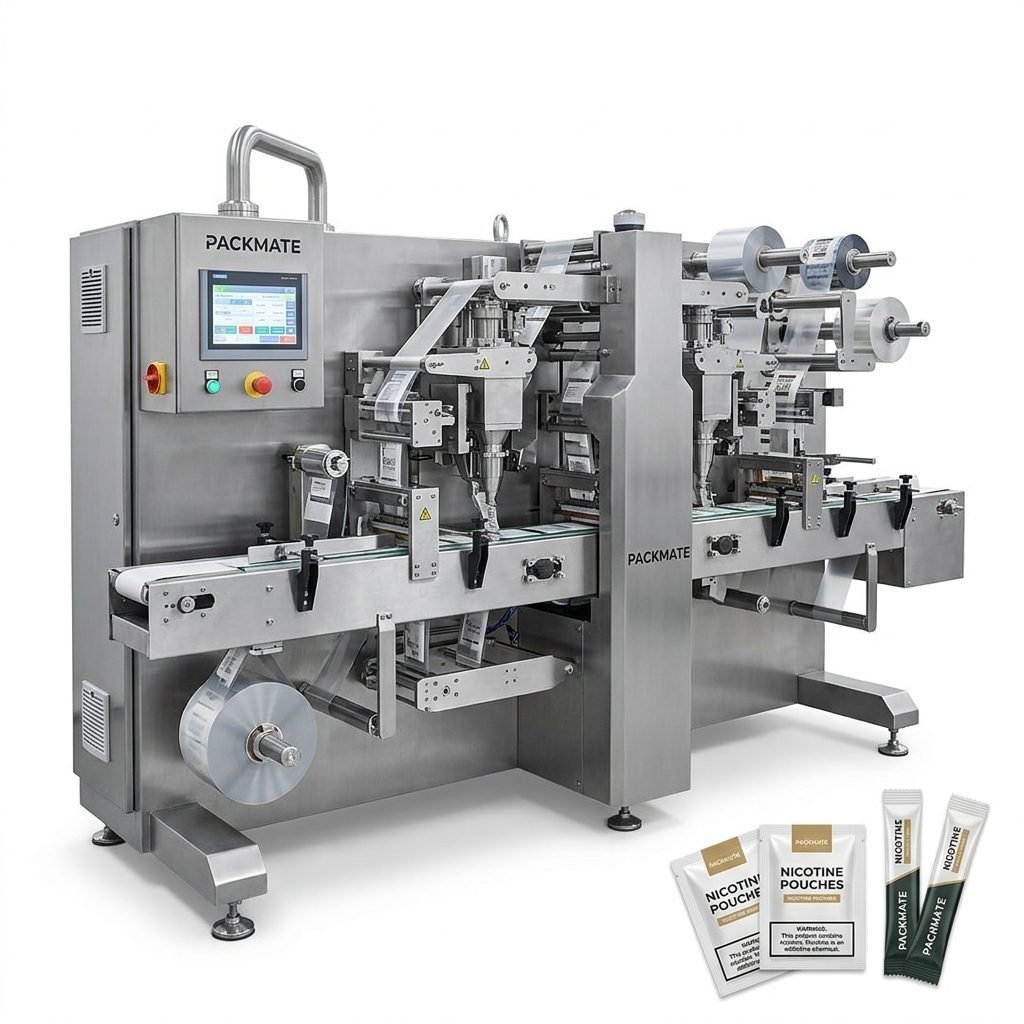
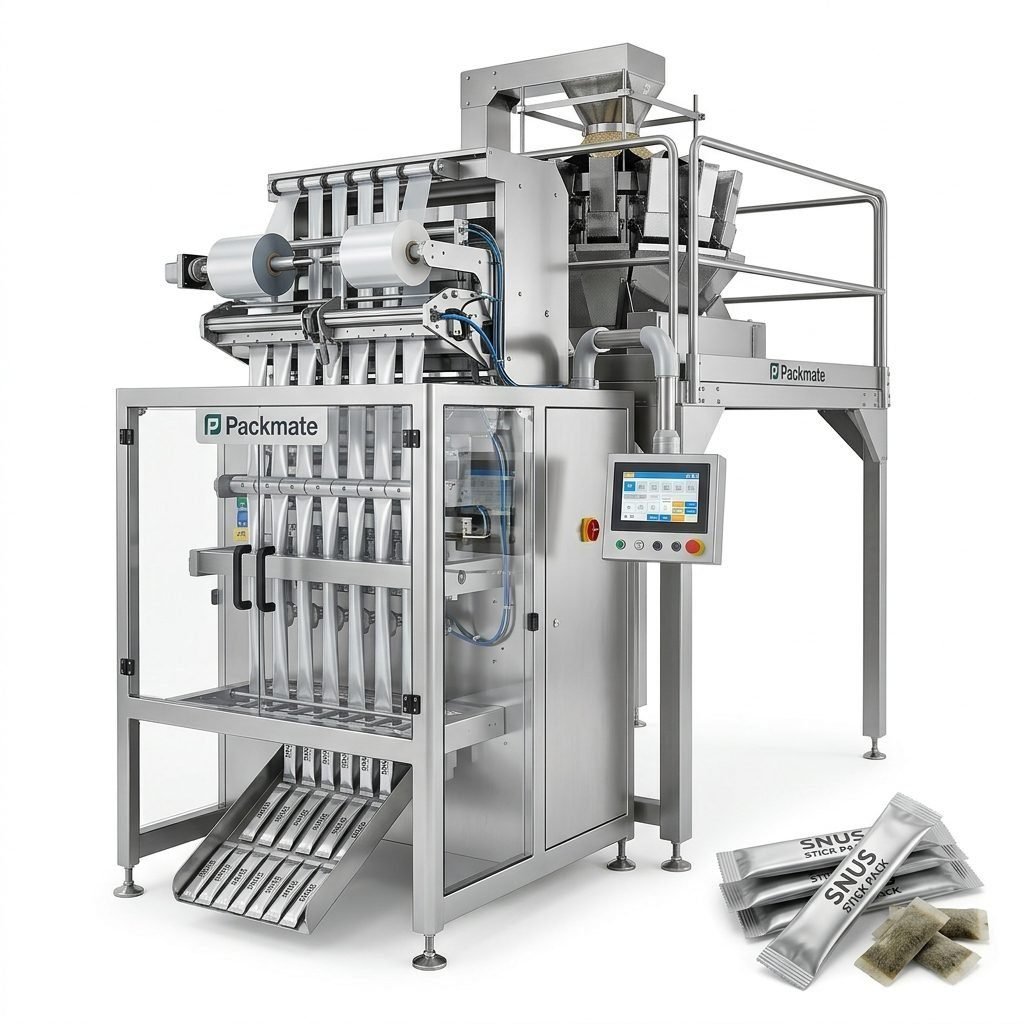
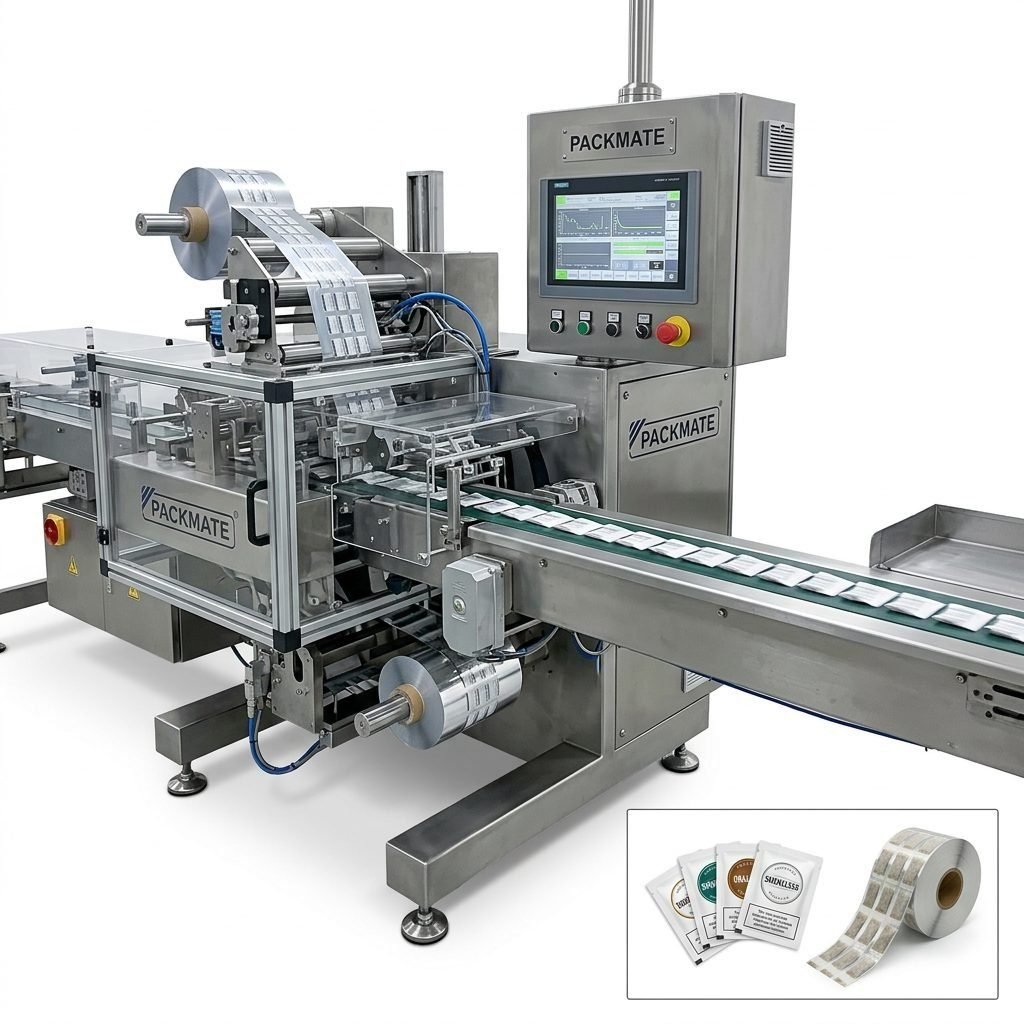
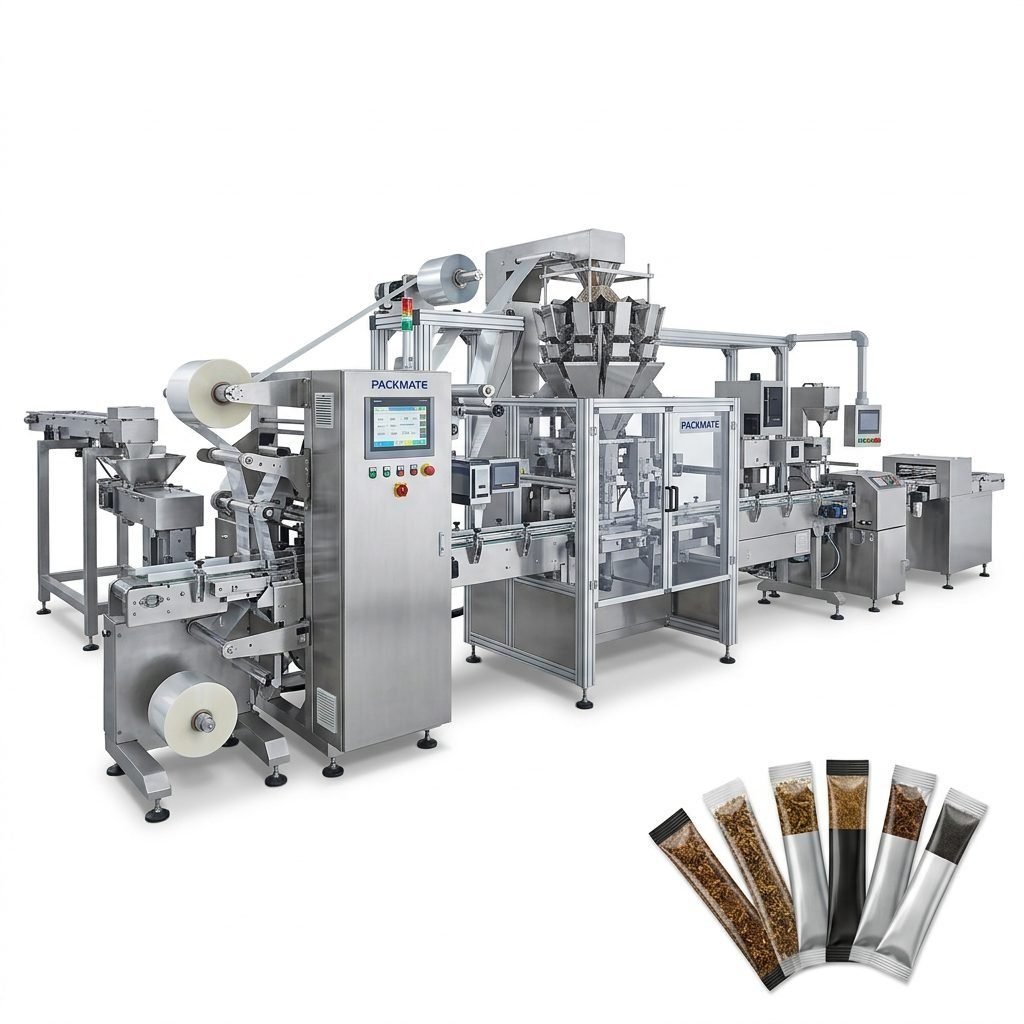
Your machine should handle the specific format you intend to produce: snus pouches, nicotine sachets, or stick packs. Preference in Palau may vary — small travel-friendly sachets and well-sealed pouches sell better to tourists, while local consumers may prefer familiar formats. Machines with adjustable format tooling save money when product lines change.
3. Hygiene, Materials and Food-Grade Construction
Ensure contact parts are stainless steel 304/316 and designed for easy cleaning and maintenance. Machines must meet global hygiene standards to pass inspections and support export. Look for CIP (clean-in-place) capabilities or designs with quick-disassemble components.
4. Automation, Integration and Control Systems
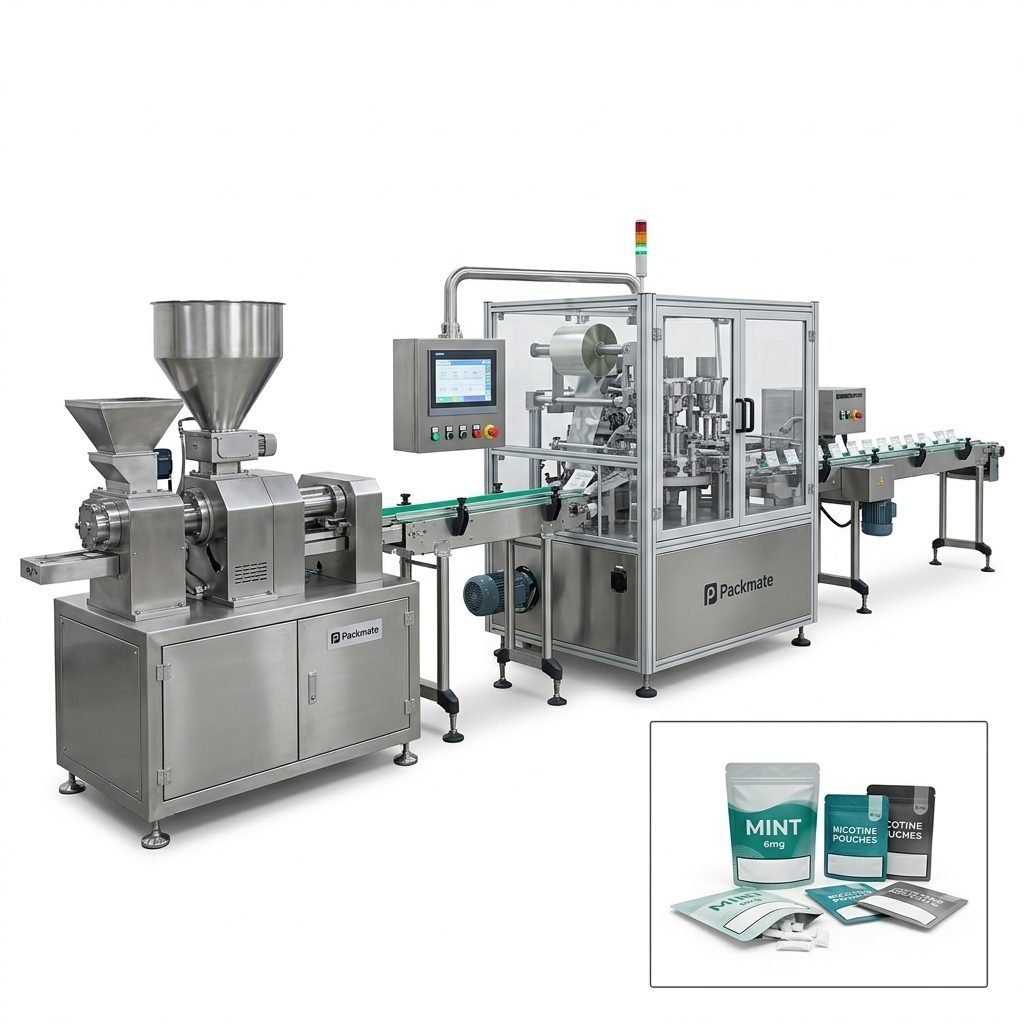
Choose PLC-controlled machines with intuitive HMI panels and the ability to integrate with upstream (weighers, fillers) and downstream (cartoning, case packing) equipment. In Palau, where specialized technicians are limited, user-friendly interfaces and remote support options save time and money.
⚠ Remote service caution: Confirm that the manufacturer provides remote diagnostics and spare parts shipping to island destinations — downtime can be costly.
5. Compliance, Certifications and Documentation
Verify CE, ISO and any export documentation. Palau imports often require clear customs paperwork. Machines with internationally recognized certificates simplify clearance and local approvals. Also check material compliance for packaging films if you plan to export to nearby markets.
6. After-Sales Support, Spare Parts and Training
On-site technical support is rare for remote islands. Prioritize suppliers that offer thorough training, comprehensive spare parts kits and clear maintenance manuals. Consider service agreements that include periodic inspections and remote troubleshooting.
7. Total Cost of Ownership (TCO) and ROI
Look beyond purchase price. Evaluate energy consumption, maintenance intervals, mean time between failures (MTBF), and waste rates. Machines with better sealing accuracy and low giveaway reduce material costs and environmental impact — an important consideration for Palauan customers and regulators.
Logistics and Import Considerations for Palau Buyers
Shipping heavy packaging machines to Palau involves ocean freight routing, possible transshipment, and local port handling. Work with suppliers experienced in island logistics and ensure machines are prepared for long transit: secure packaging, corrosion protection, and clear customs documentation. Confirm installation support or local contractor recommendations.
✈️ Tourism tip: If your sales target includes tourists, coordinate packaging sizes and labeling languages (English is widely spoken); consider travel-friendly single-serve formats that appeal to visitors.
Selecting a Reliable Manufacturer — Why Packmate Snus Machine Is a Consideration
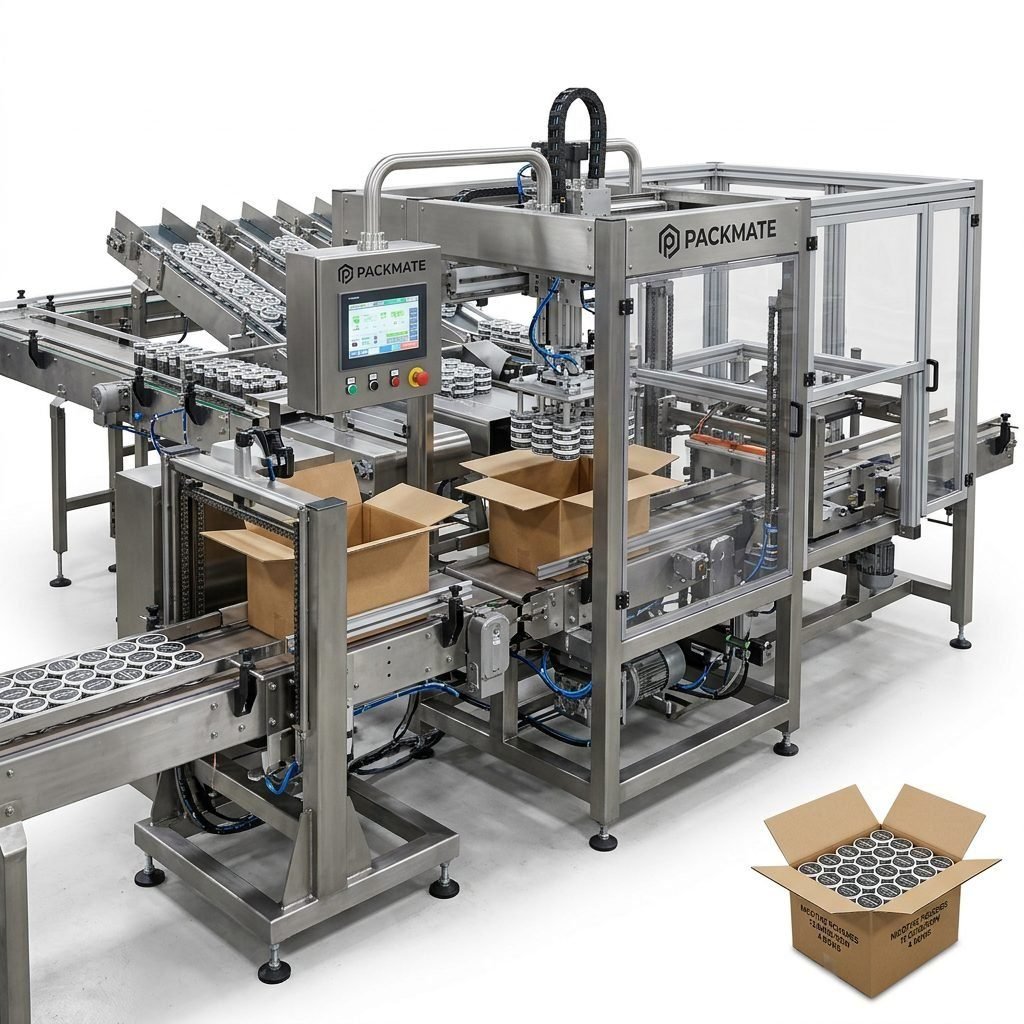
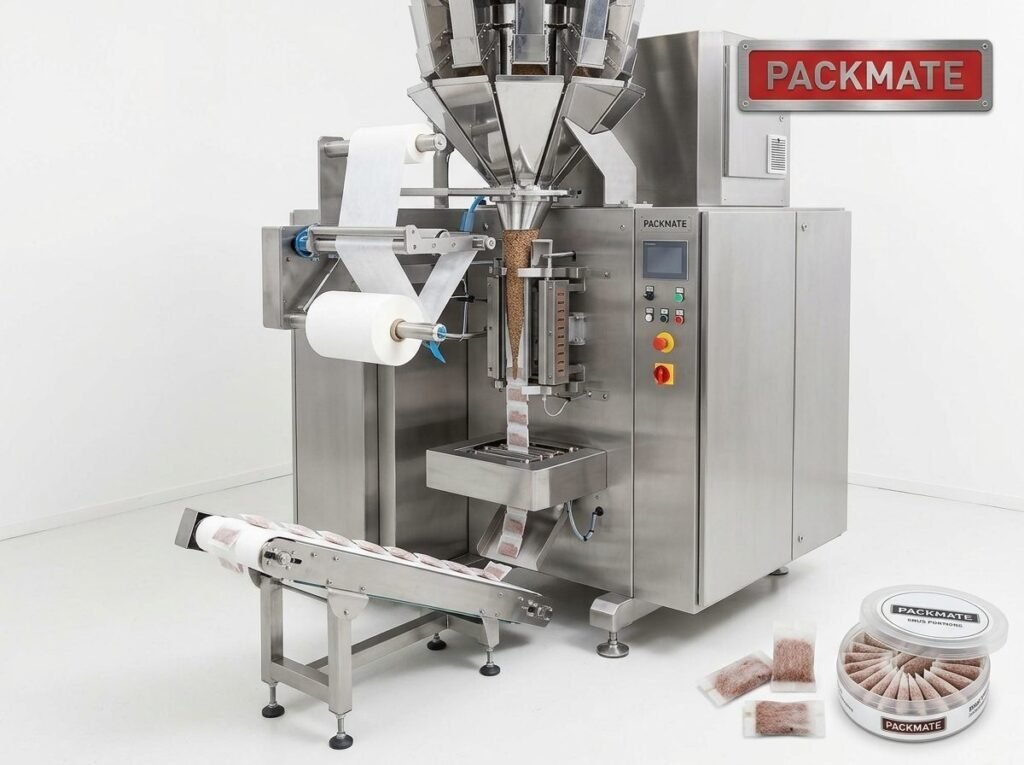
When evaluating suppliers, look for proven industry experience, diverse product lines, and a history of delivering turnkey solutions. Packmate Snus Machine brings over 30 years of engineering experience and a wide range of snus and nicotine pouch packaging equipment that matches the needs of island markets: modular multi-lane systems, sachet and stick pack options, and end-to-end filling and packaging lines.
Explore relevant product pages for technical specifications and case studies:
Snus & Nicotine Packaging Machines,
Filling & Packaging Lines, and
Service.
✅ Manufacturer facts: Packmate operates a 20,000㎡ facility, offers 50+ machine models and complies with international standards — important when importing into Palau.
Practical Steps to Buy and Install in Palau
- Define your product formats, target monthly volumes and sales channels (local retail, duty-free, tourism, export).
- Request modular machine options, spare parts kits and training packages from suppliers.
- Validate certifications (CE/ISO) and ask for export documentation to simplify Palau customs clearance.
- Arrange logistics with a forwarder familiar with Palau ports; confirm installation timelines and remote service capability.
- Plan for sustainable packaging choices and community-friendly labeling that respects Palauan customs and environmental priorities.
Case Example: Small Island Launch Strategy
Imagine a small Palauan business launching a nicotine pouch brand targeting tourists and expatriates. They procure a compact multi-lane snus pouch machine with the ability to run several formats. The supplier provides remote commissioning support and a spare parts starter kit. Initial runs focus on travel packs sold at hotels and duty-free stores. As demand grows, the modular machine is upgraded with an extra lane and integrated with automated cartoning equipment sourced from the same supplier, keeping downtime minimal and quality consistent.
Negotiation & Procurement Checklist
Before signing contracts, verify lead time, warranty terms, spare parts availability, training schedules, and remote support SLA. Ask for references from similar island customers and review case studies or exhibition demonstrations to confirm machine performance. Useful links for deeper review include:
- Case — real-world implementations and testimonials.
- About Packmate — company background and manufacturing capabilities.
- Certificate — proof of compliance and standards.
🔍 Final check: Ensure packaging artwork adheres to Palau labeling rules and that any nicotine content disclosures meet import regulations before production begins.
Installation, Training and Local Capacity Building
Given limited technical labor on islands, emphasize supplier-led training and clear maintenance schedules. Consider cross-training multiple staff members and keeping a digital copy of schematics and spare parts lists. Remote video support, scheduled virtual inspections, and periodic visits from the supplier’s technicians can extend machine life and reliability.
📞 Pro tip: Establish a direct contact with supplier support and confirm time-zone friendly response windows for Palau.
Conclusion and Next Steps
Selecting the right snus packaging machinery for Palau blends technical evaluation with local context: choose modular, hygienic, and serviceable machines; account for island logistics; and prioritize sustainable packaging that respects local customs. Work with an experienced manufacturer that offers certification, spare parts support and remote diagnostics to minimize downtime and protect your investment.
Ready to explore machines and turnkey solutions? Review product lines or request a consultation:
Snus & Nicotine Packaging Machines,
Weighing & Packaging Systems, or
Contact Us.
Frequently Asked Questions (FAQs)
Q1: How long does shipping and installation to Palau typically take?
A1: Transit time varies based on routing and transshipment; plan for several weeks to months for ocean freight. Allow additional time for customs clearance and on-site installation. Confirm lead times with your supplier and freight forwarder.
Q2: Are there special regulatory hurdles for nicotine pouch packaging in Palau?
A2: Regulations evolve; check current import and labeling requirements with Palauan authorities. Use manufacturers that provide compliant documentation and certificates to simplify approvals.
Q3: What support should I insist on from a machine supplier?
A3: Ask for training, spare parts kits, remote diagnostics, and clear warranty terms. For islands like Palau, prioritize suppliers experienced in island logistics and remote service.
Q4: How can I reduce waste and support local environmental goals with my packaging line?
A4: Choose machines that minimize film giveaway, enable recyclable or mono-material films, and offer accurate portioning to reduce product waste. Collaborate with local partners to align packaging choices with recycling or disposal practices.
Q5: Where can I find technical specifications and case studies for real-world performance?
A5: Review manufacturer case pages and product catalogs to compare specifications. For example, see Packmate’s case studies and product pages linked above for detailed machine data and customer implementations.